A non-contacting velocity sensor for open-channel flow without a weir or flume
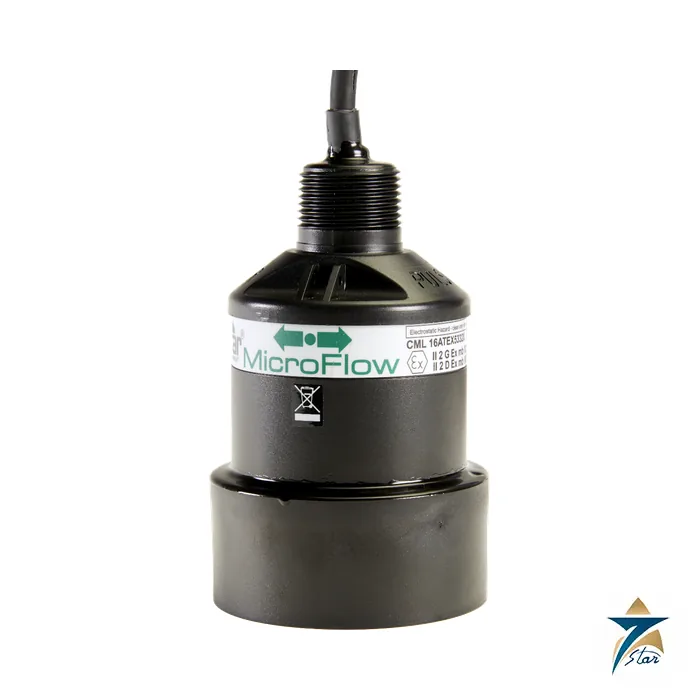
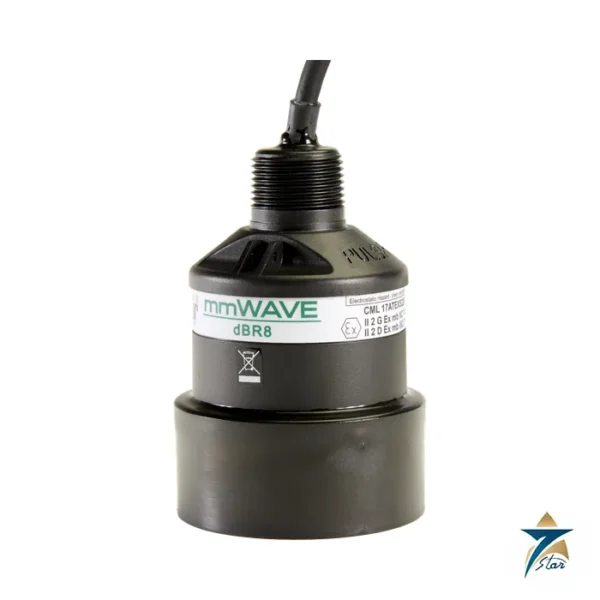
The Pulsar MicroFlow is a non-contacting liquid flow velocity sensor for open channel flow. It transmits short K-band microwave pulses that reflect off the moving water surface and measures the velocity from the returned signal. Pulsar designed it for channels that have no existing primary measurement device such as a weir or flume, and it can be combined with a Pulsar level transducer and controller to build a complete flow measurement system: level gives the wetted area, MicroFlow gives the velocity, and the controller computes flow.
Technical specifications
| Parameter |
Specification |
| Manufacturer |
Pulsar Measurement (Pulsar Process Measurement Ltd) |
| Model |
MicroFlow (4-20 mA loop-powered version: MicroFlow-i) |
| Technology |
K-band (ISM) microwave radar, transmitter power below 15 dBm, beam width 20 degrees inclusive |
| Velocity range |
0.3 to 6 m/s (0.98 to 19.7 ft/s) |
| Operational range |
Up to 3 m H (9.8 ft) |
| Accuracy |
The greater of plus/minus 0.5% or 50 mm/s (2 in/s) |
| Maximum channel width per sensor |
1.5 m (4.9 ft) |
| Optimal installation |
45 degrees in line with the flow, at the channel centreline, with a clear uninterrupted view |
| Sensor body |
90 mm D x 140 mm H (3.5 x 5.5 in); Valox 357; nominal 1 kg (2.2 lb) |
| Mounting connection |
1 in BSP back-mounted thread, or 20 mm via the supplied adaptor; optional mounting bracket |
| Cable |
5-core screened; maximum separation up to 500 m (1,640 ft) |
| Enclosure |
IP68 |
| Electronics temperature |
-20 to +60 C (-4 to +140 F) |
| Communication / output |
RS485 and Modbus RTU |
| Controller compatibility |
Integrates with FlowCERT or Ultimate |
| Supply |
10 to 28 V DC; 0.36 W |
| Set-up software |
MicroFlow PC, Windows 7/8/10, via RS485 Modbus RTU; passcode security; non-volatile memory |
| ATEX |
II 2 G D, Ex mb IIC T4 Gb, Ex mb IIIC T135 C Db, Ta -20 to +60 C |
| FM |
cFMus special protection (encapsulation), Class I, II, III, Division 1, Groups A to G |
| CE and radar approvals |
Listed in the Certificate of Conformity within the manual |
How to apply it
Mount the sensor over the channel looking upstream or downstream at about 45 degrees to the flow, at the centreline, where the surface is moving and free of obstructions. Surface disturbance gives the radar something to reflect from, so a completely glass-smooth surface at the low end of the 0.3 m/s velocity range is the hard case. A single sensor covers channel widths up to 1.5 m; wider channels need the manual guidance.
Because MicroFlow measures velocity only, a level measurement is still needed. A typical set pairs it with a Pulsar level transducer on a FlowCERT or Ultimate controller.
What to confirm before ordering
Decide between the Modbus RTU MicroFlow and the loop-powered MicroFlow-i, the controller, the level transducer, cable length, mounting bracket and hazardous-area marking. Give the channel shape and width and the expected velocity range so the 0.3 to 6 m/s limits can be checked.
How the Pulsar MicroFlow velocity sensor works
Flow in an open channel is the product of the wetted area and the average velocity. A level sensor gives the area, since the channel shape is known, and the MicroFlow gives the velocity. The sensor sends short pulses of K-band microwave energy toward the water. The moving surface reflects them with a small change in frequency, and the sensor calculates the velocity from this shift, using the Doppler principle. Because nothing touches the water, the sensor is not harmed by dirt, grease or debris in the channel.
Where the MicroFlow is used
- Sewer channels and storm drains.
- Wastewater plant inlets and outlets.
- Irrigation and drainage channels.
- Industrial effluent channels without a weir or flume.
- Sites where an existing primary device cannot be added.
Selection checklist for the MicroFlow
- Velocity range of 0.3 to 6 m/s.
- Operating range of up to 3 m, and a channel width of up to 1.5 m per sensor.
- Accuracy of the greater of 0.5 percent or 50 mm/s.
- Supply of 10 to 28 V DC and the RS485 Modbus RTU output.
- Controller: FlowCERT or Ultimate, together with a Pulsar level transducer.
- IP68 enclosure and an electronics temperature range of -20 to +60 degrees C.
- Cable length up to 500 m between sensor and controller.
- Hazardous area approvals: ATEX or FM, as listed by Pulsar.
- Mounting bracket and the 1 inch BSP thread, with the 20 mm adaptor.
Installation, commissioning and maintenance notes
Mount the sensor above the channel, looking upstream or downstream at about 45 degrees to the flow, over the centreline. The view must be clear of walls, pipes and cables. The best signal comes from a rippled and moving surface, and a smooth surface gives the radar little to reflect. Connect the five-core screened cable, then set up the sensor with the MicroFlow PC software and check the reading against a hand measurement of the velocity.
Requesting a quotation for the Pulsar MicroFlow
Send the channel width, the expected velocity and the level device you plan to use. Seven Star LLC serves industrial customers in Oman and the GCC and replies with a quotation based on the information provided.
A complete flow system
Level gives the wetted area, MicroFlow gives the velocity, and the controller calculates the flow and the total, so a channel without any primary device can still be measured.
Set-up software
The software uses a passcode for security and keeps the settings in non-volatile memory, so they stay after a power loss.
Records of site checks
Keep the mounting angle, the date and the check values with the site file.
Choosing the radar mounting point
Walk the channel before the order and note any bridges, pipes or walls near the planned position. A clear view of the moving surface matters more than easy access, so pick a spot where the flow is steady and free of eddies, and where the sensor can be reached safely for checks.
Hazardous area versions
Pulsar lists ATEX and FM approvals for the sensor, so confirm the area classification of the channel before choosing the version.
Documents and quotation
The attached Pulsar datasheet covers the MicroFlow specification and mounting drawing. Send the channel details, controller choice and approval requirement for a quotation. See more flowmeters.
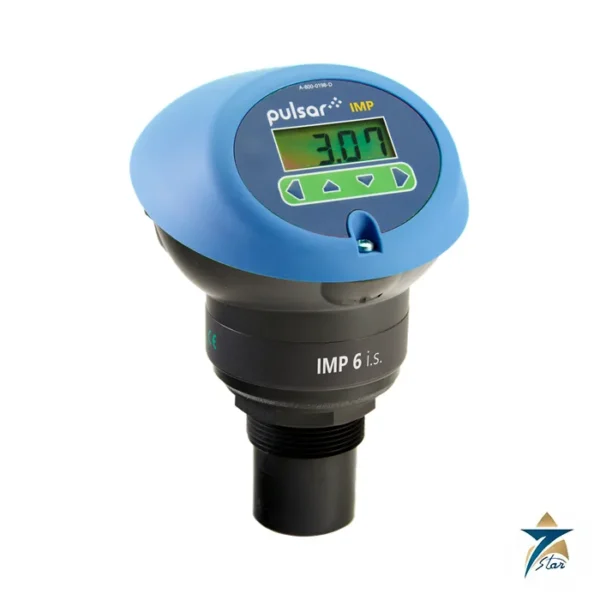
See also: Pulsar IMP+ I.S. Intrinsically Safe Ultrasonic Level Sensor; Pulsar Reflect 2-Wire 63 GHz Radar Level Sensor.








Reviews
There are no reviews yet.