Endress+Hauser Prosonic Flow P 500 clamp-on ultrasonic flowmeter
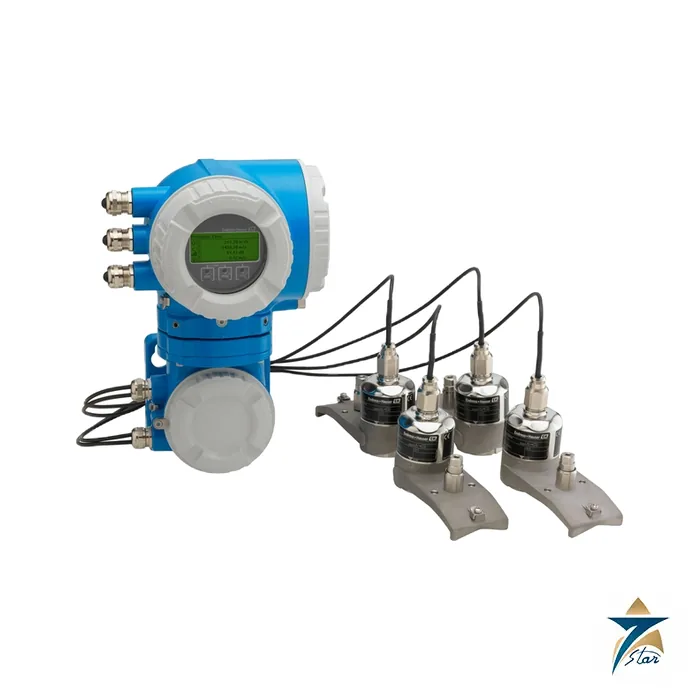
The Endress+Hauser Prosonic Flow P 500 is a clamp-on ultrasonic transit-time flowmeter for liquids. The sensors strap onto the outside of an existing pipe, so the Prosonic Flow P 500 measures without cutting the line, without wetted parts and without any pressure loss. The remote transmitter belongs to the Proline 500 family and connects to one or two sensor sets with cables of up to 30 m. Seven Star LLC supplies the Prosonic Flow P 500 in Oman and the GCC as an independent supplier in Muscat, and sizes the sensor set from the pipe and fluid data you provide.
The range of the P 500 is unusually wide: pipe sizes from DN 15 to DN 4000 (½ to 160 in) and medium temperatures from –40 up to +550 °C depending on the sensor version. This makes it a standard choice for retrofit flow checks, for large pipes where an in-line meter would be heavy, and for aggressive liquids that should stay out of contact with instrument parts.
Prosonic Flow P 500 technical specifications
| Parameter |
Specification |
| Manufacturer / part number |
Endress+Hauser / Prosonic Flow P 500 (Proline, product root 9P5B) |
| Measuring principle |
Ultrasonic transit-time difference, clamp-on, 1 or 2 measuring paths |
| Nominal diameter |
DN 15 to 4000 (½ to 160 in) |
| Velocity range |
0 to 15 m/s (0 to 50 ft/s); operable flow range over 150 : 1 |
| Measured variables |
Volume flow, flow velocity, sound velocity; mass flow calculated; totalizer |
| Measurement error |
±3 % of reading for DN 15; ±2 % of reading for DN 25 to 200 and above DN 200 (measuring point, including installation effects) |
| Repeatability |
±0.3 % for flow velocities above 0.3 m/s |
| Medium temperature |
DN 15 to 65: –40 to +150 °C; DN 50 to 4000: –40 to +170 °C; DN 50 to 600 high-temperature sensors: +150 to +550 °C |
| Sound velocity range |
600 to 3 000 m/s |
| Pressure |
No pressure limitation (clamp-on); static pressure must exceed vapor pressure |
| Sensor materials |
Sensor holder, housing and strapping bands in 1.4301/304 or 1.4404/316L |
| Sensor protection |
IP68, type 6P for the standard sensor versions (options AA to AE); other versions IP66/67 |
| Outputs |
4–20 mA HART or Modbus RS485 with up to 3 I/Os (current, pulse/frequency/switch, relay) |
| Supply |
24 V DC ±20 % or 100 to 240 V AC; max 10 W |
| Ambient temperature (transmitter) |
–40 to +60 °C (–50 °C optional) |
| Transmitter protection |
IP66/67, type 4X enclosure |
How the Prosonic Flow P 500 measures from outside the pipe
Two sensors alternately send and receive ultrasonic pulses through the pipe wall and the liquid. The pulse travels faster with the flow than against it, and this transit-time difference is proportional to flow velocity. The transmitter multiplies velocity by the pipe cross-section to get volume flow, and also measures the speed of sound in the liquid, which helps identify the medium or spot changes in its quality. Depending on pipe size, the sensors can be set for one, two, three or four traverses, which lets the installer match path length to the pipe.
In the standard two-path configuration the P 500 uses FlowDC to compensate for disturbed flow profiles. That is why the manufacturer states that accuracy stays constant even with a short inlet run. Single-path measurement is also possible, but the technical information recommends the two-sensor-set configuration where space permits.
Prosonic Flow P 500 sensor temperature groups
| Sensor |
Frequency |
Medium temperature |
| C-030-A |
0.3 MHz |
–40 to +100 °C |
| C-050-A / C-100-A / C-200-A |
0.5 / 1 / 2 MHz |
–20 to +80 °C |
| C-500-A |
5 MHz |
–40 to +150 °C |
| C-100-B / C-200-B |
1 / 2 MHz |
–40 to +80 °C |
| C-100-C / C-200-C |
1 / 2 MHz |
0 to +170 °C |
| CH-050-A / CH-100-A |
0.5 / 1 MHz |
+150 to +550 °C in three temperature steps |
The sensor choice follows pipe diameter, wall material and fluid temperature. The Endress+Hauser Applicator sizing tool or our team can pick the correct sensor set once the pipe data is known.
Where the Prosonic Flow P 500 fits in the system
Because it does not touch the fluid, the P 500 suits temporary checks of installed meters, permanent monitoring of utility mains, and measurement on liquid hydrocarbons, chemicals, solvents, acids and alkalis. The transmitter provides standard volume correction and product identification for liquid hydrocarbons, and Heartbeat Technology for built-in verification. Sensors for glass-fiber reinforced and plastic pipes are available as well. The unit can be integrated by HART or Modbus RS485, and a backlit touch display with WLAN access is used for setup.
For other measuring tasks, Endress+Hauser offers the in-line Prosonic Flow G 300 for gas and the thermal t-mass T 150 for water, both listed separately by Seven Star LLC. A clamp-on meter is normally not chosen for fiscal metering, so confirm your required accuracy before selecting it.
Prosonic Flow P 500 selection and ordering checklist
- Pipe outside diameter, wall thickness and wall material, plus any lining or coating.
- Liquid, its sound velocity, viscosity and minimum and maximum temperature.
- Sensor type and frequency, and whether the high-temperature versions (up to +550 °C) are needed.
- Number of paths: one or two sensor sets, and the mounting arrangement.
- Sensor cable length (up to 30 m) and whether the cable must run through a hazardous area.
- Hazardous-area approvals: the technical information lists Ex db ia, Ex ec and dust versions; confirm the option required.
- Communication, outputs, power supply and housing material.
- Accessories such as weather protection, mounting rails and coupling pads.
Installation, commissioning and maintenance of the Prosonic Flow P 500
Choose a measuring point with a full, stable pipe and enough straight run. The technical information gives separate inlet and outlet runs for single-path and for FlowDC two-path measurement. Clean the pipe surface, mount the sensor holders with the supplied strapping bands and coupling pads, and place the sensors at the spacing calculated by the transmitter. Enter pipe diameter, wall thickness, material and fluid data in the guided menu so that the sensor distance and paths are calculated correctly.
Commissioning involves checking signal strength and sound velocity against expected values. Long-term, the clamp-on design is considered maintenance free, with permanent mounting from outside using coupling pads. Check signal quality periodically, and replace pads if the pipe is re-insulated or disturbed. Keep spare strapping bands and a spare sensor cable in stock if the line is critical.
Typical Prosonic Flow P 500 applications in Oman and the GCC
Clamp-on measurement is particularly useful in the Gulf region for large cooling-water and seawater lines at power and desalination plants, for crude and product pipelines in oil and gas, and for hot oil or heat transfer systems where the high-temperature sensors are needed. It is equally practical for chemical dosing and solvent lines in petrochemical sites, and for verifying existing flowmeters without shutting down. Standard sensor versions are rated IP68, and the transmitter ranges from –40 to +60 °C, suitable for hot and dusty outdoor locations if a sunshade is used.
Information to send with a Prosonic Flow P 500 RFQ
- Quantity and the model name: Endress+Hauser Prosonic Flow P 500, and order code if available.
- Pipe outside diameter, wall thickness, material and lining.
- Liquid and temperature range, with expected flow range.
- Single or two-path requirement, cable length and mounting accessories.
- Output, power and hazardous-area requirements.
- Delivery site and project schedule.
Documents and quotation
The Endress+Hauser technical information for the Prosonic Flow P 500 is attached on this page as a datasheet, with sensor tables, accuracy figures and approvals.
Send the pipe and fluid details and we will confirm the sensor selection, lead time and further documents for the Prosonic Flow P 500 supplied to Oman or the GCC.
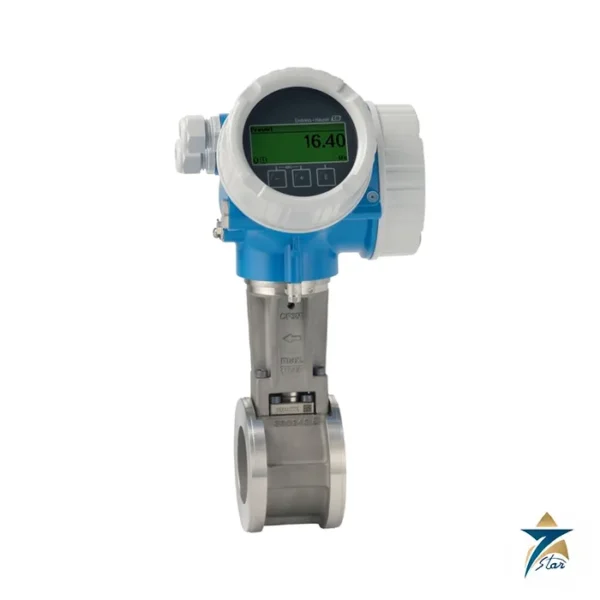
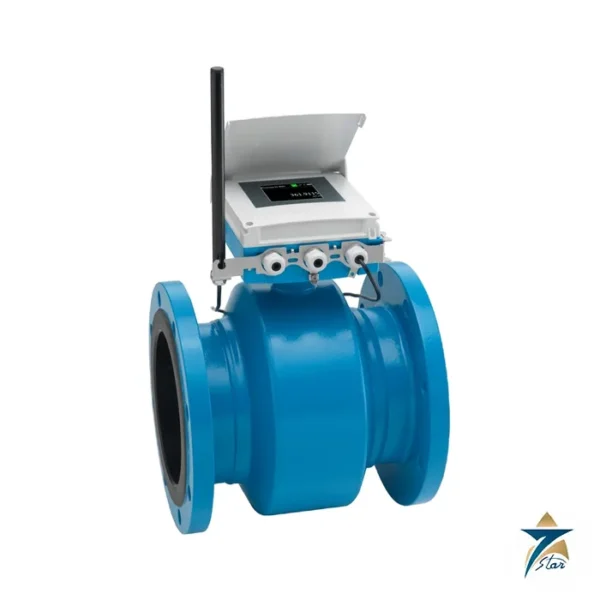
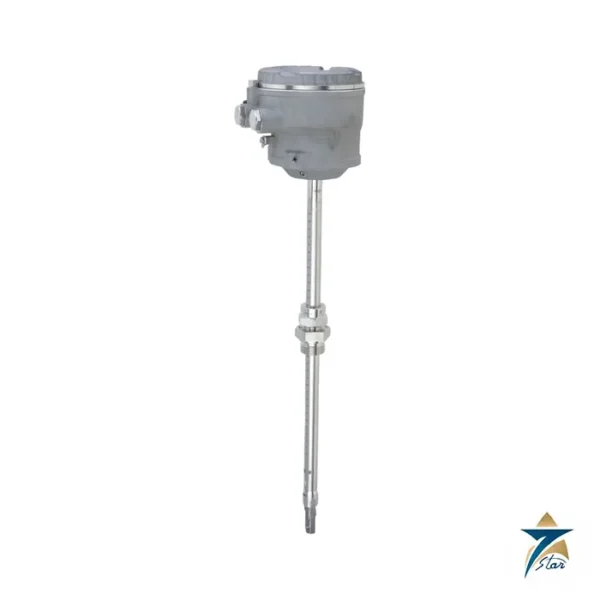
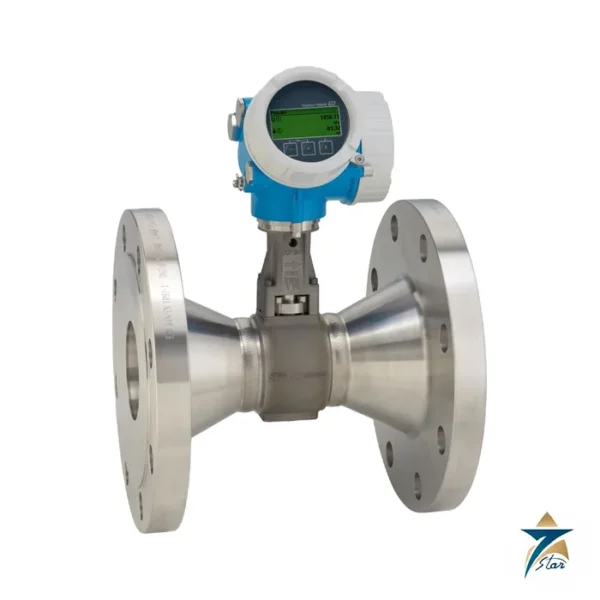
Other Models in the Eh Prosonic Flow Ultrasonic Range
Seven Star LLC supplies models from the Eh Prosonic Flow Ultrasonic range in Oman and the GCC. Compare the related models below and request a quote for the one that matches your application.




















Reviews
There are no reviews yet.