Overview
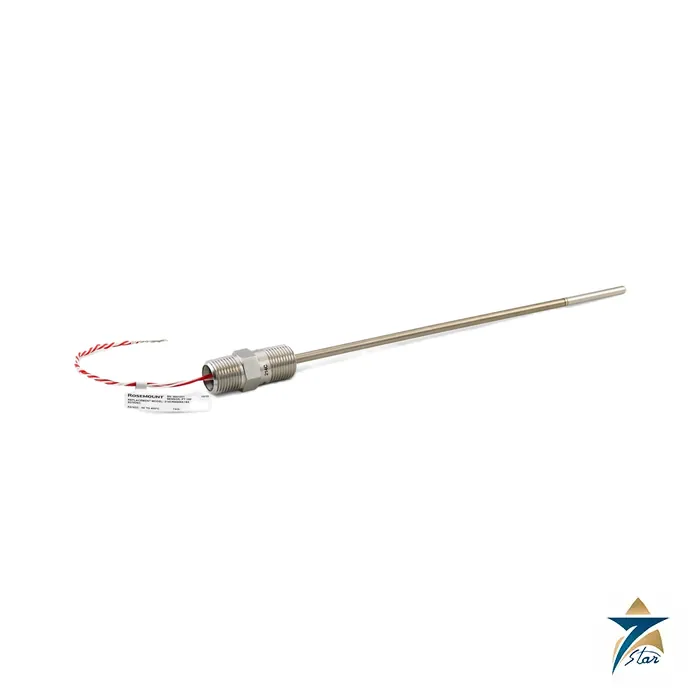
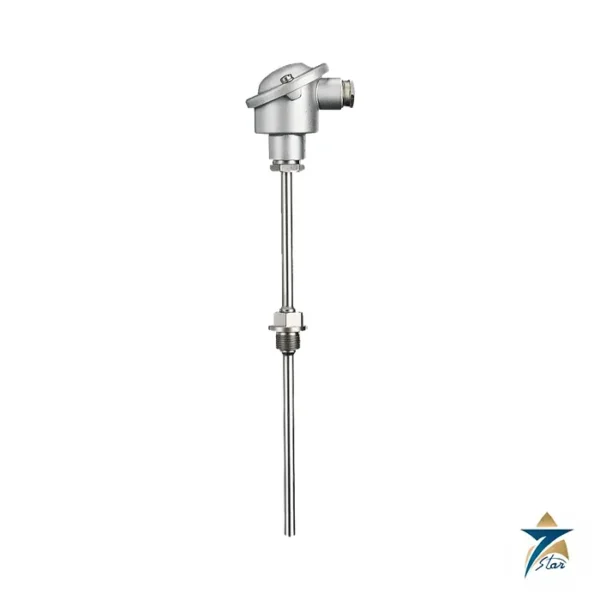
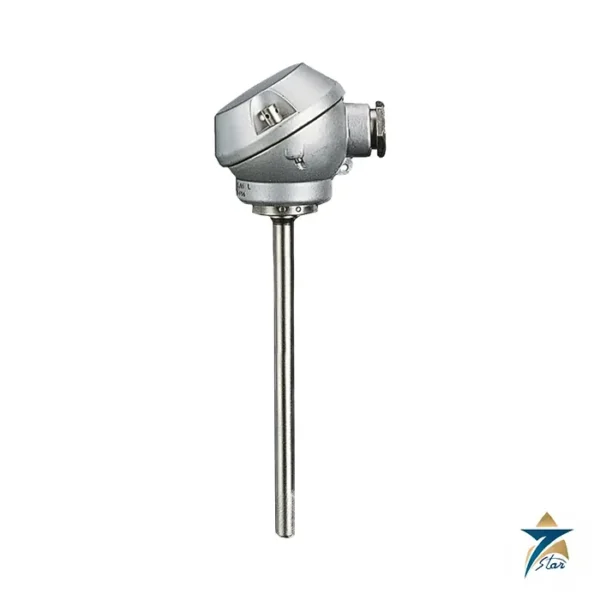
Rosemount 214C is an industry-standard RTD temperature sensor built for direct-mount installation on process piping and vessels across general industrial, food and beverage, and mining and minerals applications. Available in single or dual Pt-100 element configurations, in thin-film or wire-wound construction, the Rosemount 214C covers a wide measuring span from −196°C to 600°C and can be ordered with Class A accuracy and Callendar-Van Dusen constants for precise transmitter-sensor matching. Its rugged design and broad configuration options make it a dependable, field-proven RTD sensor for facilities across Oman that need vibration-tolerant, high-accuracy temperature measurement on demanding process lines.
Working closely with plant engineers in the region, Seven Star LLC proudly supplies the Rosemount 214C RTD temperature sensor to industrial buyers across the Sultanate of Oman and the wider GCC. Every unit we supply is a Rosemount product supported by manufacturer documentation and local technical support, giving process engineers in Muscat, Sohar, and Salalah a documented source of instrumentation.
Measurement Principle
The Rosemount 214C measures temperature using the resistance thermometry principle standardized in IEC 60751: a Pt-100 platinum element changes electrical resistance in a precise, repeatable relationship as its temperature rises or falls. As the sensor tip absorbs heat from the process medium, the platinum element’s resistance increases correspondingly, and a connected transmitter converts that resistance into an accurate, linearized temperature reading. Because the 214C is available with documented Callendar-Van Dusen constants for each individual sensor, it can be matched to a compatible smart transmitter for tighter overall loop accuracy than a generic RTD-and-transmitter pairing would achieve.
The dual-element configuration option provides a valuable operational safeguard: two independent Pt-100 elements housed in a single sensor assembly allow continuous cross-checking of the temperature reading, or a live backup measurement point if one element degrades, without requiring a second physical sensor installation. Because the sensing elements are solid-state with no moving parts, the 214C introduces no mechanical wear, no pressure drop into the process when correctly thermowell-mounted, and no contamination risk to the measured medium during normal operation or maintenance.
Engineering Design of the Rosemount 214C
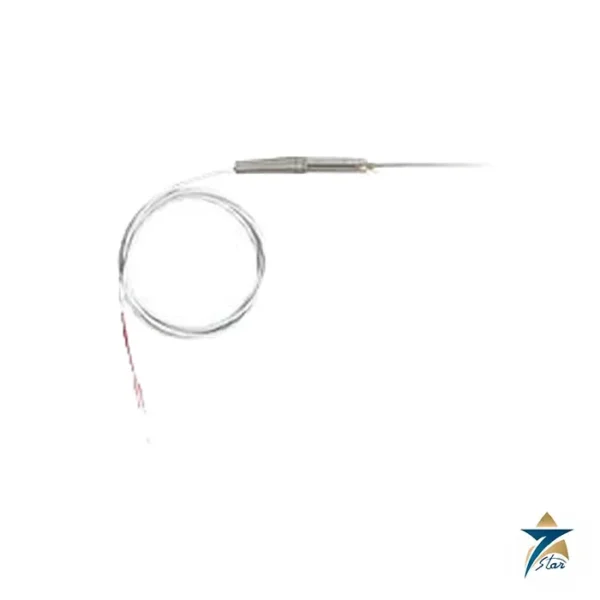
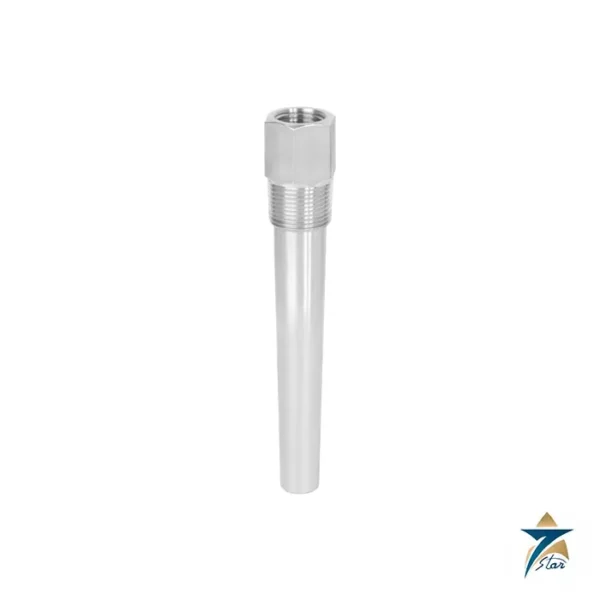
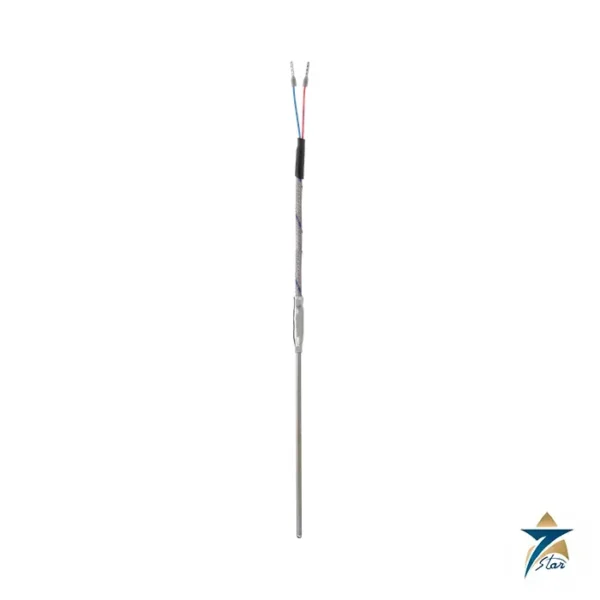
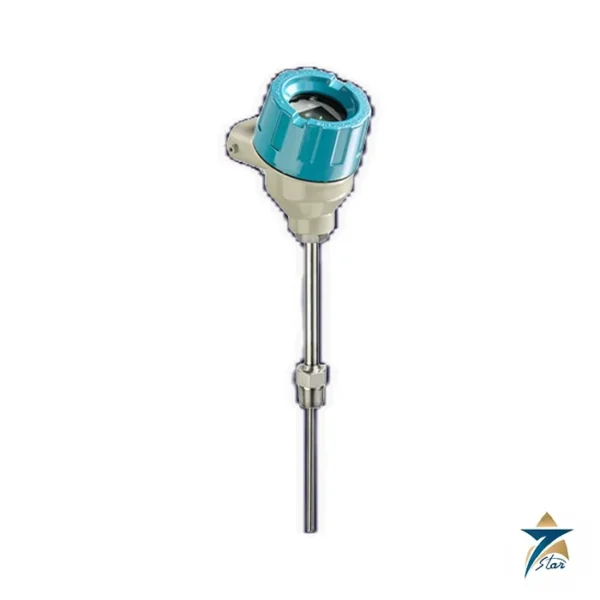
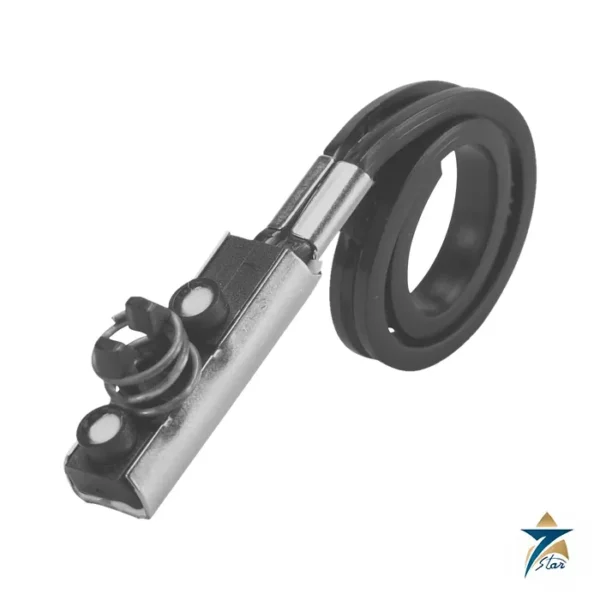
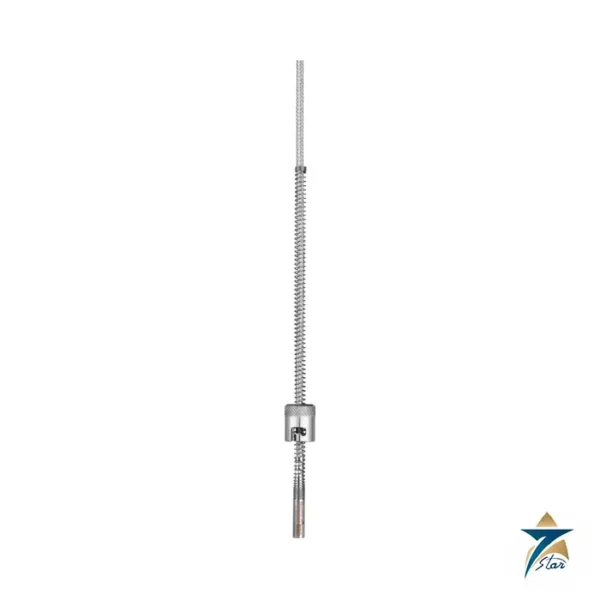
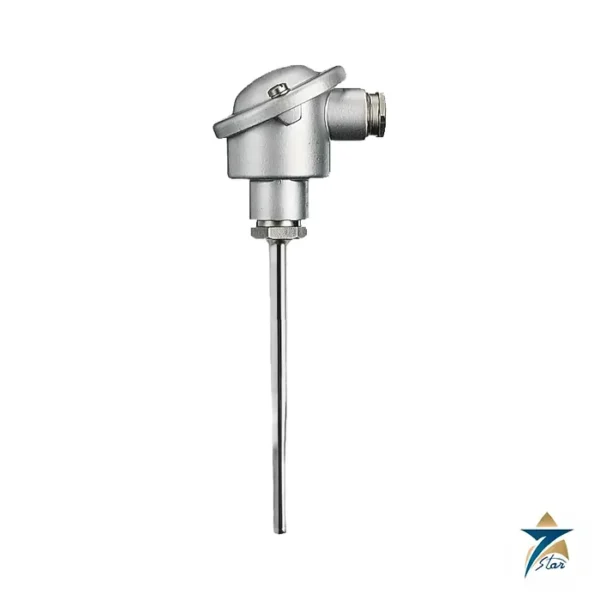
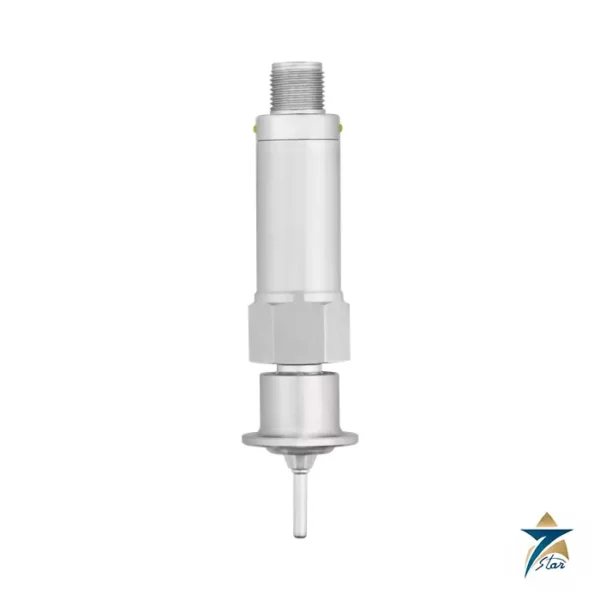
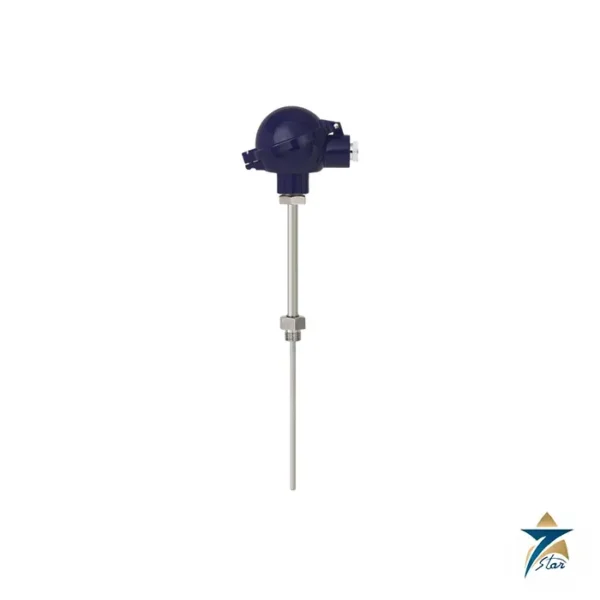
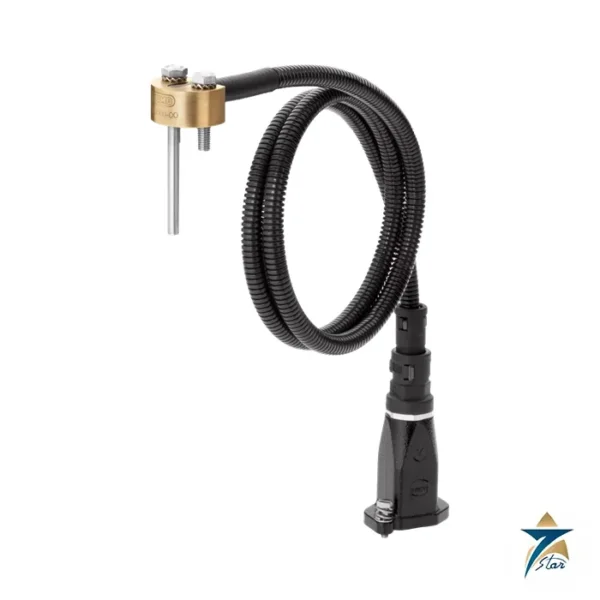
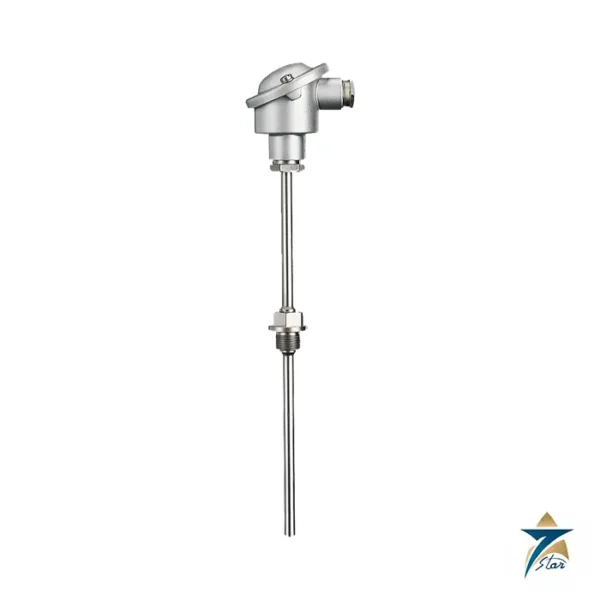
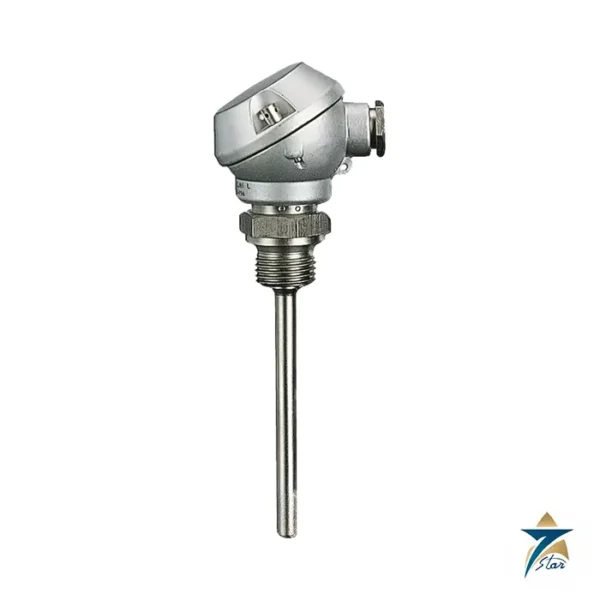
Physically, the Rosemount 214C is built as a compact, direct-mount sensor with a spring-loaded internal element and a variety of enclosure and connection-head options to suit different mounting and wiring requirements, from a simple lead-wire termination to a full connection-head assembly. Spring-loaded or compact spring-loaded mounting styles maintain constant contact pressure between the sensing tip and the base of the thermowell, minimizing response-time lag while allowing the sensor to be withdrawn and replaced without disturbing the thermowell itself.
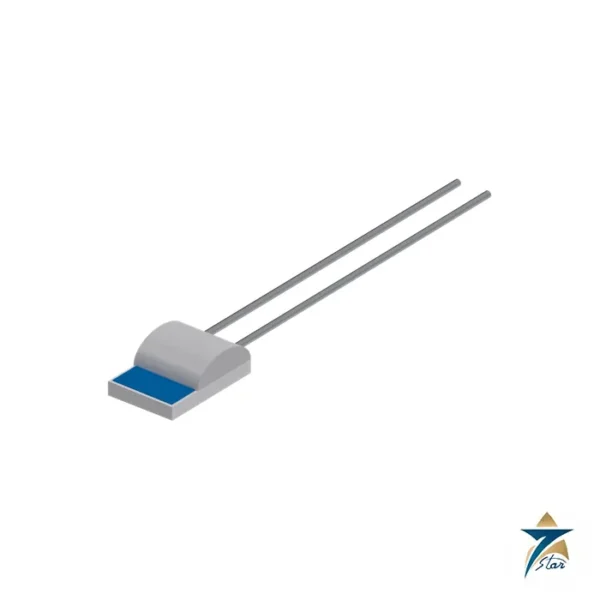
Wire-wound element construction extends the 214C’s usable range to the higher end of its rated span for demanding high-temperature applications, while thin-film elements offer excellent vibration resistance for installations on rotating or reciprocating equipment. The sensor terminates in a two-, three-, or four-wire configuration matched to the connected transmitter or control system input, and its compatibility with a broad range of Rosemount thermowells and connection heads simplifies specification for engineers standardizing on a single RTD platform across a facility.
Key Features
The Rosemount 214C RTD temperature sensor delivers the accuracy, configurability, and durability that process engineers expect from an industry-standard sensing platform.
- Single or dual Pt-100 element configurations provide either simple point measurement or continuous cross-checked redundancy in one sensor body.
- A wide −196°C to 600°C measuring span covers cryogenic through high-temperature industrial applications with a single sensor family.
- Optional Class A accuracy with documented Callendar-Van Dusen constants enables precise transmitter-sensor matching for tighter loop accuracy.
- Spring-loaded and compact spring-loaded mounting styles allow sensor replacement without disturbing the installed thermowell.
- Thin-film and wire-wound element options let specifiers choose between high vibration resistance and extended high-temperature range.
- Broad compatibility with Rosemount thermowells and connection heads simplifies standardization across a facility’s instrumentation inventory.
- Two-, three-, or four-wire terminations match directly to a wide range of transmitters and control-system analog inputs.
- Field-proven, industry-standard design reduces specification risk on both new-build and retrofit RTD installations.
Industrial Applications
The Rosemount 214C is deployed extensively across general process manufacturing, food and beverage production, and mining and minerals processing, wherever a dependable, direct-mount RTD sensor with configurable accuracy is required. Its wide measuring span and Class A accuracy option make it a strong fit for district cooling plants, RO desalination systems, and commercial HVAC chiller loops across Muscat, where precise temperature feedback directly affects energy efficiency, while its dual-element option is valued in pharmaceutical and food-processing facilities across Oman’s industrial zones where redundant temperature verification supports quality and safety compliance. Vibration-tolerant thin-film variants also see wide use on rotating equipment in oil and gas and heavy-manufacturing settings throughout the region.
With fast quotation turnaround and technical support, Seven Star LLC supplies the 214C RTD temperature sensor to project contractors, EPC firms, and plant operators throughout Oman, the wider GCC, and specifically within the Sohar and Salalah economic zones, where petrochemical, metals, and logistics facilities depend on Rosemount instrumentation and responsive technical support. Hospitality developments and hospital complexes across Muscat also rely on 214C-class RTDs within their building-management and process-utility systems, where documented accuracy directly supports comfort control and energy management.
Technical Specifications
The table below summarizes the core specifications of the Rosemount 214C RTD temperature sensor as supplied by Seven Star LLC.
| Parameter |
Specification |
| Model |
Rosemount 214C |
| Sensor Type |
Pt-100 RTD, single or dual element, thin-film or wire-wound |
| Measuring Range |
−196°C to 600°C (−321°F to 1112°F) |
| Accuracy |
Optional Class A, with Callendar-Van Dusen sensor matching |
| Mounting Style |
Spring-loaded or compact spring-loaded |
| Wiring Configuration |
2-, 3-, or 4-wire |
| Element Construction |
Thin-film (vibration-resistant) or wire-wound (extended range) |
| Thermowell Compatibility |
Broad range of Rosemount thermowells and connection heads |
| Typical Applications |
General process, food & beverage, mining & minerals |
Request a Quote for Rosemount 214C RTD Temperature Sensor
Seven Star LLC invites engineers, procurement teams, and EPC contractors across Oman and the GCC to submit a formal RFQ for the Rosemount 214C RTD temperature sensor. With engineering support in Muscat, we supply on request with lead time confirmed at quotation, provide full technical datasheets on request, and connect customers directly with our instrumentation division for application engineering support, including thermowell selection and sensor-transmitter matching. Contact Seven Star LLC today to discuss your project requirements and receive a competitive, locally supported quotation.
Browse the full Rosemount range or see more Temperature Instrumentation products supplied by Seven Star LLC in Oman and the GCC.

























Reviews
There are no reviews yet.