Rosemount 2535 vibrating rod solids level switch explained
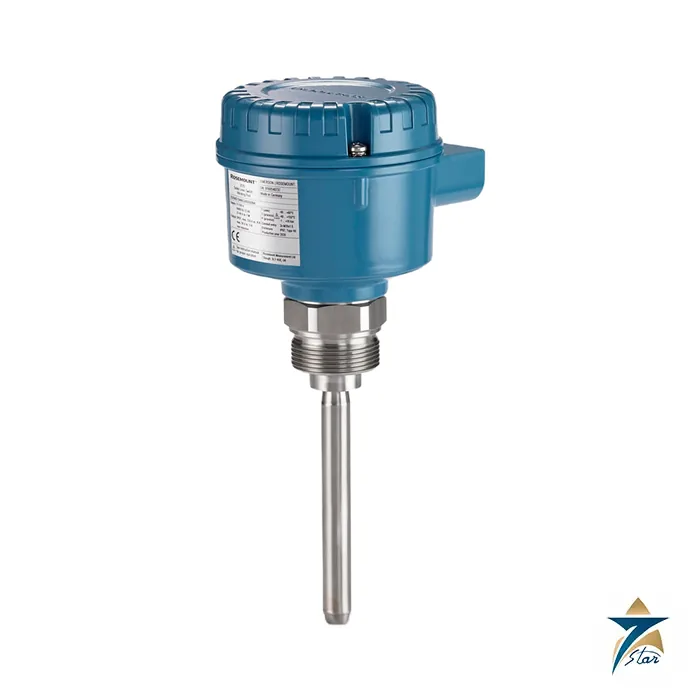
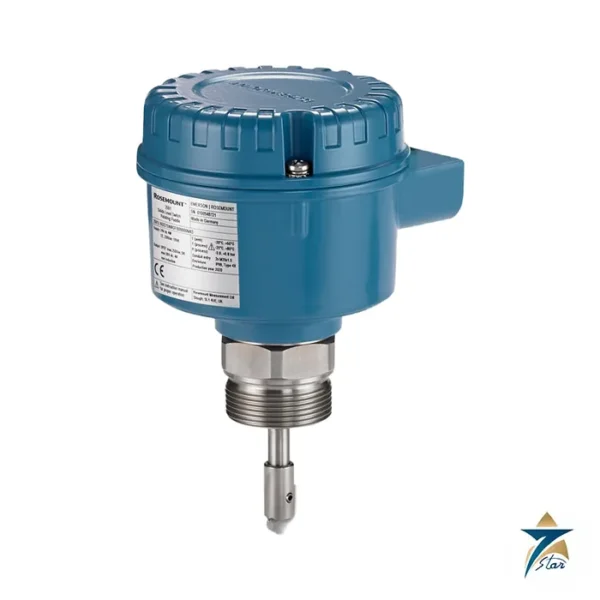
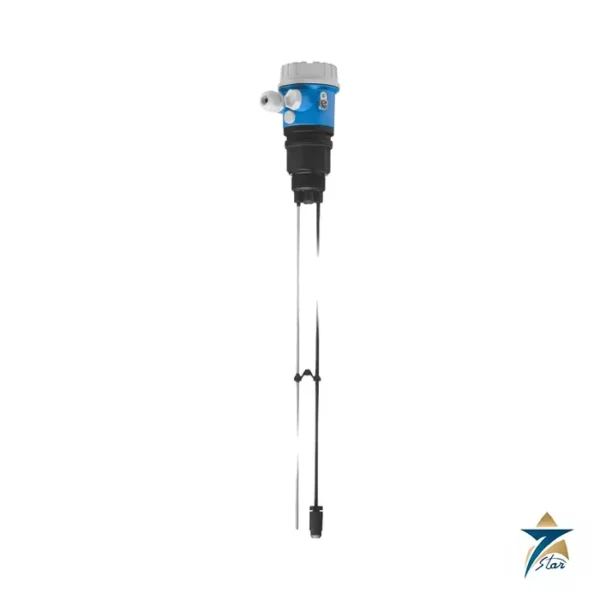
The Rosemount 2535 replaces the two-tine fork with a single vibrating rod, which removes the gap in which powders can bridge or pack. It is a compact point level switch for full, demand and empty detection in storage and process vessels, including those with strongly caking material. Seven Star LLC supplies the Rosemount 2535 in Oman and the GCC as an independent supplier in Muscat.
The datasheet example code reads 2535 M S 1 5 NN G V A 0000 NA Q4. The positions give thermal profile, wetted material, conduit entry, connection size, rating, thread or flange type, electronics, rod length and approvals.
Rosemount 2535 technical specifications
| Parameter |
Specification |
| Manufacturer / part number |
Rosemount (Emerson) / 2535 Solids Level Switch, Vibrating Rod |
| Vibration frequency |
330 Hz |
| Sensitivity settings |
Four: I 20 g/l, II 80 g/l, III 150 g/l, IV 300 g/l minimum density |
| Process temperature |
-40 to +302 °F (-40 to +150 °C) |
| Process pressure |
-14.5 to 232 psi (-1 to +16 bar) |
| Standard rod length |
6.3 in. (160 mm); extended up to 157 in. (4000 mm) |
| Rod material |
316L (1.4404) stainless steel, food grade |
| Process connection |
G or NPT 1 in., 1¼ in., 1½ in.; Tri Clamp 2 in.; flanges DN50 to DN100 |
| Electronics |
PNP 20 to 40 Vdc; DPDT relay 21 to 230 Vac / 22 to 45 Vdc |
| Housing and ingress |
Powder-coated aluminum, IP67, NEMA Type 4X |
| Maximum lateral load |
400 N on the rod at 40 °C; torque 180 Nm for extended lengths |
| Weight |
1.3 kg standard; +1.3 kg per meter extension |
Principle of the 2535 vibrating rod
A piezo-electric crystal sets the rod swinging at its natural frequency of 330 Hz. Once the bulk solid covers the rod, the frequency changes, and the electronics convert that into the covered or uncovered output state. Because there is only one element, nothing can wedge between tines, so cohesive and sticky powders are less likely to hold the switch in a false covered state.
Four sensitivity settings let you pick the minimum material density, from very light 20 g/l powders up to heavy 300 g/l granulate. The output delay is 1 second to covered and 1 to 2 seconds to uncovered, and fail-safe high or low is chosen per application.
Where the Rosemount 2535 sits in the product family
Against the 2511 and 2521 forks, the 2535 trades a little sensitivity for anti-bridging behavior and small connections starting at 1 in. For hot service or very high mechanical loads, the Rosemount 2555 capacitance probe is the better match.
When comparing models, remember the selection logic: start from the density of the lightest material the switch must see, then the worst-case temperature and the stickiness of the product. If the lightest material sits near 20 g/l, use setting I and keep the rod away from walls where material can pile up. If a vessel handles both a light and a heavy product in turn, choose the setting for the lighter one and test with the heavier one during commissioning.
Spare electronics boards are 02500-1000-0127 (DPDT relay) and 02500-1000-0128 (PNP), and the same DN100 flange mounting kits as the 2511 are offered under 02500-7500-0001, -0004, -0007 and -0010.
Selection checklist for the Rosemount 2535
- Thermal profile: M, or E with an extension tube when ambient exceeds 104 °F (40 °C).
- Material: D (304/321 stainless) or S (316L).
- Connection size: 1 in., 1¼ in., 1½ in., 2 in., 3 in. or 4 in.; size 2 in. needs a raised-face flange or Tri Clamp.
- Thread or flange: BSPP (G), NPT, Tri Clamp, flat-face PN6 / PN16 or ASME Class 150 raised-face.
- Electronics: G (PNP) or V (DPDT relay).
- Rod length: A standard 160 mm, or E / M extended up to 4000 mm.
- Approvals: NA, dust codes ND, NK, NR, NS, and American and Canadian codes KZ and KB.
Installing and maintaining the Rosemount 2535
The rod can be mounted vertically, horizontally or at an angle. Extended rods in tall silos see significant torque, so keep within 180 Nm and add a reverse-V shield when product falls onto the rod. A sliding sleeve is available for extended rods from 300 mm; S1 is for unpressurized vessels only and S2 holds up to 16 bar.
In hazardous areas, the datasheet restricts process overpressure to -0.2 to +0.1 bar, with 16 bar permitted only for test purposes. Maintenance is limited to checking cable glands, seals and the rod surface, and replacing the plug-in electronics board if ever required.
Rosemount 2535 use cases in Oman and the GCC
The slim rod fits small hoppers, screw feeders, dust filters and pneumatic transfer lines. It is suited to cement additives, gypsum, flour, sugar, plastic powders, catalyst and salt where moisture in humid coastal air can cause caking. Its IP67 housing handles dust and wash-down conditions typical of regional plants.
2535 quick comparison table
| Feature |
2535 rod |
2511 fork |
| Sensing element |
Single rod |
Two tines |
| Smallest connection |
1 in. |
1¼ in. |
| Sensitivity settings |
Four |
Two |
| Frequency |
330 Hz |
200 Hz |
| Caking tolerance |
Better, no tine gap |
Limited |
Information to send with a Rosemount 2535 RFQ
- Model code or material, bulk density and moisture
- Nozzle or flange size and standard
- Rod length and vessel wall thickness
- Process temperature, ambient maximum and pressure
- Output type and supply voltage
- Hazardous area classification
- Quantity and spare boards
Site conditions in Oman for the 2535
Field instruments in Oman are exposed to strong sun, high ambient temperature, wind-blown dust and, on coastal plants, salt in the air. When you specify the 2535, check the ambient and process temperature limits, the enclosure rating and the wetted and housing materials against the actual installation point, and consider sunshades for transmitters mounted in direct sunlight. Cable entries should be sealed with suitable glands so that dust and moisture cannot enter the housing.
Calibration and verification planning matters as much as selection. Record the range, configuration and tag data of each 2535 at commissioning, define a check interval that suits the criticality of the loop, and keep the certificates with the plant documentation so that audits and shutdown work can proceed without delay.
Documents and quotation
The official 2535 datasheet is attached on this page for reference, so you can check model codes, materials and approvals against your specification before ordering.
Send us the full model code or the process data, and Seven Star LLC will prepare a quotation for the Rosemount 2535 as an independent supplier in Muscat, with delivery to Oman and the GCC.
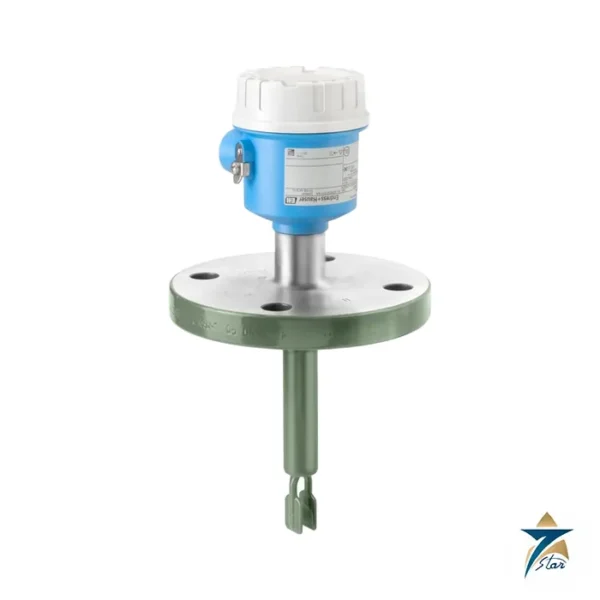
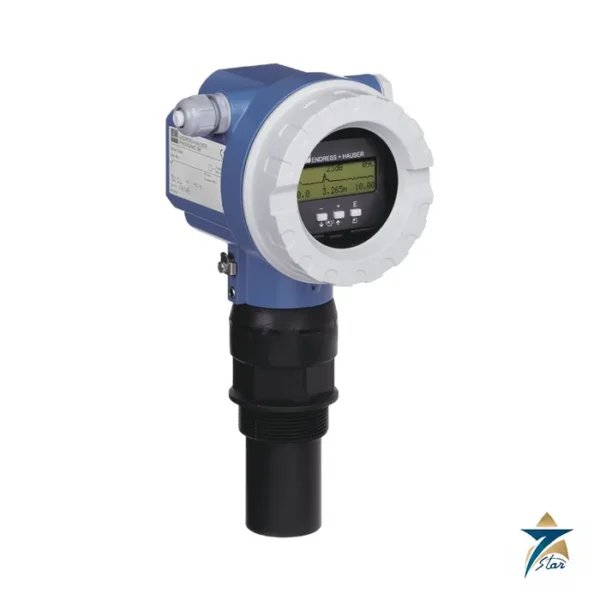
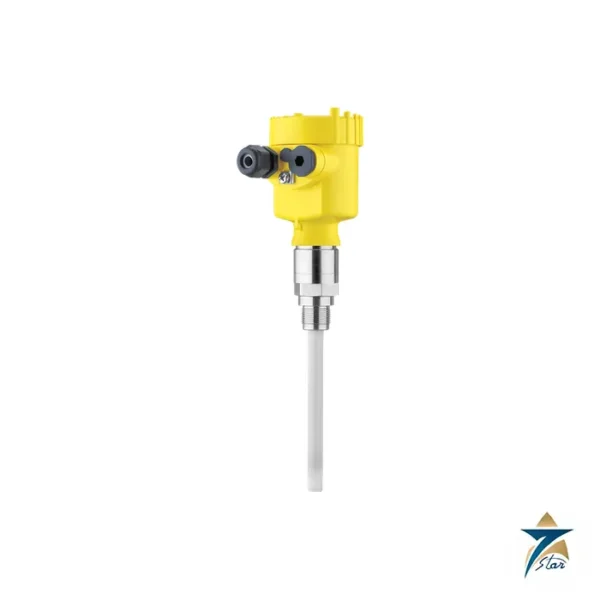
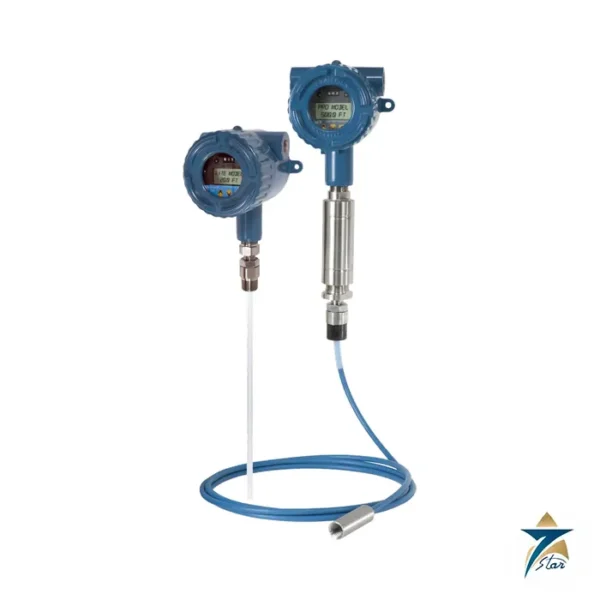
Other Models in the Rosemount Solids Level Switch Range
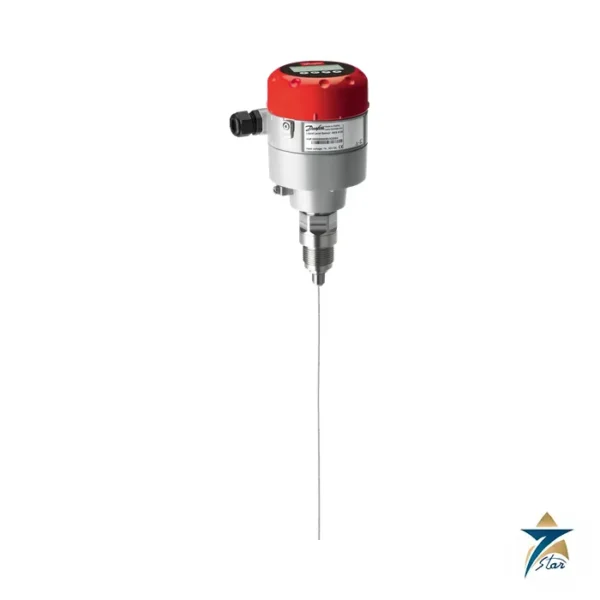
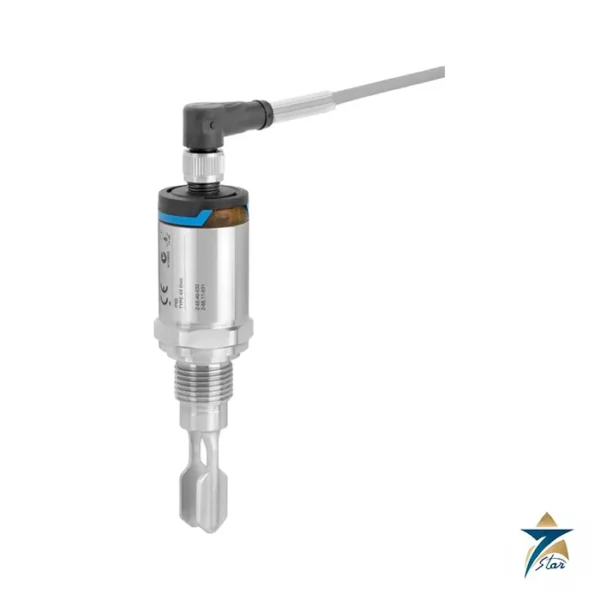
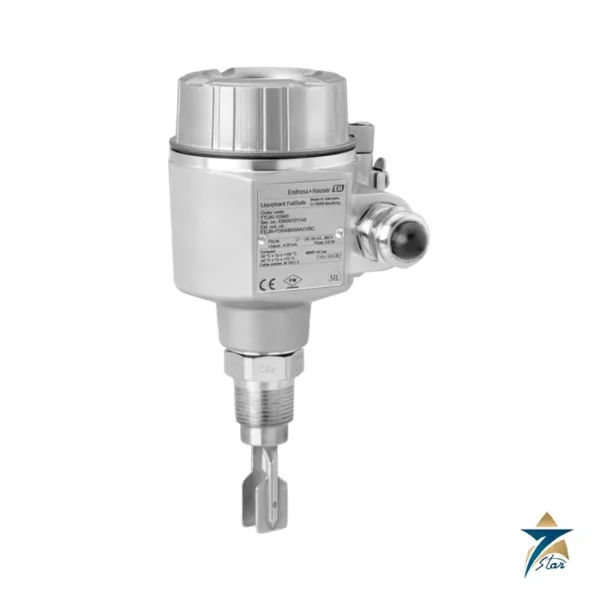
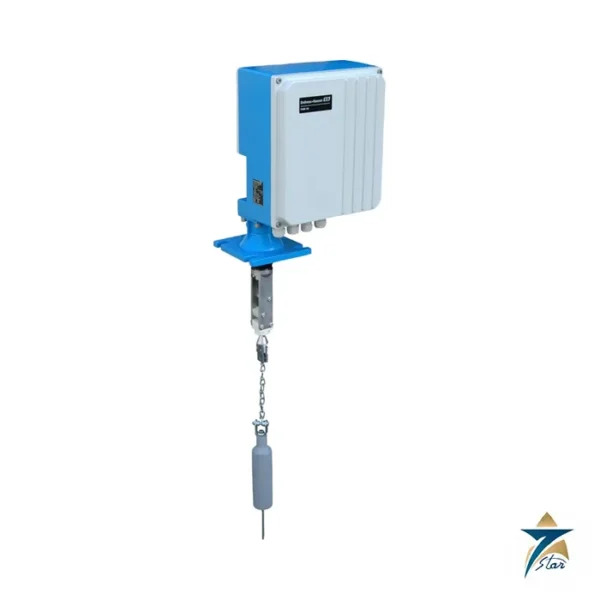
Seven Star LLC supplies models from the Rosemount Solids Level Switch range in Oman and the GCC. Compare the related models below and request a quote for the one that matches your application.




















Reviews
There are no reviews yet.