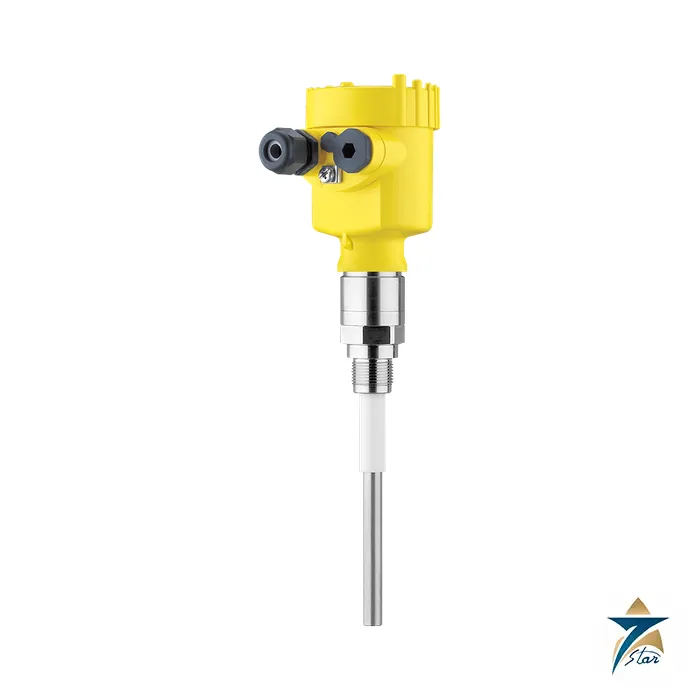
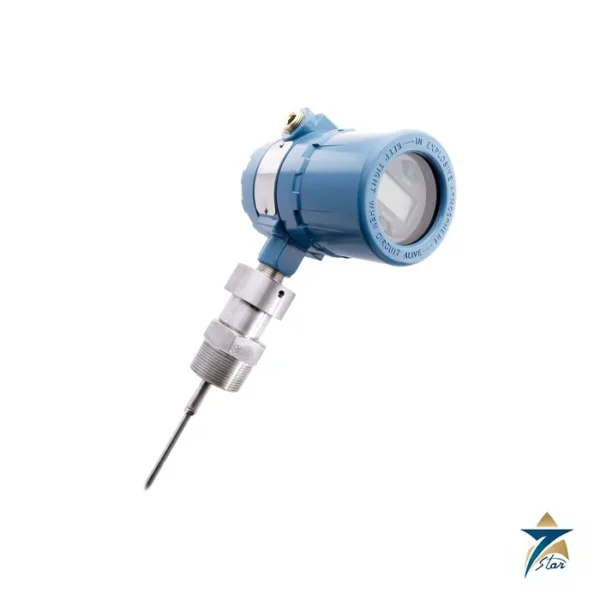
A shortenable rod electrode for bulk solids and non-conductive liquids
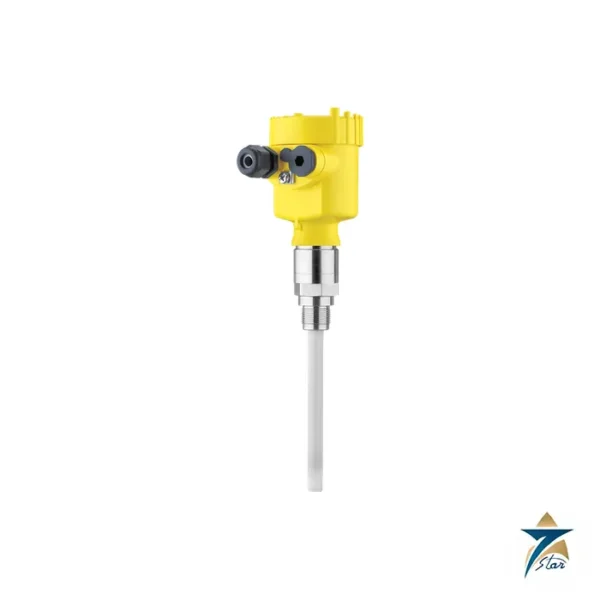
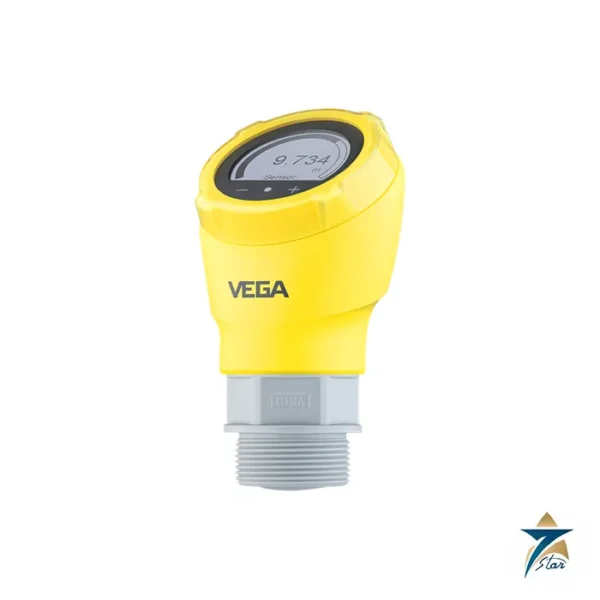
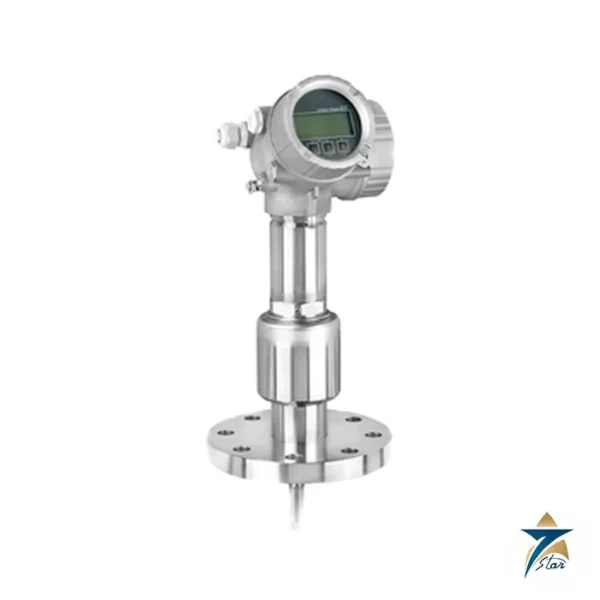
The VEGACAL 62 is VEGA’s partly insulated capacitive rod electrode for continuous level measurement in all areas of industry. Sensor and vessel act as the two plates of a capacitor; as the level rises the capacitance changes and the integrated electronics turn it into an output signal. VEGA positions the partly insulated PTFE-coated probe for bulk solids and for non-conductive liquids such as oil, and points to a proven mechanical construction with high functional reliability. Because measurement runs along the whole probe there is no blocking distance, so the vessel can be used over its full height, and the probe can be shortened to fit on site.
Technical specifications
| Parameter |
Specification |
| Type |
VEGACAL 62, capacitive rod electrode, partly insulated |
| Preferred applications |
Solids, non-conductive liquids |
| Measuring range |
0.2 to 6 m (0.656 to 19.69 ft) |
| Process fitting |
Threaded fitting from G½/½ NPT and flanges (see sheet; product information gives G¾) |
| Process pressure |
-1…+64 bar (-100…+6400 kPa) |
| Process temperature |
-50…+200 °C (-58…+392 °F) |
| Ambient, storage, transport |
-40…+80 °C (-40…+176 °F) |
| Operating voltage (Profibus PA sheet) |
9…32 V DC |
| Wetted parts |
Stainless steel; PTFE probe insulation |
| Electronics |
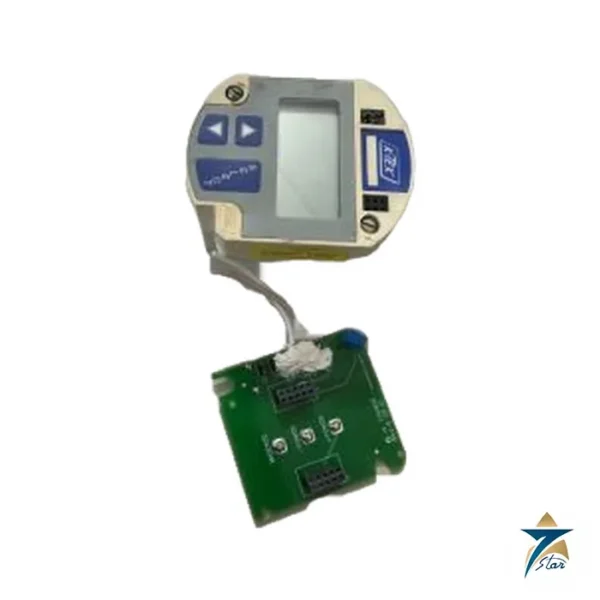
Two-wire 4…20 mA/HART, Profibus PA, Foundation Fieldbus, or version for a signal conditioning instrument |
| Housing |
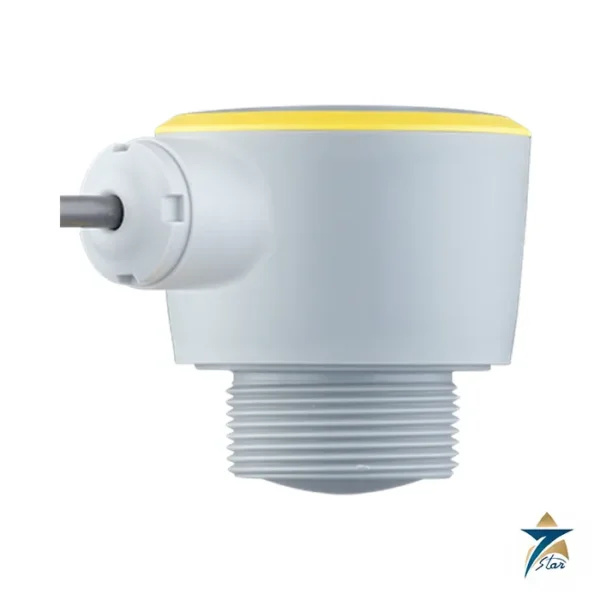
Single- or double-chamber housing in plastic, stainless steel or aluminium, up to IP68 (1 bar) |
| Approvals |
ATEX and IEC hazardous-area; ship approvals GL, LRS, ABS (as printed) |
Capacitive measurement: what to watch
VEGA’s mounting rules for the capacitive range are specific. The probe must be grounded to the vessel, so tape on the thread or an insulating seal can break the required electrical connection; copper or lead conductive seals are suggested for metal vessels. In adhesive products the probe should protrude horizontally into the vessel to limit buildup, and in silos the sensor is mounted at a distance of d/6 from the wall to average out a material cone. Keep it out of the filling stream, and mount it vertically or parallel to the counter electrode where the product is non-conductive.
Choosing the 62 within the VEGACAL family
The 62 is the partly insulated rod: take it for solids and oils up to 6 m. The fully insulated rods (63, 64) suit conductive liquids, the cables (65, 66) go to 32 m, and the VEGACAL 67 handles high-temperature solids. The 62 reaches 200 °C and 64 bar. The sheet shown here is the Profibus PA version; the 4…20 mA/HART and Foundation Fieldbus options use the same probe, so state the output, housing and fitting in your enquiry.
Is the VEGACAL 62 right for this vessel?
Capacitive measurement reacts to the dielectric properties of the product, so the first question is whether those properties stay reasonably stable. Dry plastic granules, cement, flour or a lubricating oil tank are typical candidates. Products whose moisture content swings widely, or which change composition from batch to batch, will shift the reading even at the same level, and may need a different measuring principle or regular re-adjustment.
- Describe the product: solid or liquid, conductive or not, and whether it tends to stick or cake.
- Measure the usable height of the vessel and check it lies within the measuring range of the rod version.
- Confirm the process pressure and temperature, including cleaning or steaming cycles, against the stated limits.
- For non-metallic vessels, plan a counter electrode, since the vessel wall cannot then act as the second plate.
- Select the output, housing material and process fitting together so that the order code is complete.
Installation and adjustment
Before fitting, shorten the rod if needed so that it ends at the lowest level of interest without touching the floor, an agitator or the discharge cone. Handle the PTFE insulation with care; a cut or scratch in the coating can let conductive build-up bridge to the rod and spoil the measurement. Fit the electrode using the mounting rules already described, check the electrical connection between the process fitting and the vessel, and route the signal cable through a properly tightened gland.
Adjustment needs two known points. The simplest method is an empty adjustment with the vessel empty and a full adjustment when the vessel is filled to a known level. Where emptying is not practical, two well separated levels confirmed by a dip or sight check can be used. Record both values, together with the damping and output settings, so that the electronics can be replaced and set up again without waiting for a full process cycle.
Maintenance and troubleshooting
- Reading drifts upward over weeks: suspect product build-up on the rod; inspect and clean it at the next shutdown.
- Erratic values during filling: check whether the filling stream hits the probe, and consider a deflector.
- Level always at maximum: look for damaged insulation or water inside the housing.
- Different reading after a product change: repeat the adjustment for the new product.
Application notes for Oman and GCC sites
Cement plants, flour mills, plastics converters and fuel and lubricant depots across Oman are typical users of capacitive rod probes. In cement and other mineral silos, the main concern is caking material and the abrasive dust that settles on the probe head and housing. Keep the housing cover closed and its seal intact, and include a check of the cable entry in the routine silo inspection.
Silo tops and tank roofs are exposed to direct sun, so the electronics housing can run much hotter than the shaded air temperature. Fit a sun shade over the housing where practical and keep the head within the permitted ambient range. Coastal installations at ports and industrial zones should use a stainless steel housing or one with suitable corrosion protection, and plants with humid nights should make sure the housing seals and cable glands stay tight to stop condensation forming inside.
Documents and quotation
The official VEGA VEGACAL 62 (Profibus PA) specification sheet (34603-EN, version 160112) is attached to this page for download and covers the technical data, dimensions and wiring summarised above. VEGA publishes matching sheets for the other electronics versions.
Send Seven Star LLC your tag list, process medium, vessel geometry, required approvals and quantity and we will prepare a quotation from our Muscat office. We are an independent supplier; more level instrumentation is listed on our site. Confirm the final order code and approval marking with the manufacturer before ordering.












Reviews
There are no reviews yet.