
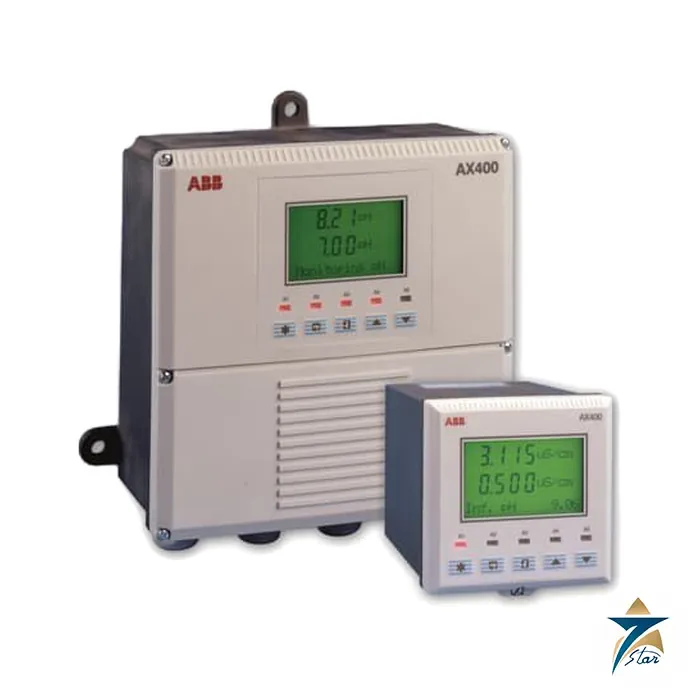
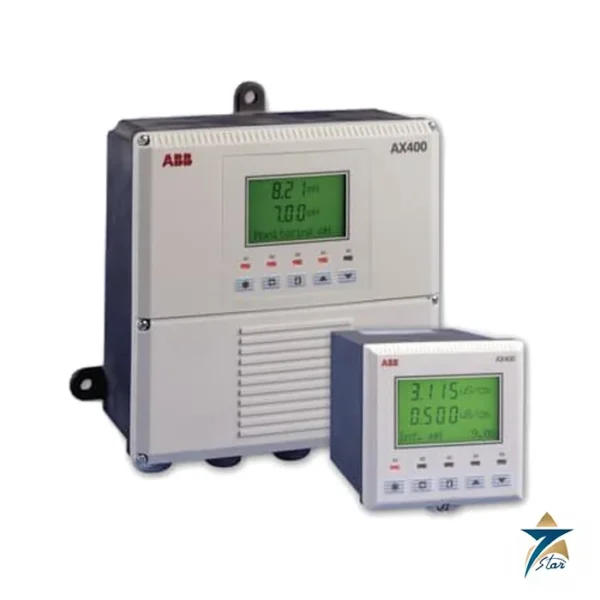
The ABB AX416 is a dual-channel conductivity transmitter engineered for facilities that must monitor two independent conductivity measurement points from a single, unified instrument. By combining two fully isolated measurement channels into one housing, the AX416 reduces panel space, simplifies wiring, and lowers the total instrumentation cost compared to installing two separate single-channel transmitters – a configuration especially valuable in reverse osmosis trains, multi-stage boiler feedwater systems, and CIP (clean-in-place) loops where several conductivity checkpoints exist close together.
Seven Star LLC supplies the ABB AX416 to industrial, utility, and process operators across Oman and the wider GCC with genuine ABB instrumentation. Every unit is supplied on request with manufacturer documentation, and supported locally with calibration guidance and help sourcing spare parts – with lead time and availability confirmed at quotation.
Each of the AX416’s two channels independently drives either a contacting (electrode-based) or inductive (electrodeless) conductivity sensor, depending on the process fluid’s fouling tendency and conductivity range. Contacting sensors are typically selected for lower-conductivity, cleaner streams such as demineralized water, while inductive sensors are preferred for high-conductivity or coating-prone fluids such as concentrated CIP chemicals, since the toroidal sensing method is immune to electrode fouling.
The transmitter applies real-time automatic temperature compensation to both channels simultaneously, referencing readings to a standard temperature (typically 25°C) so that comparisons across the process remain meaningful even as fluid temperature fluctuates. Advanced signal processing continuously filters noise and detects sensor or cable faults, triggering diagnostic alerts before a measurement drifts far enough to compromise product quality or equipment protection.
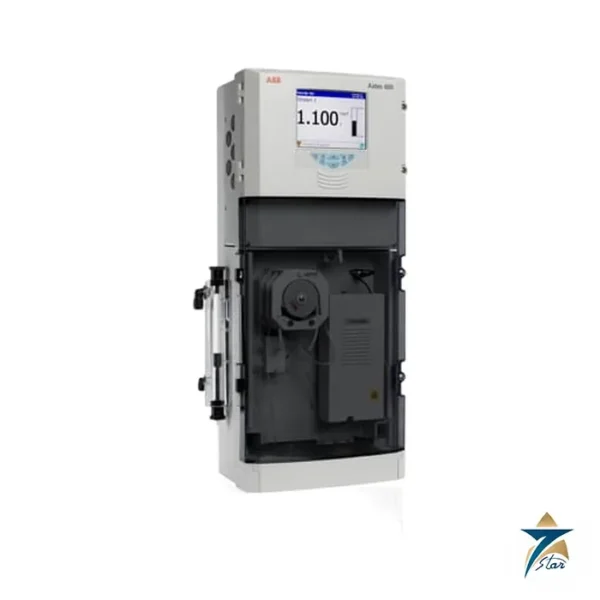
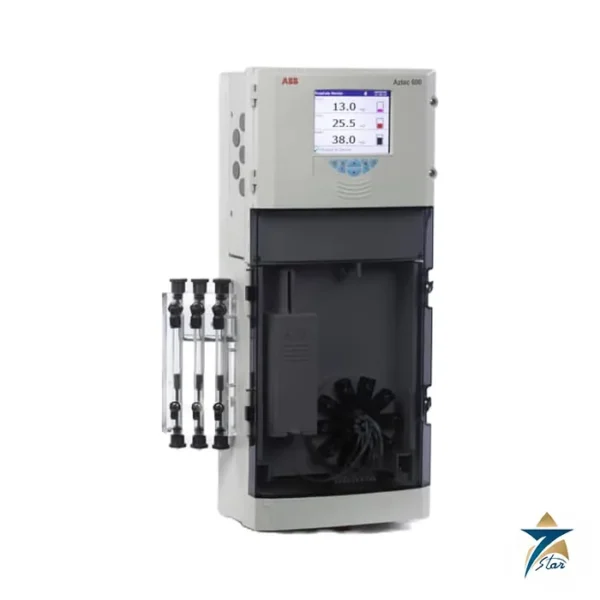
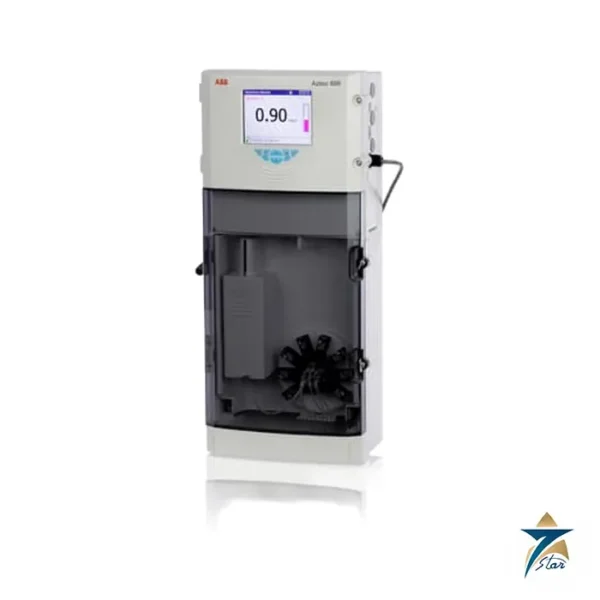
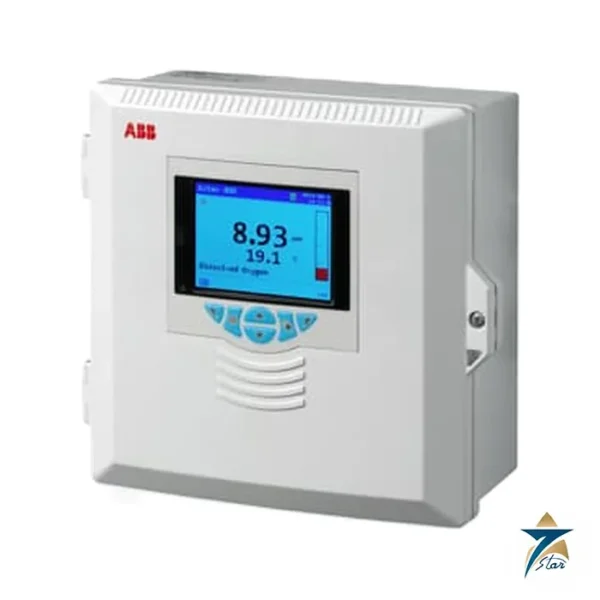
The AX416 is built around a bright, high-resolution backlit LCD display capable of showing both channels’ readings simultaneously, along with configurable multilingual menus that simplify commissioning and day-to-day operation for multinational plant teams. The rugged housing is rated for demanding industrial environments, protecting the electronics from dust, moisture, and vibration typical of process areas.
Output flexibility is a core design strength: the AX416 provides isolated analog outputs, digital relay outputs for alarm or control interlocks, and HART communication for integration with asset management and DCS/SCADA systems. Automatic sensor-cleaning routines, where paired with compatible cleaning accessories, extend the interval between manual maintenance visits on fouling-prone streams.
The AX416 is widely applied in reverse osmosis and multi-stage water treatment systems, where product-water and reject-stream conductivity must be tracked together; in boiler feedwater and condensate polishing systems across power generation plants; and in CIP (clean-in-place) circuits within food, beverage, and pharmaceutical processing, where cleaning-solution strength must be verified before and after each cycle. Its dual-channel architecture is particularly valuable where two checkpoints on the same skid or loop need synchronized monitoring.
Across Oman’s desalination, petrochemical, and district-cooling sectors, and throughout the wider GCC, Seven Star LLC supplies the AX416 to plants in Muscat, Sohar, and Salalah that require dependable, factory-genuine conductivity monitoring with full local technical support and calibration guidance.
| Model | ABB AX416 |
| Measurement Channels | 2 (independent, isolated) |
| Sensor Compatibility | Contacting and inductive conductivity sensors |
| Temperature Compensation | Automatic, real-time, per channel |
| Display | Backlit high-resolution LCD, dual-channel simultaneous view |
| Outputs | Analog, digital relay, HART |
| Diagnostics | Sensor/cable fault detection, alarm relays |
| Enclosure | Rugged, industrial IP-rated housing |
| Menu Language | Multilingual configuration support |
The main advantage of a dual-channel transmitter is that two related measuring points share one display, one power supply and one set of outputs. Before ordering, list both measuring points and decide the sensor type for each channel separately: a contacting cell for clean, low-conductivity water, or an inductive sensor for concentrated or coating chemistry. Check that the cell constant or sensor model chosen for each channel covers its expected conductivity range, and agree the output and alarm assignments with the control system team.
Mount the transmitter close enough to both sensors to respect the recommended cable lengths, and in a position shaded from direct sun where site conditions demand it. Install sensors where the process is fully wetted and free of trapped air. During commissioning, enter the sensor data and temperature compensation settings for each channel independently, verify each channel against a calibrated reference or standard solution, and test the outputs and alarm relays end to end with the DCS or PLC.
If one channel drifts while the other remains stable, the cause is almost always at the sensor or cable of that channel rather than in the transmitter. Contacting cells can foul or scale and need cleaning; inductive sensors are more tolerant but should be checked for deposits that change the flow path around the toroid. Unexpected temperature values point to a faulty temperature element or wiring, which in turn distorts the compensated reading. Keep a log of calibration results for each channel to support audits.
The ABB AX416 is well suited to desalination and RO plants, power and water utilities, dairy and beverage CIP systems and refinery boiler houses in the region, where several conductivity checkpoints are often grouped in the same area.
Seven Star LLC supplies ABB analytical transmitters and sensors to clients in Oman and the GCC. Share the model code of your existing unit or your two measuring point duties and our team will confirm a suitable configuration.
Contact Seven Star LLC for a quotation on the ABB AX416 dual-channel conductivity transmitter, with manufacturer documentation and local support across Oman and the GCC.
Choose the option that best fits your needs to get the fastest response from our team.
Automatically fill the RFQ form with this product's details for a faster process.
Manually enter multiple part numbers, specific brands, or custom requirements.












Reviews
There are no reviews yet.