Brand:

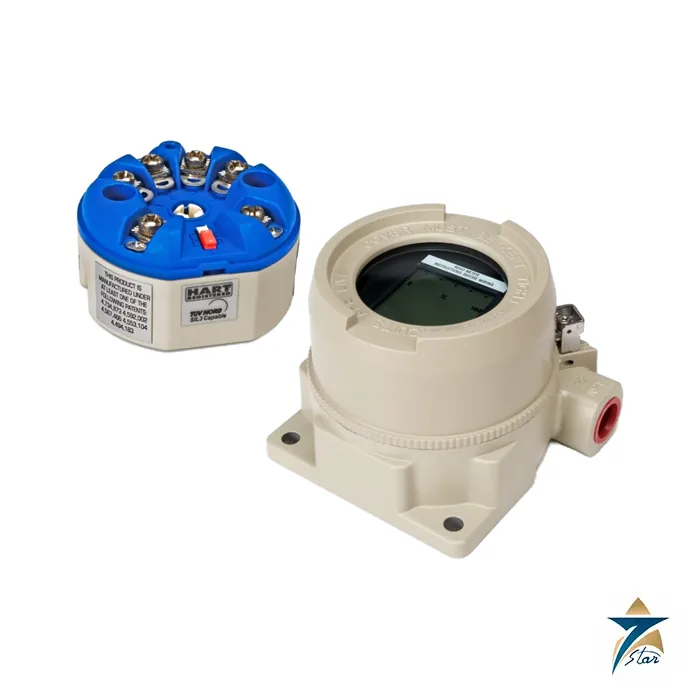
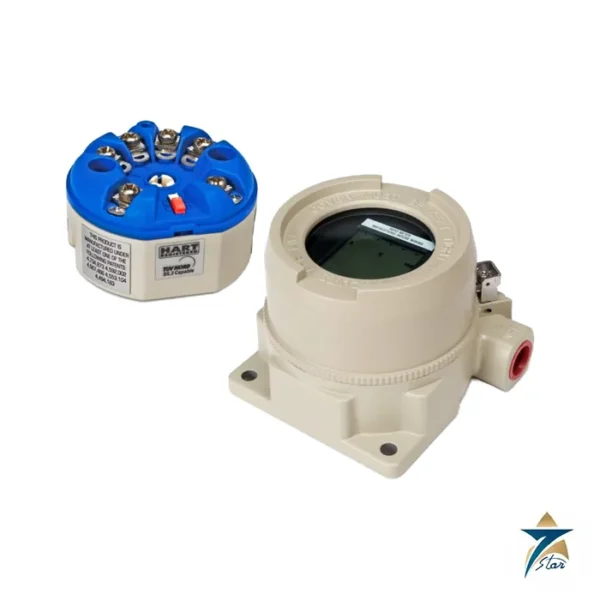
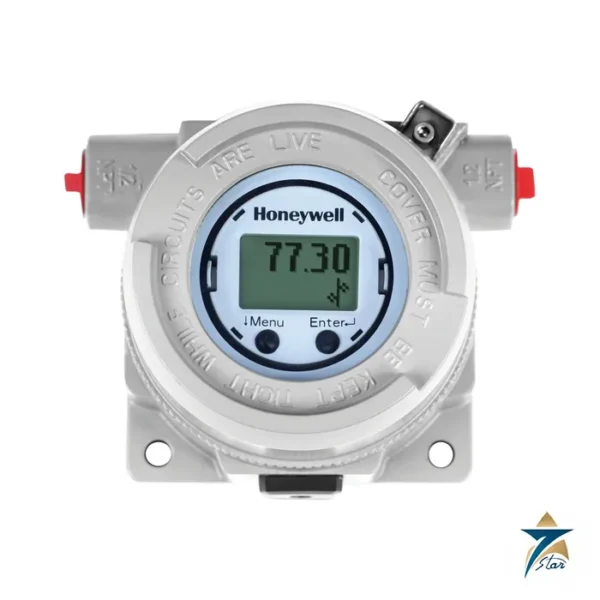
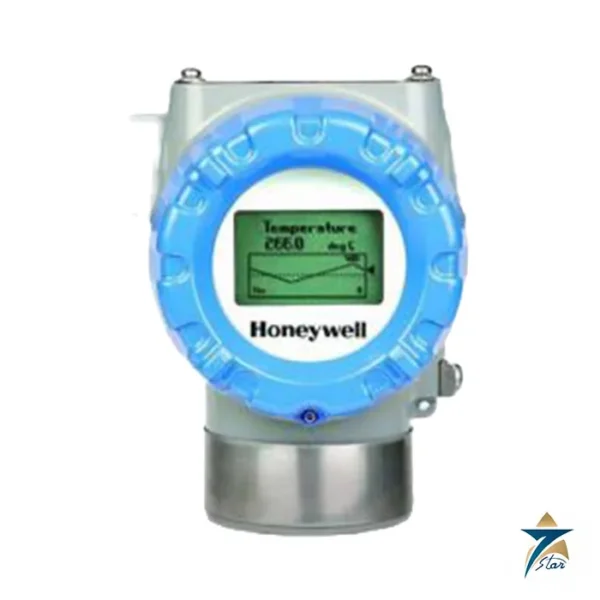
Honeywell STT171 Head-Mount RTD Temperature Transmitter

Description

Honeywell STT171 overview

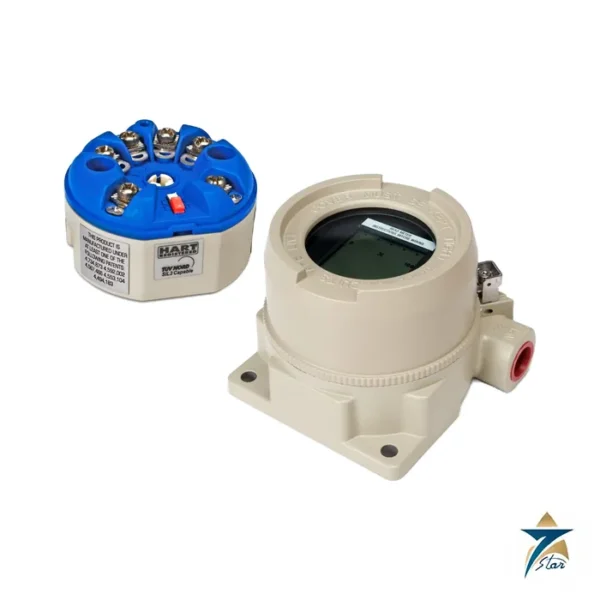
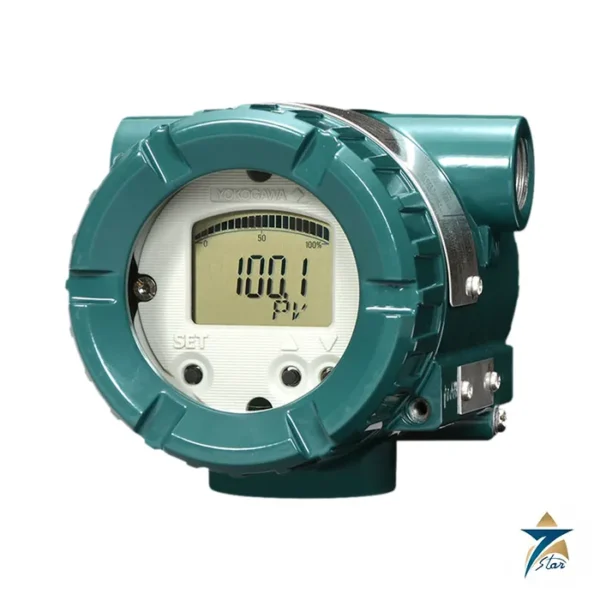
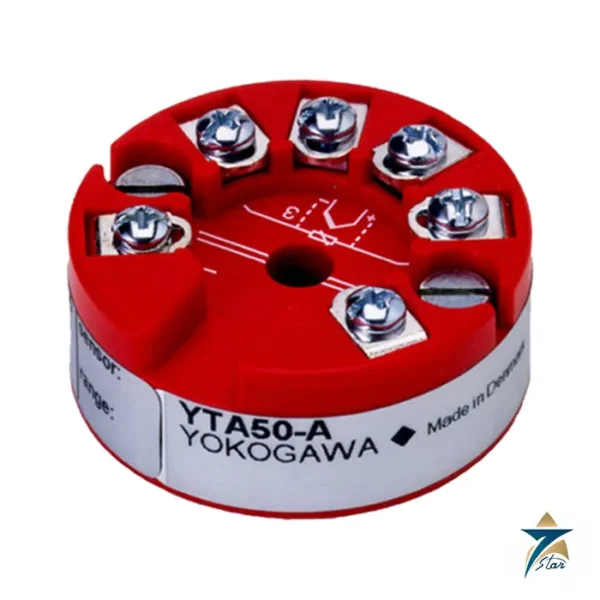
The Honeywell STT171 is a two-wire, head-mounted temperature transmitter from the STT 3000 STT170 series. It takes an RTD or ohm input, linearises it, and sends a 4 to 20 mA signal, replacing direct-wired sensor monitoring with a conditioned signal that has increased accuracy, safety and reliability while reducing wiring cost.

Plants that run Honeywell STT171 units often need the exact model number as a spare. Seven Star LLC lists the STT171 for maintenance teams in Oman and the GCC that need to keep existing temperature points running without redesigning the loop.

Key features of the STT171

  • Analog 4 to 20 mA output on a two-wire loop.
  • RTD or ohm input, with automatic linearisation inside the transmitter.
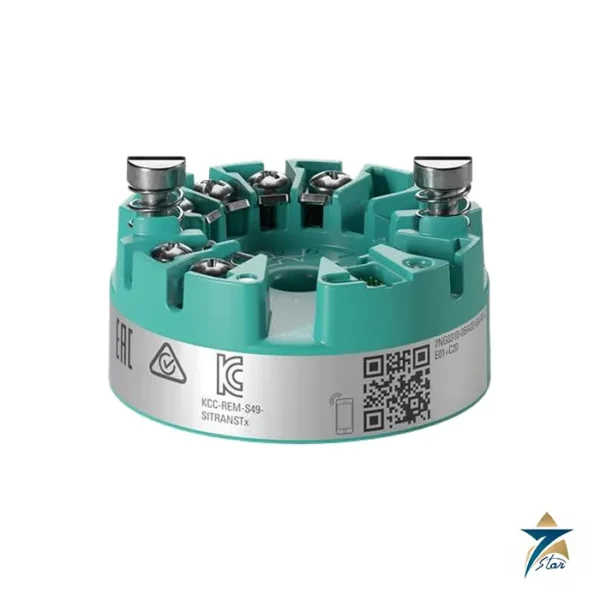
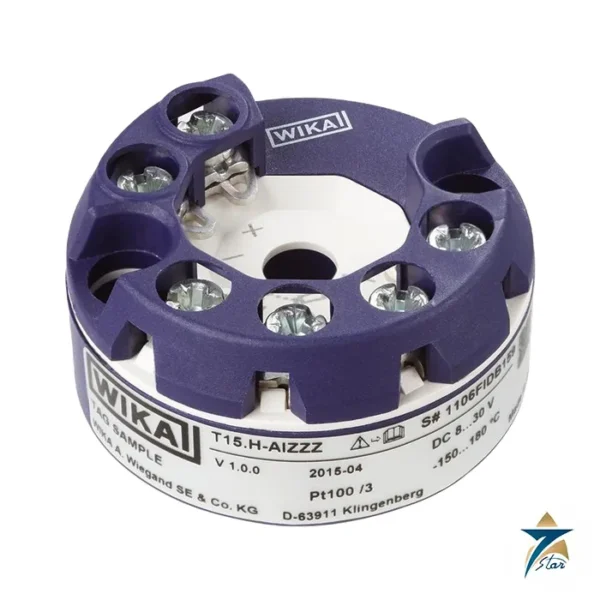
  • DIN form B head mount, suitable for connection heads on standard temperature probes.
  • NAMUR NE43 sensor error response, plus programmable high or low alarm levels to flag sensor failure.
  • Configuration with the STT17C tool and a PC, with the tool and interface hardware supplied in the STT17C package.
  • Basic accuracy of 0.3 °C for Pt100 and Ni100 inputs, with a 135 ms update time.

Because the STT171 is a head-mount design, it sits inside the sensor connection head close to the element. That keeps the sensor leads very short, which reduces the lead resistance errors and noise pickup that long RTD cable runs would otherwise add.

STT171 technical specifications

The table below summarises the values published by Honeywell for the STT171. Where a value depends on the communication protocol, the housing or an ordering option, the entry says so, and the full model selection guide in the datasheet remains the reference for exact option codes.

Parameter Value
Model STT171, part of the STT170 series
Input RTD or ohm
Mounting DIN form B head mount
Output Analog 4 to 20 mA, two-wire installation
Pt100 (IEC 60751) Rated range -200 to 850 °C (-328 to 1562 °F); basic accuracy 0.3 °C (0.54 °F) plus 0.1% of span; minimum span 25 °C (45 °F)
Ni100 (DIN 43760) Rated range -60 to 250 °C (-76 to 482 °F); basic accuracy 0.3 °C plus 0.1% of span; minimum span 25 °C
Ambient temperature effect (RTD) 0.01 °C per 1.0 °C change in ambient plus 0.01% of span
Supply voltage 8 to 30 VDC
Load resistance Less than or equal to (V supply minus 8) divided by 0.023 A
Update time 135 ms
Response time (programmable) 0.33 to 60 s
Warm-up time 5 min
Alarm levels Programmable 3.5 to 4 mA downscale, 20 to 23 mA upscale; NAMUR NE43 upscale 23 mA, downscale 3.5 mA
Ambient temperature, rated -40 to 85 °C (-40 to 185 °F)
Humidity 0 to 95% RH, non-condensing
Vibration Maximum 4 g over 25 to 100 Hz
Power supply voltage effect 0.005% of span per VDC or less
Intrinsic safety entity data Ui 30 VDC, Ii 120 mA, Pi 0.84 W, Li 10 microhenry, Ci 1.0 nF
Configuration STT17C configuration tool and PC

The values above come from the STT171-BS specification table in the Honeywell document. The transmitter carries intrinsic safety approvals listed in the datasheet, including ATEX, FM and CSA marks with entity data, so confirm the approval that applies to your hazardous area and installation drawing before ordering.

Typical applications in Oman and the GCC

The STT171 is a basic RTD transmitter and is usually found in the following settings.

  • Oil and gas: bearing and process line temperatures on skids and packages.
  • Utilities and power: cooling water, lube oil and steam condensate points.
  • Water and wastewater: process and motor temperature points on treatment plant equipment.
  • Manufacturing and process plants: oven, heat exchanger and utility temperature points using Pt100 sensors.

The rated ambient range of -40 to 85 °C covers typical outdoor conditions in the Gulf when the connection head is shaded or the sensor assembly is mounted away from direct radiant heat.

Selection and compatibility notes for the STT171

The STT171 accepts RTD and ohm inputs only. If your point uses a thermocouple, a millivolt source, or needs dual sensor measurement, the STT173 or STT17H in the same series are more suitable and the STT850 covers all of these in the current SmartLine range.

Check that the sensor type, for example Pt100 or Ni100, and the span fit the table. The minimum span is 25 °C for the Pt100 and Ni100 rows. Confirm the supply voltage and load resistance with the equation in the datasheet.

If you are replacing a failed unit, send the nameplate details including configured sensor type and range, as the STT171 is configured by PC and a spare will need to be configured the same way.

Installation and commissioning

Fit the STT171 into a DIN form B head and connect the RTD to the input terminals following the wiring diagrams for 2 or 3 wire RTD, or resistance 2 or 3 wire input. Connect the two-wire loop with correct polarity.

Configure the device with the STT17C tool before or after installation. The tool is documented for non-hazardous work environments, so configure the transmitter outside the hazardous area.

After installation, verify the output with a calibrated reference or a decade resistance box, and confirm the sensor error response matches your control system alarm settings.

Maintenance and diagnostics

The STT171 offers sensor error response according to NAMUR NE43, driving the output to a defined alarm level when the sensor fails, which makes an open or shorted RTD visible at the control system.

Maintenance is mainly a periodic check of terminals and the head seal, and a verification of the loop against a reference. If a unit fails, replacement and reconfiguration with the STT17C is straightforward.

Keep a record of each transmitter configuration, since the PC tool is the way to restore the settings on a spare.

Related products and ordering notes

Related Honeywell items are the STT173 and STT17H of the same series, the STT17C configuration tool, and the STT850 SmartLine transmitter. Probes, thermowells and connection heads can be quoted at the same time.

Quote the part number STT171 in your RFQ.

Frequently asked questions in brief

The questions below cover input, accuracy, supply and ordering for the STT171, and each answer follows the Honeywell specification.

Documents and quotation

A Honeywell datasheet for the STT171 is attached to this page so your engineers can check ranges, materials and approvals before ordering. Seven Star LLC is an independent supplier serving Oman and the GCC and is not affiliated with the manufacturer. To request a quotation, send an RFQ that states the part number STT171, the quantity, the measuring range or sensor type, the communication protocol and any display or approval requirement. We will confirm availability and lead time and reply with a written quotation.

Other Models in the Honeywell Stt170 Range

Seven Star LLC supplies models from the Honeywell Stt170 range in Oman and the GCC. Compare the related models below and request a quote for the one that matches your application.

ModelCategory
Honeywell STT171 Head-Mount RTD Temperature TransmitterTemperature TransmittersYou are viewing this model
Honeywell STT17H HART Head-Mount Temperature TransmitterTemperature TransmittersView details
Datasheets & Documents
  • PDF Datasheet Honeywell STT171 Head-Mount RTD Temperature Transmitter Datasheet Download
Reviews (0)

Reviews

There are no reviews yet.

How would you rate this product?

It takes about 10 seconds — just tap a star. Your email is never published.

About brand

Honeywell is the American industrial technology group whose products on this site cover gas and flame detection, pressure transmitters, flow measurement, gas metering, fire alarm systems and helicopter rotor balancing equipment. Its roots go back to a thermostat business in Minneapolis in 1885 and to Mark Honeywell's heating company, which merged with it in 1927. Several brands we list have joined Honeywell over the years: Gent fire systems of Leicester (part of Honeywell since 2005), Chadwick-Helmuth (a Honeywell business unit from 2002) and Elster gas metering (acquired around the end of 2015).

Seven Star LLC is an independent supplier in Muscat. We list Honeywell gas detectors and sensors, transmitters, Elster gas meters and flow computers, Gent fire alarm equipment and Chadwick-Helmuth balancers, and supply them and their spares in Oman and the GCC by part number.

Honeywell company profile

Origins 1885, Minneapolis (Butz thermostat business); merged with Mark Honeywell's company in 1927
Brands in our range Honeywell Analytics gas detection, SmartLine transmitters, Elster gas metering, Gent fire detection, Chadwick-Helmuth rotor track and balance
Gent Founded in Leicester, UK, around 1872 by John Thomas Gent; part of Honeywell since 2005
Elster Gas, water and electricity metering; bought by Honeywell from Melrose, deal completed around the end of 2015

Milestones

  • 1885: The Butz thermostat business starts in Minneapolis.
  • 1927: It merges with Mark Honeywell's company.
  • 2005: Gent fire detection (Leicester, UK) becomes part of Honeywell.
  • 2015: Honeywell completes the purchase of Elster from Melrose around the end of the year.

Honeywell products we list

Family Models Typical use
Fixed gas detectors Searchline Excel, Searchline Excel Plus, 02104-N-XSSA, Sensepoint XCD RTD, Sensepoint XCD IR, XCD H2, Sensepoint XCL, Sensepoint XRL, OmniPoint, RAEGuard 2 PID Flammable, toxic and VOC gas detection in process areas
Sensors, flame detection and control SR-W-MP75C LEL sensor, SR-X2V O2 sensor, FS24X Plus flame detector, R4343E flame switch, System 57 card, 5704FS panel Replacement sensors, fire detection and gas detection control panels
Transmitters and flow SmartLine STG700, STG800, STR82D remote seal, VersaFlow Coriolis Process pressure and mass flow measurement
Elster gas metering Q.Sonic plus, TRZ2, Quantometer, RABO, IRM-3 DUO, EK280, EC 350, enCore FC1, enCore ZM1, gas-net F1, gas-net D2, GasLab Q2, USM display Gas meters, volume correction and fiscal flow computing
Gent fire alarm systems Vigilon Plus, Vigilon Compact Plus, Nano, Xenex, S-Quad detector, S-Cubed, ALD302 base, S4-34420 interfaces, loop card, repeat panel, mimic panel, XENS-850 call point, 74430 bell Addressable and conventional fire alarm systems in buildings and plants
Chadwick-Helmuth rotor track and balance 8500C, 8500C Plus, Vibrex 2000, Model 11, photocell system, printer, bracket, protractor Helicopter rotor track and balance and propeller balancing

Gas detection uses two basic approaches. Point detectors such as the Sensepoint XCD measure the gas at one location, with a catalytic or infrared sensor for flammable gas and an electrochemical cell for toxic gas such as H2S. Open path detectors such as the Searchline Excel send an infrared beam across an area up to a few hundred metres long and detect a gas cloud anywhere along it. Infrared sensors cannot be poisoned the way catalytic beads can, which matters on sites with silicones or H2S.

Where Honeywell products are used

In Oman and the GCC, Honeywell gas detectors protect wellheads, gas plants, refineries and tank farms. Elster meters and flow computers measure gas at city gate stations and in industry. Gent systems are installed in commercial buildings, hospitals and hotels, and Chadwick-Helmuth balancers are used by helicopter operators.

Ordering Honeywell products: what we need

Send the part number from the label (for example 02104-N-XSSA or SPXCDASMTXF). For gas detectors, add the gas, range, output and certification. For gas meters, add size (DN), flow range and pressure rating. For Gent equipment, add the panel type and loop protocol.

Facts checked against Honeywell press releases and SEC filings, and published histories of Gent and Chadwick-Helmuth, October 2026.

FAQ

Questions about the Honeywell STT171 Head-Mount RTD Temperature

Answers from our engineering team on installation, compatibility and integration.

01What inputs does the STT171 accept?
The STT171 accepts RTD or ohm inputs, as listed in the Honeywell STT170 series specification.
02What is the basic accuracy of the STT171?
For Pt100 and Ni100 inputs the basic accuracy is 0.3 °C plus 0.1% of span, per the STT171 specification table.
03What supply voltage does the STT171 need?
The supply voltage is 8 to 30 VDC, and the load resistance limit is the supply minus 8 volts divided by 0.023 A.
04How is the STT171 configured?
It is configured with the STT17C configuration tool and a PC, which is documented for non-hazardous work environments.
05How do I order the STT171 from Seven Star LLC?
Send an RFQ with the part number STT171, quantity, sensor type and range. We reply with availability and a quotation.