Brand:

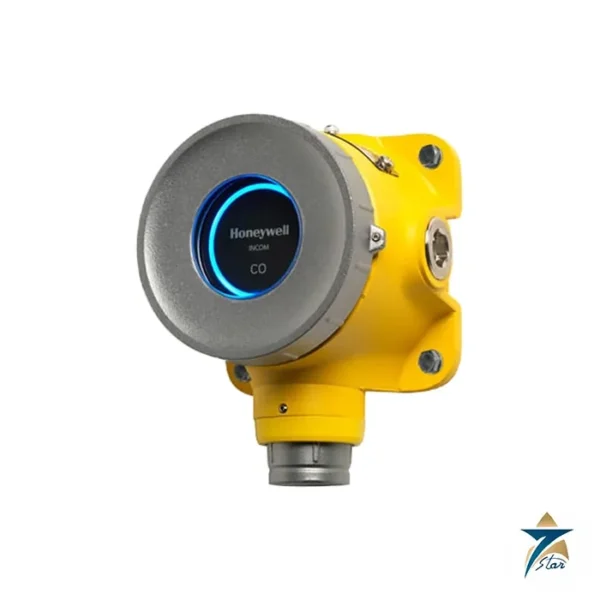
Honeywell SPXCDALMO1 Sensepoint XCD Oxygen Detector

Description

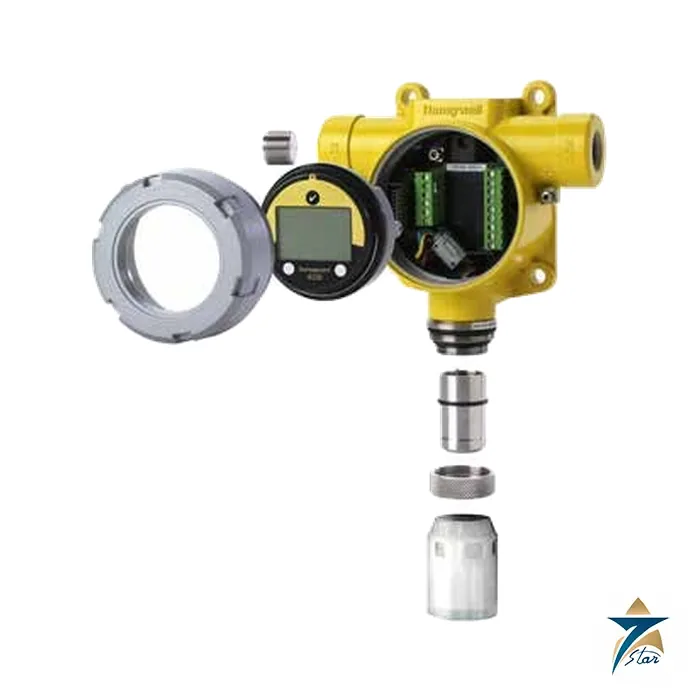
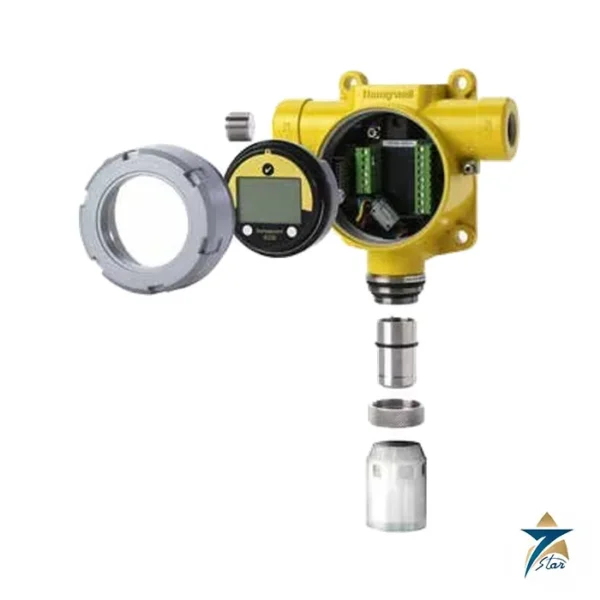
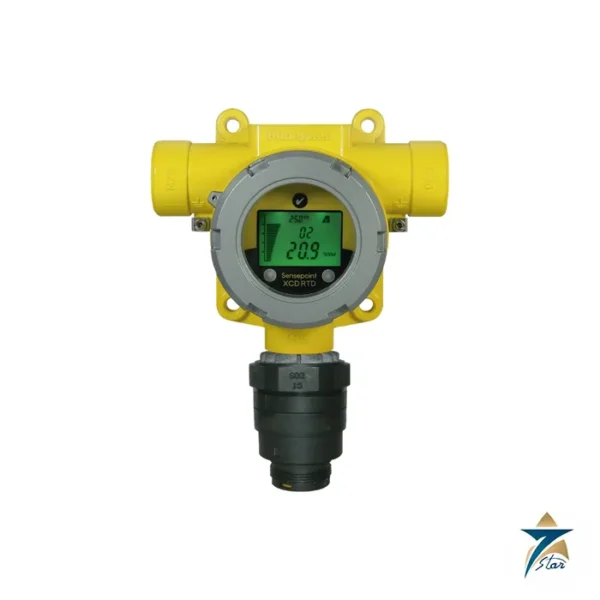
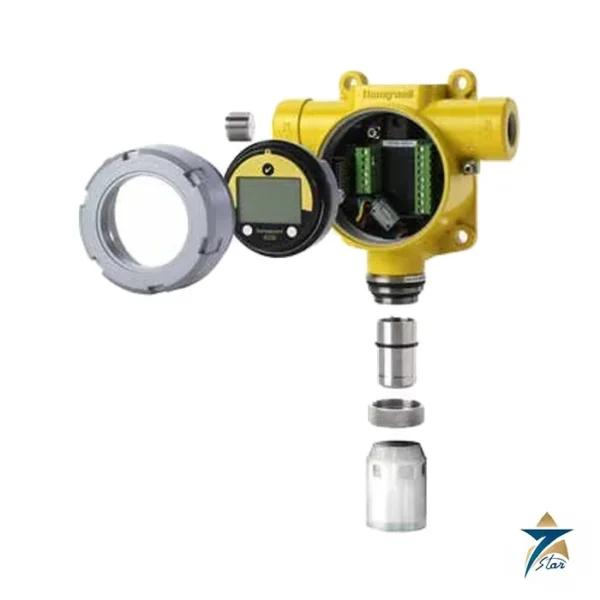
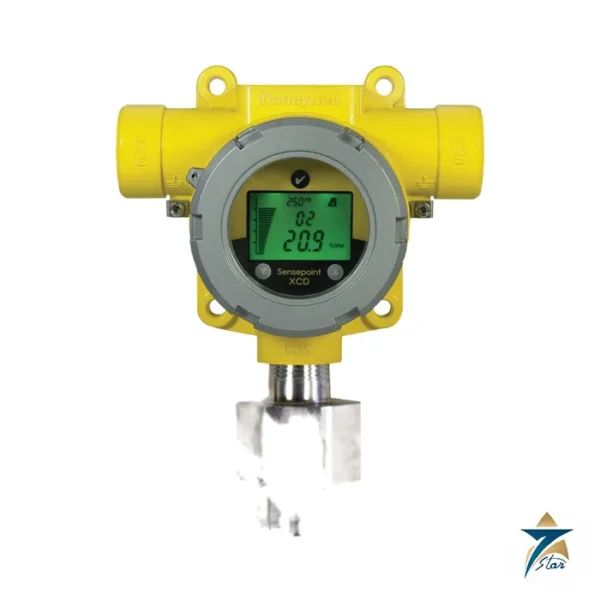
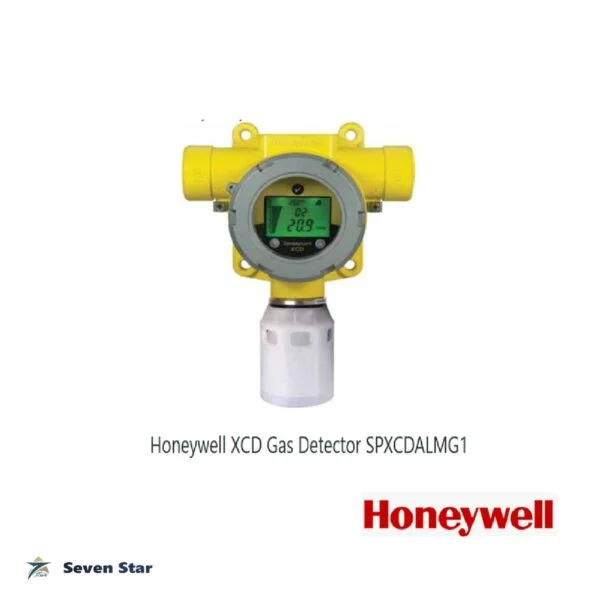
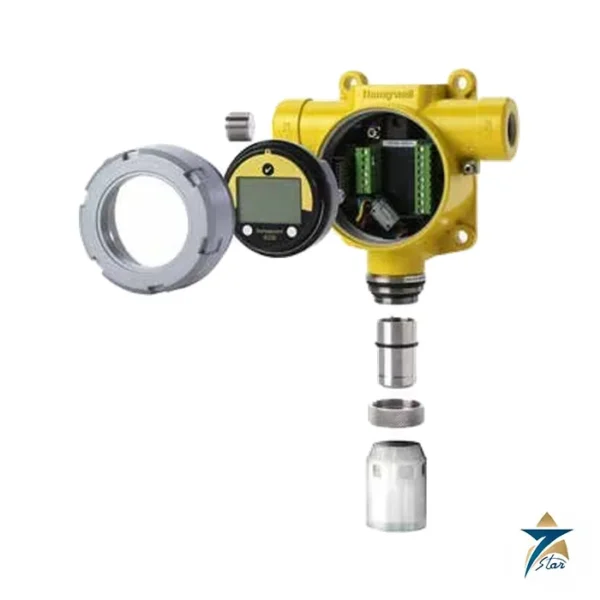
Honeywell SPXCDALMO1 is the oxygen version of the Sensepoint XCD detector. The code means ATEX and IECEx certified (A), LM25 aluminium housing (LM), M20 entries, and the oxygen sensor (O) with a fixed range (1) of 25.0 percent by volume. It is used where the worry is either too little oxygen, for example inerted rooms, nitrogen-purged enclosures and confined spaces, or too much oxygen near oxygen-enriched processes, and it provides both a falling and a rising alarm.

SPXCDALMO1 datasheet summary

Parameter Value
Gas Oxygen, electrochemical, plug-in sensor
Range 25.0 percent by volume, fixed (no adjustment)
Calibration Fixed at 20.9 percent by volume (air)
Response T90 Less than 30 s
Accuracy Better than +/-0.5 percent by volume
Temperature -20 to +55 degrees C; extended -40 to +65 degrees C
Default alarms A1 19.5 percent by volume falling; A2 23.5 percent by volume rising
Power Up to 3.7 W (electrochemical)
Output 4 to 20 mA sink or source; 3 relays; optional Modbus RTU
Enclosure LM25 aluminium, approx. 2.0 kg, IP66, 2 x M20
Replacement sensor SPXCDXSO1SS

What is special about the O2 version SPXCDALMO1

Most XCD range options can be set by the user within a window. The oxygen unit cannot: range is 25.0 percent by volume only, there is a single calibration point of 20.9 percent, and the steps column is not applicable. This simplifies commissioning, since fresh air is the span gas. The alarms are of opposite types, A1 at 19.5 percent falling for oxygen deficiency and A2 at 23.5 percent rising for enrichment, whereas the toxic and flammable versions use rising alarms only.

Where SPXCDALMO1 is used

Inerted equipment rooms and nitrogen generator skids, gas-turbine enclosures with fire-suppression gases, laboratories with cryogen storage, brewing and food packaging areas with modified atmospheres, and confined-space entry shelters. In Omani industrial sites it is also fitted close to nitrogen-purged analyser cabinets and vessel-entry platforms.

Mounting position should follow the hazard study for the room: oxygen deficiency from nitrogen or other inert gases is usually monitored at breathing height. The SPXCDALMO1 can be pole or wall mounted and has a collecting cone and duct mounting kit available as accessories, plus a calibration cup S3KCAL for gas checks. When a room contains several oxygen detectors, label each one with its electronic tag number through the display so that alarms identify the exact location, and record the A1 and A2 settings in the commissioning sheet. Where the room can fill with inert gas faster than the detector responds, remember that T90 is under 30 seconds, and set the control-system action accordingly. Spare cartridges are best ordered with the unit rather than later, since an oxygen cell is a consumable item.

Installation of SPXCDALMO1

Mount the SPXCDALMO1 with the four M8 holes on a wall or structure, or use the pipe bracket for 1.5 to 3 inch pipe. Two M20 entries are provided and a blanking plug seals the unused one. Wire the 15-way plug-in terminal in sink or source mode with 0.5 to 2.5 mm squared cable. The cable length chart for electrochemical XCD units lists 478 metres at 0.5 mm squared and 2197 metres at 2.5 mm squared for a 24 VDC supply.

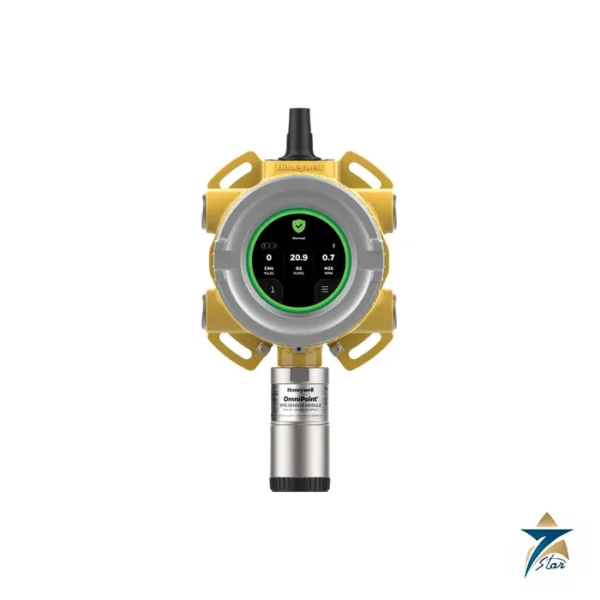
Oxygen detection differs from flammable and toxic detection in that the normal reading is not zero but 20.9 percent by volume. The SPXCDALMO1 therefore shows a healthy reading near 20.9 when the room air is normal, the 4 to 20 mA output is scaled across 0 to 25.0 percent by volume, and the controller alarms on a fall to 19.5 percent as well as a rise to 23.5 percent. Because calibration uses ordinary air, a technician can span the unit without special gas, which lowers the cost of routine checks and makes the SPXCDALMO1 one of the simplest XCD detectors to maintain.

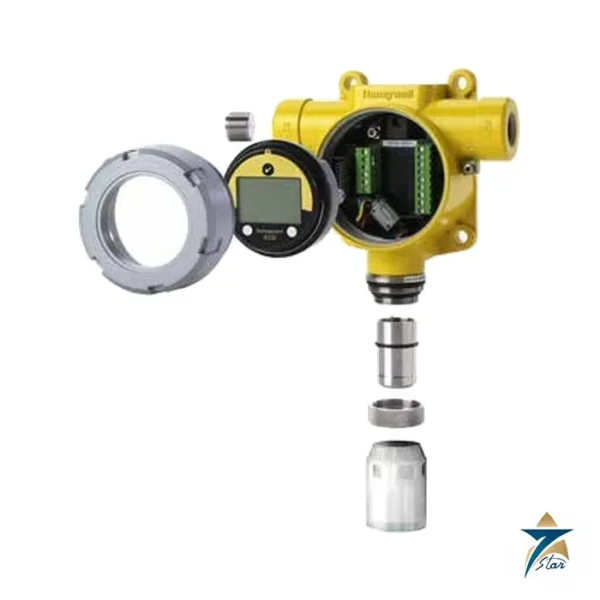
The transmitter itself is shared with the toxic and flammable versions. It has a tri-colour LCD with digits, a bar graph and icons, magnet-operated switches, three programmable relays rated 5 A at 250 VAC, a sink or source current output and optional Modbus. Fault, warning and alarm states are visible from a distance through the backlight colours. For the SPXCDALMO1 the 15 plug-and-socket terminals accept wire sizes from 0.5 to 2.5 mm squared, so replacement of a terminal block or a whole display module does not require the wiring to be disturbed, which shortens downtime in a confined-space monitoring application.

Maintaining the oxygen sensor

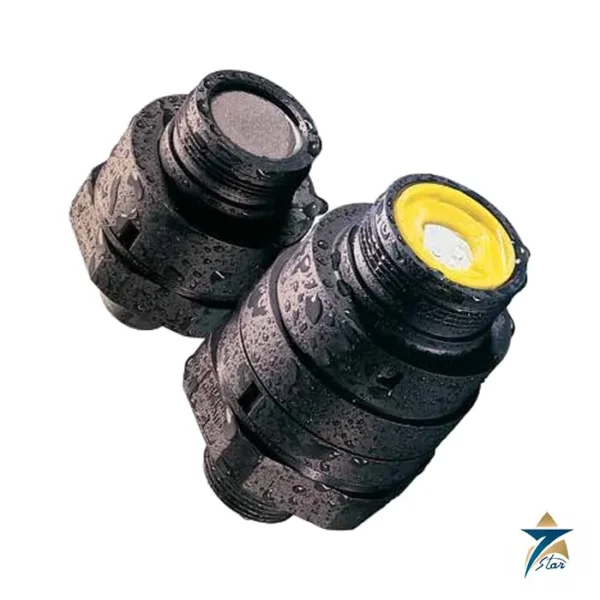
The oxygen cell is consumed over time, as in all electrochemical oxygen detectors, and the replacement cartridge SPXCDXSO1SS is a 316 stainless steel plug-in part that the transmitter recognises automatically. Calibrate in clean air with the cup S3KCAL at a flow of 500 ml per minute. Output current levels are 4 to 20 mA in normal range, 2 or 4 mA while inhibited, below 1 mA on fault and 22 mA at maximum over range.

Ordering the SPXCDALMO1

The SPXCDALMO1 is supplied with a calibration and test certificate, a magnet, a quick start guide and the instruction manual on CD. Specify whether the project needs ATEX and IECEx (this code) or UL and CSA certification, because the oxygen unit for North America carries a different order code. Add M for the Modbus RTU RS485 option, for example SPXCDALMO1M. The stainless steel version is SPXCDASMO1. Sensepoint XCD can be configured through the display so alarm levels can be modified without opening the unit, and its backlight changes from green to flashing yellow or red as a status indication.

Documents and quotation

Seven Star LLC is an independent supplier serving Oman and the GCC and is not affiliated with the manufacturer. The XCD datasheet is available with the quotation. Send an RFQ containing SPXCDALMO1, the quantity and the delivery location.

Other Models in the Xcd Detector Range

Seven Star LLC supplies models from the Xcd Detector range in Oman and the GCC. Compare the related models below and request a quote for the one that matches your application.

ModelCategory
Honeywell SPXCDALMHX Sensepoint XCD H2S Detector LM25Fire & Gas DetectorsView details
Honeywell SPXCDASMHX Sensepoint XCD H2S Detector 316SSFire & Gas DetectorsView details
Honeywell SPXCDALMFX Sensepoint XCD Flammable DetectorFire & Gas DetectorsView details
Honeywell SPXCDALMRX Sensepoint XCD IR Methane DetectorFire & Gas DetectorsView details
Honeywell SPXCDALMO1 Sensepoint XCD Oxygen DetectorFire & Gas DetectorsYou are viewing this model
Datasheets & Documents
Reviews (0)

Reviews

There are no reviews yet.

How would you rate this product?

It takes about 10 seconds — just tap a star. Your email is never published.

About brand

Honeywell is the American industrial technology group whose products on this site cover gas and flame detection, pressure transmitters, flow measurement, gas metering, fire alarm systems and helicopter rotor balancing equipment. Its roots go back to a thermostat business in Minneapolis in 1885 and to Mark Honeywell's heating company, which merged with it in 1927. Several brands we list have joined Honeywell over the years: Gent fire systems of Leicester (part of Honeywell since 2005), Chadwick-Helmuth (a Honeywell business unit from 2002) and Elster gas metering (acquired around the end of 2015).

Seven Star LLC is an independent supplier in Muscat. We list Honeywell gas detectors and sensors, transmitters, Elster gas meters and flow computers, Gent fire alarm equipment and Chadwick-Helmuth balancers, and supply them and their spares in Oman and the GCC by part number.

Honeywell company profile

Origins 1885, Minneapolis (Butz thermostat business); merged with Mark Honeywell's company in 1927
Brands in our range Honeywell Analytics gas detection, SmartLine transmitters, Elster gas metering, Gent fire detection, Chadwick-Helmuth rotor track and balance
Gent Founded in Leicester, UK, around 1872 by John Thomas Gent; part of Honeywell since 2005
Elster Gas, water and electricity metering; bought by Honeywell from Melrose, deal completed around the end of 2015

Milestones

  • 1885: The Butz thermostat business starts in Minneapolis.
  • 1927: It merges with Mark Honeywell's company.
  • 2005: Gent fire detection (Leicester, UK) becomes part of Honeywell.
  • 2015: Honeywell completes the purchase of Elster from Melrose around the end of the year.

Honeywell products we list

Family Models Typical use
Fixed gas detectors Searchline Excel, Searchline Excel Plus, 02104-N-XSSA, Sensepoint XCD RTD, Sensepoint XCD IR, XCD H2, Sensepoint XCL, Sensepoint XRL, OmniPoint, RAEGuard 2 PID Flammable, toxic and VOC gas detection in process areas
Sensors, flame detection and control SR-W-MP75C LEL sensor, SR-X2V O2 sensor, FS24X Plus flame detector, R4343E flame switch, System 57 card, 5704FS panel Replacement sensors, fire detection and gas detection control panels
Transmitters and flow SmartLine STG700, STG800, STR82D remote seal, VersaFlow Coriolis Process pressure and mass flow measurement
Elster gas metering Q.Sonic plus, TRZ2, Quantometer, RABO, IRM-3 DUO, EK280, EC 350, enCore FC1, enCore ZM1, gas-net F1, gas-net D2, GasLab Q2, USM display Gas meters, volume correction and fiscal flow computing
Gent fire alarm systems Vigilon Plus, Vigilon Compact Plus, Nano, Xenex, S-Quad detector, S-Cubed, ALD302 base, S4-34420 interfaces, loop card, repeat panel, mimic panel, XENS-850 call point, 74430 bell Addressable and conventional fire alarm systems in buildings and plants
Chadwick-Helmuth rotor track and balance 8500C, 8500C Plus, Vibrex 2000, Model 11, photocell system, printer, bracket, protractor Helicopter rotor track and balance and propeller balancing

Gas detection uses two basic approaches. Point detectors such as the Sensepoint XCD measure the gas at one location, with a catalytic or infrared sensor for flammable gas and an electrochemical cell for toxic gas such as H2S. Open path detectors such as the Searchline Excel send an infrared beam across an area up to a few hundred metres long and detect a gas cloud anywhere along it. Infrared sensors cannot be poisoned the way catalytic beads can, which matters on sites with silicones or H2S.

Where Honeywell products are used

In Oman and the GCC, Honeywell gas detectors protect wellheads, gas plants, refineries and tank farms. Elster meters and flow computers measure gas at city gate stations and in industry. Gent systems are installed in commercial buildings, hospitals and hotels, and Chadwick-Helmuth balancers are used by helicopter operators.

Ordering Honeywell products: what we need

Send the part number from the label (for example 02104-N-XSSA or SPXCDASMTXF). For gas detectors, add the gas, range, output and certification. For gas meters, add size (DN), flow range and pressure rating. For Gent equipment, add the panel type and loop protocol.

Facts checked against Honeywell press releases and SEC filings, and published histories of Gent and Chadwick-Helmuth, October 2026.

FAQ

Questions about the Honeywell SPXCDALMO1 Sensepoint XCD Oxygen Detector

Answers from our engineering team on installation, compatibility and integration.

01What does Honeywell SPXCDALMO1 measure?
It measures oxygen with an electrochemical plug-in sensor with a fixed range of 25.0 percent by volume in an LM25 aluminium XCD housing.
02What are the default alarm points for SPXCDALMO1?
A1 is 19.5 percent by volume falling for oxygen deficiency, and A2 is 23.5 percent by volume rising for oxygen enrichment.
03Can the oxygen range of SPXCDALMO1 be changed?
No. The datasheet lists 25.0 percent by volume as the only range, with a fixed calibration point of 20.9 percent by volume.
04What spare sensor does SPXCDALMO1 use?
The spare plug-in oxygen sensor is SPXCDXSO1SS, made in 316 stainless steel and recognised automatically by the transmitter.
05How accurate is the SPXCDALMO1?
The XCD datasheet gives an accuracy better than plus or minus 0.5 percent by volume with a T90 response below 30 seconds.