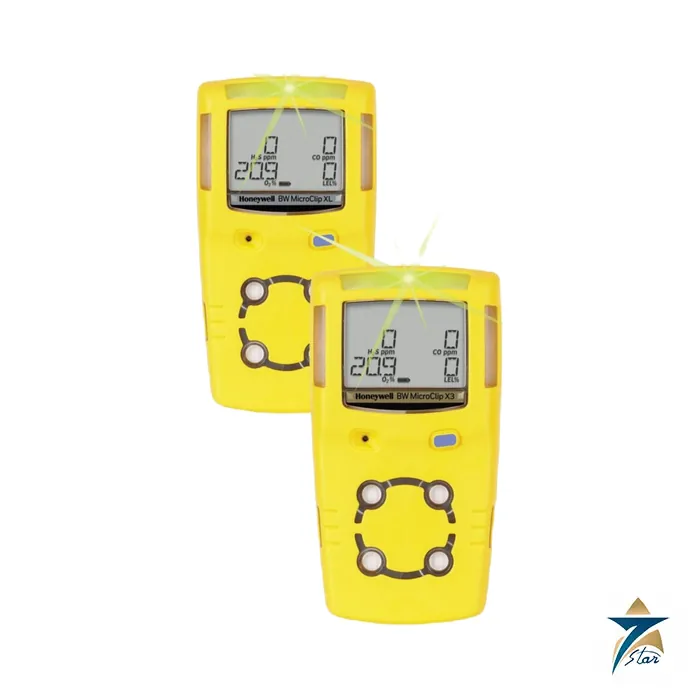
Honeywell BW MicroClip XL and X3 four-gas detectors
The Honeywell BW MicroClip series is a pair of compact, clip-on portable detectors that watch up to four hazards at once: hydrogen sulfide (H2S), carbon monoxide (CO), oxygen (O2) and combustible gas as % LEL or % by volume methane. The two models are the BW MicroClip XL and the BW MicroClip X3, and both are diffusion monitors with one-button operation, an LCD that shows live concentrations, and an 18-hour typical battery life.
The datasheet describes the series as the first multi-gas detector with an IP68 rating, protected for up to 45 minutes at 1.2 m depth, and notes a guaranteed runtime of at least a 12-hour shift down to –20 °C. Seven Star LLC supplies the Honeywell BW MicroClip in Oman and the GCC as an independent supplier in Muscat, for contractors, shutdown crews and plant safety teams who need personal four-gas protection.
BW MicroClip XL versus X3
| Item |
BW MicroClip XL |
BW MicroClip X3 |
| Warranty |
Two years, including all sensors |
Three years, including all sensors |
| Expected service life |
Not stated as extended |
Five years, with a new oxygen sensor that needs no replacement |
| Weight |
190 g (6.7 oz) |
179 g (6.3 oz) |
| Size |
11.3 x 6.0 x 3.2 cm |
11.3 x 6.0 x 3.2 cm |
| User options |
Confidence beep, STEL interval, sensor on/off, latching alarms, safe display and stealth modes, calibration lock, auto zero, O2 auto calibration, bump test interval |
IntelliFlash interval, %LEL or % v/v methane, user-set calibration gas level, forced calibration when overdue, low alarm acknowledge, language choice, custom start-up message |
BW MicroClip technical specifications
| Parameter |
Specification |
| Manufacturer / part number |
Honeywell / BW MicroClip (XL and X3 models) |
| Gases |
H2S 0 to 100 ppm (1 ppm); CO 0 to 500 ppm (1 ppm); O2 0 to 30.0 % (0.1 %); combustibles 0 to 100 % LEL (1 %) or 0 to 5.0 % v/v (0.1 %) |
| Alarms |
Visual, vibrating and audible (95 dB); low, high, TWA, STEL and over-limit; set points user adjustable |
| Battery |
Rechargeable lithium polymer, typically 18 hours, recharge in under 6 hours |
| Operating temperature |
–20 to +50 °C (–4 to +122 °F) |
| Humidity |
0 to 95 % RH, non-condensing |
| Ingress protection |
IP68, 45 minutes at 1.2 m |
| Self-tests |
Sensors, battery status, circuit integrity and alarms checked at start-up |
| Approvals listed |
CSA Class I Div. 1 Groups A to D; ATEX II 1 G Ex ia IIC T4 Ga; IECEx Ex ia IIC T4 Ga; CE; KTL certification in progress for X3 at the time of the datasheet |
| Accessories |
IntelliDoX automated test system, BW Connect, IR connectivity kit, five-unit cradle charger |
How the BW MicroClip stays reliable in the field
Each detector carries Reflex technology, which tests sensor responsiveness, and an IntelliFlash light: a flashing green flash tells supervisors at a glance that the instrument has been bump tested and is monitoring correctly. The detector tests its own sensors, battery and circuits at start-up and continuously during use. Because there is only one button and icon-based LCD, workers need little training.
The combustible sensor is specified to keep detecting hydrogen, acetylene and other combustible gases at LEL through the guaranteed runtime, even at low temperatures. The X3 adds a long-life oxygen sensor so the service life reaches five years.
Where the BW MicroClip fits and related Honeywell detectors
The BW MicroClip is a four-gas personal detector. Honeywell single-gas options include the BW Clip and BW Solo, while for pumped sampling or confined-space work the BW Max XT II is the usual step up. For fleet testing the IntelliDoX station automates bump tests and calibration, and the Honeywell SafetySuite software tracks the detector fleet. Wireless monitoring through BW Connect is mentioned in the datasheet with availability to be confirmed.
BW MicroClip selection and ordering checklist
- XL or X3 model, depending on warranty and service-life expectations.
- Sensor set needed: H2S, CO, O2 and LEL, and whether the combustible reading should be % LEL or % v/v methane.
- Language and alarm set points to match site rules.
- Bump-test and calibration method: manual, or an IntelliDoX docking station.
- Accessories such as cradle charger, IR kit and calibration gas.
Use, bump testing and maintenance of the BW MicroClip
Switch on, wait for the self-test, confirm the alarm set points shown at start-up and check the IntelliFlash light. Bump tests use calibration gas on a regular interval that your safety procedure defines, and the detector can be set to force a bump test or calibration when overdue. Charge the battery in the cradle after each shift; the datasheet notes roughly 20 % capacity loss is normal after 500 charge cycles.
Poisoned sensors are not covered by warranty, so keep the unit away from silicones and solvents during maintenance work. Replace sensors only according to the user manual and store calibration records for audits.
Typical applications of the BW MicroClip in Oman and the GCC
Four-gas clip-on detectors are standard personal protective equipment at refineries, gas plants, desalination stations, wastewater works, power stations and construction sites. They guard confined-space entry, tank cleaning, pipeline work and shutdown or turnaround campaigns. The IP68 case and the 50 °C upper limit make the series suitable for dusty, hot and wet working conditions common across the Gulf.
Information to send with an RFQ for the BW MicroClip
- Model (XL or X3) and quantity.
- Gas configuration and combustible unit preference.
- Alarm set points and language.
- Docking station, chargers and calibration gas needs.
- Delivery location in Oman or the GCC.
Site conditions in Oman for the BW MicroClip
Safety and analytical equipment in Gulf plants has to perform reliably in heat, dust and humidity. Before installing the BW MicroClip, check the operating temperature range, ingress protection and hazardous-area approvals against the actual location, and consider shading or weather protection for units exposed to direct sun. Sensor positioning should follow the gas properties and the site fire and gas philosophy, with access kept clear for testing.
Plan the test and calibration routine from the start. Record the configuration and alarm settings of each BW MicroClip, keep the required calibration gas or test equipment available, and agree a replacement interval for consumable parts so that the system stays compliant with the inspection regime at sites across Oman.
Documents and quotation
The Honeywell BW MicroClip series datasheet is attached on this page with the specification and sensor range tables.
Send the model and quantity, and Seven Star LLC will prepare a quotation for the Honeywell BW MicroClip detectors.
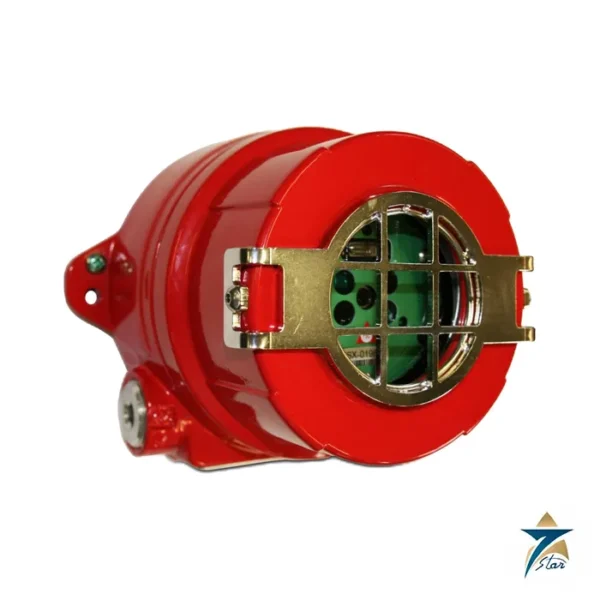
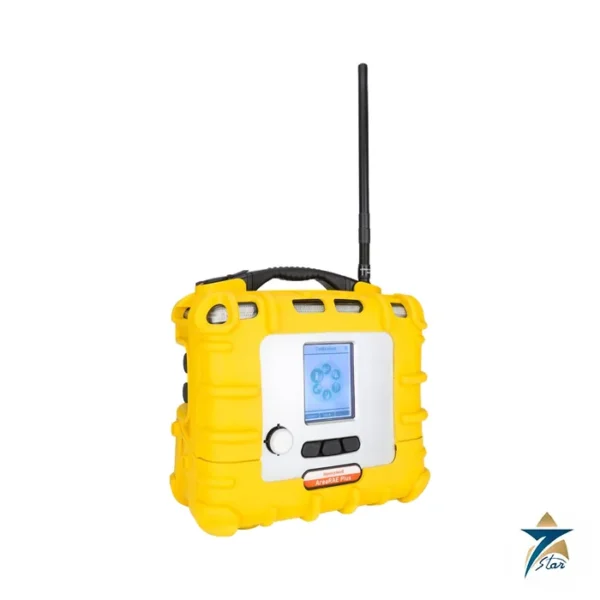
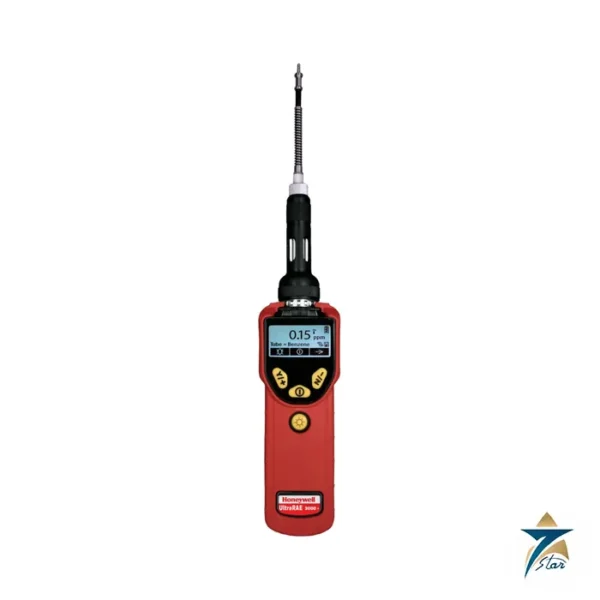
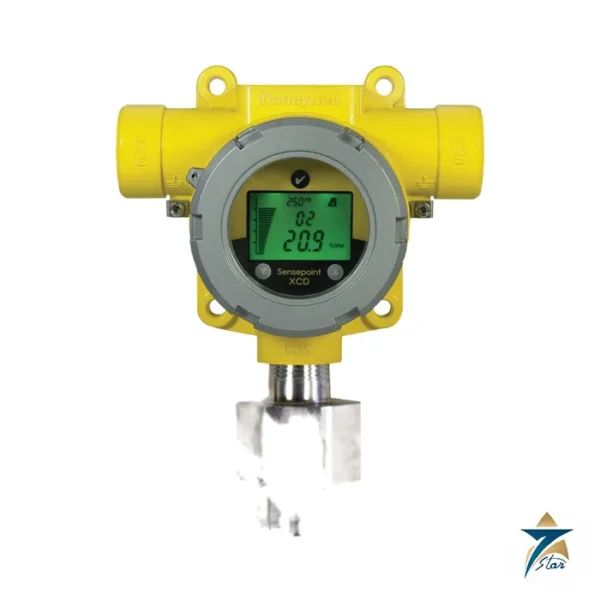
Other Models in the Honeywell Portable Gas Range
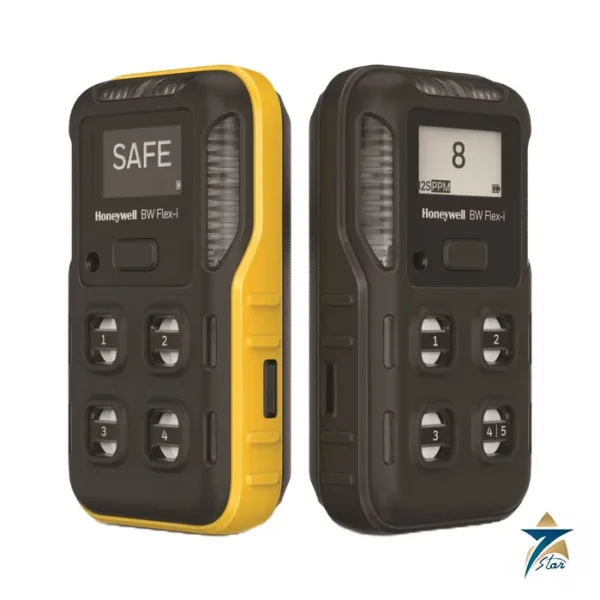
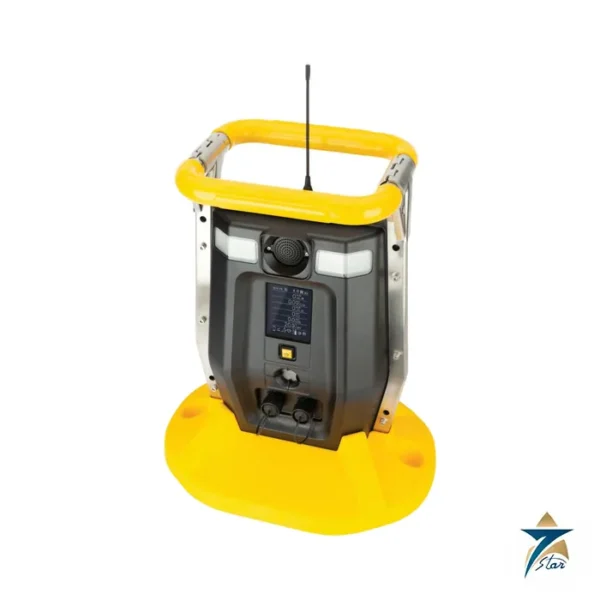
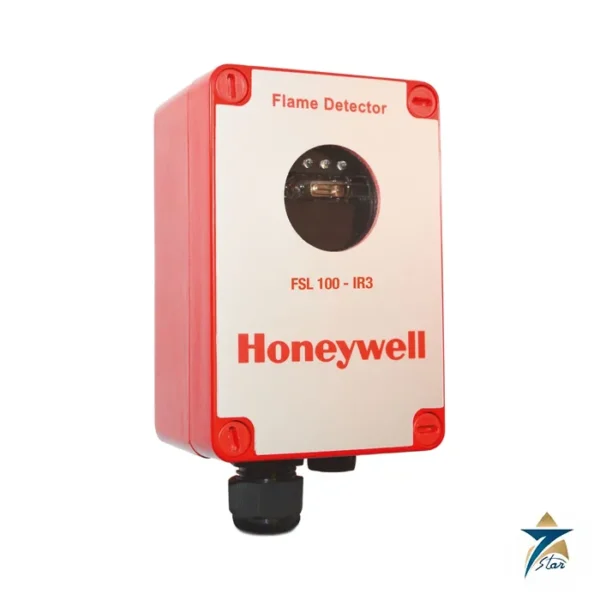
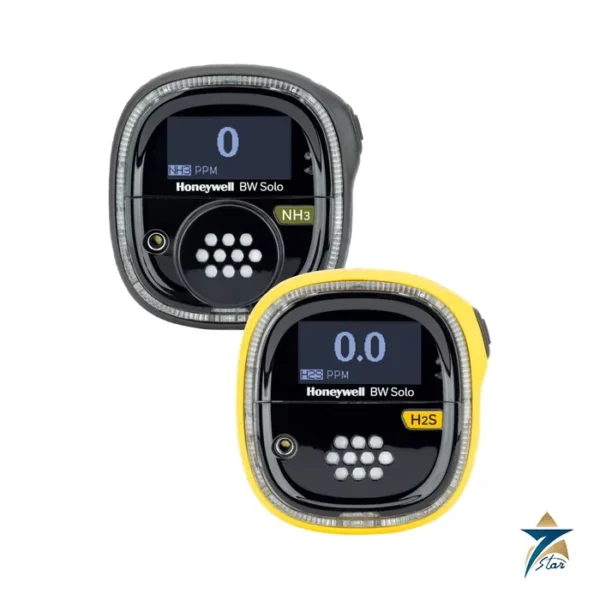
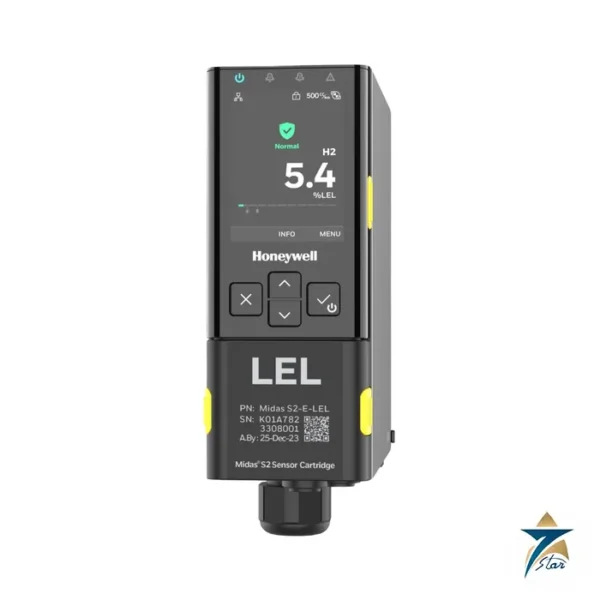
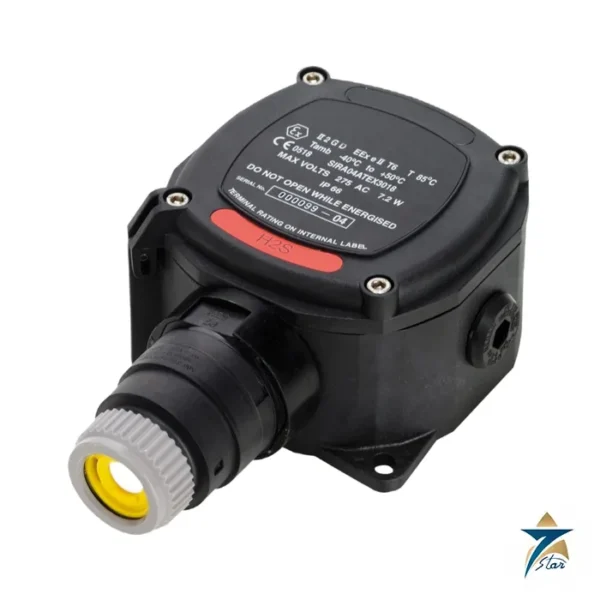
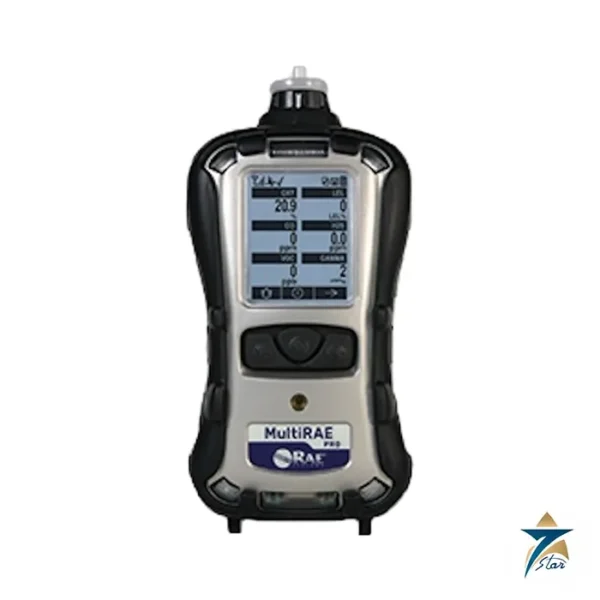
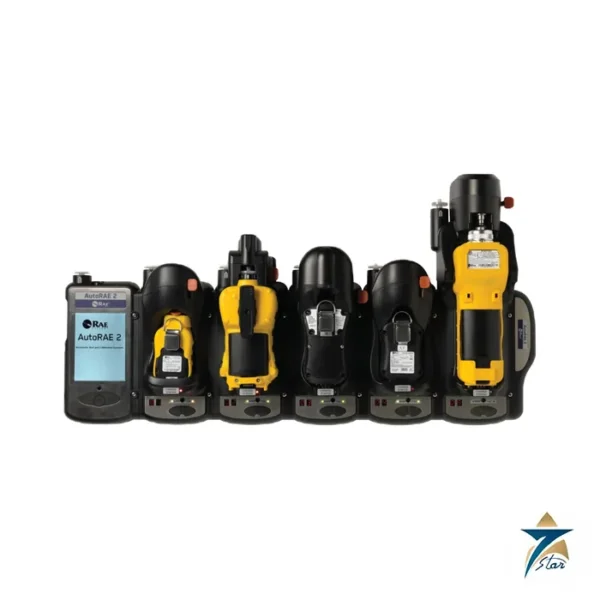
Seven Star LLC supplies models from the Honeywell Portable Gas range in Oman and the GCC. Compare the related models below and request a quote for the one that matches your application.




















Reviews
There are no reviews yet.