Brand:

Honeywell SPXCDASMHX Sensepoint XCD H2S Detector 316SS

Description

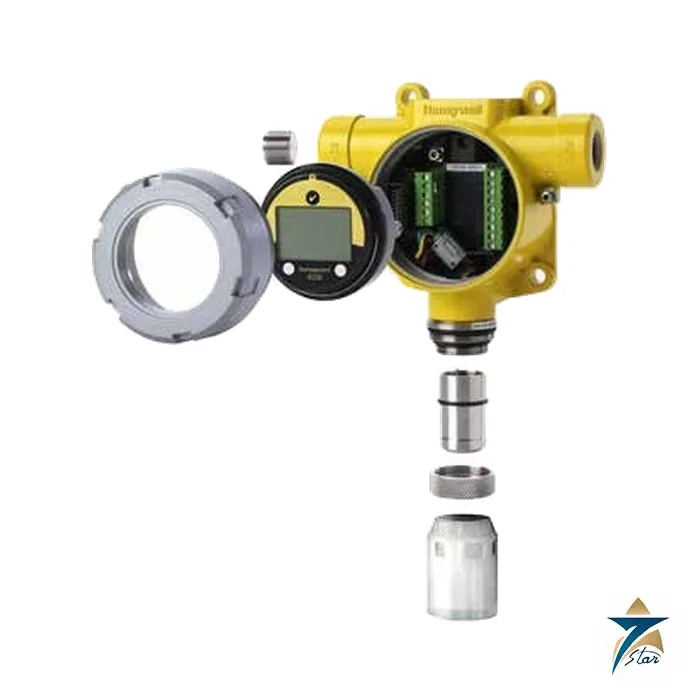
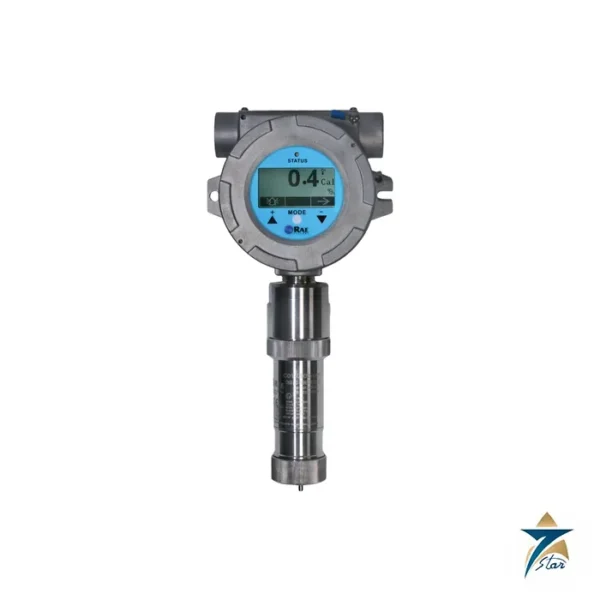
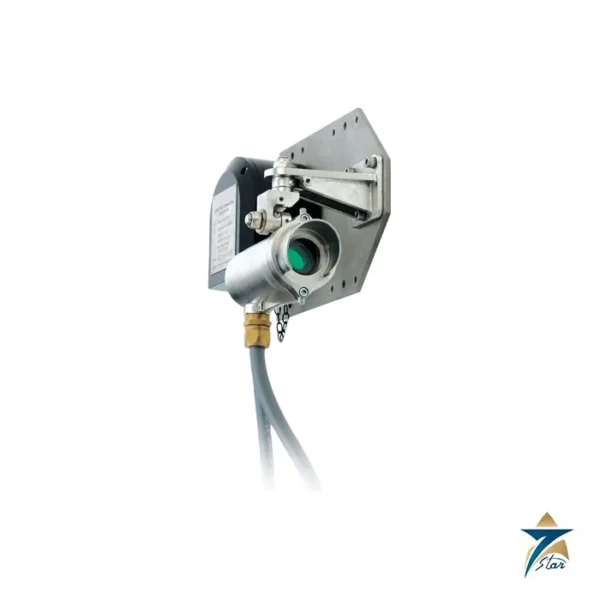
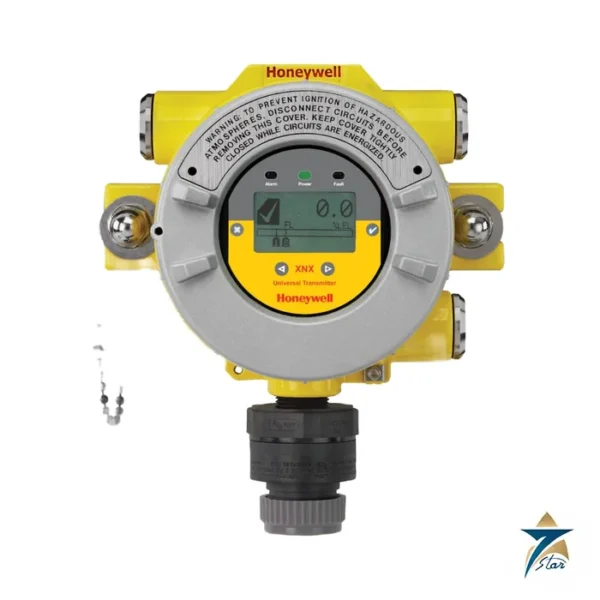
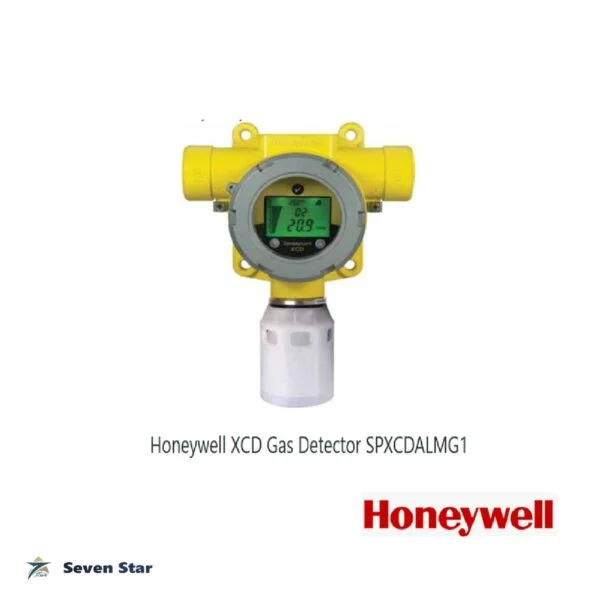
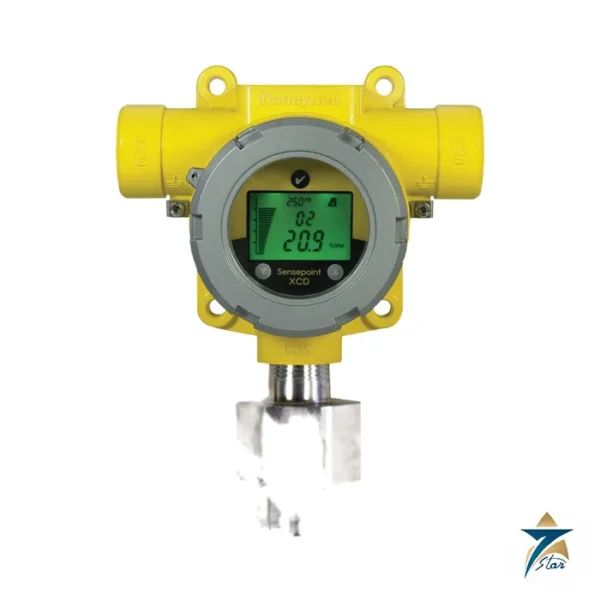
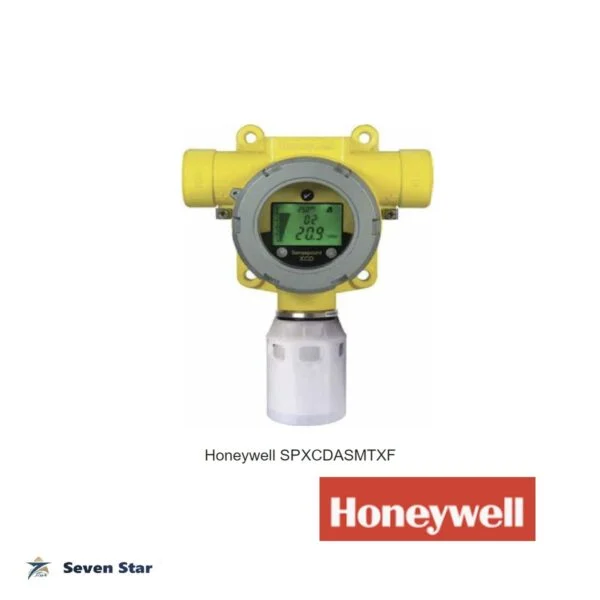
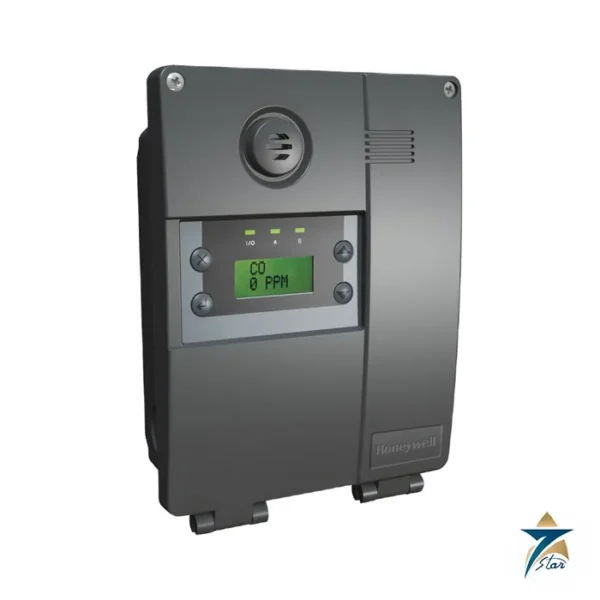
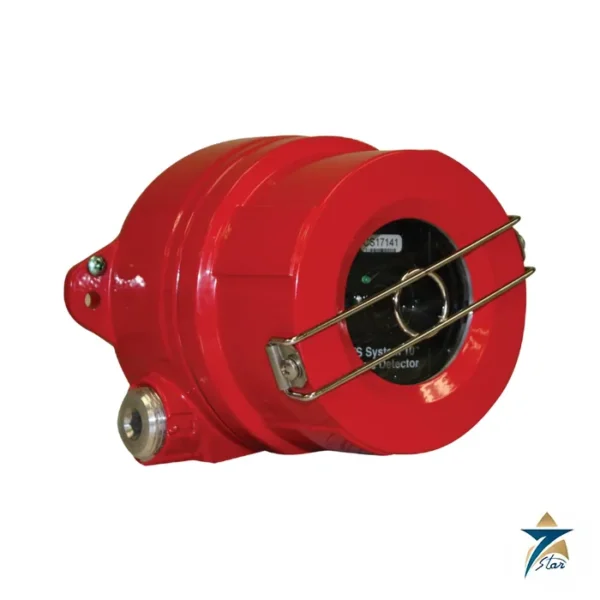
Honeywell SPXCDASMHX is the 316 stainless steel version of the Sensepoint XCD hydrogen sulphide detector. Where the SPXCDALMHX uses a painted aluminium LM25 enclosure, the SPXCDASMHX replaces it with a stainless steel flameproof housing, keeping the same electronics, the same plug-in H2S cartridge and the same M20 cable entries. The reason to choose it is the environment, not the measurement: offshore decks, coastal desalination plants, chemical washdown areas and splash zones where painted aluminium would corrode.

Decoding the SPXCDASMHX order code

  • SPXCD: Sensepoint XCD gas detector.
  • A: ATEX and IECEx certification, with the datasheet adding approvals for China (GB), Korea (KTL) and PA, described as ATEX/IECEx and AP approved for the stainless steel versions.
  • S: 316 stainless steel enclosure.
  • M: M20 cable entries (N would be three-quarter inch NPT for UL and CSA).
  • H and X: hydrogen sulphide sensor, user-adjustable range.

SPXCDASMHX datasheet specification

Parameter Value
Gas and sensor Hydrogen sulphide, plug-in electrochemical cartridge, 316 stainless steel body
Default range 0 to 50.0 ppm; adjustable 10.0 to 100.0 ppm in 1 ppm steps
Calibration Default point 25 ppm
T90 Less than 50 s
Accuracy Better than +/-1 ppm
Temperature -20 to +55 degrees C, extended to -40 to +65 degrees C
Alarms A1 10 ppm, A2 20 ppm, rising
Weight Approx. 5.0 kg (11 lb)
Housing 316 stainless steel
Entries 2 x M20
Rating IP66; Ex d IIC Gb T6 up to Ta +65 degrees C
Outputs 4 to 20 mA sink or source, 3 relays, optional Modbus RTU
Power Up to 3.7 W

How SPXCDASMHX differs from SPXCDALMHX

The measuring section is identical, so range, response time, alarm defaults and calibration are unchanged. The numerical difference is mass: approximately 5.0 kg against 2.0 kg for the aluminium unit, which matters for pipe-mounting brackets and for the strength of the support. Materials differ too, since the aluminium housing is epoxy painted, and the stainless unit is not. Both use a 316 stainless steel plug-in sensor, a plastic weather protection assembly and the same 15-terminal plug-in block.

Where SPXCDASMHX pays off

Offshore production platforms, FPSO decks, coastal terminals in the Gulf of Oman, seawater intake structures and sulphur-handling areas with condensing acid mists are typical for stainless steel instruments. A specification that asks for stainless steel gas detectors can be met with the SPXCDASMHX without changing the transmitter platform or the controller interface.

The signal conventions are straightforward. A healthy SPXCDASMHX gives 4.0 to 20.0 mA across its measuring range, 22.0 mA when the reading is over range, a value from zero up to just below 1.0 mA for a fault, and 2.0 or 4.0 mA while the output is inhibited for maintenance. A DCS analogue card that is configured for these current levels needs no special handling. The relay contacts are rated 5 A at 250 VAC and can be set normally open or normally closed with a switch, and energised or de-energised in software, which gives plant engineers flexibility to follow their own fail-safe philosophy.

Stainless steel construction also changes how the unit is handled. At roughly 5.0 kg the SPXCDASMHX needs a sound support, and a pipe clamp should be tightened onto a stable section rather than a thin instrument tube. When it is installed at height on a platform, plan lifting and fall-prevention measures, because a two-person lift is easier than carrying it up a ladder. Because the stainless body does not need repainting, the usual maintenance of touch-up coating is removed and attention turns to cable glands, seals and the weatherproof cap.

Installation and wiring of SPXCDASMHX

Four mounting holes suitable for M8 bolts allow wall or structure fixing, and the optional bracket SPXCDMTBR clamps the unit to a pipe of 1.5 to 3 inches. Conductors of 0.5 to 2.5 mm squared connect to the plug-and-socket terminal blocks, and the detector can be wired in current sink or current source mode through a switch behind the display module. Honeywell’s cable table for electrochemical XCD units, assuming a 24 VDC supply, lists 478 metres on 0.5 mm squared and 2197 metres on 2.5 mm squared. Use a suitable certified gland on each M20 entry and plug the spare entry with the supplied blanking plug, sealed to maintain IP66.

Operating the SPXCDASMHX

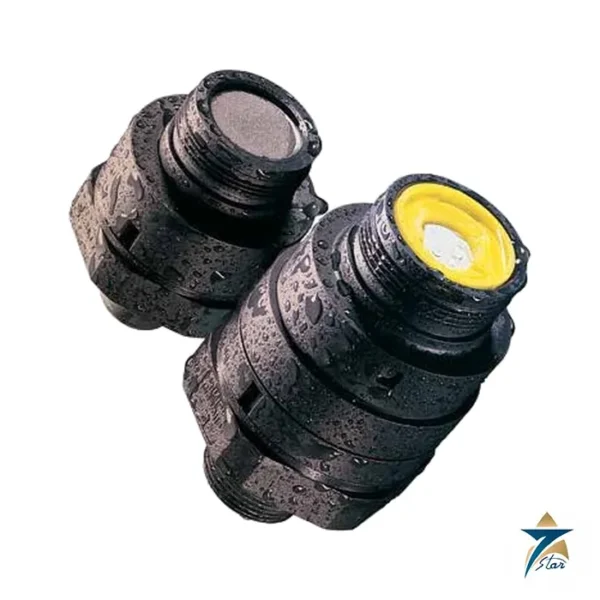
The SPXCDASMHX is configured through the LCD with the magnet, so the cover stays closed in the hazardous area. Outputs are inhibited automatically during adjustment. A steady green backlight shows normal operation, flashing yellow a fault, and flashing red an alarm, readable from a distance. Plug-in sensor replacement uses SPXCDXSHXSS, and a calibration cup S3KCAL, collecting cone SPXCDCC, duct mounting kit SPXCDDMK and sunshade SPXCDSDP are listed as options.

A practical reason to standardise on the SPXCDASMHX in a corrosive plant is the shared platform. All XCD detectors use the same transmitter body, and the stainless steel enclosure is available for every gas version in the datasheet, so a site can hold one set of spares for covers, display modules and terminal blocks. The plug-in sensor is common between aluminium and stainless units of the same gas. Sensor cartridges follow the datasheet’s gas codes: H for hydrogen sulphide, C for carbon monoxide, G for hydrogen, N for nitrogen dioxide, O for oxygen, and F, R, P or B for the flammable and carbon dioxide types.

Ordering notes

The suffix M adds the Modbus RTU RS485 option, giving SPXCDASMHXM. The SPXCDASMHX itself ships with a weatherproof cap, a magnet, a quick start guide and a calibration and test certificate. State the version clearly in an enquiry, because the aluminium code SPXCDALMHX looks very similar and costs and weights differ.

Documents and quotation

Seven Star LLC is an independent supplier serving Oman and the GCC and is not affiliated with the manufacturer. We can include the XCD datasheet with the quotation. Send an RFQ naming SPXCDASMHX, the quantity, the delivery location and whether Modbus is needed.

Other Models in the Xcd Detector Range

Seven Star LLC supplies models from the Xcd Detector range in Oman and the GCC. Compare the related models below and request a quote for the one that matches your application.

ModelCategory
Honeywell SPXCDALMHX Sensepoint XCD H2S Detector LM25Fire & Gas DetectorsView details
Honeywell SPXCDASMHX Sensepoint XCD H2S Detector 316SSFire & Gas DetectorsYou are viewing this model
Datasheets & Documents
Reviews (0)

Reviews

There are no reviews yet.

How would you rate this product?

It takes about 10 seconds — just tap a star. Your email is never published.

About brand

Honeywell is the American industrial technology group whose products on this site cover gas and flame detection, pressure transmitters, flow measurement, gas metering, fire alarm systems and helicopter rotor balancing equipment. Its roots go back to a thermostat business in Minneapolis in 1885 and to Mark Honeywell's heating company, which merged with it in 1927. Several brands we list have joined Honeywell over the years: Gent fire systems of Leicester (part of Honeywell since 2005), Chadwick-Helmuth (a Honeywell business unit from 2002) and Elster gas metering (acquired around the end of 2015).

Seven Star LLC is an independent supplier in Muscat. We list Honeywell gas detectors and sensors, transmitters, Elster gas meters and flow computers, Gent fire alarm equipment and Chadwick-Helmuth balancers, and supply them and their spares in Oman and the GCC by part number.

Honeywell company profile

Origins 1885, Minneapolis (Butz thermostat business); merged with Mark Honeywell's company in 1927
Brands in our range Honeywell Analytics gas detection, SmartLine transmitters, Elster gas metering, Gent fire detection, Chadwick-Helmuth rotor track and balance
Gent Founded in Leicester, UK, around 1872 by John Thomas Gent; part of Honeywell since 2005
Elster Gas, water and electricity metering; bought by Honeywell from Melrose, deal completed around the end of 2015

Milestones

  • 1885: The Butz thermostat business starts in Minneapolis.
  • 1927: It merges with Mark Honeywell's company.
  • 2005: Gent fire detection (Leicester, UK) becomes part of Honeywell.
  • 2015: Honeywell completes the purchase of Elster from Melrose around the end of the year.

Honeywell products we list

Family Models Typical use
Fixed gas detectors Searchline Excel, Searchline Excel Plus, 02104-N-XSSA, Sensepoint XCD RTD, Sensepoint XCD IR, XCD H2, Sensepoint XCL, Sensepoint XRL, OmniPoint, RAEGuard 2 PID Flammable, toxic and VOC gas detection in process areas
Sensors, flame detection and control SR-W-MP75C LEL sensor, SR-X2V O2 sensor, FS24X Plus flame detector, R4343E flame switch, System 57 card, 5704FS panel Replacement sensors, fire detection and gas detection control panels
Transmitters and flow SmartLine STG700, STG800, STR82D remote seal, VersaFlow Coriolis Process pressure and mass flow measurement
Elster gas metering Q.Sonic plus, TRZ2, Quantometer, RABO, IRM-3 DUO, EK280, EC 350, enCore FC1, enCore ZM1, gas-net F1, gas-net D2, GasLab Q2, USM display Gas meters, volume correction and fiscal flow computing
Gent fire alarm systems Vigilon Plus, Vigilon Compact Plus, Nano, Xenex, S-Quad detector, S-Cubed, ALD302 base, S4-34420 interfaces, loop card, repeat panel, mimic panel, XENS-850 call point, 74430 bell Addressable and conventional fire alarm systems in buildings and plants
Chadwick-Helmuth rotor track and balance 8500C, 8500C Plus, Vibrex 2000, Model 11, photocell system, printer, bracket, protractor Helicopter rotor track and balance and propeller balancing

Gas detection uses two basic approaches. Point detectors such as the Sensepoint XCD measure the gas at one location, with a catalytic or infrared sensor for flammable gas and an electrochemical cell for toxic gas such as H2S. Open path detectors such as the Searchline Excel send an infrared beam across an area up to a few hundred metres long and detect a gas cloud anywhere along it. Infrared sensors cannot be poisoned the way catalytic beads can, which matters on sites with silicones or H2S.

Where Honeywell products are used

In Oman and the GCC, Honeywell gas detectors protect wellheads, gas plants, refineries and tank farms. Elster meters and flow computers measure gas at city gate stations and in industry. Gent systems are installed in commercial buildings, hospitals and hotels, and Chadwick-Helmuth balancers are used by helicopter operators.

Ordering Honeywell products: what we need

Send the part number from the label (for example 02104-N-XSSA or SPXCDASMTXF). For gas detectors, add the gas, range, output and certification. For gas meters, add size (DN), flow range and pressure rating. For Gent equipment, add the panel type and loop protocol.

Facts checked against Honeywell press releases and SEC filings, and published histories of Gent and Chadwick-Helmuth, October 2026.

FAQ

Questions about the Honeywell SPXCDASMHX Sensepoint XCD H2S Detector

Answers from our engineering team on installation, compatibility and integration.

01What makes SPXCDASMHX different from SPXCDALMHX?
The SPXCDASMHX has a 316 stainless steel enclosure of about 5.0 kg, while the SPXCDALMHX has a painted LM25 aluminium enclosure of about 2.0 kg. The H2S measurement is the same.
02What range does Honeywell SPXCDASMHX measure?
It defaults to 0 to 50.0 ppm hydrogen sulphide and the full scale can be adjusted from 10.0 to 100.0 ppm in 1 ppm steps at the transmitter.
03How many relays does the SPXCDASMHX have?
It has three relays rated 5 A at 250 VAC, programmable as two alarms and one fault, in addition to the 4 to 20 mA output.
04What certification does the stainless XCD H2S detector carry?
The datasheet lists ATEX and IECEx Ex d IIC Gb T6 up to +65 degrees C with Ex tb IIIC T85 degrees C Db and IP66, and it is described as ATEX/IECEx and AP approved.
05Which sensor cartridge replaces the one in SPXCDASMHX?
Spare cartridge SPXCDXSHXSS, hydrogen sulphide 0 to 50 ppm default range, is the plug-in replacement named in the datasheet.