Touchpoint Pro modular gas and logic control system
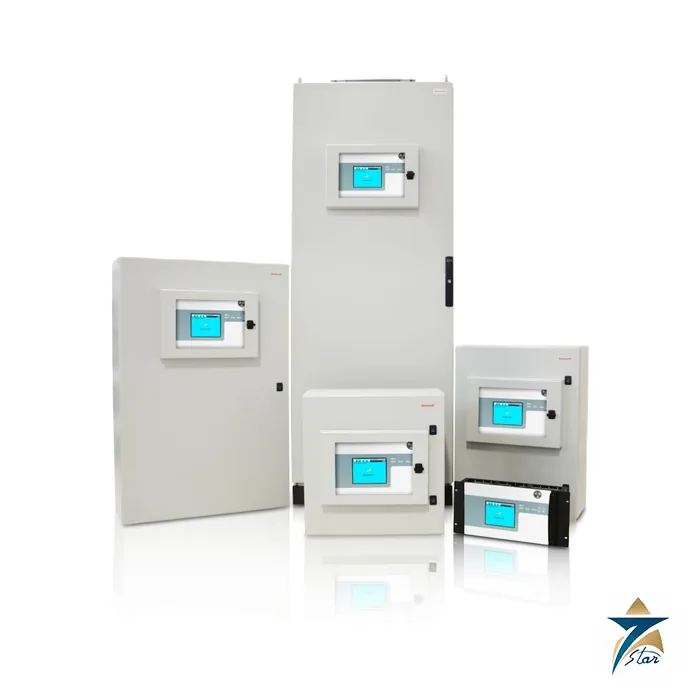
The Honeywell Touchpoint Pro is a modular gas control system built for small and medium plants that want an independent, SIL 2-designed safety system with either central or remote I/O. It is made from four building blocks: a central controller with a colour touchscreen, plug-in input/output modules, a backplane power and communications rail, and plug-in power supplies. Seven Star LLC supplies Touchpoint Pro systems in Oman and the GCC as an independent supplier in Muscat.
Unlike the Touchpoint Plus, which is a single wall-mounted controller, the Touchpoint Pro is a system: you choose cabinets or racks, the number of I/O modules, the power supply and the topology. That makes the ordering information project-specific, and the datasheet states that detailed ordering information is available on request.
Touchpoint Pro technical specifications
| Parameter |
Specification |
| Manufacturer / part number |
Honeywell / Touchpoint Pro (system, configured per project) |
| Topology |
Centralised, distributed (remote I/O) or mixed |
| Controller display |
5.7 in TFT colour LCD, resistive touchscreen, 320 x 240 pixels, active area 115.2 x 86.4 mm |
| Controller operating / storage temperature |
-20 to +55 °C each |
| Controller humidity |
10 to 90 % RH, non-condensing |
| Supply |
18 to 32 Vdc (24 Vdc nominal), ripple 50 mVp-p maximum |
| Front-panel controls |
Green power, red alarm, yellow fault and yellow inhibit LEDs; alarm accept and reset buttons; buzzer |
| System relays |
2 system-state relays |
| External communication |
Ethernet; optional redundant RS-485 Modbus RTU interface |
| I/O module size |
35.0 x 99.5 x 114.5 mm, DIN rail TS-35/15 |
| I/O module operating range |
-40 to +55 °C, 10 to 90 % RH non-condensing, 18 to 32 Vdc |
| Input modules |
4-20 mA (4 channels), mV bridge (4 channels), digital (4 channels); up to 16 modules, 64 channels |
| Output modules |
Relay, 4 channels each with single-pole changeover relays; up to 32 modules, 128 channels |
| Communication/power rail |
5, 7, 9 or 10-way, with one ring coupling module |
| Power supplies (DIN rail) |
120 W, 240 W or 480 W at 24 Vdc; redundancy module (RDN); UPS module |
| Backup battery |
24 V sealed lead acid, 12 Ah or 27 Ah (two 12 V batteries in series) |
| Wall-mount controller enclosures (H x W x D) |
600 x 600 x 300, 800 x 600 x 300 or 1200 x 600 x 300 mm, mild steel |
| Other housings |
Wall-mount remote unit enclosures, 19 in 5U rack unit, floor-standing cabinets 2000 x 800 x 600 mm |
| Safety / approvals |
SIL 2 to IEC/EN 61508 and EN 50402; EN 50270 (EMC), EN 61010-1 (LVD), CSA C22.2 No. 61010-1-04, EN 50271, EN 60079-29-1, EN 45544, EN 50104 |
How Touchpoint Pro is built: controller, rail and I/O
The central controller holds the touchscreen interface and a sensor catalogue that lists the Honeywell gas sensors, each with default configuration. Setup becomes three steps: choose the channel ID, enter the channel tag, then pick the sensor and gas, and the rest of the configuration is loaded automatically. A web server interface lets users on a network see status and event history and acknowledge, reset or inhibit channels, although safety-critical functions such as configuration and calibration stay at the controller. PC configuration software is optional for large systems.
I/O modules clip onto the communication/power rail, which provides 24 Vdc power and the ring network connection. Depending on the power supply option and the enclosure version, the rail has room for 5, 7, 9 or 10 modules. Modules can be mixed in any combination, which makes later expansion a matter of adding modules rather than redesigning the panel.
Ring network and redundancy in Touchpoint Pro
Remote I/O units link back to the controller through a ring network. Two loops carry data in opposite directions, and since each module talks only to the next one, a fault is detected and located immediately while the remaining modules keep transmitting. Redundancy extends to the controller, where an optional redundant control centre board monitors the master and switches over on failure, and to power, where a redundancy module and UPS module are available.
Where Touchpoint Pro fits in a plant
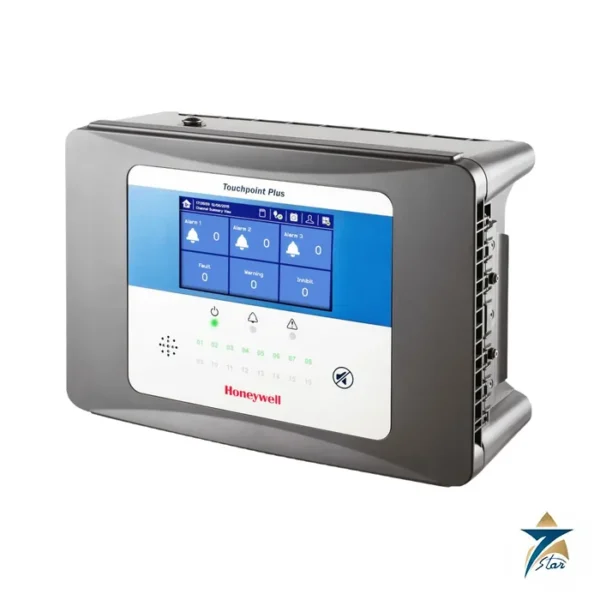
The datasheet shows Touchpoint Pro used for new builds, upgrades of existing sites and engineering-house projects. Centralised wiring re-uses existing home-run cabling, while remote I/O enclosures cut cable length. It also accepts inputs from most third-party flame detectors, gas detectors and manual call points, and provides outputs including relays, digital outputs and Modbus. Honeywell’s own lines such as the Touchpoint Plus (up to 16 channels) and Touchpoint Plus Wireless (MeshGuard networks) suit smaller or wireless applications, while Touchpoint Pro is intended for larger channel counts, redundancy and distributed layouts.
Selecting a Touchpoint Pro system: checklist
- Channel count and signal types: 4-20 mA, catalytic mV, digital, and output relays, in four-channel blocks.
- Topology: central, remote I/O with ring network, or both.
- Controller options: redundant control centre board, Modbus RTU interface, web server and PC configuration software.
- Power: 120, 240 or 480 W supply, redundancy, UPS and battery size (12 Ah or 27 Ah).
- Housing: wall-mount, 19 in rack or floor-standing cabinet, and the required rating for the location.
- Documentation and approvals the project requires: the datasheet lists SIL 2, ATEX performance and others.
Installation and maintenance of Touchpoint Pro
Panels should be sited indoors within the controller range of -20 to +55 °C and 10 to 90 % RH non-condensing. In hot GCC sites that means a conditioned control room or a ventilated, shaded enclosure; do not rely on a sealed mild-steel box in direct sun. Plan cable routes for the ring network separately from detector cabling and keep to a single 24 Vdc feed per rail. During maintenance, individual channels can be inhibited from the touchscreen, which keeps the remainder of the system protected while a detector is calibrated.
Typical Touchpoint Pro applications in Oman and the GCC
The system suits sites with several process areas and many detectors: gas processing and compression, petrochemical units, storage and loading terminals, power stations, water and desalination plants, and industrial parks where one control room supervises distant buildings. Remote I/O reduces cable cost over long plant distances, and the ring network gives resilience when a cable is damaged.
Information to send with a Touchpoint Pro RFQ
- Detector list by type and gas, with 4-20 mA, mV bridge or digital signal.
- Number of relay outputs for alarm stages, fans and shutdown.
- Layout: central, distributed or mixed, and distances between areas.
- Redundancy requirements for controller and power.
- Housing type and location, plus Modbus or Ethernet integration.
- Delivery timeline and the approvals required.
Documents and quotation
A Honeywell Touchpoint Pro datasheet is attached on this page. It lists the building blocks, specifications and approvals referred to above.
Because the system is configured to each project, send the detector and output list and the topology, and Seven Star LLC will confirm the configuration and send a quotation.
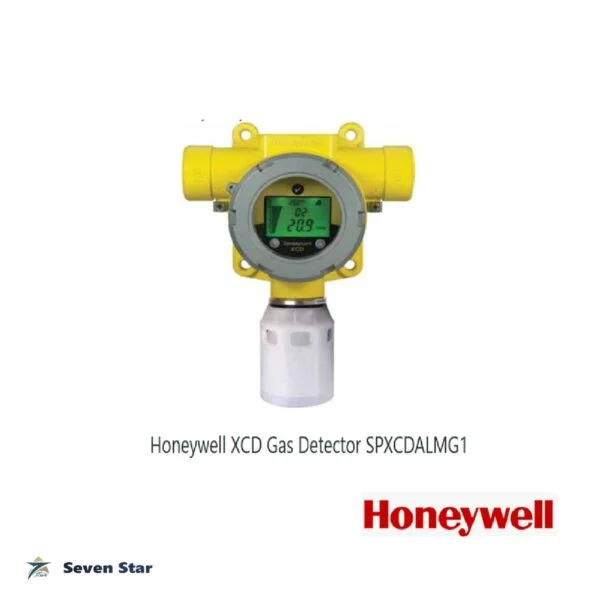
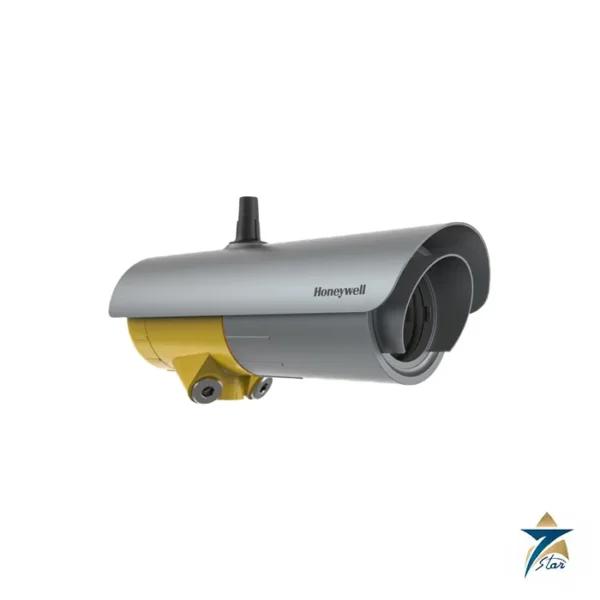
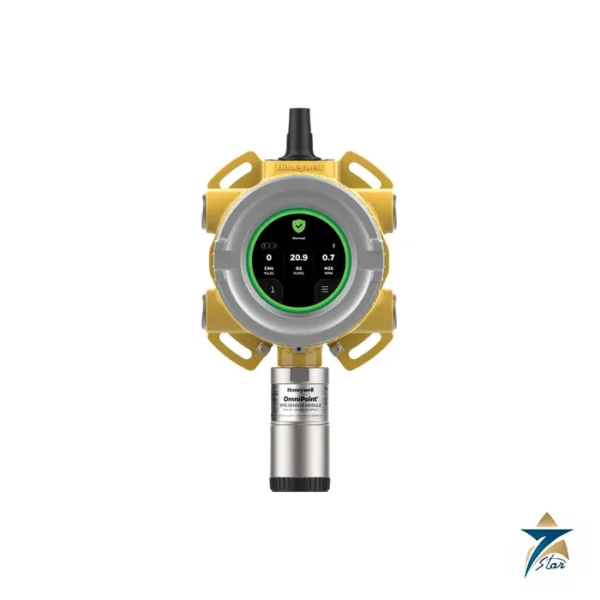
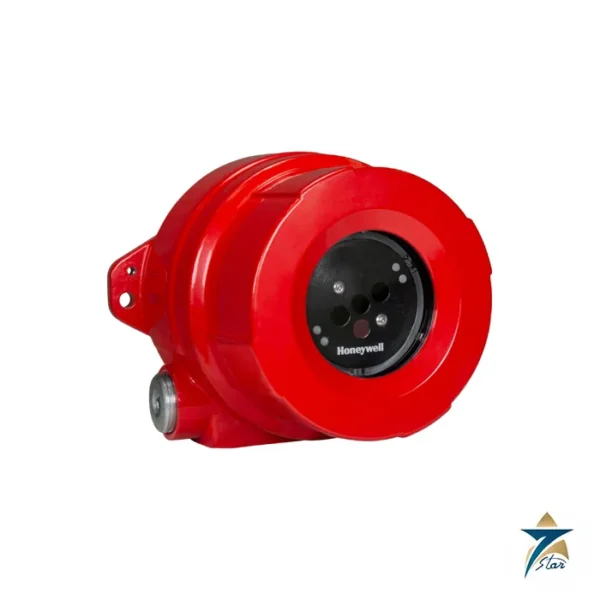
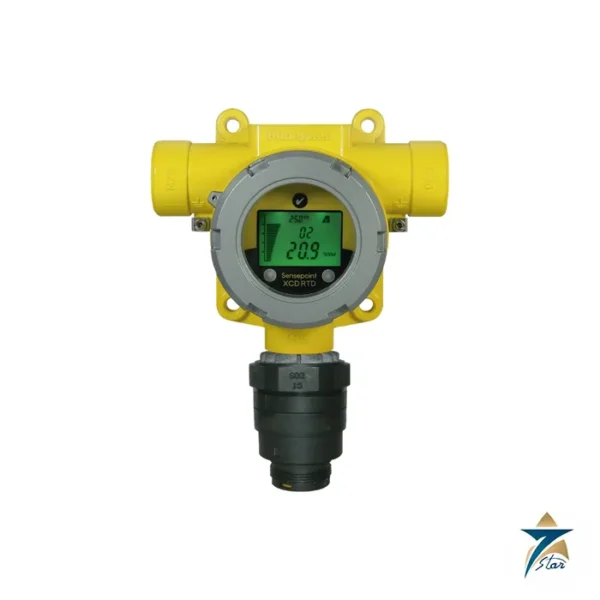
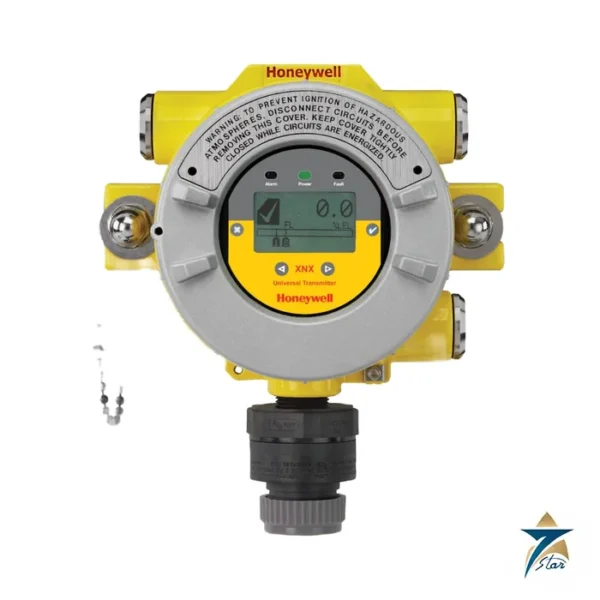
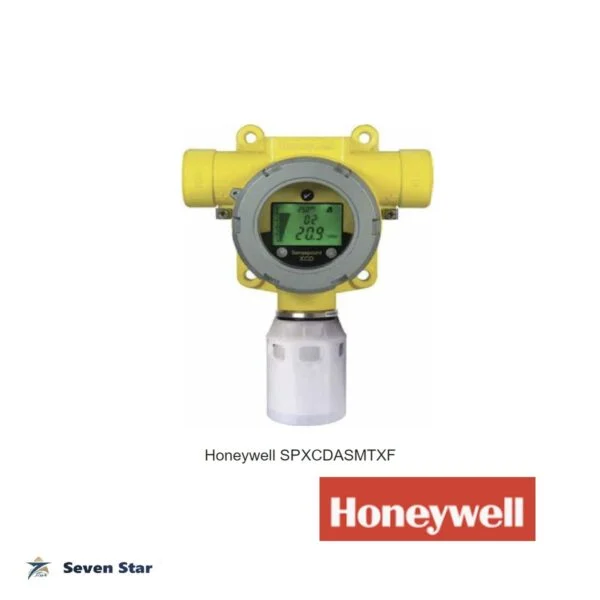
Other Models in the Honeywell Touchpoint Range
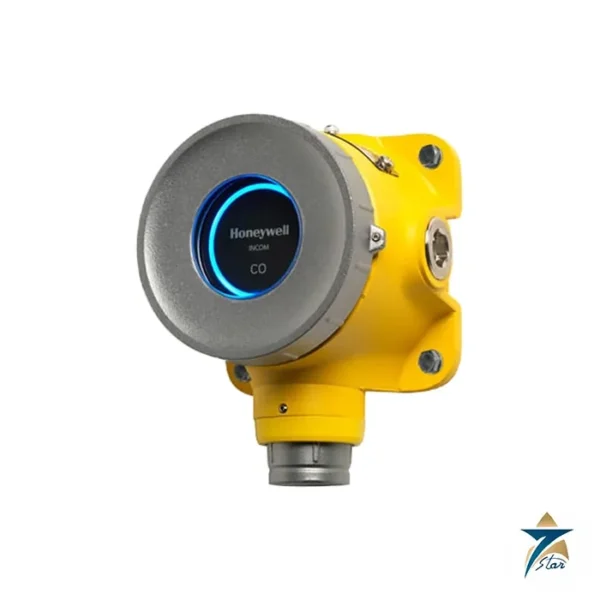
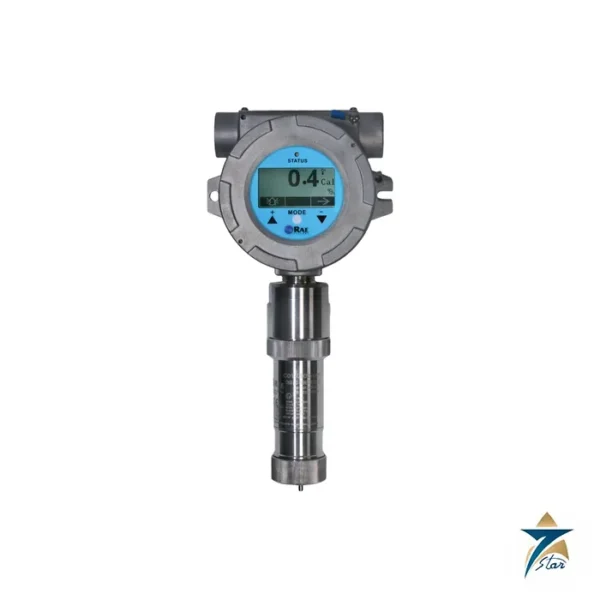
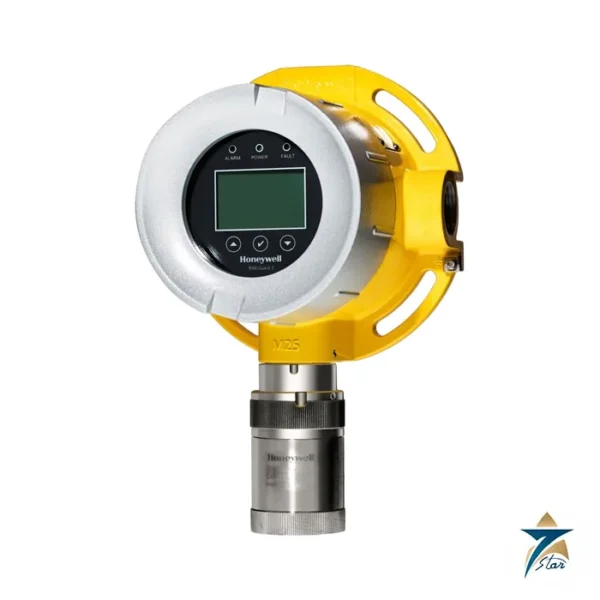
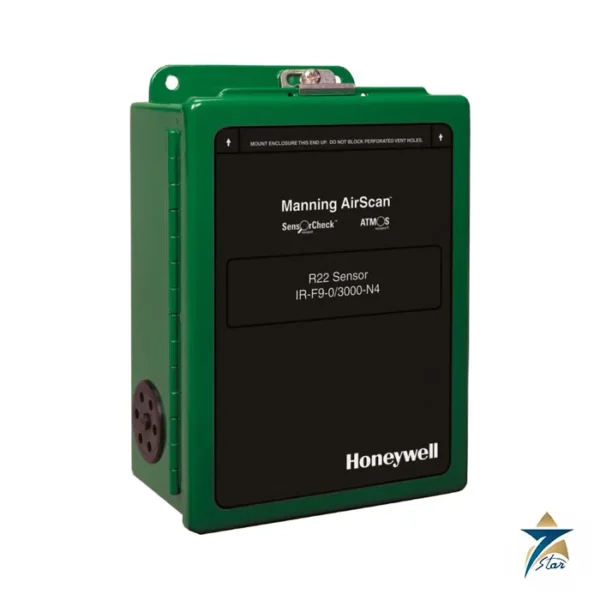
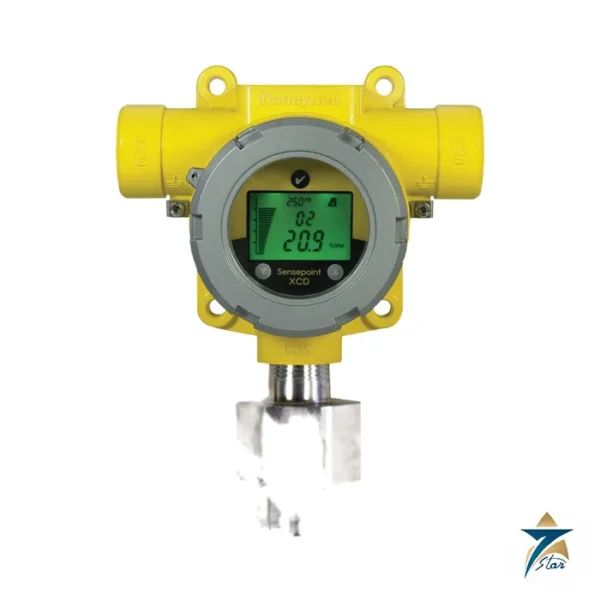
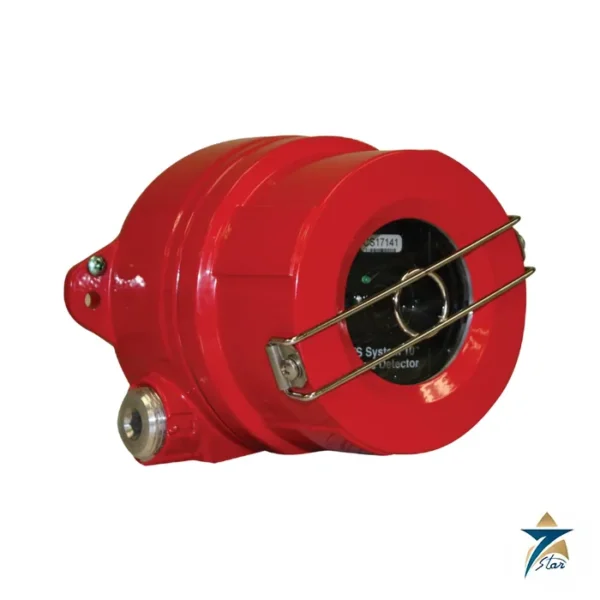
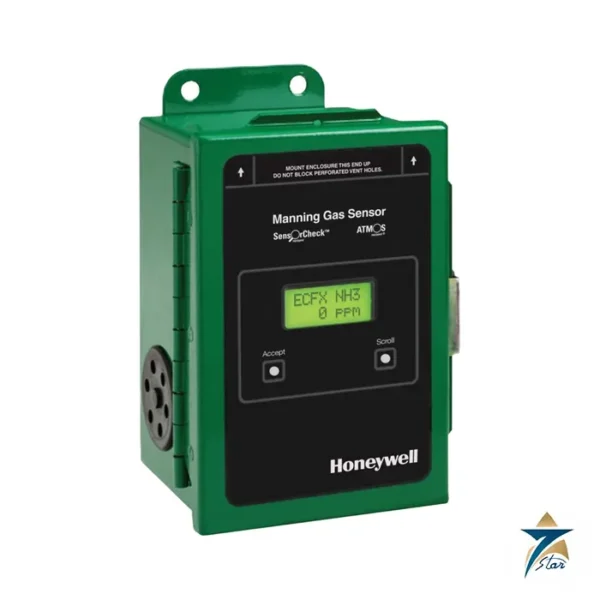
Seven Star LLC supplies models from the Honeywell Touchpoint range in Oman and the GCC. Compare the related models below and request a quote for the one that matches your application.























Reviews
There are no reviews yet.