Honeywell Sensepoint LEL combustible gas sensor: sealed catalytic sensor and part numbers
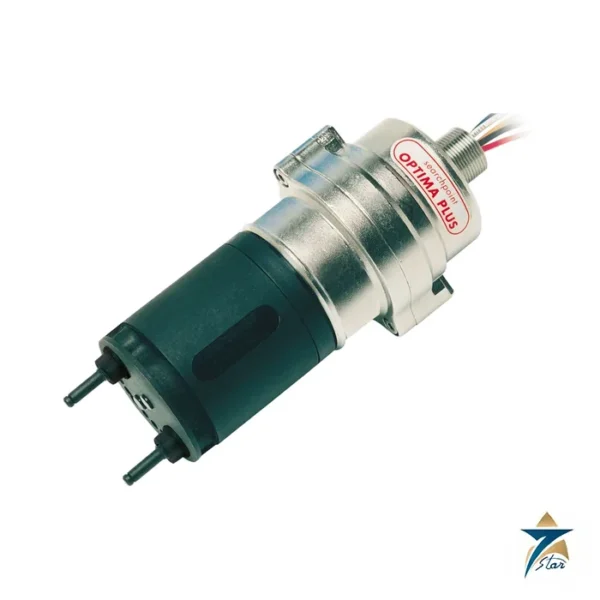
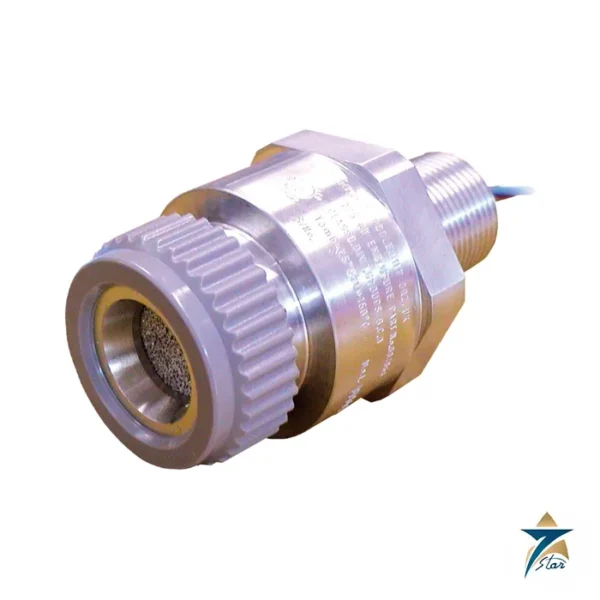
The Sensepoint LEL combustible sensor is a sealed, disposable catalytic sensor for detecting flammable gases in the 0 to 100 % LEL range. It is not a complete detector with its own electronics: it is a head that screws into an approved Ex e or Ex d junction box and sends a millivolt bridge signal to a separate control card or gas controller, which supplies the power and does the calibration adjustments. This arrangement is common in hydrocarbon plants, where the same controller and junction boxes are kept for many years and only the sensing element is swapped at the end of its life. Seven Star LLC supplies Sensepoint sensors in Oman and the GCC as an independent supplier in Muscat.
The standard sensor is ordered by thread type. The datasheet lists four part numbers:
| Part number |
Thread version |
| 2106B1200 |
M20 thread |
| 2106B1201 |
M25 thread |
| 2106B1202 |
M26 thread |
| 2106B1204 |
3/4 inch NPT thread |
Match the thread to the junction box entry before ordering; the datasheet states that the junction box thread must be compatible with the sensor thread.
Sensepoint LEL technical specifications
| Parameter |
Specification |
| Manufacturer / part number |
Honeywell Analytics / Sensepoint LEL combustible sensor, 2106B1200, 2106B1201, 2106B1202, 2106B1204 |
| Detection principle |
Catalytic pellistor in a bridge circuit |
| Gases detected |
Combustible gases in the LEL range; sensitivity depends on gas type |
| Range |
0 to 100 % LEL methane (other gases may vary) |
| Operating temperature |
–40 to +80 °C (see certification) |
| Operating humidity |
20 to 90 % RH continuous; 10 to 99 % intermittent, non-condensing |
| Operating pressure |
90 to 110 kPa |
| Warm-up time |
10 minutes |
| Voltage |
2.9 to 3.5 V bridge at 200 mA drive current |
| Power consumption |
700 mW |
| Signal output |
mV bridge |
| Recommended sample flow |
1 to 1.5 litres per minute for calibration |
| Expected life |
5 years |
| Ingress protection |
IP65 standard; IP67 with weather protection |
| Dimensions / weight |
56 mm diameter × 74 mm long maximum; 190 g |
| Materials |
Body in Fortron PPS (polyphenylene sulphide) |
Specifications are taken from the manufacturer’s Sensepoint LEL combustible sensor sheet, issue 11.
How the Sensepoint LEL pellistor works
The sensor uses a catalytic bead (pellistor) as one arm of a bridge circuit. Flammable gas burns on the heated catalytic bead, which raises its temperature and resistance and unbalances the bridge in proportion to gas concentration. A matching non-sensitive bead compensates for ambient temperature and humidity. The wiring in the datasheet uses three cores labelled sensitive, non-sensitive and common, with brown, blue and white colours shown in the diagram. The control system supplies about 200 mA at a nominal 3 V, and reads the millivolt output.
Since the catalytic bead needs oxygen to burn gas, the datasheet warns that the sensor is not suitable for oxygen-enriched atmospheres above 21 % v/v, and that oxygen-deficient atmospheres below 10 % v/v can suppress the output. Atmospheres above 100 % LEL may also suppress the reading, which is why alarm and latching logic should be configured in the controller.
Poisoning, filters and what shortens sensor life
- Poisons. The sensing elements may become inactive after extensive exposure to silicones, halogenated hydrocarbons, heavy metals or sulphur compounds. In plants that use silicone sealants or sprays near detectors, label the area and restrict their use.
- Filter. A sensor filter (00780-F-0018) protects the head from dirt; the maintenance table recommends checking filters for cleanliness every three months.
- Weather protection. Accessory 02000-A-1640 raises the sensor rating from IP65 to IP67.
- Signal trend. Record the mV output of the sensor through its life; a reduction in output for the same test gas indicates poisoning, and the datasheet recommends replacing the sensor when 60 % loss has occurred.
Installation of the Sensepoint LEL
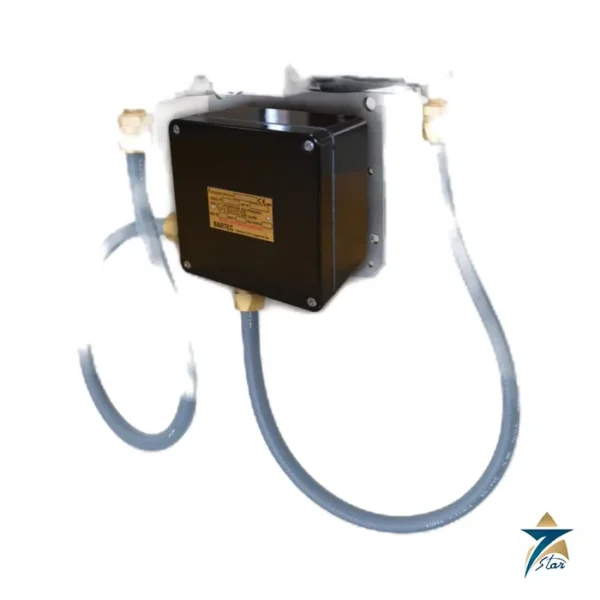
- Install in a suitably approved Ex e or Ex d junction box with an approved cable gland; the apparatus is not itself a complete enclosure.
- Mount the sensor facing downward to protect against water ingress, and away from direct heat sources.
- Use a three-core multi-strand cable with a conductor size up to 2.5 mm2 (14 AWG); a screened cable is recommended.
- Consider gas density when choosing height: for lighter-than-air gases such as methane or hydrogen place the sensor high, and for heavier vapours place it low, with a collecting cone (02000-A-1642) for lighter-than-air gases.
- Avoid high air velocities and avoid rubbing or cleaning with solvents; the ATEX special conditions note an electrostatic risk and require protection from impact.
Calibration and routine maintenance of the Sensepoint LEL
Calibration adjustments are made at the control card, with gas applied at the sensor through a flow housing (02000-A-1645). After 10 minutes of warm-up, set the zero in clean air, then apply gas at about 50 % LEL and adjust the span, with gas flowing at 1 to 1.5 litres per minute for two to three minutes. A mixture of gas in air should be used because the sensor needs oxygen. Where possible calibrate with the target gas; where a different test gas is used, apply the star rating tables in the datasheet to correct the meter reading. The maintenance schedule lists a zero and span check every six months, a filter check every three months and sensor replacement every five years if required.
Accessories and spare parts listed for the Sensepoint LEL
| Item |
Part number |
| Weather protection |
02000-A-1640 |
| Sensor filter |
00780-F-0018 |
| Flow housing |
02000-A-1645 |
| Collecting cone |
02000-A-1642 |
| Junction box (standard) |
00780-A-0100 |
| High temperature junction box |
2052D0001 |
| High temperature weather protection |
00780-A-0076 |
Ask us to quote a complete set, including the correct junction box, if the original box is damaged or if you are replacing a whole detection point.
Typical Sensepoint LEL applications in Oman and the GCC
Catalytic LEL sensing remains a cost-effective way to detect hydrocarbon leaks on wellheads, pump and compressor areas, loading racks, storage tank farms and offshore-style modules in the Gulf. Hot ambient temperatures are covered by the wide operating range, and the IP67 weather protection suits dust and rain. Where the sensor is exposed to silicones or sulphur compounds from process or maintenance products, consider an infrared point detector instead of catalytic technology, because poisoning can reduce the output while the reading still looks stable.
Information to send with a Sensepoint LEL RFQ
- Part number or thread (M20, M25, M26, 3/4 NPT) and quantity.
- Gas to be detected and whether methane calibration will be used.
- Control card or gas controller model that the sensor connects to.
- Junction box type and the accessories required (weather protection, flow housing, filter, cone).
- Area classification and required certification.
Documents and quotation for the Sensepoint LEL
The Sensepoint LEL combustible sensor sheet is attached on this page.
Send us the part number or the thread and the controller type, and we will confirm availability and lead time for the quotation.




















Reviews
There are no reviews yet.