Honeywell STFW828 wireless flange-mounted level transmitter: what it is and how the code reads
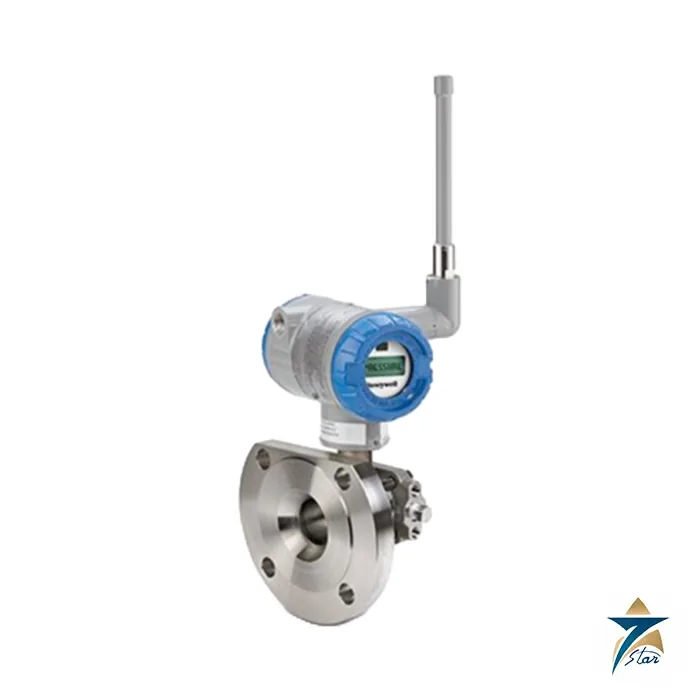
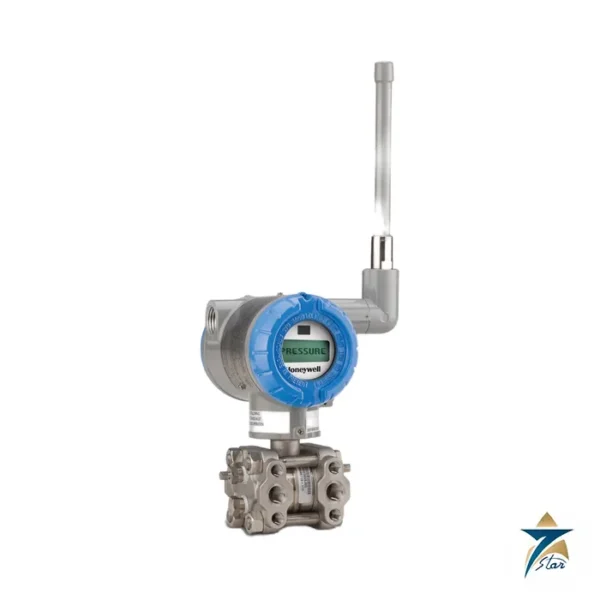
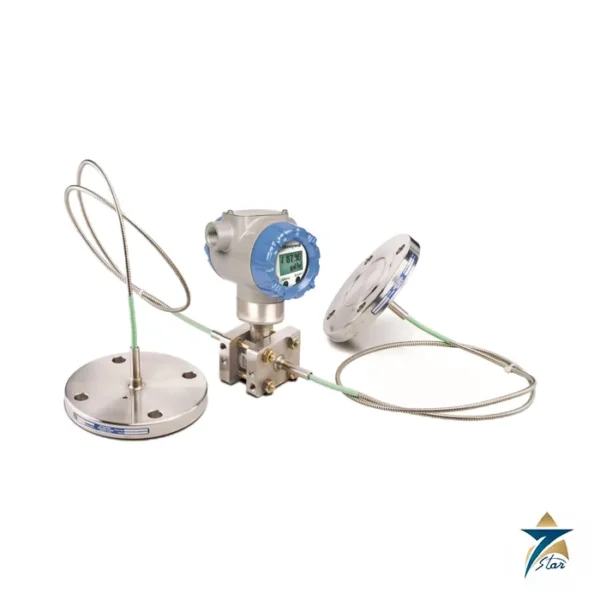
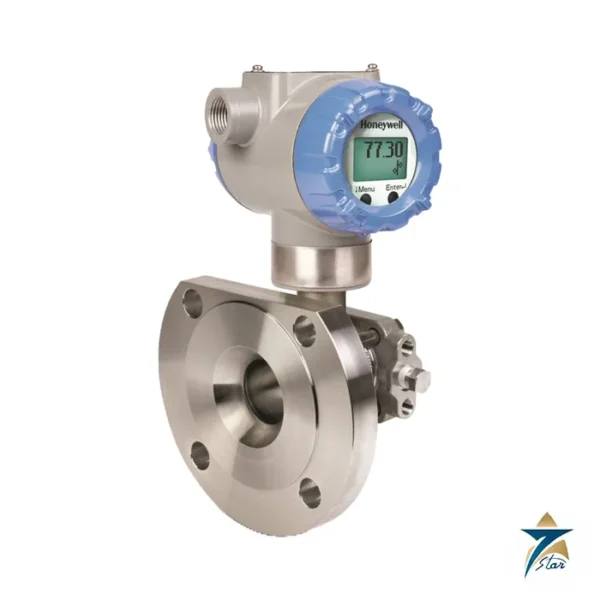
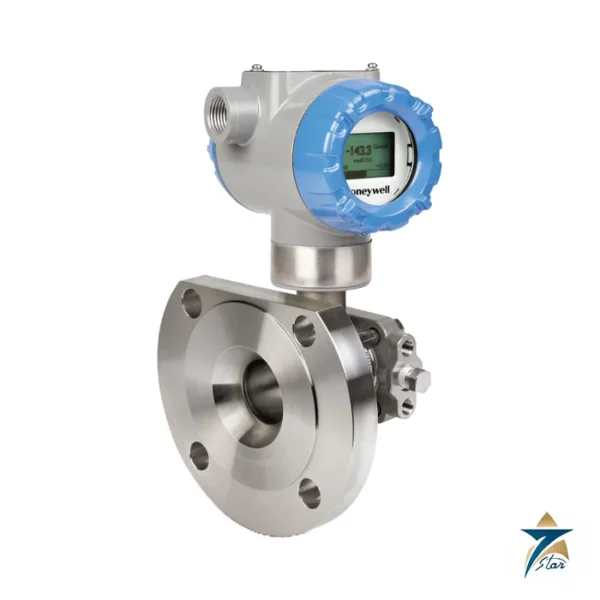
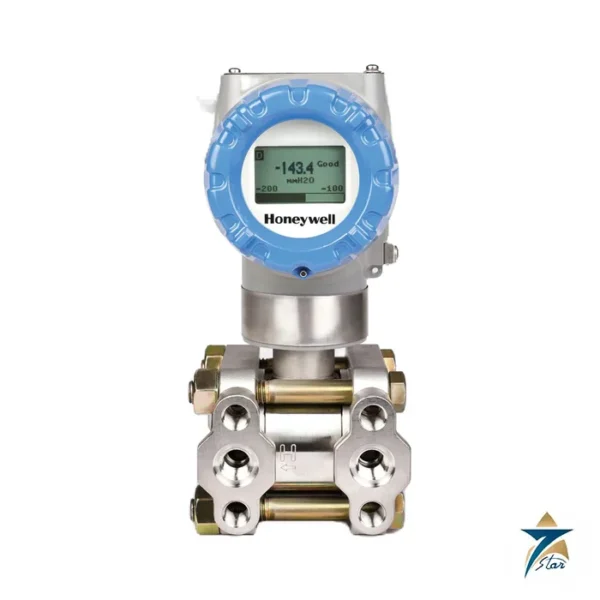
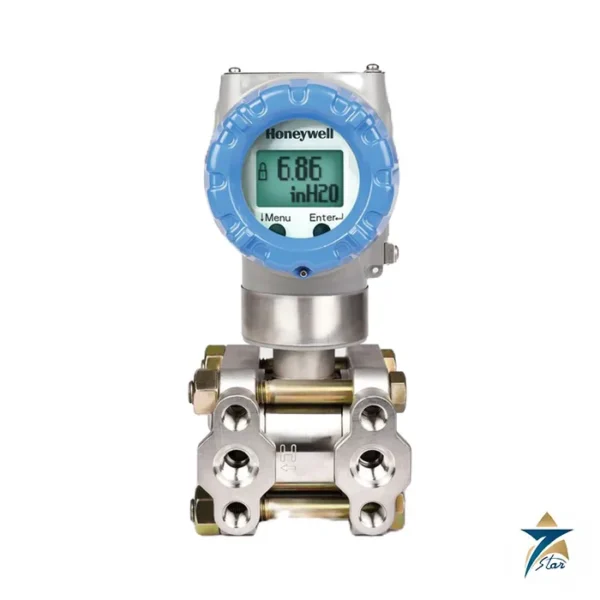
The STFW828 is a wireless, flange-mounted pressure transmitter that Honeywell positions for liquid-level measurement on tanks and vessels. It bolts directly to a nozzle on the vessel, so the diaphragm sits at the process connection and no impulse line or wet-leg is needed on that side. The datasheet covers two versions of the same concept: the STFW828 on the high-performance Series 800 meter body, and the STFW724 on the Series 700 body. Both are listed for 0 to 400 inH2O (0 to 1,000 mbar), and both use the SmartLine Wireless radio with an ISA100.11a-ready 2.4 GHz link and a battery pack. Seven Star LLC supplies the STFW828 in Oman and the GCC as an independent supplier in Muscat.
Reading the model code: S for SmartLine, T for transmitter, F for flange mounted, W for wireless, then 8 or 7 for the series and 28 or 24 for the 400 inH2O range class. The exact flange, diaphragm extension, fill fluid and options are chosen from the model selection guide.
STFW828 technical specifications
| Parameter |
Specification |
| Manufacturer / part number |
Honeywell / STFW828 (Series 800) and STFW724 (Series 700) |
| Measured variable |
Hydrostatic head or pressure at a flanged tank connection |
| Upper range limit |
400 inH2O (1,000 mbar); minimum span 4 inH2O (10 mbar) |
| Reference accuracy |
±0.075 % of calibrated span or URV, whichever is greater (terminal based) |
| Zero elevation and suppression |
No limit except minimum span; specifications valid from –5 to +100 % URL on the Series 800 body |
| Flange options |
2, 3 or 4 inch ANSI Class 150 or 300; DN50, DN80 or DN100 at PN40 |
| Extended diaphragm |
2, 4 or 6 inch (50, 101 or 152 mm) with 2 or 3 inch Class 150 flange |
| MAWP (–29 to 38 °C, 304 stainless flange) |
Class 150: 275 psi (19.0 bar); Class 300: 720 psi (49.6 bar) |
| Barrier diaphragm |
316L stainless steel or Hastelloy C-276 |
| Fill fluid |
Silicone DC 200 oil, NEOBEE M-20 or CTFE; maximum 150 °C (300 °F) with CTFE |
| Wireless |
2.4 GHz, DSSS, IEEE 802.15.4; 4 dBi integral antenna, nominal 350 m range |
| Power |
Two 3.6 V lithium thionyl chloride D cells or 24 VDC option |
| Weight |
23 to 36 lb (10.5 to 16.4 kg) depending on flange size |
Accuracy is quoted at 25 °C and zero static pressure on a stainless diaphragm. Temperature and static-pressure effects are higher than on an ordinary DP transmitter because of the remote fill and the flange assembly, so check the full table in the datasheet when the application needs tight accuracy.
How the STFW828 measures level at a flanged nozzle
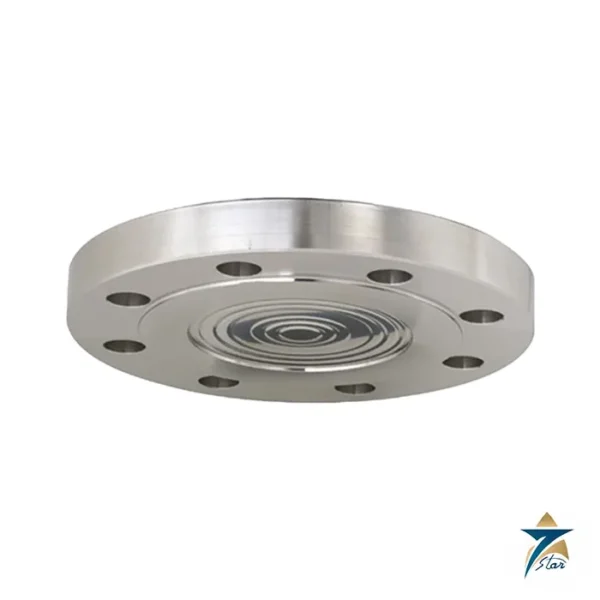
Liquid in the vessel pushes on the diaphragm that is flush with, or extended slightly beyond, the nozzle face. The pressure passes through the fill fluid to the sensing element. Because the head of liquid above the nozzle is proportional to level multiplied by density, the transmitter can be calibrated directly in level units once the density is known. For open tanks the second side is vented to atmosphere; for pressurised vessels the low side needs a connection to the vapour space. The extended diaphragm option reaches past thick insulation or build-up on the nozzle wall so that the diaphragm sits in the live liquid.
The SmartLine Wireless electronics then publish the value on the OneWireless network at a rate you configure from half a second up to an hour. Slow update rates suit storage tanks, while a faster rate suits blending or transfer duties.
STFW828, STFW724 and the other wireless SmartLine models
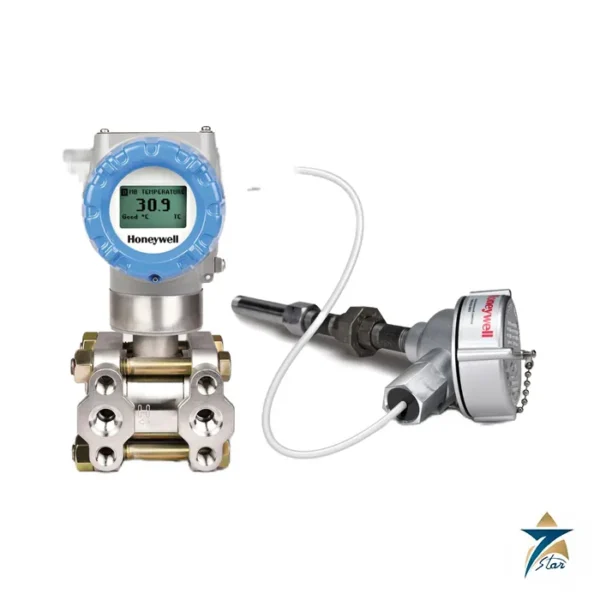
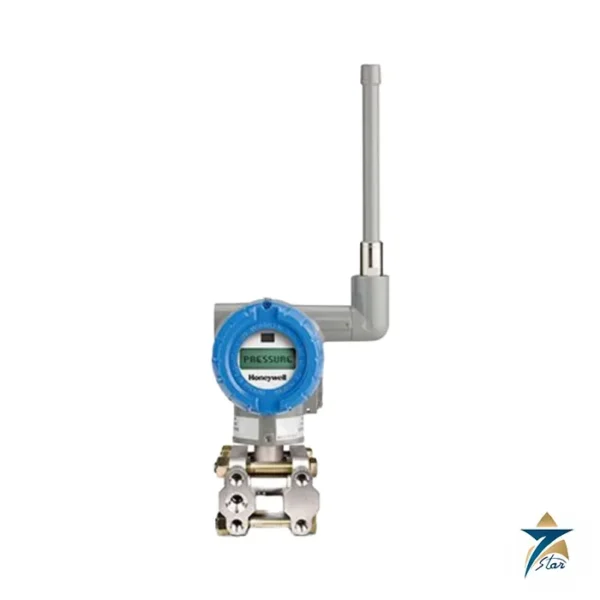
The datasheet notes that the Series 800 STFW828 offers the highest accuracy and stability and that the STFW724 is the Series 700 alternative at the same range class. For a project that needs several wireless measurements you will often combine the flange transmitter with the STGW800 gauge pressure series on pump discharge, the STDW800 differential pressure series for filters, and the STIW400 temperature transmitter for tank skin or product temperature. All of these use the same network, batteries and antenna accessories, which keeps spares and commissioning procedures consistent.
Selecting an STFW828: flange, diaphragm and fill fluid
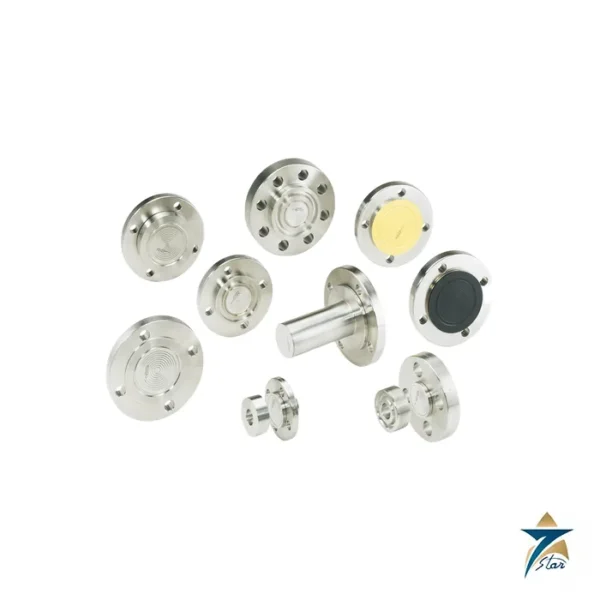
- Flange size and rating. Match the vessel nozzle: 2, 3 or 4 inch ANSI Class 150 or 300, or DN50, DN80 or DN100 PN40. The flange is process wetted and its material governs the pressure and temperature rating.
- Flush or extended diaphragm. Use the 2, 4 or 6 inch extension when the nozzle is long or insulated, or when solids could block a flush face.
- Diaphragm material. 316L stainless steel for general liquids; Hastelloy C-276 for aggressive or chloride-bearing services.
- Fill fluid. Silicone, NEOBEE or CTFE depending on process temperature and compatibility; CTFE carries a 150 °C ceiling in the datasheet.
- Gaskets. Glass-filled PTFE is standard, with Viton optional on the STFW828.
- Level range. Convert the required level span and density to inH2O or mbar and confirm it stays within 400 inH2O.
Radio, antenna and power planning for tank farms
Tank farms are open and relatively favourable for radio, but steel tank walls and floating roofs can block the path. Position the Field Device Access Point so that every tank has a clear sightline, and consider the 8 dBi omnidirectional or 14 dBi directional remote antenna for transmitters mounted low on the shell. The batteries are replaceable lithium thionyl chloride D cells in an intrinsically safe compartment, and 24 VDC is available where it is practical to supply it. Specify the destination country on the order so the factory sets the radio power to the local limit.
Installing and maintaining the STFW828
- Weld-neck or raised-face nozzle faces should be clean and flat; use the gasket supplied or specified by the project and tighten bolts in a cross pattern.
- Do not touch or scratch the diaphragm. Protect it with the cover until the last moment before fitting.
- Keep the vessel isolated and depressurised before removal; on toxic or flammable service follow the site permit and decontamination procedure.
- Set the zero with the vessel at a known level, then enter the density to scale for height or volume.
- Mount with the antenna vertical and the housing shaded from direct sun, which in Gulf summers can lift the electronics temperature well above ambient.
Typical STFW828 applications in Oman and the GCC
Operators use flange-mounted level transmitters on crude, condensate and product storage, slop and sump tanks, chemical dosing vessels, firewater and utility water tanks, and seawater-fed desalination pretreatment basins. Wireless versions let a plant add a level reading to an existing tank without trenching across a bunded area, which saves permit and civil work. In sour or chloride-heavy service pay attention to diaphragm material, and for sticky or crystallising fluids prefer the extended diaphragm.
Information to send with an STFW828 RFQ
- Model (STFW828 or STFW724), calibrated range and the level or density basis.
- Flange standard, size and rating, plus nozzle length and insulation thickness.
- Process fluid, minimum and maximum temperature, and any solids or crystallising tendency.
- Diaphragm, fill fluid and gasket choices.
- Hazardous-area classification and approval scheme.
- OneWireless release, antenna option, destination country, power source, tag text and quantity.
Documents and quotation for the STFW828
A datasheet for the STFW828 and STFW724 is attached on this page, with the model selection guide and the flange pressure table.
Send us the nozzle details and tag list and we will confirm availability and lead time for the quotation.
Other Models in the Honeywell Smartline Wireless Range
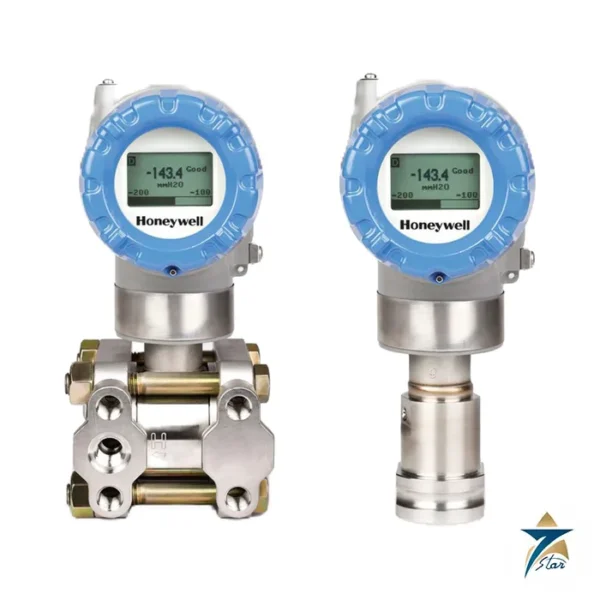
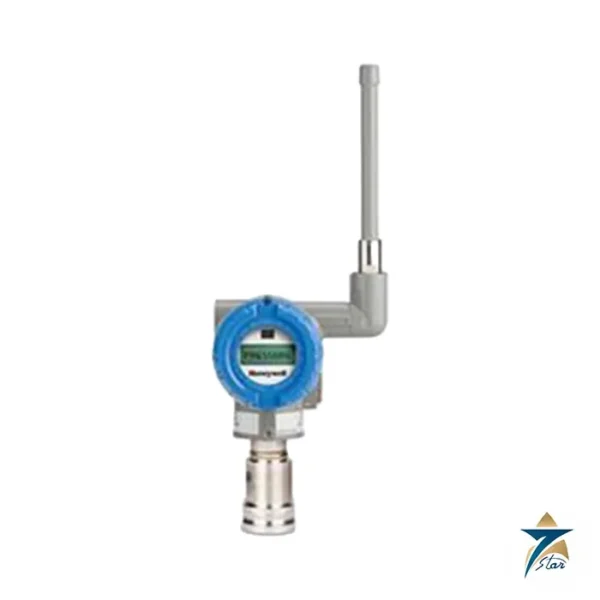
Seven Star LLC supplies models from the Honeywell Smartline Wireless range in Oman and the GCC. Compare the related models below and request a quote for the one that matches your application.



















Reviews
There are no reviews yet.