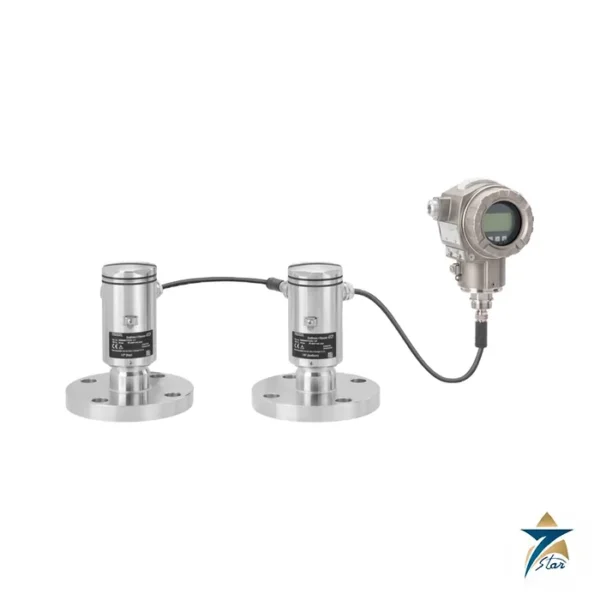
FMD78 Deltabar S differential pressure transmitter with two diaphragm seals
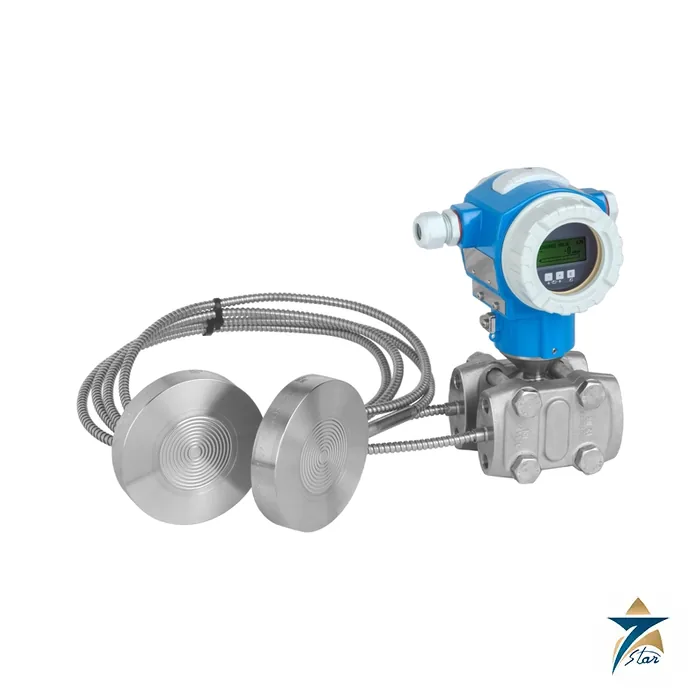
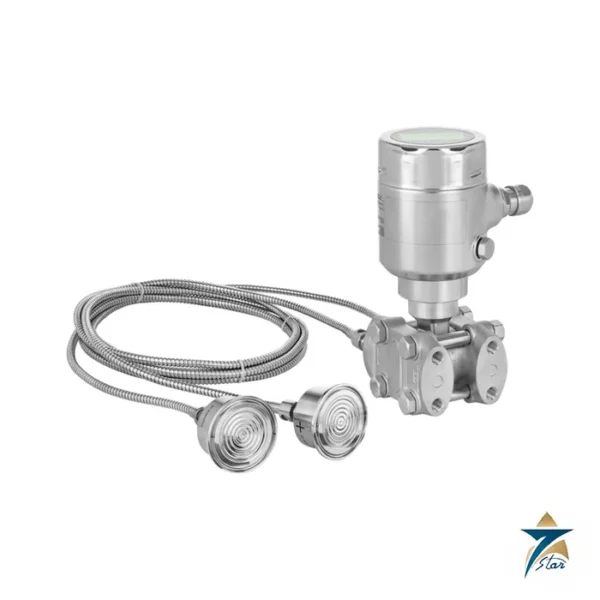
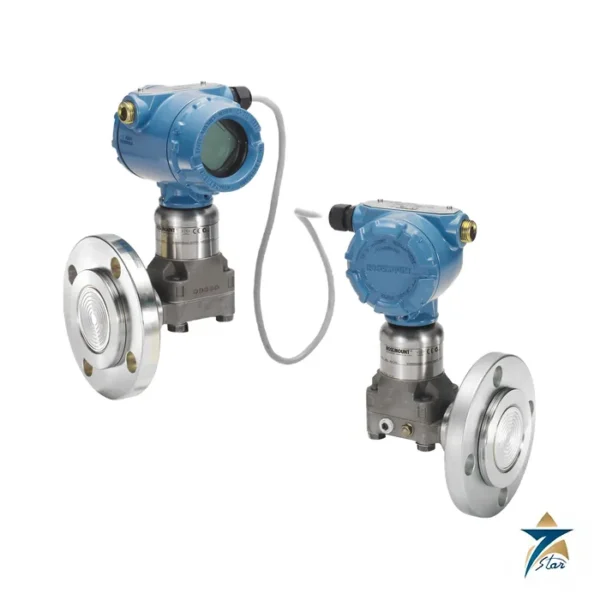
The Endress+Hauser FMD78 is the dual diaphragm seal version of the Deltabar S line. A single differential pressure transmitter body is connected by two capillaries to two process diaphragm seals, one on the high-pressure side and one on the low-pressure side. The oil-filled capillaries keep the measuring cell away from the process, so the FMD78 can handle hot, viscous, crystallising or aggressive media that would foul impulse lines, and it can read level in closed tanks without wet or dry legs. Seven Star LLC supplies the FMD78 in Oman and the GCC as an independent supplier in Muscat.
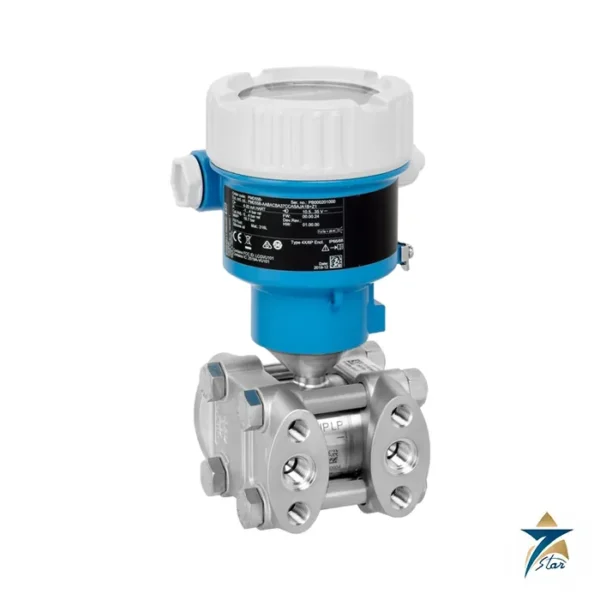
The model name tells you the design: the FMD77 has a seal only on the high-pressure side, while the FMD78 carries a seal on both sides; the PMD75 is the version without seals. The FMD78 is offered with HART, PROFIBUS PA or FOUNDATION Fieldbus electronics and a PN 160 measuring cell family.
Endress+Hauser FMD78 technical specifications
| Parameter |
Specification |
| Manufacturer / part number |
Endress+Hauser FMD78 (Deltabar S, differential pressure with two diaphragm seals) |
| Measuring cells (PN 160) |
100 mbar, 500 mbar, 3 bar, 16 bar and 40 bar (1.5 to 600 psi), codes 7D, 7F, 7H, 7L, 7M |
| Smallest calibratable span |
5 mbar on the 100 and 500 mbar cells; 30 mbar (3 bar), 160 mbar (16 bar), 400 mbar (40 bar) |
| Turn down |
Up to 100:1 standard, higher on request |
| Static limits |
MWP 160 bar; OPL 160 bar one-sided and 240 bar both sides; min. static pressure 50 mbar abs |
| Reference accuracy |
100 and 500 mbar: ±0.15 % up to TD 5:1; 3, 16 and 40 bar: ±0.1 % up to TD 15:1; diaphragm seal error calculated separately |
| Output / protocol |
4–20 mA HART (revision 5 or 7), PROFIBUS PA (profile 3.0), FOUNDATION Fieldbus |
| Supply voltage |
HART 11.5 to 45 V DC (10.5 V with Non-test jumper; 30 V max. for Ex ia); PA and FF 9 to 32 V DC |
| Process temperature |
−70 to +400 °C depending on seal and fill fluid; tantalum membrane −70 to +300 °C |
| Seal membrane materials |
316L (also TempC), Alloy C276, Monel, tantalum, PTFE-coated; gold-coated TempC membrane optional |
| Capillary |
316 Ti with 316L flexible armour; PVC or PTFE coating optional; symmetrical or asymmetrical lengths |
| Transmitter ambient temperature |
−40 to +85 °C without display (down to −50 or −54 °C with options JN/JT); −20 to +70 °C with LCD |
| Housing variants |
Integral or separate housing; separate-housing version rated −20 to +60 °C |
| Damping |
0 to 999 s, factory setting 2 s |
How the FMD78 diaphragm seal system measures
Each process membrane flexes under its own pressure and a fill liquid carries the force through the capillary to the cell body. Inside the transmitter, two sides of a metallic measuring cell are deflected by the two pressures, and a resistance bridge in semiconductor technology converts the difference to an electrical value. An overload diaphragm gives high single-sided overload resistance, which is why the OPL is stated for one side (160 bar) and both sides (240 bar).
For level measurement the FMD78 follows h = Δp / (ρ · g), with the software offering level, volume and mass modes and a free characteristic curve for odd vessel shapes. For flow, the same transmitter works with an orifice plate or pitot tube and offers volume, corrected volume, standard volume and mass flow modes, low-flow cut-off and two totalizers. Remember that the diaphragm seal oil affects the result: the manufacturer provides a sizing tool for the seal error and total performance.
Fill fluids and temperature limits of the FMD78
The usable temperature of the complete FMD78 is the narrowest window among transmitter, seal and fill fluid. The datasheet lists these oil limits for diaphragm seal systems.
| Fill fluid |
At 0.05 bar abs |
At 1 bar abs and above |
| Silicone oil |
−40 to +180 °C |
−40 to +250 °C |
| High-temperature oil |
−20 to +200 °C |
−20 to +400 °C (time limits above 325 °C) |
| Low-temperature oil |
−70 to +120 °C |
−70 to +180 °C |
| Vegetable oil (food-safe) |
−10 to +160 °C |
−10 to +220 °C |
| Inert oil (oxygen service version) |
−40 to +100 °C |
−40 to +175 °C (time limit above 150 °C) |
Where the FMD78 fits and related Deltabar parts
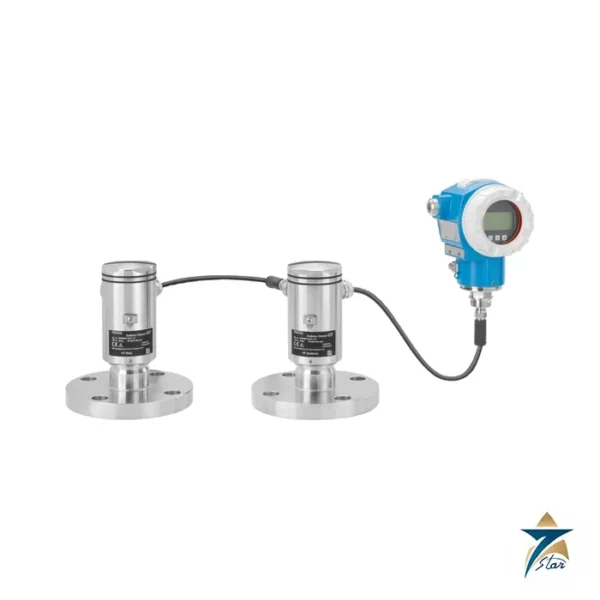
Choose the FMD78 for tanks and columns with hot, sticky or corrosive contents where a seal is required at both tappings, and for vacuum service where the oil system is designed accordingly. The FMD77 reduces cost when only one side needs a seal and the low-pressure side can use a different arrangement. The PMD75 is the plain cell for clean fluids. Electronic alternatives from the same catalogue are the FMD71 (ceramic sensors) and the FMD72 (metallic sensors), which avoid capillaries altogether but are limited to the temperature windows of their sensors.
FMD78 selection and ordering checklist
- Measuring cell size and PN 160 range, chosen against the span plus the required turn down.
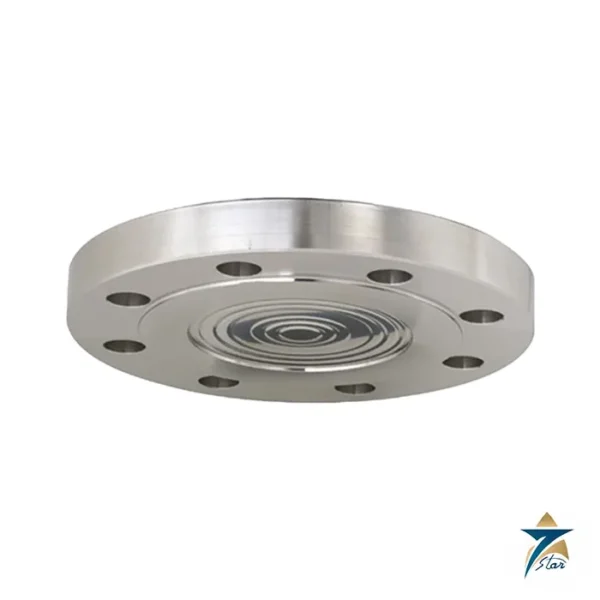
- Diaphragm seal type (flange, clamp, pipe or other), size and pressure rating, and membrane material suitable for the medium.
- Fill fluid per temperature and vacuum conditions, noting food-safe and oxygen service versions.
- Capillary length, armour and whether lengths are symmetrical or asymmetrical for HP and LP sides.
- Communication: HART, PROFIBUS PA or FOUNDATION Fieldbus, with display and operation variant.
- Housing, cable entry or plug, separate-housing option and the hazardous-area approval required.
- Optional certificates such as 3.1, NACE MR0175 or MR0103, and delta ferrite test.
Installing, commissioning and maintaining the FMD78
Mount the transmitter at a defined height relative to the two seals and keep the capillaries supported without sharp bends; asymmetry and elevation differences cause a zero offset that must be corrected. Where ambient temperatures change a lot, equal capillary lengths and shared routing reduce the thermal error. Insulate the seal flange for hot media, but respect the heat-insulation limits for the transmitter and the PVC-armoured capillary.
After installation, set the lower and upper range values, apply damping and run a sensor trim at known pressure. Records of the configuration can be kept in the optional HistoROM/M-DAT module, which also eases electronics replacement. Check seal flanges for build-up and corrosion during turnarounds, and confirm the capillaries and armour remain intact.
FMD78 in Oman and GCC plants
In Oman and the wider GCC the FMD78 suits refinery and gas processing vessels, glycol and amine units, hot oil and bitumen tanks, and desalination brine heaters. In these services process temperatures are high and media may coat or plug impulse lines. Strong sun on outdoor transmitters and capillaries is a design factor, so fill fluid selection, capillary routing and shading matter on site. Integration with DCS or fieldbus segments on PROFIBUS PA or FOUNDATION Fieldbus is common on newer projects.
Information to send with an FMD78 RFQ
- Medium, density, temperature and pressure range, including vacuum and cleaning conditions.
- Level span or differential range, and tank height between the two tappings.
- Seal connection type, size, rating and membrane material.
- Preferred fill fluid and capillary lengths for each side.
- Protocol, display, housing and approval requirements.
- Tag number and any special certificates.
Documents and quotation
The Endress+Hauser Technical Information for Deltabar S PMD75, FMD77 and FMD78 is attached on this page as a datasheet. It covers the ranges, accuracy formulas, fill fluids and ordering structure referred to here.
To request a quotation for the FMD78, send the part number, the cell range, the seal details and capillary lengths. Seven Star LLC will reply with availability and delivery for Oman and the GCC.




















Reviews
There are no reviews yet.