Brand:

Rosemount 2120 Vibrating Fork Level Switch

Description

Overview

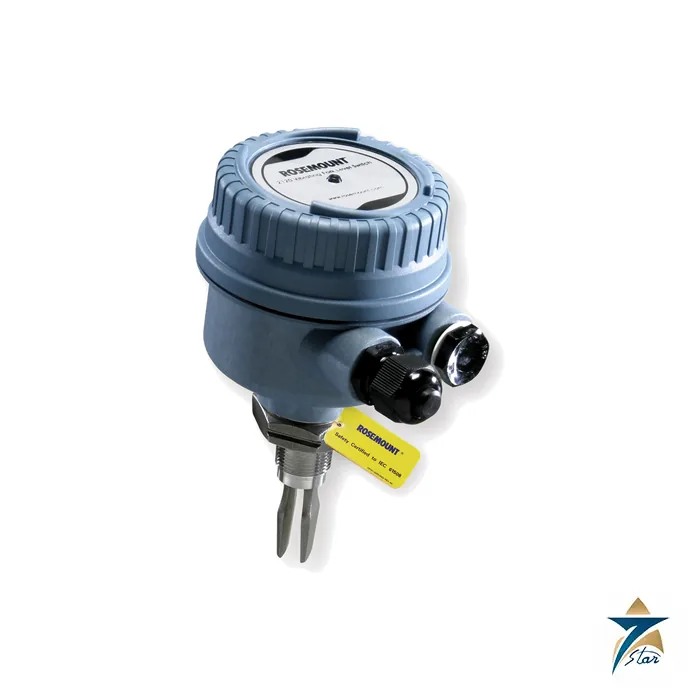
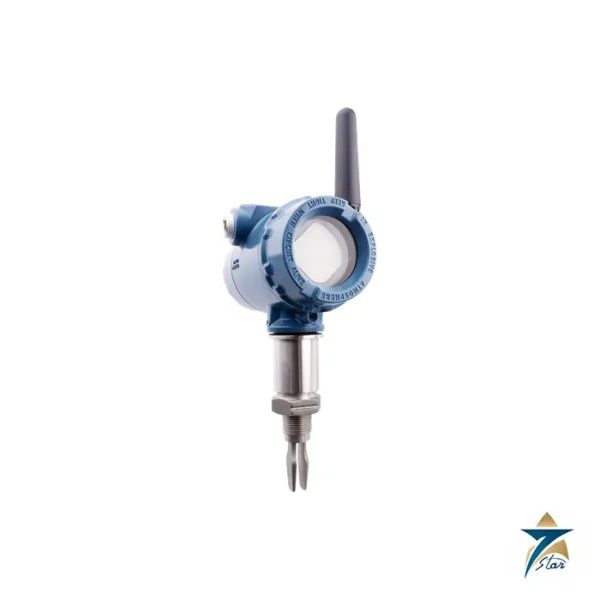
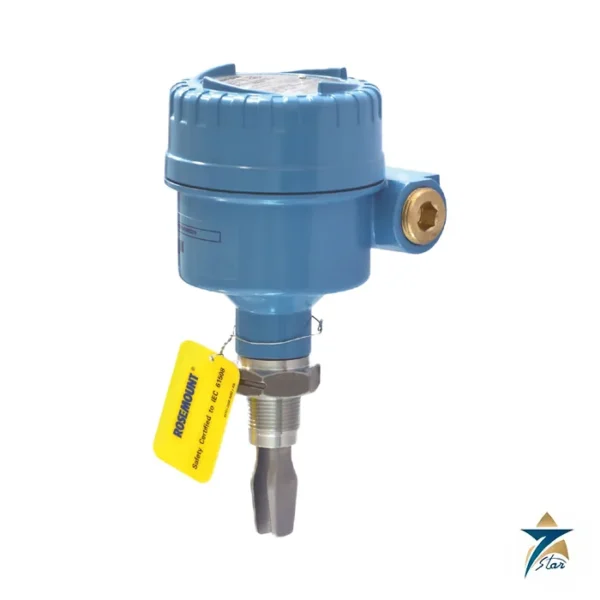
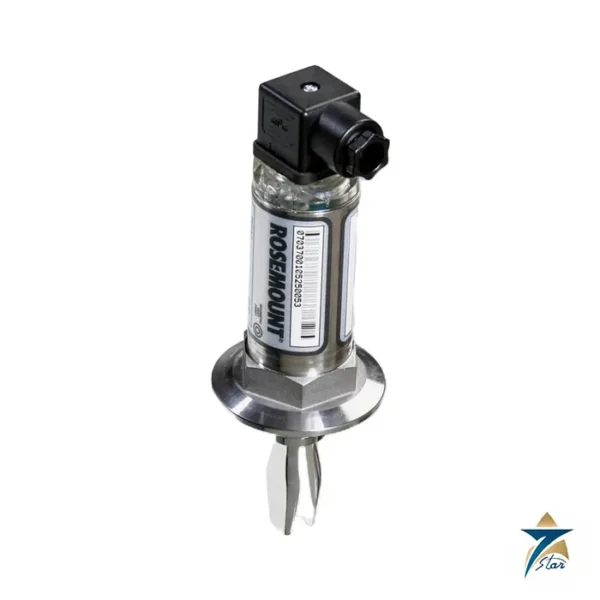
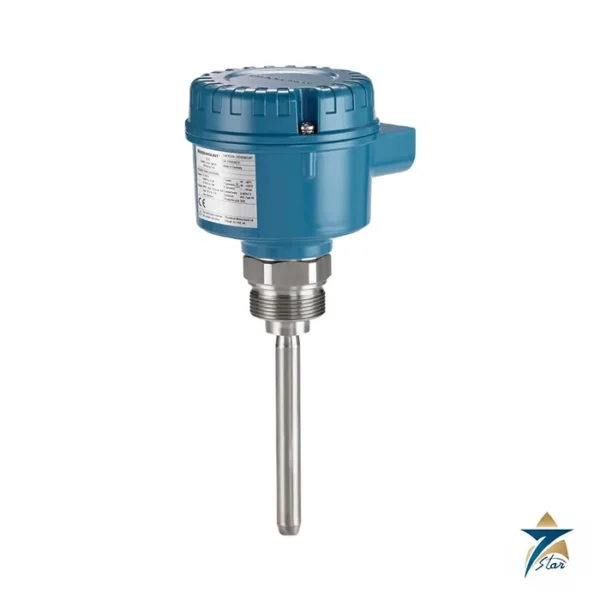
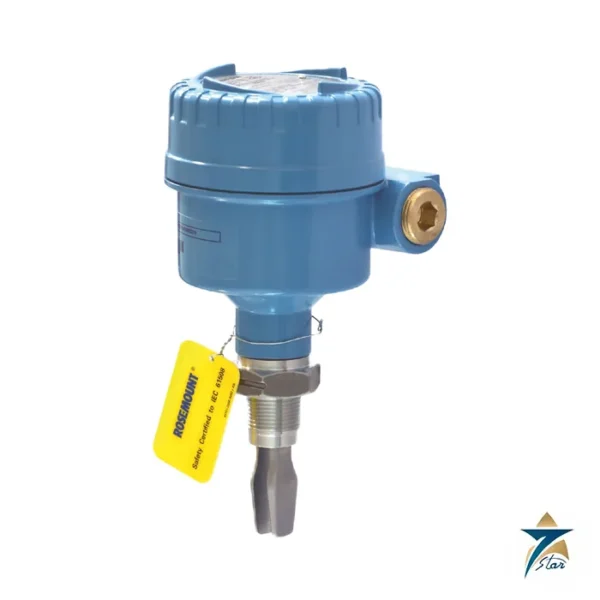
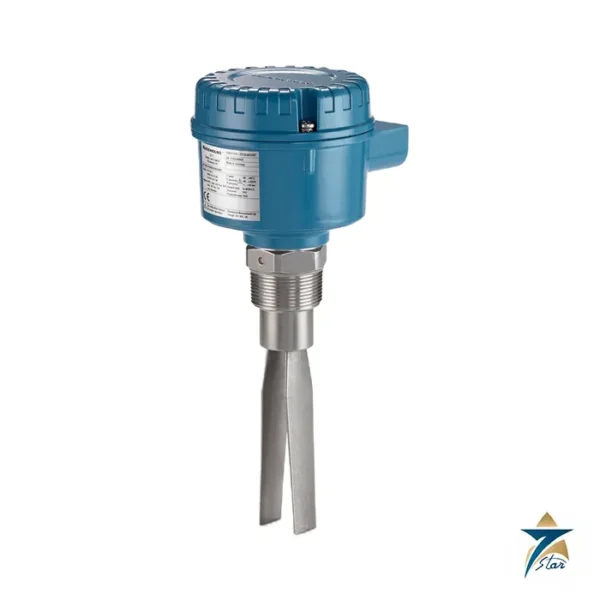
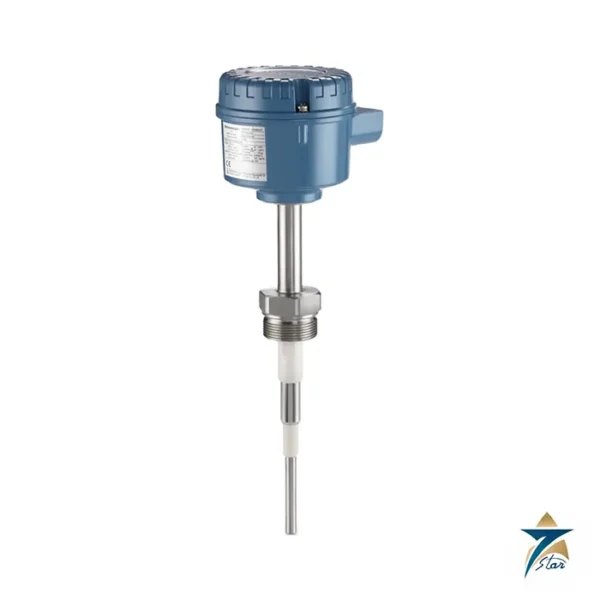
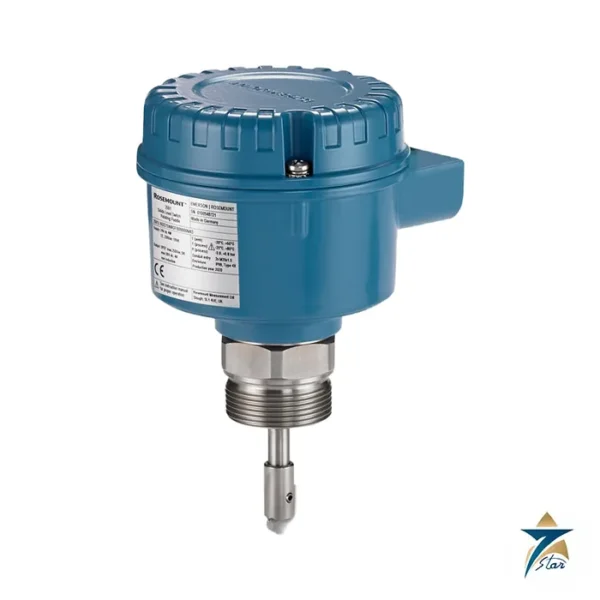
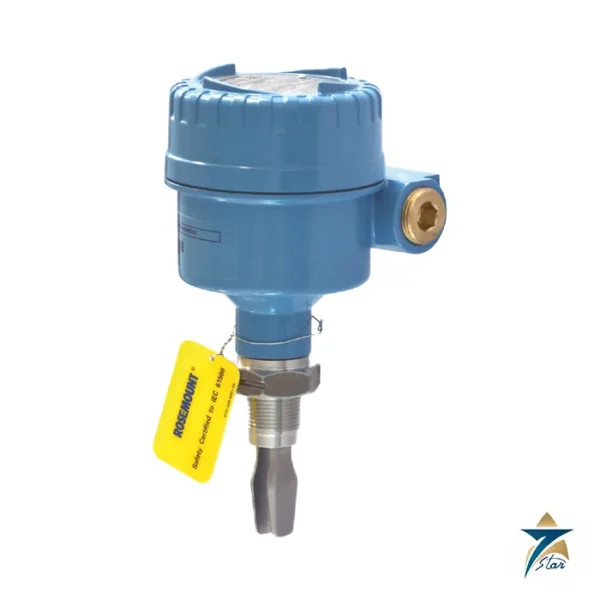
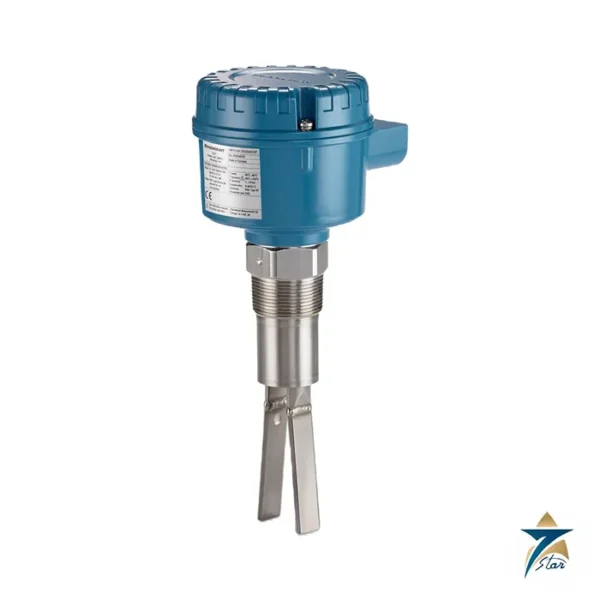
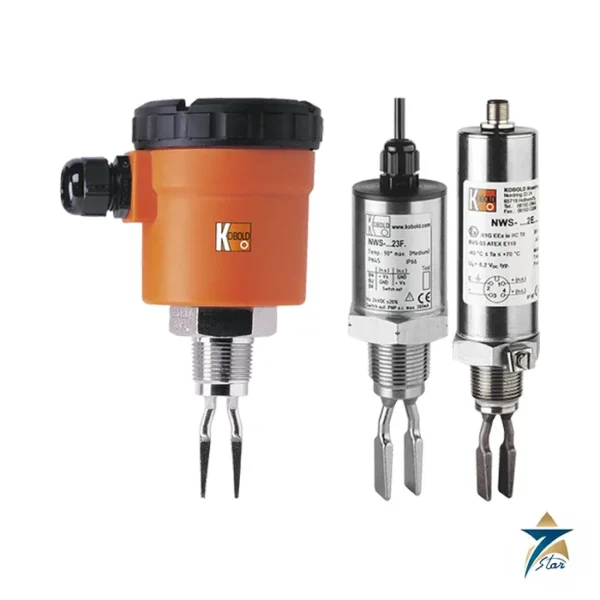
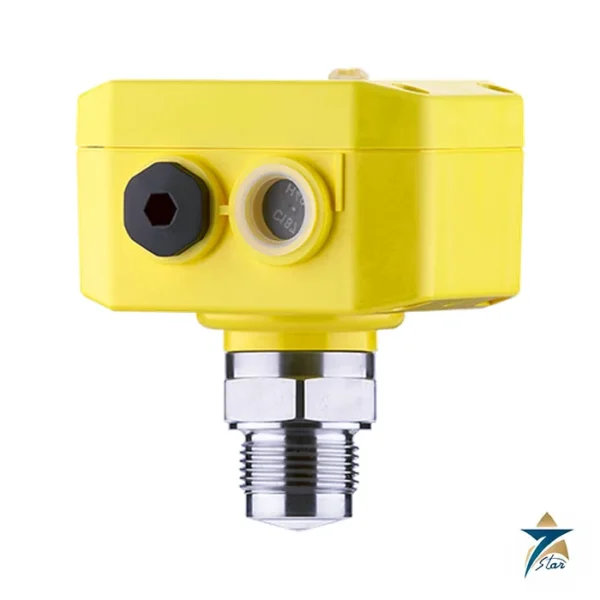
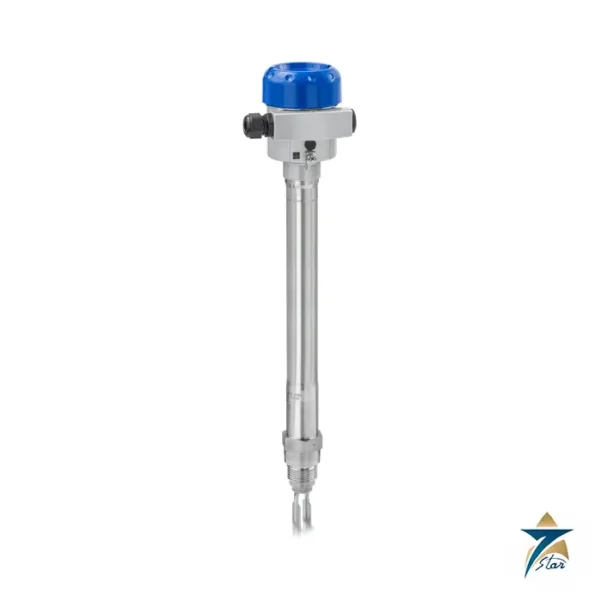
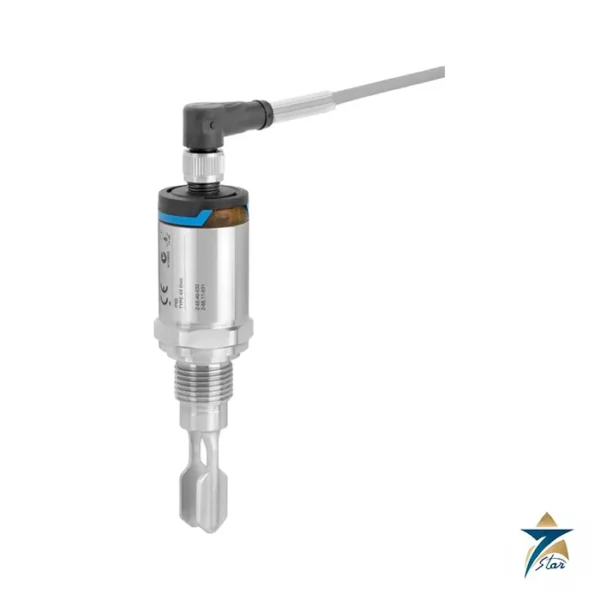
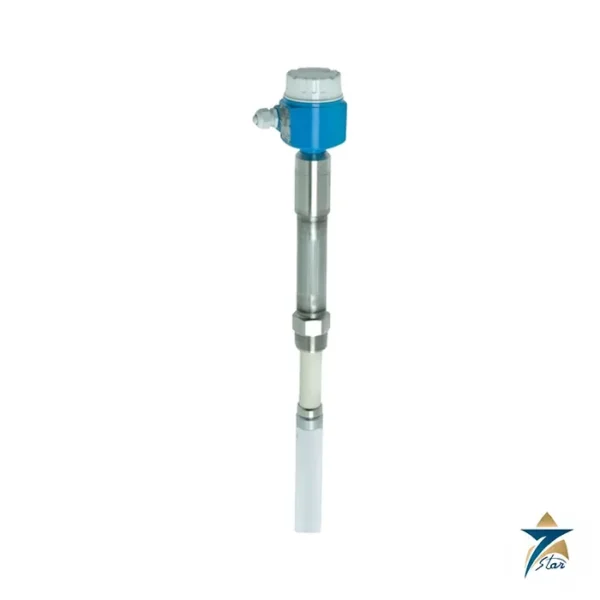
The Rosemount 2120 is a vibrating fork level switch for point level detection in liquids, including aerated liquids, coating liquids and slurries. It is used as a high or low level alarm, an overfill prevention layer, a pump control switch or a dry-run protection device in pipes and tanks. Emerson designed the switch for process temperatures from –40 to 150 °C, with electronic self-checking and condition monitoring, a SIL2 certificate to IEC 61508 as required by IEC 61511, and SIL3 capability. Because it has no moving parts and needs no calibration, the switch is practically install-and-forget once it is mounted.

Seven Star LLC supplies the Rosemount 2120 to oil and gas, refining, water, power and chemical customers in Oman and the GCC. Our engineering team in Muscat helps match the fork material, process connection, electronics cassette and hazardous area approval to each tank or line, using the Rosemount 2120 datasheet as the reference, and confirms lead time for maintenance and project orders.

Measurement Principle

The switch works on the tuning fork principle. A piezo-electric crystal oscillates the forks at their natural frequency, and the electronics monitor this frequency continuously. The frequency depends on the medium surrounding the fork: the denser the liquid, the lower the oscillation frequency. In a low level alarm, the liquid drains down past the fork and the frequency change switches the output from wet to dry. In a high level alarm, rising liquid contacts the fork and switches the output from dry to wet.

This principle makes the Rosemount 2120 virtually unaffected by flow, bubbles, turbulence, foam, vibration, solids content, coating products and changes in liquid properties. The fast drip fork shape draws liquid away from the tip quickly, giving a faster response with viscous or high-density liquids, while a user-selectable delay of 0.3, 1, 3, 10 or 30 seconds prevents false switching where liquid splashes in agitated or turbulent tanks. In water the hysteresis is 2.5 mm and the switching point is 13 mm from the fork tip when mounted vertically.

Engineering Design of the Rosemount 2120

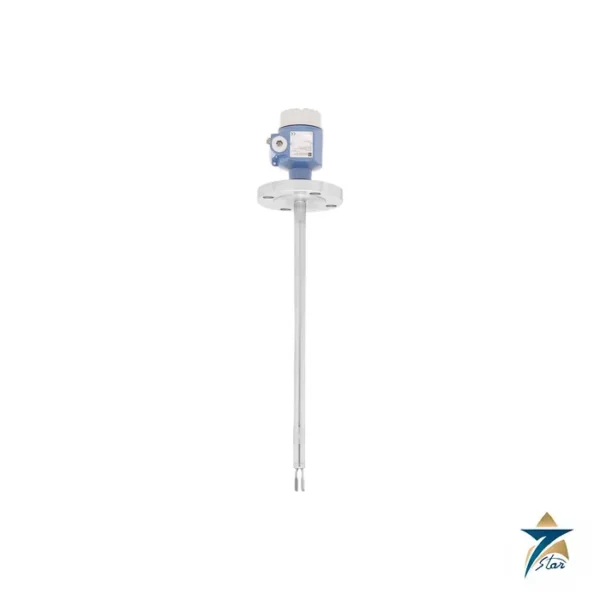
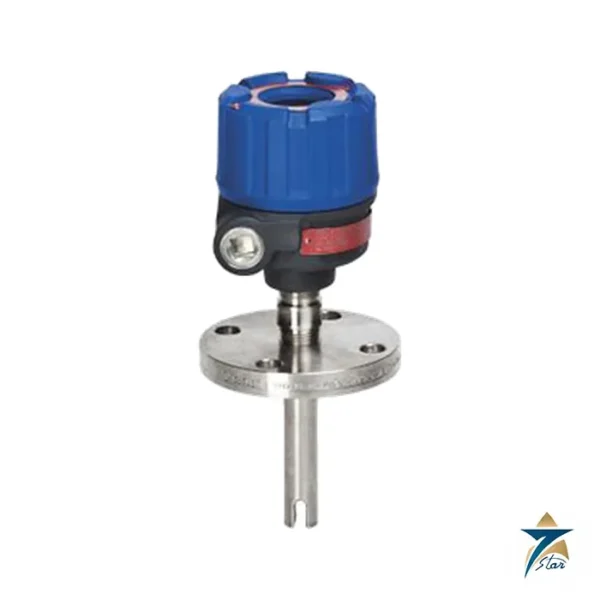
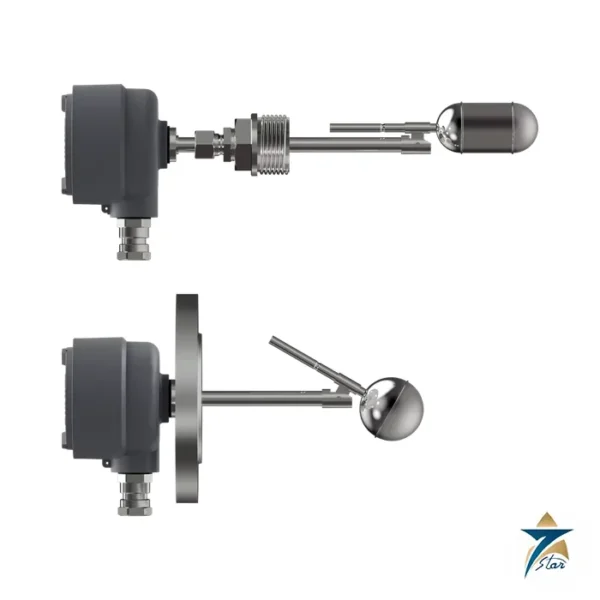
Wetted parts are 316/316L stainless steel as standard, with alloy C and C-276 or ECTFE-coated stainless steel for corrosive service. Process connections include 3/4, 1 and 2 inch threads in BSPT, BSPP and NPT, Tri Clamp fittings, and ASME B16.5, EN 1092 and JIS flanges from 1 to 4 inches in pressure classes up to Class 600 and PN 100. The standard fork projects only about 44 mm on threaded versions, so it can be installed in small pipes at any angle, and extended lengths up to 4,000 mm let the fork reach a precise level from a top-mounted nozzle.

Housings are glass-filled nylon, aluminum alloy or 316 stainless steel, all rated IP66/67 with NEMA 4X on the metal versions, and M20, 1/2 inch NPT or 3/4 inch NPT conduit entries. A heartbeat LED flashes when the output is off and stays lit when it is on, giving a constant indication that the Rosemount 2120 is healthy. Holding a magnet to the test point on the side of the housing changes the output state, so the switch and the connected system can be function-tested without draining the vessel.

Key Features

The Rosemount 2120 datasheet highlights these features for safety and process duties.

  • SIL2 certified to IEC 61508 as required by IEC 61511, and SIL3 capable for safety instrumented functions.
  • Operates at process temperatures from –40 to 150 °C and threaded process pressures up to 100 barg.
  • Detects liquids with a density of 600 kg/m3 or more and viscosities up to 10,000 cP.
  • Offers plug-in direct load, PNP/PLC, DPCO relay, NAMUR and 8/16 mA electronics with selectable mode and delay.
  • Uses a fast drip fork design for quicker response in viscous liquids.
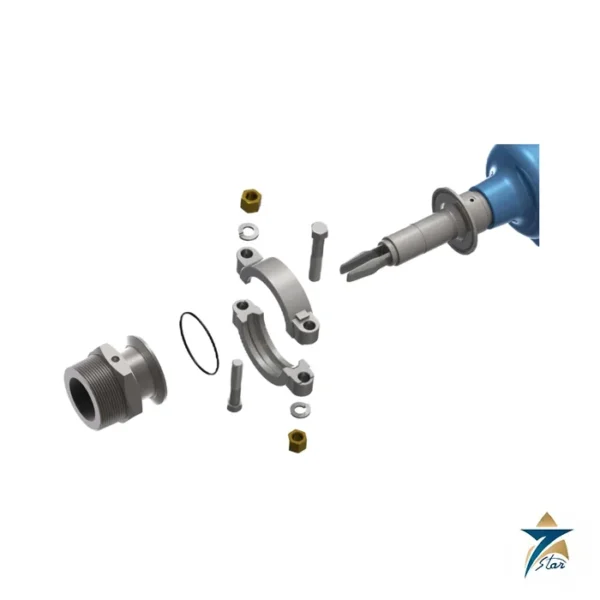
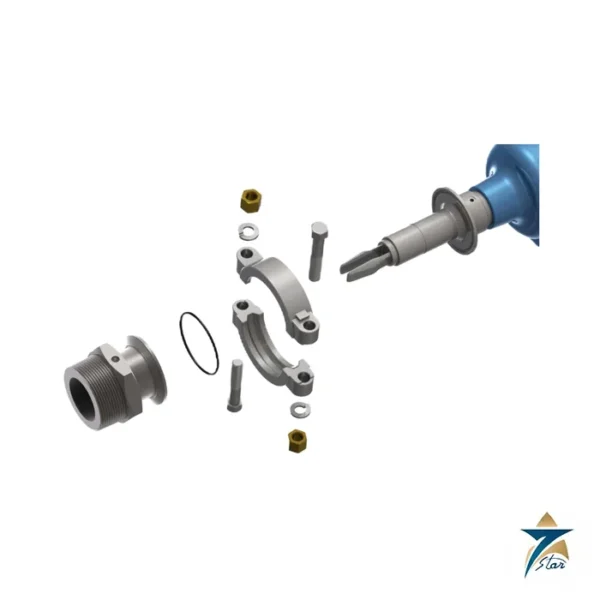
  • Provides a quick release kit that makes inspection, proof-testing and servicing easier.
  • Includes general area, explosion-proof/flameproof and intrinsically safe certification options.
  • Carries 3-A and EHEDG hygienic certification with polished fork options for sanitary service.

Industrial Applications

In Oman and the wider GCC, the Rosemount 2120 is used for independent high and high-high alarms on crude, condensate and product storage tanks, for overfill protection on chemical day tanks, for low level and dry-run protection on pump suction lines, and for level limits in drain vessels, sumps and lube oil reservoirs. Its compact fork suits small pipes and skid-mounted packages, and extended forks reach into deep tanks at terminals and depots. Desalination plants, district cooling stations and water utilities use it for chemical dosing tanks and reservoir limits, while food and beverage producers can use the hygienic versions with CIP and SIP routines.

Seven Star LLC supports level protection projects in Muscat, Sohar, Duqm and Salalah with application review and delivery planning. For a gas-tight, higher-specification alternative, compare the Rosemount 2120 with the Rosemount 2140 vibrating fork level detector. Where continuous measurement is required alongside the point alarm, the Rosemount 5300 guided wave radar level transmitter and the Rosemount 3051SAL liquid level transmitter are common pairings.

Technical Specifications

The following Rosemount 2120 values are taken from Emerson product data sheet 00813-0100-4030.

Parameter Specification
Model Rosemount 2120 Level Switch, vibrating fork
Application Point level detection in liquids, aerated and coating liquids and slurries
Process temperature –40 to 150 °C
Process pressure (threaded) Up to 100 barg, derated with temperature; Tri Clamp 30 barg
Flange ratings ASME Class 150, 300, 600; EN 1092 PN 10/16 to PN 100; JIS 10K and 20K
Wetted materials 316/316L SST; alloy C / C-276; ECTFE-coated 316/316L SST
Fork length Standard 44 mm (threaded) or 102 mm (flanged); extended up to 4,000 mm
Minimum liquid density 600 kg/m3
Viscosity range Up to 10,000 cP
Hysteresis / switching point (water) 2.5 mm / 13 mm from fork tip (vertical)
Outputs Direct load, PNP/PLC, DPCO relay, NAMUR, 8/16 mA
Switching delay 0.3, 1, 3, 10 or 30 s, user selectable
Housing Glass-filled nylon, aluminum alloy or 316 SST; IP66/67
Safety SIL2 certified to IEC 61508, SIL3 capable
Maximum altitude 2,000 m

How to Order

To receive a formal RFQ response for the Rosemount 2120, send Seven Star LLC the process connection and size, wetted material, required fork length, electronics type and supply voltage, housing and conduit entry, hazardous area approval and whether a SIL certificate or quick release kit is needed. Our instrumentation division will confirm the model code against the Rosemount 2120 datasheet, confirm availability and lead time, share the data sheet for download and provide engineering support from Muscat for level switching applications across Oman and the GCC.

Datasheets & Documents
  • PDF Datasheet Emerson Rosemount 2120 Level Switch Vibrating Fork Product Data Sheet 00813-0100-4030, Rev HG, September 2024 Download
Reviews (0)

Reviews

There are no reviews yet.

How would you rate this product?

It takes about 10 seconds — just tap a star. Your email is never published.

About brand

Rosemount is Emerson's brand for pressure, temperature, level and flow measurement, best known for the 3051 pressure transmitter. Frank Werner, Robert Keppel and Vernon Heath founded it in Minnesota in 1956 as Rosemount Engineering Company, first making temperature sensors for aerospace. It moved into the process industries, took the name Rosemount Inc. in 1966, and has been part of Emerson since 1976.
Seven Star LLC is an independent supplier in Muscat. We list Rosemount transmitters, level instruments, flowmeters and analytical sensors, and supply them and their spares to oil and gas, power, water and process plants in Oman and the GCC by model code.
Rosemount company profile

Established1956, Minnesota, USA, as Rosemount Engineering Company
FoundersFrank D. Werner, Robert E. Keppel and Vernon H. Heath
OwnershipAcquired by Emerson in 1976; now an Emerson brand
Product familiesPressure, DP flow and level transmitters, temperature sensors and transmitters, radar and guided wave radar level, vibrating fork switches, tank gauging, magnetic, vortex and ultrasonic flowmeters, liquid analysis sensors and wireless instruments

Milestones

1956: Robert Keppel, Vernon Heath and Frank Werner incorporate Rosemount Engineering Company in Minnesota; early work is aerospace sensors.
1969: The Rosemount 1151 analog pressure transmitter is introduced.
1976: Emerson acquires Rosemount.
1989: The Rosemount 3051 pressure transmitter, built on digital technology, is launched.
2001: The 3051S generation follows.

Rosemount products we list

FamilyModelsTypical use

Pressure transmitters3051, 3051C coplanar, 3051T in-line, 3051S, 3051S series, 3051SMV multivariable, 2051, 2088, 1199 diaphragm sealsPressure, differential pressure and remote seal measurement
DP flow and DP level3051CF flowmeter, 3051L, 3051SALFlow through primary elements, and level in pressurised vessels
Temperature644, 248, 3144P, 848T, 648 wireless, 214C RTD sensor, 2240S multi-inputProcess temperature, high-density multipoint and tank temperature
Radar and level5408, 5400, 5300 GWR, 3300 GWR, 3308A wireless, 5900S, 5900C tank gaugesLevel in tanks, separators and custody transfer tank gauging
Level switches2120, 2140, 2160 wireless, 702 discrete transmitterHigh and low level alarms, overfill protection and pump protection
Flowmeters8700 magnetic, 8800D vortex, SeniorSonic 3414, 3415/3416, 3417, JuniorSonic 3411/3412, 3814 liquidWater, steam and gas flow, and fiscal gas and liquid metering
Liquid analysis396P TUpH, 396PVP, 499ACL chlorine sensorpH, ORP and free chlorine in water and process streams

Many Rosemount transmitters share one platform, so the model code tells you what you have. On a 3051, the letter after the number sets the type: C for coplanar (differential or gauge), T for in-line, L for liquid level and CF for a complete flowmeter. The next characters set the measurement type, the range code, the output (4-20 mA HART, FOUNDATION Fieldbus or WirelessHART) and the wetted materials. A transmitter with the wrong range code may work, but with poor accuracy at the point that matters.
Where Rosemount instruments are used
In Oman and the GCC, Rosemount instruments are used across upstream oil and gas, gas plants and LNG, refineries, tank farms and terminals, power and desalination stations, and water networks. Ultrasonic gas meters and tank gauges are used for fiscal and custody transfer measurement.
Ordering Rosemount instruments: what we need
Send the full model code from the nameplate (for example 3051CD2A22A1AM5B4) and the tag if it is a replacement. For a new instrument, send the measuring range, process connection, wetted materials, output protocol and hazardous area approval.
Facts checked against Emerson's Rosemount history and published company histories, October 2026.
Browse Rosemount products by category: Pressure Instrumentation, Temperature Instrumentation, Level Transmitter, Liquid Analysis Sensors, Flowmeters.

FAQ

Questions about the Rosemount 2120 Vibrating Fork Level Switch

Answers from our engineering team on installation, compatibility and integration.

01How does the Rosemount 2120 detect liquid level?
A piezo-electric crystal drives the fork at its natural frequency, and the electronics continuously monitor that frequency. When liquid covers the fork the frequency falls, and when the fork is uncovered it rises again, so the switch changes state from dry-to-wet or wet-to-dry without any moving parts or calibration.
02Is the Rosemount 2120 suitable for overfill prevention?
Yes. The data sheet describes the Rosemount 2120 as an overfill prevention product that can be used as one of multiple layers of protection. It is third-party certified to IEC 61508 for SIL2 use as required by IEC 61511 and is SIL3 capable, and the magnetic test point and quick release kit simplify proof-testing.
03Which outputs are available on the Rosemount 2120?
Plug-in electronics cassettes cover direct load switching for 20 to 264 Vac or 20 to 60 Vdc, PNP/PLC 3-wire, DPCO relay in mains and 9 to 30 Vdc versions, NAMUR, and an 8/16 mA output. Each cassette offers a user-selectable switching mode and delay.
04What liquids and process conditions can the Rosemount 2120 handle?
It works with liquids of at least 600 kg/m3 density and viscosities up to 10,000 cP, including aerated liquids, coating liquids and slurries with particles up to 5 mm. Process temperature is -40 to 150 C, and threaded versions are rated to 100 barg at lower temperatures, with flanged ratings set by the flange class.
05Does Seven Star LLC supply the Rosemount 2120 in Oman?
Yes. Seven Star LLC supplies the Rosemount 2120 to customers in Oman and the GCC, including extended-length and flanged versions for tanks and vessels. Our Muscat team can review the connection, material, electronics and approval codes and prepare a quotation with current lead time information.