FTI77 Solicap S high-temperature capacitance level switch for bulk solids
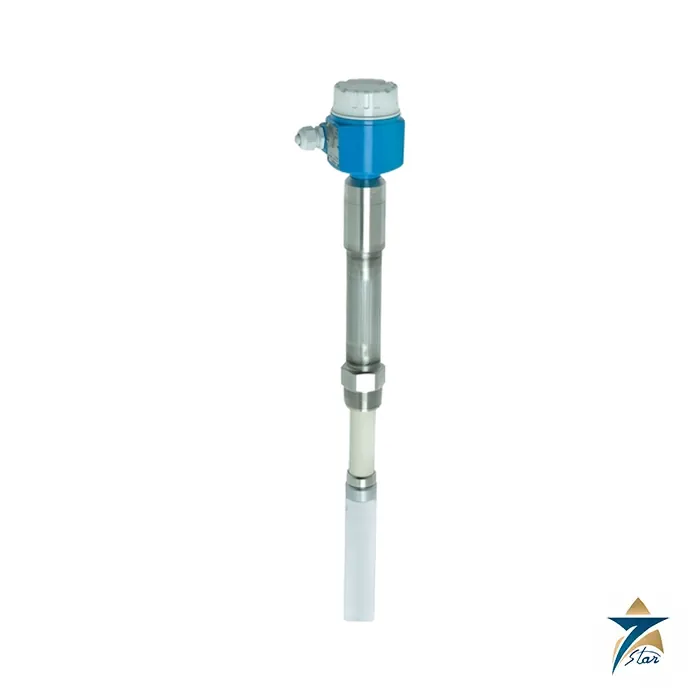
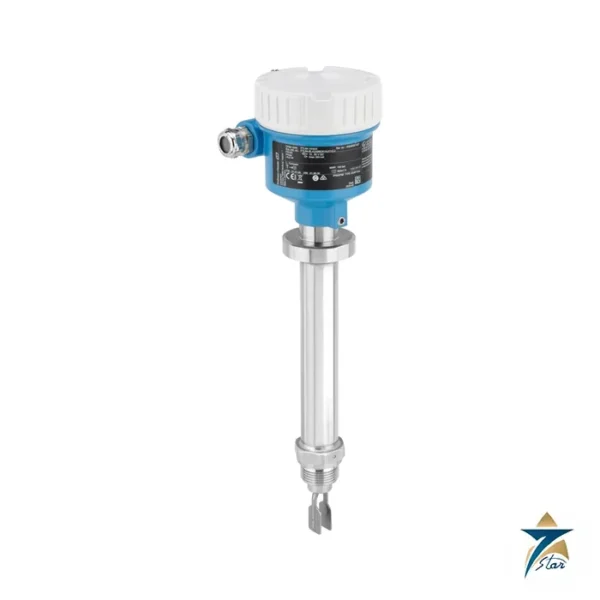
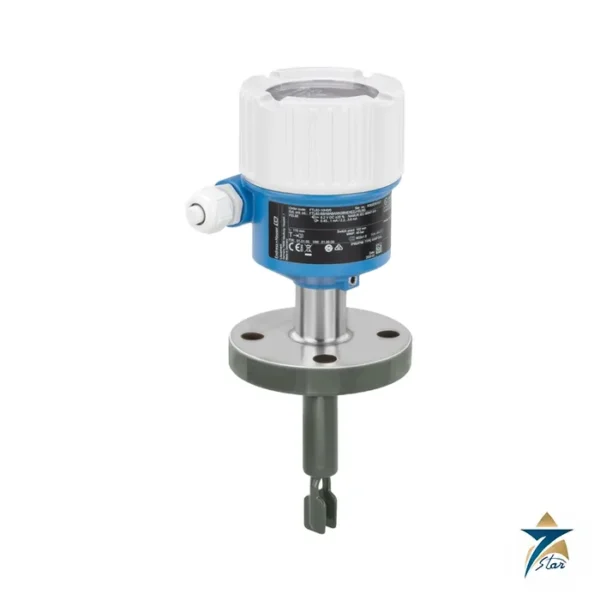
The Endress+Hauser FTI77 is a Solicap S point level switch built for the hardest bulk-solids duties: process temperatures up to 400 °C, abrasive material and very high lateral loads. Instead of a plain insulated rod it uses a flat sword or a 6 mm rope mounted on a ceramic fixture, which keeps the sensing element electrically isolated at temperatures where polymer insulation would fail. Seven Star LLC supplies the FTI77 in Oman and the GCC as an independent supplier in Muscat.
The FTI77 is offered in two size classes. Probes for fine-grained bulk solids use a threaded connection and a lighter construction, while probes for coarse-grained solids use a flange and are far heavier and stronger, with a sword rated to 800 Nm lateral load. Choosing the class is the first decision when specifying an FTI77.
FTI77 technical specifications
| Parameter |
Specification |
| Manufacturer / part number |
Endress+Hauser / FTI77 (Solicap S point level switch, sword or rope probe, bulk solids) |
| Measuring principle |
Capacitive point level detection in bulk solids with εr of 2.5 or more |
| Process temperature |
–50 to +400 °C (–58 to +752 °F), with a temperature spacing sleeve between probe and housing |
| Process pressure |
–1 to 10 bar (–14.5 to 145 psi), depending on the flange selected |
| Ambient temperature (housing) |
–50 to +70 °C; –40 °C minimum for polyester F16 |
| Fine-grained probe, sword |
Total length 310 to 1,110 mm, active length 200 to 1,000 mm, 40 mm wide, 250 Nm lateral load |
| Fine-grained probe, rope |
Total length 610 to 20,000 mm, 6 mm rope, 7,500 N tensile load, 30 × 150 mm weight |
| Coarse-grained probe, sword |
Active length 200 to 1,000 mm, 40 mm wide, 800 Nm lateral load |
| Coarse-grained probe, rope |
Total length to 20,000 mm, 6 mm rope, 20,000 N tensile load, 40 × 250 mm weight |
| Inactive length |
100 to 1,000 mm, diameter 38 or 42.5 mm (fine-grained) and 77 mm (coarse-grained) |
| Active build-up compensation |
Optional, 40 mm (fine) or 76 mm (coarse) diameter, with 125 mm added length |
| Materials |
316 rope (1.4401), ceramic fixture, 316L or steel process connection and weight |
| Weight |
About 3 kg (fine-grained) or 9 kg (coarse-grained) plus flange, sword 250 g per 100 mm, rope 180 g/m |
| Process connection |
Thread R 1½ or NPT 1½ (fine-grained), flanges (coarse-grained), adapter flange for steel versions |
Why a ceramic fixture matters in the FTI77
At 400 °C, plastics such as PTFE, PE and PA cannot insulate the probe. The FTI77 mounts its partly insulated sword or rope on a ceramic fixture, which is why the datasheet lists it for very high temperatures and for abrasive media. The electrical principle is the same as in the other Solicap probes: the sword or rope and the grounded silo wall form a capacitor, the capacitance rises when the material covers the probe, and the electronic insert switches at the stored threshold.
Because the FTI77 does not have a polymer jacket, it is the probe to consider where temperature is the limiting factor, for example hot ash, hot clinker dust or heated mineral products. Active build-up compensation is available for materials that cake, and an inactive length lets the probe be used in a mounting nozzle.
Sword or rope: choosing the probe shape for the FTI77
| Shape |
Typical use |
| Sword |
Short active length up to 1,000 mm, best for high lateral loads (250 or 800 Nm), flows of abrasive or heavy material, side mounting |
| Rope |
Active length from 500 mm to nearly 20 m, for tall silos, tensile loads of 7,500 N (fine) or 20,000 N (coarse), anchored if it could swing against the wall |
Total length is calculated from the start of the thread. For fine-grained probes, L equals active length plus inactive length plus 110 mm for the ceramic fixture; with optional active build-up compensation the datasheet adds 92 mm and 125 mm. The length tolerances widen with length: 0 to –5 mm for swords below 1 m, and 0 to –40 mm for ropes above 6 m. Material angle and the position of the outlet funnel should be considered when fixing the length.
Electronics and outputs for the FTI77
The FTI77 uses the same family of electronic inserts as the other Solicap and Liquicap M instruments: FEI51 (two-wire AC), FEI52 (DC PNP), FEI53 (signal to Nivotester FTC325 3-WIRE), FEI54 (relay), FEI55 (8/16 mA, SIL2 hardware, SIL3 software), FEI57S (PFM) and FEI58 (NAMUR). The datasheet describes use in safety systems requiring SIL2/SIL3 with the right insert, but certificates apply to the ordered version only, so state your approval needs. Calibration is by push-button, and a two-stage overvoltage protection guards against static discharge from the silo.
Selecting the FTI77: checklist
- Process temperature at the probe and the temperature of the vessel wall near the housing.
- Grain size: fine-grained or coarse-grained construction, and the weight of material acting on the probe.
- Sword for high lateral load, rope for height; confirm length from the thread start.
- Dielectric constant of the material (2.5 or more) and conductivity.
- Need for an inactive length (nozzle) and for active build-up compensation.
- Process connection: thread, flange or adapter flange, and the pressure class (maximum 10 bar).
- Output and supply, plus hazardous-area class and SIL needs.
Installation and maintenance of the FTI77
Mount the FTI77 away from the filling stream, with enough clearance from other probes (500 mm) and the silo wall. Insulate the outside of a hot silo wall so that the housing stays within its 70 °C ambient limit, and make use of the temperature spacing sleeve. Large flange versions need adequate roof or wall support because of their weight. During shutdowns, check the ceramic fixture for cracks, the rope or sword for wear, and any seal. Keep a spare electronic insert, since replacement does not need a full recalibration.
Where the FTI77 is used in Oman and the GCC
High-temperature bulk solids are handled in cement and lime kilns, power station ash systems, mineral processing and metal industries around Oman and the Gulf. The FTI77 is a candidate for hot ash hoppers, kiln dust and clinker silos where ambient heat adds to the process heat. Dust and abrasion call for a rugged sword, and tall silos suit the rope. A corrosion-resistant housing helps near the coast.
Solicap range comparison
| Model |
Limits |
| FTI55 |
Rod, up to 180 °C, 25 bar |
| FTI56 |
Rope up to 20 m, up to 180 °C, 25 bar |
| FTI77 |
Sword or rope, up to 400 °C, 10 bar, ceramic fixture |
Information to send with an RFQ for the FTI77
- Material, grain size, dielectric constant and abrasiveness
- Process temperature, pressure and silo wall temperature
- Sword or rope preference and active length
- Silo height, wall construction and nozzle or flange details
- Build-up tendency and inactive length requirement
- Output, supply voltage and hazardous-area class
- Quantity and delivery site
Documents and quotation
A datasheet for the FTI77 is attached on this page. It is the Technical Information for the Solicap S FTI77 and lists the probe dimensions, temperature charts and electronic-insert data.
Send the part number FTI77 with your material and temperature data and we will confirm availability and lead time for Oman and the GCC.
Other Models in the Eh Solicap Solids Switch Range
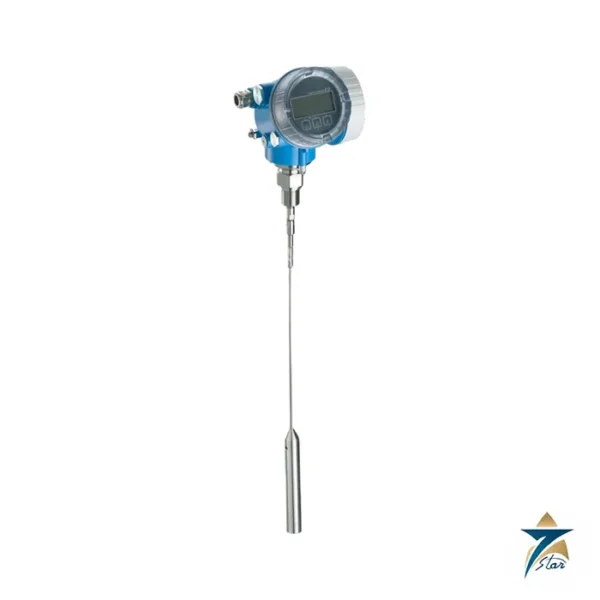
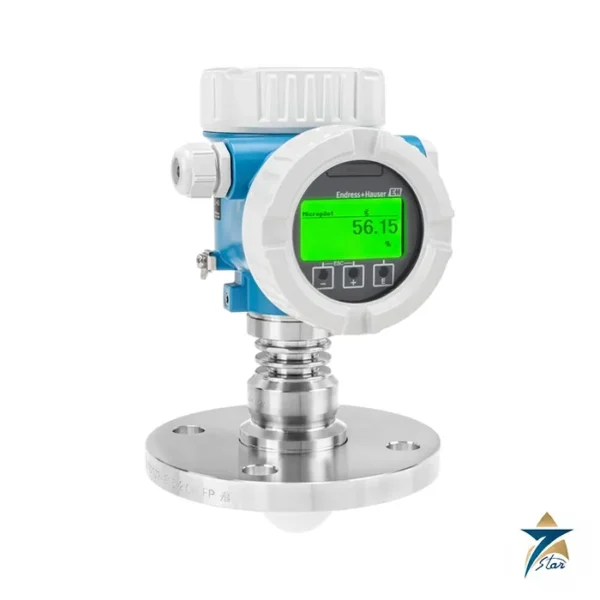
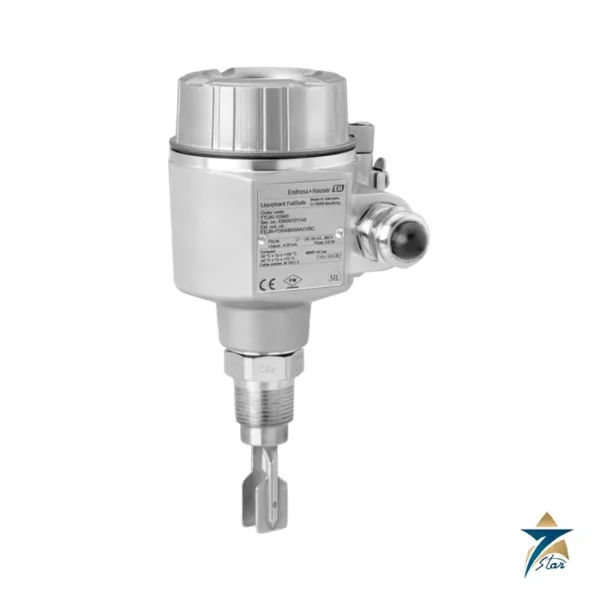
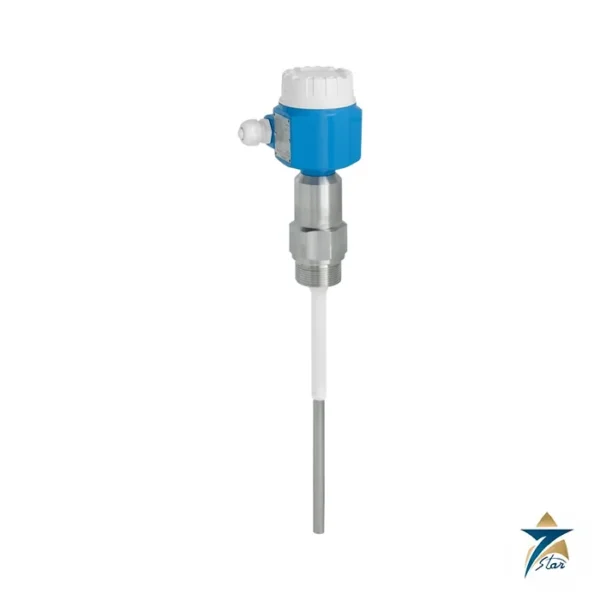
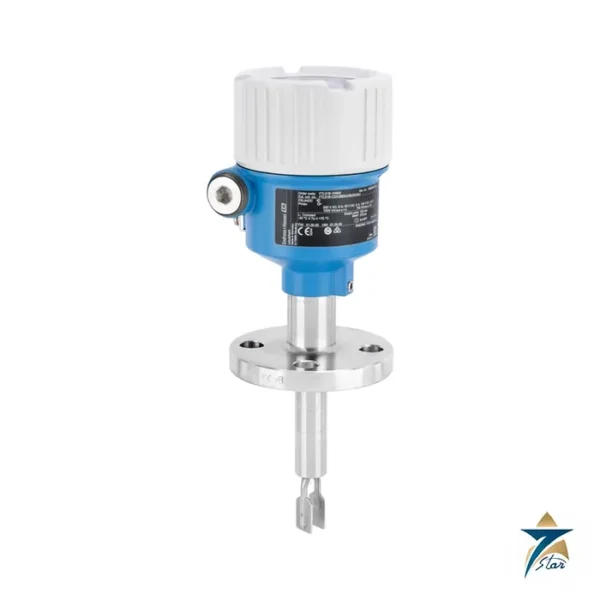
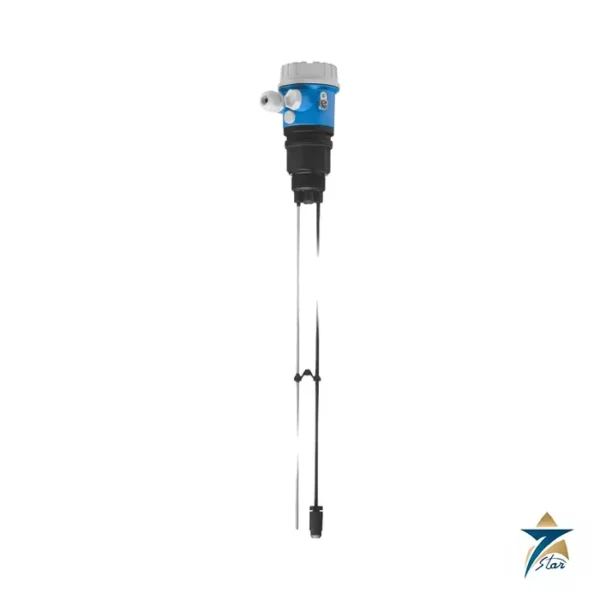
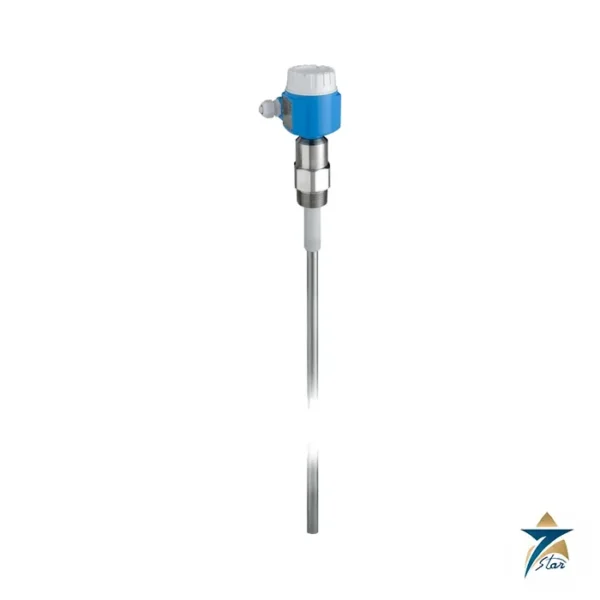
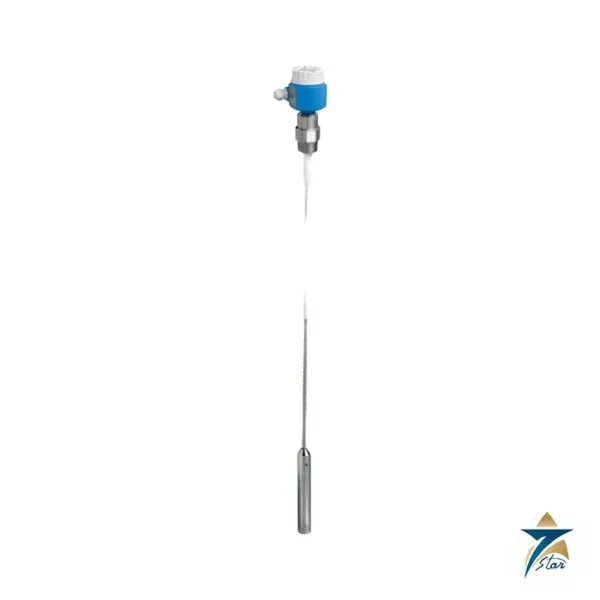
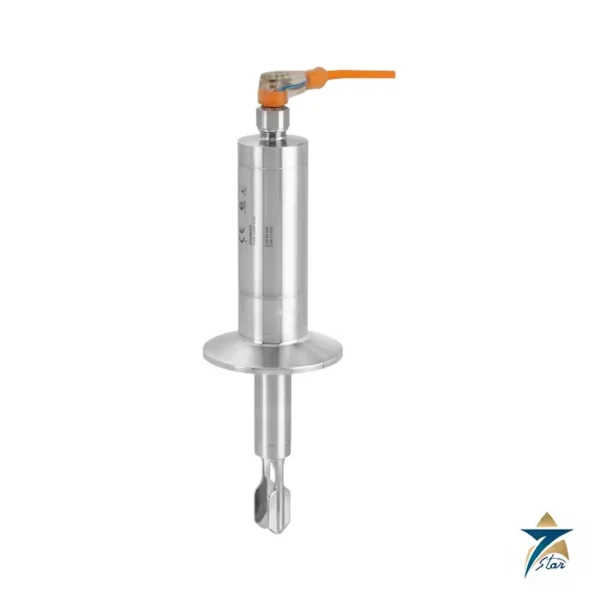
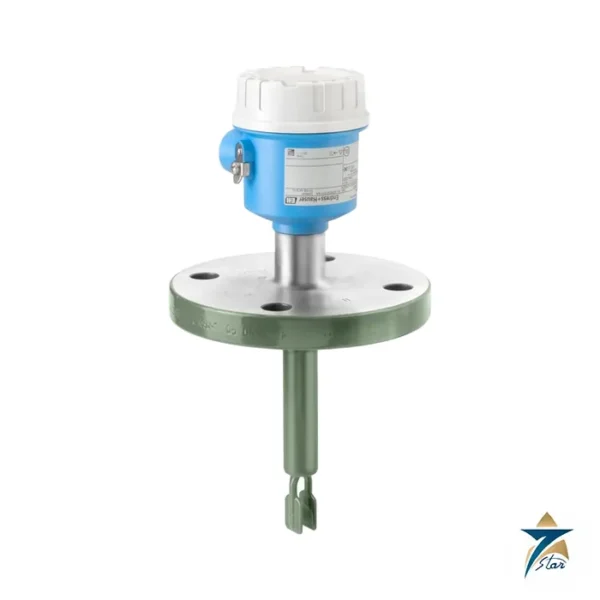
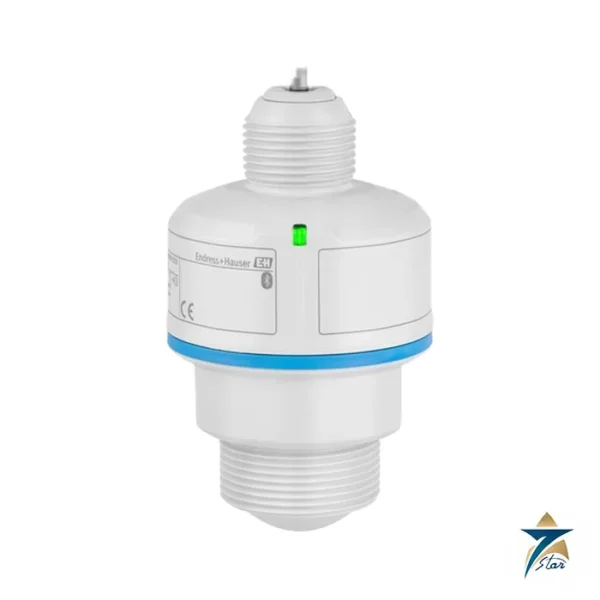
Seven Star LLC supplies models from the Eh Solicap Solids Switch range in Oman and the GCC. Compare the related models below and request a quote for the one that matches your application.




















Reviews
There are no reviews yet.