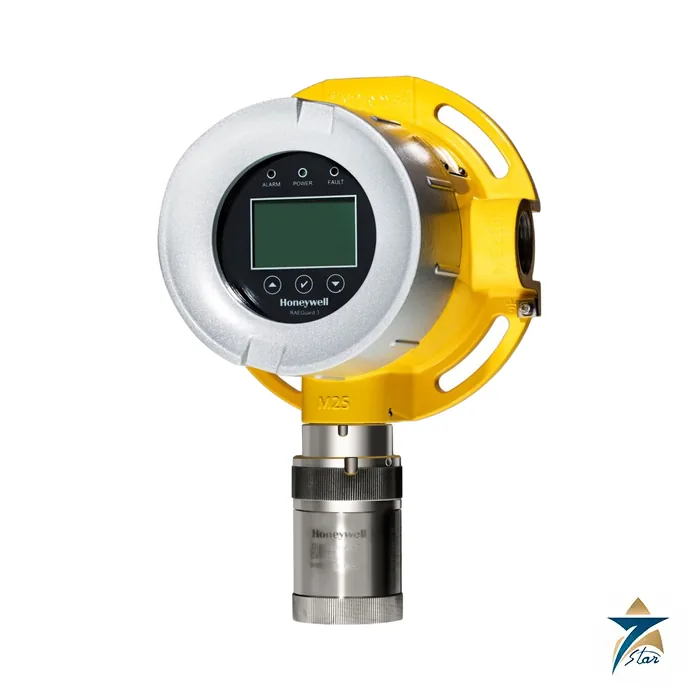
Honeywell RAEGuard 3 fixed gas detector for flammable, toxic and oxygen hazards
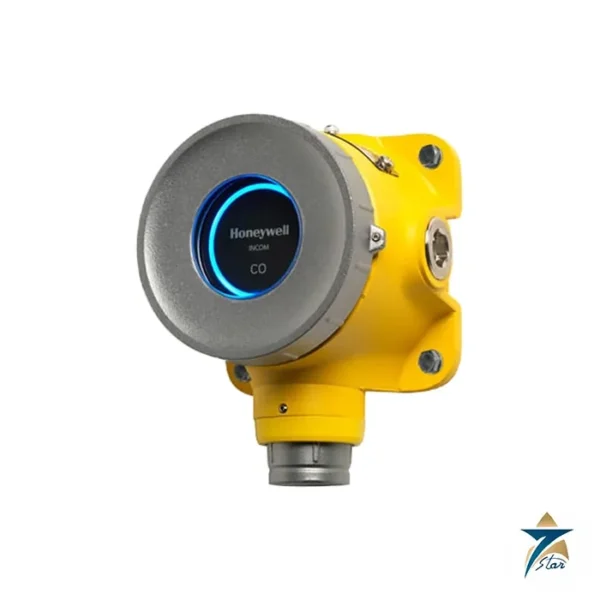
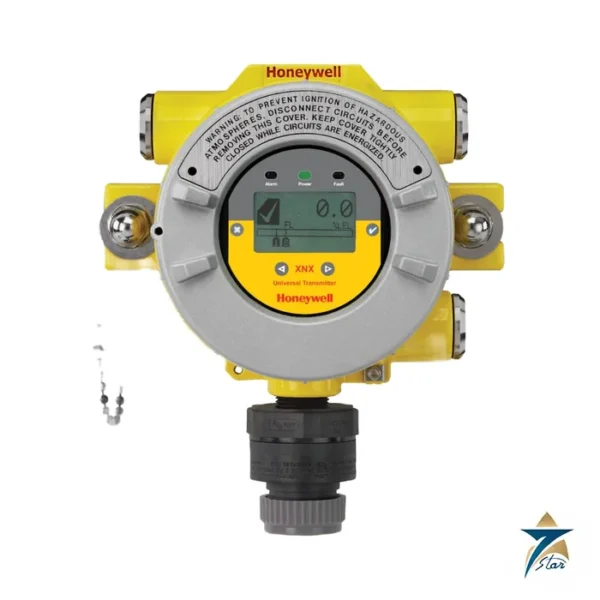
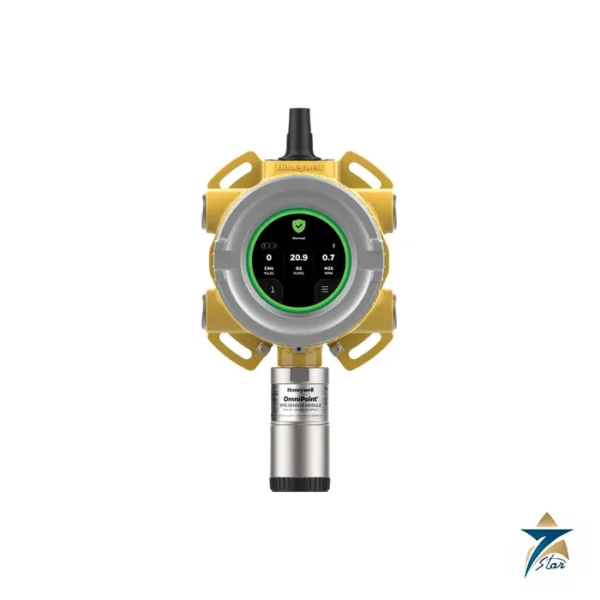
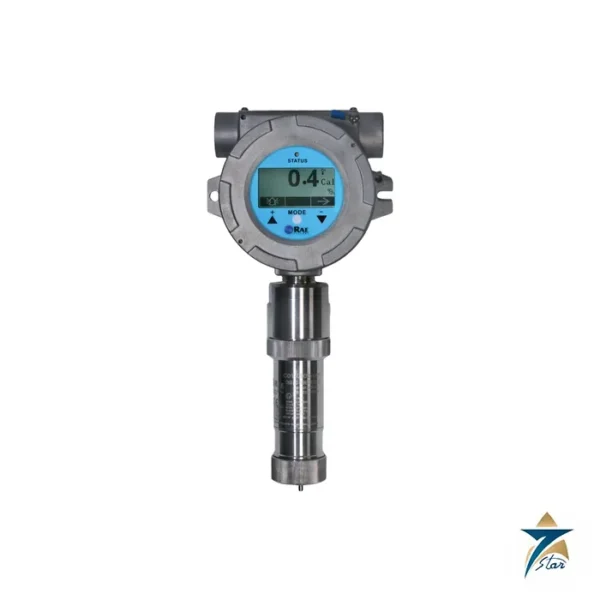
The Honeywell RAEGuard 3 is a fixed, field-mounted gas transmitter for hazardous industrial areas. One platform covers three jobs: flammable gas (as % LEL), toxic gas (in ppm) and oxygen deficiency or enrichment. The sensing head is chosen to suit the gas, while the transmitter body, display, outputs and wiring stay the same across the series. That makes the RAEGuard 3 a practical standard for plants that must monitor several different gases without stocking a different transmitter family for each one.
Honeywell describes the series as a universal transmitter. Flammable gas is detected with a long-life, poison-resistant catalytic sensor or with infrared (NDIR) technology, while toxic gas and oxygen use compensated electrochemical sensors. Seven Star LLC supplies the RAEGuard 3 in Oman and the GCC as an independent supplier in Muscat, and we confirm the exact gas, range and enclosure with you before quoting.
Understanding the RAEGuard 3 name and what must be specified
RAEGuard 3 is a series name, not a single orderable code. The transmitter is configured around the target gas and sensing technology, so a complete order must say which gas is to be measured, over which range, with which sensor type, and in which enclosure material. The manufacturer lists two enclosure materials for the series: aluminium alloy and 316 stainless steel. Ingress protection depends on the sensor family, as shown in the table below.
RAEGuard 3 technical specifications
| Parameter |
Specification |
| Manufacturer / part number |
Honeywell / RAEGuard 3 (series) |
| Gases covered |
Flammable (LEL), toxic and oxygen |
| Sensing technology |
Catalytic combustion or NDIR for flammable gas; compensated electrochemical sensors for toxic gas and oxygen; amperometric three-electrode principle for toxic cells |
| Supply voltage / power |
24 VDC; 5.5 W |
| Analog output |
4 to 20 mA |
| Digital communication |
Modbus RTU over RS485 |
| Wireless |
Bluetooth |
| Relay outputs |
3 relays, 2 A at 30 VDC |
| Display |
Backlit LCD with text, bar graph, digits and icons (English and Chinese) |
| Repeatability |
Below 2% |
| Minimum operating temperature |
-40 °C |
| Storage temperature |
-20 to +50 °C |
| Humidity |
LEL/NDIR: 0 to 95% RH non-condensing; toxic and oxygen: 15 to 95% RH non-condensing |
| Ingress protection |
IP66 for LEL/NDIR versions; IP66/67 for toxic and oxygen versions |
| Enclosure material |
Aluminium alloy or 316 stainless steel |
| Weight |
Aluminium alloy 3.0 kg; stainless steel 5.0 kg |
| Conduit entries |
2 x 3/4 in NPT |
| Terminals |
5 terminals, wire 0.5 to 2.5 mm² |
| Mounting |
Wall or pipe |
| Standards listed for the series |
ATEX, IECEx, TUV SIL 2, CE/EMC, EN 50270:2015, IEC 61000-4-5, China Ex, CPA and CCCF |
The standards line is the manufacturer listing for the RAEGuard 3 series. Approvals and the exact marking depend on the configuration supplied, so ask for the certificate of the specific unit before it goes into a classified area.
How the RAEGuard 3 detects gas
Inside the sensing head, each gas type uses the technology best suited to it. A catalytic bead sensor measures flammable gas by the heat released when it burns on the bead, which is proportional to the concentration up to the lower explosive limit. An NDIR (non-dispersive infrared) head measures absorption of infrared light by hydrocarbon molecules, so it does not burn the gas and does not depend on oxygen being present. Toxic gases and oxygen are measured with electrochemical cells, where the gas reacts at an electrode and produces a small current proportional to concentration.
The transmitter electronics condition that signal, apply compensation, show the reading on the local LCD, and send it out as 4 to 20 mA and as Modbus RTU data. The manufacturer also states that oxygen detection in this series can be done without a zero calibration using nitrogen, which removes a time-consuming step on site.
Where RAEGuard 3 fits in a gas detection system
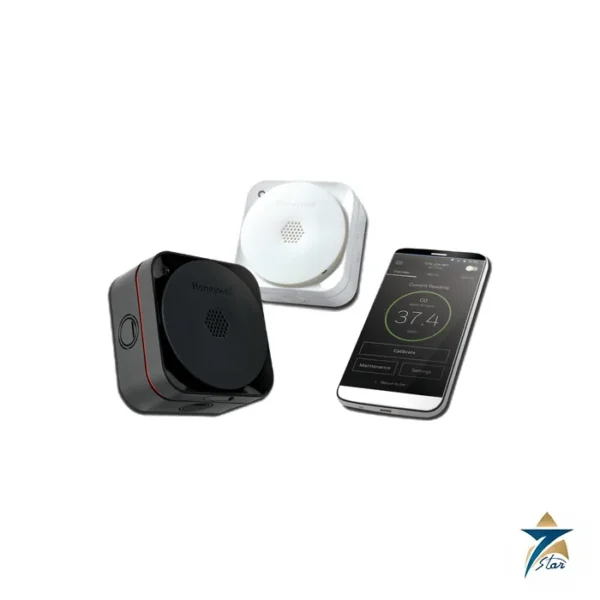
The 4 to 20 mA output connects to a PLC, DCS or fire and gas panel analog input. The RS485 Modbus RTU port can be used on a multi-drop line to a control system, and the Bluetooth link supports local configuration and service from a nearby device. The three relays give local or panel-level alarm and fault switching at 2 A and 30 VDC, which suits driving small interposing relays, beacons or sounders rather than large loads directly.
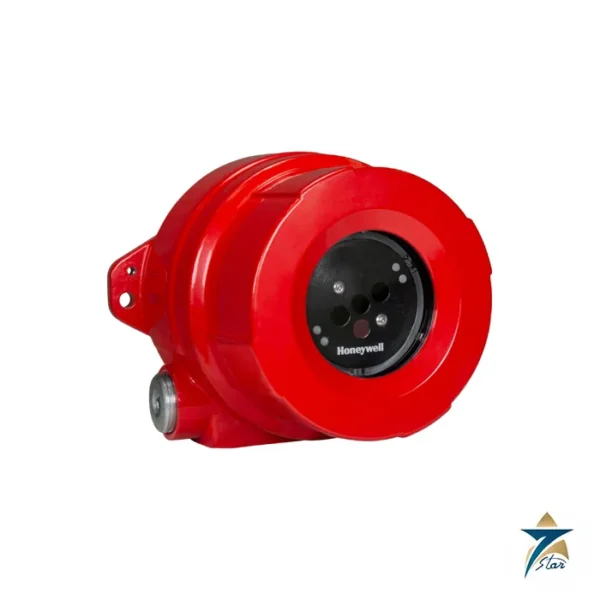
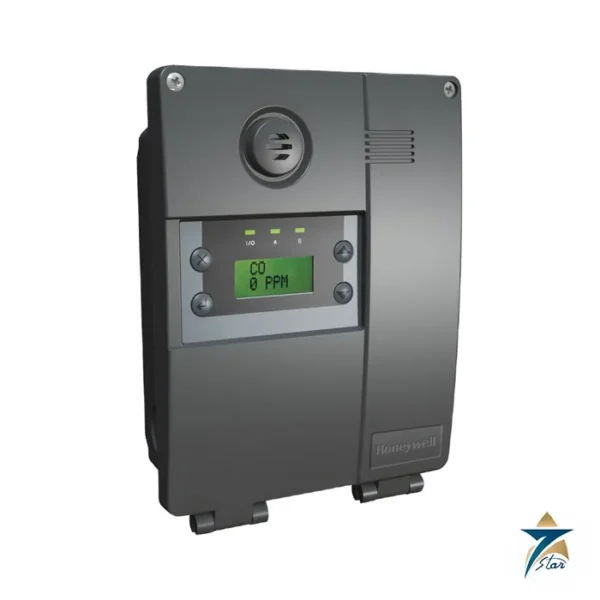
Related items in the same Honeywell fixed gas family are covered on separate pages, including the E3Point commercial detector, the 705 high temperature flammable sensor and the FS10 flame detector. Gas detection is one layer; flame detection and manual call points typically sit alongside it in a complete fire and gas design.
Selection and ordering checklist for the RAEGuard 3
- Target gas and required range, for example a flammable gas in % LEL, a named toxic gas in ppm, or oxygen in % volume.
- Sensor technology: catalytic or NDIR for flammables, electrochemical for toxics and oxygen.
- Enclosure material: aluminium alloy for general use, 316 stainless steel for marine, coastal or chemically aggressive sites.
- Hazardous area classification, gas group and temperature class required at the installation point.
- Output needs: 4 to 20 mA only, or Modbus RTU as well, and how many relays are used.
- Sensor head position: gas density decides high or low mounting, and airflow and access decide the exact spot.
- Accessories such as weather protection, collecting cone or calibration adapter for the site routine.
- Required SIL claim, if any, so the right documentation accompanies the unit.
Installing and commissioning the RAEGuard 3
Mount the transmitter on a wall or pipe with the sensor pointing down so condensation and dust drain away from the sensing face. Use cable entries and glands rated for the area class and the ingress rating you need; the two 3/4 in NPT entries accommodate this. Terminate power and signal on the five terminals using conductors from 0.5 to 2.5 mm², observing shield grounding practice for the 4 to 20 mA and RS485 lines.
After power-up, allow the sensor to stabilise, check zero, then apply the correct calibration gas through the supplied or specified adapter. For toxic and flammable heads this means certified test gas of known concentration. Record the span response and set alarm levels in line with your site safety philosophy. The unit shows reminders for calibration expiry and for sensor life, which helps maintenance planning but does not replace a scheduled bump test routine.
Maintenance and spares
Plan periodic calibration and functional checks according to your safety procedures and the sensor type. Electrochemical cells and catalytic beads are consumable parts, so keep a spare matched sensor for critical points. Keep the front window clean, keep the sensor face free of paint and insulation, and replace damaged sensor guards promptly. Where a head is exposed to silicones, lead compounds or heavy sulphur, shorten the check interval, because poisoning affects catalytic sensors first.
Typical applications in Oman and the GCC
The manufacturer lists oil and gas, refining, pipelines and pumping stations, chemical plants and storage, power plants, steel plants, water and wastewater facilities, laboratories, pharmaceutical plants and food and beverage production among its application areas. In Oman and the Gulf these map to gas processing and refinery units, pipeline pump stations, desalination and power complexes, and chemical storage at industrial ports. High ambient temperature, dust and humidity make the IP66 or IP66/67 ratings and the stainless steel enclosure option especially relevant on coastal sites.
RAEGuard 3 versions at a glance
| Sensing family |
Gas type |
Ingress protection |
Humidity range |
| Sensing family |
Gas type |
Ingress protection |
Humidity range |
| Catalytic or NDIR (LEL/NDIR) |
Flammable gas, % LEL |
IP66 |
0 to 95% RH non-condensing |
| Electrochemical |
Toxic gas, ppm |
IP66/67 |
15 to 95% RH non-condensing |
| Electrochemical |
Oxygen, % volume |
IP66/67 |
15 to 95% RH non-condensing |
Information to send with an RFQ
- Gas name, measuring range and unit.
- Sensor technology preference and any hazardous area approvals required.
- Enclosure material and cable entry type.
- Output and relay needs, and the controller or PLC it connects to.
- Quantity, delivery location and project timeline.
- Calibration gas and accessories needed with the transmitter.
Documents and quotation
Send us the RAEGuard 3 gas, range and enclosure choice and we will confirm available documents for the exact configuration before quoting.
Seven Star LLC is an independent supplier in Muscat and does not represent itself as an official dealer of the manufacturer; certificates and manuals come with the supplied unit through the normal supply route.
























Reviews
There are no reviews yet.