Honeywell UltraRAE 3000+ compound-specific PID monitor: benzene and butadiene on a handheld
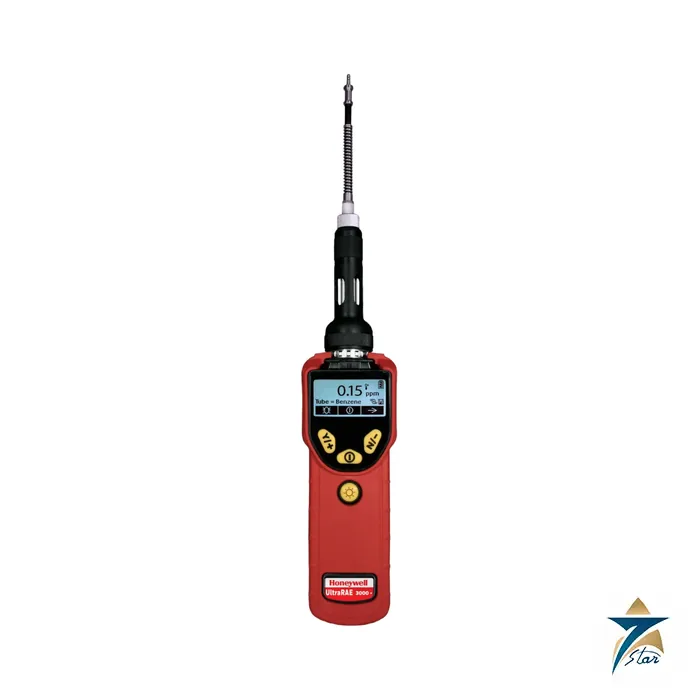
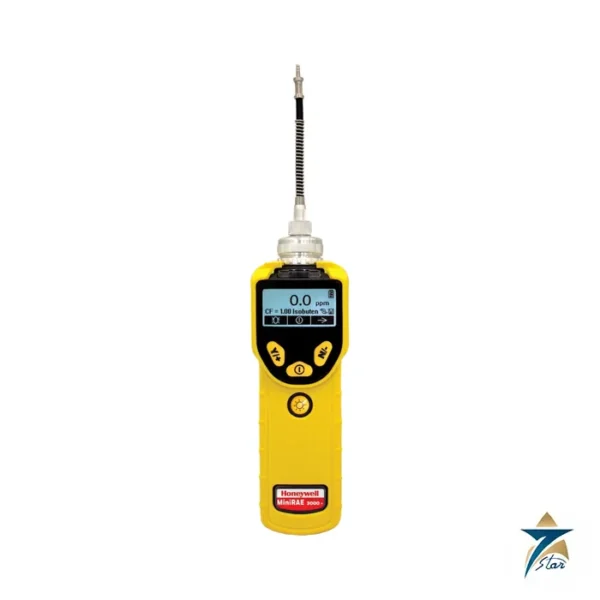
The UltraRAE 3000+ is a compound-specific handheld monitor from Honeywell RAE Systems, model PGM-7360. It combines a photoionisation detector with a RAE-Sep pre-filter tube so the reading represents one named compound rather than the total of everything the lamp can ionise. The tube separates benzene or butadiene from other volatile organic compounds before the gas reaches the sensor, which is the practical difference between this monitor and a general VOC meter such as the ppbRAE 3000+. It also works as a standard total-VOC monitor when the tube is not fitted. Seven Star LLC supplies the UltraRAE 3000+ in Oman and the GCC as an independent supplier in Muscat.
Benzene is the usual reason to ask for this instrument. In refineries, petrochemical units and fuel terminals the exposure limit for benzene is far lower than for general hydrocarbons, so a monitor that can say “this is benzene” avoids false alarms and unnecessary evacuation.
UltraRAE 3000+ technical specifications
| Parameter |
Specification |
| Manufacturer / part number |
Honeywell RAE Systems / UltraRAE 3000+ (model PGM-7360) |
| Detector |
Photoionisation sensor with 9.8 eV lamp supplied; 10.6 eV or 11.7 eV lamp optional |
| VOC mode range |
0.01 to 10,000 ppm; resolution 0.010 ppm up to 99.99 ppm, 0.1 ppm to 999.9 ppm, 1 ppm to 9,999 ppm |
| Benzene mode range |
0 to 200 ppm; resolution 0.010 ppm; response time under 60 seconds |
| Butadiene mode range |
0 to 200 ppm; resolution 0.010 ppm; response time under 60 seconds |
| VOC response time |
T90 under 3 seconds |
| Detection modes |
Instantaneous 60-second benzene measurement or 15-minute STEL measurement |
| Pump |
Internal, 400 cc/min; samples from 30 m (100 ft) horizontally or vertically; automatic shut-off on low flow |
| Humidity |
Built-in humidity sensor with automatic temperature-controlled sampling-time calculation |
| Datalogging |
6 months at one-minute intervals as standard |
| Calibration |
Two- or three-point zero and span; memory for 8 calibration gases, alarm limits, span values and dates |
| Battery |
Rechargeable external Li-ion pack, user replaceable; 16 hours of operation; alkaline adapter available |
| Wireless |
Built-in module; BLE, RM900 or Bluetooth supported; IEEE 802.15.4 sub-1 GHz; BLE range up to 5 m |
| Dimensions / weight |
25.5 × 7.6 × 6.4 cm (10 × 3.0 × 2.5 in); 738 g (26 oz) |
| Protection |
IP-65 with the unit running |
| Warranty |
3 years on the 10.6 eV lamp, 6 months on the 9.8 eV lamp, 1 year on pump, battery, sensor and instrument |
The datasheet used for these values is the manufacturer’s UltraRAE 3000+ sheet (the copy on the manufacturer’s page is in Portuguese, so no PDF is attached to this page). Always ask for the current English datasheet and confirm the hazardous-area marking before ordering.
How the UltraRAE 3000+ separates benzene from other VOCs
The RAE-Sep tube contains a selective adsorbent. In benzene mode the sample passes through the tube, and the PID measures what exits the tube during a defined interval. The monitor takes the humidity of the sample into account to calculate the sampling time automatically; high humidity changes tube behaviour, so the on-board humidity sensor and temperature compensation matter in Gulf conditions. A transparent sampling probe allows the operator to see how far the sample has penetrated the tube, which helps with discarding spent tubes. Two modes are offered for benzene: a 60-second instantaneous measurement and a 15-minute STEL measurement that supports compliance work against short-term exposure limits.
When the tube is removed, the instrument reads total VOC across the extended 0.01 to 10,000 ppm range, using the integrated correction factors. The manufacturer calls the speciation method advanced and states that it reduces the risk of false alarms.
Selecting the UltraRAE 3000+: key checks
- Target compound. Confirm whether benzene, butadiene or total VOC is the task. The datasheet lists benzene and butadiene as compound-specific channels.
- Lamp. A 9.8 eV lamp is the standard part for benzene work. A 10.6 eV or 11.7 eV lamp is optional;.
- Tubes. RAE-Sep tubes are consumables. Plan stock for each job, and store them as the manufacturer instructs.
- Wireless. Choose a BLE, RM900 or Bluetooth module if live data to a command centre is required.
- Kit. The monitor-only package includes a UV lamp, RAE-Sep tubes, Flex-I-Probe, short probe, external filter, red rubber boot, alkaline adapter, lamp cleaning kit and tool kit; an accessories kit adds a hard case, cradle and spare filters.
Operating and maintenance practice for the UltraRAE 3000+
- Zero in clean air and calibrate with isobutylene; for benzene mode, follow the benzene calibration procedure and use a benzene check gas for verification.
- Check the pump flow and replace the external filter when flow alarms occur; the unit switches the pump off automatically on a low-flow condition.
- Clean the lamp and sensor with the cleaning kit; the monitor has tool-free access to lamp, sensor and battery.
- Download datalogs to a PC through the cradle or BLE application, and keep calibration dates in the instrument memory.
- Do not use the monitor as a standalone confirmation of a safe atmosphere for entry; combine it with LEL, oxygen and toxic gas measurements as the permit requires.
Typical UltraRAE 3000+ applications in Oman and the GCC
The datasheet names confined-space pre-entry screening during refinery and plant maintenance, hazardous materials response, marine spill response, downstream refinery monitoring and facility reformulation work. In the Gulf these map onto tank cleaning turnarounds, benzene checks on crude, naphtha and gasoline units, loading-arm and terminal fence-line checks, and pre-entry screening of vessels that held aromatic products. Compound-specific measurement is useful when the permit sets a benzene limit and general hydrocarbon readings would force unnecessary stoppages.
Information to send with an UltraRAE 3000+ RFQ
- Target compound or compounds (benzene, butadiene, total VOC) and the exposure limits to be checked.
- Lamp option (9.8 eV, 10.6 eV or 11.7 eV).
- Quantity of RAE-Sep tubes required, and the calibration gas and regulator arrangements.
- Wireless module and data-management requirements.
- Required hazardous-area approval and accessories kit.
Documents and quotation for the UltraRAE 3000+
No datasheet is attached to this page. Send the model, kit and approval requirements to Seven Star LLC and we will confirm the available documents, availability and lead time for the quotation.
Other Models in the Honeywell Rae Pid Range
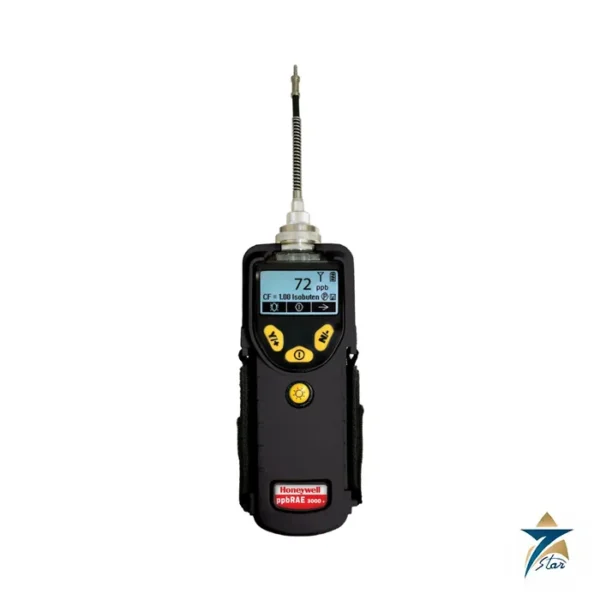
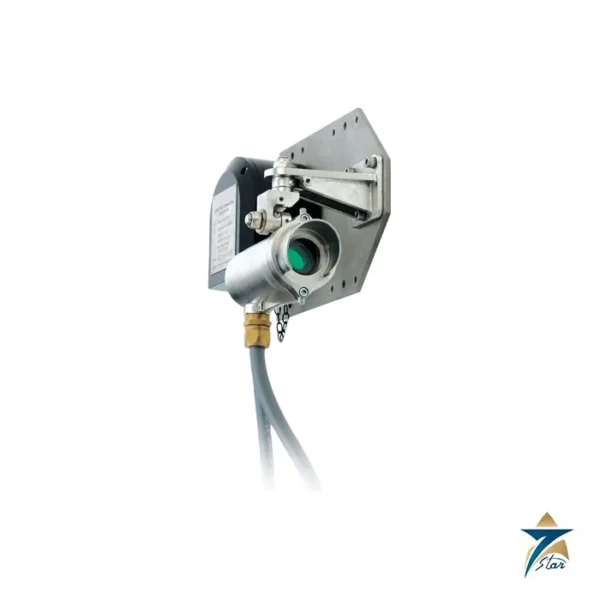
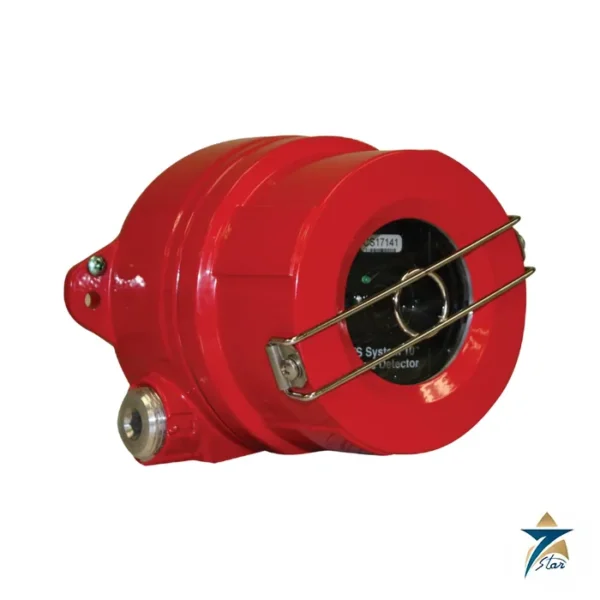
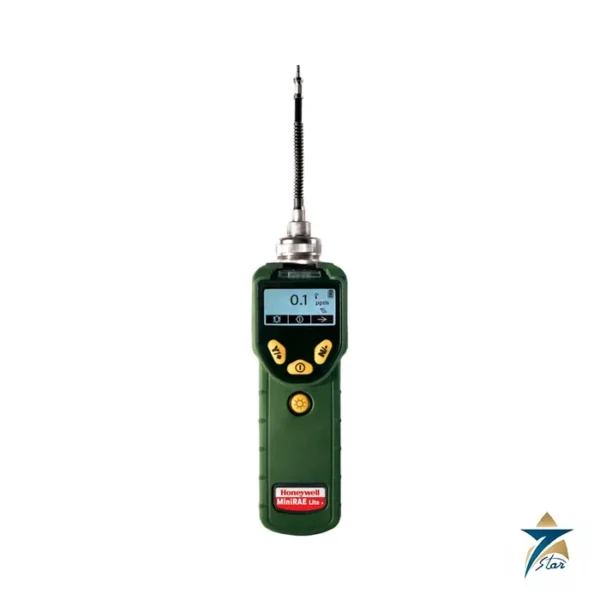
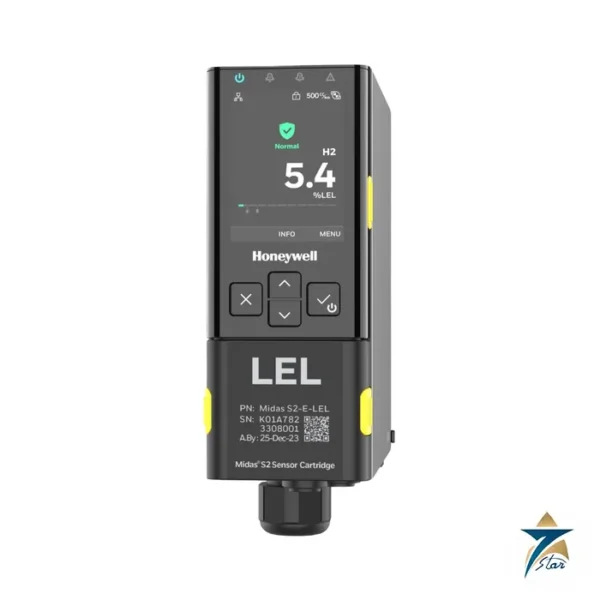
Seven Star LLC supplies models from the Honeywell Rae Pid range in Oman and the GCC. Compare the related models below and request a quote for the one that matches your application.




















Reviews
There are no reviews yet.