Honeywell Sensepoint PPM combustible gas sensor: a catalytic sensor scaled in ppm
The Sensepoint PPM is the ppm-range version of the Honeywell Sensepoint sealed catalytic sensor. The standard Sensepoint LEL sensor is scaled for 0 to 100 % LEL, which suits leak alarms near the lower explosive limit. The PPM version uses the same pellistor-in-a-bridge principle but is intended for lower concentrations, where a plant needs to see hundreds or a few thousand parts per million of a vapour such as a solvent, hydrogen or ammonia, for example in ventilation duct monitoring, solvent stores and process buildings. Like the LEL sensor, it is a head, not a stand-alone detector: it is fitted into an approved Ex e or Ex d junction box and read by a separate control card. Seven Star LLC supplies Sensepoint PPM sensors in Oman and the GCC as an independent supplier in Muscat.
The datasheet lists two sensor part numbers:
| Part number |
Thread version |
| 2106B1205 |
M20 thread |
| 2106B1209 |
3/4 inch NPT thread |
Sensepoint PPM technical specifications
| Parameter |
Specification |
| Manufacturer / part number |
Honeywell Analytics / Sensepoint PPM combustible sensor, 2106B1205 (M20), 2106B1209 (3/4 NPT) |
| Detection principle |
Catalytic pellistor in a bridge circuit, sealed disposable sensor |
| Scaling |
ppm full-scale values set on the control card per target gas (see the table below) |
| Operating temperature |
–30 to +65 °C standard |
| Operating humidity |
20 to 90 % RH continuous; 10 to 99 % RH intermittent, non-condensing |
| Operating pressure |
90 to 110 kPa |
| Warm-up time |
20 minutes |
| Voltage |
2.9 to 3.5 V bridge at 200 mA |
| Power consumption |
700 mW |
| Signal output |
mV bridge |
| Calibration flow rate |
1 to 1.5 litres per minute |
| Expected life |
5 years |
| Ingress protection |
IP65 standard; IP67 with weather protection |
| Weight / size |
190 g; 56 mm diameter body, 74 mm maximum length |
| Wiring |
Three conductors: sensitive (S), non-sensitive (NS) and common; screen earth |
The warm-up time is longer than that of the LEL version (20 minutes against 10), and the temperature window differs, so do not assume the two sensors are interchangeable in a given controller configuration.
Recommended full-scale deflection and relative sensitivity for the Sensepoint PPM
The datasheet recommends a full-scale deflection (fsd) for each target gas and lists the relative sensitivity of the sensor, taking methane as 100. The sensor responds more strongly to heavier hydrocarbons than to methane and much less to ammonia, which is why scaling per gas matters.
| Gas or vapour |
Relative sensitivity (methane = 100) |
Recommended full scale |
| Acetone |
120 |
5,000 ppm |
| Ammonia |
55 |
15,000 ppm |
| Butane |
164 |
5,000 ppm |
| Butanone (MEK) |
140 |
5,000 ppm |
| Cyclohexane |
193 |
3,000 ppm |
| Diethyl ether |
140 |
5,000 ppm |
| Ethane |
133 |
5,000 ppm |
| Ethylene |
181 |
3,000 ppm |
| Heptane |
200 |
3,000 ppm |
| Hexane |
193 |
3,000 ppm |
| Hydrogen |
113 |
5,000 ppm |
| MIBK |
181 |
3,000 ppm |
| Octane |
197 |
3,000 ppm |
| Propane |
153 |
5,000 ppm |
| Tetrahydrofuran |
136 |
5,000 ppm |
| Toluene |
181 |
3,000 ppm |
| Triethylamine |
142 |
5,000 ppm |
| Xylene |
173 |
3,000 ppm |
| Methane |
100 |
7,000 ppm |
These values apply at 20 °C and are measured under the conditions in the datasheet. They are not applicable at %LEL levels and are a guide to cross-calibration, not a replacement for calibration with the target gas where available.
Cross-calibration of the Sensepoint PPM
When the target vapour is not available as a calibration gas, the datasheet gives a calculation. The scale reading to set on the control card is S = (C × Y) / Z, where C is the concentration of the calibration gas in ppm, Y is the relative sensitivity of the calibration gas to methane, and Z is the relative sensitivity of the gas to be detected. The datasheet example uses 2,000 ppm of ethane (relative sensitivity 133) to calibrate for xylene (173) over a 0 to 3,000 ppm range: the scale is set at 1,538 ppm, rounded to 1,500 ppm on the meter. Responsibility for identifying and recording any cross-calibration rests with the user, according to the datasheet, and local regulations may apply.
Installation and wiring of the Sensepoint PPM
- Fit into a suitably approved Ex e or Ex d junction box with a certified cable gland; the thread of the box must match the sensor thread (M20 or 3/4 inch NPT).
- Mount the sensor facing downward and away from heat sources, to reduce water ingress.
- Connect S, NS and common to the control card, using a three-core multi-strand cable up to 2.5 mm2 and screened if possible.
- Remove the protective disc before use, and ensure the dust protection cap has been removed if the sensor reads zero when gas is present.
- Allow 20 minutes of warm-up before calibration, then calibrate with a flow housing and gas at about 50 % of the fsd.
Troubleshooting and care for the Sensepoint PPM
- Reads non-zero all the time. Gas may be present; check there is no combustible gas in the atmosphere before adjusting.
- Reads non-zero with no gas. Adjust the zero at the control system.
- Reads low or high on gas. Adjust span at the control system.
- Reads zero on gas. Check wiring, check the dust cap has been removed, check the sinter is not blocked, and replace the sensor if poisoning is suspected.
- Poisoning. Silicones, halogenated hydrocarbons, heavy metals and sulphur compounds can inactivate the sensing elements; replace the sensor when mV output at the same gas concentration has fallen by 60 %.
Typical Sensepoint PPM applications in Oman and the GCC
A ppm-scale catalytic sensor is useful for monitoring solvent vapours in paint and coating stores, chemical dosing rooms, laboratories, battery rooms with hydrogen, and ventilation exhausts on process buildings. Because catalytic sensors read total flammable response, make sure the target gas list is clear before choosing the scale, and remember that readings depend on the relative sensitivity values above. In hot, dusty or humid Gulf sites, use the weather protection accessory and the sensor filter, and keep silicone products away from the sensing head.
Information to send with a Sensepoint PPM RFQ
- Part number or thread (M20 or 3/4 NPT) and quantity.
- Target gas or vapour and the intended full-scale range in ppm.
- Control card or gas controller type.
- Junction box and accessories (weather protection, flow housing, filter, collecting cone).
- Area classification and any certification requirements.
Documents and quotation for the Sensepoint PPM
The Sensepoint PPM combustible sensor sheet is attached on this page.
Send us the sensor part number or thread and the gas scale and we will confirm availability and lead time for the quotation.
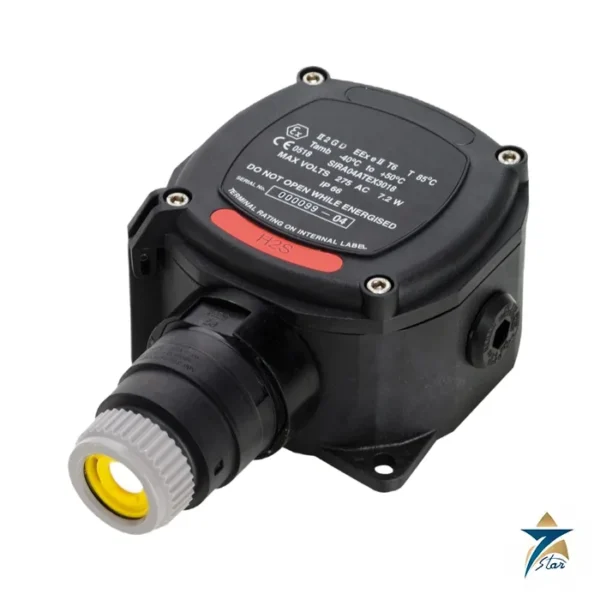
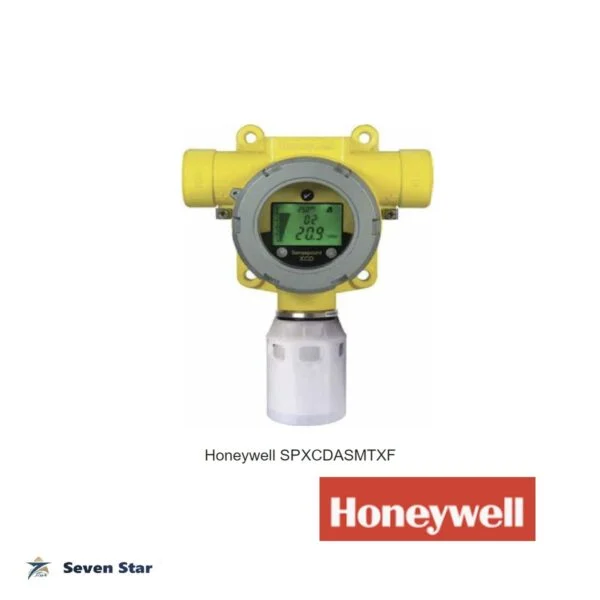
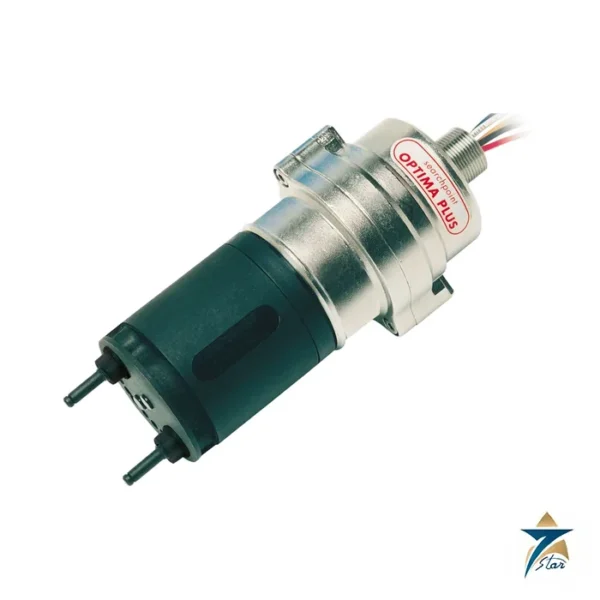
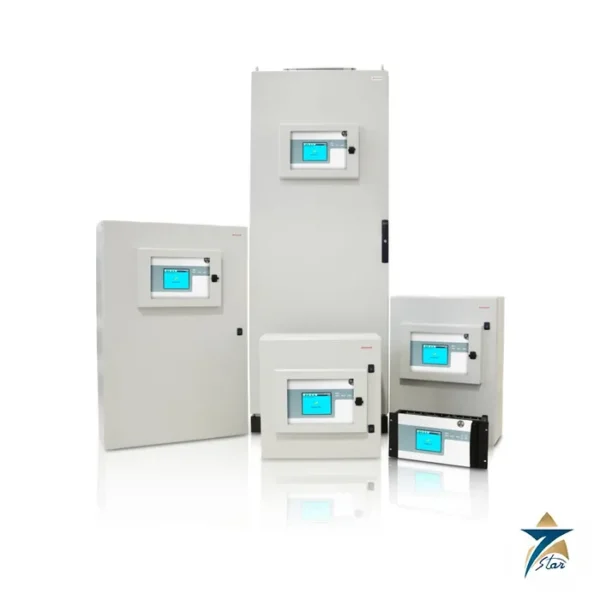
Other Models in the Honeywell Sensepoint Sensor Range
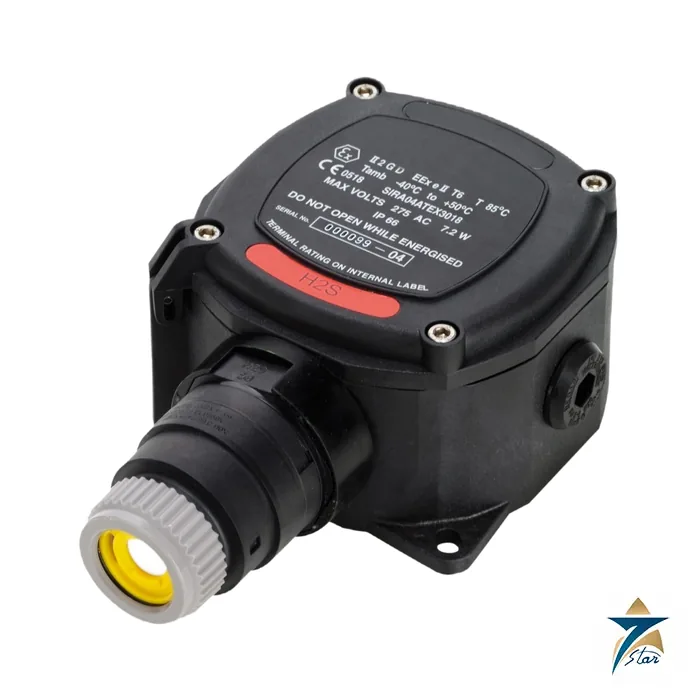
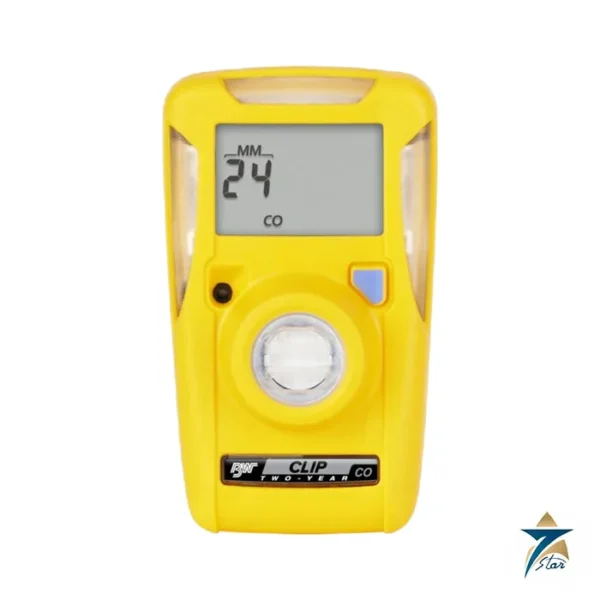
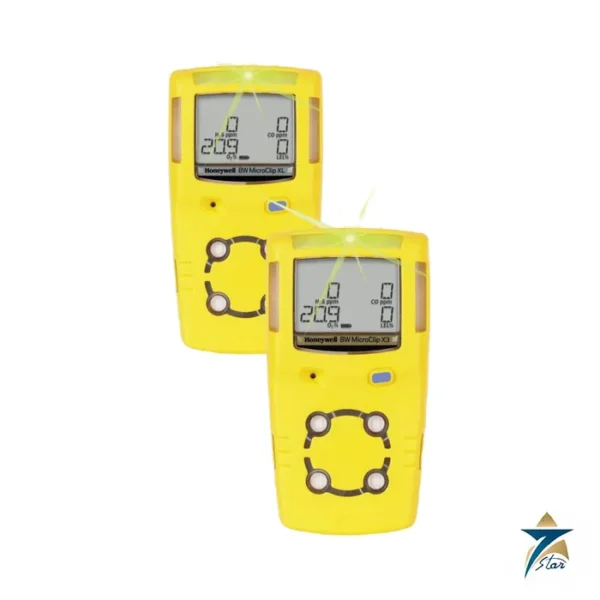
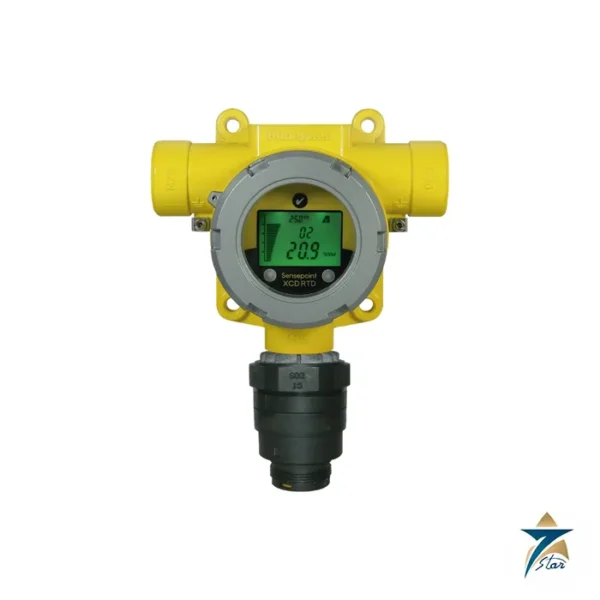
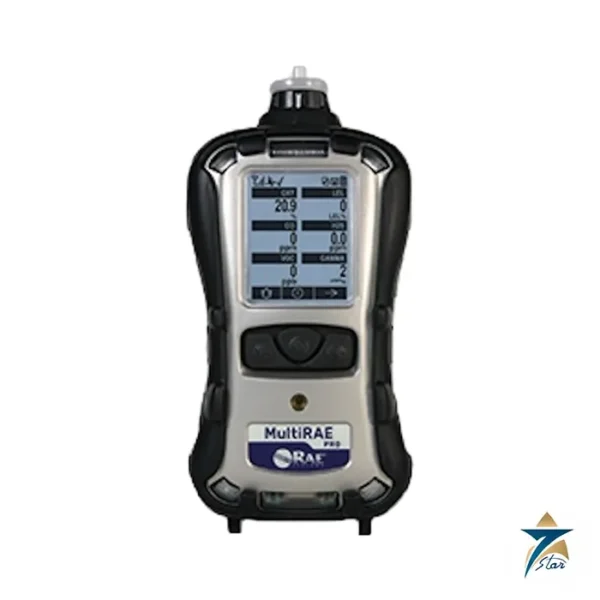
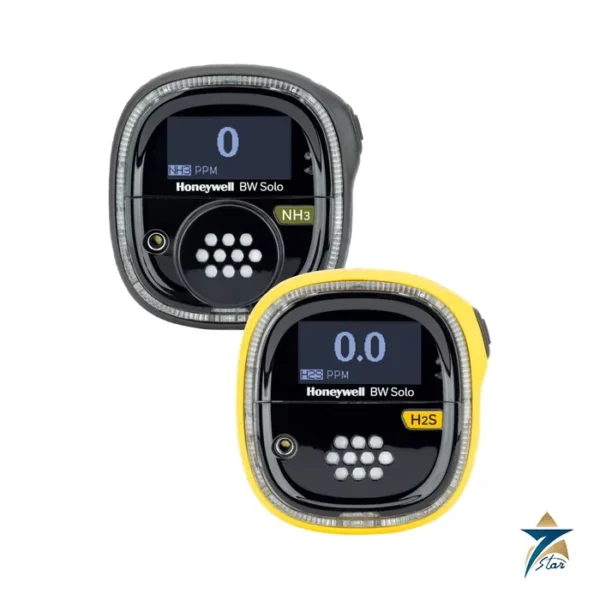
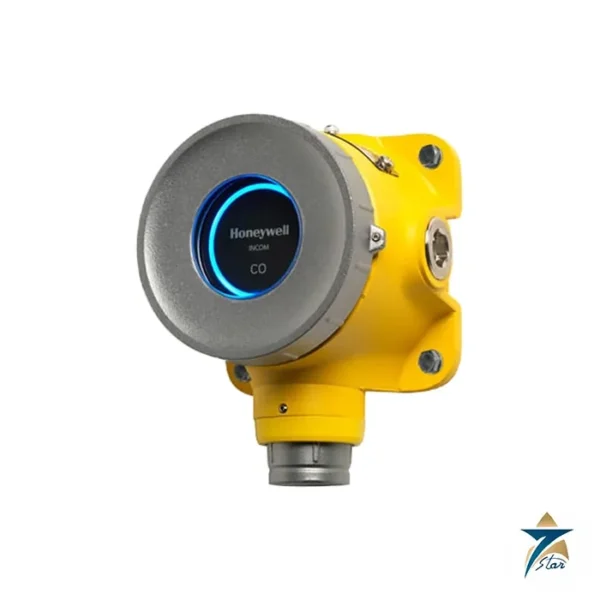
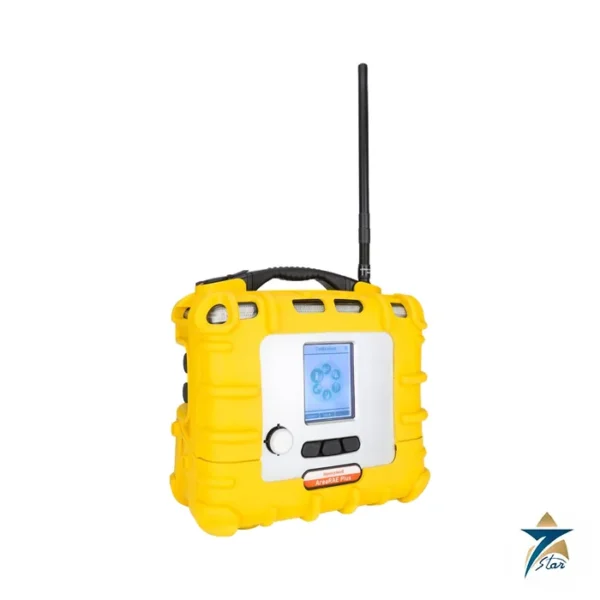
Seven Star LLC supplies models from the Honeywell Sensepoint Sensor range in Oman and the GCC. Compare the related models below and request a quote for the one that matches your application.




















Reviews
There are no reviews yet.