AUMA GSI part-turn gearbox for nuclear plant valves
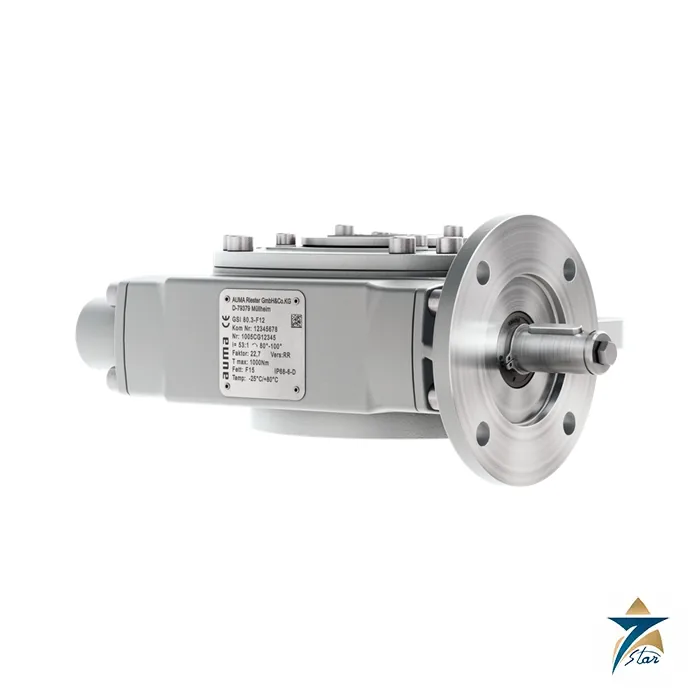
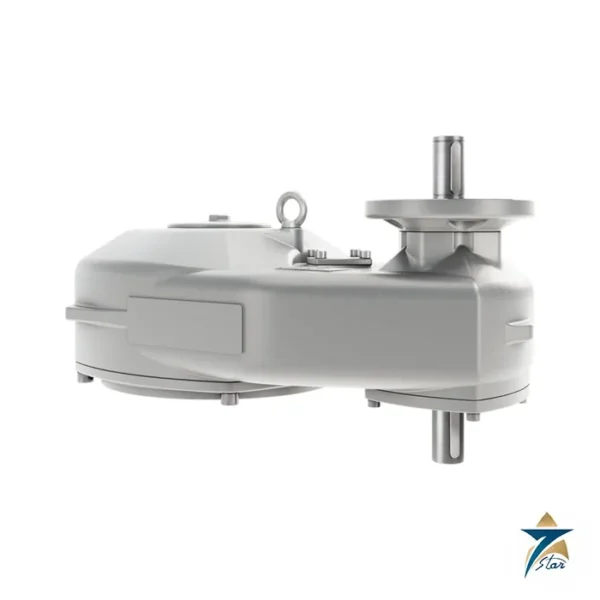
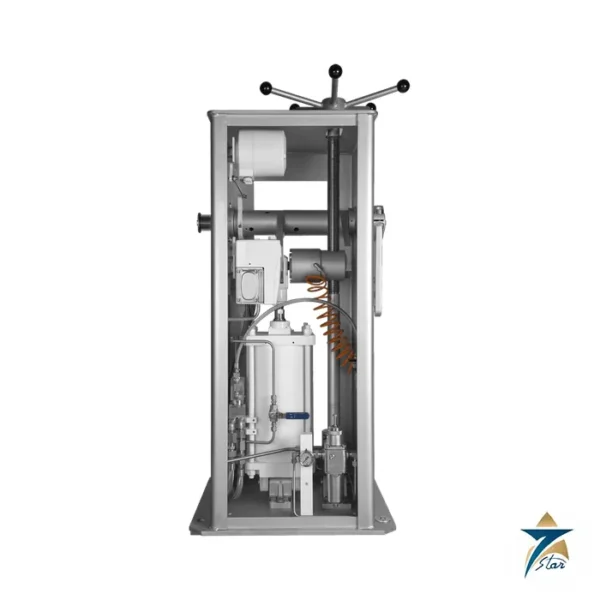
The AUMA GSI is a part-turn worm gearbox for operating quarter-turn valves in nuclear power plants, inside and outside containment. It covers a torque range of 500 Nm to 24,000 Nm and is used with an electric multi-turn actuator or with a handwheel alone. Seven Star LLC supplies AUMA products in Oman and the GCC as an independent supplier; this page explains the GSI and how to enquire for it.
GSI technical data
| Parameter |
Specification |
| Manufacturer / part number |
AUMA / GSI part-turn gearbox |
| Torque range |
500 Nm to 24,000 Nm |
| Duty |
Open-close duty; short-time duty S2 – 15 min |
| Operation modes |
Motor operation (electric multi-turn actuator) or manual with handwheel |
| Enclosure protection |
IP68 |
| Ambient temperature |
-25 °C to +80 °C |
| Accident conditions |
LOCA/DBE resistance, max. 185 °C for a short time |
| Standards listed |
IEEE 382-1996 and KTA 3504-1988 |
| Valve attachment |
DIN and ISO standards |
| Design features |
Sensitive adjustment of travelling nut; with or without primary reduction gearing |
| Combinations |
SAI/SARI or SAN/SARN actuators; manual operation without actuator |
Design of the GSI
A worm gearbox turns the rotation of the input into a slow, high-torque quarter-turn at the output. The GSI offers a sensitive adjustment of its travelling nut, which sets the end stops, and the manufacturer lists non-blocking end stops among the advantages. A version with a primary reduction gear is available for higher torque needs; the version without primary reduction suits lower requirements. The unit is described as light and compact, simple to install and easy to maintain.
Qualification of the GSI for nuclear use
The GSI is described as resistant to earthquake loading and to LOCA/DBE conditions for a short time up to 185 °C. IEEE 382-1996 and KTA 3504-1988 are given as reference standards. As for all nuclear equipment, the documentation delivered with an order is decisive, and the customer qualification file must be checked against the individual unit.
Combinations and related products
The GSI is combined with SAI/SARI and SAN/SARN multi-turn actuators, which are listed separately in our catalogue. Without an actuator, the handwheel allows manual operation of valves that are rarely moved. For non-nuclear industrial applications the GS part-turn worm gearbox family (GS 63.3 to GS 630.3) is the usual choice, and the GSTI is the multi-turn counterpart of the GSI for rising-stem valves.
Selection checklist for the GSI
- Valve torque for opening, closing and seating
- Containment location and qualification documents
- With or without primary reduction gearing
- Actuator combination or handwheel-only operation
- Valve flange and shaft dimensions per DIN or ISO
- Ambient temperature
- Duty cycle: short-time duty S2 – 15 min
Installation and maintenance of the GSI
Fit the gearbox to the valve with correct alignment of the valve shaft and the output bore, set the end stops through the travelling nut, and then mount the actuator or handwheel. Follow the plant procedures for torque values, lubrication and record keeping. The non-blocking end stops reduce the risk of the gearbox locking at the limit, which is easier on both the valve and the actuator.
GSI enquiries in Oman and the GCC
Nuclear applications are specialised and tied to project-specific quality requirements. A typical enquiry from the region would be a spares or documentation request for an existing nuclear or research installation, or specifications for a future project. Provide complete quality data with the enquiry so that availability and documents can be clarified.
Operating modes and duty of the GSI
As for the multi-turn GSTI, the GSI can be driven by an electric actuator or operated manually with a handwheel on its input. The duty rating is short-time duty S2 – 15 min for open-close service. The GSI is therefore a gearbox for valves that move occasionally, for example isolating dampers, containment isolation and test valves, not for continuous control duty.
The choice between the version with primary reduction gearing and the one without it affects the number of input turns for a complete valve stroke, the handwheel effort and the actuator size. A higher total ratio gives a lower handwheel force, but also a longer stroke time for a given actuator speed. State the required operating time with the enquiry so that the ratio can be matched.
Storage, handling and documentation for the GSI
Nuclear-class gearboxes should be stored dry and protected against damage to machined surfaces, with documentation records tied to the serial number. At receipt, check the nameplate data against the purchase order and confirm that the supplied documents match the required quality level. During outages, the maintenance team should refer to the same record when changing lubricant or inspecting seals.
Comparing GSI with the industrial GS gearbox range
The GS part-turn worm gearboxes sold for industrial plants share the same operating principle, but the GSI is specified for the nuclear environment, with the accident-condition and earthquake statements listed above. If the plant is a conventional power station or a process plant, the GS family from GS 63.3 to GS 630.3 is the right choice and avoids the nuclear documentation overhead. Do not specify a GSI where no nuclear requirement exists, as this adds cost and lead time without technical benefit.
Information to send with an RFQ
- Part number: GSI and torque required
- Nuclear quality class and inside or outside containment
- Valve type, size and torque
- Actuator model for combination
- Quantity and delivery location
Documents and quotation
Send the part number GSI, the application and the quantity, and Seven Star LLC will confirm which official documents are available for your configuration. Please do not rely on a general description alone: the order data, wiring diagram number and explosion-protection marking of the delivered unit are what count for engineering and commissioning.
Seven Star LLC is an independent supplier in Muscat serving customers across Oman and the GCC. Quotations are prepared against your enquiry data and are confirmed individually.
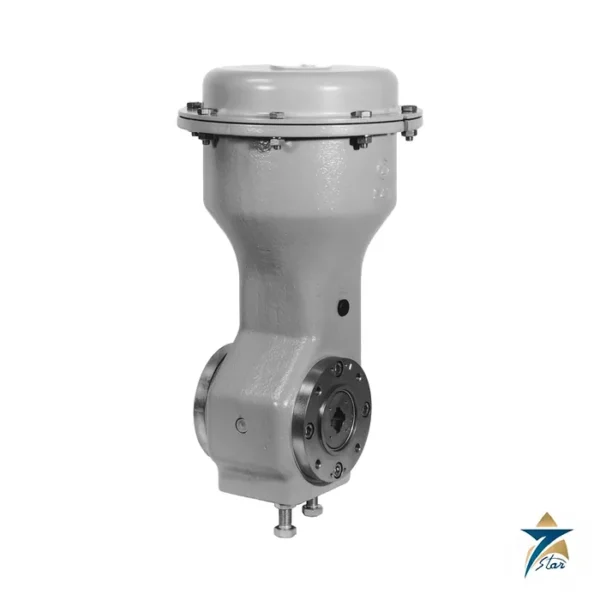
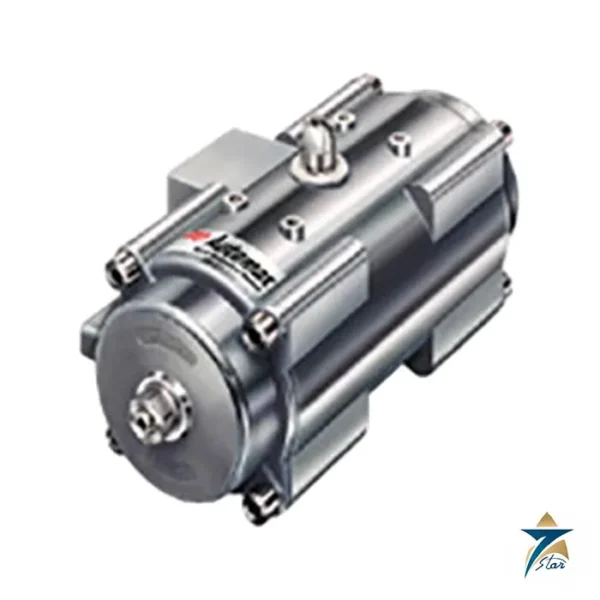
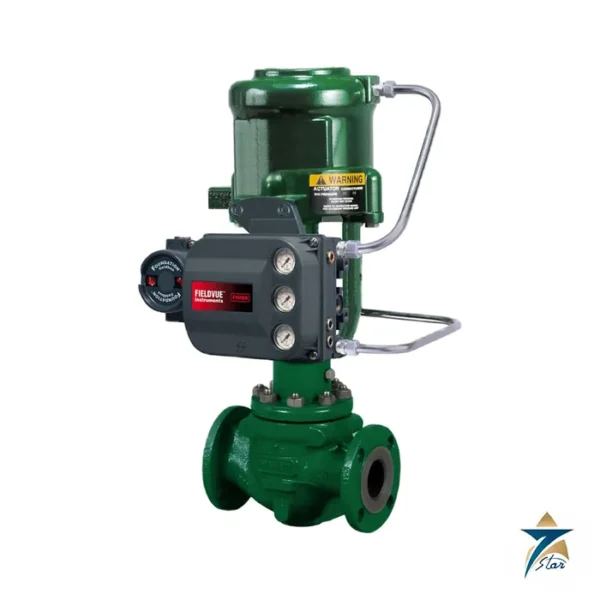
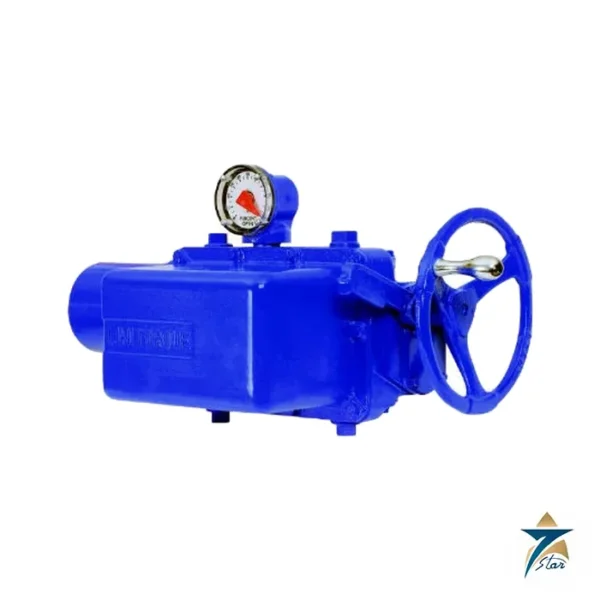
Other Models in the Auma Nuclear Gearbox Range
Seven Star LLC supplies models from the Auma Nuclear Gearbox range in Oman and the GCC. Compare the related models below and request a quote for the one that matches your application.


















Reviews
There are no reviews yet.