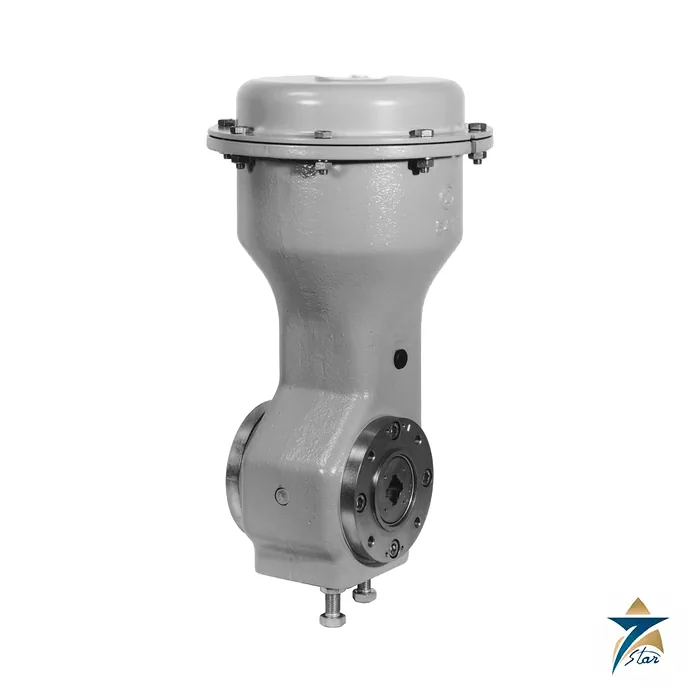
Samson Type 3278 pneumatic rotary actuator for butterfly valves
The Samson Type 3278 is a single-acting pneumatic diaphragm rotary actuator that turns a butterfly valve, damper or other rotary closure member through a maximum of 90°. It contains a rolling diaphragm and internal springs, so when the signal pressure fails the springs drive the valve to a defined safe position. Seven Star LLC supplies the Type 3278 in Oman and the GCC as an independent supplier in Muscat.
The actuator is built in two sizes, with an effective diaphragm area of 160 cm² or 320 cm², and it can be supplied with or without a handwheel. It is used for both on/off and throttling duty, so it can be combined with an electropneumatic positioner when proportional control is required.
Reading the model description
There is no extended ordering code. The type number 3278 identifies the rotary diaphragm actuator; the buyer then states the actuator area (160 or 320 cm²), the signal pressure range, the direction of action (fail-open or fail-close), the handwheel option and the accessories. The actuator area and spring set together determine how much torque the drive can deliver.
Type 3278 technical specifications
| Parameter |
Specification |
| Manufacturer / part number |
Samson / Type 3278 Pneumatic Rotary Actuator |
| Principle |
Single-acting, rolling diaphragm with internal springs |
| Opening angle |
Maximum 90° |
| Actuator area |
160 cm² or 320 cm² |
| Permissible signal pressure |
6 bar |
| Springs |
3 springs; 7 signal pressure ranges through different spring combinations |
| Signal pressure ranges |
0.4 to 0.8, 0.5 to 1.0, 0.8 to 1.6, 0.9 to 1.8, 1.2 to 2.4, 1.3 to 2.6 and 1.7 to 3.4 bar (some are special bench ranges) |
| Permissible temperature |
–35 to +90 °C in continuous operation |
| Valve connection |
Flanges to DIN ISO 5211 (F07 for 160 cm², F12 for 320 cm²); hollow shaft with four keyways offset by 90° |
| Housing |
EN-JS1049 with powder coating |
| Rolling diaphragm |
NBR with polyester fabric reinforcement |
| Diaphragm plate / stem |
Zinc-plated sheet steel / St 37 zinc plated |
| Springs material |
55 Si Cr 6 |
| Approximate weight |
16 kg (160 cm²), 50 kg (320 cm²) |
| Travel limits |
Two externally adjustable stop screws |
How the 3278 rotary actuator works
Signal air acts on the diaphragm and produces a force that is opposed by the springs. The resulting linear movement of the actuator stem is transferred to a lever system that converts it into rotation of the actuator shaft. The stem position is proportional to the signal pressure, which is why the same drive can be used for throttling with a positioner. The number of springs and their preload define the signal pressure range and the usable torque.
Two stop screws that can be reached from outside limit the lower and upper opening angle without dismantling the actuator. The housing carries two connection flanges, and the valve can be mounted on either one. Which flange is used, together with the direction in which the springs were fitted, decides whether the spring force closes or opens the valve when air is lost.
Fail-close and fail-open
For fail-close action the springs shut the mounted valve when the diaphragm pressure drops or the supply air or control signal is lost. For fail-open action the same loss of signal opens it. The direction of action can be selected as required and no special tools are needed to mount or convert the actuator.
Torque data for the Type 3278 actuator
Output torque depends on the signal pressure, spring combination and opening angle. The table shows usable air-driving torque at 6 bar for the narrowest and widest standard spring sets, taken from the datasheet.
| Signal pressure range, torque at 90° |
160 cm² actuator |
320 cm² actuator |
| 0.4 to 0.8 bar (3 springs) |
129 Nm |
432 Nm |
| 0.8 to 1.6 bar (1 spring) |
109 Nm |
367 Nm |
| 1.7 to 3.4 bar (3 springs) |
62 Nm |
213 Nm |
Spring-driving torque, the force available to move the valve to its safe position, is listed separately. At 90° with the 1.7 to 3.4 bar range it is 89 Nm for the 160 cm² actuator and 286 Nm for the 320 cm² actuator, and at 90° with the 0.4 to 0.8 bar range it is 21 Nm and 67 Nm respectively. When sizing, compare the valve breakaway and running torques against the air torque for opening and the spring torque for the safe-position stroke, including safety margin.
Where the 3278 fits and related Samson drives
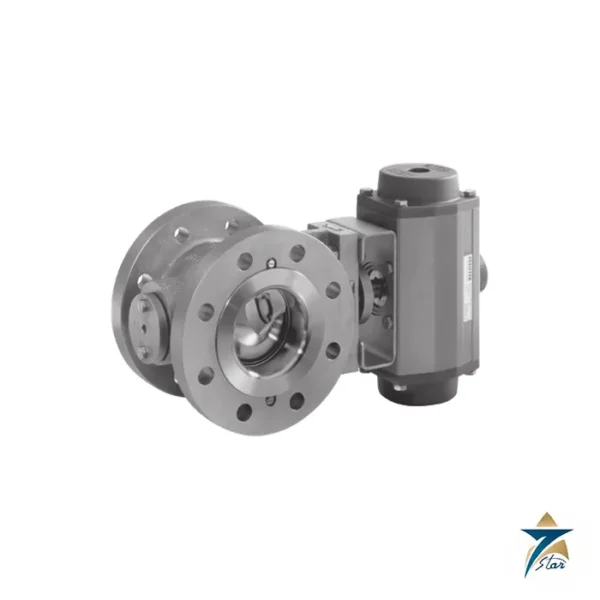
The Type 3278 is intended for butterfly valves and similar rotary valves. The datasheet notes a standard hollow-shaft version for the Samson Type 3331 butterfly valve. The ISO 5211 flange and shaft pattern also allows other rotary valves with matching dimensions to be coupled.
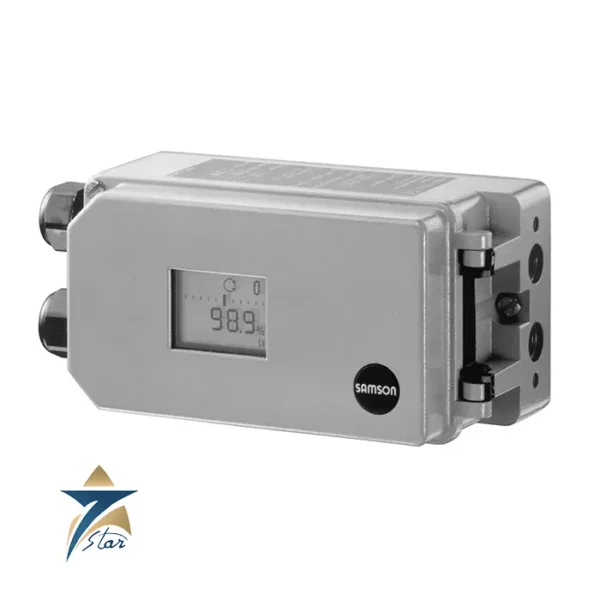
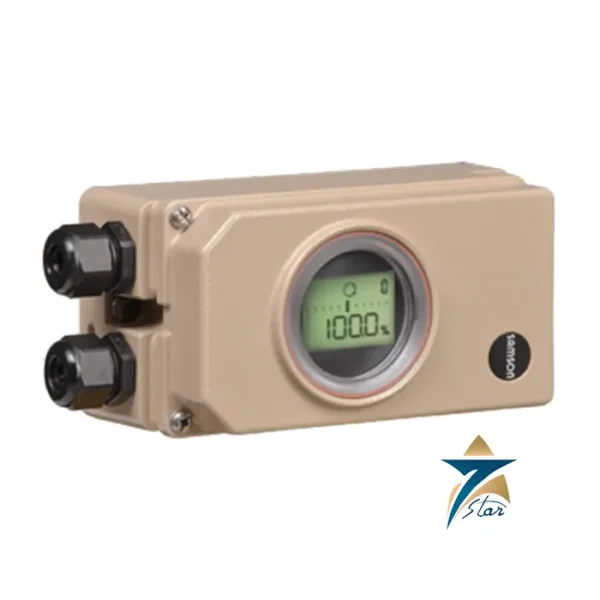
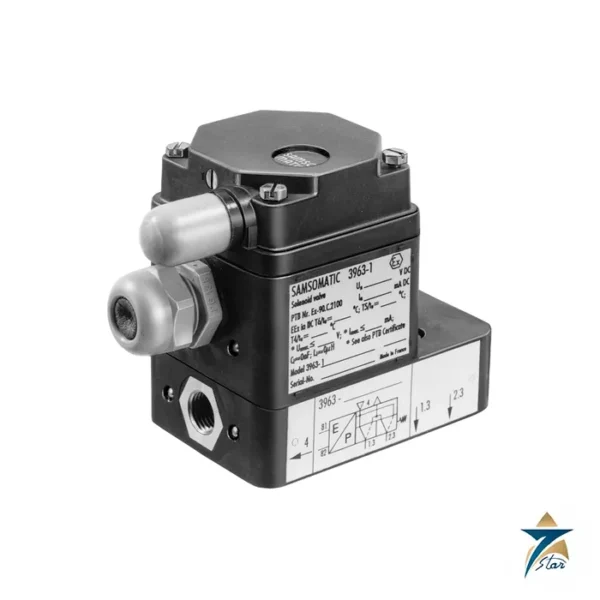
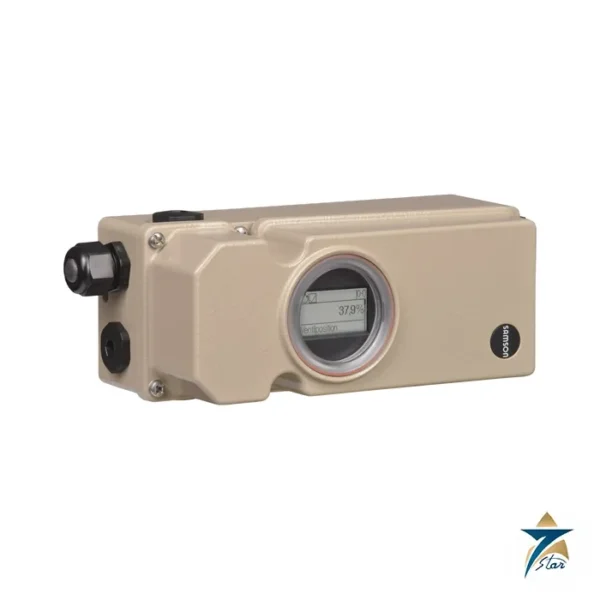
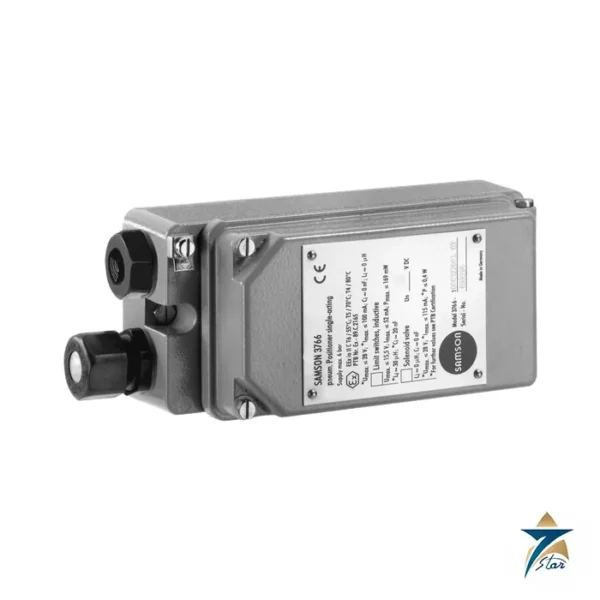
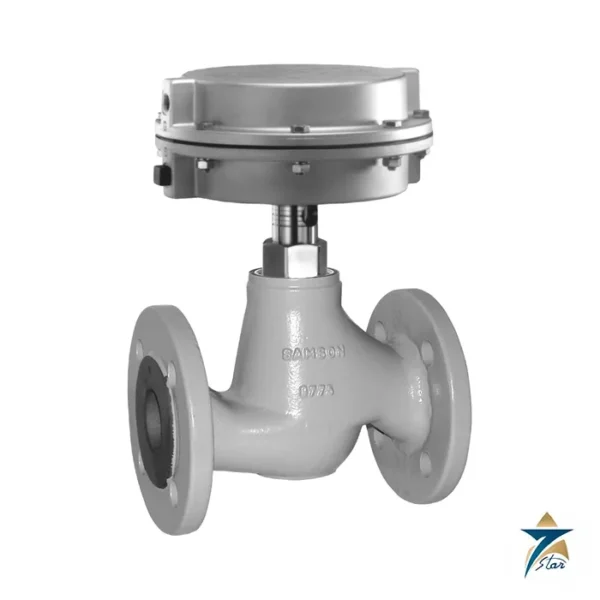
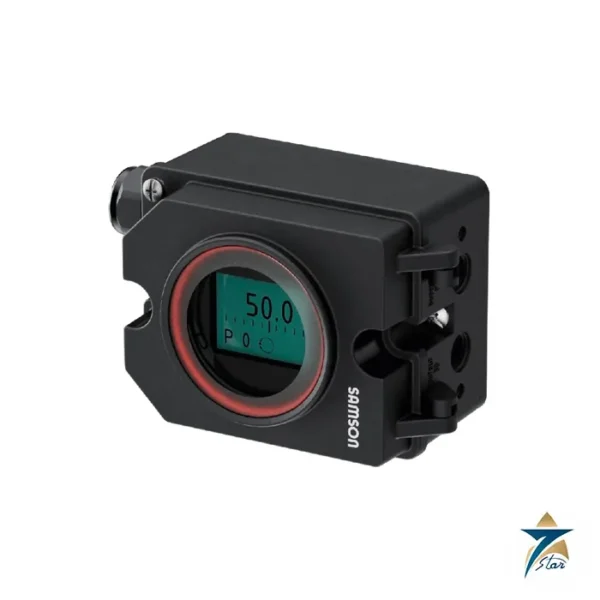
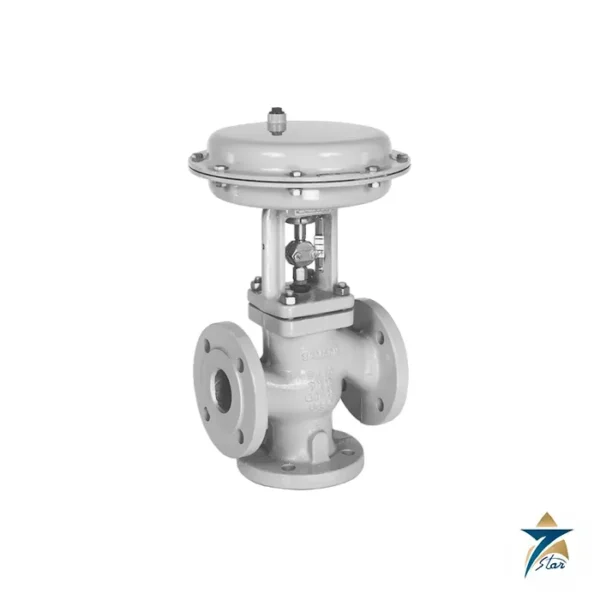
For linear-stem control valves a different drive is used, such as Samson Type 3271 or 3277 diaphragm actuators. Where a lever and linkage are needed to drive a butterfly valve or louver from a linear actuator, the Samson Type 3204 pneumatic actuator with rotary lever is the related option. Attachment of pneumatic or electropneumatic positioners, limit switches and solenoid valves is possible on the 3278.
Selection checklist for Type 3278
- Calculate valve torque at opening, running and closing, then add a margin.
- Pick the actuator area (160 or 320 cm²) whose air and spring torque both cover the required values at the available supply pressure.
- Choose the spring combination that matches the control signal range, remembering that some bench ranges are special.
- Decide fail-open or fail-close and mount the valve on the corresponding flange.
- Confirm the valve flange (F07 or F12) and shaft diameter fit the actuator.
- Specify handwheel if manual override is needed.
- Select positioner, limit switches or solenoid valve for the control scheme.
Installation, commissioning and maintenance
Mount the actuator on the correct flange before coupling the shaft, and set the stop screws only when the valve position has been confirmed. Check that the supply air is clean, dry and regulated below the 6 bar limit; the diaphragm is an NBR part, so oil-contaminated air from poorly maintained compressors should be avoided. Keep the vent plug clear so the spring chamber can breathe.
Maintenance mainly concerns the rolling diaphragm and the stem seals. Plan a spare diaphragm and a set of stop-screw seals for critical valves, and stroke the actuator periodically to confirm that it reaches both stops. The datasheet states that no special tools are needed for mounting and conversion.
Typical applications in Oman and the GCC
Rotary diaphragm actuators of this type operate butterfly valves in cooling water, seawater intake, fire-water, fuel-gas and air-handling lines. In Oman and the GCC, the continuous temperature limit of +90 °C is usually adequate for outdoor air-actuated service, but actuators exposed to direct summer sun on dark piping should be checked for surface temperature. Dust and humidity make a clean, dry instrument-air supply and sealed accessory connections important.
Information to send with an RFQ
- Valve type, size, flange and shaft details, quantity
- Required torque at open, running and close, plus differential pressure
- Supply pressure and control signal range
- Fail-open or fail-close, handwheel yes/no
- Positioner, limit switch and solenoid valve requirements
- Ambient temperature and area classification
Documents and quotation
A datasheet for the Samson Type 3278 is attached on this page, including the torque tables for both actuator sizes.
Send us the part number 3278 with the actuator area, signal range and fail-safe action, and Seven Star LLC will prepare a quotation for Oman and the GCC. We are an independent supplier, not a Samson representative.




















Reviews
There are no reviews yet.