- Automation & ControlView all 3,077 products
- Automation Accessories
- AC Drives
- PLC & I/O Cards
- Industrial Communications
- Vibration Monitoring
- Isolator & Barrier
- Controllers & Data Acquisition
- Safety Switches & Guard Locking
- Motor Soft Starters
- Encoders
- CCTV & Security
- Pneumatic Cylinders
- HMI Displays
- Servo Drives
- Industrial Computers
- Machine Vision
- Automation Software
- Robotics
Brand: Rosemount
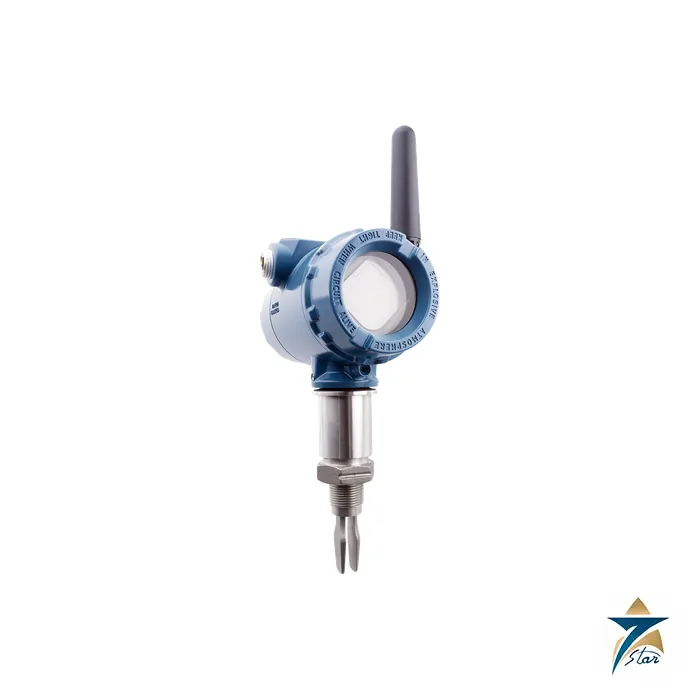
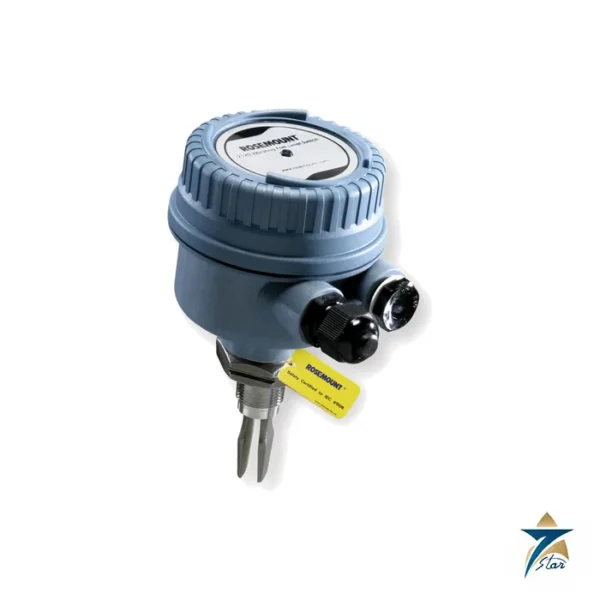
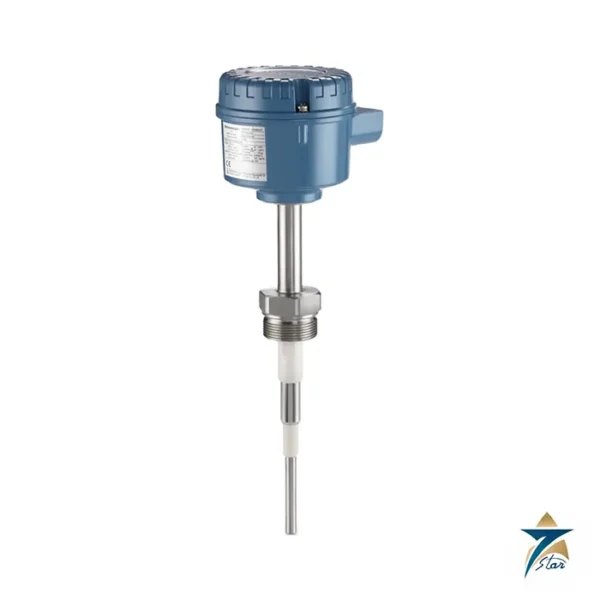
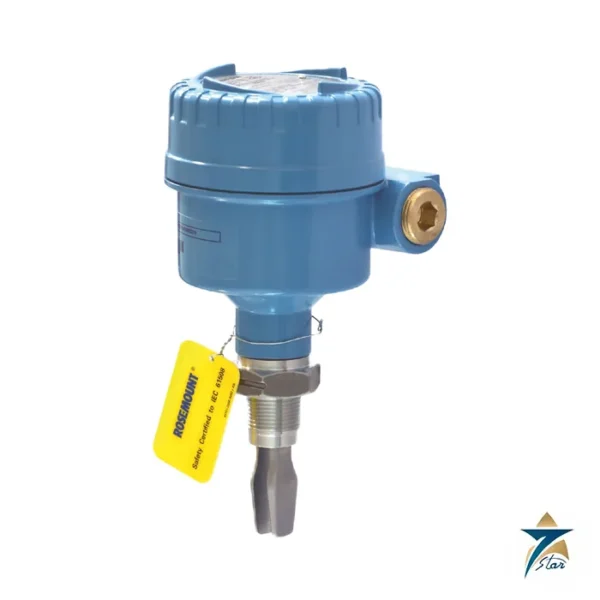
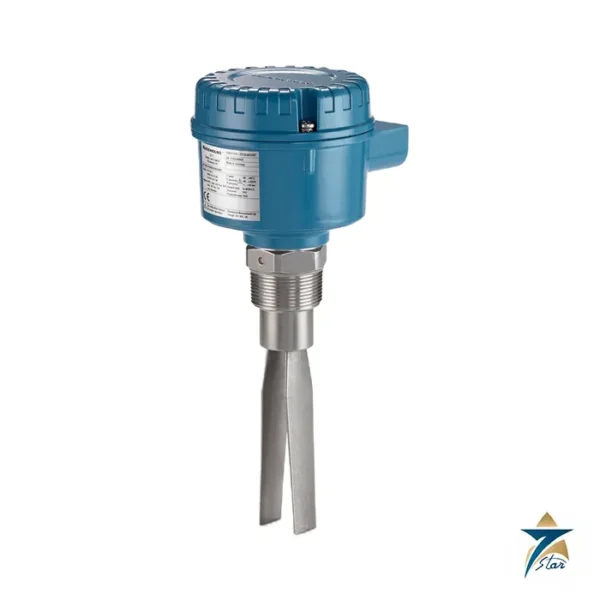
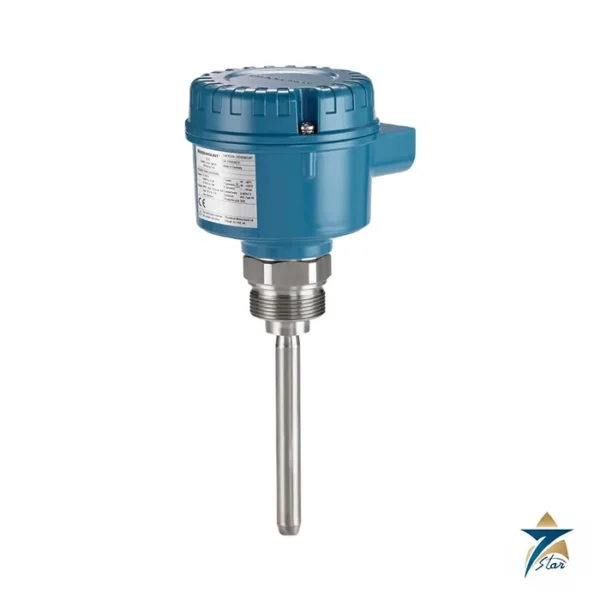
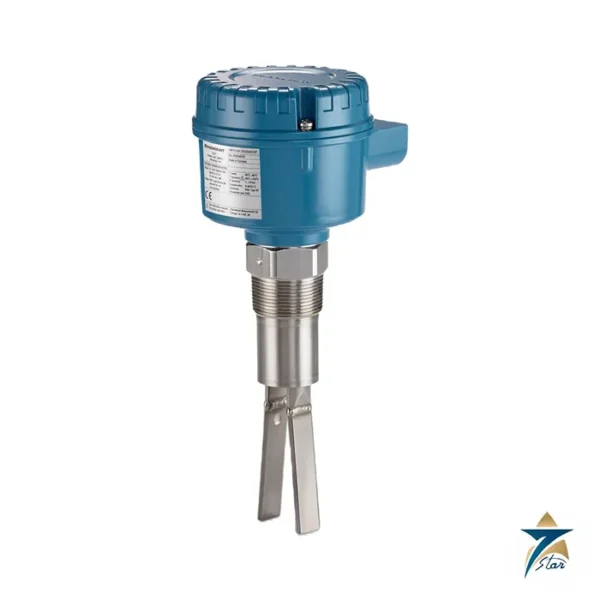
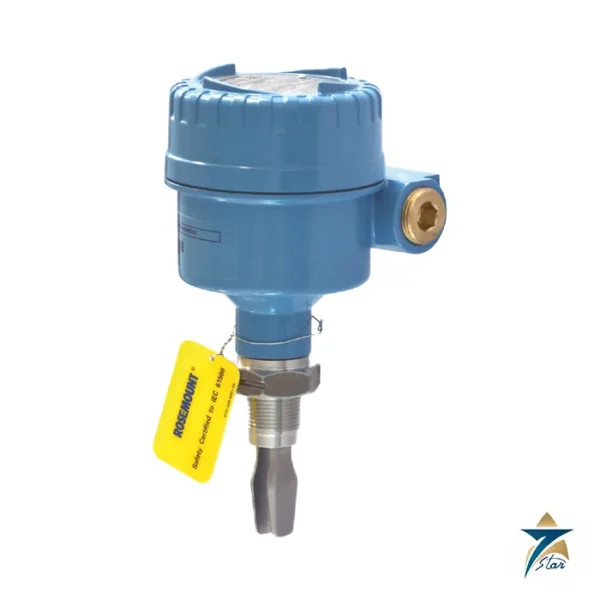
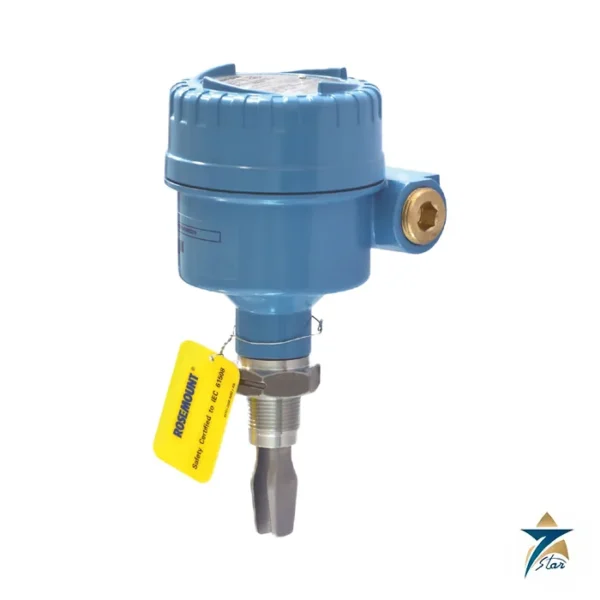
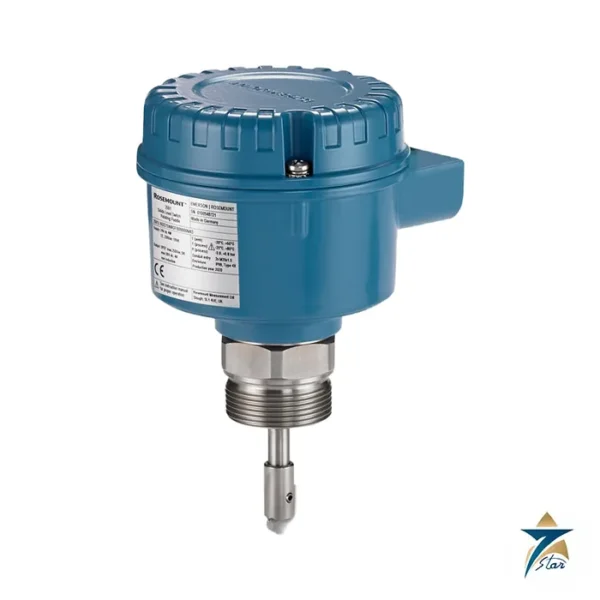
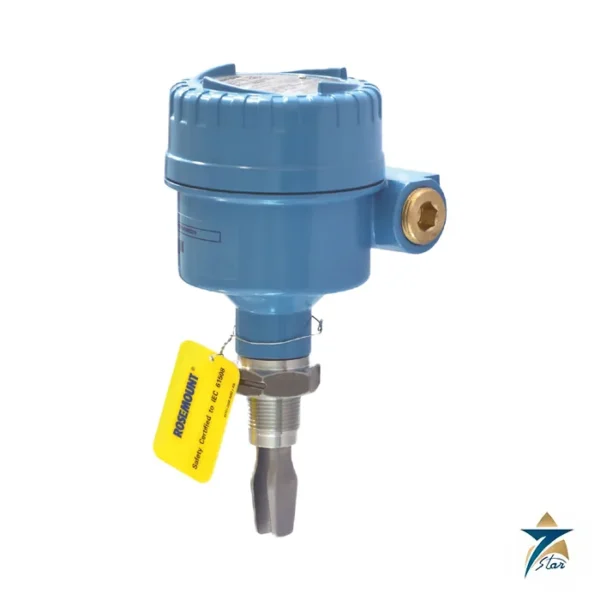
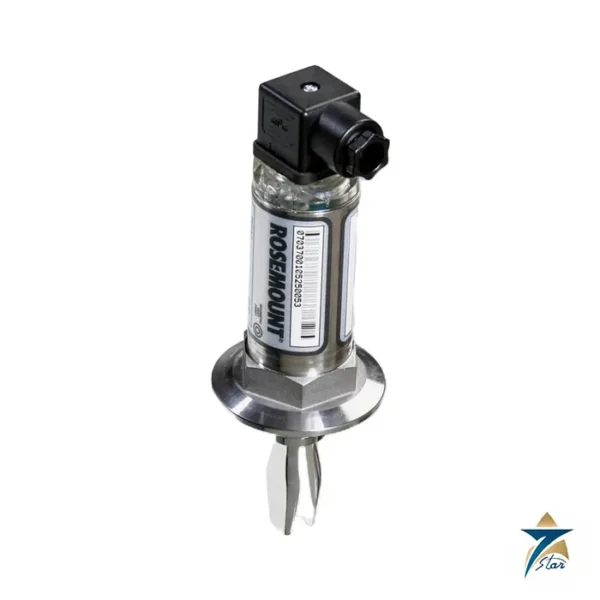
Rosemount 2160 Wireless Vibrating Fork Level Detector
Description
Overview
The Rosemount 2160 is the wireless member of Emerson’s vibrating fork level switch family. The product data sheet calls it the world’s first WirelessHART level detector, providing reliable point level detection in liquids without any signal or power cabling. Because the Rosemount 2160 runs on a replaceable power module and reports over a self-organising IEC 62591 network, it brings high and low level alarms, pump protection and overfill detection to tanks and pipes that were previously too remote or too expensive to wire.
Seven Star LLC supplies the Rosemount 2160 to oil and gas operators, refineries, terminals, utilities and chemical plants in Oman and the GCC, from our office in Muscat. For brownfield sites in the interior concession areas, along export pipelines and at coastal tank farms, a wireless fork can add an independent level alarm in days rather than the weeks needed for trenching, cable trays and new marshalling.
Measurement Principle
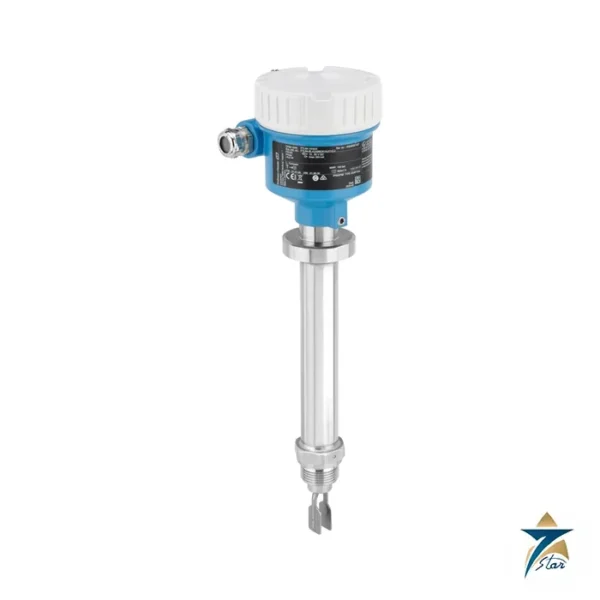
Emerson explains that the Rosemount 2160 works on the tuning fork principle. A piezo-electric crystal oscillates the forks at their natural frequency, and the electronics continuously monitor that frequency, which varies with the liquid in which the forks are immersed: the denser the liquid, the lower the frequency. When the liquid drains past the forks a distinct frequency change is detected and a dry condition is indicated; when the liquid rises and covers the forks another distinct change is detected and a wet condition is reported.
The wet and dry state, together with other parameters, is transmitted at regular intervals over a secure, encrypted wireless link to a gateway. The data sheet states that the sensor is virtually unaffected by turbulence, foam, vibration, solids content, coating products or liquid properties, and that it needs no calibration. As general engineering context, a fork has no moving mechanical parts such as a float arm or hinge, so there is nothing to stick in waxy crude or seize in scaling water, and the built-in diagnostics can detect internal and external damage, coating, blockage and extreme corrosion of the forks.
Engineering Design of the Rosemount 2160
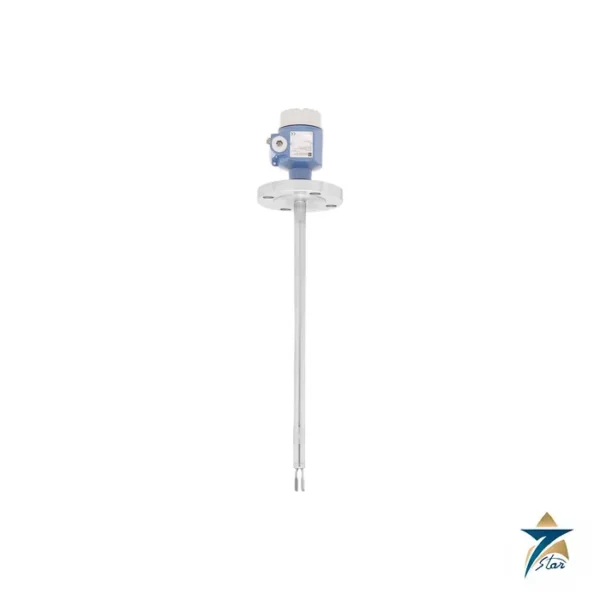
The Rosemount 2160 electronics housing is made of stainless steel or low-copper aluminium with polyurethane paint, rated NEMA 4X and IP66. An omni-directional PBT/PC antenna is integrated in the housing, which can be rotated to align both the forks and the antenna for the best signal and display position. Power comes from a replaceable, intrinsically safe lithium-thionyl chloride module, available as the standard Black Power Module or the extended-life Blue Power Module; the data sheet gives a ten-year life at a one-minute update rate under reference conditions.
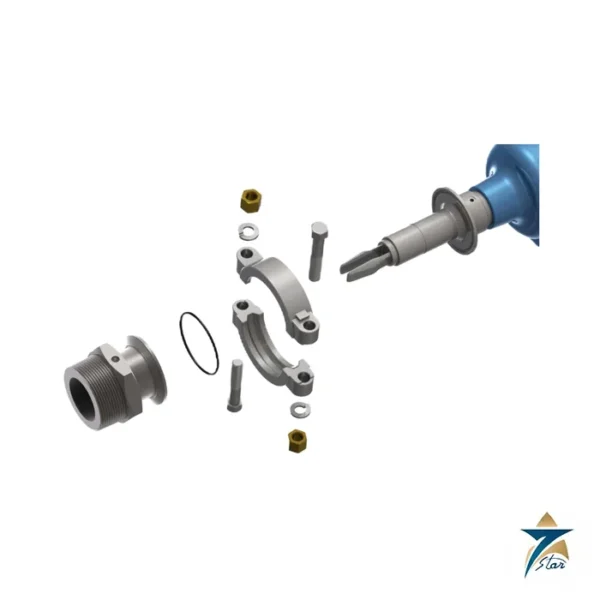
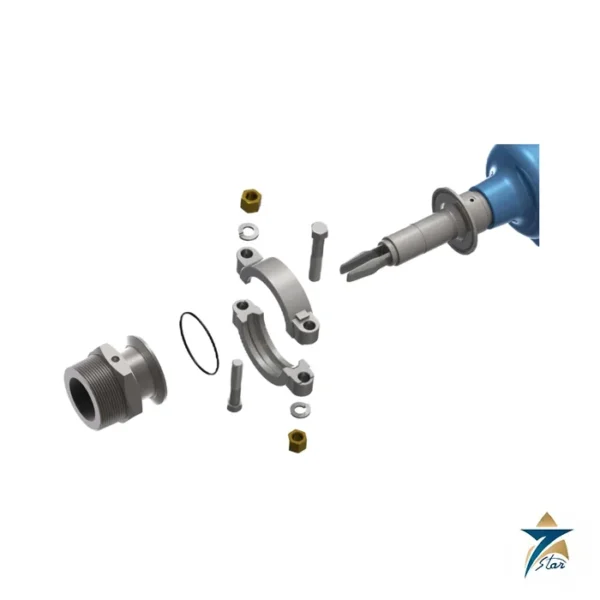
Wetted parts are 316/316L stainless steel, with Alloy C and Alloy C-276 options for flanged and selected threaded connections, and threaded, Tri Clamp and flanged process connections are offered. Forks can be extended up to 3000 mm. A mid-range temperature version covers -40 to 180 °C, while the high temperature version covers -70 to 260 °C using a stainless steel thermal tube. The wireless update rate is user-selectable from one second to sixty minutes, and an optional five-digit LCD shows wet/dry status, electronics temperature, frequency, supply voltage and diagnostics.
Key Features
The Rosemount 2160 data sheet highlights the following capabilities.
- WirelessHART communication removes the cost and complexity of wiring for point level detection.
- Vibrating fork sensing is virtually unaffected by turbulence, foam, vibration, solids or coating products.
- Process temperature capability from -70 to 260 °C covers cryogenic to hot oil applications.
- TUV testing and approval for overfill protection to DiBt/WHG supports critical alarm duties.
- Built-in diagnostics continuously check electronic and mechanical health, including fork damage, coating and corrosion.
- A software-adjustable switching delay from 0 to 3600 seconds prevents false switching in splashing tanks.
- A fast-drip fork design gives quicker wet-to-dry response, especially in viscous liquids.
- The replaceable power module offers up to ten years of life at a one-minute update rate.
Industrial Applications
Emerson lists overfill prevention as one of several layers of protection, high and low level point alarms as a backup to a primary level device, and pump control or limit detection in batch tanks with stirrers and agitators as typical applications for the Rosemount 2160. In Omani oil fields this translates into high-level alarms on produced water tanks and test separators, low-level pump protection on transfer pumps, and leak detection in sumps and bunded areas at remote well pads. At coastal terminals and refineries near Sohar and Duqm, the device can add a wireless high-high alarm to storage tanks during upgrades without hot work on cable routes.
Seven Star LLC supplies the Rosemount 2160 throughout the Sultanate of Oman and the GCC, and can combine it with related Rosemount equipment on a project: the wired Rosemount 2120 vibrating fork level switch and Rosemount 2140 level detector for hard-wired safety loops, and the Rosemount 702 wireless discrete transmitter for other on/off signals on the same WirelessHART network.
Technical Specifications
The values below for the Rosemount 2160 are taken from Emerson product data sheet 00813-0100-4160.
| Parameter | Specification |
|---|---|
| Model | Rosemount 2160 Wireless Level Detector, vibrating fork |
| Application | Point level detection in liquids, including coating and aerated liquids and slurries |
| Output | IEC 62591 (WirelessHART), 2.4 GHz DSSS, max. 10 mW EIRP |
| Update rate | User-selectable, one second to sixty minutes |
| Power module | Replaceable intrinsically safe lithium-thionyl chloride; ten-year life at one-minute update rate |
| Process temperature | -40 to 180 °C (mid-range version); -70 to 260 °C (high temperature version) |
| Maximum pressure | Up to 100 barg depending on temperature and connection; hygienic connection 30 barg |
| Wetted materials | 316/316L stainless steel; Alloy C and Alloy C-276 options |
| Process connections | Threaded, Tri Clamp and flanged |
| Extended fork length | Up to 3000 mm |
| Hysteresis (water) | 2.5 mm |
| Switching point (water) | 13 mm from fork tip (vertical mounting) |
| Minimum liquid density | 500 kg/m³ |
| Viscosity range | 0.2 to 10000 cP |
| Output delay | 0 to 3600 s, default 1 s |
| Housing | Stainless steel or low-copper aluminium, NEMA 4X and IP66 |
How to Order
To specify the Rosemount 2160, send Seven Star LLC an RFQ with the liquid, process temperature and pressure, connection type, fork length, hazardous-area certification and power module choice. The Emerson product data sheet is available from the download section of this page. Seven Star LLC supplies Rosemount level instruments from Muscat to customers across Oman and the GCC, with sourcing and model selection support for wireless network planning and commissioning.
See also: Rosemount 5408 Non-Contacting Radar Level Transmitter; Rosemount 5400 Two-Wire Non-Contacting Radar Level Transmitter; Rosemount 5900C Radar Level Gauge for Bulk Liquid Tanks; Rosemount 02120-7000-0003 2120 NAMUR Cassette; Rosemount 08712-0060-0001 Coil Drive Cable 14 AWG.
Datasheets & Documents
- Datasheet Emerson Rosemount 2160 Wireless Level Detector Product Data Sheet (00813-0100-4160) Download
Reviews (0)
How would you rate this product? Cancel reply
About brand
Rosemount is Emerson's brand for pressure, temperature, level and flow measurement, best known for the 3051 pressure transmitter. Frank Werner, Robert Keppel and Vernon Heath founded it in Minnesota in 1956 as Rosemount Engineering Company, first making temperature sensors for aerospace. It moved into the process industries, took the name Rosemount Inc. in 1966, and has been part of Emerson since 1976.
Seven Star LLC is an independent supplier in Muscat. We list Rosemount transmitters, level instruments, flowmeters and analytical sensors, and supply them and their spares to oil and gas, power, water and process plants in Oman and the GCC by model code.
Rosemount company profile
Established1956, Minnesota, USA, as Rosemount Engineering Company
FoundersFrank D. Werner, Robert E. Keppel and Vernon H. Heath
OwnershipAcquired by Emerson in 1976; now an Emerson brand
Product familiesPressure, DP flow and level transmitters, temperature sensors and transmitters, radar and guided wave radar level, vibrating fork switches, tank gauging, magnetic, vortex and ultrasonic flowmeters, liquid analysis sensors and wireless instruments
Milestones
1956: Robert Keppel, Vernon Heath and Frank Werner incorporate Rosemount Engineering Company in Minnesota; early work is aerospace sensors.
1969: The Rosemount 1151 analog pressure transmitter is introduced.
1976: Emerson acquires Rosemount.
1989: The Rosemount 3051 pressure transmitter, built on digital technology, is launched.
2001: The 3051S generation follows.
Rosemount products we list
FamilyModelsTypical use
Pressure transmitters3051, 3051C coplanar, 3051T in-line, 3051S, 3051S series, 3051SMV multivariable, 2051, 2088, 1199 diaphragm sealsPressure, differential pressure and remote seal measurement
DP flow and DP level3051CF flowmeter, 3051L, 3051SALFlow through primary elements, and level in pressurised vessels
Temperature644, 248, 3144P, 848T, 648 wireless, 214C RTD sensor, 2240S multi-inputProcess temperature, high-density multipoint and tank temperature
Radar and level5408, 5400, 5300 GWR, 3300 GWR, 3308A wireless, 5900S, 5900C tank gaugesLevel in tanks, separators and custody transfer tank gauging
Level switches2120, 2140, 2160 wireless, 702 discrete transmitterHigh and low level alarms, overfill protection and pump protection
Flowmeters8700 magnetic, 8800D vortex, SeniorSonic 3414, 3415/3416, 3417, JuniorSonic 3411/3412, 3814 liquidWater, steam and gas flow, and fiscal gas and liquid metering
Liquid analysis396P TUpH, 396PVP, 499ACL chlorine sensorpH, ORP and free chlorine in water and process streams
Many Rosemount transmitters share one platform, so the model code tells you what you have. On a 3051, the letter after the number sets the type: C for coplanar (differential or gauge), T for in-line, L for liquid level and CF for a complete flowmeter. The next characters set the measurement type, the range code, the output (4-20 mA HART, FOUNDATION Fieldbus or WirelessHART) and the wetted materials. A transmitter with the wrong range code may work, but with poor accuracy at the point that matters.
Where Rosemount instruments are used
In Oman and the GCC, Rosemount instruments are used across upstream oil and gas, gas plants and LNG, refineries, tank farms and terminals, power and desalination stations, and water networks. Ultrasonic gas meters and tank gauges are used for fiscal and custody transfer measurement.
Ordering Rosemount instruments: what we need
Send the full model code from the nameplate (for example 3051CD2A22A1AM5B4) and the tag if it is a replacement. For a new instrument, send the measuring range, process connection, wetted materials, output protocol and hazardous area approval.
Facts checked against Emerson's Rosemount history and published company histories, October 2026.
Browse Rosemount products by category: Pressure Instrumentation, Temperature Instrumentation, Level Transmitter, Liquid Analysis Sensors, Flowmeters.
FAQ
Questions about the Rosemount 2160 Wireless Vibrating Fork Level
Answers from our engineering team on installation, compatibility and integration.
01How does the Rosemount 2160 communicate?
The Rosemount 2160 transmits its wet or dry state and diagnostic variables over IEC 62591 WirelessHART at 2.4 GHz to a wireless gateway, with a user-selectable update rate from one second to sixty minutes.
02How long does the Rosemount 2160 power module last?
Emerson specifies a ten-year power module life at a one-minute update rate under reference conditions. Standard Black and extended-life Blue power modules are available.
03What temperatures can the Rosemount 2160 handle?
The mid-range version operates at process temperatures of -40 to 180 degrees Celsius, and the high temperature version from -70 to 260 degrees Celsius using a stainless steel thermal tube.
04Is the Rosemount 2160 suitable for overfill protection?
Yes. The data sheet states it is TUV tested and approved for overfill protection according to DiBt/WHG and can be used as one of multiple layers of protection, supported by continuous fork diagnostics.
05Does Seven Star LLC supply the Rosemount 2160 in Oman?
Yes. Seven Star LLC supplies the Rosemount 2160 from Muscat to oil and gas, utility and industrial customers in Oman and the GCC, with sourcing and model selection support.


Reviews
There are no reviews yet.