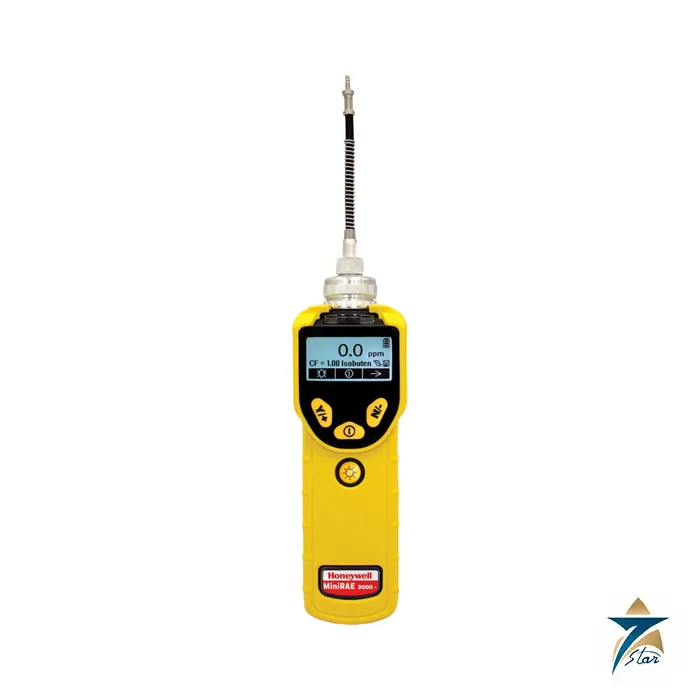
MiniRAE 3000 portable PID monitor for VOC detection
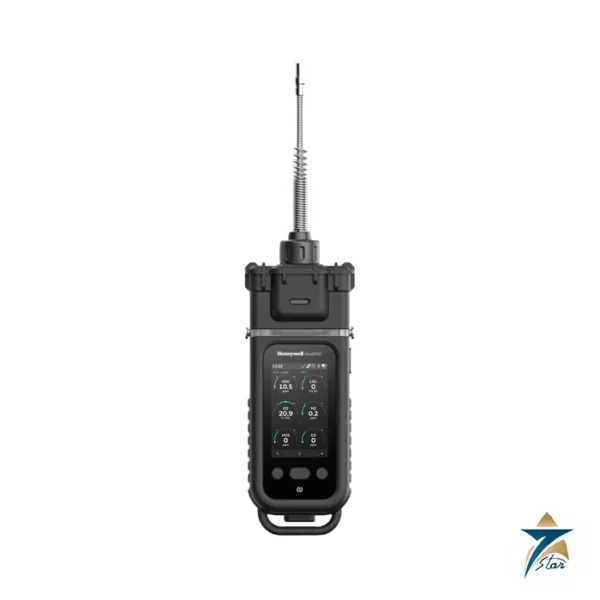
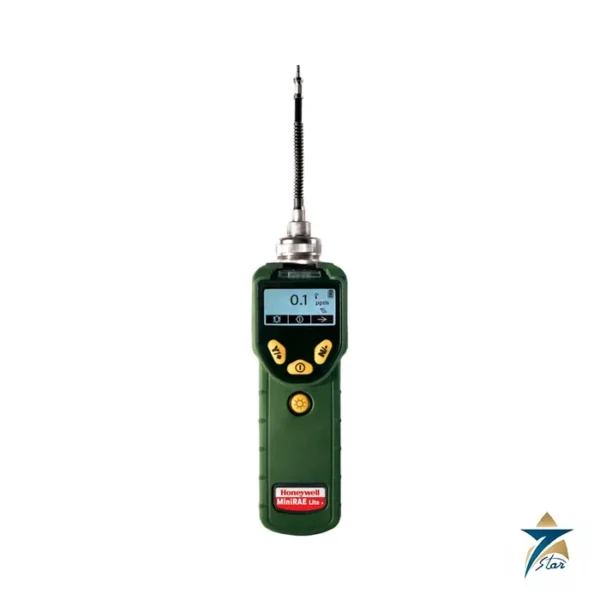
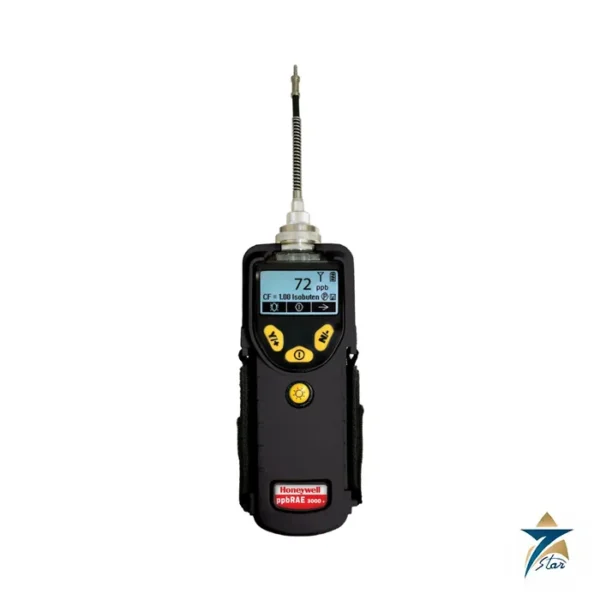
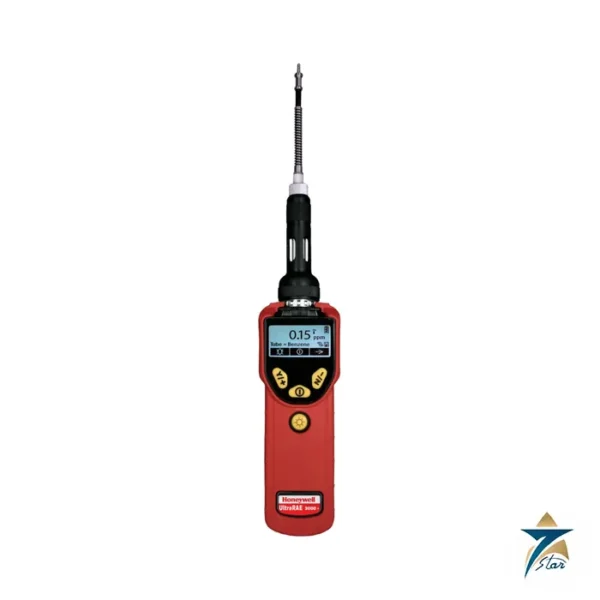
The Honeywell MiniRAE 3000 is a handheld photoionization detector (PID) used to measure volatile organic compounds in air, from low ppm traces up to 15,000 ppm. Honeywell publishes the datasheet under the name MiniRAE 3000 +, and the monitor body carries model number PGM-7320. Seven Star LLC supplies this monitor in Oman and the GCC as an independent supplier in Muscat, and this page explains what the instrument measures, how it is built and what to confirm before ordering.
A PID reads total ionizable vapor rather than one named gas, which makes it a screening tool: leak surveys, confined-space entry checks, fence-line sweeps and clearance measurements after a spill. The unit is a pocket-sized instrument with a built-in sampling pump, a graphic display and an integrated flashlight, and it logs readings for later download.
How the MiniRAE 3000 PID measures VOCs
Inside the sensor, an ultraviolet lamp ionizes any molecule whose ionization energy is below the lamp energy. The resulting ions generate a tiny current that the electronics convert into a concentration. The standard lamp is 10.6 eV, with 9.8 eV and 11.7 eV lamps listed as options. A lower-energy lamp is more selective, while a higher-energy lamp reaches compounds that a 10.6 eV lamp cannot ionize.
Honeywell describes the sensor as third-generation PID technology with its Reflex PID feature. Built-in humidity and temperature sensors support humidity compensation, which matters in coastal air where moisture can otherwise depress a PID reading. The internal pump draws the sample at about 500 cc/min and will shut off automatically on a low-flow condition, and the instrument raises a diagnostic alarm and message for low battery and pump stall.
Technical specifications of the MiniRAE 3000
| Parameter |
Specification |
| Manufacturer / part number |
Honeywell (RAE Systems) / MiniRAE 3000 (datasheet title MiniRAE 3000 +, monitor model PGM-7320) |
| Detection principle |
Photoionization detector with 10.6 eV lamp as standard; 9.8 eV or 11.7 eV lamp optional |
| Measuring range |
0 to 999.9 ppm at 0.1 ppm resolution; 1,000 to 15,000 ppm at 1 ppm resolution |
| Response time (T90) |
Less than 3 seconds |
| Sampling pump |
Internal, about 500 cc/min; sampling from up to 100 ft (30 m) horizontally or vertically; auto shut-off on low flow |
| Display |
Graphic, 4 lines, 28 x 43 mm, LED backlight; readings, STEL, TWA, peak, battery voltage, date, time and temperature |
| Alarms |
95 dB at 30 cm buzzer plus flashing red LED; latching with manual override or automatic reset |
| Battery run time |
16 hours (12 hours with alkaline battery adapter); rechargeable Li-ion pack, field replaceable |
| Datalogging |
6 months at one-minute intervals as standard |
| Ingress protection |
IP-67 with unit off and without flexible probe; IP-65 while running |
| Operating temperature / humidity |
−20 to 50 °C (−4 to 122 °F); 0 to 95 % RH non-condensing |
| Size / weight |
25.5 x 7.6 x 6.4 cm (10 x 3.0 x 2.5 in); 738 g (26 oz) |
| Safety certifications listed |
CSA, intrinsically safe for Class I, Division 1, Groups A, B, C, D; ATEX II 2G EEx ia IIC T4 |
| Wireless |
Built-in RF modem on ISM license-free band (IEEE 802.15.4 sub-1 GHz); BLE, Bluetooth or RM900 radio module support |
| Warranty (datasheet) |
3 years on the 10.6 eV lamp; 1 year on pump, battery, sensor and instrument |
Alarm logic and readings on the MiniRAE 3000
This monitor shows an instantaneous reading and also calculates short-term exposure (STEL) and time-weighted average (TWA) values, along with peak values. Alarms are tiered by cadence: a high alarm gives three beeps and flashes per second, a low alarm gives two, and STEL or TWA alarms give one. Latching alarms can be configured to need a manual reset or to clear automatically once the reading drops. Calibration is two-point or three-point for zero and span, and the memory holds calibration data for eight calibration gases plus alarm limits and span values.
Where the MiniRAE 3000 fits and related parts
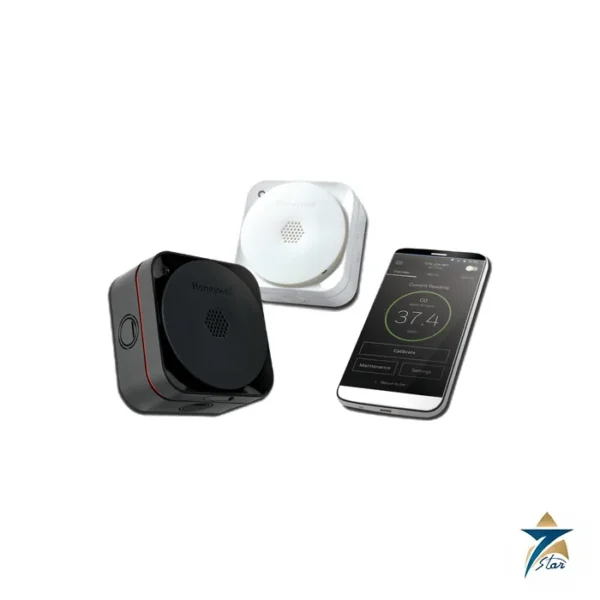
It sits at the full-range end of the Honeywell RAE portable PID line: it combines a wide ppm window with a pump, a 3-second response and wireless reporting. Typical items supplied include the charging and download adapter, a flexible probe, an external filter, a rubber boot, an alkaline battery adapter, a lamp-cleaning kit, a tool kit and a soft leather case. An optional calibration kit adds 100 ppm isobutylene gas, a regulator and a flow controller. Data can be moved to a PC through the charging cradle or through the BLE module and companion app, and the wireless modem can report to a RAELink 3 modem or a mesh network host.
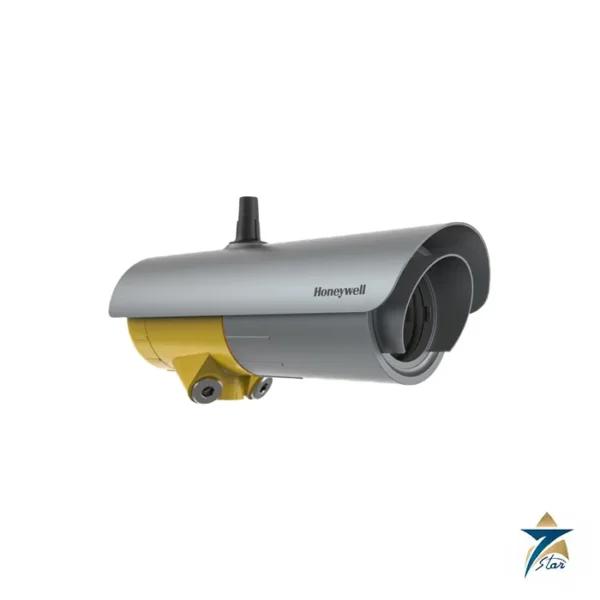
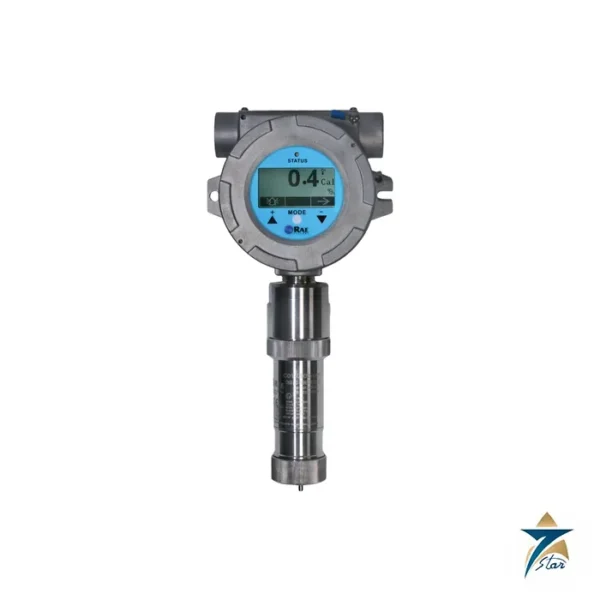
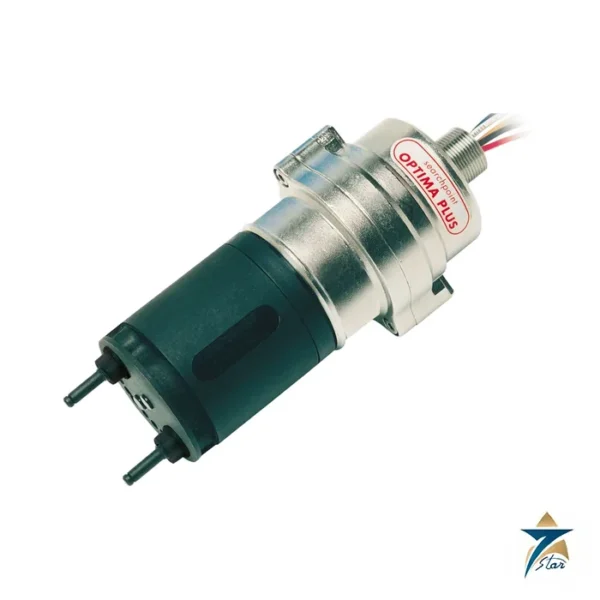
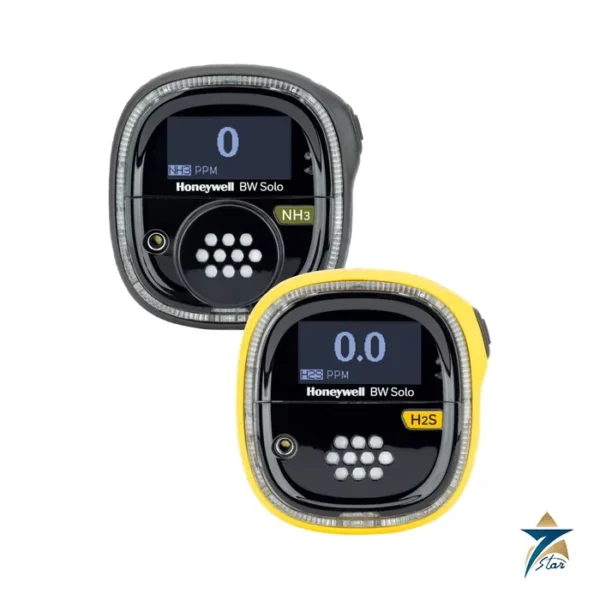
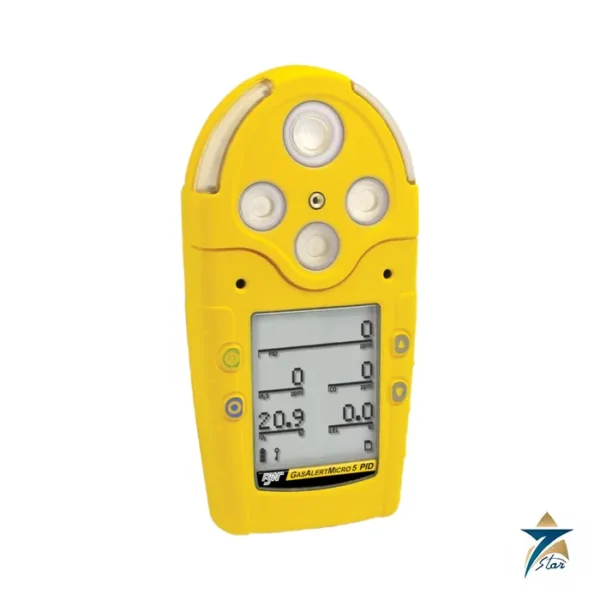
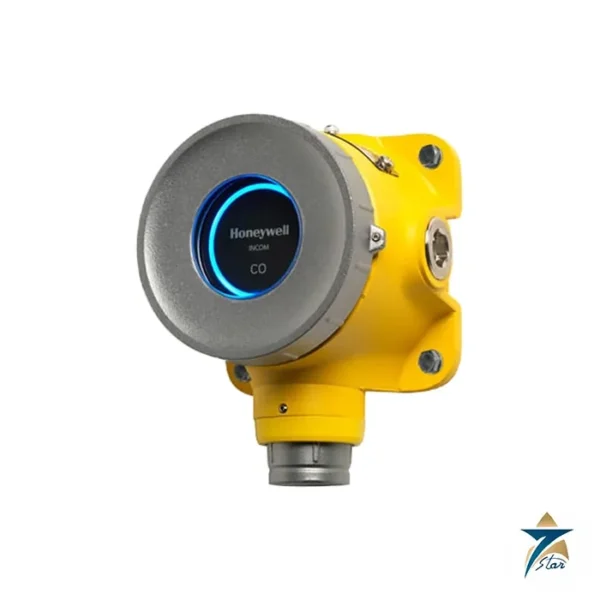
Honeywell lists it in the portable VOC range alongside other handheld gas monitors, so confirm whether a single-gas, multi-gas or PID unit is the correct tool for the hazard before ordering.
MiniRAE 3000 selection and ordering checklist
- Target vapor: confirm its ionization energy is below the lamp energy, and choose the 10.6 eV, 9.8 eV or 11.7 eV lamp accordingly.
- Range: the 0 to 15,000 ppm span suits both trace leak detection and high-concentration spill response; check that your alarm setpoints sit in the 0.1 ppm or 1 ppm resolution band you need.
- Calibration gas: isobutylene is the datasheet reference gas; pick correction factors for the real compounds and ask for a calibration kit if site gas is not available.
- Radio option: BLE, Bluetooth or RM900 module, depending on whether you use the app, a RAELink 3 or the mesh network.
- Battery: standard Li-ion pack or alkaline adapter; the alkaline adapter reduces run time from 16 to 12 hours.
- Area approvals: check that the certification marks on the unit match your site classification before taking it into a hazardous zone.
- Service plan: the datasheet lists an optional guaranteed cost-of-ownership program and annual maintenance service.
Using and maintaining the MiniRAE 3000 in the field
Zero the instrument in clean air before each shift, then bump or span-check with isobutylene at the intervals your safety procedure defines. The lamp window and sensor are easy to reach from the front, so periodic cleaning with the lamp-cleaning kit is quick; dirty lamps and dust films are the usual cause of drifting readings. Change the external filter when it is loaded, and avoid drawing liquids into the probe. After use in damp or dusty conditions, wipe the rubber boot and probe, check the pump for flow and recharge the pack so the unit is ready for the next call-out.
Keep spare lamps, filters and a charged spare battery pack with the monitor. A PID is sensitive to humidity and contaminants, so store it in a clean dry place and run a fresh calibration after any lamp change or any suspicious reading.
Typical applications for the MiniRAE 3000 in Oman and the GCC
In the Gulf the unit is used by HSE teams at oil and gas facilities, refineries, petrochemical units and storage terminals for leak checks, vessel entry clearance and hot work permits. Industrial hygiene teams use it for solvent exposure screening, and emergency responders use it for hazmat triage and spill surveys. High ambient temperature and coastal humidity are the usual stresses, so the humidity compensation and the 50 °C upper limit of the operating range should be checked against actual site conditions. Hotter conditions call for keeping the unit shaded and out of parked vehicles.
MiniRAE 3000 information to send with an RFQ
- Target compounds and expected concentration range
- Preferred lamp energy (10.6, 9.8 or 11.7 eV)
- Radio or app requirement (BLE, Bluetooth, RM900)
- Required accessories: calibration kit, spare battery, alkaline adapter, spare lamps
- Hazardous-area classification of use and certificate requirement
- Quantity, delivery location and whether service or calibration support is needed
Documents and quotation
A Honeywell datasheet for the MiniRAE 3000 + is attached on this page for reference. Please check it against your required lamp, radio option and approvals before ordering.
Send us the model and the accessories you need, and we will prepare a quotation for delivery in Oman and the GCC.




















Reviews
There are no reviews yet.