Brand:

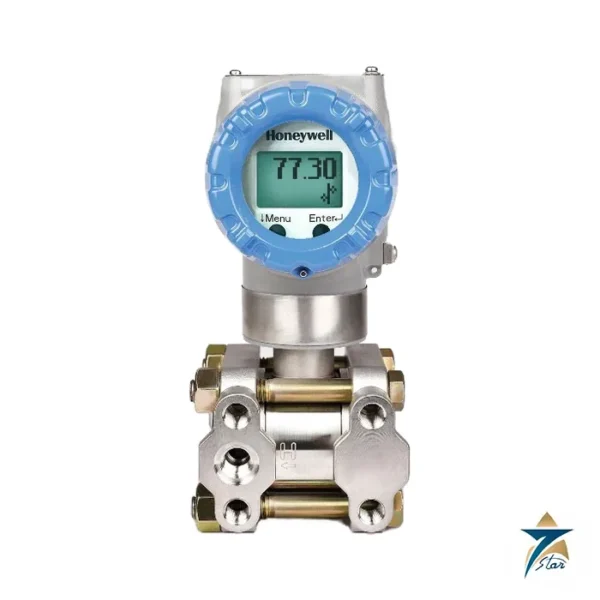
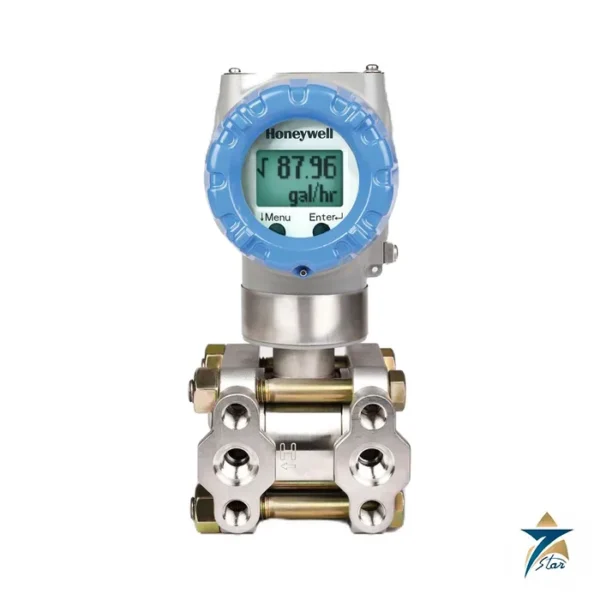
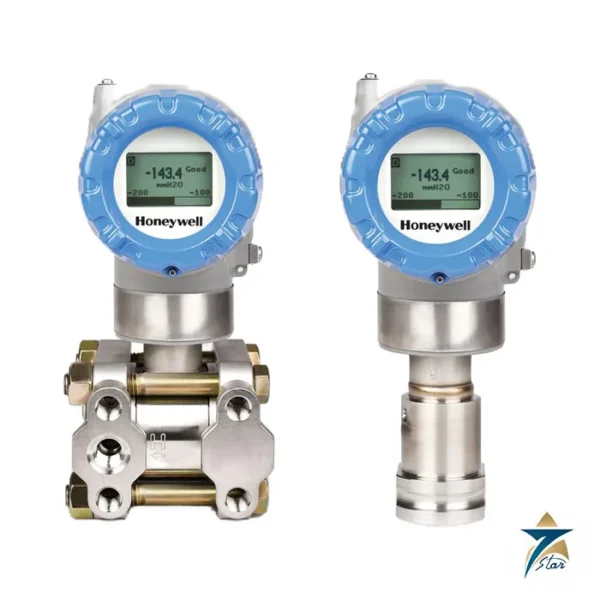
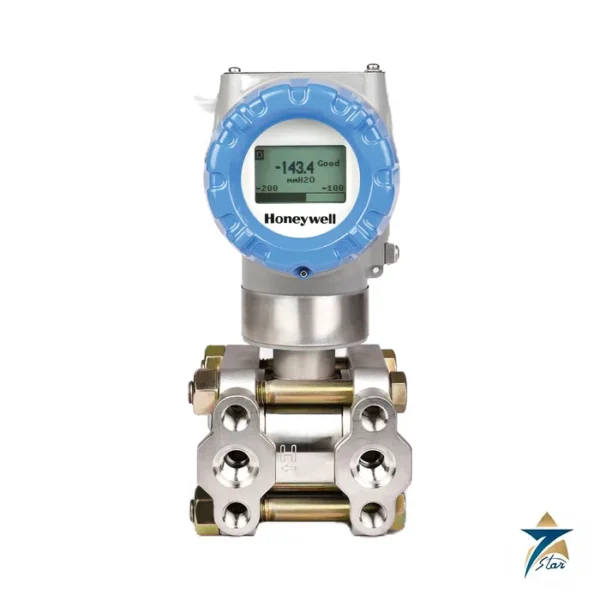
Honeywell STA725 SmartLine ST 700 Absolute Pressure Transmitter

Description

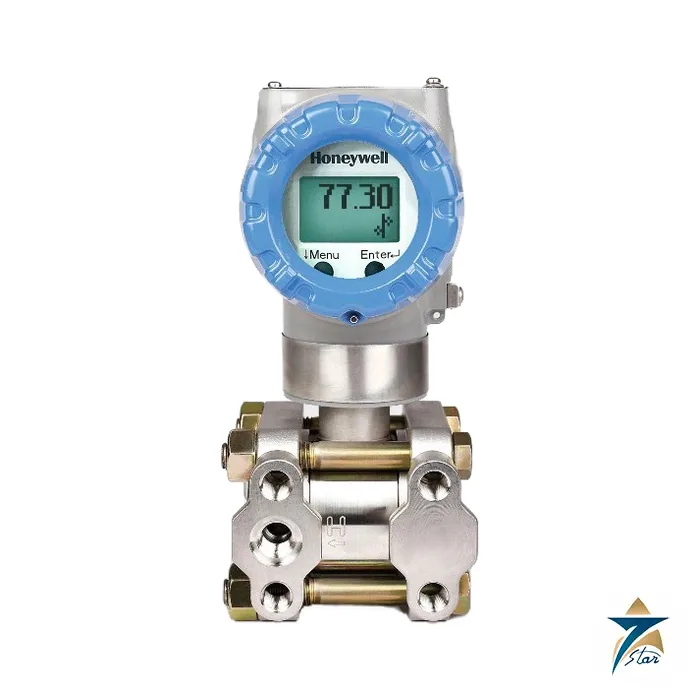
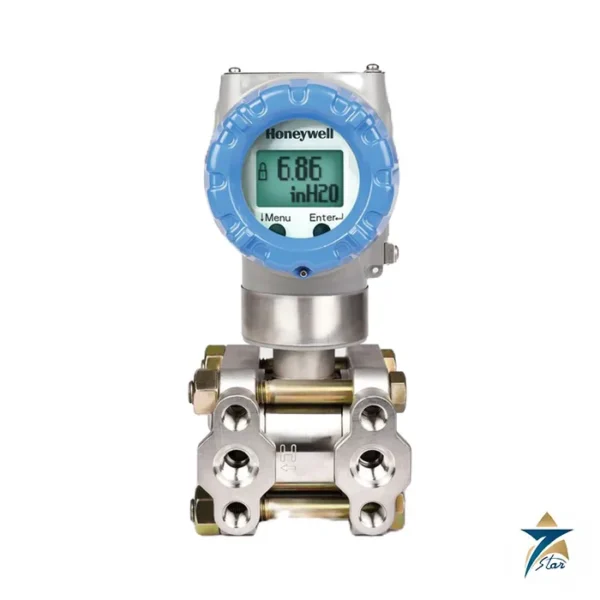
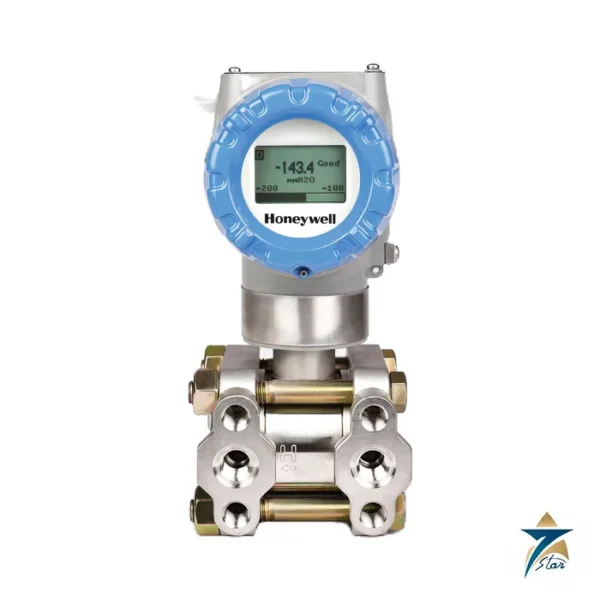
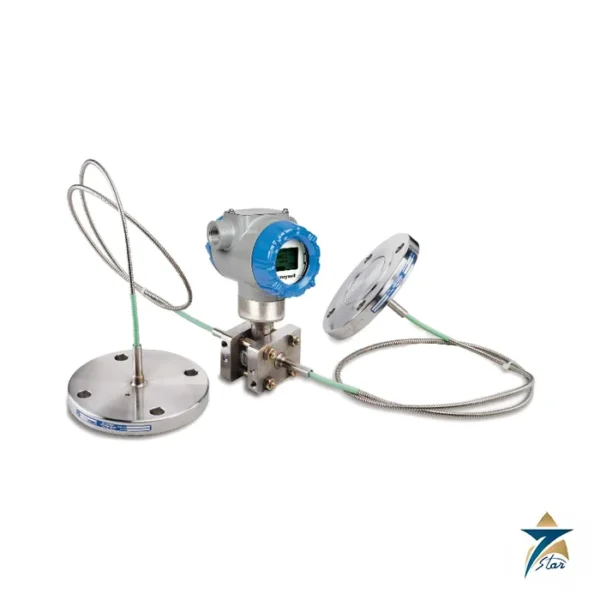
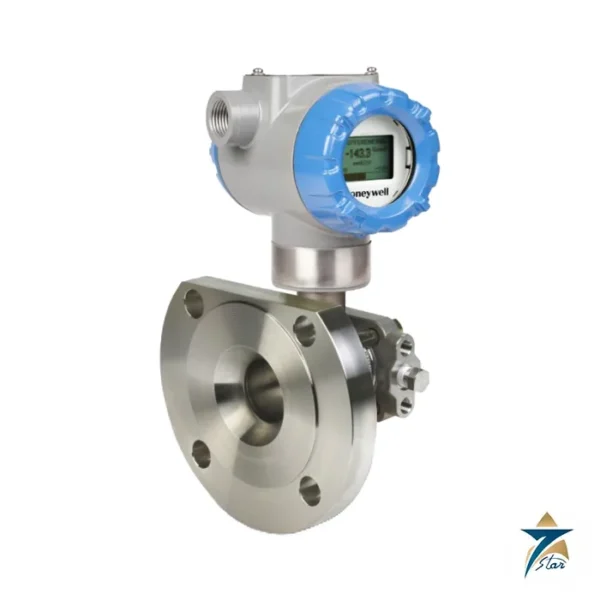
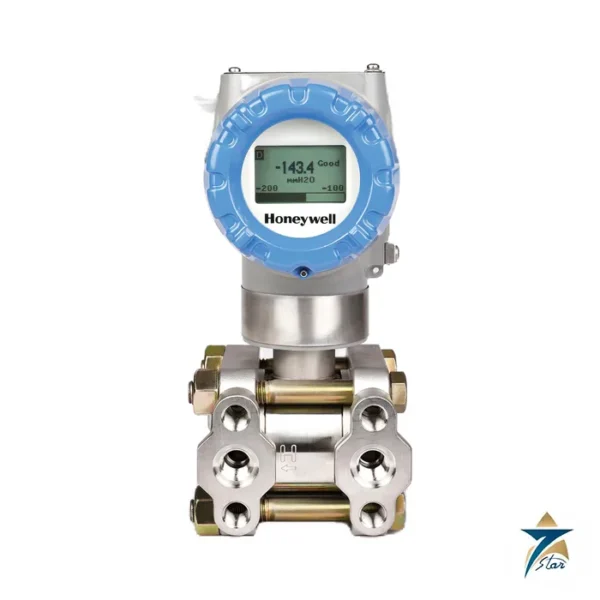
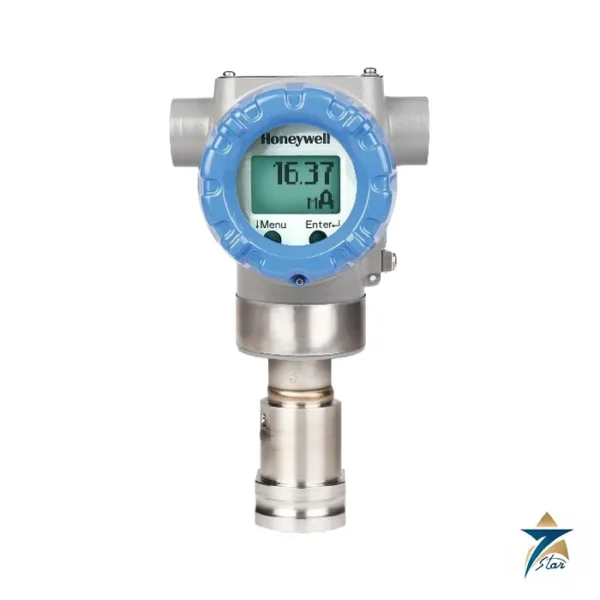
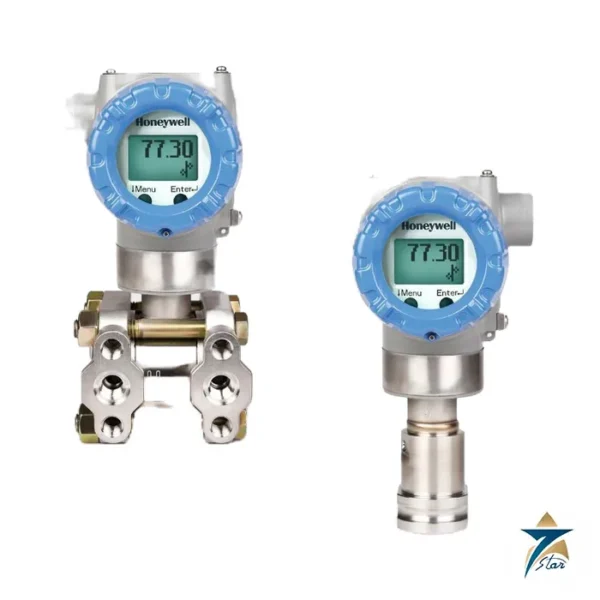
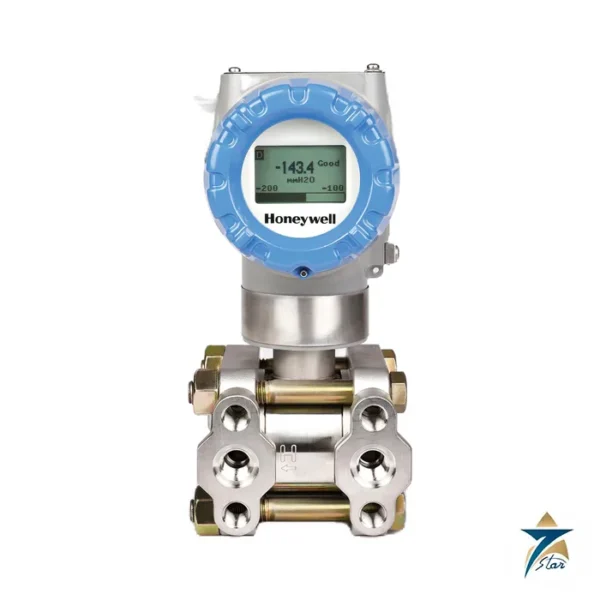
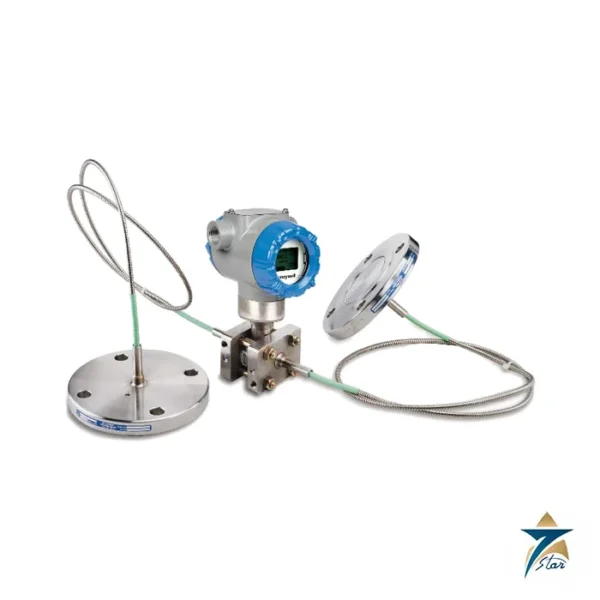
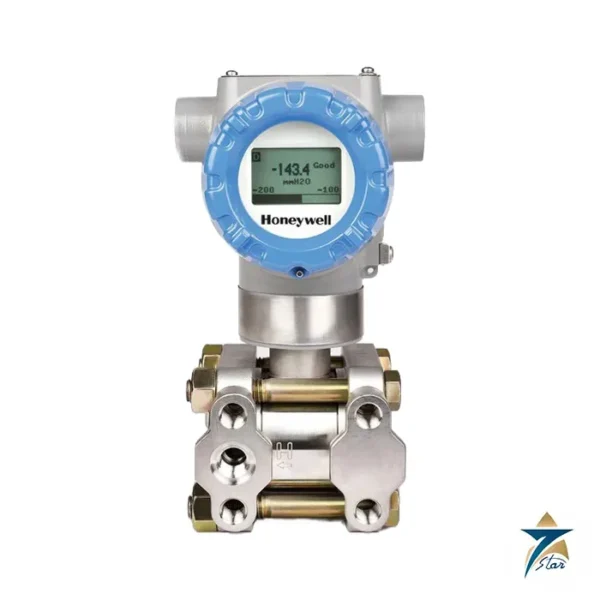
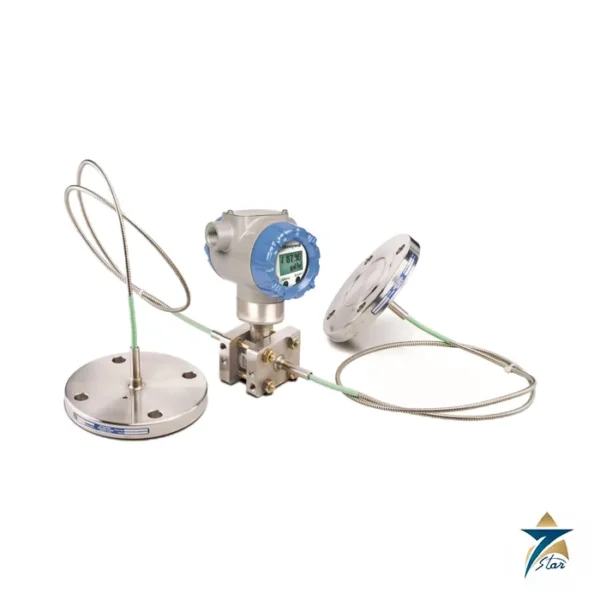
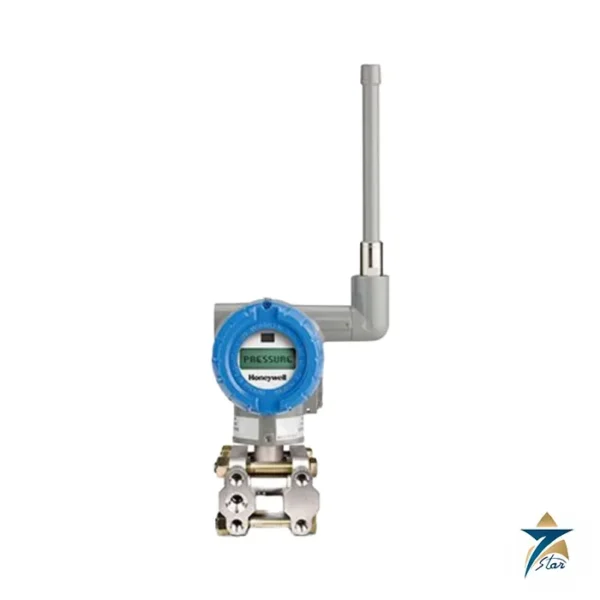
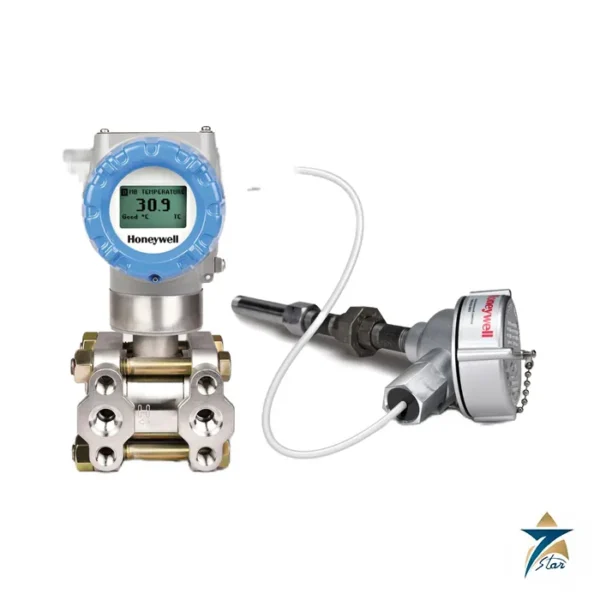
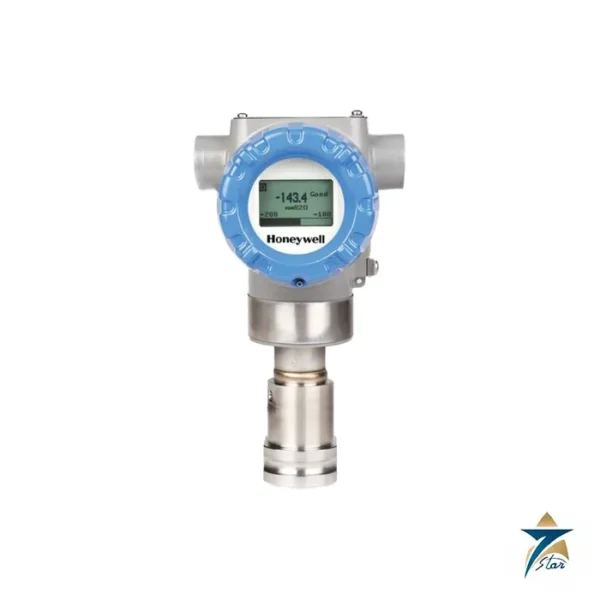
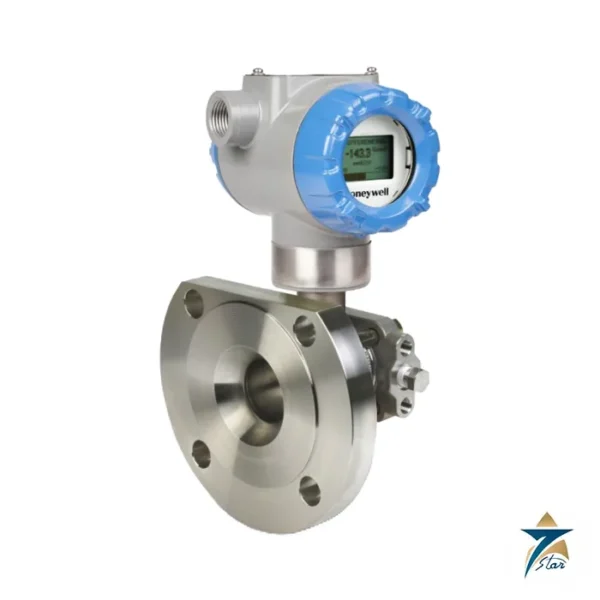
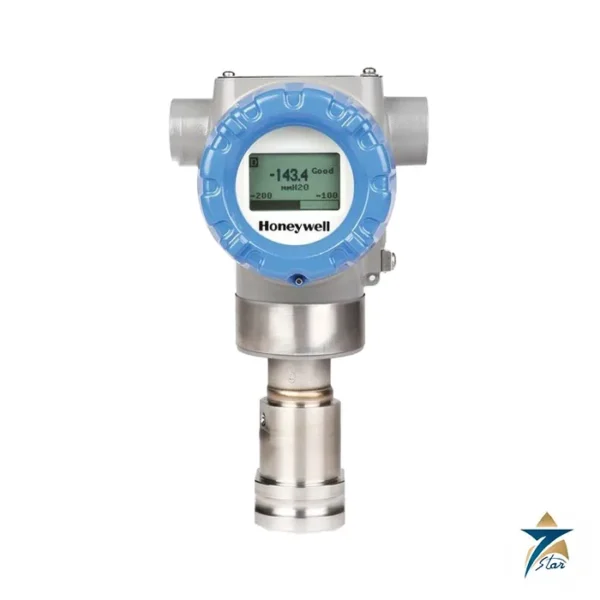
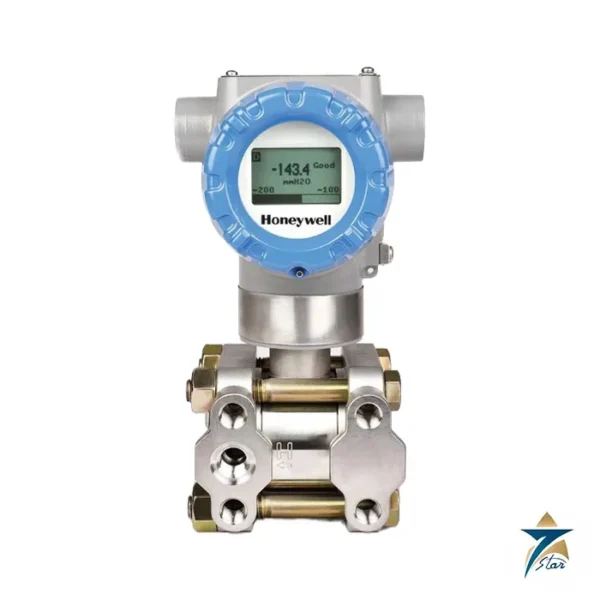
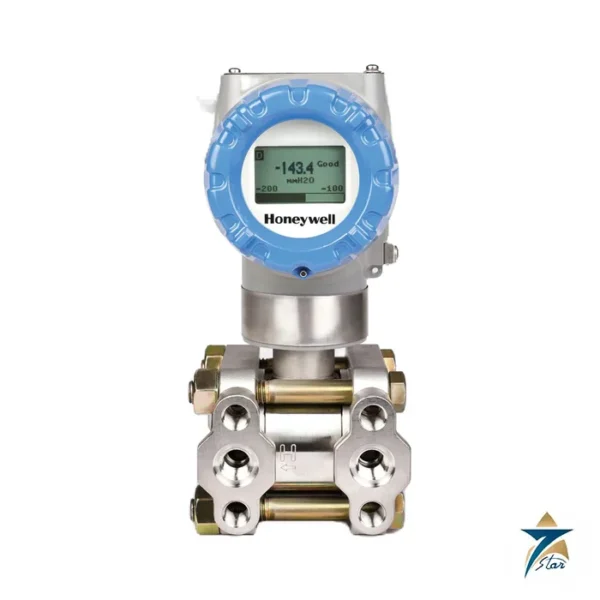
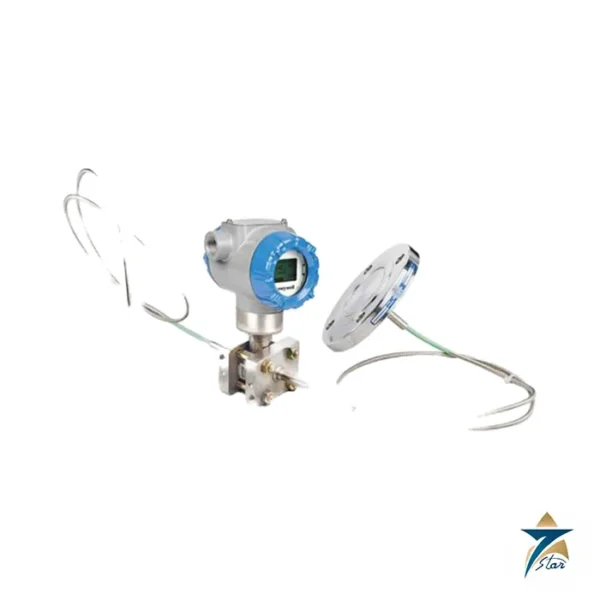
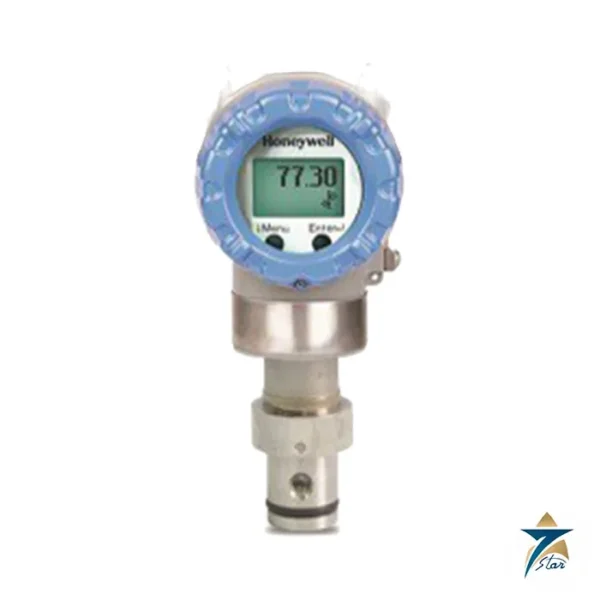
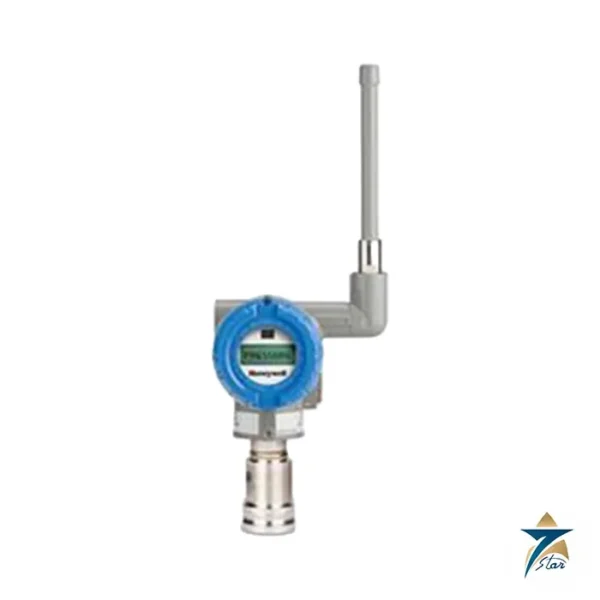
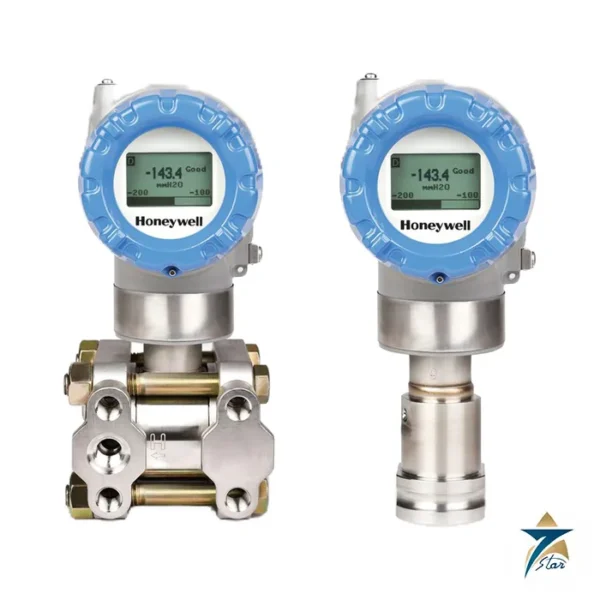
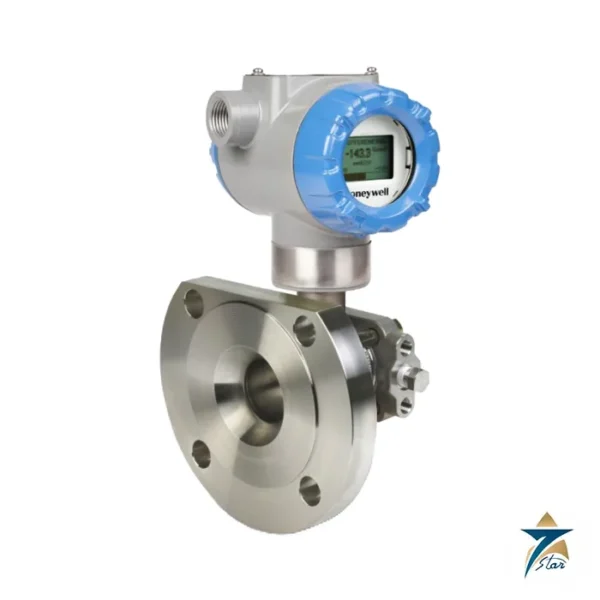
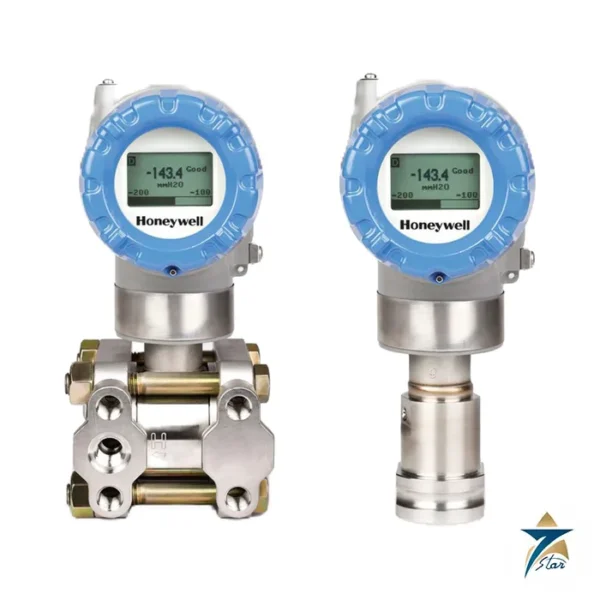
Honeywell STA725 vacuum-range absolute transmitter from the SmartLine ST 700 line

Honeywell designed the ST 700 series for monitoring, control and data acquisition, with a simpler feature set than the ST 800 and a single HART output option. The STA725 is the dual-head absolute model for vacuum and near-atmospheric measurement. Its upper range limit is 780 mmHgA (1040 mbarA), the lower limit is 0 mmHgA, and the minimum span is 50 mmHgA (66.7 mbarA), which gives a maximum turndown of 15.6:1. Output is 4 to 20 mA with HART 7.

Typical jobs for the STA725 are condenser vacuum, deaerator pressure, vacuum filtration and evaporator monitoring, where an absolute reference matters and the process rarely goes above one atmosphere. Because it is HART-only and has a single 100 ms response time, the STA725 suits plants that standardise on HART loops and do not need Fieldbus or Honeywell DE.

STA725 specifications

Parameter Value
Model STA725, dual-head absolute
Upper range limit 780 mmHgA (1040 mbarA)
Lower range limit 0 mmHgA (0 mbarA)
Minimum span 50 mmHgA (66.7 mbarA)
Maximum turndown 15.6:1
Reference accuracy 0.065 percent of span
Stability 0.02 percent of URL per year, 10 years
Reference turndown for the accuracy equation 6.5:1
Breakpoint span C 120 mmHgA (160 mbarA)
Total performance example 0.381 percent of span at 156 mmHgA, 5:1 turndown, 50 degF shift
Output and protocol 4 to 20 mA, HART 7
Response time 100 ms
Turn-on time 2.5 seconds
Supply 10.8 to 42.4 VDC; IS versions limited to 30 VDC; load 0 to 1,440 ohms
MAWP 780 mmHgA (1,040 mbarA)
Barrier diaphragm 316L stainless steel or Hastelloy C-276
Process connection Half-inch NPT female
Weight, aluminium housing 8.3 lb (3.8 kg)
Calibration verification Every two years

How STA725 differs from the STA72S, STA745 and STA77S

The STA700 family has five absolute models. The STA725 and the STA72S share the 780 mmHgA range and 50 mmHgA minimum span: the STA725 is the dual-head body, while the STA72S is the in-line body. Their total performance at 156 mmHgA differs, 0.381 percent of span against 0.679 percent, because the datasheet gives the in-line body a larger temperature-effect coefficient at very low absolute pressure. The STA745 and STA74S offer 500 psia, and the STA77S offers 3000 psia.

Compared with the same-range ST 800 model, the STA822, the STA725 has lower reference accuracy (0.065 against 0.0375 percent of span), a shorter stability period (0.02 percent per year over 10 years against 0.010 over 15), and HART only. In return, it is a simpler device that adequately serves monitoring loops. Pick the STA725 for general monitoring, and the STA822 for tighter control or Fieldbus.

Applications for the STA725 across Oman and the GCC

  • Steam turbine condenser vacuum at power and desalination stations.
  • Vacuum towers and flash drums at refineries and gas-processing plants.
  • Evaporators and vacuum dryers in food and chemical production.
  • Absolute pressure references for calibration benches and test cells.
  • Gas-blanketing and nitrogen-purge monitoring on tanks that can pull partial vacuum.

Installing and commissioning STA725

The datasheet operating limits require attention for vacuum: the STA725 operates within specification above 25 mmHgA (33 mbarA), and short exposure to full vacuum will not damage it. Meter body temperature limits are given in a pressure-versus-temperature figure for this model rather than as a flat number, so check the chart before using the STA725 on hot vacuum services. Storage temperature is -55 to 125 degC for the meter body and -55 to 120 degC for ambient.

Use the three-button interface or a HART handheld to set range and damping. Damping is adjustable from 0 to 32 seconds in 0.1 second steps, with 0.5 seconds as the default. A lightning-protection terminal block is optional.

Vacuum-service practice for the STA725

Vacuum lines behave differently from pressure lines. Air leaking in through a poorly sealed fitting raises the reading slowly, and condensate trapped in the impulse line adds a head error that is large when the whole span is only 50 to 150 mmHgA. Slope the impulse tube continuously towards the process, avoid low points, and keep the transmitter above the tap. Use a stainless head and Hastelloy diaphragm when the vapour is corrosive, for example chloride-bearing steam condensate.

The accuracy equation in the datasheet has a breakpoint at 120 mmHgA (160 mbarA). Above that span the reference accuracy of 0.065 percent applies unchanged; below it, the turndown term raises the error in proportion. A tank calibrated at 100 mmHgA span will therefore be less accurate, in percentage terms, than one calibrated at 400 mmHgA.

Ambient swing is the other consideration. Rated ambient temperature runs from -40 to 85 degC, and the temperature effect for the STA725 is quoted per 28 degC (50 degF) shift, so an outdoor installation in a Gulf summer, where the housing can sit well above 60 degC, should be shaded.

Display and configuration choices on the STA725

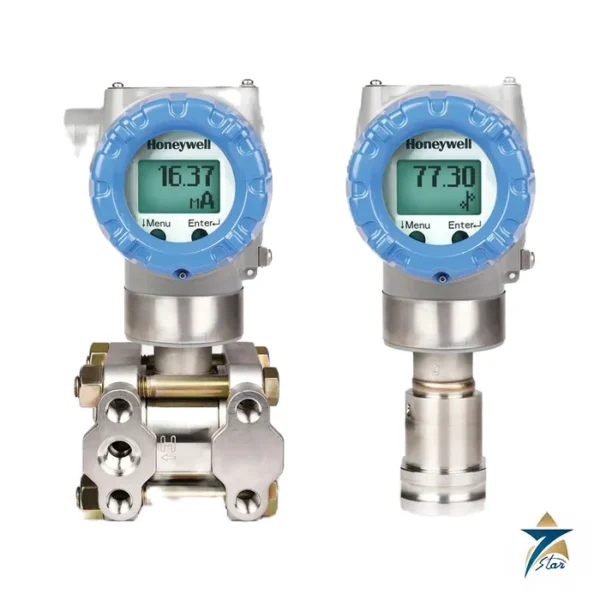
A standard LCD display and an optional external zero and span capability let a technician re-range the transmitter locally. The display is modular and can be turned in 90 degree steps to suit the way the housing sits on the line, and integral three-button operation covers range, engineering unit, loop test and loop calibration. For remote configuration any HART-compliant handheld communicator or the Honeywell Field Device Manager software can read and write the same parameters, including damping and the choice between Honeywell standard and NAMUR NE 43 failure limits.

For the very low vacuum spans typical of this model, remember to switch the engineering unit from the default to mmHgA or mbarA, and make sure the loop calibration at 4 and 20 mA is done after the span is set.

Maintenance for the STA725

Honeywell advises verifying calibration every two years, which is more frequent than for the ST 800. Replace the display, electronics or meter body in the field as a module. The STA725 has an optional extended 4-year warranty, and the loop supports NAMUR NE-107 extended diagnostics.

Ordering the STA725

Seven Star LLC is an independent supplier serving Oman and the GCC and is not affiliated with the manufacturer. To confirm the right STA725 build, give us housing material, display, approvals, bracket, diaphragm material and fill fluid (Silicone 200 or CTFE).

Documents and quotation

The Honeywell STA700 specification 34-ST-03-120 is attached as the datasheet for the STA725. Send an RFQ with the part number STA725, quantity and delivery location, and we will respond with availability and lead time.

Other Models in the Honeywell Sta700 Range

Seven Star LLC supplies models from the Honeywell Sta700 range in Oman and the GCC. Compare the related models below and request a quote for the one that matches your application.

ModelCategory
Honeywell STA745 SmartLine ST 700 Absolute Transmitter, 500 psiaPressure TransmittersView details
Honeywell STA725 SmartLine ST 700 Absolute Pressure TransmitterPressure TransmittersYou are viewing this model
Honeywell STA77S ST 700 In-Line Absolute Transmitter, 3000 psiaPressure TransmittersView details
Datasheets & Documents
  • PDF Datasheet Honeywell STA725 SmartLine ST 700 Absolute Pressure Transmitter Datasheet Download
Reviews (0)

Reviews

There are no reviews yet.

How would you rate this product?

It takes about 10 seconds — just tap a star. Your email is never published.

About brand

Honeywell is the American industrial technology group whose products on this site cover gas and flame detection, pressure transmitters, flow measurement, gas metering, fire alarm systems and helicopter rotor balancing equipment. Its roots go back to a thermostat business in Minneapolis in 1885 and to Mark Honeywell's heating company, which merged with it in 1927. Several brands we list have joined Honeywell over the years: Gent fire systems of Leicester (part of Honeywell since 2005), Chadwick-Helmuth (a Honeywell business unit from 2002) and Elster gas metering (acquired around the end of 2015).

Seven Star LLC is an independent supplier in Muscat. We list Honeywell gas detectors and sensors, transmitters, Elster gas meters and flow computers, Gent fire alarm equipment and Chadwick-Helmuth balancers, and supply them and their spares in Oman and the GCC by part number.

Honeywell company profile

Origins 1885, Minneapolis (Butz thermostat business); merged with Mark Honeywell's company in 1927
Brands in our range Honeywell Analytics gas detection, SmartLine transmitters, Elster gas metering, Gent fire detection, Chadwick-Helmuth rotor track and balance
Gent Founded in Leicester, UK, around 1872 by John Thomas Gent; part of Honeywell since 2005
Elster Gas, water and electricity metering; bought by Honeywell from Melrose, deal completed around the end of 2015

Milestones

  • 1885: The Butz thermostat business starts in Minneapolis.
  • 1927: It merges with Mark Honeywell's company.
  • 2005: Gent fire detection (Leicester, UK) becomes part of Honeywell.
  • 2015: Honeywell completes the purchase of Elster from Melrose around the end of the year.

Honeywell products we list

Family Models Typical use
Fixed gas detectors Searchline Excel, Searchline Excel Plus, 02104-N-XSSA, Sensepoint XCD RTD, Sensepoint XCD IR, XCD H2, Sensepoint XCL, Sensepoint XRL, OmniPoint, RAEGuard 2 PID Flammable, toxic and VOC gas detection in process areas
Sensors, flame detection and control SR-W-MP75C LEL sensor, SR-X2V O2 sensor, FS24X Plus flame detector, R4343E flame switch, System 57 card, 5704FS panel Replacement sensors, fire detection and gas detection control panels
Transmitters and flow SmartLine STG700, STG800, STR82D remote seal, VersaFlow Coriolis Process pressure and mass flow measurement
Elster gas metering Q.Sonic plus, TRZ2, Quantometer, RABO, IRM-3 DUO, EK280, EC 350, enCore FC1, enCore ZM1, gas-net F1, gas-net D2, GasLab Q2, USM display Gas meters, volume correction and fiscal flow computing
Gent fire alarm systems Vigilon Plus, Vigilon Compact Plus, Nano, Xenex, S-Quad detector, S-Cubed, ALD302 base, S4-34420 interfaces, loop card, repeat panel, mimic panel, XENS-850 call point, 74430 bell Addressable and conventional fire alarm systems in buildings and plants
Chadwick-Helmuth rotor track and balance 8500C, 8500C Plus, Vibrex 2000, Model 11, photocell system, printer, bracket, protractor Helicopter rotor track and balance and propeller balancing

Gas detection uses two basic approaches. Point detectors such as the Sensepoint XCD measure the gas at one location, with a catalytic or infrared sensor for flammable gas and an electrochemical cell for toxic gas such as H2S. Open path detectors such as the Searchline Excel send an infrared beam across an area up to a few hundred metres long and detect a gas cloud anywhere along it. Infrared sensors cannot be poisoned the way catalytic beads can, which matters on sites with silicones or H2S.

Where Honeywell products are used

In Oman and the GCC, Honeywell gas detectors protect wellheads, gas plants, refineries and tank farms. Elster meters and flow computers measure gas at city gate stations and in industry. Gent systems are installed in commercial buildings, hospitals and hotels, and Chadwick-Helmuth balancers are used by helicopter operators.

Ordering Honeywell products: what we need

Send the part number from the label (for example 02104-N-XSSA or SPXCDASMTXF). For gas detectors, add the gas, range, output and certification. For gas meters, add size (DN), flow range and pressure rating. For Gent equipment, add the panel type and loop protocol.

Facts checked against Honeywell press releases and SEC filings, and published histories of Gent and Chadwick-Helmuth, October 2026.

FAQ

Questions about the Honeywell STA725 SmartLine ST 700 Absolute Pressure

Answers from our engineering team on installation, compatibility and integration.

01What range does the Honeywell STA725 measure?
The STA725 measures 0 to 780 mmHgA (0 to 1040 mbarA) with a 50 mmHgA minimum span, so turndown is up to 15.6:1.
02What protocol does the STA725 support?
The ST 700 line is a 4 to 20 mA HART 7 device; the STA725 does not offer Honeywell DE or FOUNDATION Fieldbus.
03How accurate is the STA725?
Reference accuracy is 0.065 percent of span; total performance is 0.381 percent of span at 156 mmHgA with 5:1 turndown and a 28 degC shift.
04How does the STA725 differ from the STA72S?
Both cover 780 mmHgA, but the STA725 is the dual-head body weighing 3.8 kg while the STA72S is the in-line body, with 0.679 percent total performance in the datasheet example.
05How often should the STA725 be calibrated?
Honeywell recommends verifying calibration every two years for the ST 700 absolute transmitters.