Brand:

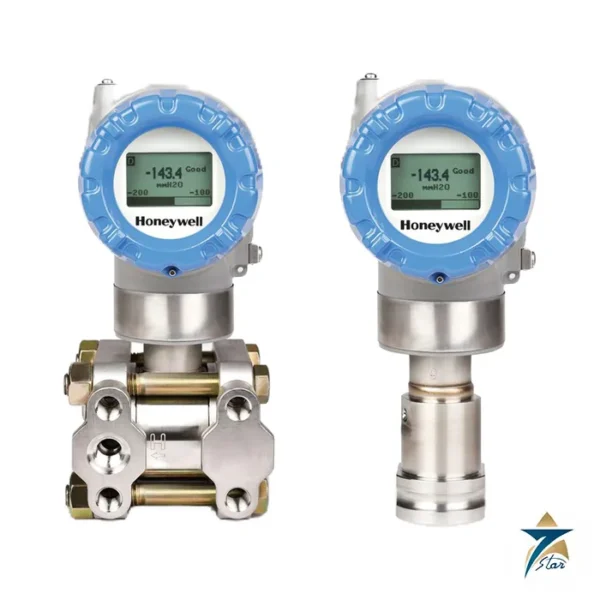
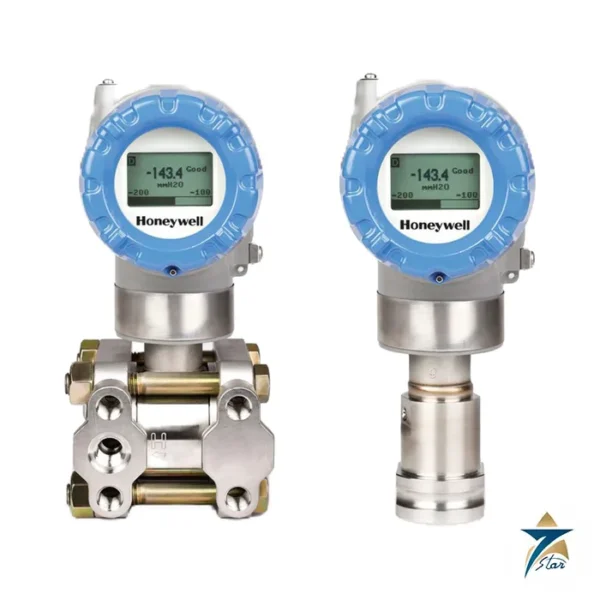
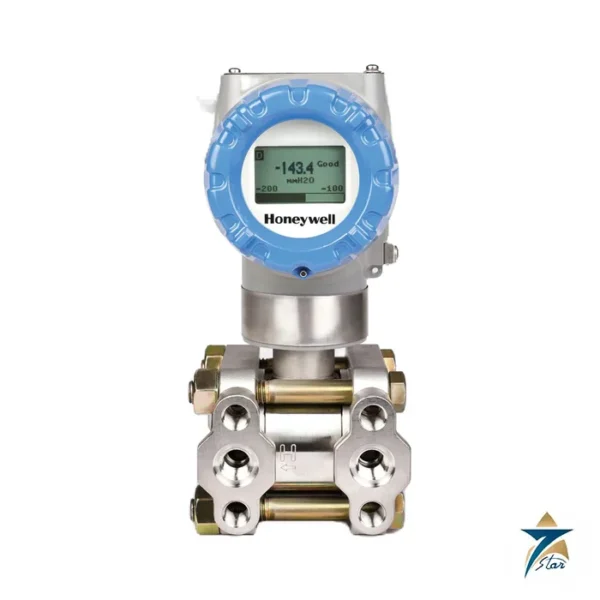
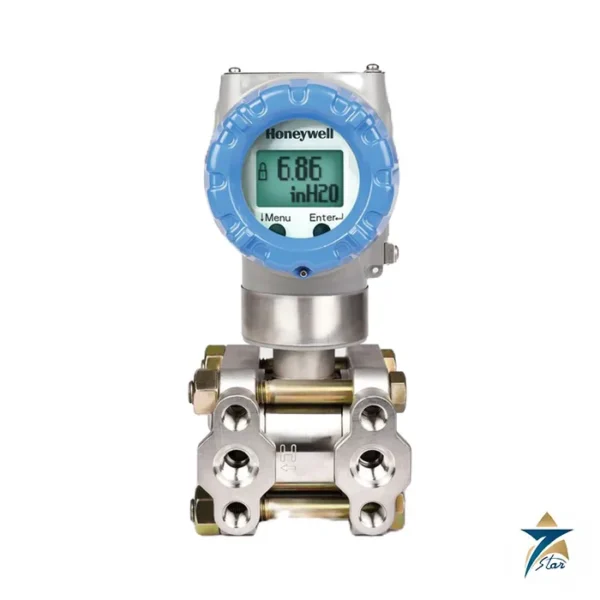
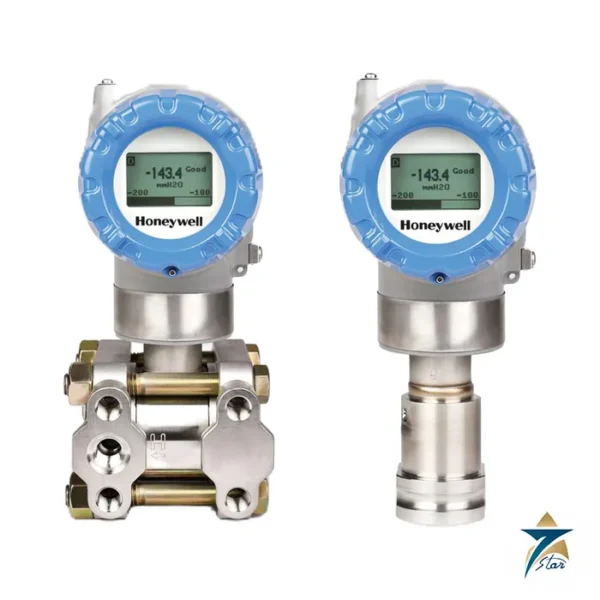
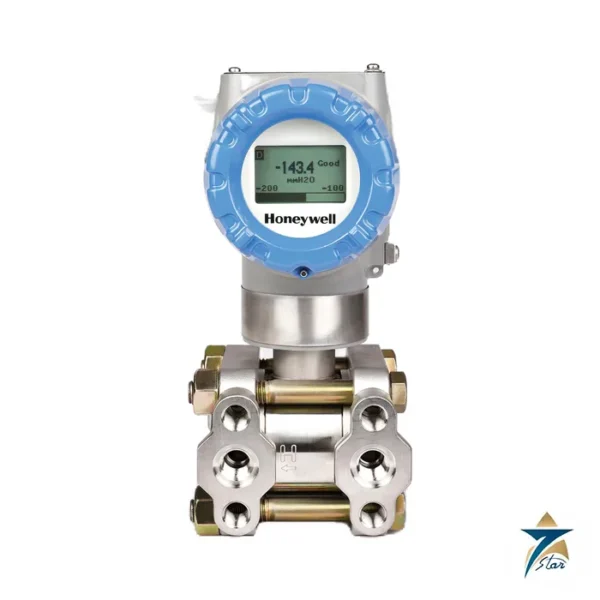
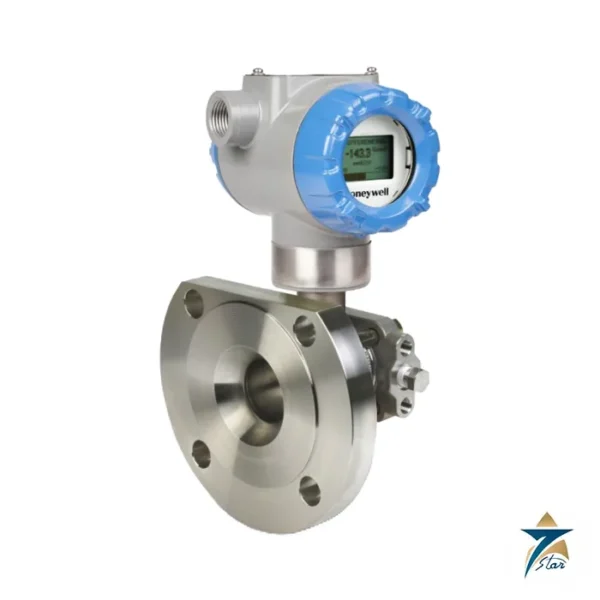
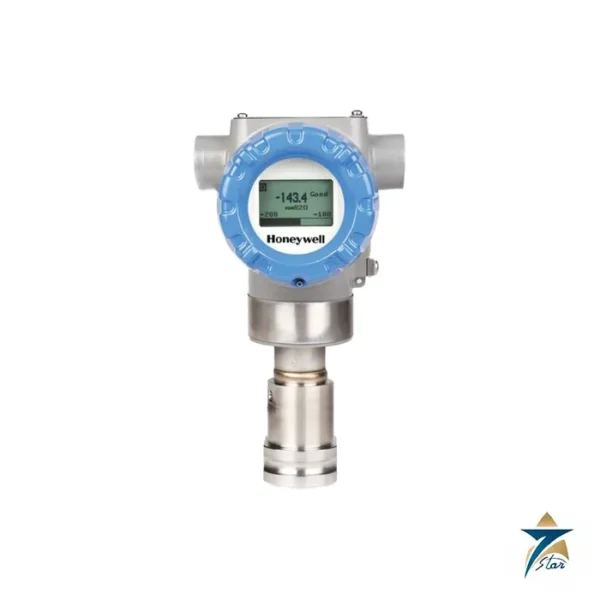
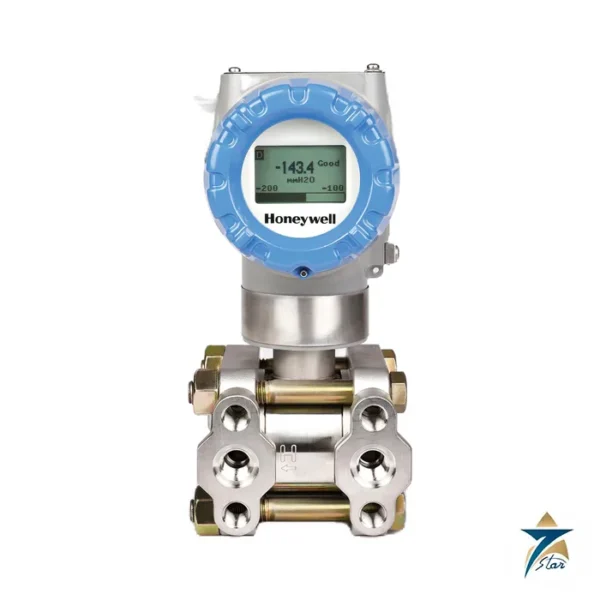
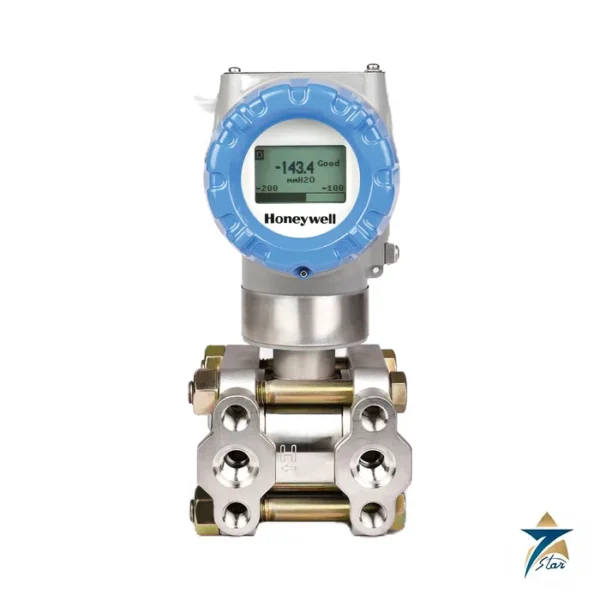
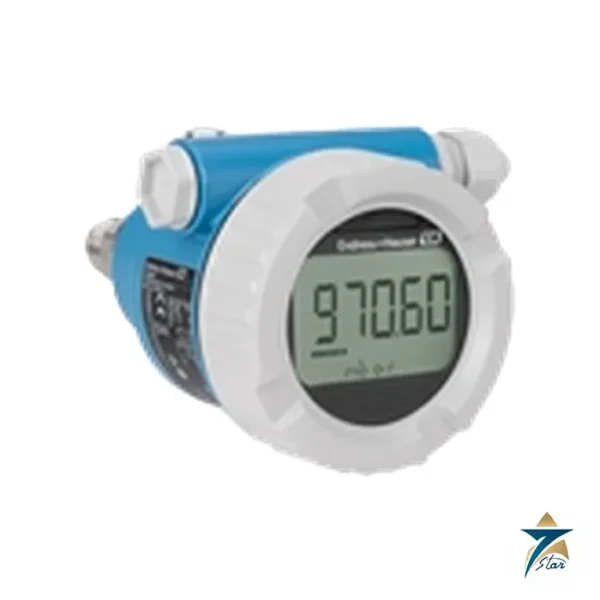
Honeywell STR84G SmartLine Remote Seal Gauge Pressure Transmitter

Description

Single remote seal gauge measurement with the Honeywell STR84G

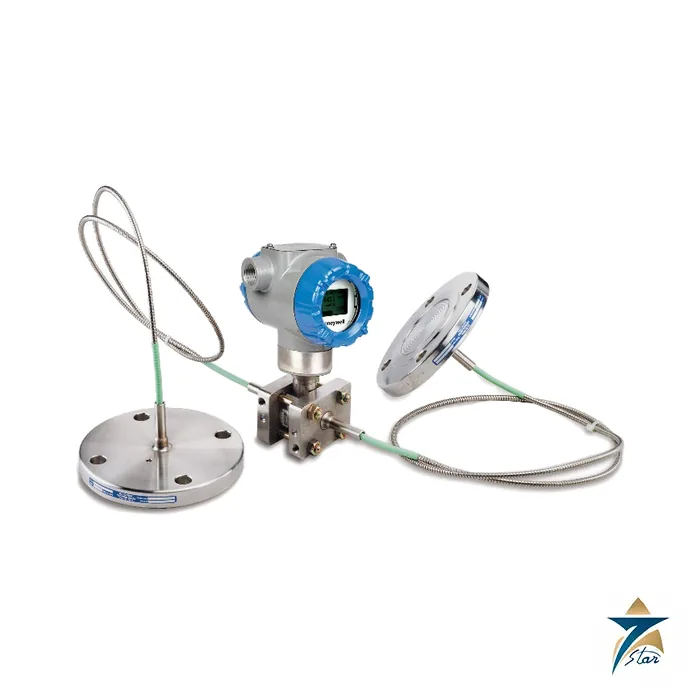
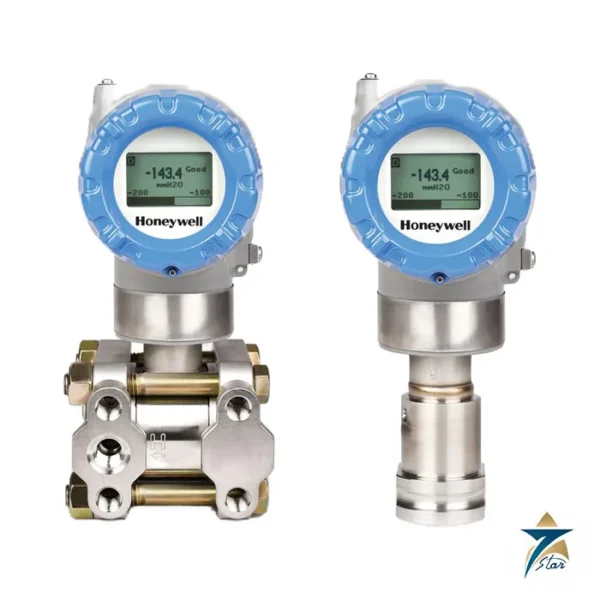
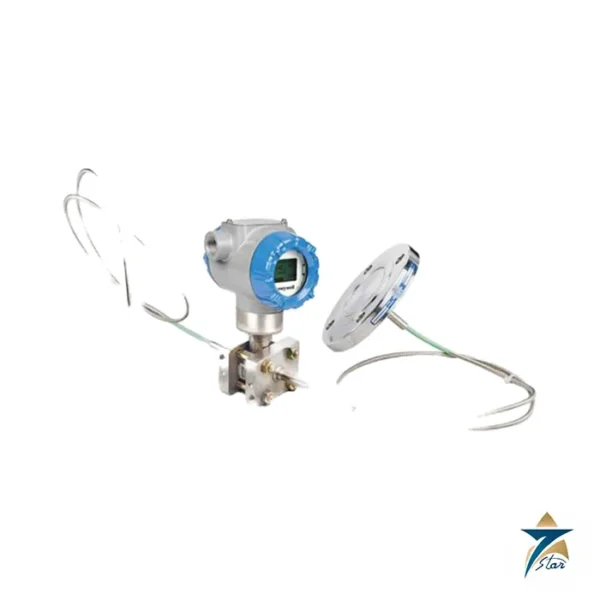
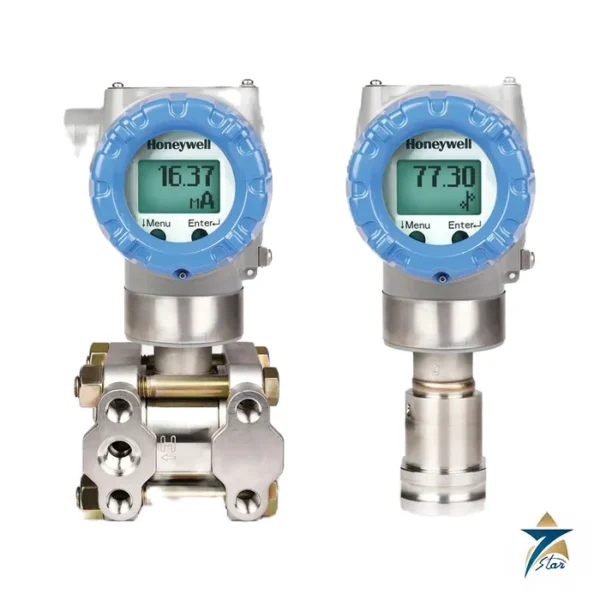
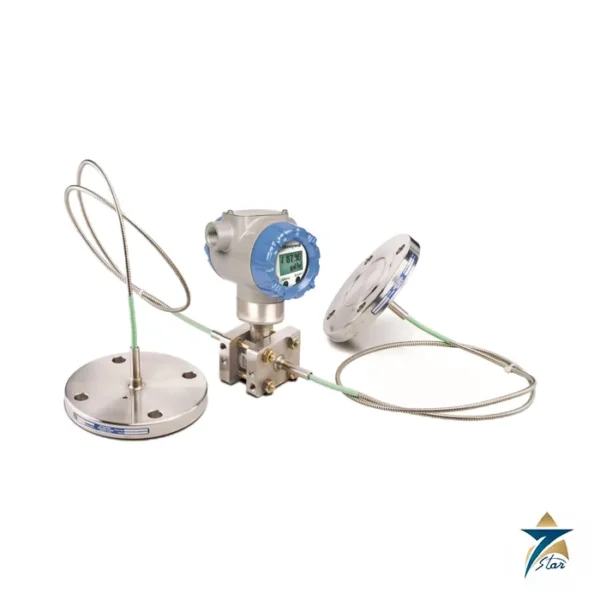
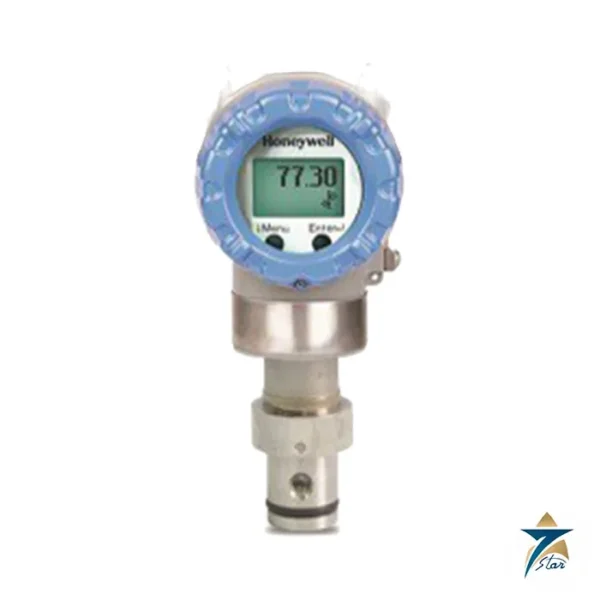
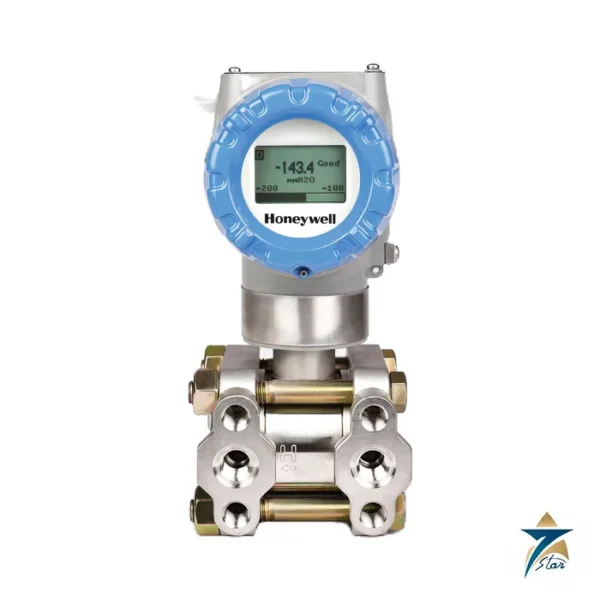
The STR84G is a gauge-pressure transmitter integrated with one remote diaphragm seal. Honeywell bases it on the in-line STG84L sensor and gives it a range of 500 psi (35 bar) upper limit and minus 14.7 psi (minus 1.0 bar) lower limit, with a 5 psi (0.35 bar) minimum span and a maximum turndown of 100:1. A single capillary on the high side connects the transmitter to a diaphragm seal at the process, so hot, corrosive, viscous or hygiene-critical products never reach the sensor body.

Typical sites include fouling lines in refineries and petrochemical plants, hot oil circuits, polymer and resin lines, sanitary or semi-sanitary food and beverage services, chemical injection manifolds, and pressure measurement on hydrogen-permeation-prone service where a normal diaphragm would suffer. The STR84G lets the electronics sit at a comfortable height and temperature while the seal takes the abuse.

STR84G key data

Parameter Value
Upper range limit 500 psi (35 bar)
Lower range limit -14.7 psi (-1.0 bar)
Minimum span 5 psi (0.35 bar)
Maximum turndown 100:1
Reference accuracy 0.0375 percent of span
Base transmitter STG84L (stability 0.01 percent of URL per year, base unit only)
Reference turndown for the accuracy equation 25:1
MAWP 500 psig (35 bar)
Overpressure 1.5 times MAWP
Seal diaphragm 316L stainless steel, Monel, Hastelloy C or tantalum
Seal gasket Viton, graphite or Teflon
Capillary lengths 5, 10, 15, 20, 25 or 35 ft (1.5 to 10.7 m)
Capillary location High-pressure side only
Transmitter weight 8.3 lb (3.8 kg) with aluminium housing, before seals

Minimum span versus seal size for the STR84G

Direct-mount seals, with no capillary, need the following minimum spans according to the datasheet: 25 psi for a 1.9 inch diaphragm, 10 psi for 2.4 inch, 8 psi for 2.9 inch, and 5 psi for both 3.5 and 4.1 inch seals. Adding capillary raises the figure. At 35 ft the 2.4 inch seal needs 50 psi, the 2.9 inch seal 15 psi, and the 3.5 and 4.1 inch seals 8 psi. The 1.9 inch seal is limited to 15 ft of capillary and then needs 50 psi.

The practical conclusion for a STR84G order is simple: when you want to use a low calibrated span, specify the largest diaphragm that the process connection allows, and keep the capillary as short as the layout will accept. The datasheet notes that the minimum span is the higher of the value from this table and the base transmitter minimum of 5 psi.

STR84G compared with STR87G and STR84A

The three single-seal models share a construction but differ in range. The STR87G reaches 3000 psi (210 bar) gauge with a 30 psi minimum span and a 10:1 reference turndown. The STR84A is the absolute version at 500 psia (35 bara). The STR84G is the one that goes below atmospheric to minus 14.7 psi, so it can serve on a vacuum-service tank or on a line that sees partial vacuum in drain-down.

The Honeywell note for all three states that the temperature effect of the oil in the capillary is not compensated because the capillary is on the high-pressure side only. Therefore Honeywell does not publish a combined temperature effect for the STR84G; it refers readers to the STG84L figures for reference.

Where the STR84G is applied in Oman

Examples are slurry and heavy-crude lines at export terminals, polymer and bitumen process pipes, sludge lines in water-treatment plants, caustic and acid dosing lines on desalination units, and food-grade lines in beverage and dairy plants. In each case the instrument engineer wants to avoid impulse lines that block or crystallise. The STR84G puts the sealing diaphragm directly in the stream.

Why the STR84G uses a remote seal

Honeywell lists the situations in which a diaphragm seal is the right answer, and each one applies to a single-seal gauge unit like this one:

  • high process temperatures that would overheat a standard sensor;
  • viscous media or fluids carrying suspended solids;
  • highly corrosive process materials;
  • sanitary applications;
  • services where hydrogen permeation is a risk;
  • level applications where a wet leg needs constant maintenance;
  • installations that need the transmitter mounted remotely;
  • tanks where density or interface measurement is required.

If none of these conditions exist, a standard STG800 gauge transmitter will normally be simpler and more accurate, because it avoids the thermal error of a capillary system.

Installation guidance for STR84G

Capillary tubing is armoured stainless steel or PVC-coated armoured stainless. Support it along its length, keep a bend radius that avoids kinking, and mount the transmitter body at a constant elevation relative to the seal so that head correction stays stable. Where the transmitter is mounted above the seal, the fill fluid weight creates a negative offset to be zeroed out at start-up. Ambient swing is the major source of error: shade the capillary and the meter body from direct sun in a hot GCC site, and insulate where possible.

Support and spares for the STR84G

The base transmitter electronics, display and communications module can be replaced in the field. The seal and capillary system is a sealed, factory-filled assembly and is not repaired in the field. Honeywell lists SIL 2/3 compliance and NAMUR NE-107 diagnostics for the STR800 family.

Ordering the STR84G

Seven Star LLC is an independent supplier serving Oman and the GCC and is not affiliated with the manufacturer. Please send the full model selection for the STR84G: seal type, process connection and rating, diaphragm size and material, capillary length and covering, fill fluids, display and protocol.

Documents and quotation

The Honeywell STR800 specification 34-ST-03-88 is attached to the STR84G page as a datasheet. Send an RFQ listing the part number STR84G, the quantity and the delivery point, and we will return availability and lead time.

Datasheets & Documents
  • PDF Datasheet Honeywell STR84G SmartLine Remote Seal Gauge Pressure Transmitter Datasheet Download
Reviews (0)

Reviews

There are no reviews yet.

How would you rate this product?

It takes about 10 seconds — just tap a star. Your email is never published.

About brand

Honeywell is the American industrial technology group whose products on this site cover gas and flame detection, pressure transmitters, flow measurement, gas metering, fire alarm systems and helicopter rotor balancing equipment. Its roots go back to a thermostat business in Minneapolis in 1885 and to Mark Honeywell's heating company, which merged with it in 1927. Several brands we list have joined Honeywell over the years: Gent fire systems of Leicester (part of Honeywell since 2005), Chadwick-Helmuth (a Honeywell business unit from 2002) and Elster gas metering (acquired around the end of 2015).

Seven Star LLC is an independent supplier in Muscat. We list Honeywell gas detectors and sensors, transmitters, Elster gas meters and flow computers, Gent fire alarm equipment and Chadwick-Helmuth balancers, and supply them and their spares in Oman and the GCC by part number.

Honeywell company profile

Origins 1885, Minneapolis (Butz thermostat business); merged with Mark Honeywell's company in 1927
Brands in our range Honeywell Analytics gas detection, SmartLine transmitters, Elster gas metering, Gent fire detection, Chadwick-Helmuth rotor track and balance
Gent Founded in Leicester, UK, around 1872 by John Thomas Gent; part of Honeywell since 2005
Elster Gas, water and electricity metering; bought by Honeywell from Melrose, deal completed around the end of 2015

Milestones

  • 1885: The Butz thermostat business starts in Minneapolis.
  • 1927: It merges with Mark Honeywell's company.
  • 2005: Gent fire detection (Leicester, UK) becomes part of Honeywell.
  • 2015: Honeywell completes the purchase of Elster from Melrose around the end of the year.

Honeywell products we list

Family Models Typical use
Fixed gas detectors Searchline Excel, Searchline Excel Plus, 02104-N-XSSA, Sensepoint XCD RTD, Sensepoint XCD IR, XCD H2, Sensepoint XCL, Sensepoint XRL, OmniPoint, RAEGuard 2 PID Flammable, toxic and VOC gas detection in process areas
Sensors, flame detection and control SR-W-MP75C LEL sensor, SR-X2V O2 sensor, FS24X Plus flame detector, R4343E flame switch, System 57 card, 5704FS panel Replacement sensors, fire detection and gas detection control panels
Transmitters and flow SmartLine STG700, STG800, STR82D remote seal, VersaFlow Coriolis Process pressure and mass flow measurement
Elster gas metering Q.Sonic plus, TRZ2, Quantometer, RABO, IRM-3 DUO, EK280, EC 350, enCore FC1, enCore ZM1, gas-net F1, gas-net D2, GasLab Q2, USM display Gas meters, volume correction and fiscal flow computing
Gent fire alarm systems Vigilon Plus, Vigilon Compact Plus, Nano, Xenex, S-Quad detector, S-Cubed, ALD302 base, S4-34420 interfaces, loop card, repeat panel, mimic panel, XENS-850 call point, 74430 bell Addressable and conventional fire alarm systems in buildings and plants
Chadwick-Helmuth rotor track and balance 8500C, 8500C Plus, Vibrex 2000, Model 11, photocell system, printer, bracket, protractor Helicopter rotor track and balance and propeller balancing

Gas detection uses two basic approaches. Point detectors such as the Sensepoint XCD measure the gas at one location, with a catalytic or infrared sensor for flammable gas and an electrochemical cell for toxic gas such as H2S. Open path detectors such as the Searchline Excel send an infrared beam across an area up to a few hundred metres long and detect a gas cloud anywhere along it. Infrared sensors cannot be poisoned the way catalytic beads can, which matters on sites with silicones or H2S.

Where Honeywell products are used

In Oman and the GCC, Honeywell gas detectors protect wellheads, gas plants, refineries and tank farms. Elster meters and flow computers measure gas at city gate stations and in industry. Gent systems are installed in commercial buildings, hospitals and hotels, and Chadwick-Helmuth balancers are used by helicopter operators.

Ordering Honeywell products: what we need

Send the part number from the label (for example 02104-N-XSSA or SPXCDASMTXF). For gas detectors, add the gas, range, output and certification. For gas meters, add size (DN), flow range and pressure rating. For Gent equipment, add the panel type and loop protocol.

Facts checked against Honeywell press releases and SEC filings, and published histories of Gent and Chadwick-Helmuth, October 2026.
FAQ

Questions about the Honeywell STR84G SmartLine Remote Seal Gauge

Answers from our engineering team on installation, compatibility and integration.

01What range does the Honeywell STR84G cover?
The STR84G covers minus 14.7 psi to 500 psi (minus 1.0 to 35 bar) with a minimum span of 5 psi (0.35 bar) and up to 100:1 turndown.
02Does the STR84G use one or two seals?
One remote seal on the high-pressure side only; the low side is open to atmosphere as on any gauge transmitter.
03What minimum span applies to the STR84G with a 4.1 inch seal?
The datasheet lists 5 psi for direct mount and for capillary up to 20 ft, 6 psi at 25 ft and 8 psi at 35 ft, never below the 5 psi minimum of the base transmitter.
04What base transmitter is the STR84G built on?
The STG84L in-line gauge transmitter, which has a stability of 0.01 percent of URL per year for 15 years (base transmitter only).
05Why does the datasheet give no temperature effect for the STR84G?
Capillary oil expansion is not compensated when the capillary is on the high side only, so Honeywell refers readers to the base STG84L figures.