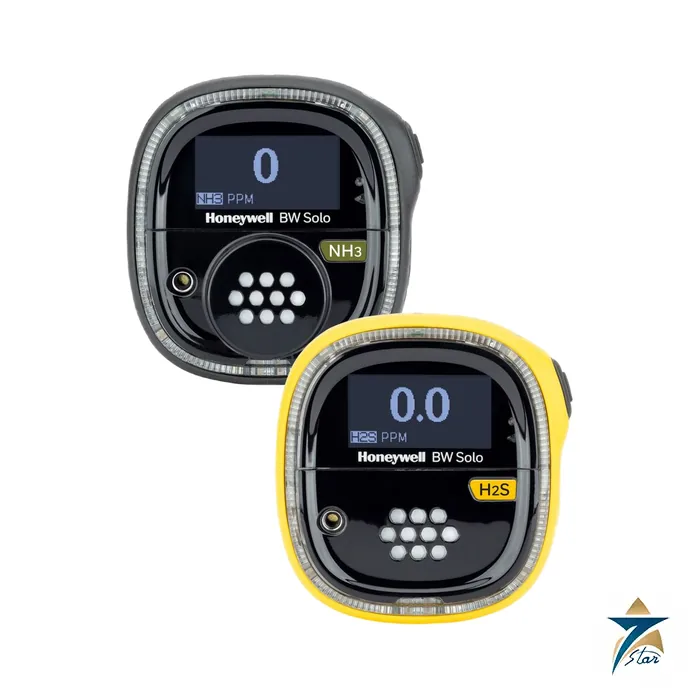
Honeywell BW Solo single-gas detector with serviceable sensors
The Honeywell BW Solo is a compact single-gas detector designed to be serviced rather than thrown away. Sensors, batteries and sensor filters can be changed without opening the instrument, which lowers lifetime cost and keeps detectors in service for years. Seven Star LLC supplies the BW Solo in Oman and the GCC as an independent supplier in Muscat.
The BW Solo is offered with a very long gas list. The newer 1-Series sensors cover H2S, CO, O2 and CO2, and the 4-Series sensors extend the range to chlorine, chlorine dioxide, ethylene oxide, hydrogen, hydrogen chloride, hydrogen cyanide, hydrogen fluoride, ammonia, nitric oxide, nitrogen dioxide, ozone, phosphine and sulfur dioxide. One housing therefore serves refinery, water treatment and chemical users alike.
Each BW Solo carries a single sensor, so the gas you specify when ordering the BW Solo defines what the instrument can do. A wireless version adds Bluetooth connectivity to the manufacturer’s mobile apps.
BW Solo technical specifications
| Parameter |
Specification |
| Manufacturer / part number |
Honeywell / BW Solo |
| Type |
Serviceable single-gas detector, optional wireless |
| Size |
7.0 x 6.7 x 3.6 cm (1-Series); 7.0 x 6.7 x 4.1 cm (4-Series) |
| Weight |
103 to 116 g depending on installed sensor |
| Humidity |
0% to 95% RH, non-condensing |
| Ingress protection |
IP66/68 |
| Alarms |
Visual, vibrating, audible (95 dB); Low, High, TWA, STEL, non-compliance |
| Typical battery life |
12 months; 6 months with 1-Series O2; 2 months with 1-Series CO2 |
| Connectivity |
Bluetooth Low Energy (wireless version) to Safety Communicator and Device Configurator apps |
| Data logging |
Datalogging with rolling 24-hour peak reading; 50 events; 11 languages |
| Approvals listed |
Class I Div 1 Gr A-D T4; Class II Div 1 Gr E-G T4; Zone 0 AEx/Ex ia IIC T4 Ga; ATEX Sira 18ATEX2243; IECEx SIR 18.0058; Inmetro; ABS |
| Warranty |
3 years for 1-Series; 2 years for 4-Series (1 year for NH3, Cl2, O3, ETO, ClO2, HCl and HF sensors) |
BW Solo sensor ranges and working temperatures
The following ranges are taken from the datasheet. Working temperature is given in °C and differs by sensor, so a detector with, for instance, an ammonia or chlorine cell has a narrower window than one with an H2S or CO cell.
| Gas (sensor) |
Measuring range |
Resolution |
Working temperature (°C) |
| H2S (1-Series) |
0 to 200 ppm |
0.1 ppm |
-40 to 60 |
| CO (1-Series) |
0 to 2000 ppm |
1 ppm |
-40 to 60 |
| CO2 (1-Series) |
0 to 50,000 ppm |
100 ppm |
-20 to 60 |
| O2 (1-Series) |
0 to 30% v/v |
0.1% v/v |
-40 to 60 |
| Cl2 (4-Series) |
0 to 50 ppm |
0.1 ppm |
-20 to 40 |
| ClO2 |
0 to 1 ppm |
0.01 ppm |
-20 to 40 |
| CO-H |
0 to 2000 ppm |
0.5 ppm |
-30 to 50 |
| ETO |
0 to 100 ppm |
0.1 ppm |
-30 to 50 |
| H2 |
0 to 1000 ppm |
2 ppm |
-20 to 50 |
| HCl |
0 to 30 ppm |
0.7 ppm |
-20 to 40 |
| H2S extended |
0 to 500 ppm |
0.1 ppm |
-40 to 50 |
| HCN |
0 to 100 ppm |
0.1 ppm |
-20 to 50 |
| HF |
0 to 10 ppm |
0.2 ppm |
-20 to 40 |
| NH3 |
0 to 100 ppm |
1 ppm |
-20 to 40 |
| NH3 extended |
0 to 1000 ppm |
1 ppm |
-20 to 40 |
| NO |
0 to 250 ppm |
0.2 ppm |
-30 to 50 |
| NO2 |
0 to 100 ppm |
0.1 ppm |
-20 to 50 |
| O3 |
0 to 1 ppm |
0.01 ppm |
-20 to 40 |
| PH3 |
0 to 5 ppm |
0.1 ppm |
-20 to 50 |
| SO2 |
0 to 100 ppm |
0.1 ppm |
-40 to 50 |
How the BW Solo is built and how it behaves
The BW Solo has one-button operation and a display that is easy to read in several languages; the datasheet lists English, French, Spanish, German, Italian, Russian, Japanese, Chinese, Korean, Portuguese and Dutch. At activation it checks the sensor, circuitry, battery and the audible and visual alarms, and it continues to test the battery while running.
Users can reset TWA, STEL and peak readings, change set points, latch alarms, switch on IntelliFlash or a non-compliance indicator, set calibration or bump-test reminders and assign a worker and location. These options are applied through the configurator tools rather than from the keypad.
Fleet management and related Honeywell portable detectors
The BW Solo is compatible with the IntelliDoX docking system. Docking modules run bump tests and calibration automatically and store the records, and with the Safety Suite Device Configurator software an entire fleet can be maintained from a desktop. The wireless version streams readings through a phone to the manufacturer’s real-time monitoring software, giving a supervisor remote visibility on alarm status and location.
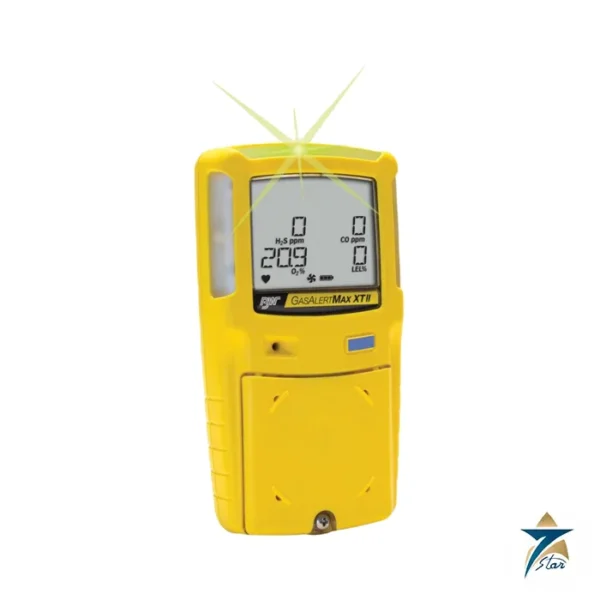
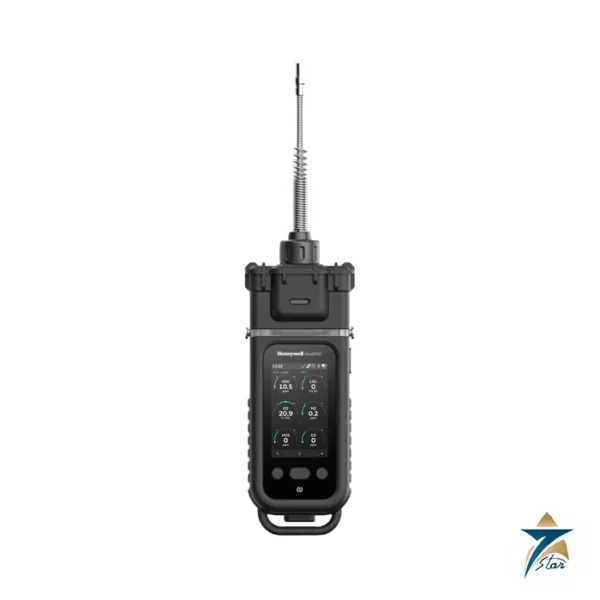
Seven Star LLC also supplies the BW Icon fixed-life multi-gas detector, the BW Max XT II pumped four-gas unit, the BW Clip series, the BW RigRAT area monitor and the ToxiRAE Pro. Where a worker needs one gas only and the sensor may need changing, the BW Solo is the serviceable alternative to the throw-away BW Clip.
Selection checklist for the BW Solo
- Pick the single target gas and its range; the sensor series follows from this.
- Choose the standard or wireless version according to whether remote alarm visibility is needed.
- Compare the sensor working temperature in the table with your hottest and coldest working areas.
- Plan for battery life: O2 1-Series models run about six months and CO2 models about two months.
- Check the approval markings against your hazardous-area classification.
- Decide how bump tests will be recorded and whether IntelliDoX docking is justified by fleet size.
Servicing and calibration practice for the BW Solo
Because the BW Solo is designed to be serviced, hold a small stock of the sensors you run and replace them according to your calibration records and the warranty terms in the datasheet. Bump test before each day’s work or at the interval your own procedure sets, calibrate when the bump test fails or the interval expires, and keep sensor filters clean.
When you order sensors or spares, give the exact gas, series and range so that the correct part is supplied. Keep removed sensors out of the sun and away from solvents, and log serial numbers against the instrument they came from.
Where the BW Solo is used in Oman and the GCC
In Oman and the Gulf the BW Solo is common for H2S monitoring in oil and gas production and processing, CO checks in power plants and workshops, ammonia and chlorine monitoring in refrigeration and water treatment, and a range of toxic gases in petrochemical and fertiliser operations. The IP66/68 rating helps in sand, dust and washdown conditions, and the rugged form factor suits clipping to a collar or harness.
Because the temperature window depends on the sensor, a unit for ammonia or chlorine in a hot, shaded yard needs particular care, and the working range in the table should be compared with local conditions.
Information to send with an RFQ for the BW Solo
Please send the exact model and part number, the gas or gases to be monitored with the required ranges, the work area classification and the number of units. If the detectors will be docked, bump tested or calibrated by an automatic station, tell us which system you use. Mention the site, the delivery timing and whether you need spare sensors, chargers or accessories alongside the instrument.
- Target gas, sensor series and range
- Wireless or standard version
- Spare sensors, batteries and filters
- Docking system and software requirement
Documents and quotation
The manufacturer datasheet for the BW Solo is attached on this page and lists the sensor options in detail.
Send the gas, quantity and version you need and we will prepare a quotation for delivery to Oman and the GCC.
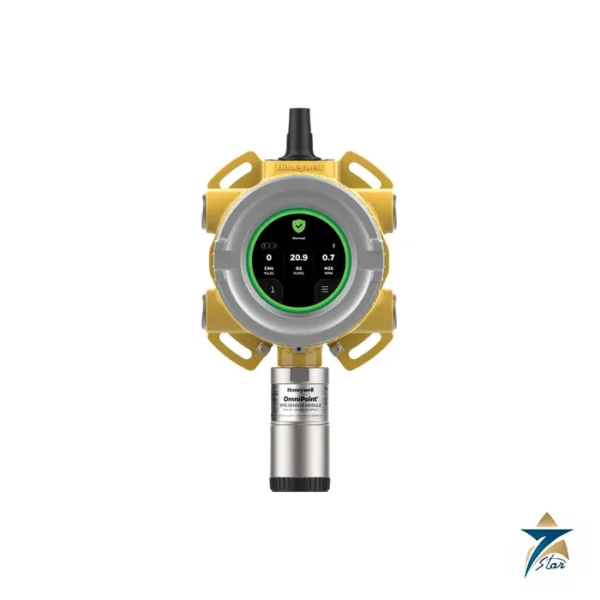
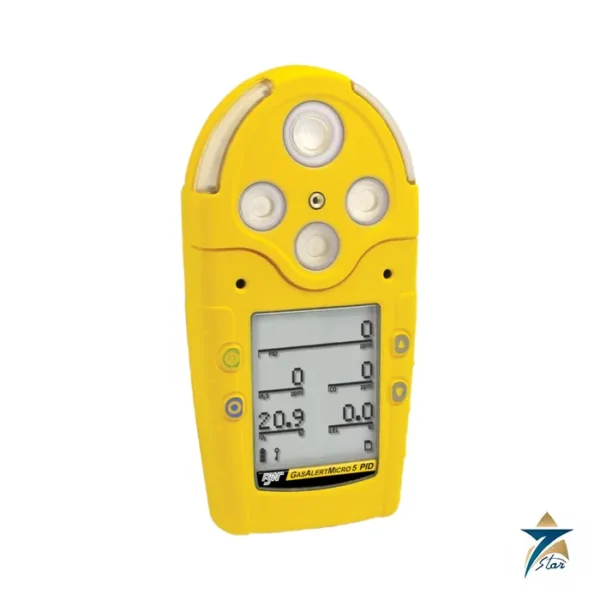
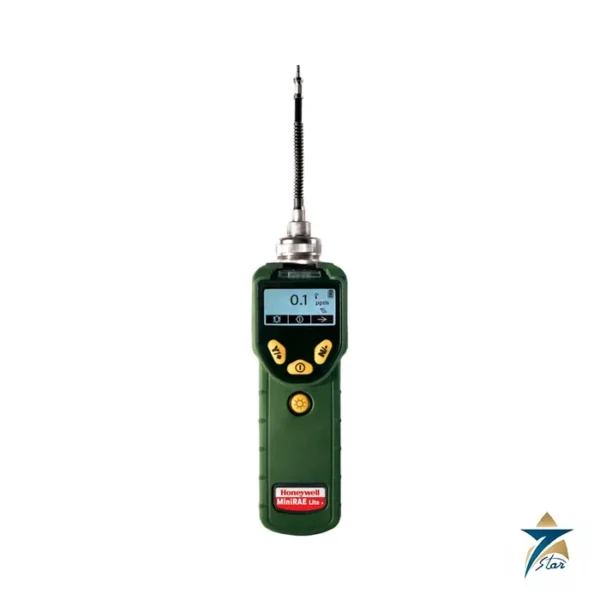
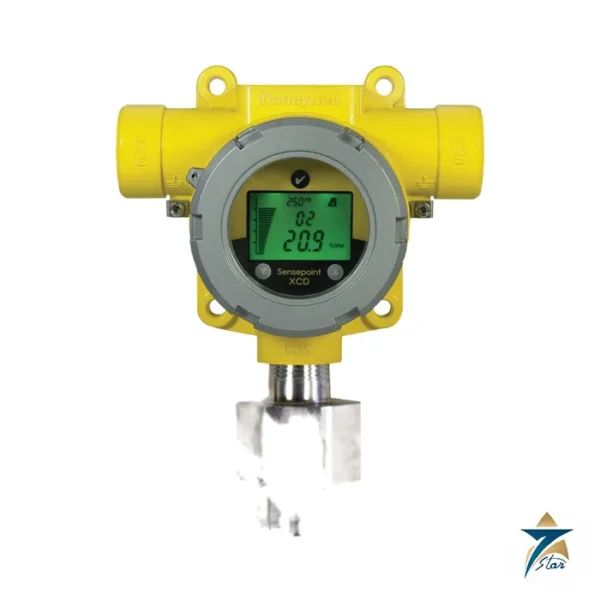
Other Models in the Honeywell Bw Portable Range
Seven Star LLC supplies models from the Honeywell Bw Portable range in Oman and the GCC. Compare the related models below and request a quote for the one that matches your application.




















Reviews
There are no reviews yet.