Brand:

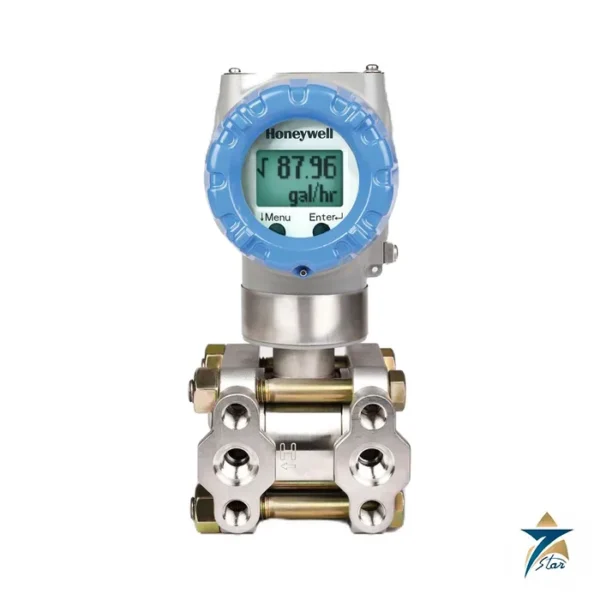
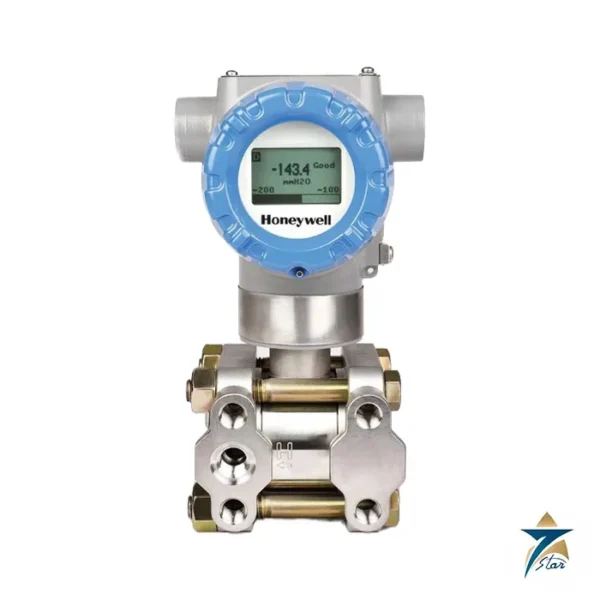
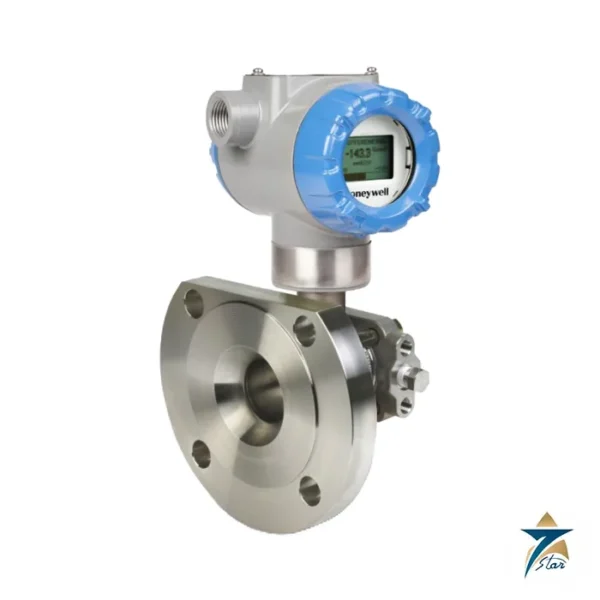
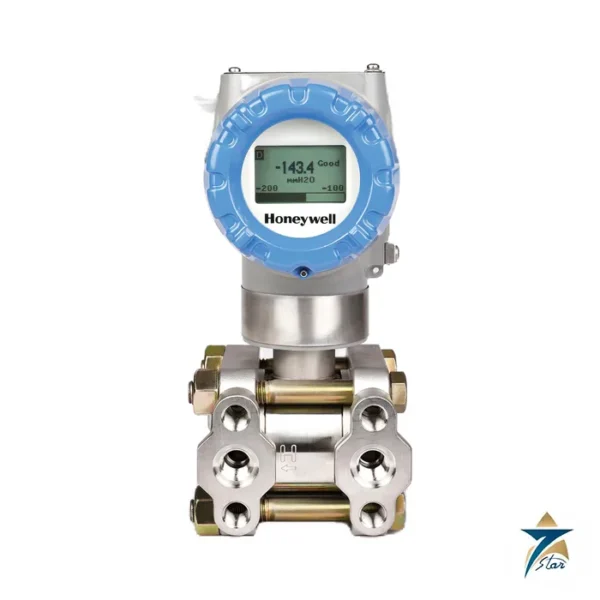
Honeywell STR735D SmartLine STR700 Remote Diaphragm DP Transmitter

Description

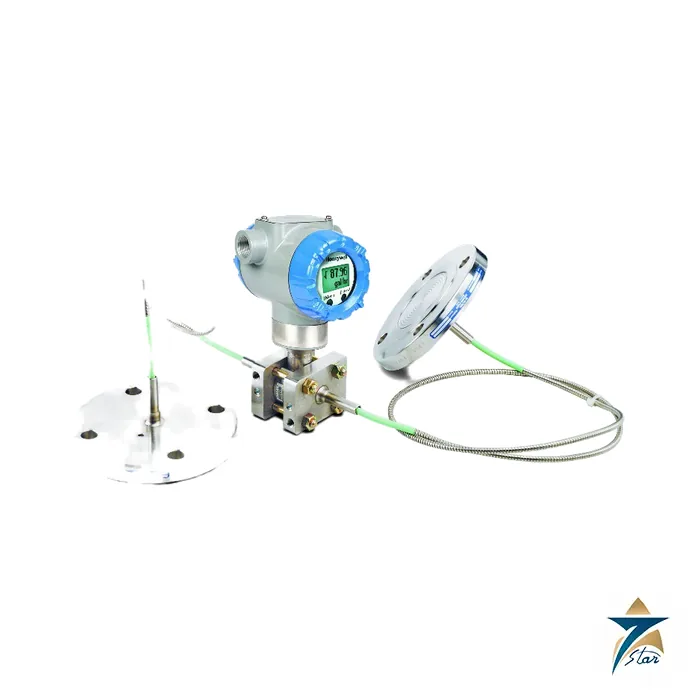
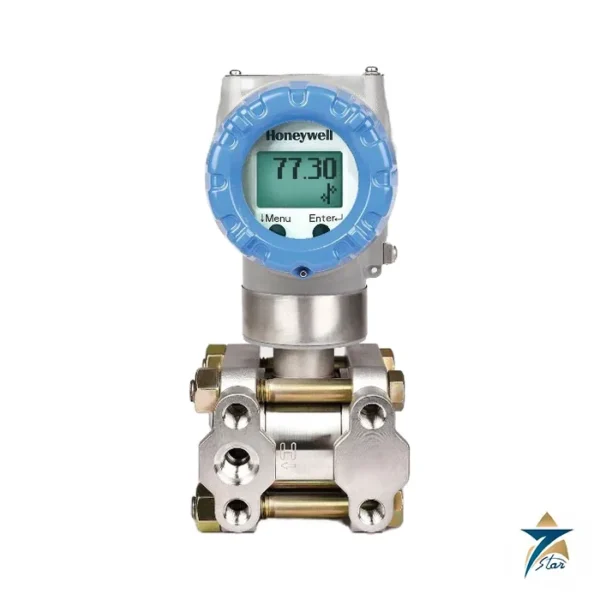
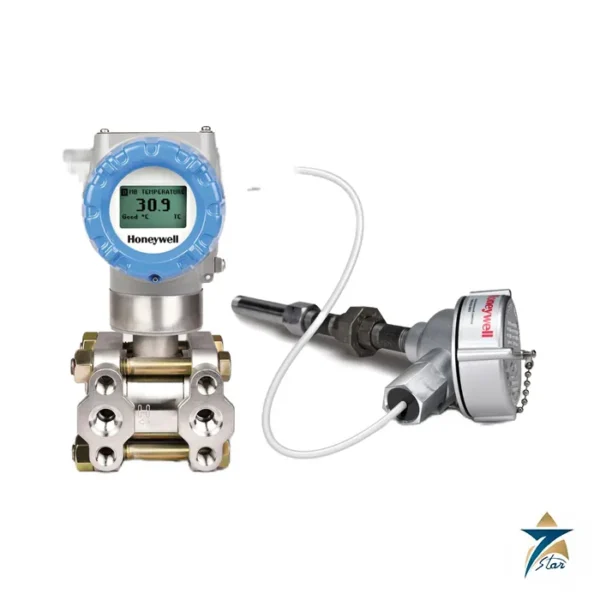
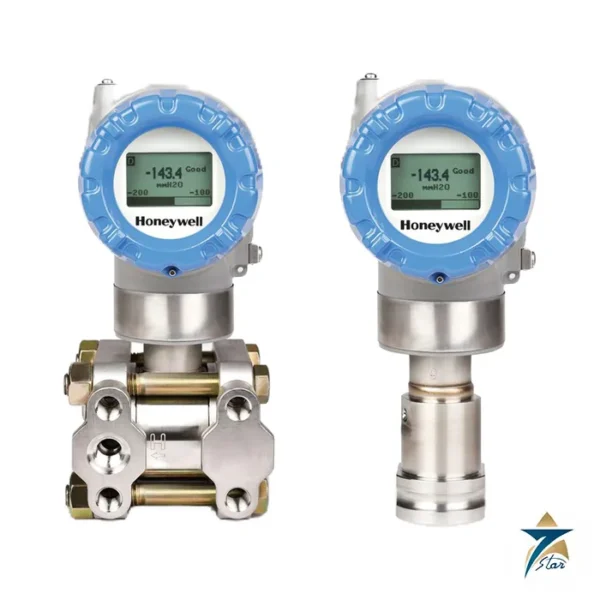
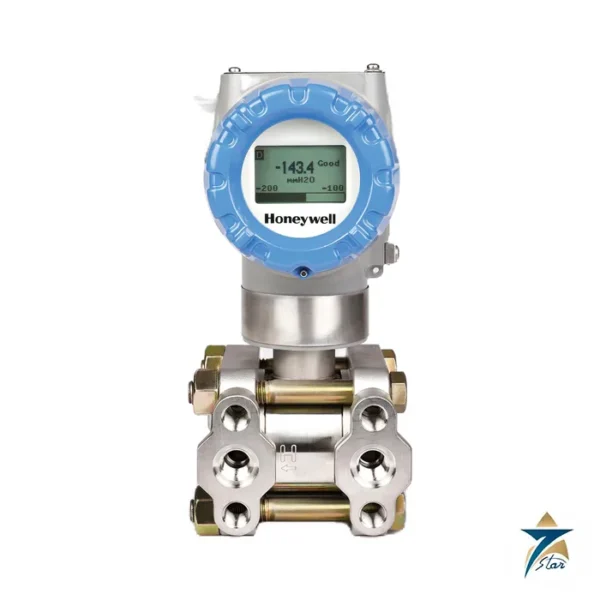
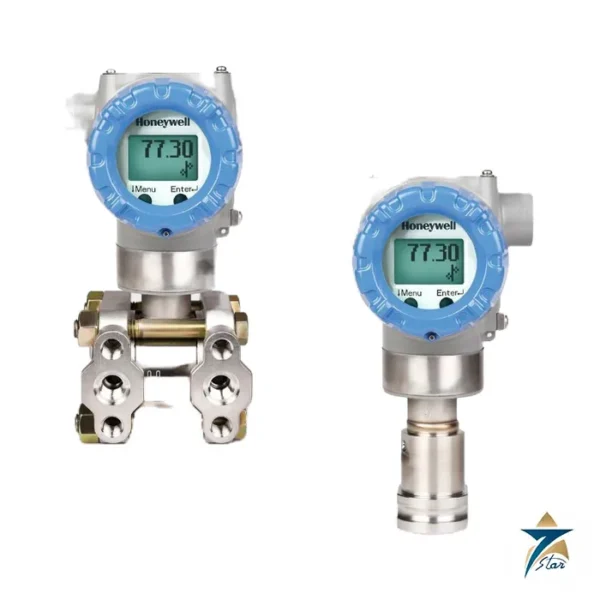
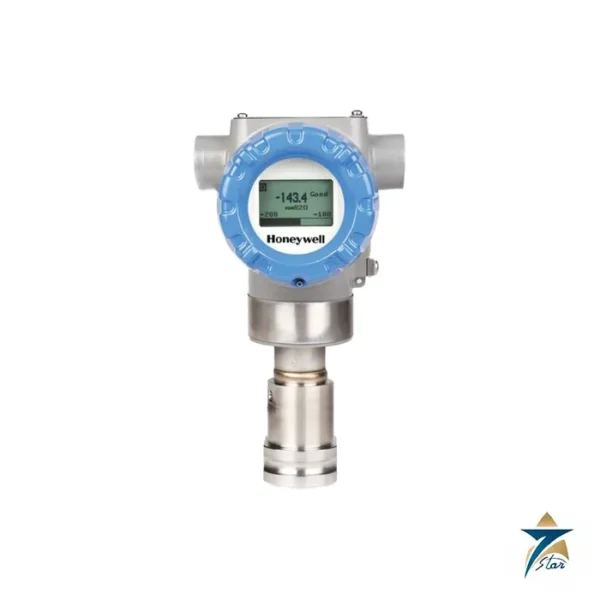
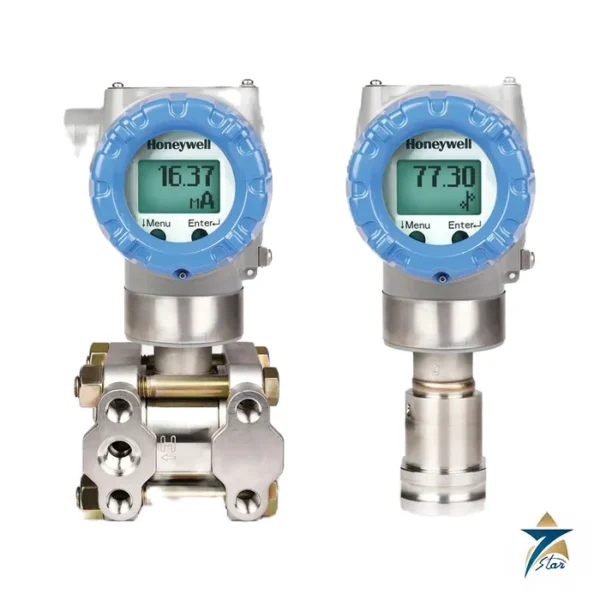
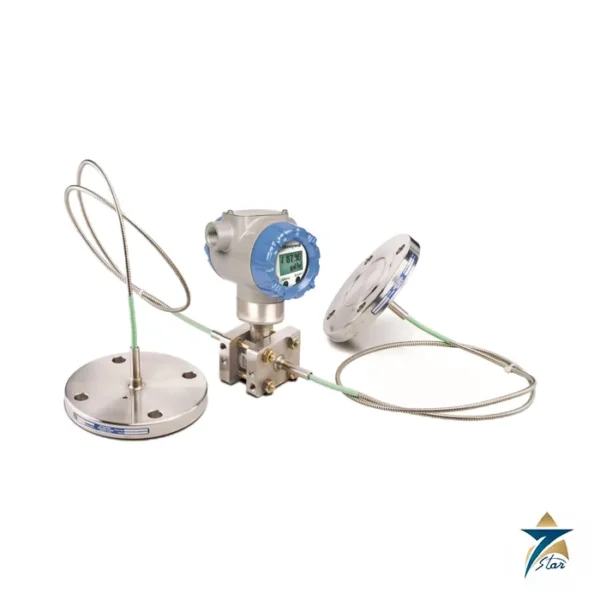
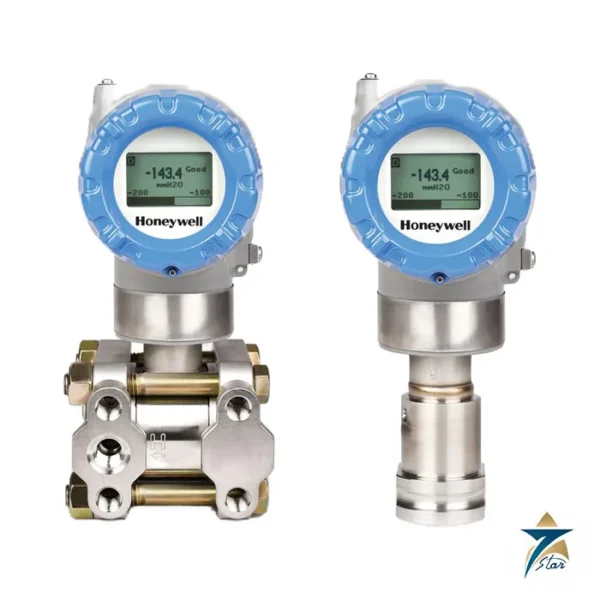
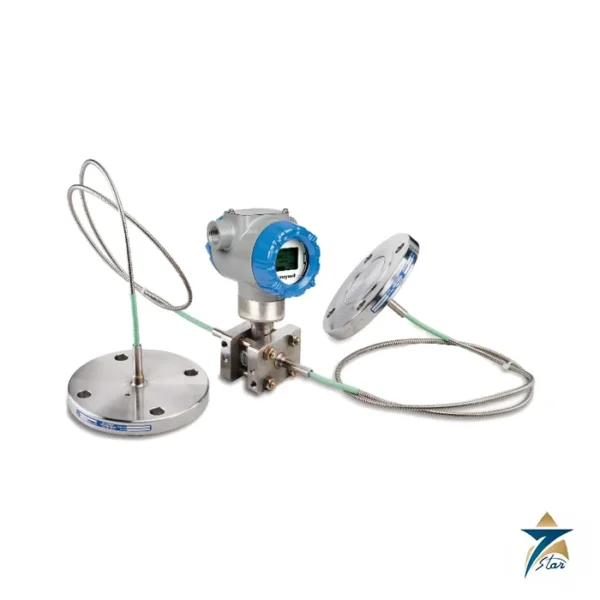
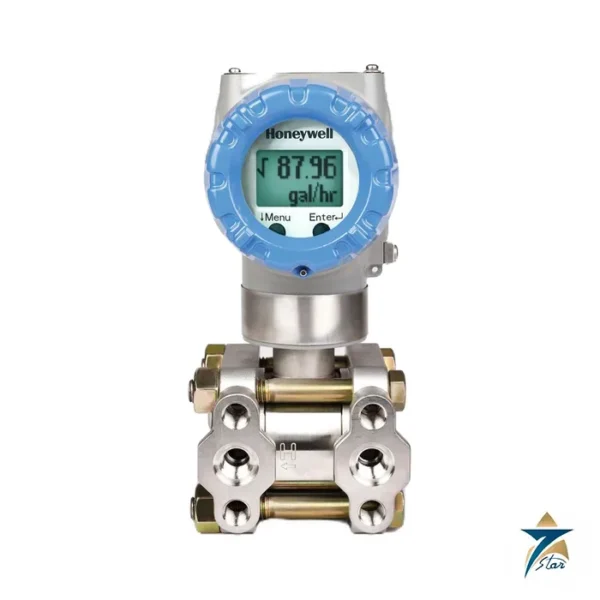
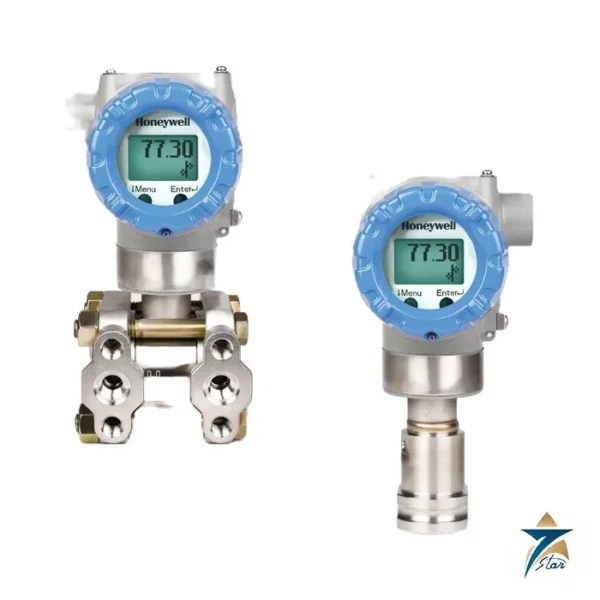
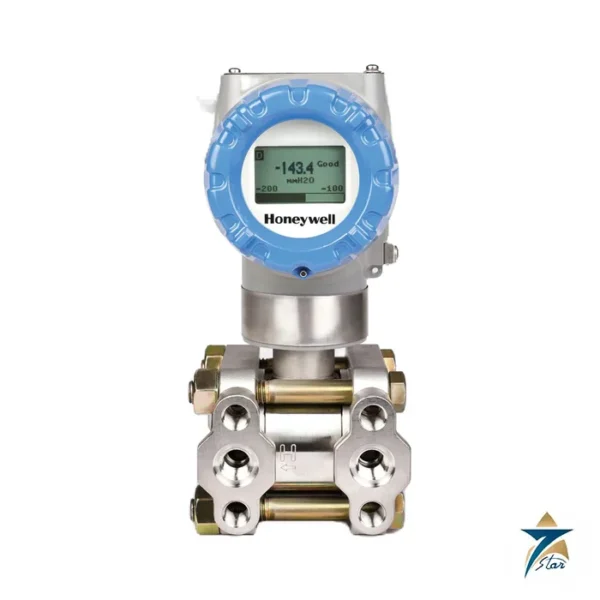
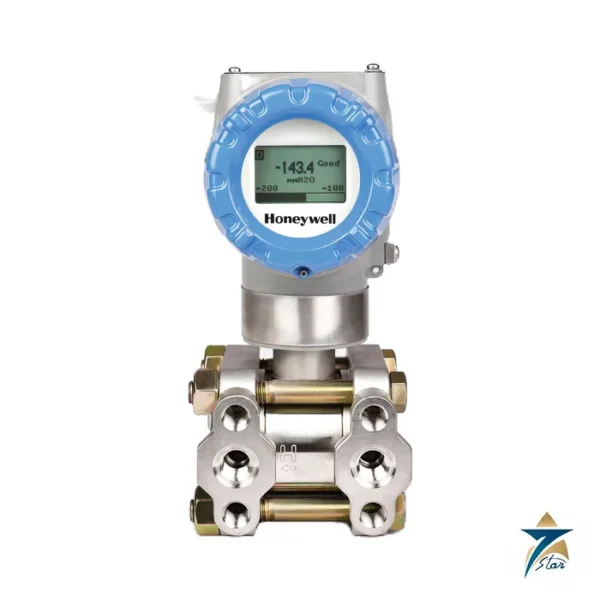
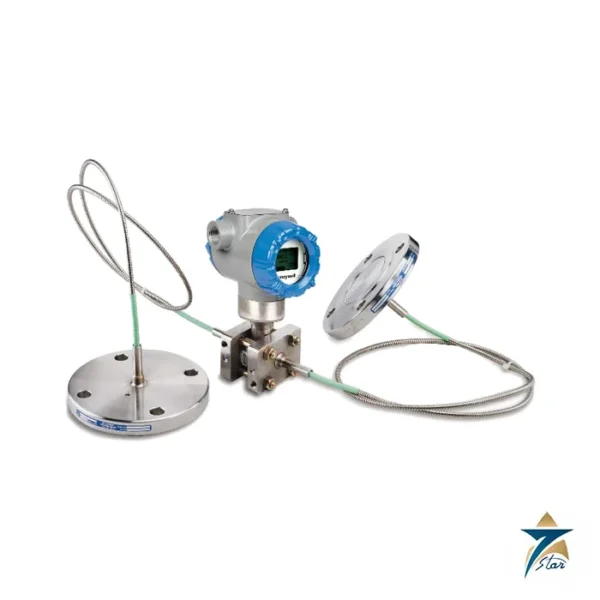
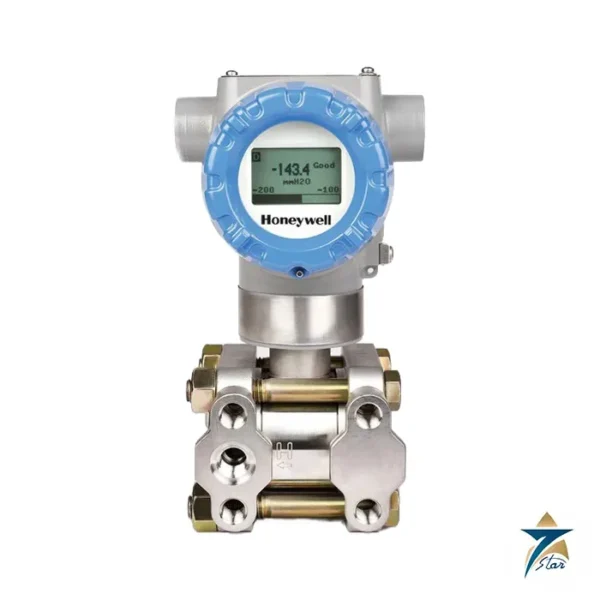
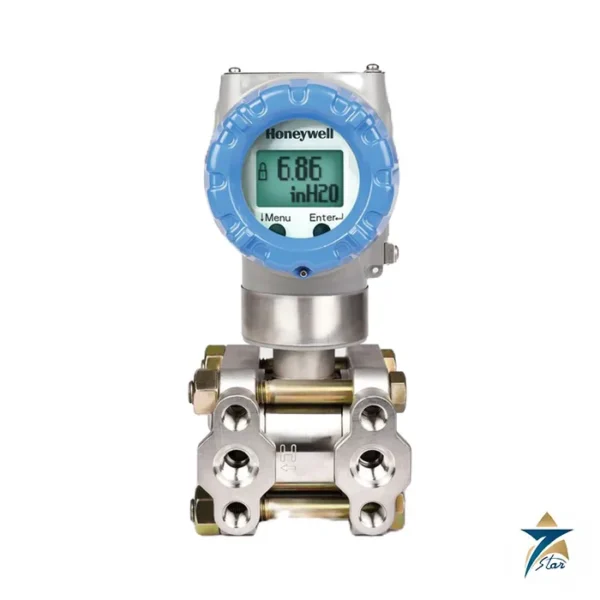
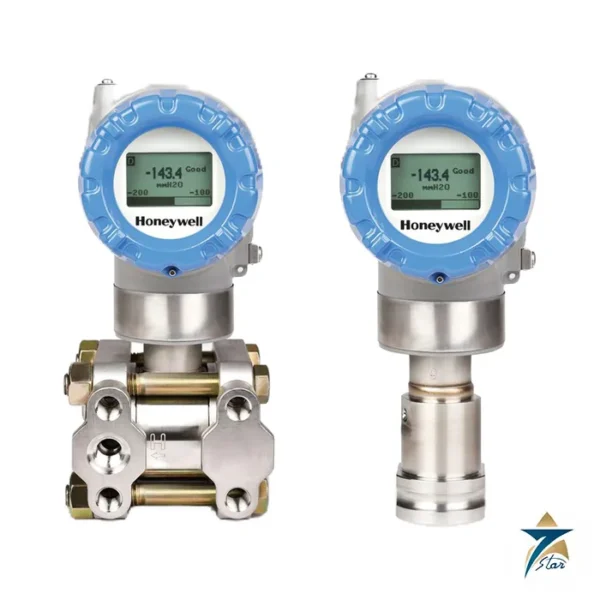
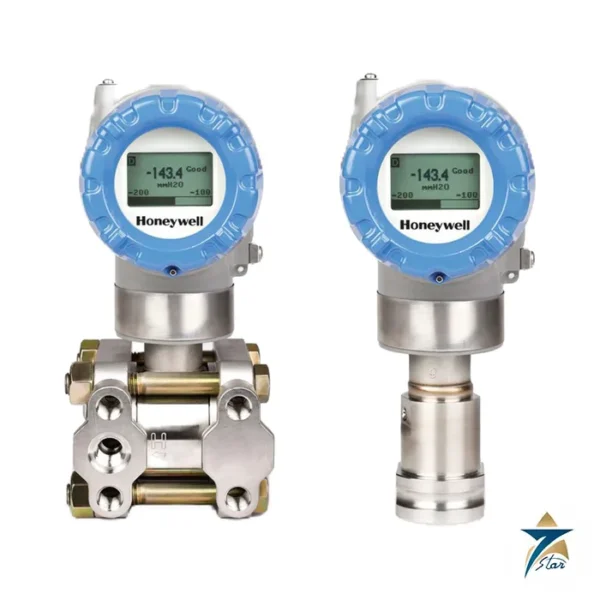
Honeywell STR735D remote diaphragm seal DP transmitter

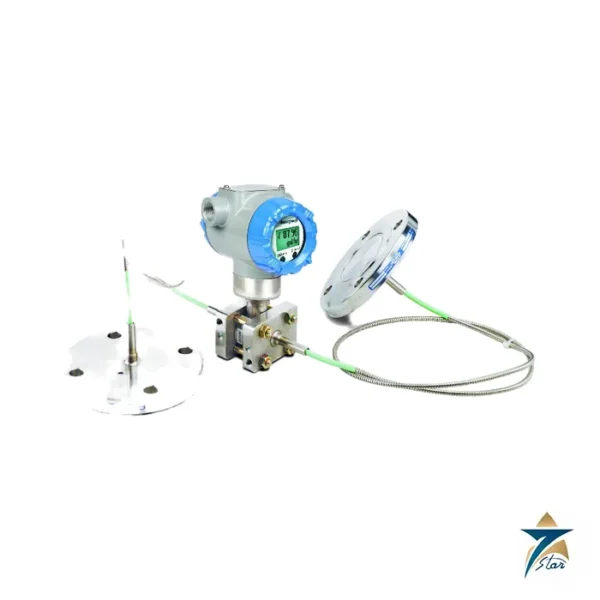
Honeywell STR735D is the differential version of the STR700 SmartLine remote diaphragm seal transmitter. It is built on the STD735 base transmitter and adds two remote seals joined by capillaries, so the sensing diaphragms can sit directly on a vessel while the electronics sit where an operator can reach them. The measurement is differential, 100 psid (7.0 bar) upper limit and minus 100 psid lower limit.

The standard application is liquid level in a closed tank, with one seal at the bottom and one at the top, but the model also works across a heat exchanger or a pipe segment. The datasheet quotes a minimum span of 0.9 psid (0.062 bar) and a very high maximum turndown of 111:1, though the practical minimum span depends on seal diameter and capillary length. Seven Star LLC is an independent supplier serving Oman and the wider GCC and is not affiliated with the manufacturer.

Capabilities of the STR735D with two seals

  • Two balanced remote seals with capillaries from 5 to 35 ft (1.5 to 10.7 m).
  • Reference accuracy 0.075 percent of span, based on the STD735 base transmitter.
  • Seal diaphragm in 316L stainless steel, Monel, Hastelloy C or tantalum.
  • Ambient temperature limits depend on process interface temperature and are given in a graph in the datasheet.
  • MAWP is the lower of the body (750 psig, 51.7 bar, bolted heads) and the seal rating.
  • Calibration verification suggested every four years.

STR735D specification data

Parameter Value
Model STR735D (STR700 SmartLine remote diaphragm seal, differential)
Base transmitter STD735
Upper / lower range limit 100 psid (7.0 bar) / -100 psid (-7.0 bar)
Minimum span 0.9 psid (0.062 bar); depends on seal size and capillary length
Maximum turndown 111:1
Reference accuracy 0.075 percent of span (A 0.005, B 0.060)
Reference turndown / knee C 22:1 / 4.52 psid (0.311 bar)
Temperature effect (two balanced seals) 0.275 + 1.200 x F/span, F = 9 psid (0.622 bar)
Total performance example 1.476 percent of span at 20 psid, 5:1 turndown
Stability of base transmitter 0.020 percent of URL per year
MAWP (body) 750 psig (51.7 bar), bolted process heads
Output / protocol Two-wire 4 to 20 mA with HART 7
Supply voltage and loop load 10.8 to 42.4 VDC at the terminals (intrinsically safe versions limited to 30 VDC); load 0 to 1,440 ohms
Seal diaphragm materials 316L stainless steel, Monel, Hastelloy C or tantalum
Seal gasket materials Viton, graphite or Teflon
Capillary Armored stainless steel or PVC-coated armored stainless steel; 5, 10, 15, 20, 25 or 35 ft (1.5, 3, 4.6, 6.1, 7.5 or 10.7 m); 2-inch close-coupled nipple available
Meter body fill fluid Silicone 200 (S.G. 0.94) or CTFE (S.G. 1.89)
Secondary fill fluid Silicone 704 (1.07), Syltherm 800 (0.90), NEOBEE M-20 (0.93) or silicone 200 / CTFE
Transportation and storage temperature -55 to 90 degC
Housing Polyester powder-coated low-copper aluminium, Type 4X / IP66 / IP67; dual-certified 316/316L stainless housing optional
Transmitter weight 8.3 lb (3.8 kg) with aluminium housing; total weight depends on the seal
Calibration verification Every four years

How STR735D differs from other STR700 variants

The only other STR700 model in the datasheet is the STR745G, a gauge transmitter with a single remote seal on the high side. The STR735D is the differential, two-seal member and as such carries a temperature specification that applies to two balanced remote seals, with a factor of 1.5 for capillaries longer than 10 feet. Its base transmitter is the STD735, whereas the STR745G is derived from the STG74S.

In numbers: the STR735D spans 100 psid with a 0.9 psid minimum span and 111:1 turndown, whereas the STR745G spans 500 psig with a 5 psig minimum span and 100:1 turndown. The STR745G offers a 0.040 percent high-accuracy option on its B term; the STR735D lists only 0.075 percent.

Model Base transmitter URL Min span Seals
STR735D STD735 100 psid (7.0 bar) 0.9 psid (0.062 bar) Two balanced remote seals
STR745G STG74S 500 psig (35 bar) 5 psig (0.35 bar) One remote seal, high side

STR735D in hot, viscous and corrosive services across the GCC

Remote diaphragm seals are chosen when a conventional impulse line would plug, freeze, boil or corrode. The STR700 datasheet itself lists high process temperatures, viscous fluids or suspended solids, highly corrosive process materials, sanitary applications, hydrogen permeation risks, maintenance-intensive wet legs, remote mounting needs and density or interface measurements as typical uses.

In Oman that translates to crude oil and bitumen tanks, sour water strippers, caustic and acid storage, and process towers at petrochemical sites such as Sohar. For these, the STR735D with two seals replaces a wet-leg level system and removes the wet leg’s maintenance.

Sizing seals, capillary and span for STR735D

Start from the process: nozzle size, flange rating and wetted material determine the seal; the diaphragm diameter then determines the minimum span. The datasheet table for two seals gives, for a 3.5-inch diaphragm, a recommended minimum span of 0.9 psi for capillaries up to 15 ft and 1.4 psi at 35 ft; for a 2.4-inch diaphragm it is 5.4 psi at 5 ft up to 14.4 psi at 35 ft, and a 1.9-inch diaphragm is limited to 15 ft.

Capillary length affects thermal error; choose the shortest practical length and keep both capillaries the same length and routed together so they see the same ambient.

Installing the STR735D and its capillary system

Mount both seals on the vessel flanges per the engineering drawing, route armored capillaries away from hot surfaces and support them along their length, and never kink, crush or cut a capillary, since damage can compromise the filled system. Mount the transmitter body at an elevation recorded on the loop sheet so that capillary head effects can be zeroed out.

After installation perform a zero trim at the actual mounting elevation with the tank empty or with equal levels at both seals.

Looking after seals and capillaries

The remote seal system is a closed filled system; if a capillary or diaphragm is damaged, consult the supplier before attempting any repair. Verification interval is four years in the datasheet. Inspect flange faces for build-up at each shutdown, and rinse seal diaphragms without scratching them.

STR735D questions answered

What is the Honeywell STR735D? It is a differential-pressure remote diaphragm seal transmitter in the STR700 SmartLine range, based on the STD735 base transmitter.

What range does the STR735D cover? Minus 100 to plus 100 psid (minus 7.0 to plus 7.0 bar), with a minimum span of 0.9 psid (0.062 bar) and up to 111:1 turndown.

What is the accuracy of the STR735D? Reference accuracy is 0.075 percent of span; the total performance example is 1.476 percent of span at 20 psid including seal temperature effects.

What capillary lengths are available for the STR735D? Capillaries of 5, 10, 15, 20, 25 or 35 ft (1.5 to 10.7 m), or a 2-inch close-coupled nipple, subject to diaphragm size limits.

How often should the STR735D be calibrated? The datasheet recommends a calibration verification every four years.

Documents and quotation

Specification 34-ST-03-124 contains the seal selection guide, capillary tables and dimensional drawings for the STR735D.

To request a quotation for Honeywell STR735D, send part number, quantity, seal type, diaphragm size, capillary length, fill fluid and approval to Seven Star LLC.

Other Models in the STR700 Range

Seven Star LLC supplies models from the STR700 range in Oman and the GCC. Compare the related models below and request a quote for the one that matches your application.

ModelCategory
Honeywell STR735D SmartLine STR700 Remote Diaphragm DP TransmitterPressure TransmittersYou are viewing this model
Honeywell STR745G SmartLine STR700 Remote Seal Gauge TransmitterPressure TransmittersView details
Datasheets & Documents
  • PDF Datasheet Honeywell STR735D SmartLine STR700 Remote Diaphragm DP Transmitter Datasheet Download
Reviews (0)

Reviews

There are no reviews yet.

How would you rate this product?

It takes about 10 seconds — just tap a star. Your email is never published.

About brand

Honeywell is the American industrial technology group whose products on this site cover gas and flame detection, pressure transmitters, flow measurement, gas metering, fire alarm systems and helicopter rotor balancing equipment. Its roots go back to a thermostat business in Minneapolis in 1885 and to Mark Honeywell's heating company, which merged with it in 1927. Several brands we list have joined Honeywell over the years: Gent fire systems of Leicester (part of Honeywell since 2005), Chadwick-Helmuth (a Honeywell business unit from 2002) and Elster gas metering (acquired around the end of 2015).

Seven Star LLC is an independent supplier in Muscat. We list Honeywell gas detectors and sensors, transmitters, Elster gas meters and flow computers, Gent fire alarm equipment and Chadwick-Helmuth balancers, and supply them and their spares in Oman and the GCC by part number.

Honeywell company profile

Origins 1885, Minneapolis (Butz thermostat business); merged with Mark Honeywell's company in 1927
Brands in our range Honeywell Analytics gas detection, SmartLine transmitters, Elster gas metering, Gent fire detection, Chadwick-Helmuth rotor track and balance
Gent Founded in Leicester, UK, around 1872 by John Thomas Gent; part of Honeywell since 2005
Elster Gas, water and electricity metering; bought by Honeywell from Melrose, deal completed around the end of 2015

Milestones

  • 1885: The Butz thermostat business starts in Minneapolis.
  • 1927: It merges with Mark Honeywell's company.
  • 2005: Gent fire detection (Leicester, UK) becomes part of Honeywell.
  • 2015: Honeywell completes the purchase of Elster from Melrose around the end of the year.

Honeywell products we list

Family Models Typical use
Fixed gas detectors Searchline Excel, Searchline Excel Plus, 02104-N-XSSA, Sensepoint XCD RTD, Sensepoint XCD IR, XCD H2, Sensepoint XCL, Sensepoint XRL, OmniPoint, RAEGuard 2 PID Flammable, toxic and VOC gas detection in process areas
Sensors, flame detection and control SR-W-MP75C LEL sensor, SR-X2V O2 sensor, FS24X Plus flame detector, R4343E flame switch, System 57 card, 5704FS panel Replacement sensors, fire detection and gas detection control panels
Transmitters and flow SmartLine STG700, STG800, STR82D remote seal, VersaFlow Coriolis Process pressure and mass flow measurement
Elster gas metering Q.Sonic plus, TRZ2, Quantometer, RABO, IRM-3 DUO, EK280, EC 350, enCore FC1, enCore ZM1, gas-net F1, gas-net D2, GasLab Q2, USM display Gas meters, volume correction and fiscal flow computing
Gent fire alarm systems Vigilon Plus, Vigilon Compact Plus, Nano, Xenex, S-Quad detector, S-Cubed, ALD302 base, S4-34420 interfaces, loop card, repeat panel, mimic panel, XENS-850 call point, 74430 bell Addressable and conventional fire alarm systems in buildings and plants
Chadwick-Helmuth rotor track and balance 8500C, 8500C Plus, Vibrex 2000, Model 11, photocell system, printer, bracket, protractor Helicopter rotor track and balance and propeller balancing

Gas detection uses two basic approaches. Point detectors such as the Sensepoint XCD measure the gas at one location, with a catalytic or infrared sensor for flammable gas and an electrochemical cell for toxic gas such as H2S. Open path detectors such as the Searchline Excel send an infrared beam across an area up to a few hundred metres long and detect a gas cloud anywhere along it. Infrared sensors cannot be poisoned the way catalytic beads can, which matters on sites with silicones or H2S.

Where Honeywell products are used

In Oman and the GCC, Honeywell gas detectors protect wellheads, gas plants, refineries and tank farms. Elster meters and flow computers measure gas at city gate stations and in industry. Gent systems are installed in commercial buildings, hospitals and hotels, and Chadwick-Helmuth balancers are used by helicopter operators.

Ordering Honeywell products: what we need

Send the part number from the label (for example 02104-N-XSSA or SPXCDASMTXF). For gas detectors, add the gas, range, output and certification. For gas meters, add size (DN), flow range and pressure rating. For Gent equipment, add the panel type and loop protocol.

Facts checked against Honeywell press releases and SEC filings, and published histories of Gent and Chadwick-Helmuth, October 2026.

FAQ

Questions about the Honeywell STR735D SmartLine STR700 Remote Diaphragm

Answers from our engineering team on installation, compatibility and integration.

01What is the Honeywell STR735D?
It is a differential-pressure remote diaphragm seal transmitter in the STR700 SmartLine range, based on the STD735 base transmitter.
02What range does the STR735D cover?
Minus 100 to plus 100 psid (minus 7.0 to plus 7.0 bar), with a minimum span of 0.9 psid (0.062 bar) and up to 111:1 turndown.
03What is the accuracy of the STR735D?
Reference accuracy is 0.075 percent of span; the total performance example is 1.476 percent of span at 20 psid including seal temperature effects.
04What capillary lengths are available for the STR735D?
Capillaries of 5, 10, 15, 20, 25 or 35 ft (1.5 to 10.7 m), or a 2-inch close-coupled nipple, subject to diaphragm size limits.
05How often should the STR735D be calibrated?
The datasheet recommends a calibration verification every four years.