Endress+Hauser COS51E Memosens amperometric oxygen sensor for water and wastewater
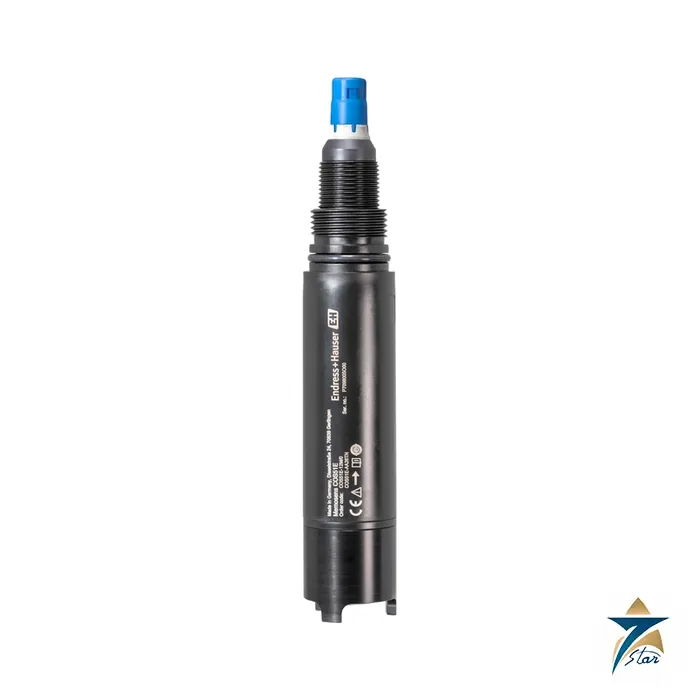
The Endress+Hauser COS51E is a digital dissolved-oxygen sensor with a membrane-covered, three-electrode amperometric cell and a Memosens 2.0 plug-in head. It is built for aeration control in activated-sludge basins, monitoring of process water and drinking-water quality, and for utility systems in industry. Seven Star LLC supplies the COS51E in Oman and the GCC as an independent supplier in Muscat.
The order code carries a two-letter membrane suffix. COS51E-****TN has a black membrane cap with an ETFE membrane and a standard response time. COS51E-****TF has a white membrane cap with an FEP membrane and a fast response. That single letter changes the response time, sensitivity and detection limit, so it is worth fixing early.
Hazardous-area versions are available with ATEX, IECEx, CSA C/US, NEPSI, Korea Ex, Japan Ex and INMETRO certificates, depending on the order version, which makes the COS51E usable in aeration tanks and digesters where gas can collect.
COS51E technical specifications
| Parameter |
Specification |
| Manufacturer / part number |
Endress+Hauser / COS51E (Memosens 2.0) |
| Measuring principle |
Amperometric, potentiostatic three-electrode system |
| Measured variables |
Dissolved oxygen (mg/l, µg/l, ppm, ppb, %SAT, %Vol, ppmVol) and temperature |
| Measuring range |
0 to 100 mg/l; 0 to 2000 hPa; 0.00 to 1000 %SAT |
| Process temperature |
−5 to 60 °C (41 to 140 °F) |
| Process pressure |
5 bar (72.5 psi) absolute |
| Response time, TN (black cap) |
t90 3 min; t98 8 min at 20 °C |
| Response time, TF (white cap) |
t90 30 s; t98 90 s at 20 °C |
| Signal current in air |
TN approx. 300 nA; TF approx. 1100 nA |
| Limit of detection |
TN 10 ppb; TF 5 ppb |
| Limit of quantification |
TN 20 ppb; TF 10 ppb |
| Measurement error |
Up to ±1 % of the measured value (IEC 60746-1) |
| Long-term drift |
Zero point and range below 0.1 % per week under constant conditions |
| Polarisation time |
Below 60 minutes |
| Intrinsic oxygen consumption |
TN approx. 90 ng/h; TF approx. 270 ng/h in air at 25 °C |
| Wetted materials |
POM shaft and membrane cap, gold working electrode, silver / silver halide counter and reference electrodes, ETFE (TN) or FEP (TF) membrane |
| Temperature sensor |
NTC 30 kΩ |
| Process connection |
G1 and NPT ¾ in |
| Dimensions / weight |
Diameter 40 mm; weight 0.3 kg |
| Degree of protection |
IP 68 (2 m water column, 21 °C, 24 h) |
| Ambient temperature |
−5 to 60 °C |
| Ex certification (order dependent) |
ATEX II 1G Ex ia IIC T6 Ga; CSA C/US IS Class I Div 1; IECEx; NEPSI; Japan Ex; Korea Ex; INMETRO; UK Ex |
How the COS51E three-electrode cell works
Oxygen molecules diffuse through the membrane and are reduced at a gold working electrode. At the counter-electrode silver is oxidised, which forms a silver halide layer, and the resulting current is proportional to the oxygen content at constant conditions. The transmitter converts that current to concentration, saturation or partial pressure.
The key difference from older two-electrode oxygen sensors is the high-impedance, current-free reference electrode. As the silver halide layer builds up, the electrolyte becomes depleted in halide ions. In a two-electrode design that shows up as drift. In the COS51E the reference tracks the change and a control circuit holds the working electrode at constant potential, which gives better signal accuracy and longer intervals between calibrations.
The sensor also contains an electrolyte counter. It tracks the consumption of the electrolyte so that the transmitter can warn before the cell is exhausted, and the sensor history is kept inside the plug-in head.
Where the COS51E fits in the measuring system
A complete measuring point has a COS51E, a Memosens cable (CYK10, or CYK20 for portable use) and a compatible transmitter: Liquiline CM44x, CM42, Liquiline Compact CM72 or CM82, or the handheld Liquiline Mobile CML18. Digital Memosens partners from other vendors can also read the sensor.
The datasheet gives these assembly options. For basins and channels, the Flexdip CYA112 immersion assembly with the CYH112 holder, with a float version for rivers and lakes where the level changes. For pipes, the Cleanfit COA451 manual retractable assembly, the Flowfit COA250 flow assembly with automatic self-venting, and the Flowfit CYA251 universal flow assembly. A membrane protection guard for fish-farming tanks is available as an accessory.
For sterile or fermentation oxygen, the optical COS81E is the sibling to look at. The COS51E is the sensor for water, wastewater and utilities.
COS51E selection and ordering checklist
- Membrane and response: TN (ETFE, standard speed) for general aeration control; TF (FEP, fast) when quick response or lower detection limits matter.
- Process: temperature −5 to 60 °C and pressure up to 5 bar absolute.
- Assembly: immersion, retractable or flow, with the minimum pipe diameter of DN 80 for the retractable type.
- Hazardous area: specify the Ex scheme and zone.
- Transmitter and cable: Memosens input and CYK10 or CYK20.
- Spares: the sensor ships with two spare membrane caps, a bottle of electrolyte, a seal set and polishing foils; maintenance kits are available separately.
Installing and commissioning the COS51E
Never hang the sensor from its cable: the datasheet warns that this risks cable breakage or loss of the sensor. Use a suitable assembly. Do not install in places where air pockets or bubbles may form, avoid build-up on the membrane and never install the sensor upside-down.
In a retractable assembly the best location is an ascending pipe. Horizontal mounting with the sensor pointing down and down-pipe positions are not permitted, because of air cushions and bubbles. In a flow assembly a minimum flow of 100 ml/h is needed, and slower flow lengthens the response time.
After fitting, allow the sensor to polarise (under 60 minutes) before calibration. Air calibration is straightforward and the sensor stores the result.
Maintenance and spares for COS51E
The routine tasks are cleaning the membrane, replacing the membrane cap and refilling electrolyte, and renewing O-rings. The scope of delivery includes the parts for a first round of this work. A COV45 maintenance kit is offered for later cycles. Because the cell consumes oxygen and electrolyte slowly, calibration drift remains small between visits, which suits remote plants.
Typical COS51E applications in Oman and the GCC
Municipal and industrial wastewater plants across the GCC rely on dissolved-oxygen control to manage blower energy, and in a hot climate with high organic loads the aeration stage is both essential and costly. The COS51E also fits desalination intake monitoring, cooling-water and utility treatment, and aquaculture tanks, for which a protection guard is offered. High temperature and strong sunlight make sealed digital connections and shaded transmitters a sensible practice on outdoor basins.
What to send with a COS51E request for quotation
- Membrane type (TN or TF) and the full order code if replacing
- Where it will be installed: basin, pipe, flow cell, tank
- Assembly and holder model, or details so we can propose one
- Hazardous-area requirement
- Transmitter model, cable length, quantity and delivery location
Documents and quotation
The manufacturer’s datasheet for the COS51E is attached on this page, including installation drawings for the supported assemblies.
Send the membrane type and installation details and Seven Star LLC will quote the COS51E with lead time for Oman and the GCC.
Other Models in the Eh Memosens Sensor Range
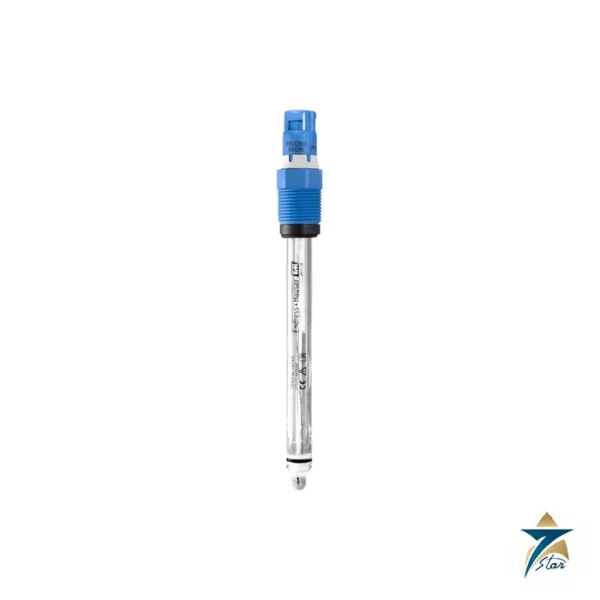
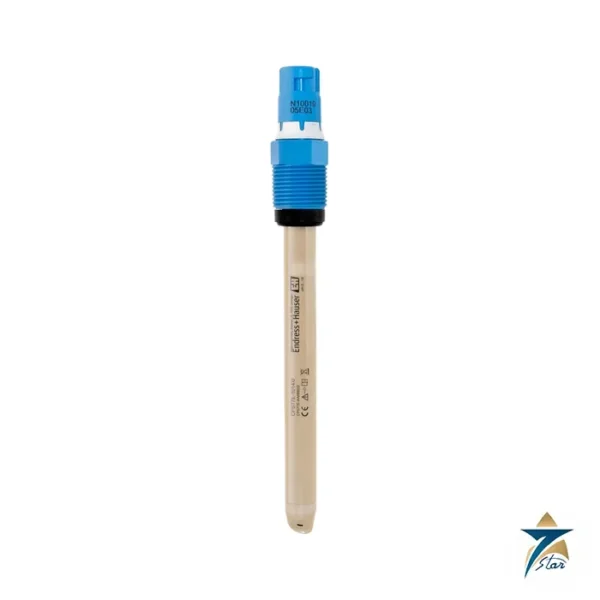
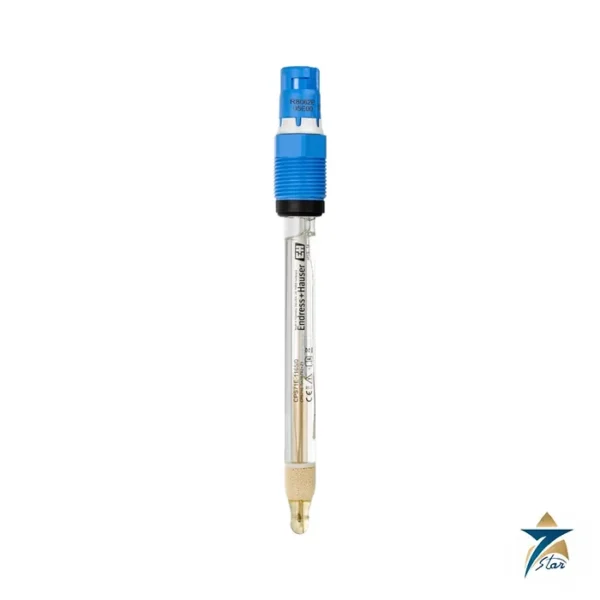
Seven Star LLC supplies models from the Eh Memosens Sensor range in Oman and the GCC. Compare the related models below and request a quote for the one that matches your application.



























Reviews
There are no reviews yet.