Endress+Hauser CCS50E Memosens chlorine dioxide sensor
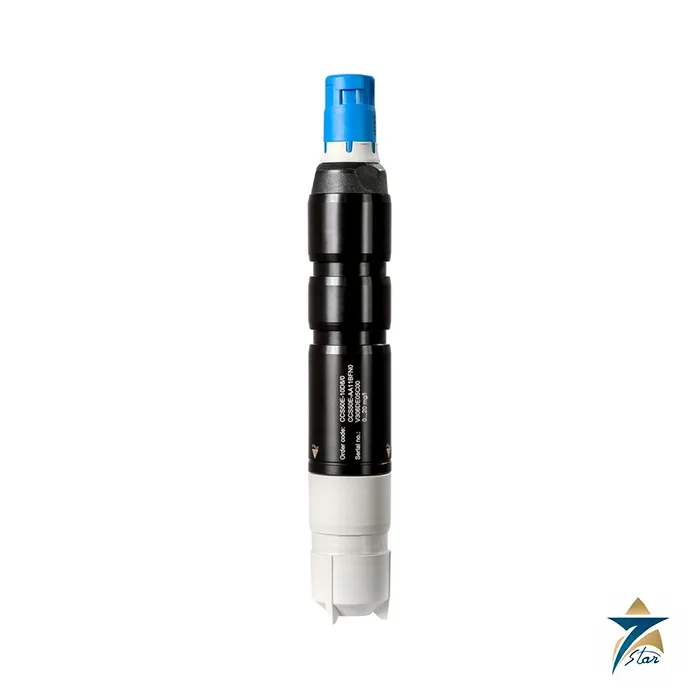
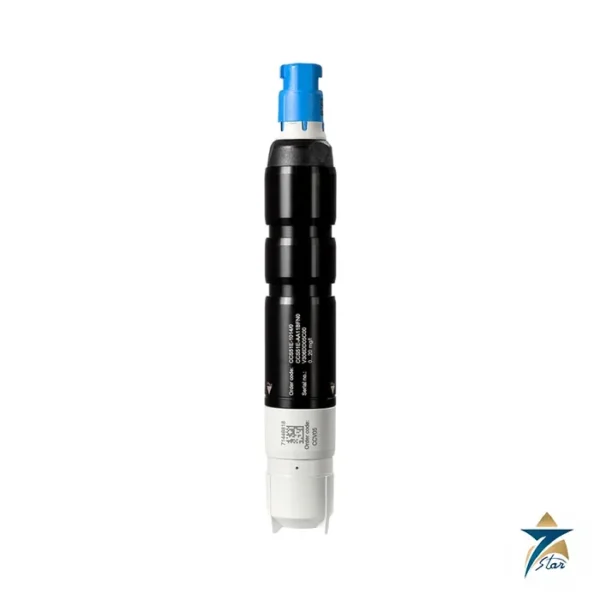
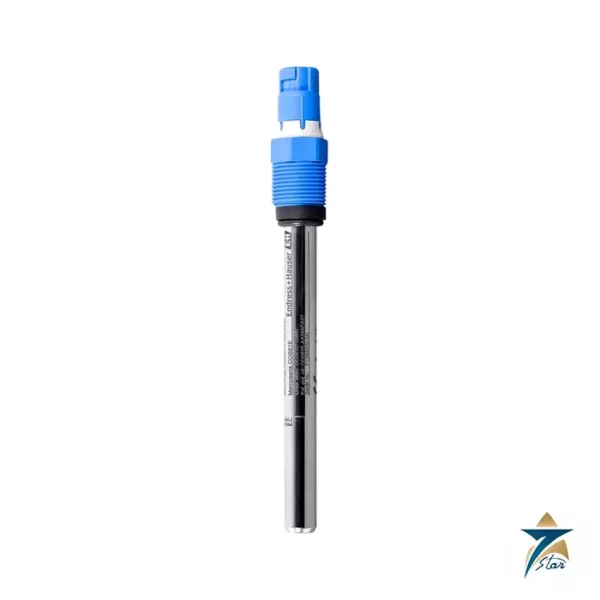
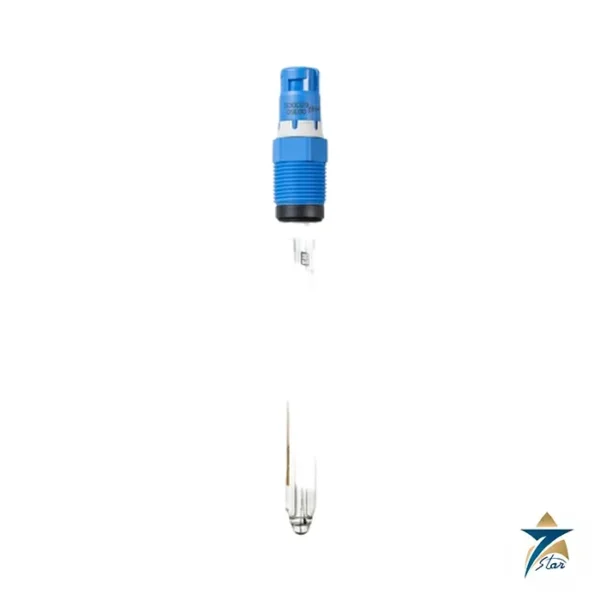
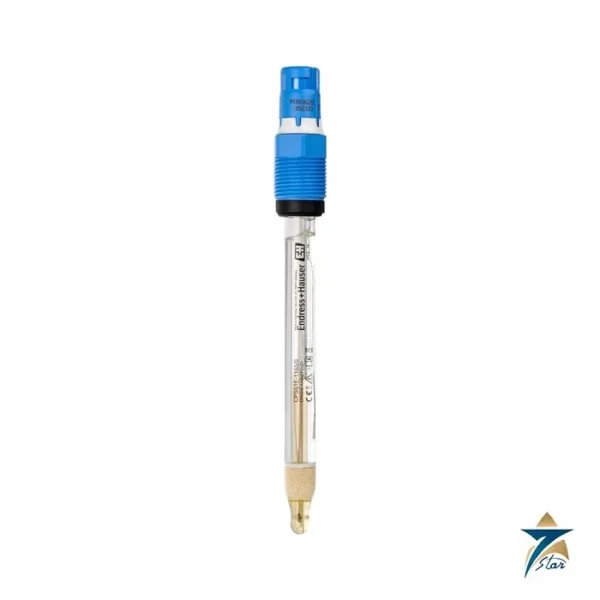
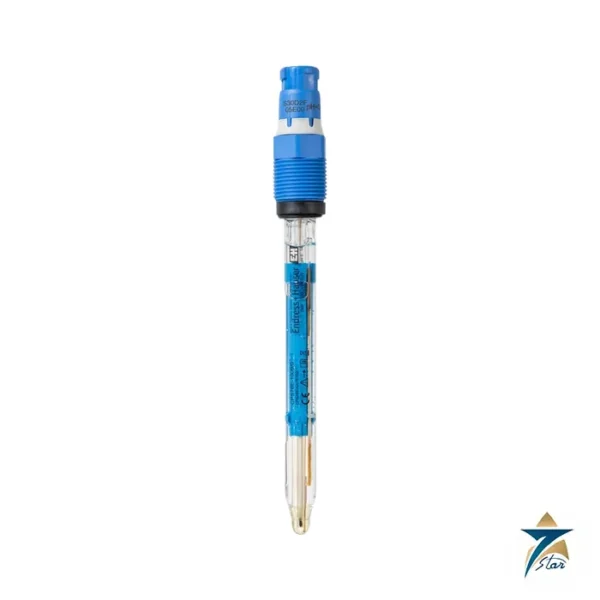
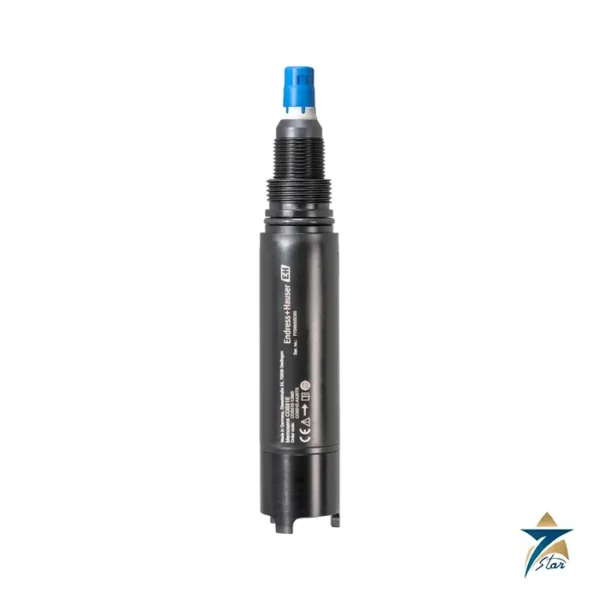
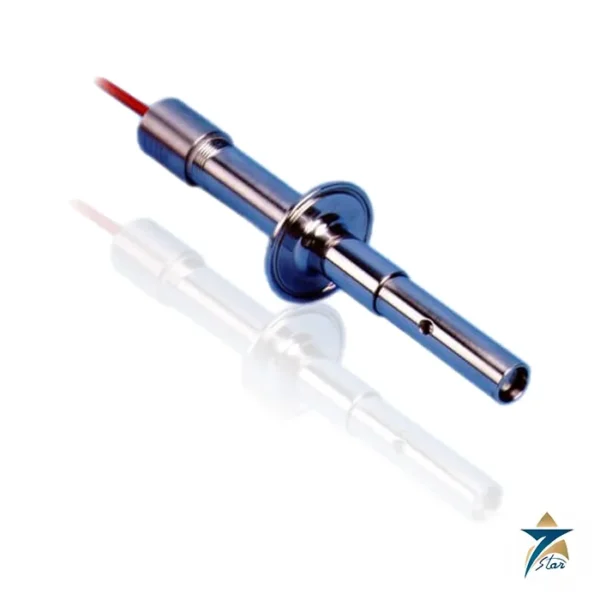
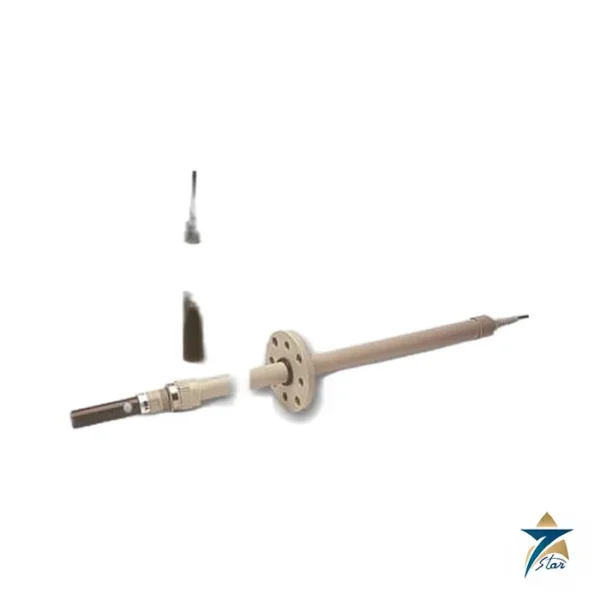
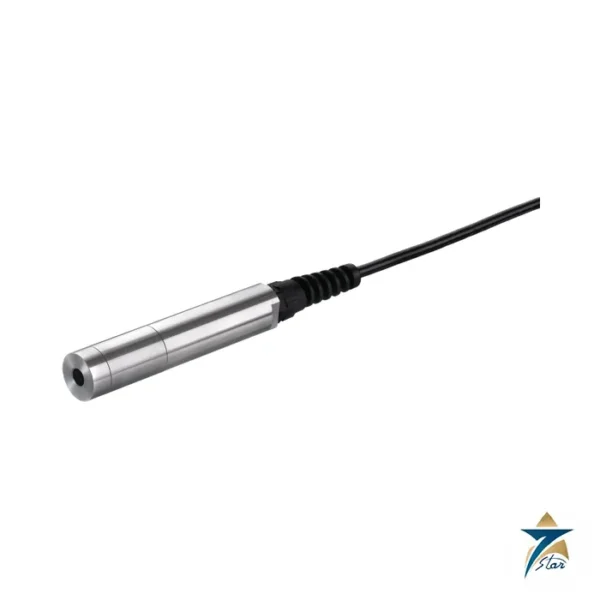
The Endress+Hauser CCS50E is a digital amperometric sensor for dissolved chlorine dioxide (ClO2), built on Memosens technology. It is designed for skid builders and end users who disinfect drinking water, cooling water and process water with chlorine dioxide and who need to avoid both under-dosing and overdosing. The CCS50E is a membrane-covered, closed two-electrode cell, 25 mm in diameter and 161 mm long, that goes into the Flowfit CYA27 modular flow assembly. Seven Star LLC supplies the CCS50E in Oman and the GCC as an independent supplier in Muscat.
CCS50E technical specifications
| Parameter |
Specification |
| Manufacturer / part number |
Endress+Hauser / Memosens CCS50E |
| Measuring principle |
Amperometric, membrane-covered 2-electrode cell |
| Measuring ranges |
0 to 5; 0 to 20; 0 to 200 mg/l ClO2 |
| Response time |
T90 below 15 s after polarisation |
| Process temperature |
0 to 55 °C, non-freezing |
| Process pressure |
Maximum 2 bar absolute |
| Ambient temperature |
−20 to +60 °C |
| Dimensions |
Ø 25 mm, length 161 mm |
| Materials |
Shaft POM; membrane and cap PVDF |
| Interface |
Memosens 2.0 digital |
How the CCS50E measures chlorine dioxide
Chlorine dioxide diffuses through the PVDF membrane and is reduced to chloride at the working electrode at about 120 mV, while silver is oxidised to silver chloride at the counter electrode. The resulting current is proportional to ClO2 concentration, and over a wide range it does not depend on pH. The response time is T90 below 15 s after polarisation. After first connection or a prolonged power interruption the sensor needs a polarisation period before the readings are valid.
CCS50E ranges and data
Three versions cover different ranges: trace 0 to 5 mg/l, standard 0 to 20 mg/l and high 0 to 200 mg/l ClO2. The process temperature is 0 to 55 °C, non-freezing, the maximum pressure is 2 bar absolute, and the ambient range is −20 to +60 °C. The sensor shaft is POM and the membrane and membrane cap are PVDF. Storage with electrolyte is limited to a maximum of two years, and the sensor can stay without electrolyte only up to 48 hours.
Memosens and system integration
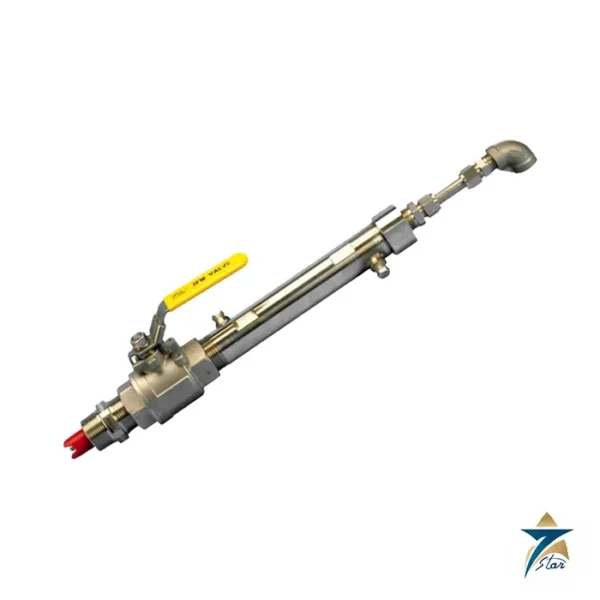
With Memosens 2.0, the sensor can be precalibrated in the laboratory and swapped on site by plug and play. It is connected through the Memosens cable CYK10 to a Liquiline transmitter, and the Flowfit CYA27 assembly can include an inductive flow switch for dry-run protection and a sampling valve for a grab-sample check. The recorded sensor load data helps predict when to replace the membrane cap or electrolyte.
Selecting the CCS50E
Select the range from your dosing target: trace for beverage and reverse-osmosis permeate where chlorine dioxide must be absent, standard for drinking water, and high for process disinfection. Check that your sample flows continuously at the required rate across the sensor in the CYA27 and that the sample temperature and pressure are within the limits. Chlorine dioxide sensors are specific but should be checked for interference from other oxidisers in your water.
Commissioning and maintenance of the CCS50E
Fill the sensor with electrolyte, allow the polarisation to finish, and calibrate by comparing with a photometric DPD reference measurement on a sample taken at the sensor. Replace the membrane cap and electrolyte on a schedule set by water quality and by the load data. Keep the sensor wet, protect it from frost, and flush the flow assembly regularly to prevent biofilm.
Chlorine dioxide monitoring in Oman and the GCC
Chlorine dioxide is used in the Gulf for potable-water disinfection, cooling towers and district-cooling loops, food and beverage plants and reverse-osmosis systems. Warm water increases both microbiological risk and the volatility of ClO2, so a continuous measurement helps hold the dose within limits. Make the flow assembly easily accessible for operators and verify the sensor against grab samples regularly.
CCS50E versions compared
| Version |
Range |
Typical use |
| Trace |
0 to 5 mg/l |
Absence check, RO and beverage |
| Standard |
0 to 20 mg/l |
Drinking and cooling water |
| High |
0 to 200 mg/l |
Process disinfection |
Information to send with a CCS50E RFQ
- Application and target concentration
- Range version (trace, standard, high)
- Flow, temperature and pressure of the sample
- Assembly (CYA27) and cable length
- Transmitter model
- Quantity and delivery location
Spares, consumables and calibration records for the CCS50E
Plan consumables for the CCS50E: membrane caps, electrolyte and sealing rings are replaced on a schedule, and a spare calibrated sensor lets you swap rather than wait for polarisation. Keep a log of calibration dates, DPD reference values, slope and sensor load, because disinfection data may be audited. Sensors must not be left dry or with electrolyte past the stated storage limits, so mark the date on stored spares.
If the reading is noisy or low, check the sample flow and the flow switch first, then the membrane for damage or deposits, and then the electrolyte level. A membrane scratched during cleaning must be replaced rather than cleaned again.
Water-quality notes for the CCS50E
Chlorine dioxide is consumed by organic load and light, so measure close to the dosing point and at a representative return point, and compare the two readings to follow decay along the system.
Site conditions in Oman for the CCS50E
Field instruments in Oman are exposed to strong sun, high ambient temperature, wind-blown dust and, on coastal plants, salt in the air. When you specify the CCS50E, check the ambient and process temperature limits, the enclosure rating and the wetted and housing materials against the actual installation point, and consider sunshades for transmitters mounted in direct sunlight. Cable entries should be sealed with suitable glands so that dust and moisture cannot enter the housing.
Calibration and verification planning matters as much as selection. Record the range, configuration and tag data of each CCS50E at commissioning, define a check interval that suits the criticality of the loop, and keep the certificates with the plant documentation so that audits and shutdown work can proceed without delay.
Documents and quotation
A copy of the manufacturer technical information for the CCS50E is attached on this page so you can check ranges, connections and ordering codes against your specification.
Send the full order code or the process data (fluid, temperature, pressure, line size or tank data, output and approvals) and Seven Star LLC will prepare a quotation and confirm lead time. We are an independent supplier in Muscat and do not represent the manufacturer.
























Reviews
There are no reviews yet.