Overview
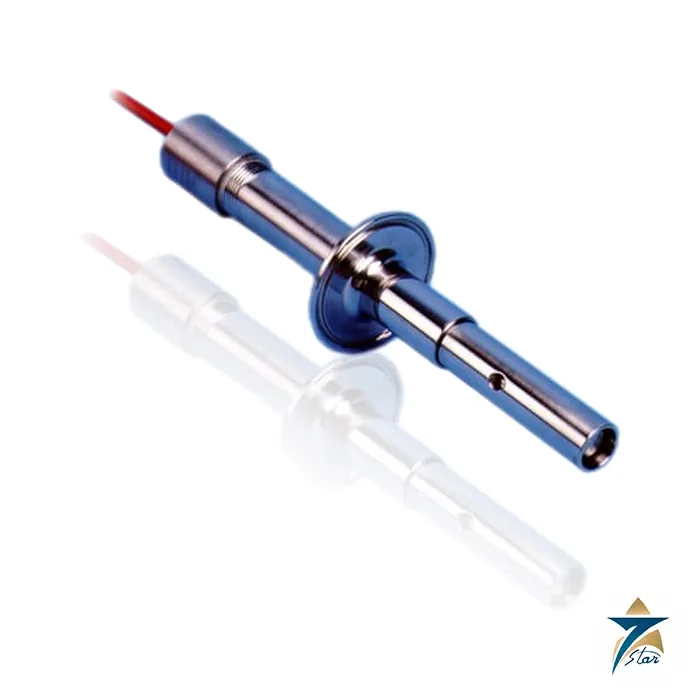
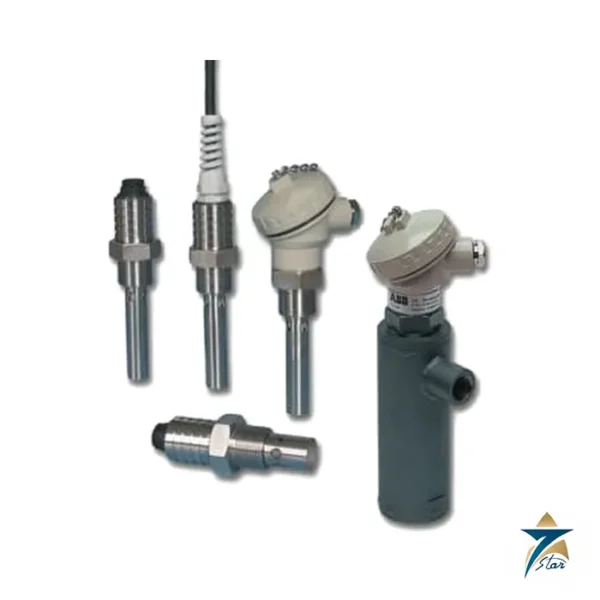
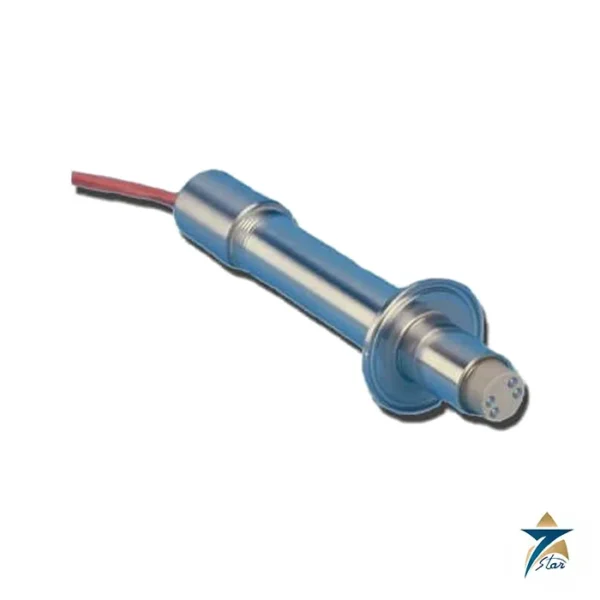
The ABB TB25 tri-clamp sensor is a two-electrode contacting conductivity sensor with a sanitary tri-clamp process connection, engineered for accurate conductivity measurement in hygienic process environments across the food and beverage, pharmaceutical, and biotech industries. It belongs to ABB’s TB2 series of two-electrode conductivity cells (alongside the TB254, TB26, TB264, and TB27 variants for different pressure/temperature classes and connection styles), which measure liquid conductivity directly via a pair of contacting electrodes rather than the optical or pH-sensitive principle used elsewhere in ABB’s analytical portfolio.
Seven Star LLC supplies the ABB TB25 to food, beverage, pharmaceutical, and biotech operators across Oman and the wider GCC with genuine ABB instrumentation. Every unit is sourced through established supply channels, supported by manufacturer documentation, and backed locally with cell-constant and configuration guidance for sanitary process lines.
Operating Principle
The TB25 measures conductivity by applying a small AC voltage across its two contacting electrodes and measuring the resulting current, which is proportional to the ionic conductivity of the solution between them. The cell constant – the geometric relationship between electrode area and spacing – determines the sensor’s effective measurement range; the TB2 series is available in cell constants of 0.01, 0.10, or 1.00, covering conductivity from the low-microsiemens range (ultrapure water) up to roughly 20 mS/cm (moderately concentrated process solutions), so Seven Star selects the correct cell constant for the customer’s actual process conductivity rather than defaulting to one value.
The tri-clamp connection enables easy installation and removal without tools, reducing downtime and simplifying the maintenance routines that sanitary processes demand between production runs, and is particularly suited to rinse-water and clean-in-place verification, where conductivity is the standard proxy measurement for confirming a line has been adequately flushed of cleaning chemical before the next production run.
Engineering Design of the ABB TB25
The measurement electrodes are 316 stainless steel with a PEEK (polyether ether ketone) insulator body, and sealing is provided by Viton internal o-rings with EPDM or Buna-N external o-rings, giving the sensor broad chemical compatibility with common CIP cleaning agents and sanitary process fluids. The TB25’s tri-clamp fitting is sized to standard sanitary tube fittings, letting it install directly into an existing hygienic process line alongside other tri-clamp instrumentation without adapters.
The TB25 is fully compatible with clean-in-place (CIP) and sterilize-in-place (SIP) procedures, making it well suited to sterile applications where hygiene is paramount, and its robust 316 stainless steel and PEEK construction ensures consistent performance across the pressures, temperatures, and chemical conditions typical of sanitary processing. The electrode design minimizes contamination risks and supports compliance with FDA and EHEDG requirements common in regulated food and pharmaceutical production.
Key Features
- Two-electrode contacting conductivity measurement with tri-clamp sanitary connection
- Cell constants of 0.01, 0.10, or 1.00 to match the process conductivity range
- 316 stainless steel electrodes with PEEK insulator body
- Viton, EPDM, or Buna-N o-ring seal options for broad chemical compatibility
- Tool-free tri-clamp installation and removal for fast maintenance between runs
- Full CIP and SIP compatibility
- Supports FDA and EHEDG compliance for regulated food and pharmaceutical production
- Well suited to CIP rinse-water conductivity verification
Industrial Applications
The TB25 is used for conductivity monitoring in CIP rinse verification, dilution and blending control, and product-quality conductivity checks across food and beverage, pharmaceutical, and biotechnology production – applications where hygienic tri-clamp mounting and accurate cell-constant matching are both essential to a trustworthy reading.
Across Oman’s food processing and pharmaceutical sectors, and throughout the wider GCC, Seven Star LLC supplies the TB25 to facilities in Muscat, Sohar, and Salalah that require dependable, factory-genuine sanitary conductivity sensors with full local support, correctly matched to the customer’s actual conductivity range and cleaning-chemical compatibility needs.
Technical Specifications
| Parameter |
Specification |
| Model |
ABB TB25 (TB2 two-electrode conductivity series) |
| Measurement Parameter |
Contacting conductivity |
| Cell Constant |
0.01, 0.10, or 1.00 |
| Measurement Range |
0–199.9 µS/cm (lowest range) to 0–19.99 mS/cm (highest range) |
| Electrode Material |
316 stainless steel |
| Insulator |
PEEK |
| Seals |
Viton (internal); EPDM or Buna-N (external) |
| Mounting |
Tri-clamp sanitary connection |
| Cleaning Compatibility |
CIP and SIP |
| Compliance |
Supports FDA and EHEDG requirements |
| Application |
Food & beverage, pharmaceuticals, biotechnology |
Selecting the Correct TB2 Variant
Getting the right sensor depends on three choices: cell constant, sanitary fitting size and seal material. Choose the cell constant from the actual conductivity of the process, using the lower constants for purified and rinse water and the highest for more concentrated product or cleaning solutions. Confirm the tri-clamp size of the existing process connection, and select external o-rings suitable for the cleaning chemicals and temperatures used in your CIP and SIP cycles. When replacing an installed sensor, quote the full model code from the sensor label, as TB25 variants differ in cell constant and seal material.
- Compare the process conductivity range with the ranges in the specification table above.
- Confirm that the analyzer or transmitter in use supports the chosen cell constant.
- Check cable length and connector type against the existing installation.
Installation Tips
Install the sensor where the electrodes are fully immersed and the line stays full, avoiding high points where air collects. In horizontal pipework, a side mounting position helps prevent air or sediment settling on the electrodes. Make sure the clamp gasket is correctly seated so there are no crevices that could hold product. After installation, enter the cell constant and temperature compensation settings in the analyzer, then verify the reading against a conductivity standard.
Maintenance and Troubleshooting
- Reading lower than expected: check for coating or deposits on the electrodes, and for air bubbles in the measuring area.
- Unstable values: verify cable connections, earthing and that the line is full.
- Offset after CIP: allow the sensor and line to return to process temperature and check temperature compensation.
- Inspect o-rings at scheduled intervals and replace them if they show swelling or cracking from cleaning chemicals.
Applications in Oman and the GCC
Dairy, juice and bottled-water plants and pharmaceutical manufacturers in the region use contacting conductivity sensors to confirm CIP rinse completion and to separate product from water at phase changes. The ABB TB25 electrode suits these hygienic lines where tri-clamp fittings are already standard.
Supply from Seven Star LLC
Seven Star LLC supplies TB2 series sensors along with compatible analyzers and spare o-ring kits. Send us the model code or process details and we will help confirm the correct variant.
Request a Quote for ABB Tri-clamp stainless steel electrodes TB25
Contact Seven Star LLC for a quotation on the ABB TB25 tri-clamp conductivity sensor, with manufacturer documentation and local support across Oman and the GCC.
Related Products







Reviews
There are no reviews yet.