- Automation & ControlView all 2,760 products
- Automation Accessories
- AC Drives
- PLC & I/O Cards
- Industrial Communications
- Vibration Monitoring
- Controllers & Data Acquisition
- Isolator & Barrier
- Safety Switches & Guard Locking
- Motor Soft Starters
- CCTV & Security
- Encoders
- HMI Displays
- Pneumatic Cylinders
- Servo Drives
- Industrial Computers
- Machine Vision
- Automation Software
- Robotics
Brand: Endress+Hauser (E & H)
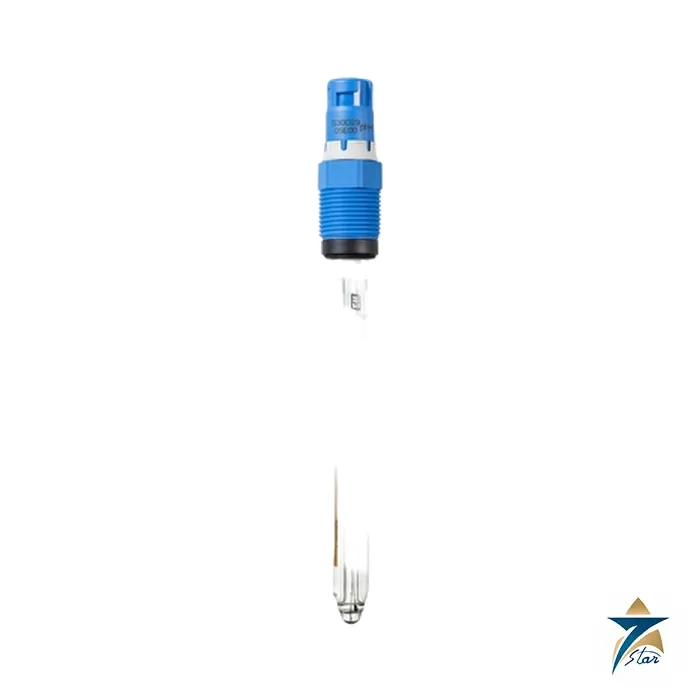
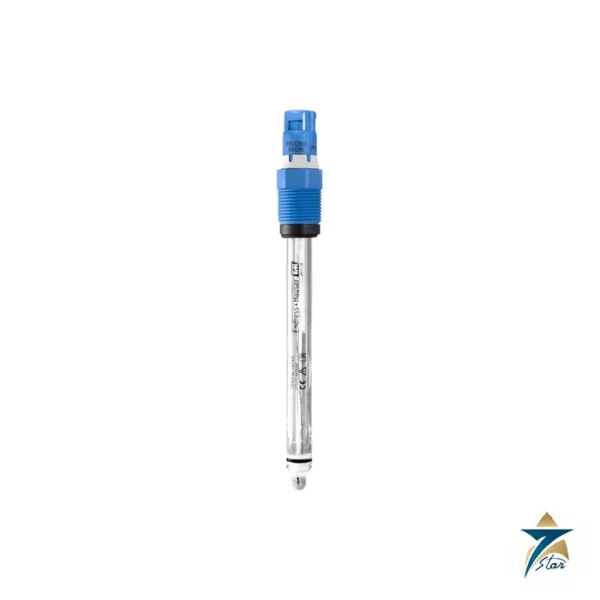
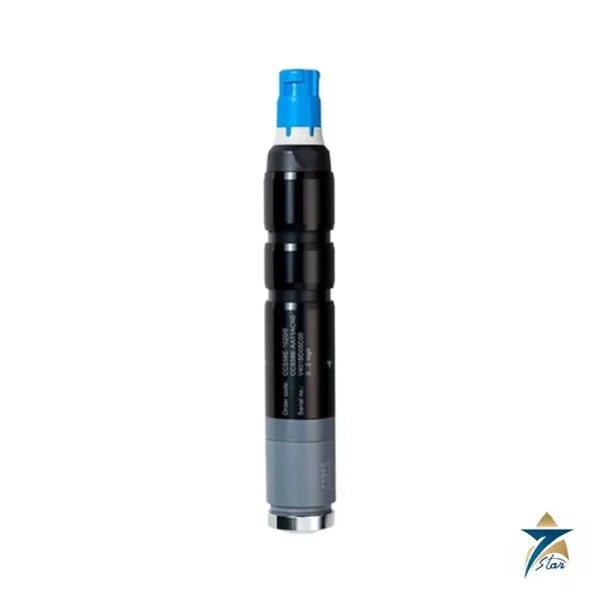
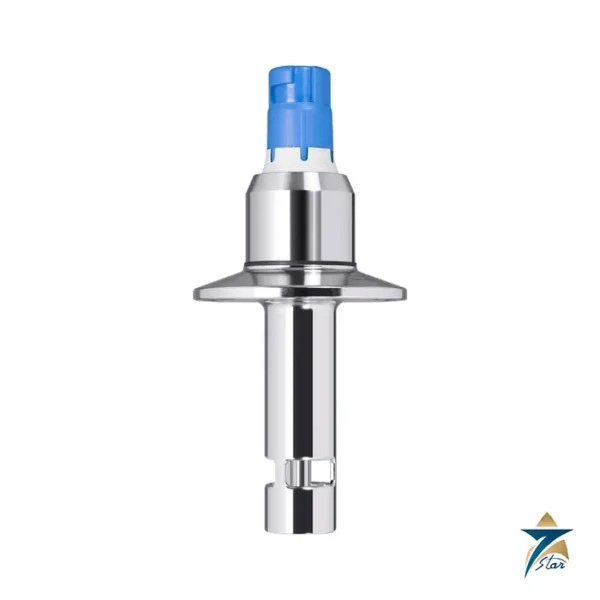
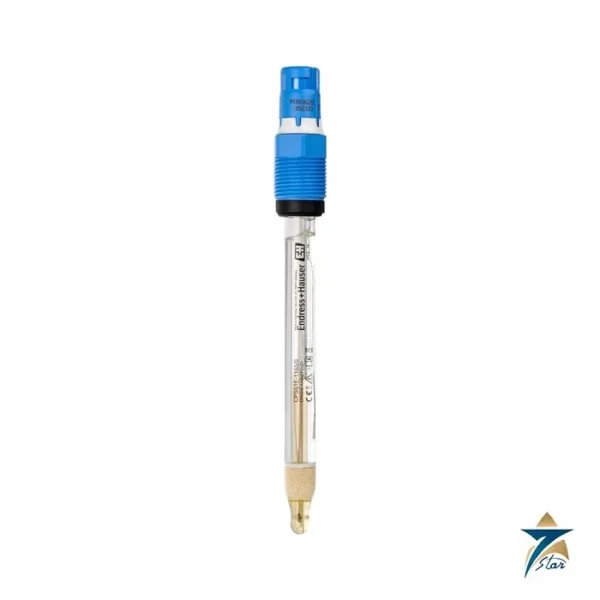
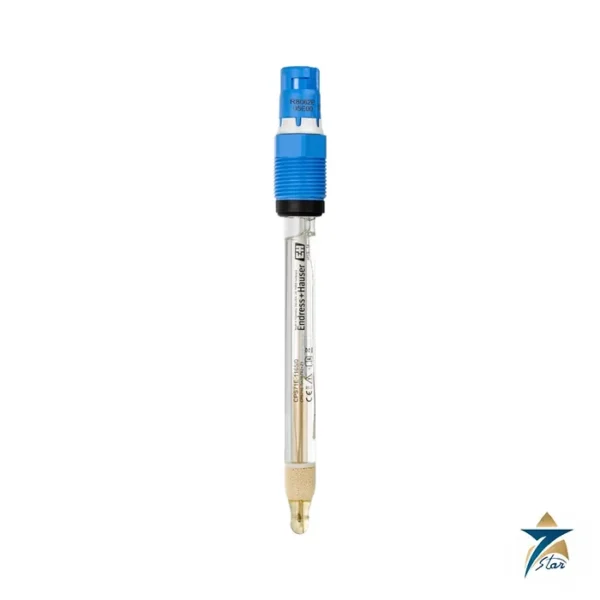
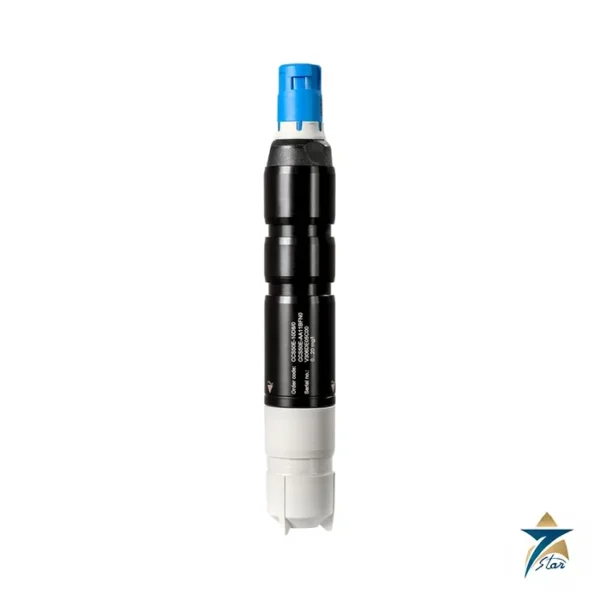
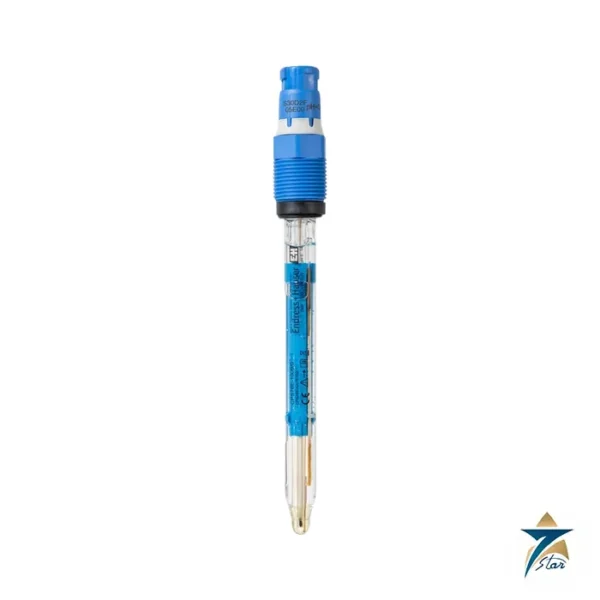
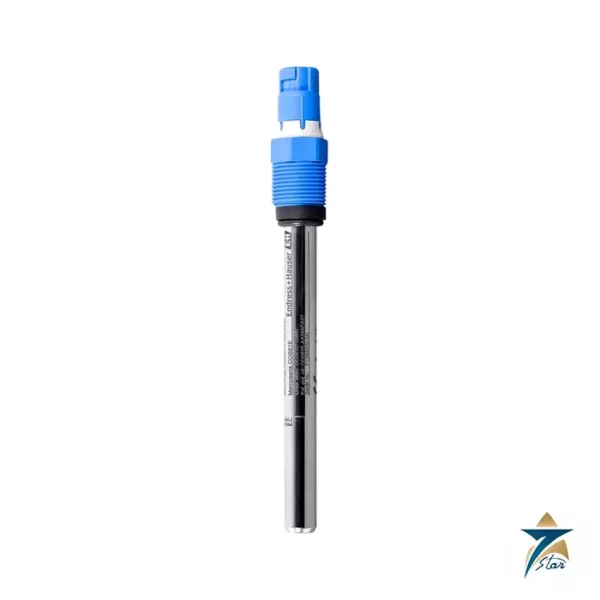
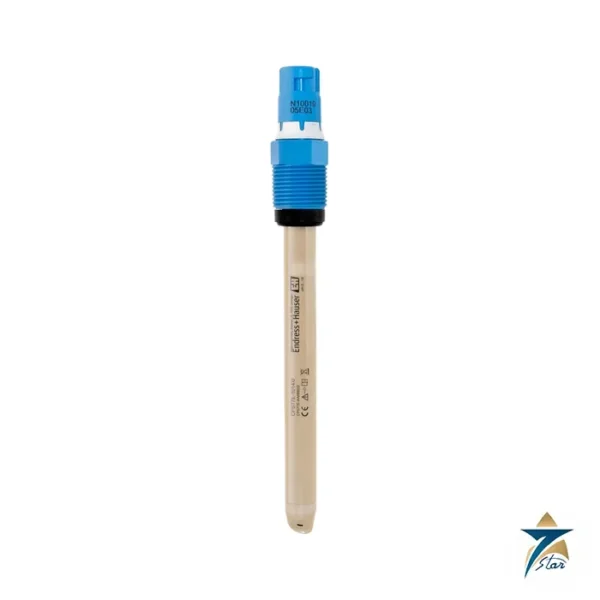
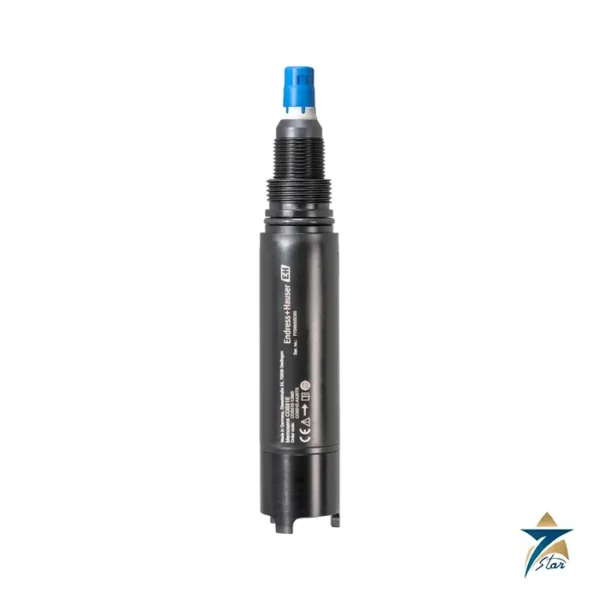
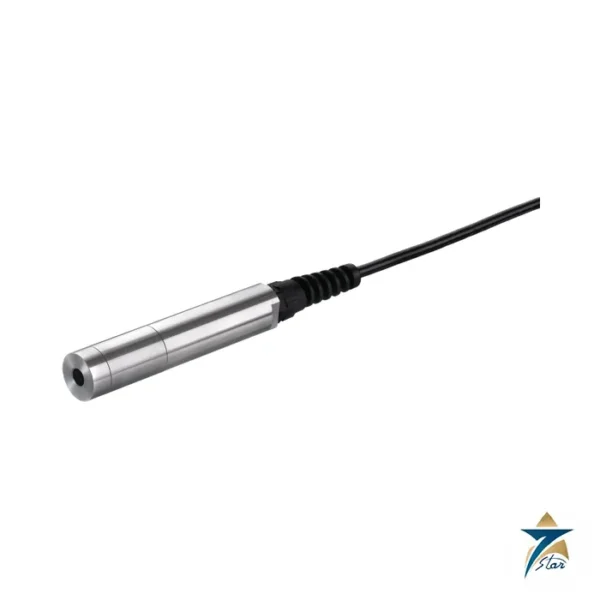
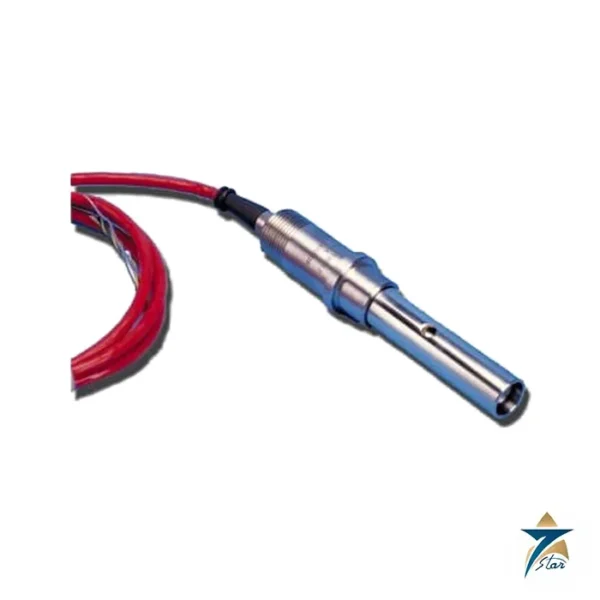
Endress+Hauser CPS62E Memosens ORP Sensor (Sterilizable)
Description
Endress+Hauser CPS62E ORP sensor: redox control for sterile lines
Oxidation-reduction potential is the signal plants use to confirm that an oxidizer has been dosed or that a reducing step has finished. The Endress+Hauser CPS62E measures it with a platinum ORP element, an Ag/AgCl reference lead and an NTC 30K temperature probe, and presents the result digitally through Memosens 2.0. It is built like the sterilizable CPS61E pH sensor, so it is a fit for fermenters, biotechnology, pharmaceutical and food lines where CIP and SIP cycles are normal.
The datasheet states certified biocompatibility without cytotoxicity, an acrylamide-free and silver-ion-free bridging electrolyte, and a solidified gel in the internal lead. Those details matter to quality managers who must justify every wetted material.
CPS62E feature list
- Platinum ORP element, range minus 1500 to plus 1500 mV
- Poison-resistant reference with improved ion trap
- Reference system suitable for upside-down installation
- CIP/SIP cleaning and autoclavable up to 140 °C
- Optional approvals for non-hazardous areas
- Pg 13.5 thread, 12 mm class shaft, three installed lengths
Technical parameters of CPS62E
| Parameter | Value |
|---|---|
| Measuring range | Minus 1500 to 1500 mV |
| ORP element | Platinum |
| Reference | Ag/AgCl lead, 3M KCl gel, AgCl-free, with ion trap |
| Process temperature | 0 to 100 °C; up to 140 °C for sterilization only |
| Process pressure | 0.8 to 14 bar absolute |
| Minimum conductivity | 10 microsiemens per cm at atmospheric pressure, no flow |
| Installed lengths | 120, 225 and 360 mm |
| Weight | 40, 60 and 90 g |
| Temperature sensor | NTC 30K |
| Process connection | Pg 13.5 |
| Head pressure resistance | 16 bar relative |
| Degree of protection | IP 68 |
| Storage temperature | 0 to 50 °C |
Position of CPS62E in the Memosens ORP range
The Memosens range has several ORP bodies. The CPS62E is the glass-shaft hygienic version with sterilization capability and a 14 bar rating. The CPF82E is a plastic compact body for mining and wastewater with a lower 80 °C and 11 bar limit and NPT threads, and the combined CPS76E and CPS96E add pH on the same shaft. Choose the CPS62E when you want a clean ORP measurement and a design that survives steam.
Typical uses in Gulf plants
Typical uses include verification of sanitizer dosing in food and beverage lines, redox monitoring in biological process water and checking residual oxidizer after CIP rinses. Pharmaceutical utilities in the GCC can use the CPS62E for loops where all wetted materials must be documented.
Installation
Install at least 15 degrees from horizontal or, with the upside-down reference of the CPS62E, at any angle supported by the assembly. Tighten by hand to 3 Nm in Endress+Hauser assemblies. Flow assemblies such as CPA240 and CPA25 are listed in the datasheet as suitable.
Calibration and verification
ORP sensors are checked rather than calibrated against a redox standard. The datasheet lists reference values such as 220 mV at pH 7 for a standard solution, which you can use to verify the CPS62E on the bench before the sensor is mounted, noting that the Ag/AgCl system adds the standard offset.
Care, storage and handling
Keep the CPS62E wetted and stored between 0 and 50 °C, and do not expose it to temperatures below 0 °C in operation. Because ORP surfaces can foul, clean the platinum tip as your hygiene plan prescribes.
Reading ORP correctly in sterile service
ORP is a mixed potential, so a number on the display is only meaningful if the measuring point is set up consistently. With the CPS62E the platinum surface senses the equilibrium between oxidizing and reducing species while the Ag/AgCl reference lead supplies the stable counter potential. The transmitter adds the standard offset so that readings can be compared with literature values on the hydrogen scale. Always record the temperature, because the sensor’s NTC 30K probe is the means by which the transmitter reports temperature alongside the potential.
In a sanitizer-dosing loop, a sudden drop in the reading tells the operator that the oxidizer demand has changed, while a flat line could mean either a stable process or a fouled platinum tip. For that reason the maintenance plan for a CPS62E should include a verification step in a redox standard at defined intervals.
Why the ion trap and gel matter
The reference of a hygienic sensor is exposed to repeated heat cycles. The improved ion trap in the CPS62E slows the migration of poisons toward the Ag/AgCl lead, and the solidified gel in the internal lead resists loss of electrolyte. The bridging electrolyte contains no acrylamide and no silver ions, which is important for products that must not be contaminated with either substance. The result is a reference that keeps a steady potential through many sterilizations, and the sensor counts those events in its memory so the load is visible.
Planning spares and ordering
Order the CPS62E by installed length and by the approval option your plant requires. The three lengths of 120, 225 and 360 mm let you match existing ports on vessels and pipework. Keeping one verified spare per length is cheap insurance, since Memosens sensors can be prepared in the laboratory and exchanged in the field. When you send an RFQ, mention the assembly the sensor is going into so that thread, bore and sealing can be confirmed.
Before shipment to site, confirm that the order code of the CPS62E matches the P&ID tag, the glass-free ORP element suits the cleaning chemicals planned, and that the Memosens cable is long enough for the transmitter location.
Documents and quotation
A datasheet for the CPS62E is attached. Seven Star LLC is an independent supplier serving Oman and the GCC and is not affiliated with the manufacturer. Please send your RFQ with CPS62E, the installed length (120, 225 or 360 mm) and the quantity.
Datasheets & Documents
- Datasheet Endress+Hauser CPS62E Memosens ORP Sensor (Sterilizable) Datasheet Download
Reviews (0)
How would you rate this product? Cancel reply
About brand
Endress+Hauser makes process measurement instruments for flow, level, pressure, temperature and liquid analysis. Georg H. Endress and Ludwig Hauser started the business in Lörrach, Germany, on 1 February 1953, first selling level meters, and the Endress+Hauser name has been used since 1957. The group is headquartered in Reinach, Switzerland, and has been wholly owned by the Endress family since 1975.
Seven Star LLC is an independent supplier listing Endress+Hauser flowmeters, level and pressure transmitters, temperature assemblies and liquid analysis products for buyers in Oman and the GCC. Instruments are matched from the full order code on the nameplate.
Endress+Hauser company profile
| Origin | Founded in Lörrach, Germany, on 1 February 1953 by the Swiss engineer Georg H. Endress and Ludwig Hauser |
|---|---|
| Headquarters | Endress+Hauser AG, Reinach (Basel-Landschaft), Switzerland |
| Ownership | Family owned; the Endress family has been the sole shareholder since 1975, and a family charter commits the company to stay family owned |
| Size | About 16,500 employees and sales of about EUR 3.7 billion (2023, as reported by the company) |
| Product families | Proline flowmeters, Micropilot and Levelflex radar, Liquiphant switches, Cerabar and Deltabar pressure, iTEMP and iTHERM temperature, Liquiline and Memosens liquid analysis |
Milestones
- 1953: Georg H. Endress and Ludwig Hauser start the business in Lörrach on 1 February, first selling level meters.
- 1957: The Endress+Hauser name comes into use.
- 1975: The Endress family becomes sole shareholder.
- 2023: About 16,500 employees and sales of about EUR 3.7 billion, as reported by the company.
Endress+Hauser product lines
| Line | Measuring principle | Typical use |
|---|---|---|
| Promass F 300, Promass 80F, 83F/84F | Coriolis mass flow | Direct mass flow and density of liquids and gases, hydrocarbon transfer and chemical dosing |
| Promag P 300, P 500, H 300, W 400, W 10, 50P | Electromagnetic flow | Water, wastewater, slurries and other conductive liquids |
| Prowirl F 200, 72F | Vortex flow | Steam, gas and low-viscosity liquids |
| Prosonic Flow 92F, t-mass 65F | Ultrasonic and thermal mass flow | Water lines; compressed air and industrial gases |
| Micropilot FMR62, FMR67, FMR60, FMR10B, FMR20, FMR50, FMR52 | Free-space radar level, 80 GHz and 26 GHz | Tanks, process vessels, silos and open water channels |
| Levelflex FMP51, FMP50, FMP54, FMP55 | Guided wave radar level | Level and interface in vessels, separators and bypass chambers |
| Liquiphant FTL51, Prosonic S FMU90 | Vibronic point level; ultrasonic level | High and low level alarms, pump protection, open channel flow |
| Cerabar PMC71B, PMP51B, PMP71, Deltabar PMD78B, PMD75 | Pressure and differential pressure | Process pressure, hydrostatic level and DP flow |
| iTEMP TMT82, TMT162, iTHERM TM101, TR66, TR10 | Temperature transmitters and thermometers | RTD and thermocouple points with thermowells |
| Liquiline CM444, CM442, Memosens CPS11E, Stamolys reagents | Liquid analysis | pH, ORP, conductivity, dissolved oxygen and nutrient analysis in water treatment and process |
Where Endress+Hauser instruments are used
In Oman and the GCC, Endress+Hauser instruments are common in oil and gas production and processing, refineries and petrochemicals, desalination and water networks, wastewater treatment, power plants and food and beverage plants. Coriolis meters measure hydrocarbon and chemical flows, electromagnetic meters cover water and wastewater, radar transmitters handle tank and silo level, and Liquiline analysers monitor water quality. Proline 300 and 500 flowmeters include Heartbeat Technology for in-situ verification, which reduces the need to remove a meter for checks.
Ordering Endress+Hauser instruments: what we need
The order code on the nameplate (for example PMP71-1QA1S11RDADU) defines every option: measuring range, process connection, materials, output, approvals and display. Send it with the serial number; Endress+Hauser can retrieve the original configuration from the serial number. For a new instrument add the medium, operating and design pressure and temperature, range, line size or tank geometry, process connection, wetted materials, output or protocol (4-20 mA HART, PROFIBUS, FOUNDATION Fieldbus, Modbus) and the hazardous-area approval required. Older models such as Promass 80/83 or Micropilot M are replaced by current Proline or 80 GHz Micropilot devices.
Facts checked against Endress+Hauser company history and product information, October 2026.
Browse Endress+Hauser products by category: Flowmeters, Level Transmitter, Pressure Instrumentation, Temperature, Liquid Analysis Sensors, Liquid Analytical Systems.
FAQ
Questions about the Endress+Hauser CPS62E Memosens ORP Sensor
Answers from our engineering team on installation, compatibility and integration.
01What does the CPS62E measure?
It measures oxidation-reduction potential from minus 1500 to plus 1500 mV with a platinum element and also reports temperature through an NTC 30K sensor.
02Can the CPS62E be sterilized?
Yes, it is suitable for CIP and SIP and autoclaving up to 140 °C, although normal process temperature is 0 to 100 °C.
03What installed lengths does the CPS62E offer?
The datasheet lists 120, 225 and 360 mm installed lengths with weights of 40, 60 and 90 g.
04Is the CPS62E biocompatible?
The datasheet cites certified biocompatibility with no cytotoxicity and an acrylamide-free, silver-ion-free electrolyte.
05What is the pressure limit of the CPS62E?
The process pressure range is 0.8 to 14 bar absolute, and the plug-in head resists 16 bar relative.


Reviews
There are no reviews yet.