Endress+Hauser CUS51D Turbimax turbidity and suspended solids sensor
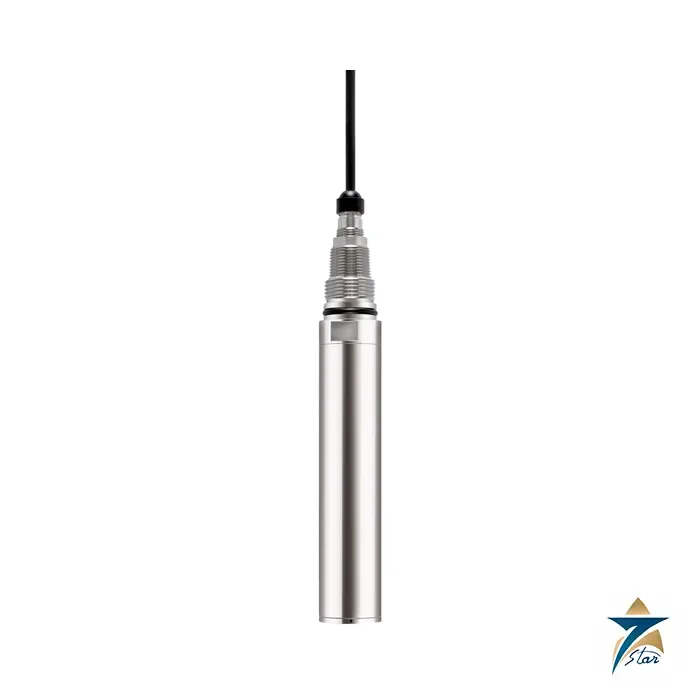
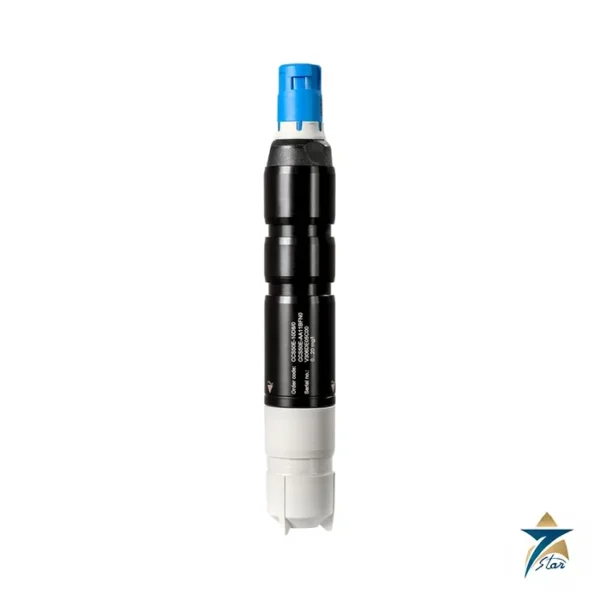
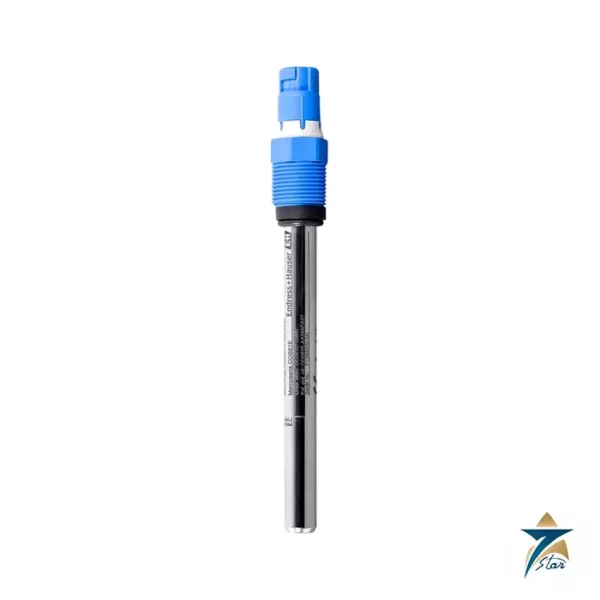
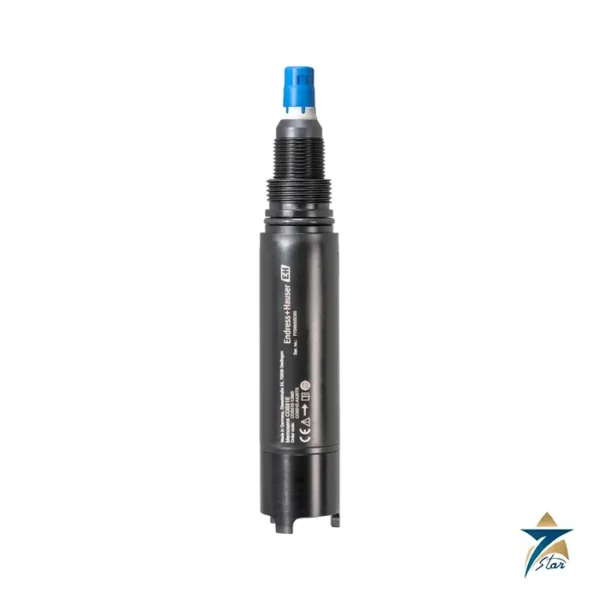
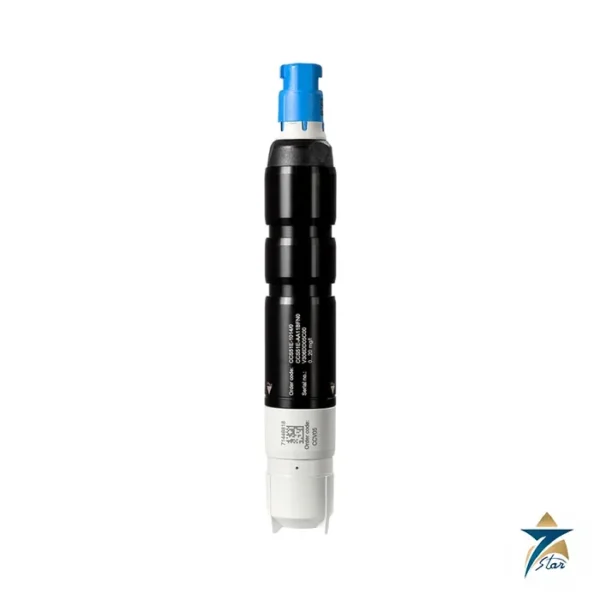
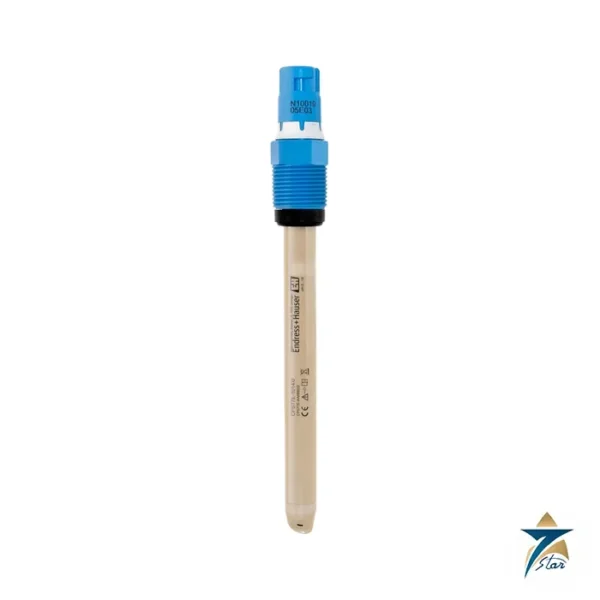
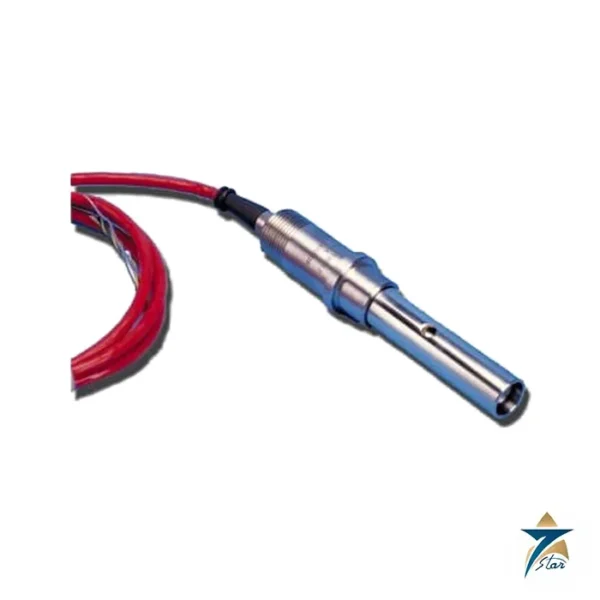
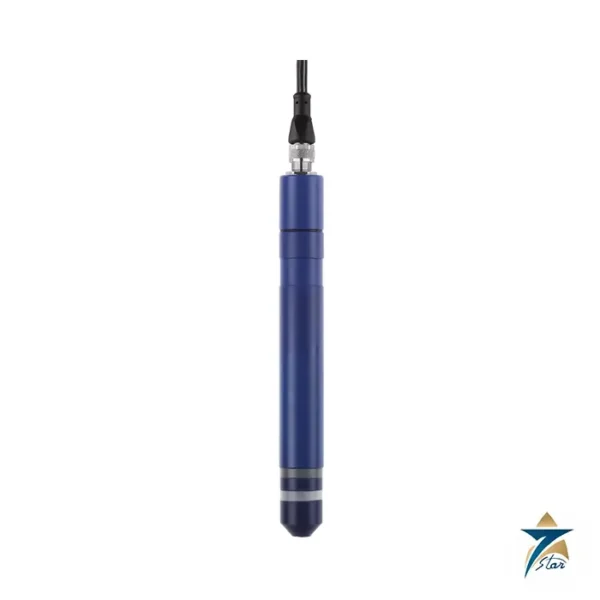
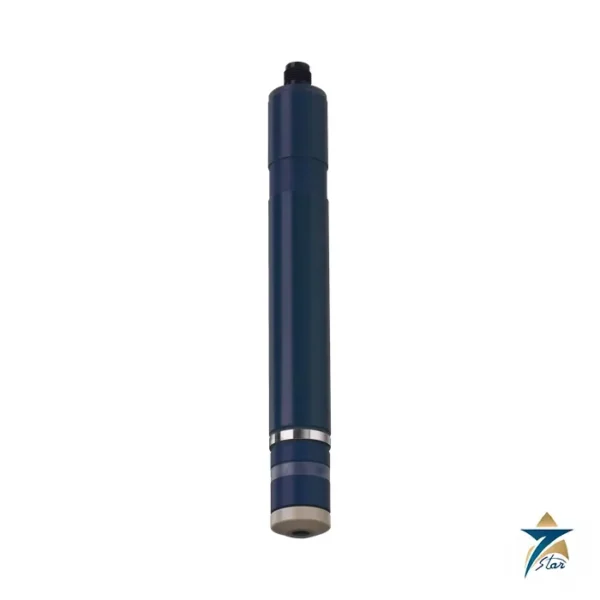
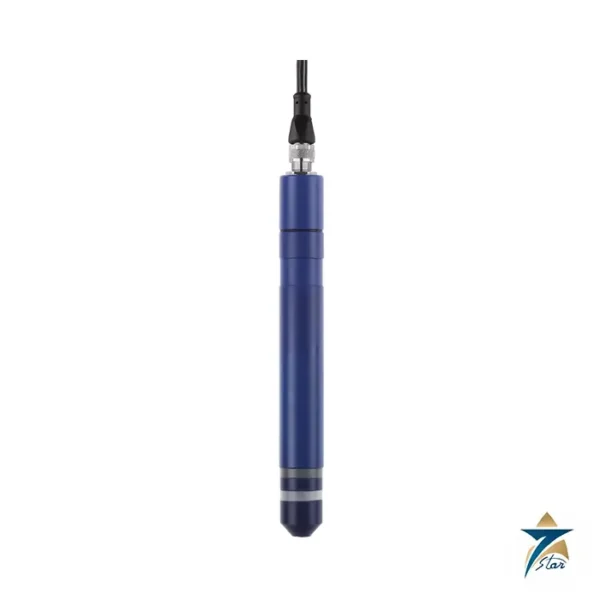
The Endress+Hauser CUS51D is a Turbimax Memosens sensor for turbidity and suspended solids in wastewater, process water and primary water treatment. It uses scattered-light measurement with a four-beam alternating-light method, a 316L stainless steel body of 40 mm diameter and 194 mm length, and automatic selection of the correct signal set for the application. The sensor is designed to run unattended in conditions with medium to high turbidity, with a self-cleaning function that cuts maintenance. Seven Star LLC supplies the CUS51D in Oman and the GCC as an independent supplier in Muscat.
CUS51D technical specifications
| Parameter |
Specification |
| Manufacturer / part number |
Endress+Hauser / Turbimax CUS51D |
| Measuring principle |
Four-beam alternating scattered light, 860 nm (ISO 7027) |
| Turbidity range |
0 to 4 000 FNU (formazine); display to 9 999 FNU |
| Sludge range |
0 to 300 g/l |
| Process temperature |
−5 to +50 °C |
| Ambient temperature |
−20 to +60 °C |
| Material |
Stainless steel 316L |
| Dimensions |
Ø 40 mm, length 194 mm |
| Connection |
G1; NPT 3/4 inch |
| Protection |
IP68 |
| Interface |
Memosens digital, plug and play |
Four-beam measuring method
Two LEDs and four receivers are used. The LEDs pulse alternately at 860 nm, as in ISO 7027/EN 27027, and each pulse generates four scattered-light signals. The electronics combine these signals to cancel extraneous light, LED ageing, fouled windows and absorption in the medium. The sensor automatically activates the scattering angle suited to the selected application, for example 90 degrees for low turbidity in drinking water, and different models cover thin sludge up to universal use.
CUS51D ranges and construction
For formazine the measuring range is 0 to 4 000 FNU with a display range to 9 999 FNU, and for sludge the range is 0 to 300 g/l, but the usable range depends strongly on the medium and is reduced for dark, strongly absorbing liquids. The process temperature is −5 to +50 °C, and the ambient range is −20 to +60 °C. The sensor body is 316L, with process connections G1 or NPT 3/4 inch, and the protection is IP68 (1.83 m water for 24 hours; the manufacturer also quotes a 1 m column with 1N KCl for 60 days). It can be mounted in situ by immersion or in a retractable holder, or extractively with a sample and flow cell.
Memosens features
The sensor is pre-calibrated and stores its characteristics and calibration values, so a replacement works as plug and play, and customers can add calibrations with one to five points. The signal is digital and travels through a Memosens data cable such as the CYK11 to a Liquiline transmitter. Sensor diagnostics can flag fouling, a broken LED or a failed receiver.
Selecting the CUS51D
Choose the version for the range and medium: turbidity in clearer water, suspended solids in sludge, or universal. Select cable length, holder or assembly, and cleaning (compressed air or water jet) from the accessories. In water with oil or strongly coloured material, run a trial and correlate with laboratory samples to calibrate in the right unit (FNU, g/l or other).
Installing the CUS51D
Immerse the sensor in a position with representative flow and away from the tank wall, the surface and air bubbles, which scatter light and cause noise. Point the optical window downwards or at an angle so that deposits slide off. For extractive installations use the flow cell and keep the sample line short to avoid settling. After installation, adjust to a laboratory reference and re-check at intervals.
CUS51D in Oman and GCC treatment plants
Typical uses are aeration basin and return sludge concentration, clarifier blanket detection, thickener and dewatering control, intake and primary treatment turbidity in desalination plants, and process-water monitoring in industry. Solids and algae growth in warm water speed up fouling of any optical sensor, so plan regular wiping or an automatic cleaning system.
CUS51D within the Turbimax and Memosens family
| Model |
Focus |
| CUS51D |
Wastewater and process turbidity, suspended solids, sludge |
| CUS52D |
Drinking-water turbidity |
| CAS51D |
Nitrate and SAC |
Information to send with a CUS51D RFQ
- Medium and expected range (FNU or g/l)
- Process temperature and pressure
- In situ or extractive installation
- Holder, cleaning and cable length
- Transmitter model
- Quantity and delivery location
Maintenance, cleaning and checking the CUS51D
Even a self-cleaning optical sensor needs a routine. Inspect the sensor windows on a fixed interval, wipe them with a soft cloth and mild cleaning agent, and avoid abrasive tools that scratch the optics. Verify the reading against a laboratory measurement of the same sample at least periodically, and recalibrate if the trend shows an offset. Because the sensor stores its settings and calibration, a replacement can be loaded with the same application and calibration set, which shortens downtime at unattended stations.
Keep the Memosens cable and plug dry and tight, route it away from power cables and protect it from mechanical damage in open channels.
Turbidity versus suspended solids readings
Turbidity reports optical scattering while suspended solids report mass per volume; the two correlate only for one particular medium, so calibrate the CUS51D against a laboratory result from your own process before using the solids value for control.
Site conditions in Oman for the CUS51D
Field instruments in Oman are exposed to strong sun, high ambient temperature, wind-blown dust and, on coastal plants, salt in the air. When you specify the CUS51D, check the ambient and process temperature limits, the enclosure rating and the wetted and housing materials against the actual installation point, and consider sunshades for transmitters mounted in direct sunlight. Cable entries should be sealed with suitable glands so that dust and moisture cannot enter the housing.
Calibration and verification planning matters as much as selection. Record the range, configuration and tag data of each CUS51D at commissioning, define a check interval that suits the criticality of the loop, and keep the certificates with the plant documentation so that audits and shutdown work can proceed without delay.
Documents and quotation
A copy of the manufacturer technical information for the CUS51D is attached on this page so you can check ranges, connections and ordering codes against your specification.
Send the full order code or the process data (fluid, temperature, pressure, line size or tank data, output and approvals) and Seven Star LLC will prepare a quotation and confirm lead time. We are an independent supplier in Muscat and do not represent the manufacturer.
























Reviews
There are no reviews yet.