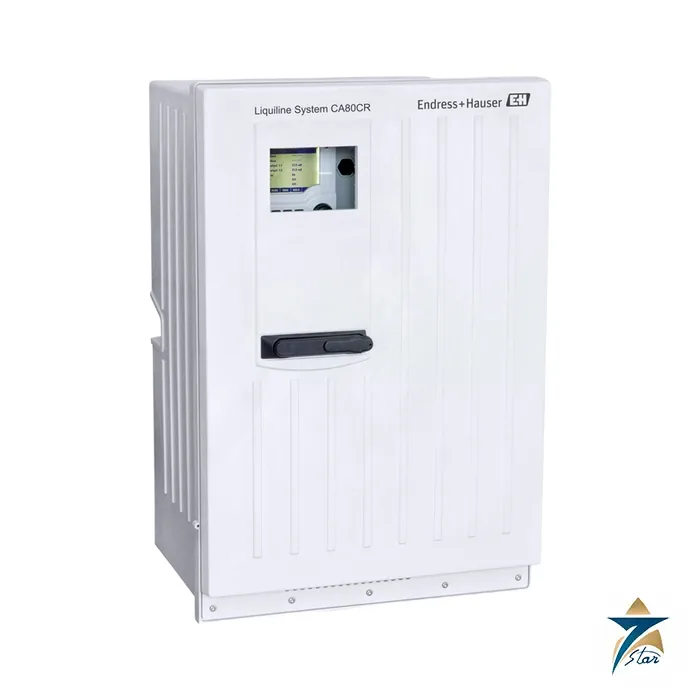
CA80CR Liquiline System chromate analyzer from Endress+Hauser
The Endress+Hauser CA80CR is a colorimetric wet-chemical analyzer for the almost continuous determination of hexavalent chromium, chromate Cr(VI), in liquid media, with up to two measuring channels. It is a member of the Liquiline System CA80 family: a cabinet analyzer with an integrated controller, a graphic display and optional digital Memosens sensor inputs. Seven Star LLC, an independent supplier in Muscat, supplies the CA80CR in Oman and the GCC, and this page explains what the analyzer measures, how it is configured and what to confirm before ordering.
Typical uses named in the manufacturer documentation: Optimization of the treatment efficiency of industrial wastewater treatment plants, monitoring of drinking water, monitoring of membrane filtration systems and monitoring of limit values for the discharge of industrial wastewater.
CA80CR technical specifications
| Parameter |
Specification |
| Manufacturer / part number |
Endress+Hauser / CA80CR |
| Measured variable |
Chromate (Cr(VI)), CrO4 [mg/l, µg/l, ppm, ppb] |
| Measuring range |
CA80CR-**AF: 0.03 to 2.5 mg/l Cr(VI); -**AG: 0.2 to 5.0 mg/l Cr(VI) |
| Dilution option |
Range 0.2 to 5.0 mg/l with dilution factors 5, 10 or 50 gives effective ranges 1 to 25, 2 to 50 and 10 to 250 mg/l |
| Maximum measured error |
2 % of end of measuring range (per ISO 15839 with standard solutions); dilution factor 5 adds 3.0 % of end of range |
| Repeatability |
Up to 0.5 mg/l: ±10 µg/l Cr(VI); 0.5 mg/l and above: ±2 % of display value |
| Measuring interval |
Continuous (approx. 5 min), adjustable 10 min to 24 h |
| Sample requirement |
22 ml per measurement without dilution module |
| Reagent requirement |
Approx. 65 µl per reagent and measurement; a reagent set lasts about 3.5 months at a 10-minute interval |
| Standard requirement |
About 420 ml a month at a 48 h calibration interval |
| Maintenance |
Every 3 to 6 months, about 1 hour a quarter; weekly visual check |
| Sample |
4 to 40 °C, turbidity below 50 NTU, aqueous, homogenized |
| Supply |
100 to 120 V AC or 200 to 240 V AC, 50/60 Hz, or 24 V DC (not for outdoor version) |
| Power consumption |
130 VA plus 660 VA per hose heater, max. 1450 VA (24 V version max. 105 W) |
| Ambient temperature |
+5 to +40 °C; outdoor version −20 to +40 °C |
| Degree of protection / weight |
IP55 / TYPE 3R; cabinet 39.5 kg, open version 31.5 kg, analyzer stand 72.5 kg |
How the CA80CR measures
The CA80CR uses the family’s colorimetric principle. A parameter-specific color reagent is metered in a defined mixing ratio into the cuvette, and the reaction gives the sample a characteristic color. A multispectral photometer reads the light absorption at defined wavelengths, and because absorption is proportional to concentration it becomes the Cr(VI) value. A reference measurement is taken before each analysis and subtracted from the measuring signal to compensate for interference, and the photometer temperature is held constant so the reaction is reproducible and fast.
Chromium appears mainly as trivalent Cr3+ and hexavalent chromate or dichromate in process water. Cr(VI) is recognized as a carcinogen while Cr(III) is only slightly toxic, which is why national standards set discharge and drinking-water limits for chromium. The CA80CR targets the hexavalent form specifically.
Controller, inputs, outputs and communication of the CA80CR
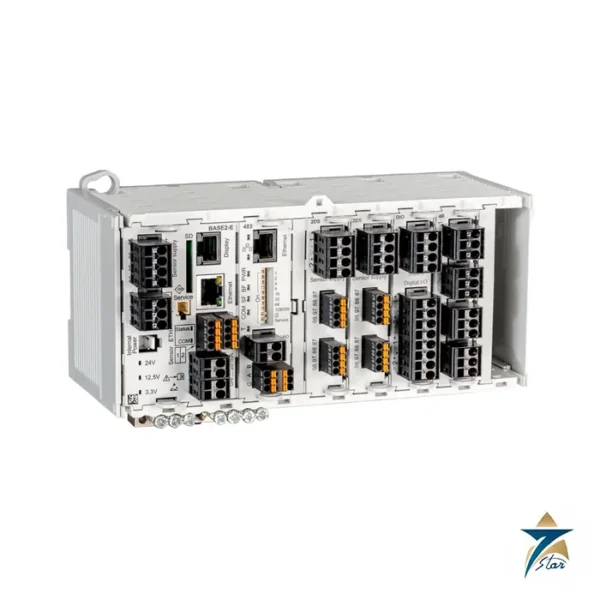
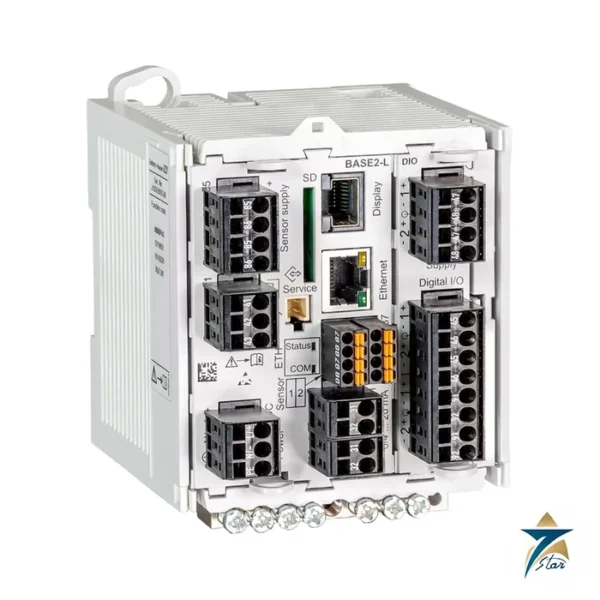
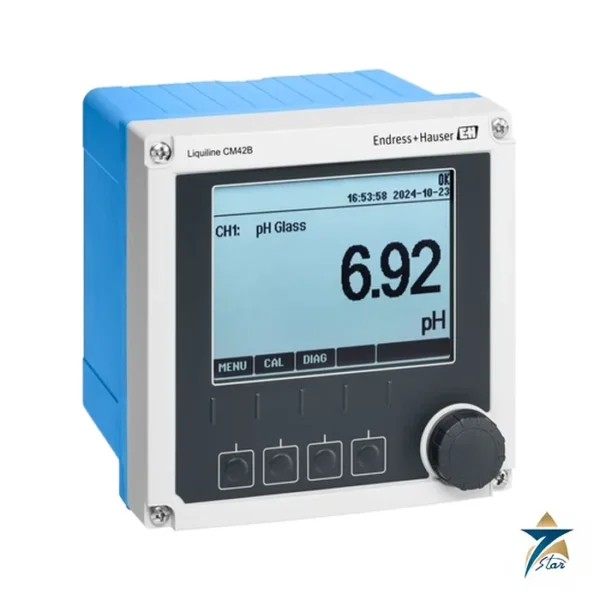
The analyzer is more than a single-parameter box. The controller supports one measuring channel for the analyzer itself plus, optionally, one to four digital Memosens sensor inputs (cable length up to 100 m), two passive 0/4 to 20 mA inputs and binary inputs. Outputs are two active 0/4 to 20 mA outputs as standard (four or six with additional modules), an alarm relay and optional extension relays. Fieldbus and network options are PROFIBUS DP, Modbus RS485, Modbus TCP, EtherNet/IP and PROFINET, and a web server gives browser access to configuration, measured values, diagnostics and logbooks. Alarm current follows NAMUR NE 43 with a factory failure current of 21.5 mA.
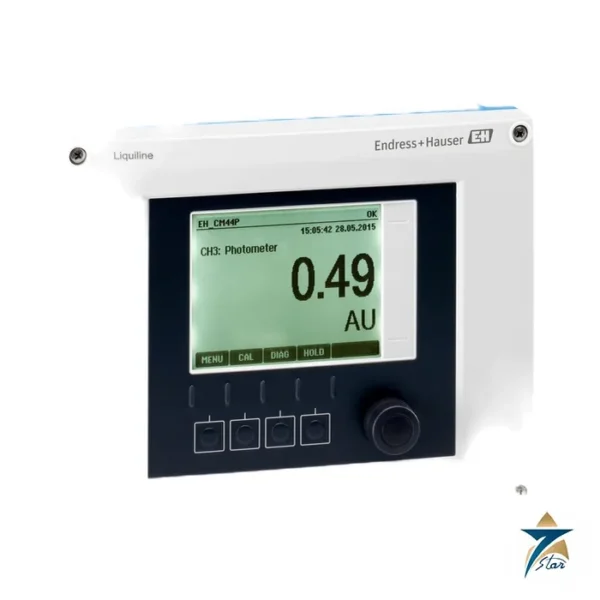
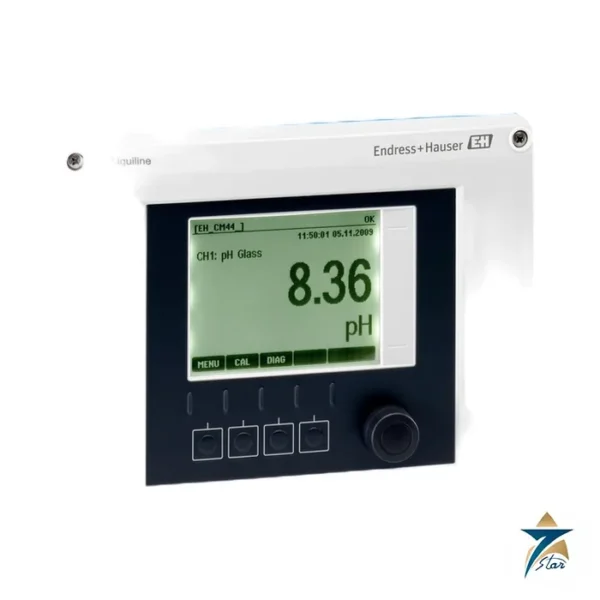
Data handling is thorough: ring or stack logbooks for analog values, events, calibration, hardware, versions, operations and diagnostics, with an SD card for software updates, configuration backup and logbook export. Up to six virtual process values can be calculated from the measured values and sent to an output or fieldbus. Configuration is possible from the front display, FieldCare, Field Data Manager software and the web server.
Where the CA80CR sits in the CA80 family
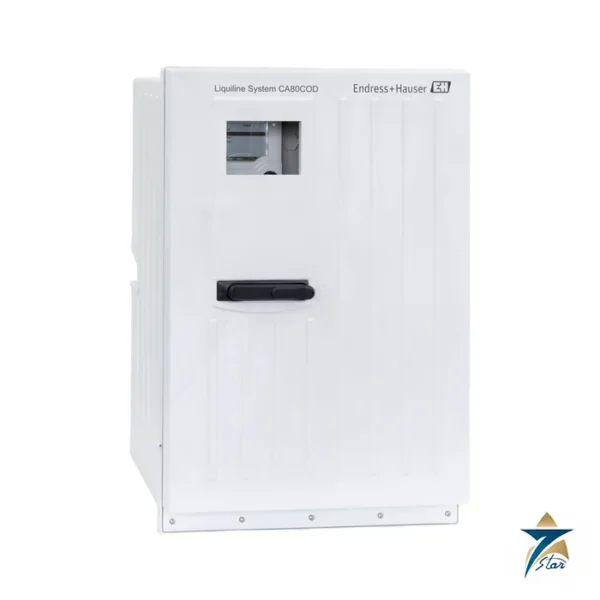
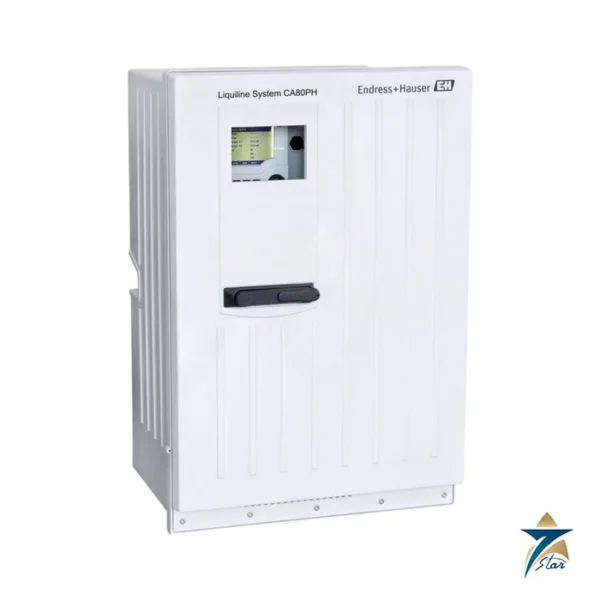
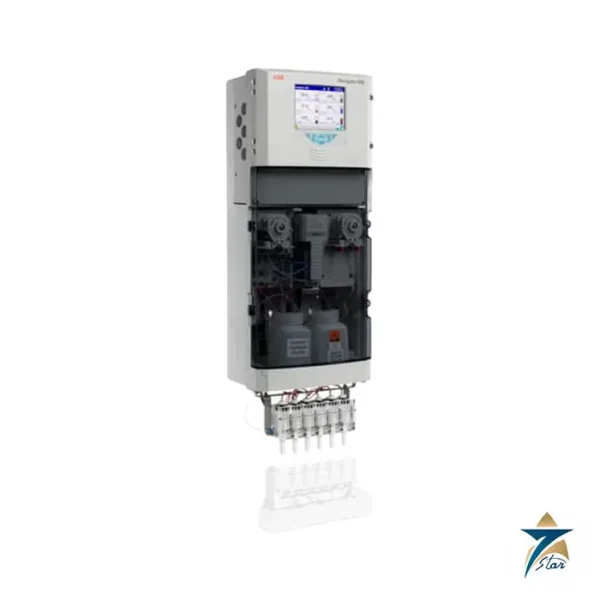
Within the family the CA80CR is the chromate analyzer. The CA80PH handles orthophosphate, the CA80TP total phosphorus, the CA80TN total nitrogen, the CA80COD chemical oxygen demand, and the CA80AL, CA80FE, CA80NO and CA80SI measure aluminum, iron, nitrite and silica. The common cabinet, controller and Memosens inputs mean one spare-parts and training approach covers several parameters.
The CA80CR is one of the quicker members of the family, with a measuring cycle of about five minutes, which suits process control where changes need to be caught early.
Selection and ordering checklist for the CA80CR
- Target Cr(VI) level: AF for low trace values (0.03 to 2.5 mg/l) or AG for 0.2 to 5.0 mg/l and wider with dilution.
- One or two measuring channels, which decides whether one cabinet can serve two sampling points.
- Dilution module and its demineralized water supply if high concentrations occur.
- Turbidity of the sample: below 50 NTU is required, so plan filtration upstream if it is higher.
- Cabinet, open, stand or outdoor version, plus supply voltage and hose heating.
- Fieldbus, outputs and any Memosens sensors.
Installation, commissioning and maintenance of the CA80CR
The housing can be mounted on a wall, on a base (indoors only) or on a post accessory. The documentation asks you to protect the analyzer from additional heating, mechanical vibration and corrosive gases such as hydrogen sulfide, to keep it where air can circulate at the front, and to make sure the waste line drains freely without siphoning. Pay attention to the maximum height difference and distance to the sampling point, and keep the sample line short. Open versions without a door belong only in a closed room or protective cabinet.
After commissioning, calibration interval, cleaning and reagent exchange are set on the display. Reagent exchange is only needed every few months, and calibration can be scheduled from hourly to every 90 days. The standard solution use of about 420 ml a month at a 48-hour interval is modest, but keep fresh standards available. Counters monitor reagent, hoses and dispensers, and a leak sensor inside the housing and photometer temperature monitoring raise diagnostic messages, so keep spare hoses and reagent sets on site before they run out.
Typical CA80CR applications in Oman and the GCC
Chromate is relevant to plating, tanning, corrosion-inhibitor and cooling-water systems and to some industrial wastewater, so the CA80CR is mostly specified for industrial discharge points, cooling-tower blowdown checks, drinking-water quality monitoring and membrane plants. In the GCC, put the analyzer in a shaded or air-conditioned shelter and use the outdoor version with its rated +40 °C upper ambient limit in mind.
Information to send with your CA80CR RFQ
- The full order code or the exact range and options needed (measuring range, dilution, cabinet or outdoor, hose heater, fieldbus).
- Sample description: temperature, solids, expected concentration and distance from the sampling point.
- Power supply (100 to 120 V AC, 200 to 240 V AC or 24 V DC where offered) and area ambient range.
- Required outputs, relays and fieldbus, plus any Memosens sensors to be connected.
- Reagent, standard and spare-part needs for the first year of operation.
Documents and quotation
The Endress+Hauser Technical Information for the CA80CR is attached on this page as a datasheet. Send the part number and your sample and site details, and we will confirm configuration, reagent supply, lead time and availability for Oman and the GCC.
Other Models in the Eh Liquiline Ca80 Range
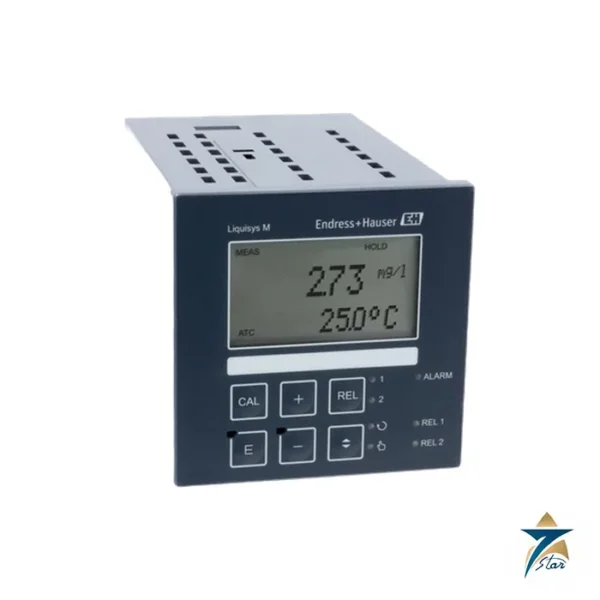
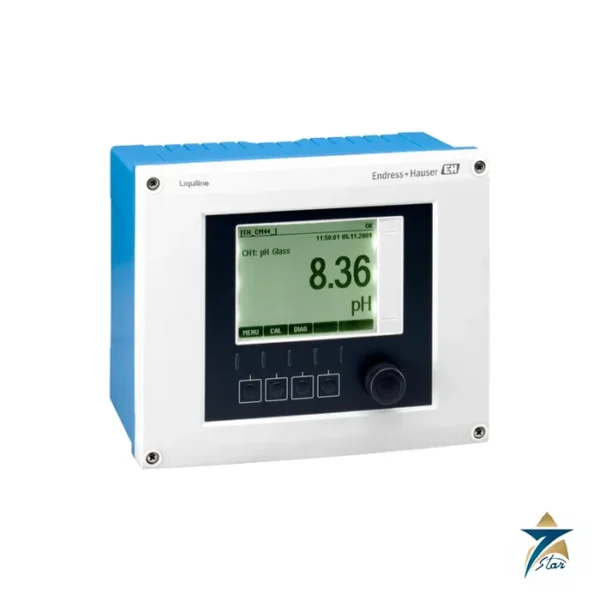
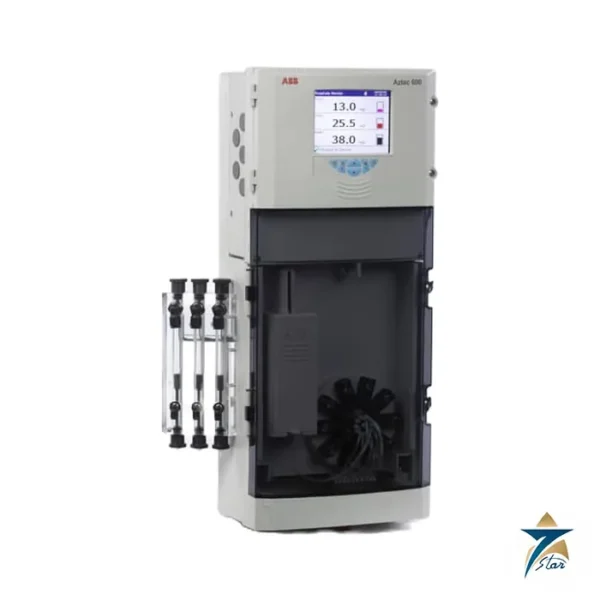
Seven Star LLC supplies models from the Eh Liquiline Ca80 range in Oman and the GCC. Compare the related models below and request a quote for the one that matches your application.
























Reviews
There are no reviews yet.