- Automation & ControlView all 2,759 products
- Automation Accessories
- AC Drives
- PLC & I/O Cards
- Industrial Communications
- Vibration Monitoring
- Controllers & Data Acquisition
- Isolator & Barrier
- Safety Switches & Guard Locking
- Motor Soft Starters
- CCTV & Security
- Encoders
- HMI Displays
- Pneumatic Cylinders
- Servo Drives
- Industrial Computers
- Machine Vision
- Automation Software
- Robotics
Brand: Endress+Hauser (E & H)
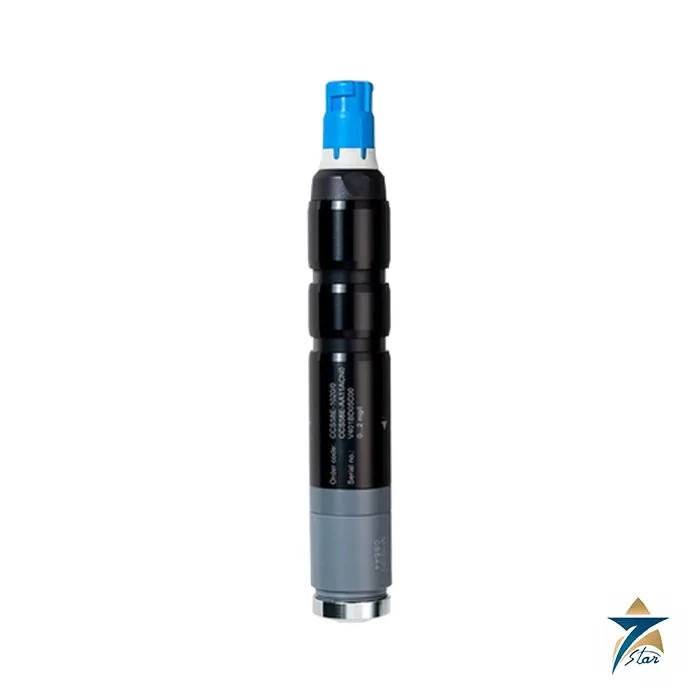
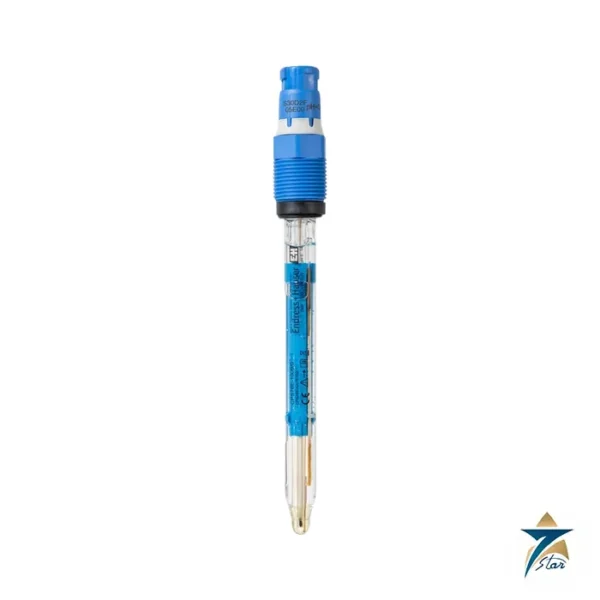
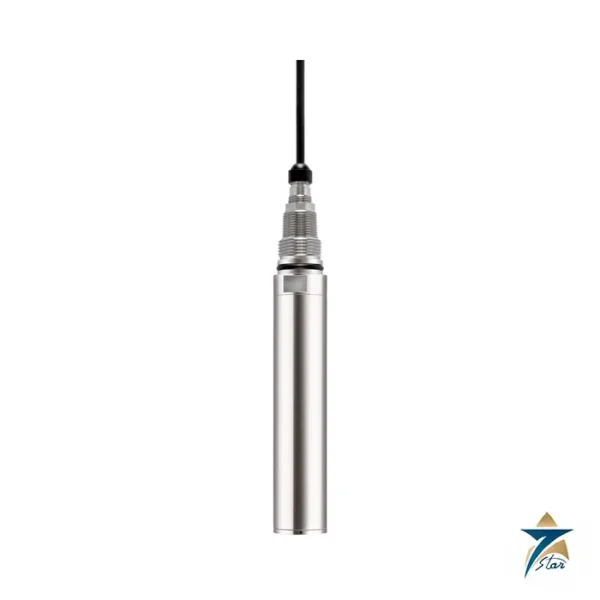
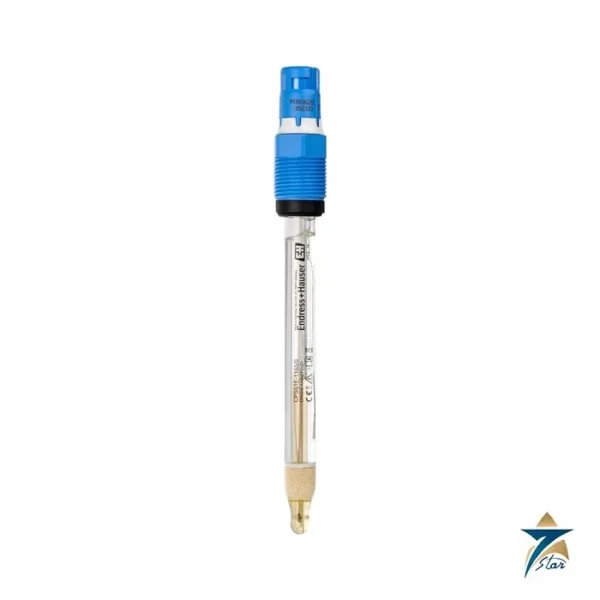
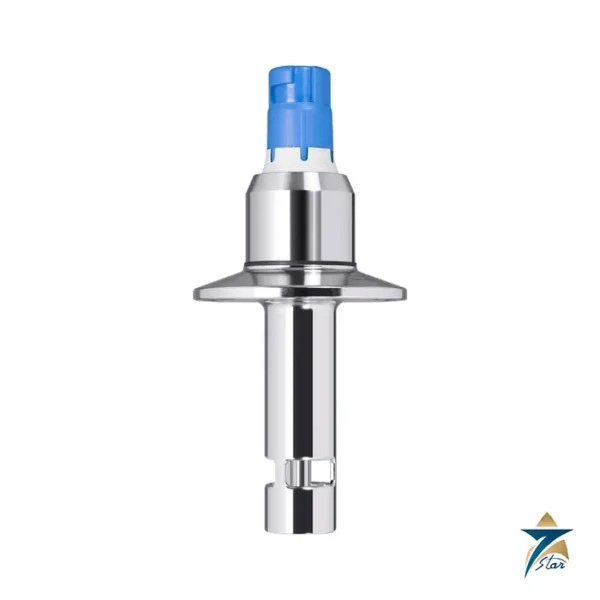
Endress+Hauser CCS58E Memosens Ozone Sensor
Description
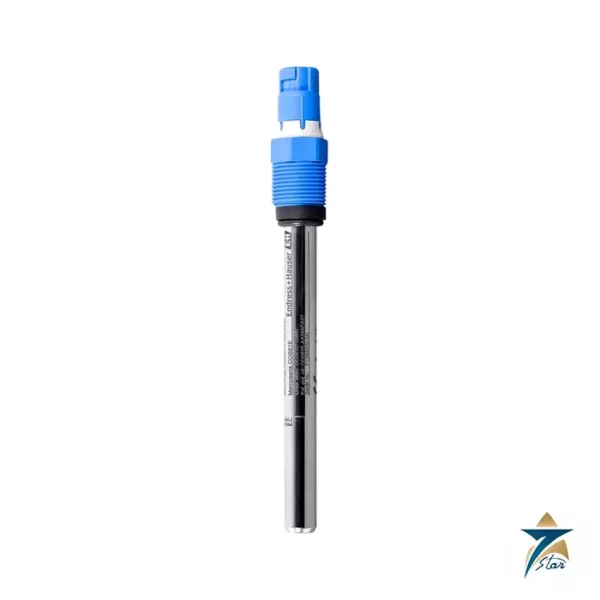
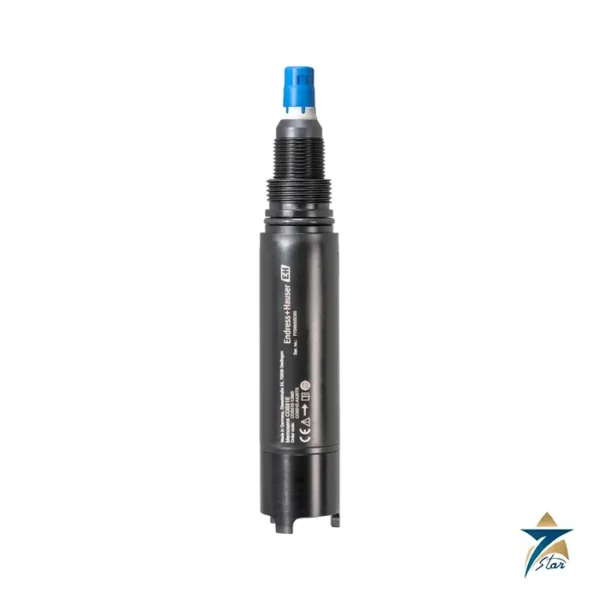
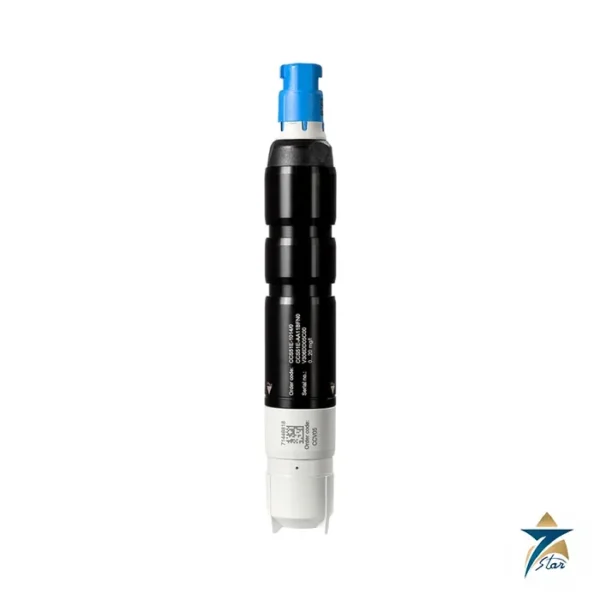
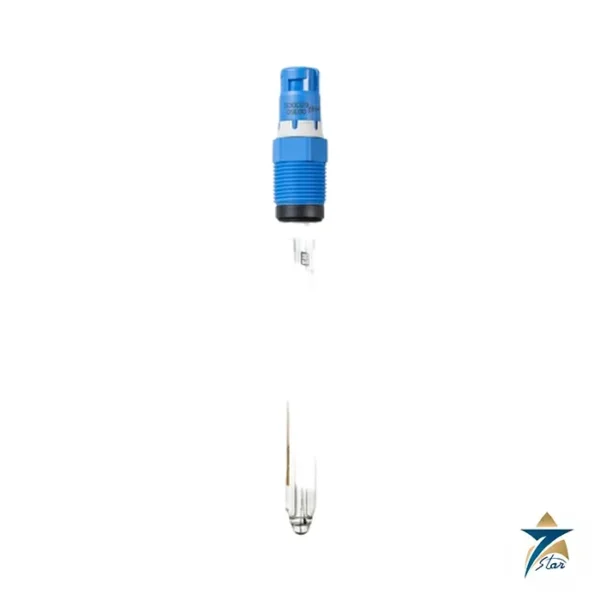
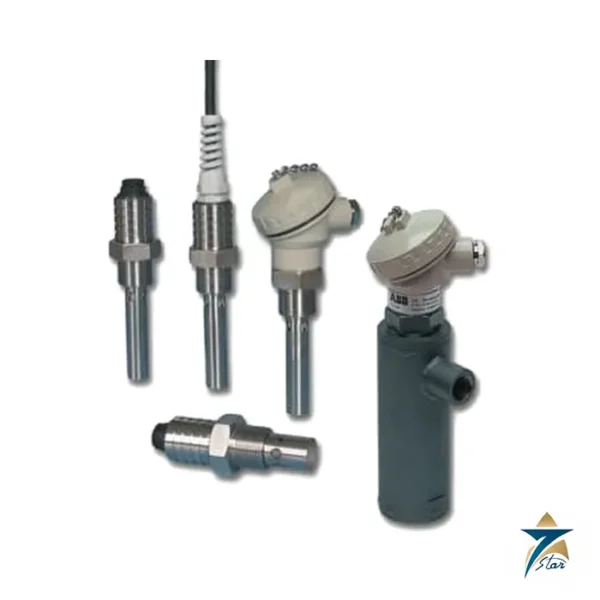
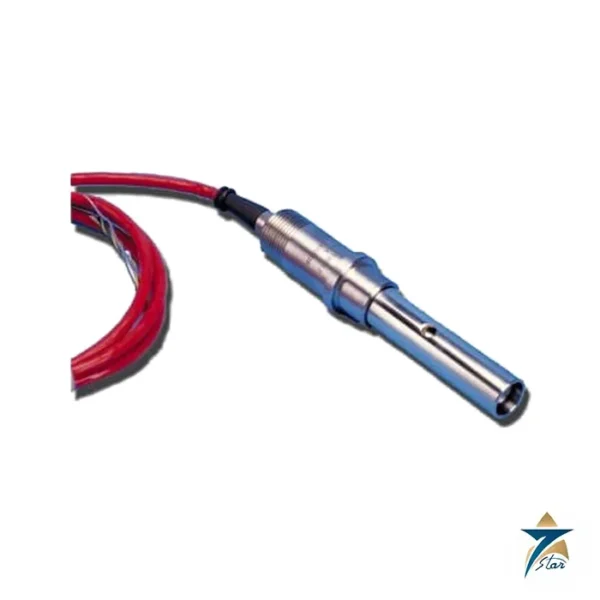
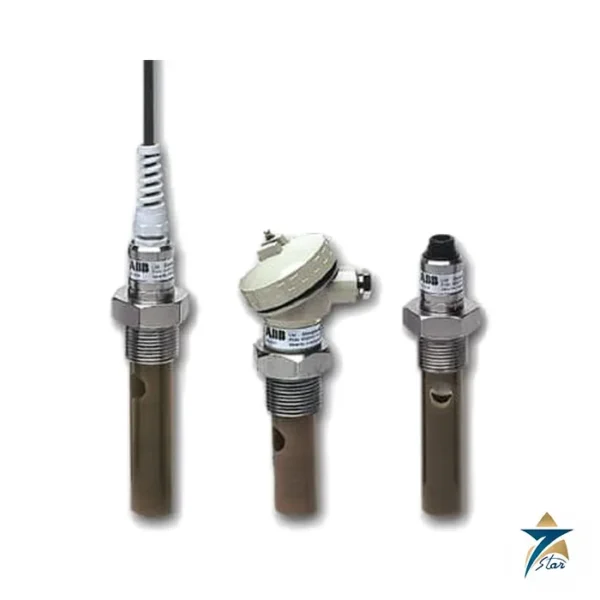
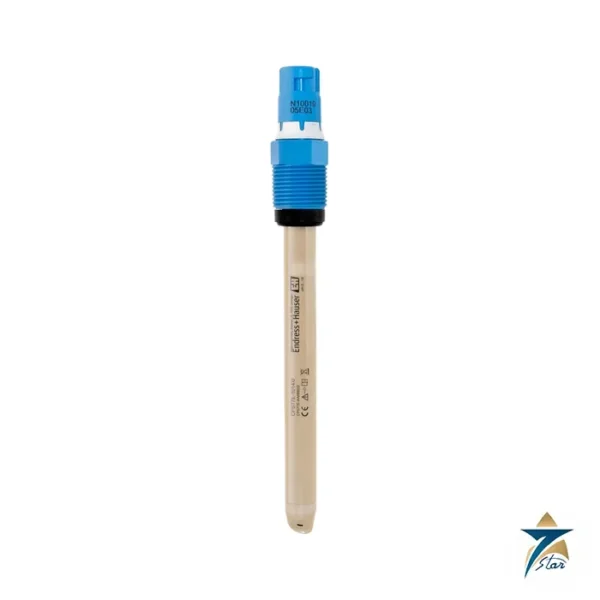
Endress+Hauser CCS58E Memosens ozone sensor
The Endress+Hauser CCS58E is a digital amperometric ozone sensor designed for skid builders and end customers. Its listed uses are wastewater (to guarantee safe discharge), drinking water (to ensure sufficient disinfection) and process water (hygienic packaging and bottling).
Where ozone is used for disinfection or advanced oxidation at Gulf water plants, the CCS58E gives a direct, specific reading with factory calibration and plug-and-play installation.
CCS58E advantages
- Specific for ozone, with no cross-sensitivity to chlorine or bromine species
- Membrane resistant to surfactants and bottle-cleaning chemistry
- Heartbeat Technology electrolyte counter for predictive maintenance
- Factory calibration and plug-and-play commissioning
- Combines with pH and ORP on a Liquiline transmitter
- Range 0 to 2 mg/l
CCS58E specifications
| Parameter | Value |
|---|---|
| Measured variable | Ozone |
| Range | 0 to 2 mg/l |
| Signal current | 135 to 340 nA per mg/l |
| Nominal slope | 226 nA per mg/l |
| Response time | T90 under 8 minutes at 15 °C and 140 cm/s |
| Detection limit | 0.018 mg/l; quantification 0.061 mg/l |
| Repeatability | 0.055 mg/l |
| Process temperature | 0 to 45 °C non-freezing |
| Pressure | Up to 1 bar relative, no pressure shocks |
| Minimum flow | 29 cm/s |
| pH | Calibration 4 to 8; measurement 4 to 9; material resistance 2 to 11 |
| Weight | 93.45 g total |
| Electrode body | PEEK |
How CCS58E differs from CCS51E, CCS53E and CCS55E
The CCS58E has the narrowest range, 0 to 2 mg/l, and the slowest T90 at under 8 minutes, but it has the highest signal current (135 to 340 nA per mg/l) and is specific to ozone. The others measure chlorine or bromine species in ranges up to 20 or 200 mg/l and respond within 25 to 180 seconds. It also needs the highest minimum flow, 29 cm/s, and its process temperature stops at 45 degrees Celsius rather than 55.
Applications in the GCC
Ozonated drinking water, advanced oxidation of effluent for reuse and bottling plants with ozone rinsing are the likely places for the CCS58E.
Installation
Use a flow assembly such as Flowfit CYA27, hold the minimum flow of 29 cm/s, keep pH within range and avoid pressure shocks. Calibrate after polarization with a laboratory ozone reference.
Maintenance
Follow the electrolyte counter of the CCS58E and replace membrane cap and electrolyte accordingly. Store the sensor without electrolyte at 5 to 40 degrees Celsius when it is out of service.
Ozone measurement and cross-sensitivity
Ozone is a strong oxidizer used for disinfection and bottle rinsing, and it must be measured specifically because chlorine, bromine and other oxidizers also respond in many cells. The datasheet states that the CCS58E has no cross-sensitivity to free chlorine, free bromine, total chlorine or total bromine, and that the robust membrane technology resists surfactants, which suits cleaning processes such as bottle cleaning. Heartbeat Technology provides an electrolyte counter so that maintenance intervals can be planned from use rather than by calendar.
The measuring range is 0 to 2 mg/l ozone, the signal current is 135 to 340 nA per mg/l with a nominal slope of 226 nA per mg/l, and the measurement error is plus or minus 2 percent or 5 micrograms per litre of the value. Limit of detection is 0.018 mg/l and limit of quantification 0.061 mg/l, with repeatability of 0.055 mg/l.
Operating conditions
Response time T90 is under 8 minutes (440 seconds) under the reference conditions of 15 degrees Celsius and 140 cm/s flow, so ozone dosing control must allow for that lag. A minimum flow velocity of 29 cm/s must be maintained at the membrane, equal to at least 7 l/h in the 5 l version of the Flowfit CYA27 or 30 l/h in the 30 l version. Process temperature is 0 to 45 degrees Celsius without freezing, pressure is up to 1 bar relative without shocks or vibration, and calibration is allowed between pH 4 and 8. Ozone decomposes above pH 9, so the process pH must stay within the stated window.
Construction and storage
The electrode body is PEEK, the membrane holder is 1.4571 stainless steel, the membrane is a plastic film, the shaft is PVC and the seal is silicone rubber. The sensor weighs about 93.45 g in total, of which the membrane cap is 14.45 g. Without electrolyte the sensor may be stored indefinitely at 5 to 40 degrees Celsius.
Why the long response time matters for ozone dosing
A T90 of under 8 minutes means the CCS58E is a monitoring and trend instrument rather than a fast control sensor. Skid builders often combine it with a contact-time design, so the sensor confirms that the residual after the contact tank is in range, while ozone generator output is controlled on a feed-forward basis. If your process needs faster feedback, review the control structure before ordering and discuss with your integrator.
The membrane resists surfactants, so bottle-rinse and CIP-adjacent use is feasible, but all membrane sensors need periodic inspection; the Heartbeat electrolyte counter in the CCS58E tells you when the electrolyte is due for renewal.
Sizing the sample flow
The sensor needs a flow velocity of 29 cm/s at the membrane, which translates into at least 7 l/h in the 5 l Flowfit CYA27 assembly and 30 l/h in the 30 l version. Set a flow monitor on the sample line and alarm on low flow, because too little flow makes the ozone reading drop and can look like a real process change. Avoid pressure shocks and vibration, keep the process between 0 and 45 degrees Celsius and make sure the pH is below 9 so that ozone does not decompose before it reaches the membrane.
Documents and quotation
The datasheet for the CCS58E is attached. Seven Star LLC is an independent supplier serving Oman and the GCC and is not affiliated with the manufacturer. Send an RFQ with CCS58E and the quantity required.
Datasheets & Documents
- Datasheet Endress+Hauser CCS58E Memosens Ozone Sensor Datasheet Download
Reviews (0)
How would you rate this product? Cancel reply
About brand
Endress+Hauser makes process measurement instruments for flow, level, pressure, temperature and liquid analysis. Georg H. Endress and Ludwig Hauser started the business in Lörrach, Germany, on 1 February 1953, first selling level meters, and the Endress+Hauser name has been used since 1957. The group is headquartered in Reinach, Switzerland, and has been wholly owned by the Endress family since 1975.
Seven Star LLC is an independent supplier listing Endress+Hauser flowmeters, level and pressure transmitters, temperature assemblies and liquid analysis products for buyers in Oman and the GCC. Instruments are matched from the full order code on the nameplate.
Endress+Hauser company profile
| Origin | Founded in Lörrach, Germany, on 1 February 1953 by the Swiss engineer Georg H. Endress and Ludwig Hauser |
|---|---|
| Headquarters | Endress+Hauser AG, Reinach (Basel-Landschaft), Switzerland |
| Ownership | Family owned; the Endress family has been the sole shareholder since 1975, and a family charter commits the company to stay family owned |
| Size | About 16,500 employees and sales of about EUR 3.7 billion (2023, as reported by the company) |
| Product families | Proline flowmeters, Micropilot and Levelflex radar, Liquiphant switches, Cerabar and Deltabar pressure, iTEMP and iTHERM temperature, Liquiline and Memosens liquid analysis |
Milestones
- 1953: Georg H. Endress and Ludwig Hauser start the business in Lörrach on 1 February, first selling level meters.
- 1957: The Endress+Hauser name comes into use.
- 1975: The Endress family becomes sole shareholder.
- 2023: About 16,500 employees and sales of about EUR 3.7 billion, as reported by the company.
Endress+Hauser product lines
| Line | Measuring principle | Typical use |
|---|---|---|
| Promass F 300, Promass 80F, 83F/84F | Coriolis mass flow | Direct mass flow and density of liquids and gases, hydrocarbon transfer and chemical dosing |
| Promag P 300, P 500, H 300, W 400, W 10, 50P | Electromagnetic flow | Water, wastewater, slurries and other conductive liquids |
| Prowirl F 200, 72F | Vortex flow | Steam, gas and low-viscosity liquids |
| Prosonic Flow 92F, t-mass 65F | Ultrasonic and thermal mass flow | Water lines; compressed air and industrial gases |
| Micropilot FMR62, FMR67, FMR60, FMR10B, FMR20, FMR50, FMR52 | Free-space radar level, 80 GHz and 26 GHz | Tanks, process vessels, silos and open water channels |
| Levelflex FMP51, FMP50, FMP54, FMP55 | Guided wave radar level | Level and interface in vessels, separators and bypass chambers |
| Liquiphant FTL51, Prosonic S FMU90 | Vibronic point level; ultrasonic level | High and low level alarms, pump protection, open channel flow |
| Cerabar PMC71B, PMP51B, PMP71, Deltabar PMD78B, PMD75 | Pressure and differential pressure | Process pressure, hydrostatic level and DP flow |
| iTEMP TMT82, TMT162, iTHERM TM101, TR66, TR10 | Temperature transmitters and thermometers | RTD and thermocouple points with thermowells |
| Liquiline CM444, CM442, Memosens CPS11E, Stamolys reagents | Liquid analysis | pH, ORP, conductivity, dissolved oxygen and nutrient analysis in water treatment and process |
Where Endress+Hauser instruments are used
In Oman and the GCC, Endress+Hauser instruments are common in oil and gas production and processing, refineries and petrochemicals, desalination and water networks, wastewater treatment, power plants and food and beverage plants. Coriolis meters measure hydrocarbon and chemical flows, electromagnetic meters cover water and wastewater, radar transmitters handle tank and silo level, and Liquiline analysers monitor water quality. Proline 300 and 500 flowmeters include Heartbeat Technology for in-situ verification, which reduces the need to remove a meter for checks.
Ordering Endress+Hauser instruments: what we need
The order code on the nameplate (for example PMP71-1QA1S11RDADU) defines every option: measuring range, process connection, materials, output, approvals and display. Send it with the serial number; Endress+Hauser can retrieve the original configuration from the serial number. For a new instrument add the medium, operating and design pressure and temperature, range, line size or tank geometry, process connection, wetted materials, output or protocol (4-20 mA HART, PROFIBUS, FOUNDATION Fieldbus, Modbus) and the hazardous-area approval required. Older models such as Promass 80/83 or Micropilot M are replaced by current Proline or 80 GHz Micropilot devices.
Facts checked against Endress+Hauser company history and product information, October 2026.
Browse Endress+Hauser products by category: Flowmeters, Level Transmitter, Pressure Instrumentation, Temperature, Liquid Analysis Sensors, Liquid Analytical Systems.
FAQ
Questions about the Endress+Hauser CCS58E Memosens Ozone Sensor
Answers from our engineering team on installation, compatibility and integration.
01What does the CCS58E measure?
It measures dissolved ozone from 0 to 2 mg/l with an amperometric membrane cell and Memosens digital output.
02Does the CCS58E respond to chlorine?
The datasheet states there is no cross-sensitivity for free chlorine, free bromine, total chlorine or total bromine.
03How fast is the CCS58E?
T90 is under 8 minutes under reference conditions, so dosing control should allow for that delay.
04What flow does the CCS58E need?
A minimum flow velocity of 29 cm/s at the membrane, for example at least 7 l/h in the 5 l CYA27 or 30 l/h in the 30 l version.
05What are the temperature and pressure limits of the CCS58E?
The process temperature is 0 to 45 °C without freezing and the pressure is up to 1 bar relative without pressure shocks.


Reviews
There are no reviews yet.