Brand:

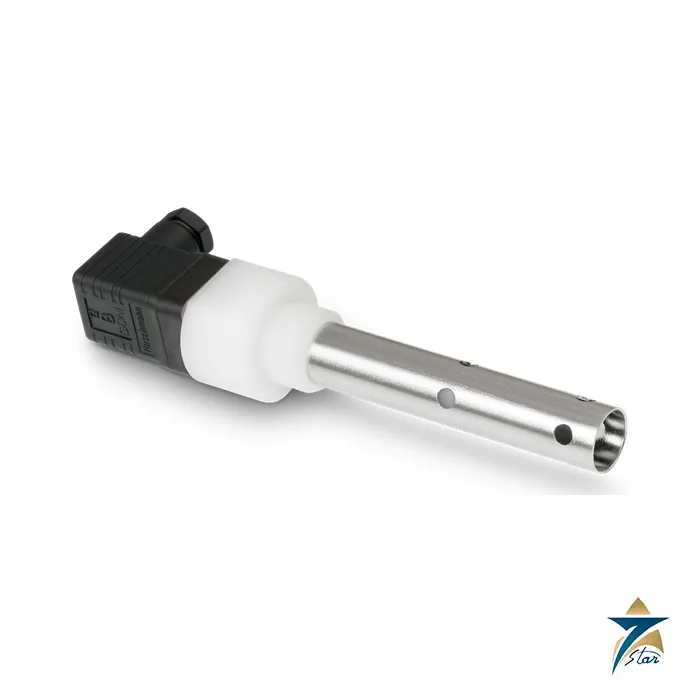
KROHNE OPTISENS COND 1200 Conductive Conductivity Sensor

Description

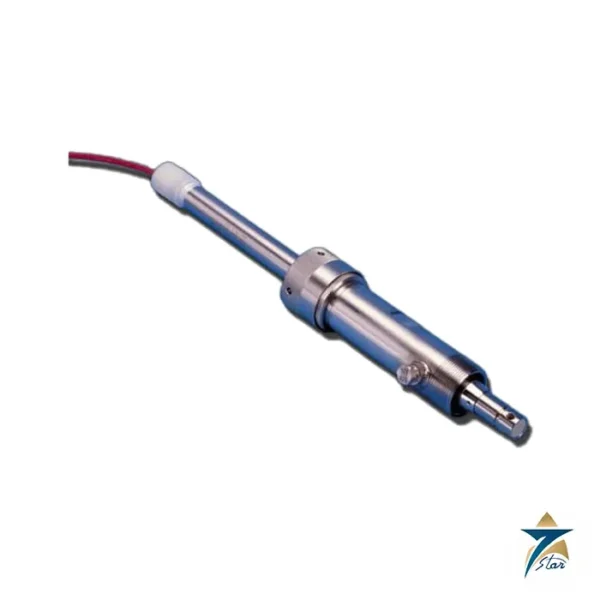
Conductive sensor for pure water, drinking water and wastewater

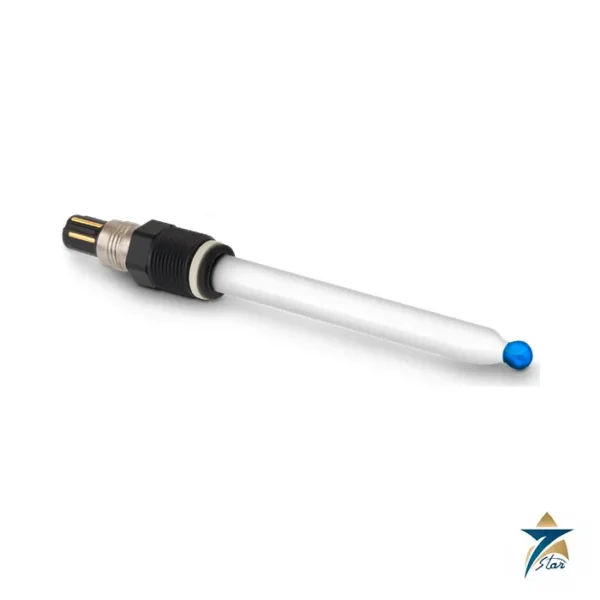
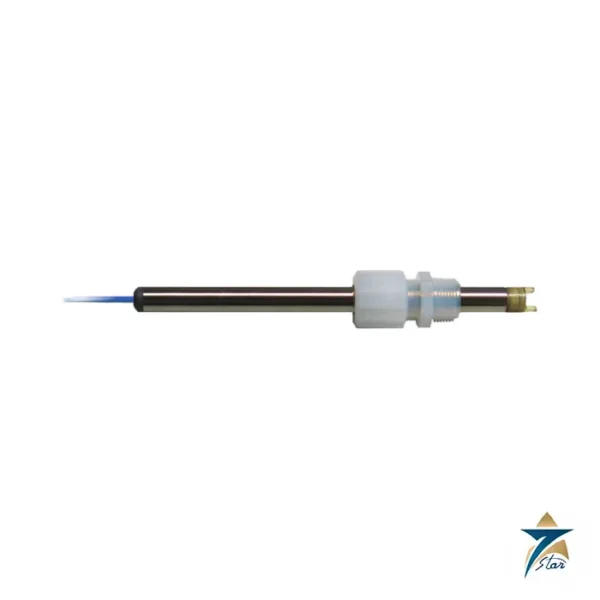
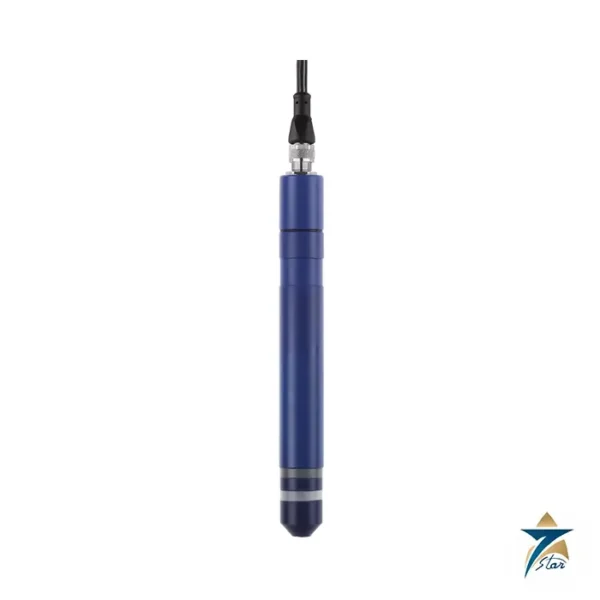
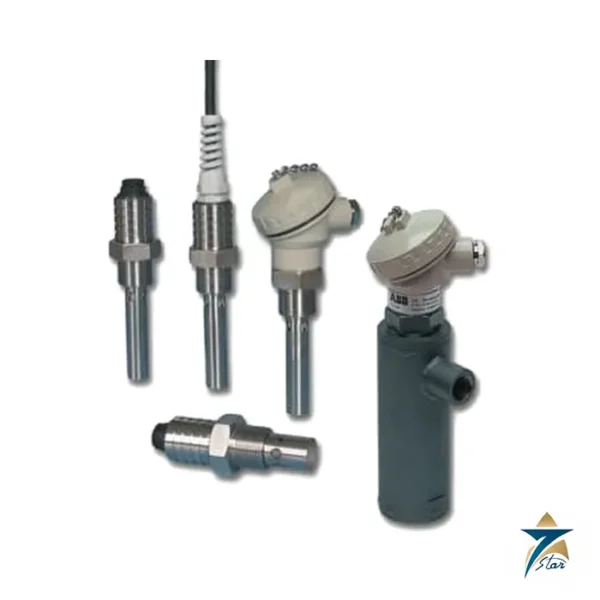
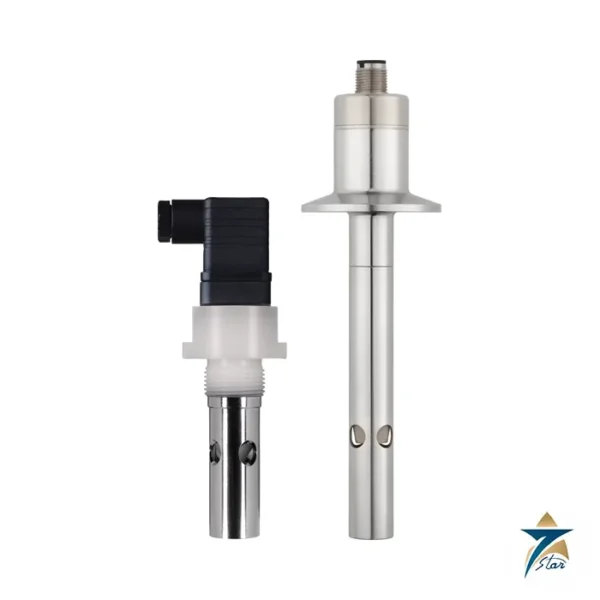
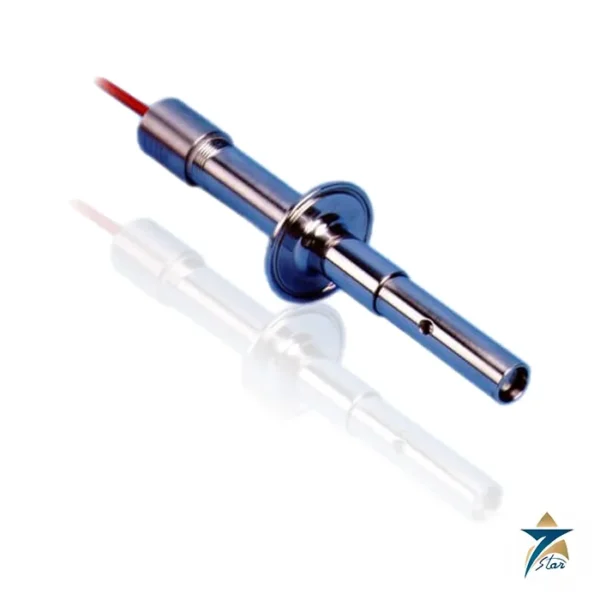
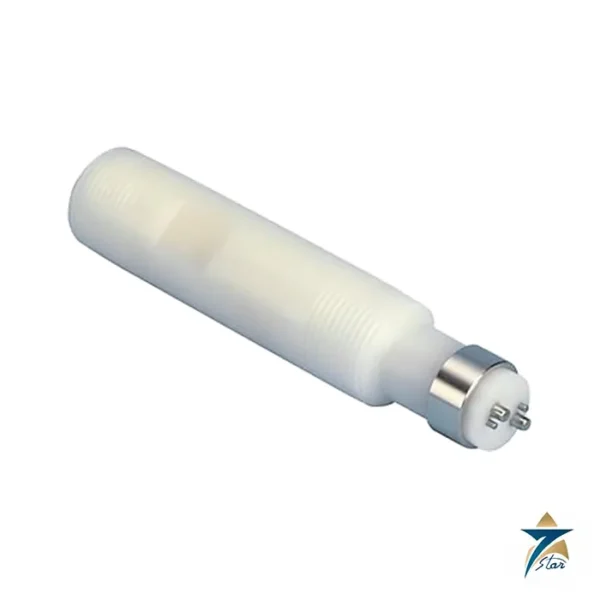
The KROHNE OPTISENS COND 1200 is a conductive conductivity sensor with a PVDF body and a two-electrode cell for water, pure water and wastewater applications. Three versions are listed in the data sheet: W for general water (cell constants 0.05, 0.2 and 1), PW for pure water (0.01 and 0.1) and GF with graphite electrodes for dirtier media (constant 1).

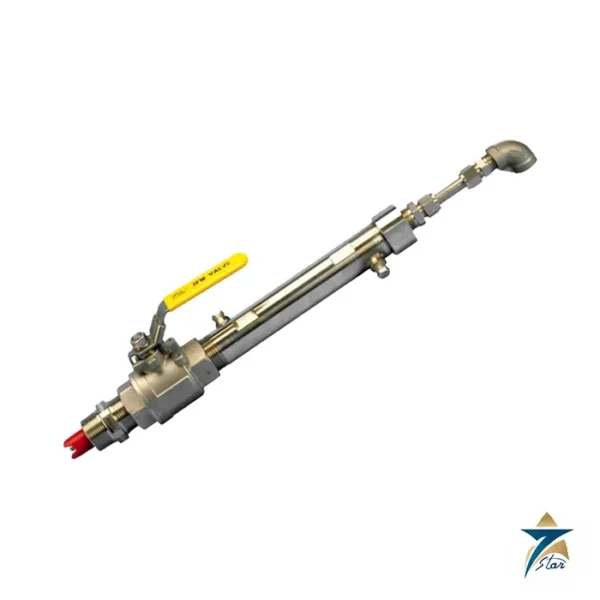
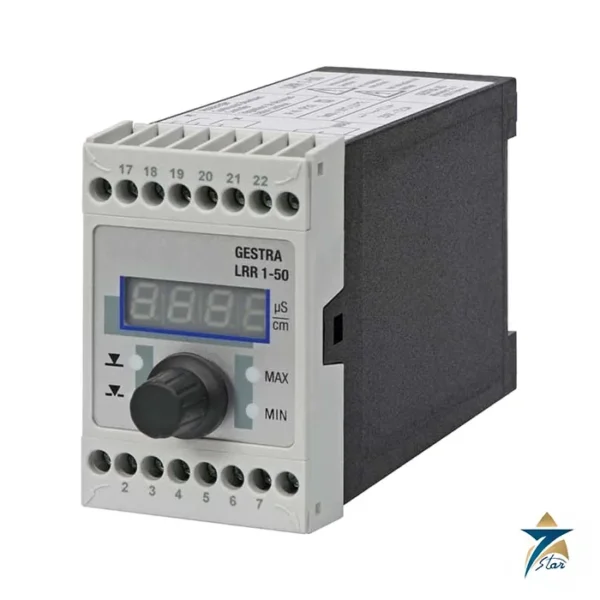
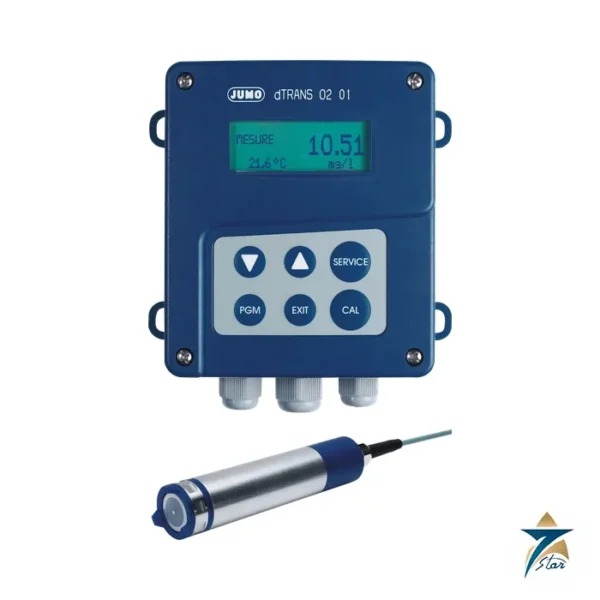
A Pt100 temperature sensor is integrated, the connection is a 4-pin Hirschmann plug, and the sensor works with the MAC 100 or MAC 300 analytical converters or other suitable transmitters. Installation uses a G3/4 male thread or a SENSOFIT flow-through or immersion holder.

Technical specifications

Parameter Specification
Model OPTISENS COND 1200 (W, PW, GF versions)
Principle Conductive, two-electrode cell
Range W 0.1 to 200 uS/cm (c=0.05); 1 to 2000 uS/cm (c=0.2); 1 to 20 mS/cm (c=1)
Range PW 0.05 to 10 uS/cm (c=0.01); 0.001 to 1 mS/cm (c=0.1)
Range GF 10 uS/cm to 15 mS/cm (c=1)
Accuracy W +/-2 % of full scale; PW and GF +/-10 % of nominal cell constant
Body and cell PVDF body; stainless steel 1.4571, titanium (PW) or graphite (GF) cell
Temperature 0 to +135 C (W/PW); 0 to +130 C (GF)
Pressure 16 bar at +25 C, 9 bar at +60 C
Connection G3/4 A male; G1/2 A, G1 A or 3/4-14 NPT for PW/GF
Temperature sensor Integrated Pt100
Electrical 4-pin right-angle connector (Hirschmann)

Choosing the version

Use W for drinking water and lightly contaminated wastewater, PW for high-purity water, steam condensate and cooling water, and GF when media contain solids or are mildly aggressive. The order code selects the cell constant, the cell material, the process condition and the cable or plug type.

The product page highlights water and wastewater quality monitoring, filter and ion-exchanger monitoring and effluent control, and the data sheet adds power plants, mining, paper and chemical industries.

Before ordering

Check the conductivity range of your liquid against the cell constant, then match the process connection and pressure. The data sheet is dated 2012 (R01), so confirm current availability and the signal converter you intend to use.

The data sheet warns that the real cell constant can deviate from the nominal value and can be compensated at the converter, so plan a calibration with the system.

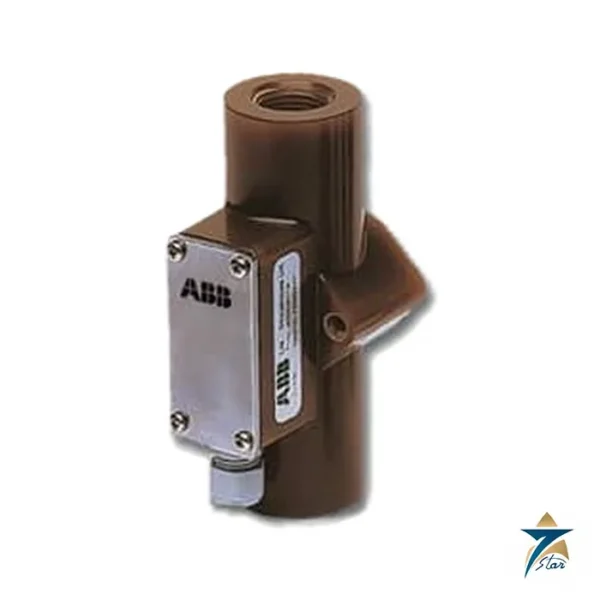
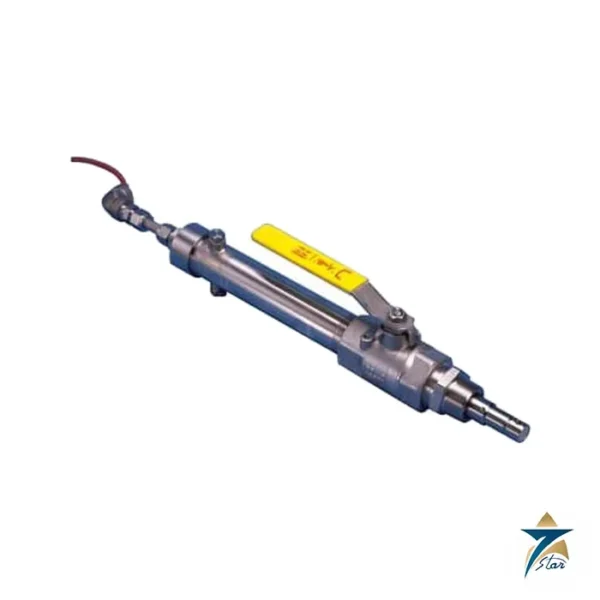
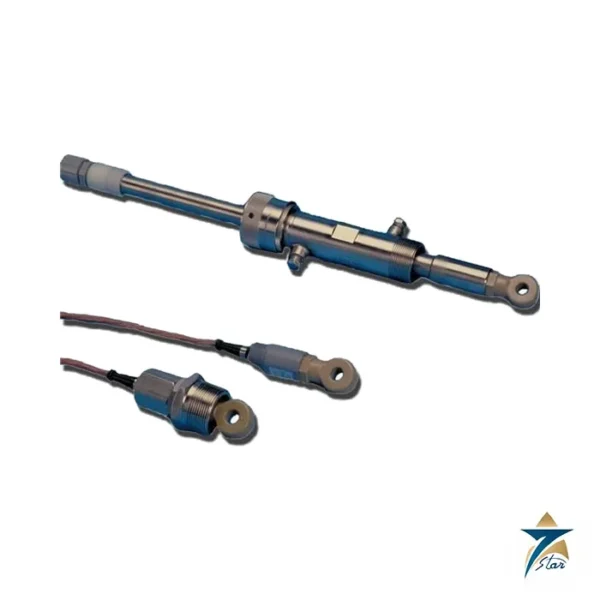
Installation in a SENSOFIT flow-through holder gives a defined flow past the cell, while an immersion holder with attached cable suits open basins. Keep the cell free from air bubbles, mount it so the electrodes are fully wetted, and clean it periodically because deposits change the effective cell constant and therefore the reading.

Documents and quotation

Please check the cell constant, cell material and connection before ordering, because the final code depends on the installation. The attached manufacturer file, KROHNE OPTISENS COND 1200 technical datasheet (EN), carries the authoritative data. Send the code you selected and the quantity, and we respond with a written offer. Similar instruments: Liquid Analysis Sensors.

Datasheets & Documents
  • PDF Datasheet KROHNE OPTISENS COND 1200 technical datasheet (EN) Download
Reviews (0)

Reviews

There are no reviews yet.

How would you rate this product?

It takes about 10 seconds — just tap a star. Your email is never published.

About brand

KROHNE is the German flow and level measurement company founded in Duisburg in 1921 as Ludwig Krohne & Sohn. Its first customers were Ruhr steel producers, for whom it built variable area flowmeters. KROHNE dates the first electromagnetic flowmeter for industrial process measurement to 1952. It is still family-owned and headquartered in Duisburg.

Seven Star LLC is an independent supplier in Muscat. We list KROHNE electromagnetic, Coriolis, ultrasonic and variable area flowmeters, radar level transmitters and flow computers, and supply them to water utilities, oil and gas and process plants in Oman and the GCC by order code.

KROHNE company profile

Established 1921, Duisburg, Germany, as Ludwig Krohne & Sohn
Early products Variable area flowmeters for hardening furnaces in the Ruhr steel industry
Milestone 1952: first electromagnetic flowmeter for industrial process measurement, according to KROHNE
Product families Electromagnetic, Coriolis, ultrasonic, vortex and variable area flowmeters, radar and guided radar level, flow computers and metering systems, analysers

Milestones

  • 1921: Ludwig Krohne starts making variable area flowmeters in Duisburg for hardening furnaces in the Ruhr steel industry.
  • 1952: First electromagnetic flowmeter for industrial process measurement, according to KROHNE.
  • 1980: First ultrasonic flowmeter delivered to Shell for crude oil measurement.
  • 1985: Development and production of Coriolis mass flowmeters begins.
  • 1994: First Coriolis mass flowmeter with a single straight measuring tube.
  • 1996: ALTOSONIC V, the first ultrasonic meter for custody transfer of liquids.

KROHNE products we list

Family Models Typical use
Electromagnetic flowmeters OPTIFLUX 2000, 2100, 2300, 4100, 4300, WATERFLUX 3070, 3100, 3300 Water networks, wastewater, seawater intake and conductive process liquids
Coriolis mass flowmeters OPTIMASS 1400, 6400 Direct mass flow and density of hydrocarbons, chemicals and LPG
Ultrasonic flowmeters ALTOSONIC V12, OPTISONIC 3400, 6300 clamp-on, 7300 gas Gas custody transfer, liquid process flow and non-intrusive clamp-on checks
Variable area flowmeters H250 M40, DK800/R Simple, power-free flow indication for purge, sample and utility lines
Level OPTIFLEX 7200 guided radar, OPTIWAVE 5400, 7500, 1540, OPTISWITCH 5300 Level in tanks, separators and chemical storage, and point level switching
Flow computer SUMMIT 8800 Fiscal and custody transfer calculations for gas and liquid metering

The flowmeter principle follows the medium. Electromagnetic meters need a conductive liquid, have no moving parts and no pressure loss, and suit water and slurries. Coriolis meters measure mass flow and density directly, so they work for hydrocarbons and non-conductive liquids. Ultrasonic meters handle gas and large pipes, and multi-path designs such as the ALTOSONIC V12 are used for custody transfer. Variable area meters need no power at all and give a simple local reading.

Where KROHNE instruments are used

In Oman and the GCC, KROHNE flowmeters and level transmitters are used in water transmission and distribution, desalination, wastewater, oil and gas production and fiscal metering, refineries, petrochemical and chemical plants, and power stations.

Ordering KROHNE instruments: what we need

Send the complete KROHNE order code or the nameplate data. For a new meter, send the medium, the flow range, pressure and temperature, the pipe size and flange rating, the liner and electrode materials (for electromagnetic meters), the output and communication, and the hazardous area classification.

Facts checked against KROHNE company history (100th anniversary), October 2026.

Frequently Asked Questions

Which cell constants are available?
0.01, 0.05, 0.1, 0.2 and 1, depending on the W, PW or GF version.
What converter does it connect to?
MAC 100, MAC 300 or any suitable analytical transmitter.
Does it include temperature measurement?
Yes, a Pt100 sensor is integrated.
What is the maximum temperature?
+135 C for W and PW, +130 C for GF.
What process connections are listed?
G3/4, G1/2, G1 and 3/4-14 NPT male threads, depending on the version.