
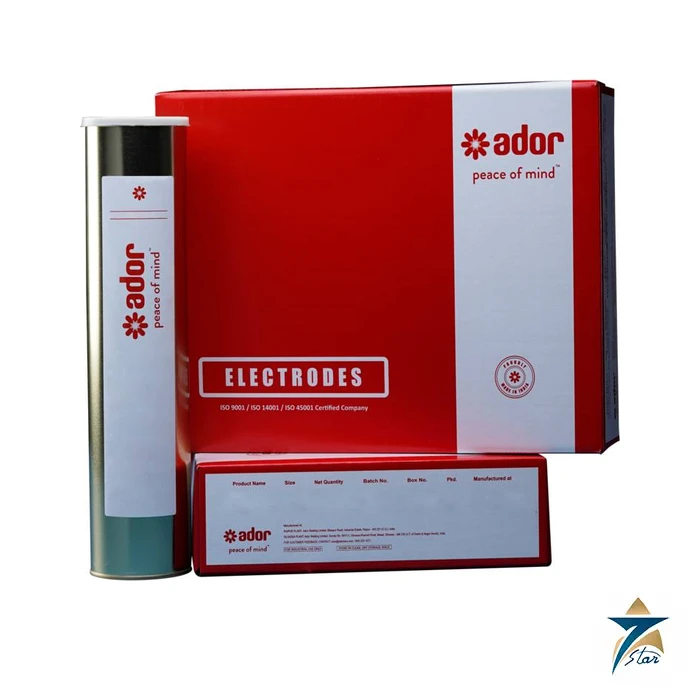
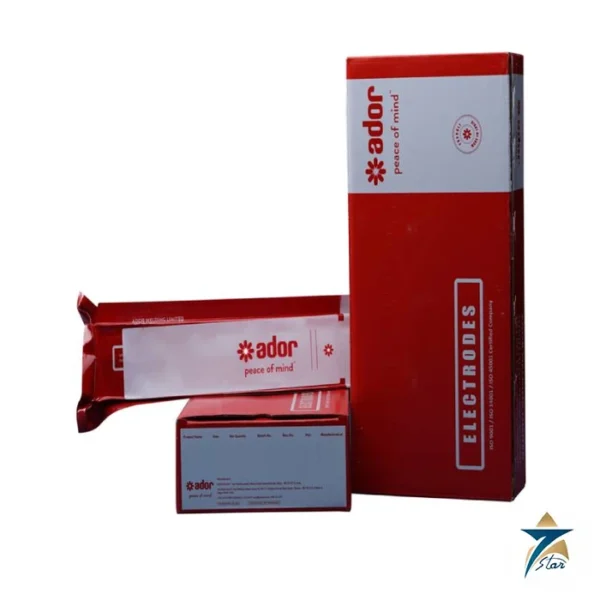
Ador Celwel 60 is a cellulose-coated manual metal arc electrode classified to AWS A/SFA 5.1 E6010, ISO 2560-A E 38 3 C 21 and IS 814 E C 4210 X. Ador Welding Limited designs it for the part of a pipeline weld where penetration matters most: the root pass, where the arc has to dig through the land of a beveled joint and leave a sound bead on the inside of the pipe. The Ador Celwel 60 combines deep penetration with a fast-freezing slag and puddle, so it can be run in every position and specifically in vertical down progression, which is the standard technique on cross-country line pipe.
Seven Star LLC supplies Ador Celwel 60 to pipeline spreads, station contractors and maintenance teams across the Sultanate of Oman and the wider GCC. Gas gathering lines, flowlines and water transmission projects around Muscat, Sohar, Duqm and Salalah all rely on cellulosic root welding, and we provide the manufacturer datasheet, help match diameters to the procedure, and coordinate availability and engineering support from Muscat.
As general welding knowledge, the coating of an E6010 electrode contains a high proportion of cellulose. When the arc burns, the cellulose decomposes into a gas shield rich in hydrogen and carbon monoxide. Hydrogen raises the arc voltage gradient, which gives the characteristic forceful, digging arc and the deep penetration that cellulosic electrodes are known for. The slag layer is thin and the weld puddle freezes quickly, so the welder can travel downhill at high speed without the puddle running ahead of the arc.
The practical consequence is a root bead that fuses both bevel faces and the inside surface even when the fit-up gap varies slightly along the circumference. The trade-off, again as general knowledge, is a high diffusible hydrogen level in the weld metal, which is why procedures for cellulosic welding control preheat, the time between the root and the hot pass, and the strength of the pipe being welded. The Ador Celwel 60 datasheet lists it for pipe grades up to API 5L X42 and for the root pass of X56, which keeps it inside the strength range where this behaviour is well understood.
The Ador Celwel 60 deposits a simple carbon-manganese weld metal. Ador gives the typical undiluted chemistry as 0.15 percent carbon, 0.5 percent manganese and 0.2 percent silicon. As welded, the all-weld-metal tensile strength is typically 525 MPa with 410 MPa yield and 26 percent elongation, and the Charpy V-notch impact energy is typically 55 J at -30°C. The specification minimums printed alongside are 430 MPa tensile, 330 MPa yield, 22 percent elongation and 47 J, and the three-layer hardness is limited to 200 BHN maximum.
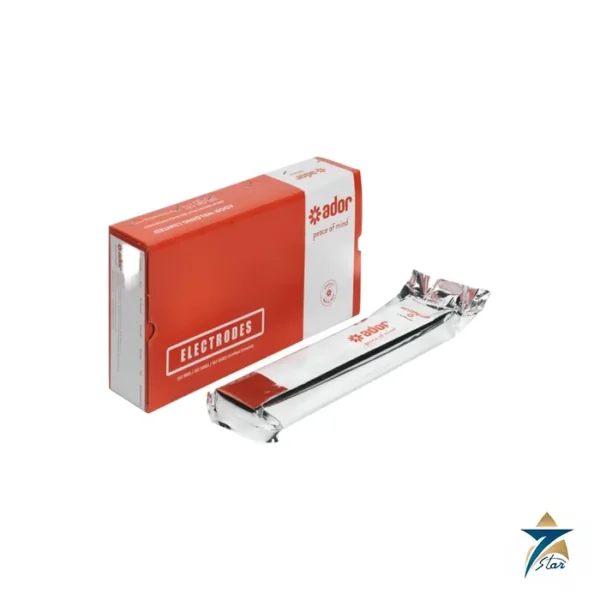
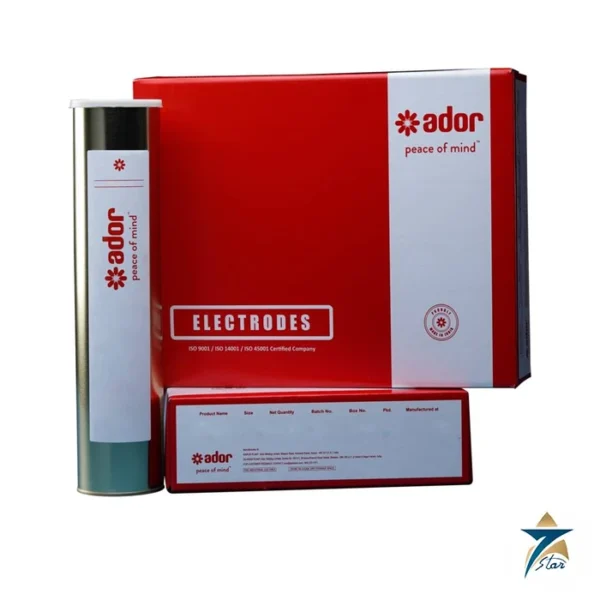
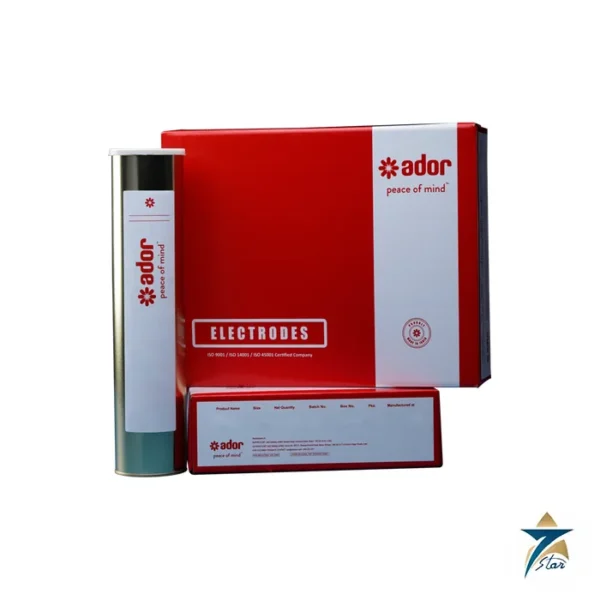
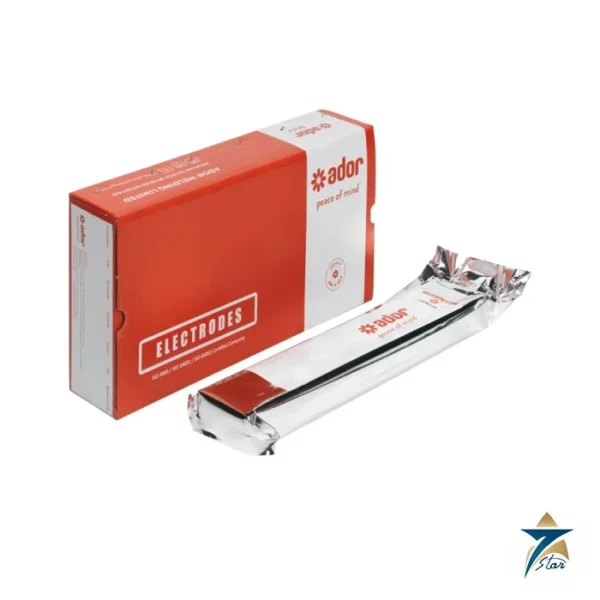
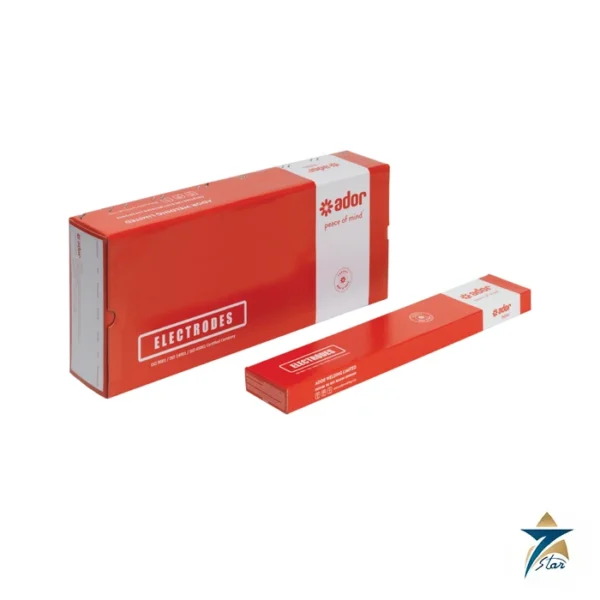
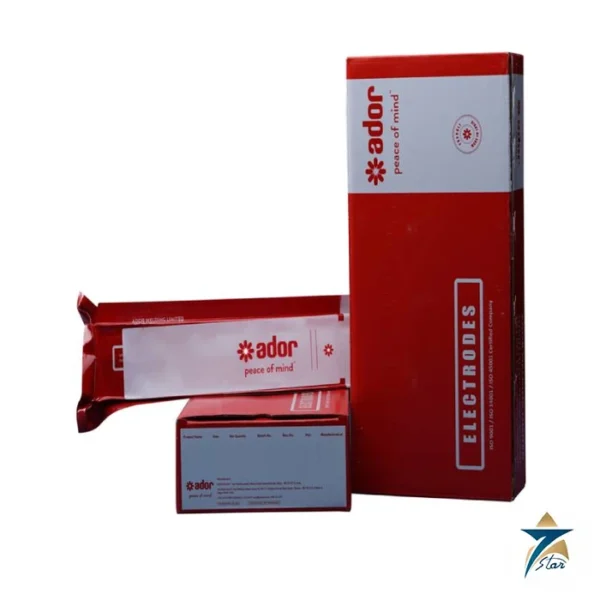
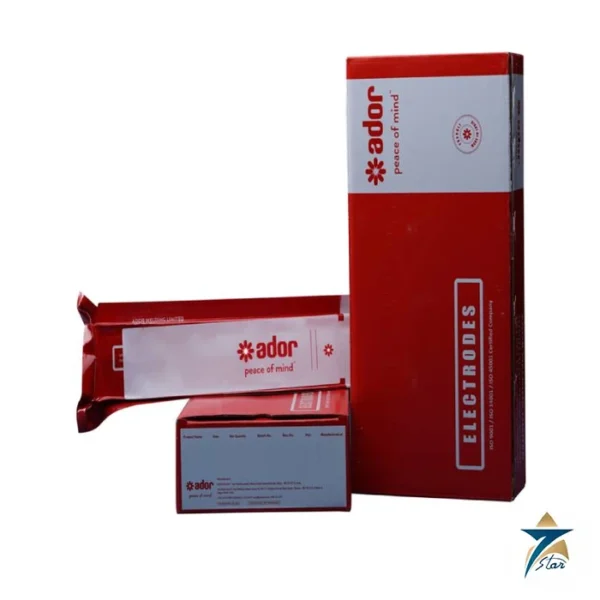
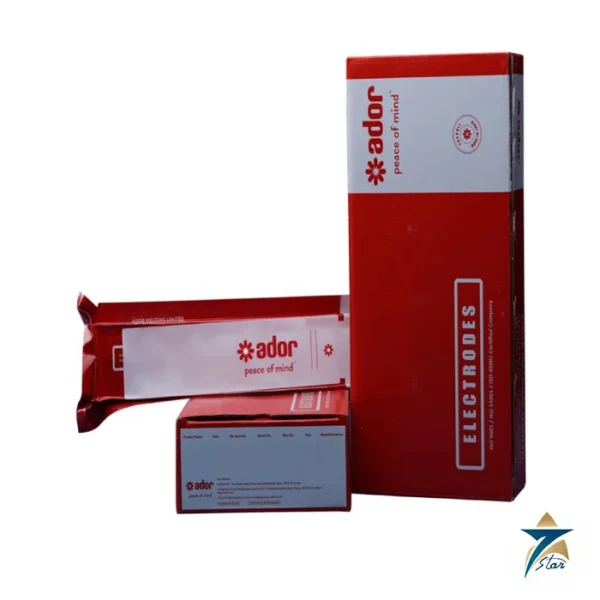
The electrode is produced in four diameters, all 350 mm long, and operates on DC electrode positive. Ador packs it in an 18 kg carton containing three 6 kg tins. In general practice, cellulosic electrodes depend on a controlled moisture content in the coating to work properly, so the Ador Celwel 60 should be kept in its tins until use and should not be baked like a low-hydrogen electrode; over-drying a cellulosic coating changes the arc and can damage the cellulose.
The Ador Celwel 60 datasheet and its classification point to the following practical features:
Ador lists the Ador Celwel 60 for cross-country pipelines subject to dynamic loading and mechanical restraint, for steel grades ASTM A106 Gr. A and B and API 5L X42, and for the root pass of X56. In Oman this matches the work on oil and gas flowlines in the interior concession areas, gas gathering networks, product lines between terminals and the large-diameter water transmission mains that connect desalination plants on the coast to inland reservoirs. Many contractors use a cellulosic root because it tolerates field fit-up and wind better than processes that rely on a separate gas shield.
Seven Star LLC supplies the Ador Celwel 60 together with other welding consumables and equipment for the same spreads. Contractors who fill and cap with submerged arc on double-jointing stations can combine it with wire such as the LongTeng EL8 submerged arc welding wire, while workshop spool fabrication often moves to GMAW with a solid wire like the Lincoln Electric SuperArc L-59 ER70S-6. For multi-process pipe shops, a power source such as the ESAB Rebel EMP 285ic covers stick and MIG work. Other root-pass electrodes are grouped in our cellulosic pipeline electrodes category.
For the Ador Celwel 60, Ador gives the amperage ranges per diameter shown in the table below and specifies DCEP. As general guidance for E6010 root welding, the 3.15 mm (1/8 inch) and 4.0 mm sizes are most common for the root and hot pass on medium-diameter pipe, with the welder dragging the electrode downhill and using arc length and travel speed to control the keyhole. Starting at the low end of the range and adjusting on test coupons is a sensible way to set up a new procedure.
The hot pass is usually laid soon after the root on cellulosic procedures to temper the root and to reduce the risk of hydrogen cracking; the exact time limit, preheat and inter-pass temperature must come from the qualified welding procedure specification for the project rather than from a product page. Electrodes should be stored dry, protected from rain and sun, and taken from the tin as needed.
The table summarises the Ador Celwel 60 values printed on the manufacturer datasheet.
| Parameter | Specification |
|---|---|
| Model | Ador Celwel 60 |
| Type | Cellulosic, cellulose coated electrode |
| AWS classification | AWS A/SFA 5.1 E6010 |
| ISO / IS classification | ISO 2560-A E 38 3 C 21; IS 814 E C 4210 X |
| Approvals listed | ABS / LRA / IBR / CE |
| Typical weld metal chemistry | C 0.15, Mn 0.5, Si 0.2 (wt %) |
| Tensile strength | Typical 525 MPa; specification 430 MPa min |
| Yield strength (0.2% offset) | Typical 410 MPa; specification 330 MPa min |
| Elongation | Typical 26%; specification 22% min |
| CVN impact at -30°C | Typical 55 J; specification 47 J min |
| Hardness (3 layer) | 200 BHN max |
| Current | DCEP |
| Sizes and amperage | 2.5 × 350 mm: 50–90 A; 3.15 × 350 mm: 80–140 A; 4.0 × 350 mm: 120–180 A; 5.0 × 350 mm: 160–200 A |
| Positions | All positions, specifically vertical down |
| Packing | 18 kg carton containing 3 tins of 6 kg |
To order Ador Celwel 60 for a pipeline or station project in Oman or the GCC, send Seven Star LLC your diameters, quantities and delivery location for a formal quotation. We can share the Ador Celwel 60 datasheet, discuss the rest of the consumable package for hot pass, fill and cap, and arrange engineering support from our Muscat office.
Choose the option that best fits your needs to get the fastest response from our team.
Automatically fill the RFQ form with this product's details for a faster process.
Manually enter multiple part numbers, specific brands, or custom requirements.
Reviews
There are no reviews yet.