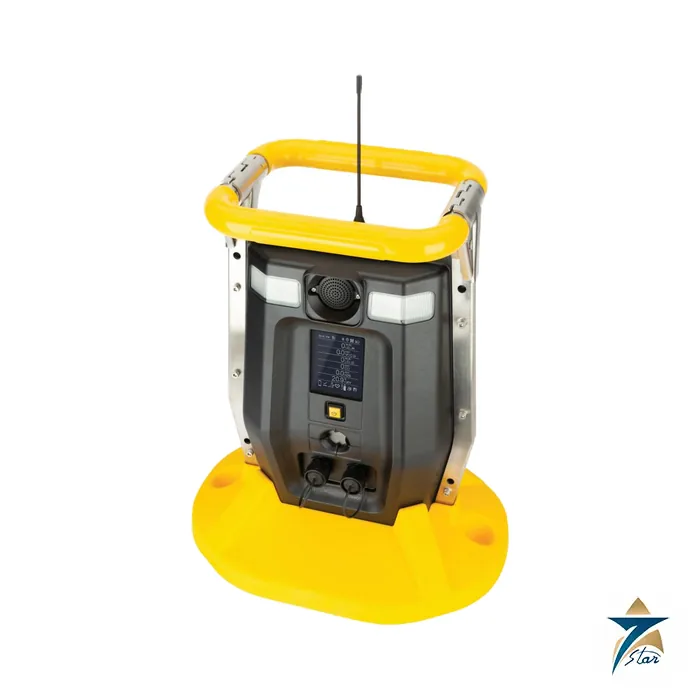
Honeywell BW RigRAT transportable multi-gas area monitor
The Honeywell BW RigRAT is a transportable area monitor that you place at the edge of a work zone instead of wearing on a person. Personal detectors protect the breathing zone of one worker; the BW RigRAT watches the surrounding air and warns everyone nearby of a leak. Seven Star LLC supplies the BW RigRAT in Oman and the GCC as an independent supplier in Muscat.
The unit carries up to six interchangeable gas sensors, so one monitor can follow combustibles, toxic gases and oxygen together. The datasheet describes use cases such as zone declassification, turnarounds, confined-space work, routine maintenance and fence-line monitoring. It is grab-and-go with one-button operation, and a smartphone app sets alarm points and records calibration.
It is offered pumped for remote sampling or diffusion for open-area use. Because the BW RigRAT is configured per project, define the sensors and communication options before you order.
BW RigRAT technical specifications
| Parameter |
Specification |
| Manufacturer / part number |
Honeywell / BW RigRAT (models BWRR100P / BWRR100D) |
| Size |
40.0 x 29.0 x 47.0 cm (15.8 x 11.4 x 18.5 in) |
| Weight |
8 kg (17.6 lb) |
| Gas sensor slots |
Up to 6 |
| Sampling method |
Pumped or diffusion |
| Battery |
Rechargeable Li-ion, 3.7 V / 26.4 Ah |
| Charging time |
Less than 18 hours when powered off |
| Running time |
8 weeks for the low-power model; others vary by configuration |
| Display |
3.5 in 240 x 320 TFT color LCD with white LED backlight |
| Alarm |
Red/yellow/green LED, buzzer 108 dBA at 1 m, on-screen indication |
| Data logging |
Gas sensor and instrument data for at least 4 months at one-minute intervals |
| IP rating |
IP65 pumped; IP67 diffusion |
| Temperature |
-20°C to 60°C pumped; -40°C to 60°C diffusion |
| Humidity |
5% to 95% RH, non-condensing |
| Approvals listed |
cETLus Class I Div 1 Gr A-D T4; IECEx/ATEX II 1G Ex ia da IIC T4 Ga |
| Noise sensor (optional) |
60 to 125 dBA, 1 dB resolution |
Sensor options for the BW RigRAT
The following ranges come from the datasheet. The lowest working temperature depends on the sensor type, so a unit built for cold or hot conditions must have its sensors checked line by line.
| Sensor |
Range |
Resolution |
Temperature (°C) |
| Combustible (IR) |
0-100% LEL / 0-100% vol |
1% LEL / 0.1% vol |
-20 to 50 |
| Combustible (LEL) |
0-100% LEL |
1% LEL |
-40 to 60 |
| CO2 |
0-5% vol / 100 ppm |
0.01% vol / 100 ppm |
-20 to 50 |
| CO2 extended |
0-100% vol |
0.1% vol |
-20 to 50 |
| VOC |
0-2000 ppm |
0.1 ppm |
-20 to 50 |
| CO |
0-500 ppm |
1 ppm |
-40 to 60 |
| CO extended |
0-2000 ppm |
10 ppm |
-20 to 50 |
| CO (H2 resistant) |
0-1000 ppm |
5 ppm |
-20 to 60 |
| H2S |
0-100 ppm |
0.1 ppm |
-40 to 60 |
| H2S extended |
0-1000 ppm |
1 ppm |
-20 to 50 |
| SO2 |
0-20 ppm |
0.1 ppm |
-40 to 60 |
| O2 |
0-30% vol |
0.1% vol |
-40 to 60 |
| NO |
0-250 ppm |
0.5 ppm |
-20 to 50 |
| NO2 |
0-20 ppm |
0.1 ppm |
-20 to 50 |
| HCN |
0-50 ppm |
0.5 ppm |
-20 to 50 |
| NH3 |
0-100 ppm |
1 ppm |
-20 to 50 |
| Cl2 |
0-50 ppm |
0.1 ppm |
-20 to 50 |
How the BW RigRAT works as a wireless safety perimeter
Each BW RigRAT runs its own sensors and alarms, then shares readings. Bluetooth Low Energy covers about 5 m by default. The optional mesh radios list 300 m (868-900 MHz) or 150 m (2.4 GHz), and the Wi-Fi module lists about 50 m. Placing several monitors around a job creates a perimeter in which an alarm on one unit is visible to the whole group.
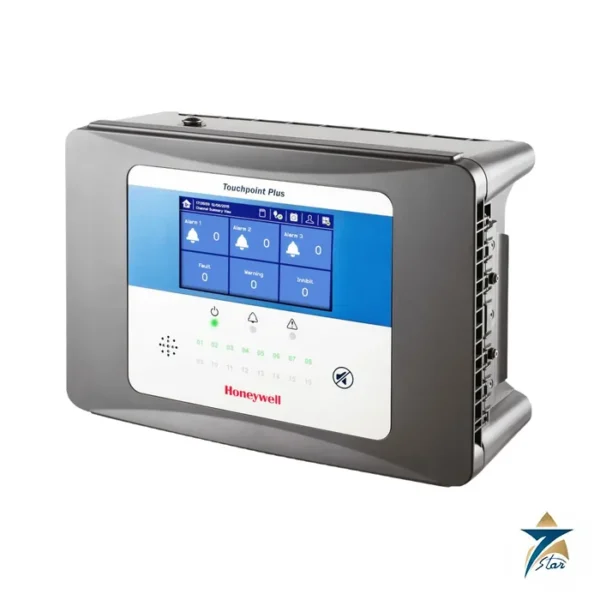
For remote visibility, the datasheet describes use with Honeywell’s remote monitoring software and with the Touchpoint Plus controller, which shows the area monitors together with workers’ personal detectors. Optional I/O ports provide a 4-20 mA input and three switch outputs rated at 20 V / 120 mA, so the monitor can drive a beacon or a local executive action.
BW RigRAT in a portable gas detection programme
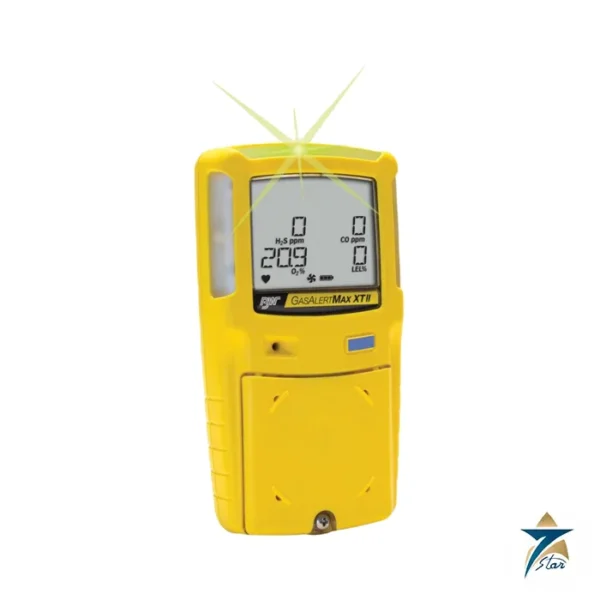
An area monitor complements, rather than replaces, personal detectors. Seven Star LLC also supplies the BW Icon and BW Clip personal detectors, the BW Solo serviceable single-gas unit, the BW Max XT II pumped four-gas detector and the ToxiRAE Pro. A typical plan gives every worker a personal unit and sets the BW RigRAT upwind or at the likely leak path of a job.
The inert mode mentioned in the datasheet prevents alarms in normal ambient air, when the monitor is placed in special conditions.
Selection checklist for the BW RigRAT
- Choose pumped (BWRR100P) or diffusion (BWRR100D) sampling and note the different IP and temperature ratings.
- List the gases and ranges, and count the sensor slots needed, up to six.
- Decide whether combustible gas should be catalytic-bead or infrared, since the marking changes with an infrared LEL or CO2 sensor.
- Choose the radio: Bluetooth only, mesh, Wi-Fi, or GPS where outdoor location is needed.
- Decide on power: battery only, line power, or SolarPak for the low-power model.
- Add noise or meteorological sensors, the protective cage and any I/O needs.
Setup, calibration and maintenance of the BW RigRAT
A unit of this size is shipped and handled as site equipment. On arrival, charge it fully in a safe area using the 6 V DC input, check the sensors listed on the label against your order, and run a bump test with the correct test gas before deployment. Settings and calibration records are managed from the smartphone app.
In service, keep pump inlets and filters clean, check the battery state at every shift change and keep a calibration schedule per sensor. The field charge port, intended for an intrinsically safe supply, is for the hazardous area only if the supply is rated for it. Spare sensors should be ordered by gas, range and slot type.
Where the BW RigRAT is used in Oman and the GCC
Gulf operators use area monitors on refinery and gas plant turnarounds, tank cleaning, pipeline pigging, well-site work and fence-line checks near neighbouring communities. The diffusion model’s -40°C to 60°C and IP67 rating cope with summer heat, dust and wind-blown sand, while the pumped model suits enclosed spaces and remote sampling, for which the manufacturer lists a hose reach of about 30 m (100 ft).
Because eight-week runtime is for the low-power model, multi-sensor pumped units on long shutdown jobs should be planned with line power or a charging rota.
Information to send with an RFQ for the BW RigRAT
Please send the exact model and part number, the gas or gases to be monitored with the required ranges, the work area classification and the number of units. If the detectors will be docked, bump tested or calibrated by an automatic station, tell us which system you use. Mention the site, the delivery timing and whether you need spare sensors, chargers or accessories alongside the instrument.
- Pumped or diffusion model
- Sensor list with ranges (up to six)
- Radio, GPS and I/O requirements
- Power option, cage and spare sensors
Documents and quotation
The manufacturer datasheet for the BW RigRAT is attached on this page. It lists the optional radios and sensors, which should be matched to your project specification.
Send the sensor list and quantity and we will prepare a quotation for delivery to Oman and the GCC.
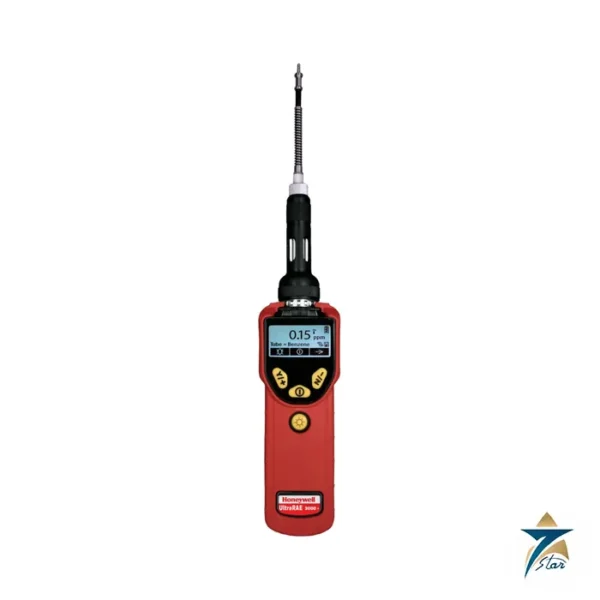
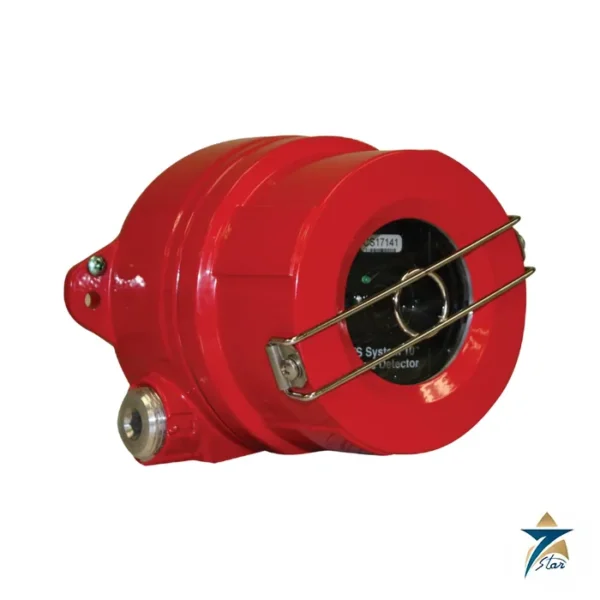
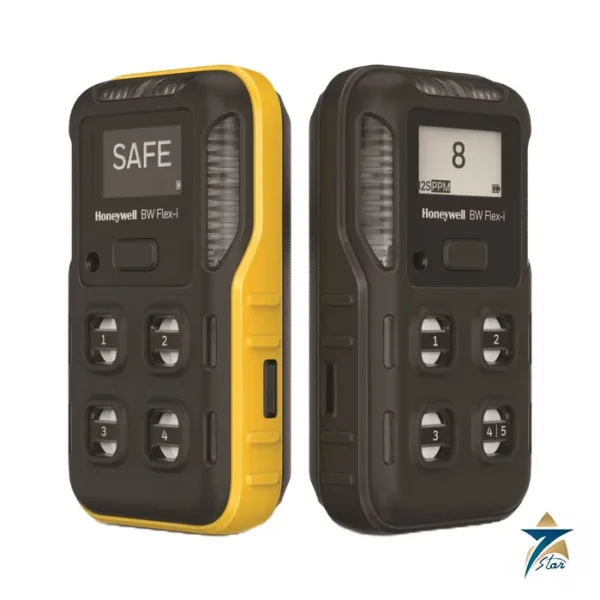
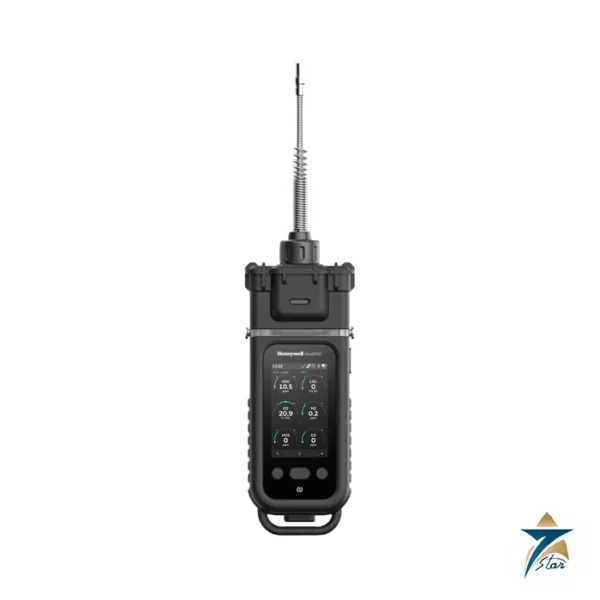
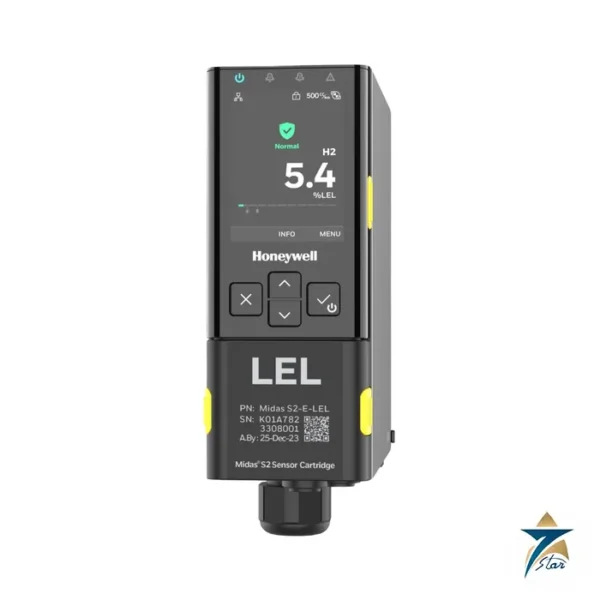
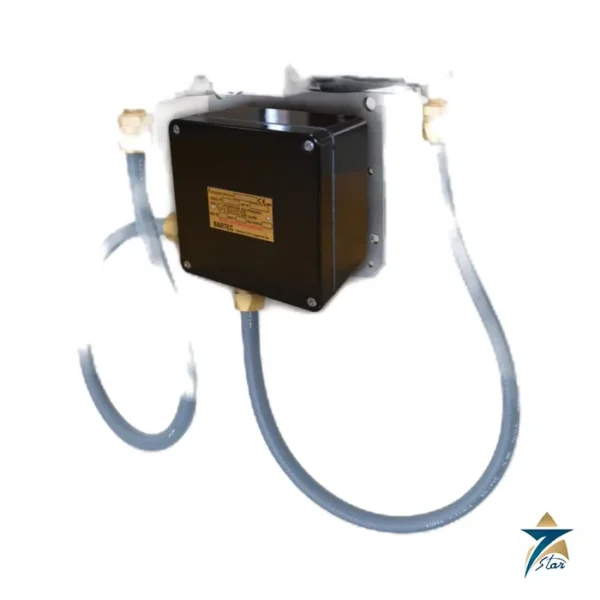
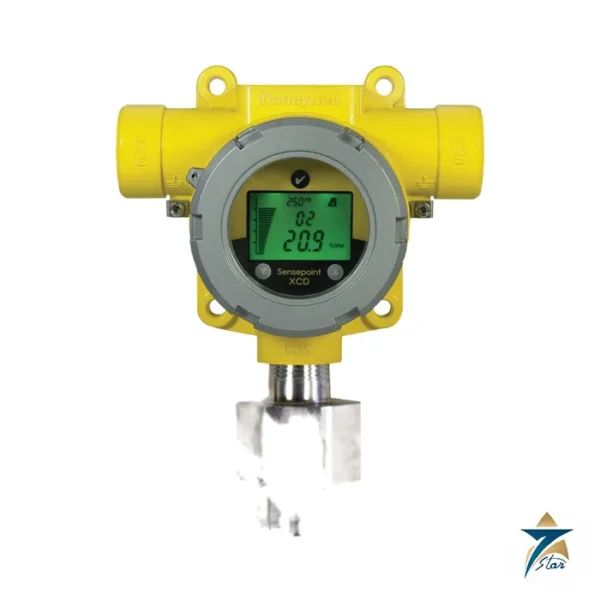
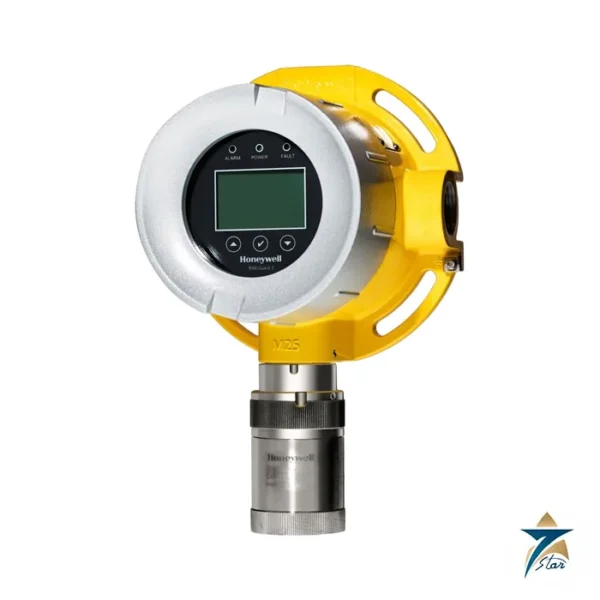
Other Models in the Honeywell Bw Portable Range
Seven Star LLC supplies models from the Honeywell Bw Portable range in Oman and the GCC. Compare the related models below and request a quote for the one that matches your application.




















Reviews
There are no reviews yet.