Brand:

Yokogawa OR8EFG-PT-05-TT1-E KCl Filling ORP Sensor

Description

Platinum ORP with a KCl feed: OR8EFG-PT-05-TT1-E

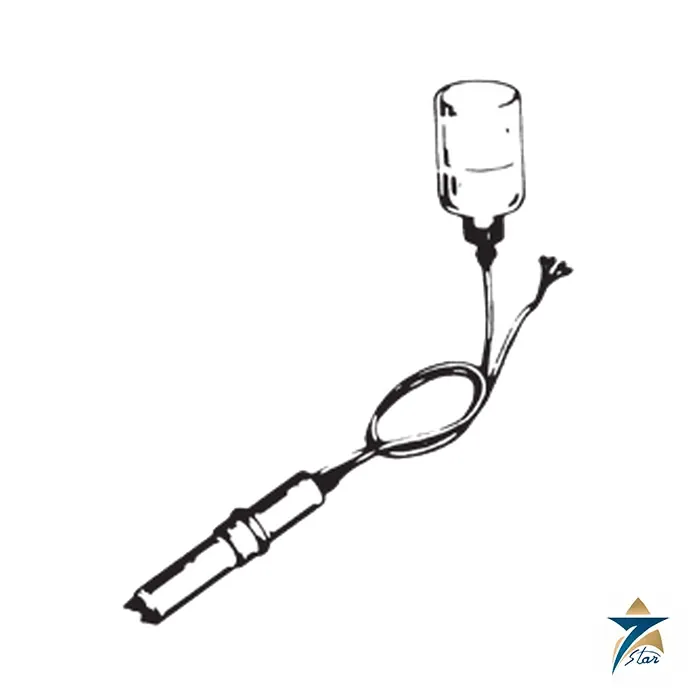
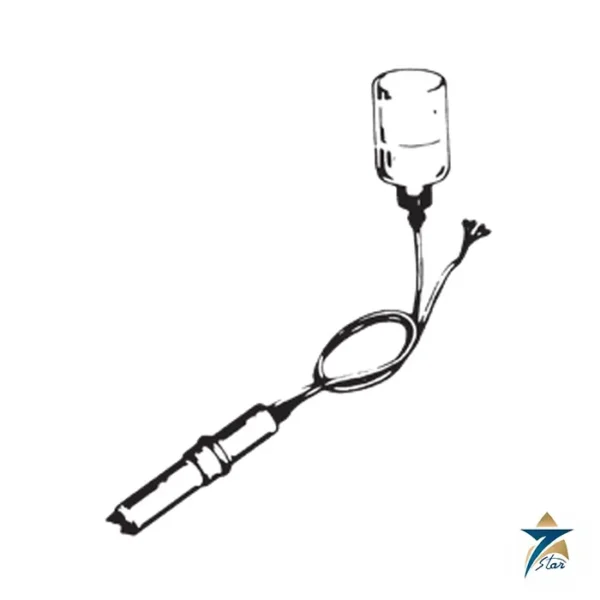
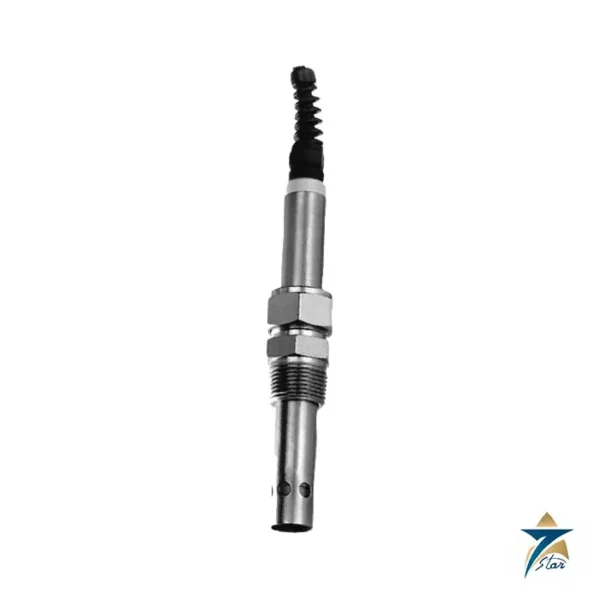
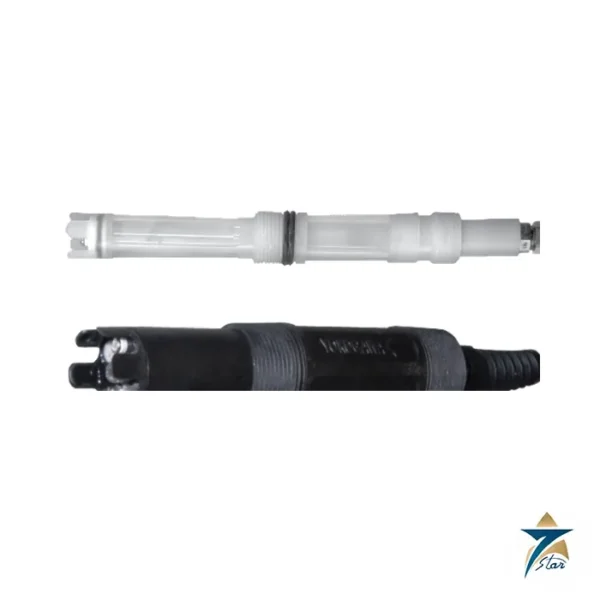
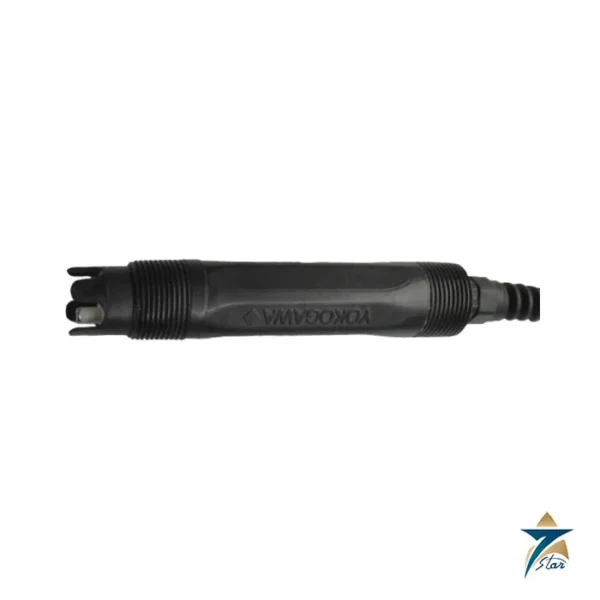
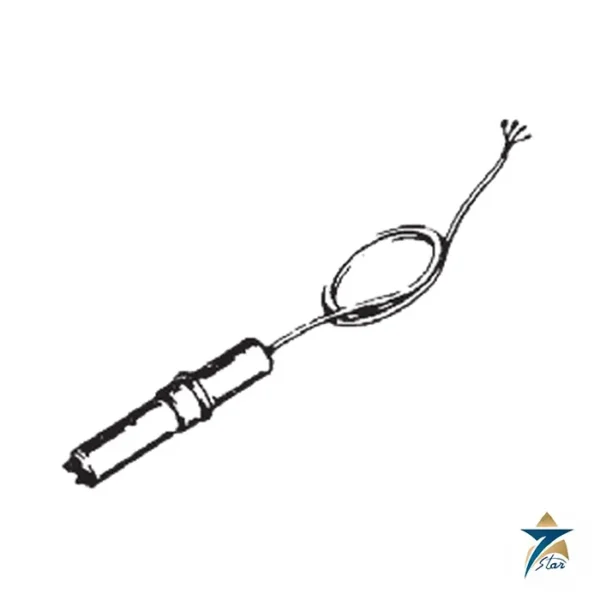
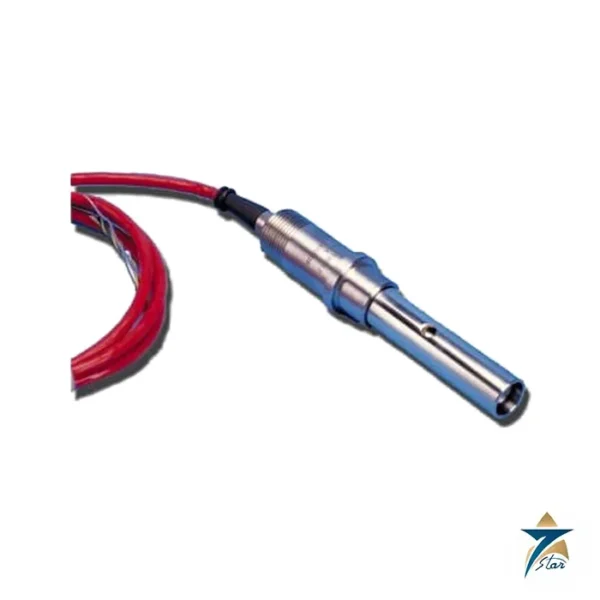
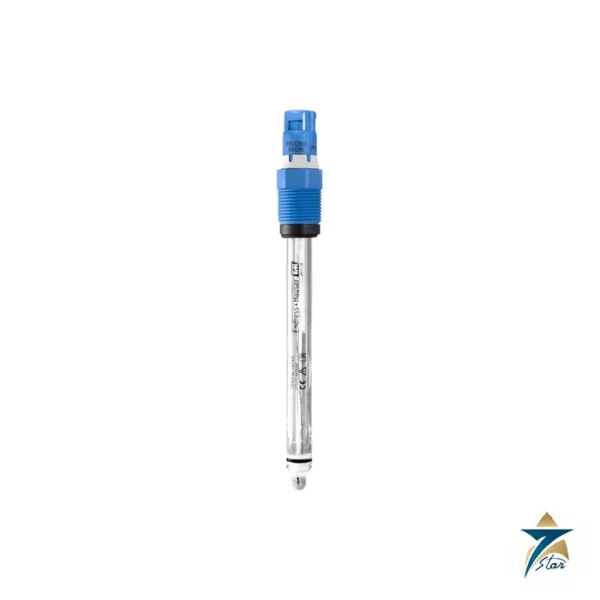
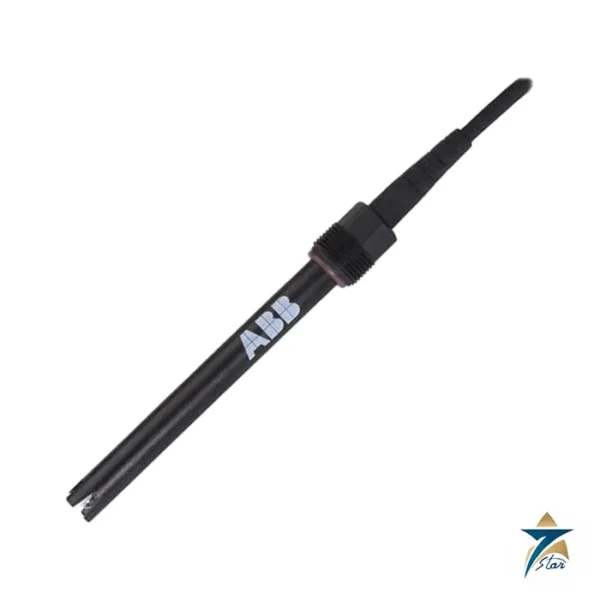
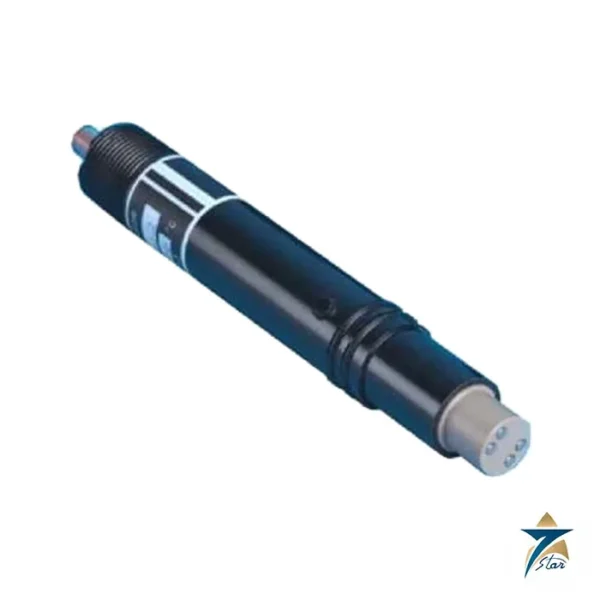
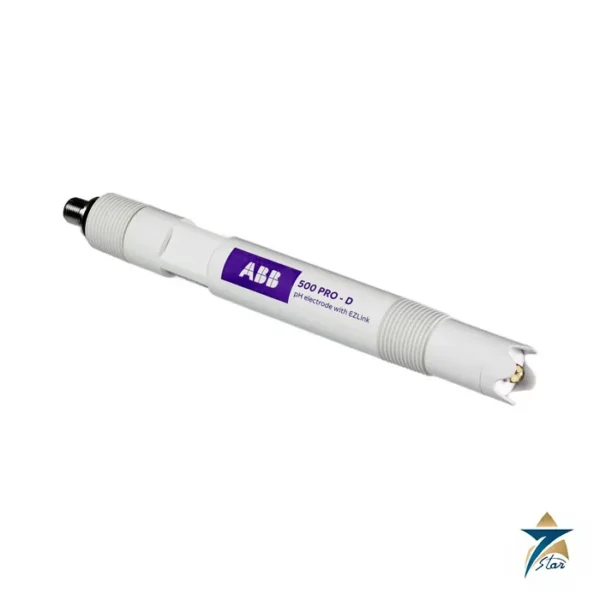
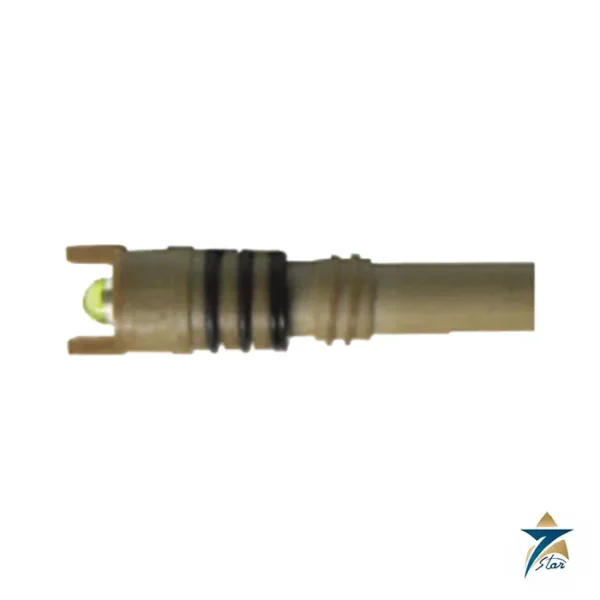
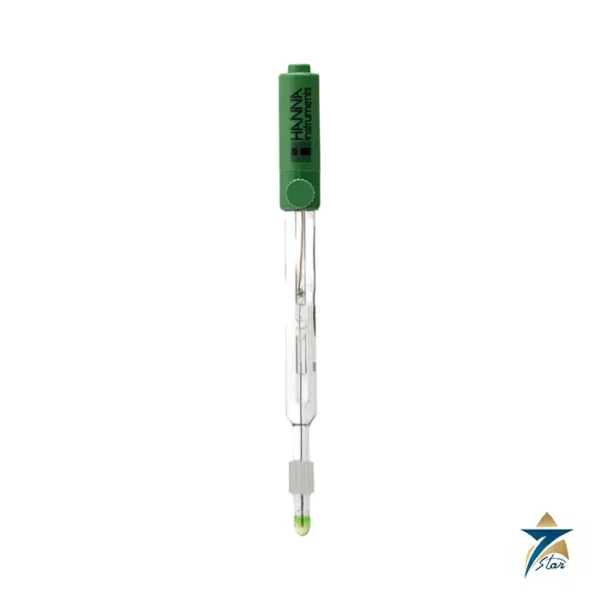
ORP measurements tell an operator whether a process is oxidising or reducing. Chlorination, dechlorination, chrome reduction and cyanide destruction all rely on it. Yokogawa OR8EFG-PT-05-TT1-E is the KCl filling type of the ORP sensor in the PPS-bodied OR8 range, with a platinum electrode and a general purpose KCl reserve tank. A 5 m cable carries the signal to the analyser, and the E code matches it to the FLXA series.

Seven Star LLC is an independent supplier serving Oman and the GCC and is not affiliated with the manufacturer.

What the code means

Parameter Value
OR8EFG KCl filling type ORP sensor
PT Platinum electrode (AU would be gold)
05 5 m cable and KCl tube
TT1 General purpose KCl reserve tank
E Measuring system for FLXA402, PH202, FLXA202, FLXA21 with pin terminals
*A Style A

OR8EFG-PT-05-TT1-E data

Parameter Value
Measuring range -1500 to 1500 mV
Measuring temperature -5 to 105 C (80 C with guide-pipe holder)
Pressure (TT1) Atmospheric to 10 kPa
Body Reinforced PPS, platinum-glass electrode, titanium or Hastelloy C, ceramics or PTFE, FKM or FFKM
KCl tube Heat-resistant soft PVC for general purpose
Weight Sensor about 0.4 kg with 3 m cable; tank about 0.3 kg

Platinum or gold

Table 6 states that platinum is suitable for general purpose duty and gold is not; that gold is suitable and platinum not for cyanogen and chrome treatment drainage; and that contaminated solutions and electrolytic process solutions are not suited to either. Since OR8EFG-PT-05-TT1-E has platinum, it targets general redox control rather than cyanide or chrome.

How OR8EFG differs from OR8ERG

OR8EFG is the filling type with a reserve tank, so it reaches 105 C and can be fitted with a medium-pressure tank up to 500 kPa, whereas the refillable OR8ERG is limited to 80 C and 50 kPa. OR8EFG-PT-05-TT1-E adds a tube and a tank, weighs 0.3 kg more for the tank, and is more stable in warm liquids.

What an ORP measurement tells you

An ORP sensor does not measure a concentration directly. It measures the electrical potential that a noble-metal electrode takes up in a solution relative to the reference, and that potential depends on the ratio of oxidising and reducing species. In practice it is used as an indicator: a chlorinated pool is held above a target potential, a dechlorination tank is held below one, and a reduction step is considered complete when the potential has fallen to a known value. The range in the datasheet, -1500 to 1500 mV, spans all these duties.

Because the electrode is catalytic, its surface condition matters. A film of oil, scale or biological growth slows response and shifts the reading. Platinum is the general-purpose choice, and that is the material of OR8EFG-PT-05-TT1-E. The reference side is the same filling-type construction used on the pH sensor, which keeps the junction supplied with KCl from the general purpose tank.

When commissioning, check the sensor in a redox standard solution before putting it on line, note the reading and the temperature, and record them. A later repeat check in the same standard shows whether the electrode has aged. For control loops, set alarm limits with the process engineer, because ORP values are application-specific and a limit copied from another plant can be wrong.

Typical uses in Oman

Typical sites are swimming pool and potable water chlorination, cooling water biocide control, wastewater oxidation and reduction tanks, and process lines where redox is the control variable. Hot liquids up to 105 C favour the filling type. In the Sultanate, utilities that blend chlorine donors for cooling-water biocide control often keep ORP in a narrow band, and an OR8EFG-PT-05-TT1-E in a stainless steel flow holder suits a sample line carrying warm water. Wastewater plants that add an oxidant to strip odour or sulphide also use redox as a control signal, and for these a platinum electrode is the standard choice.

Installation

Mount the tank above the sensor on the supplied 50A pipe bracket, check that the KCl flows, wire the pin terminals to the analyser or the WTB10-PH1 box, and verify the reading with a redox standard solution. Stainless steel holders are advised for pH 3 or more acidic solutions. Table 4 of the datasheet limits the process temperature by holder: a PVC guide pipe gives -5 to 50 C, polypropylene guide pipes and submersion or flow-through holders give -5 to 80 C, stainless steel submersion or flow-through holders without a cleaner reach -5 to 105 C, and floats such as PB350G and PB360G are limited to -5 to 50 C. Check the holder temperature against your process before ordering, because the holder, not the sensor, often sets the limit, and mention the holder model in your RFQ for OR8EFG-PT-05-TT1-E so that the offer can be checked against these limits. Table 5 limits the submersion depth for atmospheric holders to 3 m.

Maintenance

Clean the platinum surface when the response slows, refill the KCl, and replace the electrode element individually when worn. Verify the sensor against a redox standard at each planned maintenance visit, and replace the electrode if the reading no longer returns to the standard value after cleaning. Check the KCl level at each round, and keep OR8EFG-PT-05-TT1-E out of liquids that coat the platinum with oil. The optional codes in the datasheet include /TF for a PTFE junction in heavily contaminated service, /PF for FFKM O-rings in organic solvent or hot alkaline service, /FEP for a fluororesin KCl tube, /DG1 for an oil-free finish and /MC1 for a material certificate of the solution ground tip. State any of these when you request a quotation, because they change the order string.

Documents and quotation

The datasheet for OR8EFG-PT-05-TT1-E is attached. Send your RFQ to Seven Star LLC with the part number OR8EFG-PT-05-TT1-E, quantity and delivery location.

Datasheets & Documents
  • PDF Datasheet Yokogawa OR8EFG-PT-05-TT1-E KCl Filling ORP Sensor Datasheet Download
Reviews (0)

Reviews

There are no reviews yet.

How would you rate this product?

It takes about 10 seconds — just tap a star. Your email is never published.

About brand

Yokogawa is the Japanese measurement and industrial automation company behind the DPharp EJA and EJX pressure transmitters, CENTUM distributed control systems and ProSafe-RS safety systems. Tamisuke Yokogawa set it up in 1915 as an electric meter research institute in Shibuya, Tokyo. It began selling electric meters in 1917, was incorporated as Yokogawa Electric Works in 1920, and has been Yokogawa Electric Corporation since 1986. In 1975 it released CENTUM, which it describes as the world's first distributed control system.

Seven Star LLC is an independent supplier in Muscat. We list Yokogawa transmitters, flowmeters, analysers, controllers, recorders and CENTUM and ProSafe spare modules, and supply them to oil and gas, power, water and process plants in Oman and the GCC by model code.

Yokogawa at a glance

Established 1915, Shibuya, Tokyo, by Tamisuke Yokogawa with Ichiro Yokogawa and Shin Aoki
Milestones Electric meters from 1917; incorporated in 1920; CENTUM DCS in 1975; renamed Yokogawa Electric Corporation in 1986
Headquarters Tokyo, Japan
Product families Pressure and temperature transmitters, magnetic, vortex and Coriolis flowmeters, liquid and gas analysers, controllers and recorders, CENTUM VP DCS, ProSafe-RS safety systems and STARDOM controllers

Yokogawa products we list

Family Models Typical use
Pressure and DP transmitters EJA110E, EJA430E, EJA530E, EJX110A, EJX530A, EJX910A multivariable Pressure, level and DP flow measurement in process plants
Temperature transmitters YTA610, YTA710 RTD and thermocouple signals converted to 4-20 mA, HART or fieldbus
Flowmeters ADMAG AXG, ADMAG AXW, ROTAMASS TI, VY vortex, VF701 Water and conductive liquids, mass flow of hydrocarbons, steam and gas
Analysers TDLS8000 laser gas analyser, FLXA402, FLXA21 DO, E7042UD zirconia cell, K9471DS cover Combustion O2, in-situ gas analysis, pH, conductivity and dissolved oxygen
Controllers and recorders UT35A/UT32A, UT32A-D, UT55A/UT52A, UT75A, UP35A/UP32A, UP55A, YS1700, GX10/GX20, GP10/GP20, GM10, µR20000 Single-loop control, furnace programs and data recording
Control and safety systems CP451-10 processor, ADV161, ADV551, node interface unit, ProSafe-RS, ProSafe-RS Lite, ProSafe-SLS, FCN-500 Spares and expansions for CENTUM DCS, safety systems and STARDOM
Battery packs S9129FA, S9185FA, S9548FA Memory backup batteries for DCS and controller modules

The EJA and EJX transmitters use Yokogawa's DPharp sensor: two silicon resonators whose vibration frequency changes with pressure, so the output is a digital frequency rather than an analogue strain signal. The model code describes the instrument completely. In EJA110E, "110" is a differential pressure transmitter, and the letters after the dash set the span, wetted materials, process connection, electrical output and approvals. When you replace a transmitter, sending the full code from the nameplate avoids a mismatch in range or materials.

Where Yokogawa products are used

In Oman and the GCC, Yokogawa transmitters, analysers and control systems are found in oil and gas production, gas processing and LNG, refineries and petrochemical plants, power and desalination stations, and water treatment. Many plants still run CENTUM CS 3000 and CENTUM VP systems that need spare I/O modules and batteries.

Ordering Yokogawa products: what we need

Send the full model and suffix code from the nameplate (for example EJA110E-JMS5J-912NN/KF22) and the style code. For DCS modules, add the module type and system version. For analysers, send the sensor type, measuring range and process conditions.

Facts checked against Yokogawa's corporate history, October 2026.

FAQ

Questions about the Yokogawa OR8EFG-PT-05-TT1-E KCl Filling ORP Sensor

Answers from our engineering team on installation, compatibility and integration.

01What does OR8EFG-PT-05-TT1-E measure?
Oxidation-reduction potential in aqueous solution, over -1500 to 1500 mV, using a platinum electrode (PT), with a measuring temperature limited to -5 to 105 C (80 C when a guide-pipe holder is used).
02When is platinum chosen over gold in OR8EFG-PT-05-TT1-E?
Table 6 of the datasheet marks platinum as suitable for general purpose applications and gold as not suitable there. Gold is chosen for cyanogen and chrome treatment drainage.
03What does the TT1 mean in OR8EFG-PT-05-TT1-E?
TT1 is the general purpose KCl reserve tank, supplied with one 250 mL bottle of KCl solution, a 50A pipe mounting bracket and a pressure range of atmospheric to 10 kPa.
04Which analysers fit OR8EFG-PT-05-TT1-E?
The E measuring system is for FLXA402, PH202, FLXA202 and FLXA21, with pin terminals; terminal box WTB10-PH1 is the matching box.
05How heavy is OR8EFG-PT-05-TT1-E?
The sensor is about 0.4 kg with a 3 m cable and the general purpose tank about 0.3 kg.