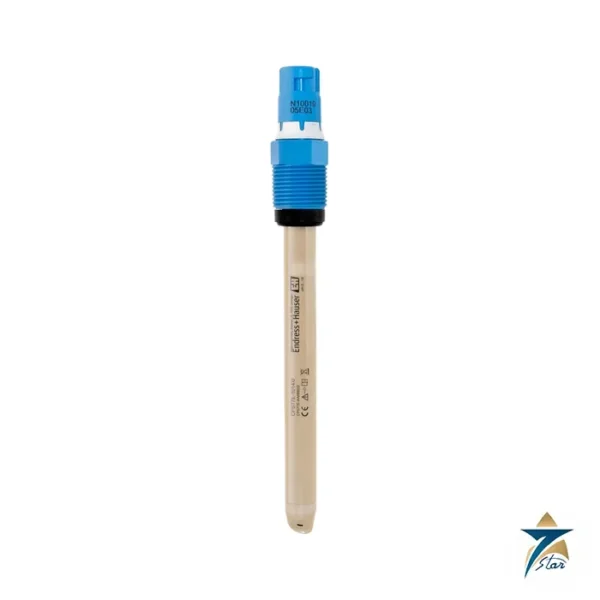
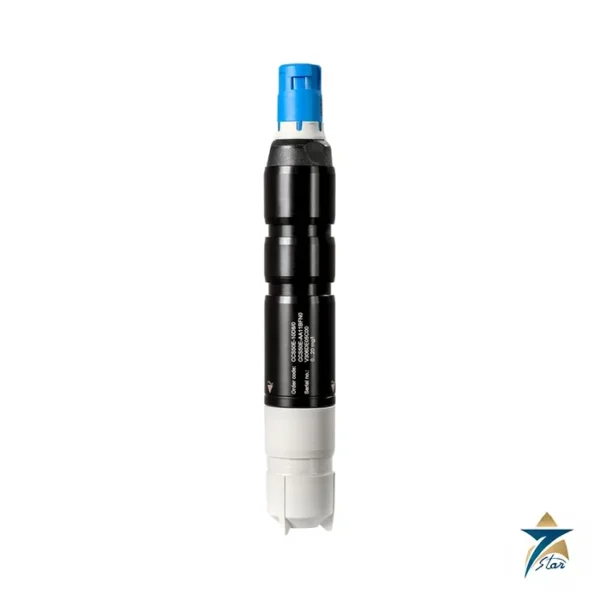
Endress+Hauser CPS76E Memosens combined pH and ORP sensor
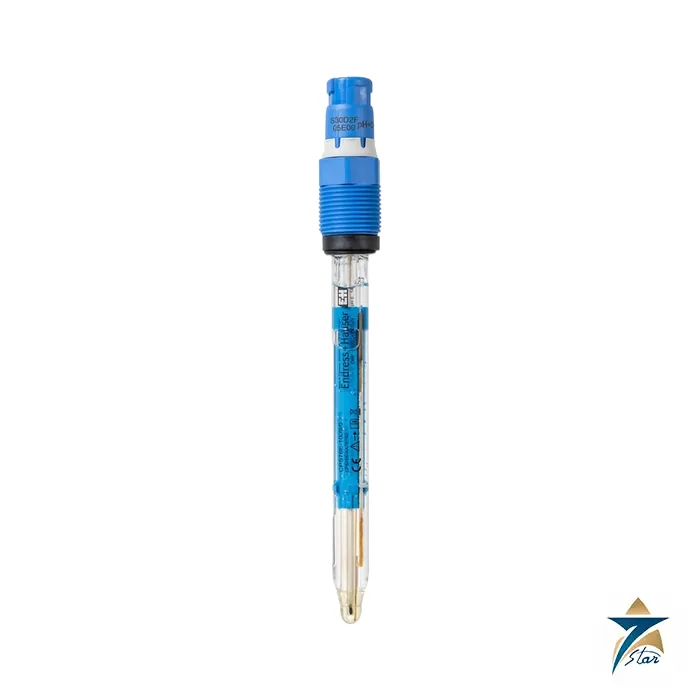
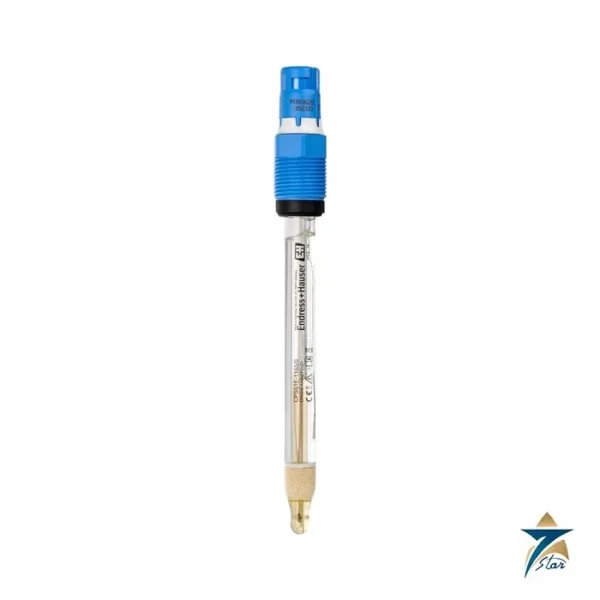
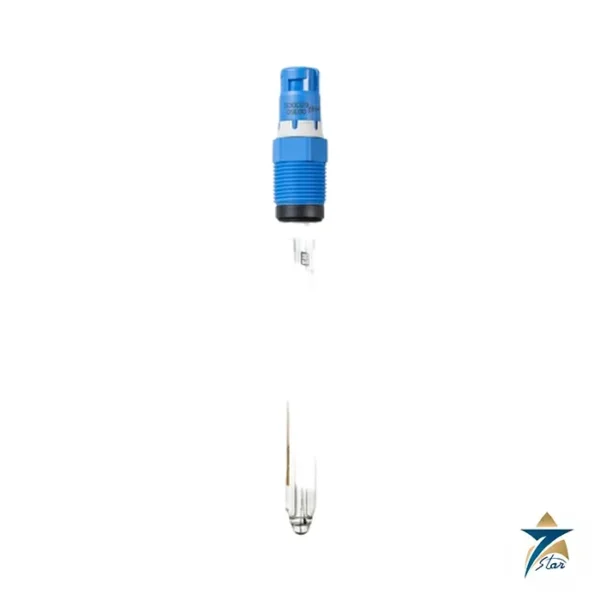
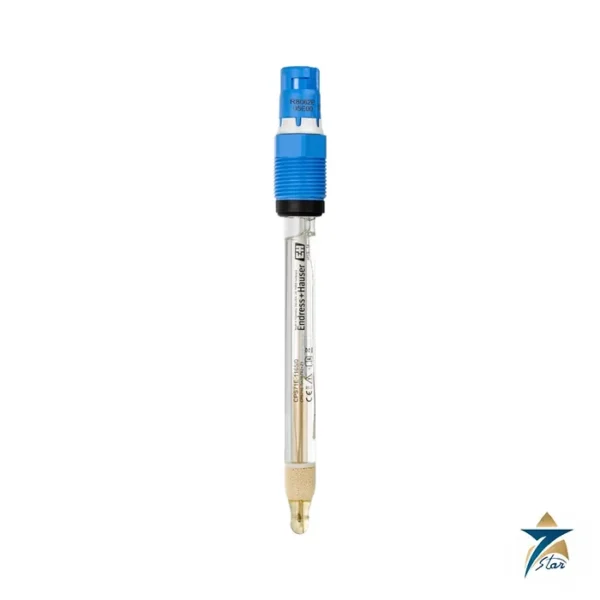
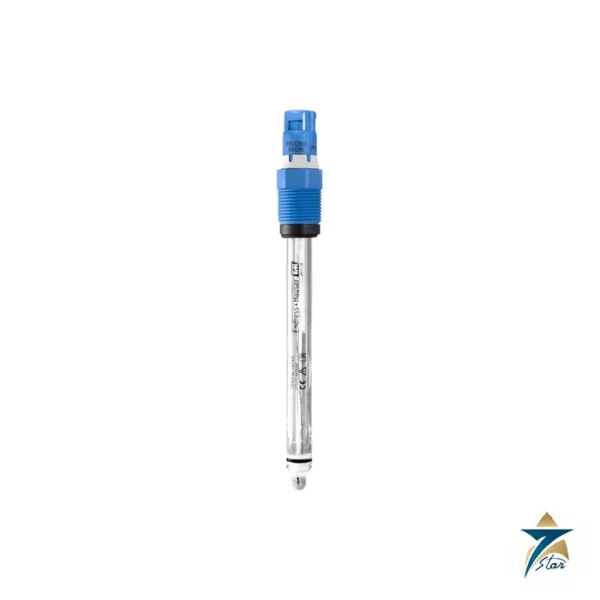
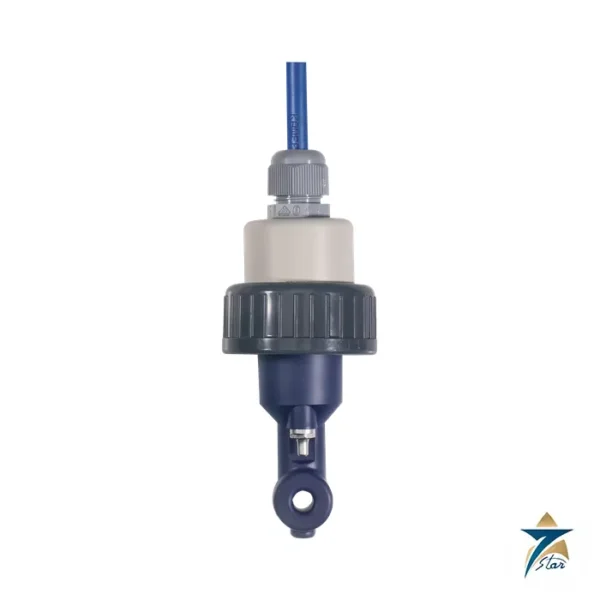
The Endress+Hauser CPS76E is a Memosens 2.0 digital pH and ORP sensor for chemical process technology. It measures pH and redox potential on the same gel-filled glass electrode, and can calculate the rH value, and it is designed for media that destroy ordinary reference systems: fast pH swings, hydrogen sulphide and other electrode poisons, and low-conductivity liquids. The key feature is a poison-resistant reference with an ion trap that keeps the silver reference element out of contact with harmful ions. Seven Star LLC supplies the CPS76E in Oman and the GCC as an independent supplier in Muscat and quotes it against your process and cable requirements.
CPS76E technical specifications
| Parameter |
Specification |
| Manufacturer / part number |
Endress+Hauser / Memosens CPS76E |
| Measurement |
pH and ORP (rH calculated) |
| pH range |
0 to 14 (application B); 0 to 12 (application H) |
| ORP range |
−1 500 to +1 500 mV |
| Process temperature |
0 to 140 °C |
| Process pressure |
0.8 to 14 bar abs (B); 0.8 to 7 bar abs (H) |
| Temperature sensor |
NTC 30K, integrated |
| Reference |
Gel with ion trap, poison-resistant; ceramic junction |
| Materials |
Glass shaft, Ag/AgCl, platinum ORP element, FKM O-ring, PPS coupling |
| Digital interface |
Memosens 2.0 |
| Cleaning |
CIP/SIP and autoclavable |
How the CPS76E measures pH, ORP and rH
The membrane glass develops a potential that depends on the pH of the medium, and the transmitter converts the voltage with the Nernst equation. The ORP value is measured simultaneously on a platinum element, and the measured pH and ORP can be combined to calculate rH, the oxidising or reducing strength of a solution. An integrated NTC 30K temperature sensor provides temperature compensation. The acrylamide-free gel electrolyte bridges the reference, and the electrode is suitable for CIP/SIP cleaning and autoclaving.
CPS76E technical data and versions
The ORP range is −1 500 to +1 500 mV. In application B the pH range is 0 to 14 and the pressure range 0.8 to 14 bar absolute; in application H the pH range is 0 to 12 and pressure 0.8 to 7 bar absolute. The process temperature is 0 to 140 °C for all versions, and versions with a pressurised reference can see 140 °C for short periods (for example 20 minutes) but are limited to 100 °C in continuous use because the pressure drop rises. The sensor shaft is glass, the pH membrane glass type B or N, the metal lead Ag/AgCl, the junction ceramic (zirconium dioxide), the ORP element platinum, the O-ring FKM and the process coupling glass-fibre-reinforced PPS. Storage is 0 to 50 °C and the sensor must not be used below −15 °C because of frost damage.
Memosens 2.0 features
The sensor stores its calibration data, serial number and load history, and transfers them contactlessly through the Memosens plug-in head, so it can be calibrated in a laboratory and exchanged in the plant without wiring work. The recorded load data support predictive maintenance, and the digital signal resists moisture and electrical interference. A Liquiline transmitter, such as the CM44, CM42 or CM44x family, reads the sensor through a CYK10 or CYK11 Memosens cable.
Selecting the CPS76E
Decide the application letter (B for pressure to 14 bar, H for 7 bar) and the shaft length, which must match the assembly or holder. Check chemical compatibility of the FKM O-ring and the glass type with your process, and the junction with solids or sticky media. For very clean water the CPS11E or CPS71E may be more economical; for the toughest, poisoned processes the CPS76E is the specialist.
Installing and calibrating the CPS76E
Mount the sensor in a retractable assembly such as the CPA875 where it must be replaced under pressure, or in an immersion or flow assembly where it cannot. Keep the glass membrane wet, never dry, and store it in the proper storage solution. Calibrate with buffer solutions for pH and a redox standard for ORP, and in rH mode follow the corresponding procedure. Replace the sensor when the slope or the zero point is outside the limits of the transmitter, or when the diagnostics show a high load.
CPS76E applications in Oman and the GCC
The sensor suits chemical dosing and neutralisation, flue-gas desulfurisation and scrubber liquor, produced-water treatment, refinery effluent, and desalination pre-treatment and cleaning solutions where hydrogen sulphide and organics spoil standard references. In hot sites, protect the cable and the head from direct sun and keep the sensor out of freezing conditions in winter storage.
Information to send with a CPS76E RFQ
- Process medium, temperature and pressure
- pH range and ORP requirement
- Shaft length and holder or assembly
- Presence of H2S, heavy metals or solids
- Transmitter and Memosens cable
- Quantity and delivery location
Maintenance, storage and replacement of the CPS76E
pH glass sensors age with use, and the CPS76E is no exception: slope falls and response slows over time, and the load history stored in the sensor shows temperature and chemical stress so the transmitter can warn before the measurement degrades. Rinse the sensor after removal, store it with the cap filled with the recommended storage solution and never in distilled water, and keep it above the frost limit of −15 °C. Do not wipe the glass bulb dry; blot it gently if needed.
Keep at least one calibrated spare per critical measuring point. Because the sensor is digital, the spare can be calibrated and labelled in the laboratory, then swapped in minutes, and the removed sensor can be inspected and reconditioned for reuse where the glass is still sound.
Documents and quotation
A copy of the manufacturer technical information for the CPS76E is attached on this page so you can check ranges, connections and ordering codes against your specification.
Send the full order code or the process data (fluid, temperature, pressure, line size or tank data, output and approvals) and Seven Star LLC will prepare a quotation and confirm lead time. We are an independent supplier in Muscat and do not represent the manufacturer.
























Reviews
There are no reviews yet.