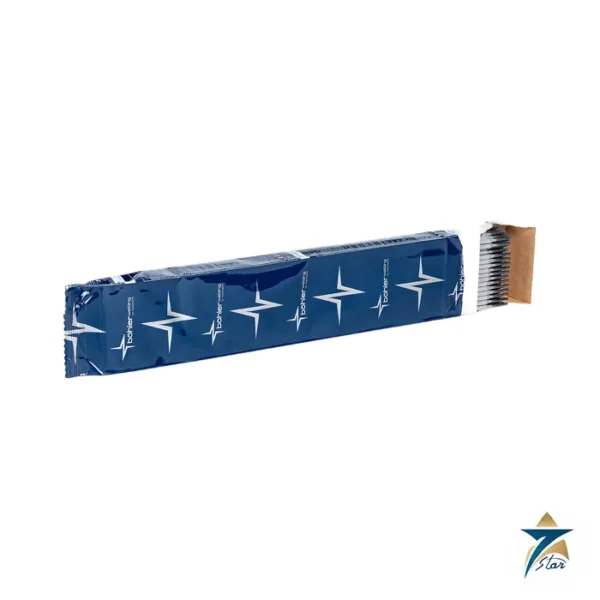
Brand:

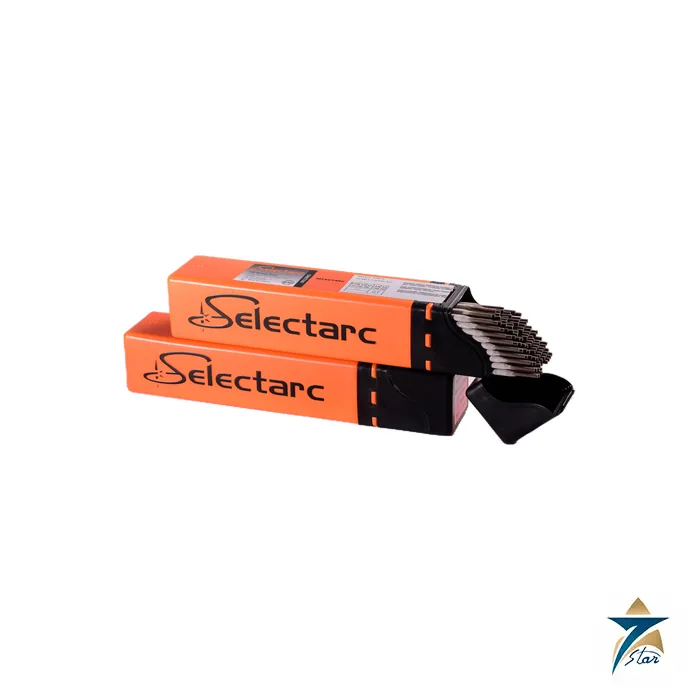
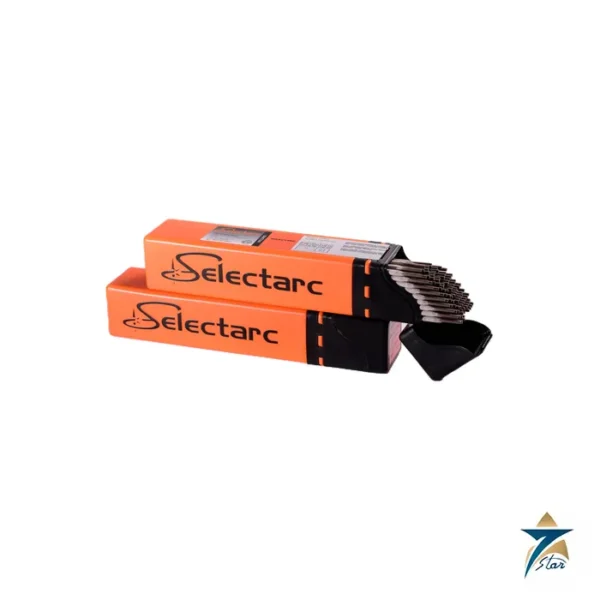
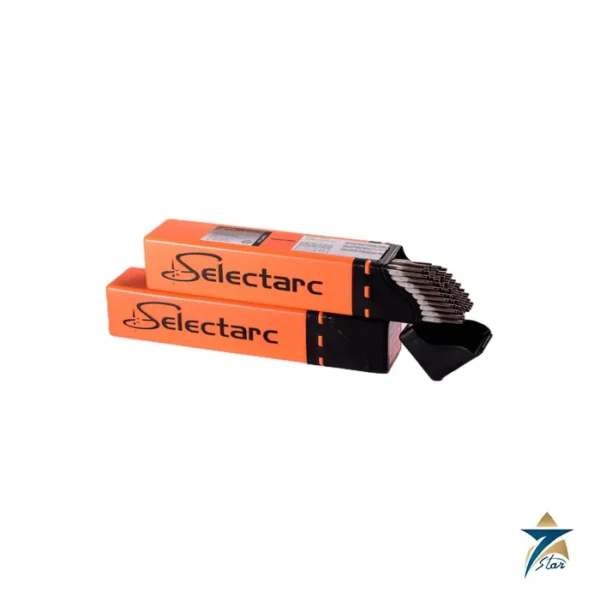
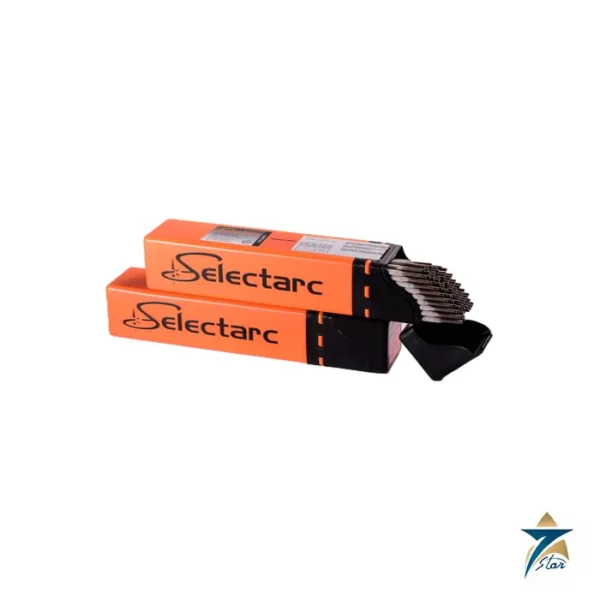
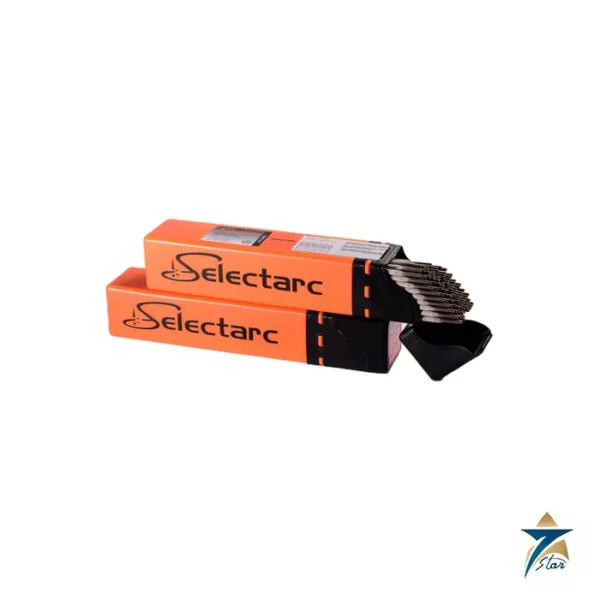
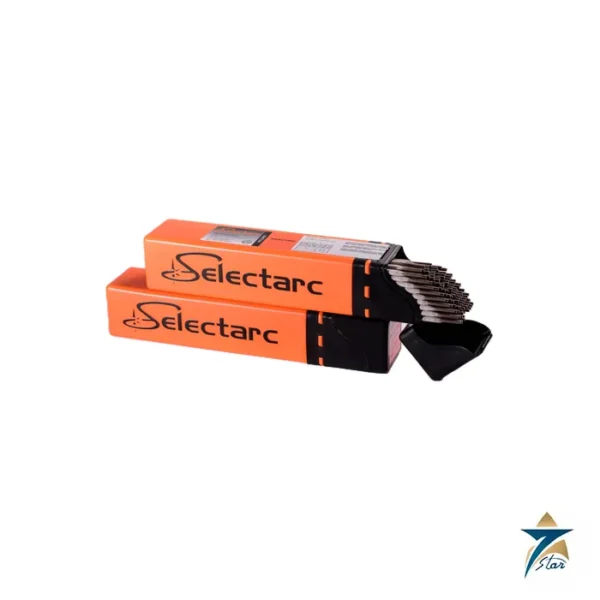
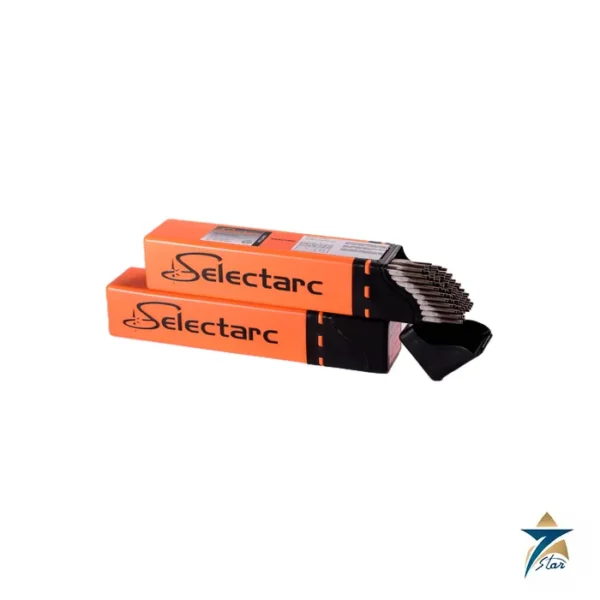
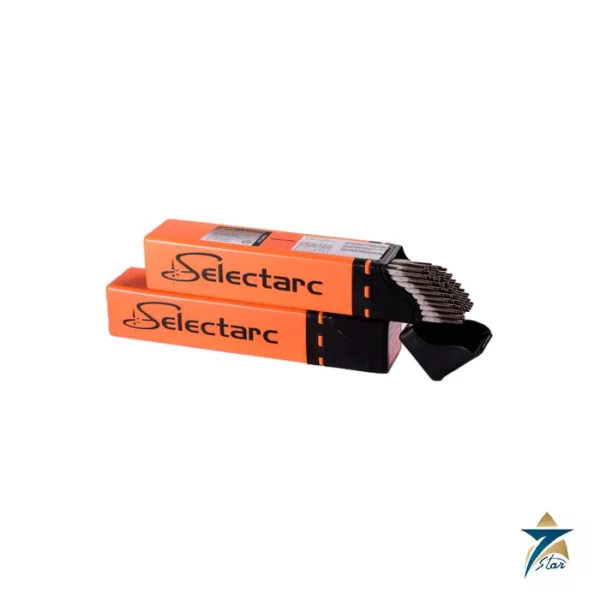
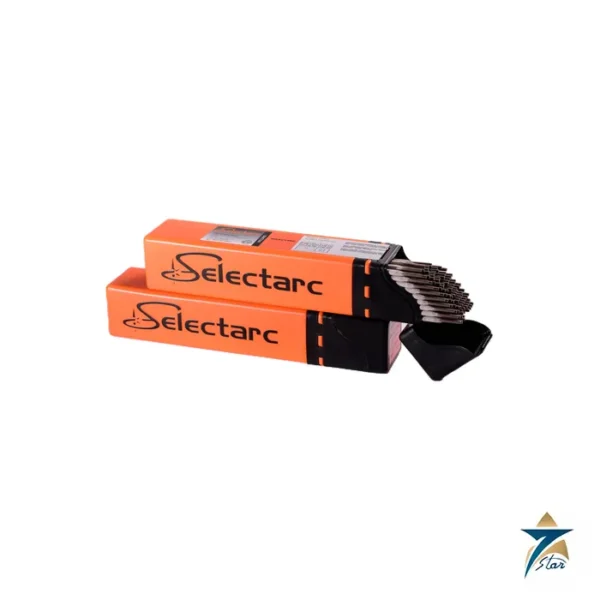
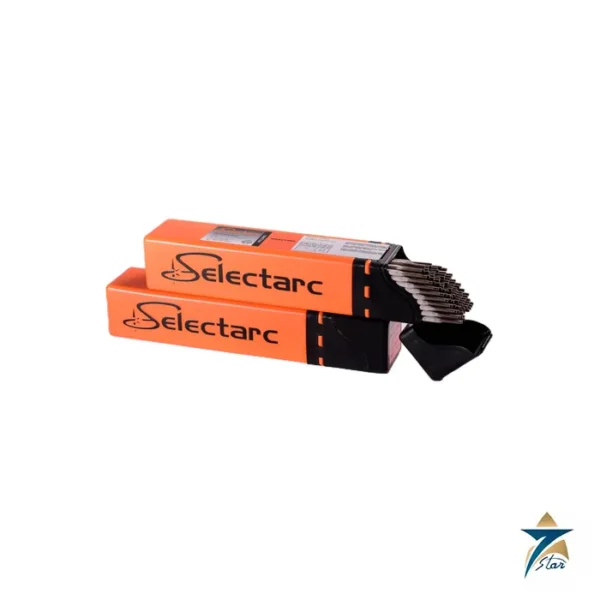
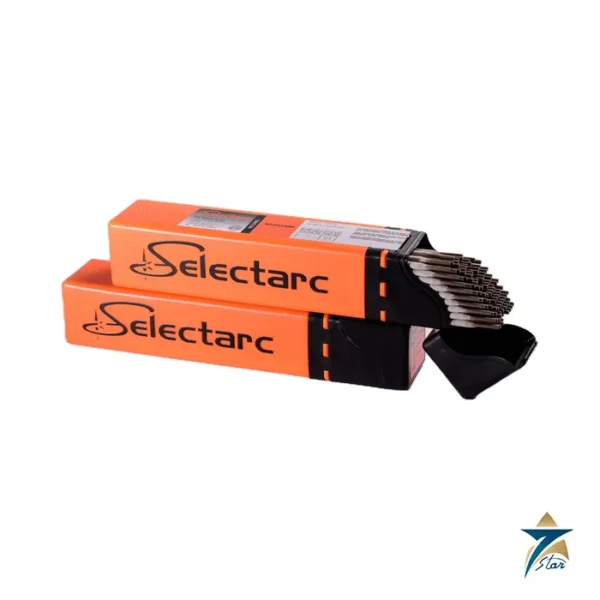
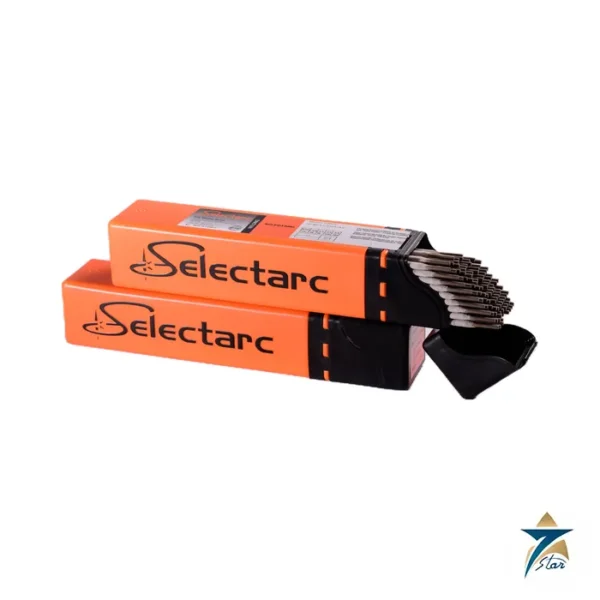
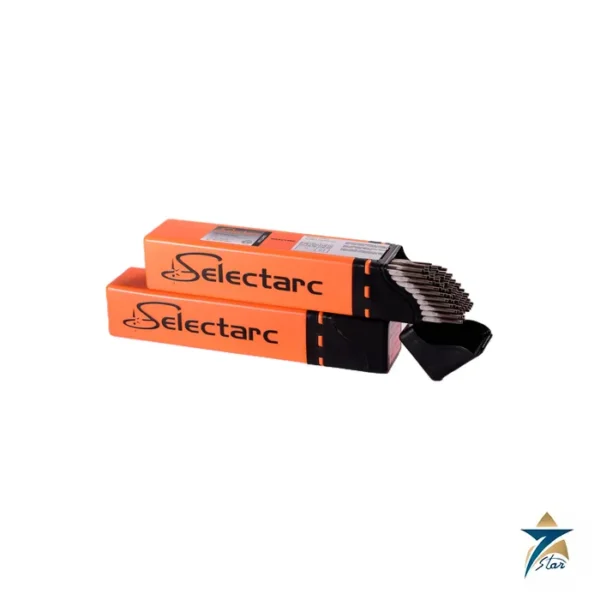
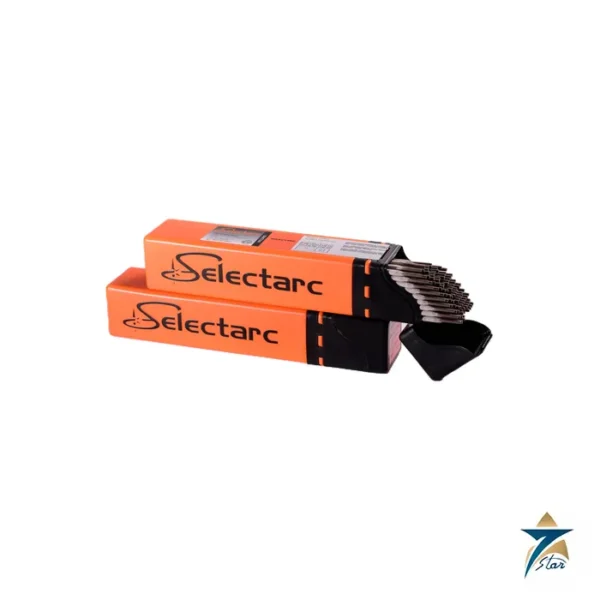
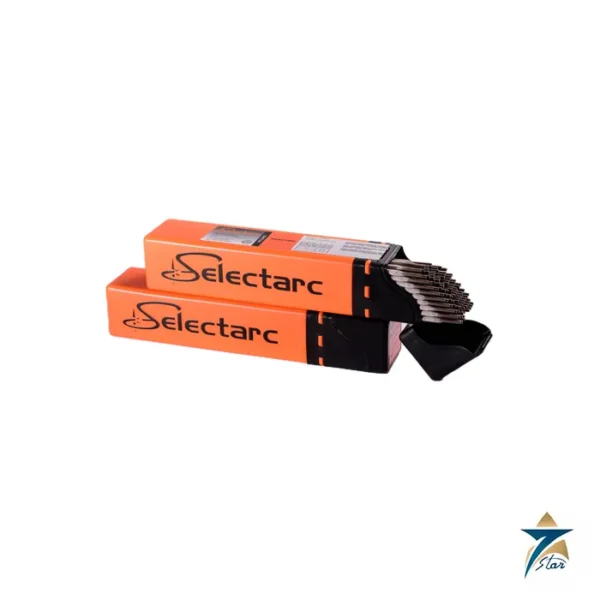
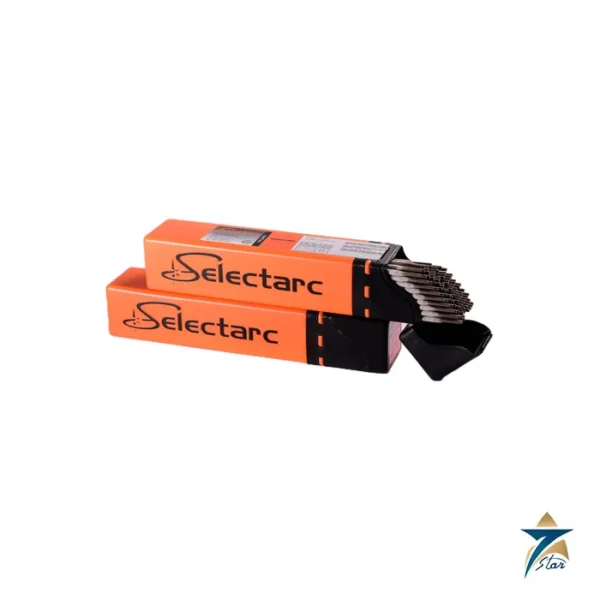
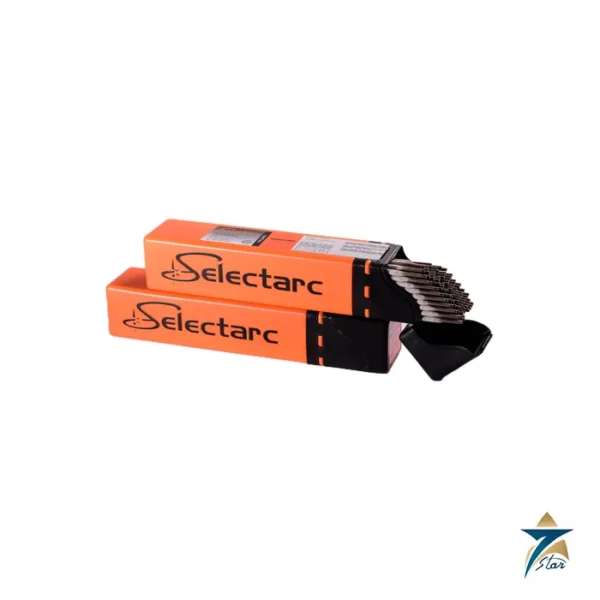
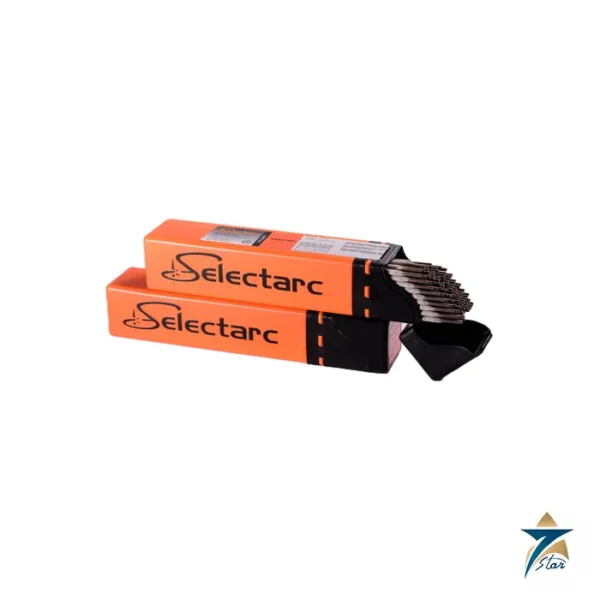
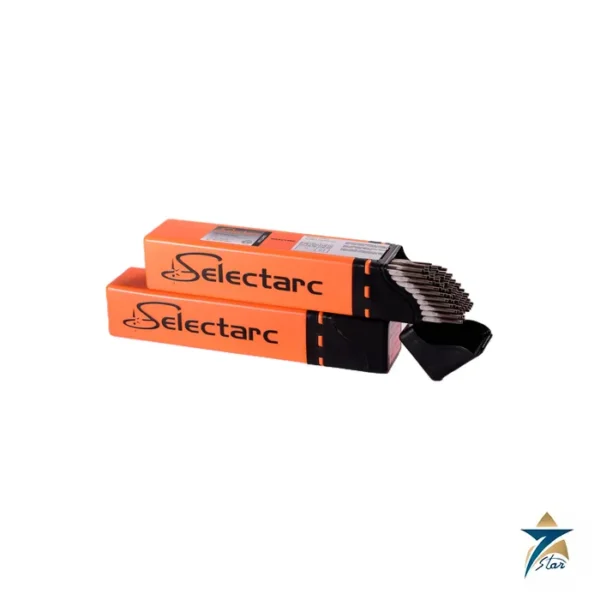
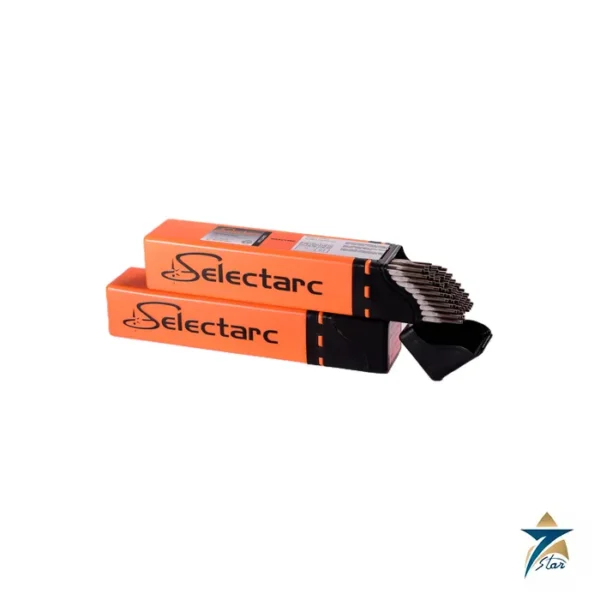
Selectarc Ni625 ENiCrMo-3 Nickel Electrode

Description

Selectarc Ni625 nickel-base electrode for corrosion-resistant welds

The Selectarc Ni625 is a basic-coated manual metal arc (SMAW) electrode with an alloyed core wire, made by the FSH Welding Group under the Selectarc name. It is classified AWS A5.11 ENiCrMo-3 and ISO 14172 E Ni 6625 (NiCr22Mo9Nb), with UNS designation W86112. The Selectarc Ni625 deposits a nickel-chromium-molybdenum-niobium weld metal of the alloy 625 type, chosen where a joint must resist pitting, crevice corrosion and aggressive process media while keeping high strength.

Overview

According to the Selectarc technical data sheet, the electrode is intended for welding nickel-chromium-molybdenum alloys to themselves, for joining them to lower-alloyed steels and for welding special austenitic stainless steels. The manufacturer describes good weldability in all positions except vertical-down, a stable arc, medium slag removal and regular bead appearance. The weld metal combines high corrosion resistance with high yield and tensile strength, which is why ENiCrMo-3 is one of the most widely specified nickel-base filler classifications in the process industries.

Seven Star LLC supplies the Selectarc Ni625 on request to fabricators, maintenance contractors and plant operators in Oman and the wider GCC. Availability, condition and lead time are confirmed at quotation, and we provide technical support with selection and cross-checking of the reference against your welding procedure.

Key features

  • Classification: AWS A5.11 ENiCrMo-3 / ISO 14172 E Ni 6625 (NiCr22Mo9Nb), UNS W86112.
  • Coating: basic coating on an alloyed core wire.
  • Positions: all positions except vertical-down.
  • Weld metal: approximately 22% Cr, 9% Mo and 3.4% Nb in a nickel balance, with low carbon.
  • Strength: all-weld-metal yield strength above 450 MPa and tensile strength above 760 MPa.
  • Toughness: Charpy V impact energy above 70 J at +20°C.
  • Diameters: 2.5, 3.2, 4.0 and 5.0 mm.

Technical specifications

Parameter Specification
Manufacturer / product Selectarc (FSH Welding Group) / Ni625
Process SMAW (manual metal arc, stick)
AWS classification A5.11 ENiCrMo-3
ISO classification ISO 14172 E Ni 6625 (NiCr22Mo9Nb)
UNS W86112
Coating type Basic, alloyed core wire
Typical weld metal (%) C <0.04, Si 0.4, Mn 0.4, Cr 22.0, Nb 3.4, Fe 3.0, Mo 9.0, Ni balance
Yield strength Rp0.2 >450 MPa
Tensile strength Rm >760 MPa
Elongation A5 >30%
Impact energy KV >70 J at +20°C
2.5 × 300 mm 50–70 A
3.2 × 350 mm 70–100 A
4.0 × 350 mm 90–120 A
5.0 × 450 mm 140–160 A
Redrying 1 h at 250–300°C
Preheat / interpass No preheat; interpass temperature below 150°C
Welding positions All positions except vertical-down
Current type and polarity Confirm against the manufacturer datasheet

Metallurgy and how the weld metal works

The deposit is a fully austenitic nickel matrix. Chromium at about 22% provides resistance to oxidising media, while molybdenum at about 9% raises resistance to pitting and crevice corrosion in chloride-bearing environments. Niobium at about 3.4% strengthens the solid solution and ties up carbon, which, together with the low carbon content, limits carbide precipitation. Iron in the deposit is kept around 3%, so the weld metal stays close to the base alloy 625 composition when dilution is controlled.

Because the matrix is nickel, the weld metal tolerates dilution from carbon steel or stainless steel far better than an austenitic stainless filler would. That is the reason ENiCrMo-3 electrodes are used for dissimilar joints: the deposit stays austenitic and does not form brittle martensite at the fusion line with ferritic steel.

Typical applications

Selectarc lists offshore components, boilers, pressure vessels, piping systems in the chemical and petrochemical industries and components of flue gas desulphurisation plants as the main fields of use. The data sheet names these base materials:

  • 9% nickel steel (UNS K81340, X8Ni9, 1.5662), used for cryogenic storage such as LNG tanks;
  • alloy 625 (UNS N06625, NiCr22Mo9Nb, 2.4856);
  • alloy 825 (UNS N08825, NiCr21Mo, 2.4858);
  • 904L (UNS N08904, 1.4539);
  • 254 SMO type 6Mo austenitic steel (UNS N08926 as listed by Selectarc, 1.4529).

In Oman and the GCC this profile fits repair and fabrication work on desalination plant pipework, seawater-cooled heat exchangers, gas processing equipment, sulphur recovery units and offshore topside piping, where chloride exposure and high ambient temperatures make corrosion resistance a key requirement.

Selection and ordering notes for the Selectarc Ni625

Choose the diameter from the joint thickness, position and access. The 2.5 and 3.2 mm sizes suit root and positional passes on thin-wall pipe, while 4.0 and 5.0 mm are used for fill passes in the flat or horizontal position on thicker sections. When the base metal is 9% nickel steel, the welding procedure is usually qualified with an ENiCrMo-3 or similar nickel-base filler because a matching ferritic filler would not deliver the required low-temperature toughness. Confirm the impact test temperature against your project specification, because the published Selectarc Ni625 value is given at +20°C only.

Selectarc also offers the same alloy in other product forms, including TIG, MIG, flux-cored and submerged-arc versions and a separate Ni625BF electrode. If your procedure specification names one of these, quote the exact product name, since the forms are not interchangeable.

Welding and handling instructions

  • Redry the electrodes for 1 hour at 250–300°C before use if they have picked up moisture, and keep them in a heated quiver on site.
  • Clean the joint thoroughly: remove grease, oil, paint, marking ink and oxide, and make sure there are no cracks.
  • Hold the electrode with a slight inclination and weld with a short arc.
  • Use the stringer bead technique; Selectarc limits weaving to twice the core wire diameter.
  • No preheat is required; keep the interpass temperature below 150°C.

Nickel weld pools are less fluid than steel pools, so bevel angles are normally opened up and root gaps kept generous to allow full fusion. Excessive heat input increases the risk of hot cracking and segregation, which is why the stringer technique and interpass limit matter.

Inspection and troubleshooting

Porosity in nickel-base deposits usually comes from damp electrodes, surface contamination or a long arc. Lack of fusion at the sidewalls is typically a sign of too narrow a bevel or too low a current for the diameter. Crater cracks can be reduced by filling the crater before breaking the arc. Where corrosion performance is critical, check dilution on procedure test pieces, for example by measuring iron content in the cap pass, and qualify the procedure to the applicable code before production.

Quotation enquiries for Oman and the GCC

Seven Star LLC supplies the Selectarc Ni625 on request; availability, condition and lead time are confirmed at quotation. To help us respond accurately, please send:

  • the exact reference, Selectarc Ni625, and the classification ENiCrMo-3;
  • diameter and quantity in kilograms or packets for each size;
  • a photo of the existing packet label if you are reordering;
  • the base materials, application and any certificate requirement, such as an EN 10204 3.1 inspection certificate.
Datasheets & Documents
  • PDF Datasheet Selectarc Ni625 technical data sheet Download
Reviews (0)

Reviews

There are no reviews yet.

How would you rate this product?

It takes about 10 seconds — just tap a star. Your email is never published.

About brand

Selectarc is the French maker of welding and brazing filler metals: covered electrodes, TIG rods, MIG and flux-cored wires, submerged arc wires and brazing alloys. Its welding business began in 1952, when Selectarc Industrie started producing covered electrodes, and it is headquartered in Grandvillars in the Territoire de Belfort. Selectarc belongs to Viellard Migeon & Compagnie, a family industrial group whose origins go back to 1796, and since June 2025 the nuclear company Framatome has held a 40% stake.

Seven Star LLC is an independent supplier in Muscat. We list Selectarc electrodes and wires for fabricators and maintenance workshops in Oman and the GCC.

Selectarc company profile

Welding business founded 1952, Grandvillars, France, as Selectarc Industrie, a covered electrode plant
Parent group Viellard Migeon & Compagnie (VMC), a family-controlled industrial group with roots in the Morvillars forges, 1796
Shareholders VMC as majority shareholder; Framatome acquired 40% in June 2025 to secure filler metal supply for nuclear reactor primary circuits
Headquarters Grandvillars, Territoire de Belfort, France
Product families Nickel alloy, stainless, duplex and super duplex, low-alloy and carbon steel electrodes, TIG rods, flux-cored and submerged arc wires, hardfacing electrodes, brazing alloys

Milestones

  • 1796: The Viellard family's metalworking activity starts at Morvillars, the origin of today's VMC group.
  • 1952: Selectarc Industrie begins producing covered welding electrodes in Grandvillars.
  • 2025: Framatome takes a 40% stake in Selectarc on 11 June, alongside majority shareholder VMC.

Selectarc product series

Covered electrodes are the largest group here. Nickel alloy electrodes include Ni625 (ENiCrMo-3), Ni182 (ENiCrFe-3), Ni276 (ENiCrMo-4), Ni59 (ENiCrMo-13) and Ni617 (ENiCrCoMo-1). Stainless and duplex grades include Inox 308B, 316L, 317L, 347, 2209, 2209B and the super duplex Inox 2509MoB. For carbon and low-temperature steels there are the B7018S (E7018-1) and the nickel-alloyed B81, B82 and B84 electrodes, and HB60 is a hardfacing electrode for 55 to 60 HRC.

The range also includes submerged arc wires such as UP 2209 and flux-cored wires, while brazing alloys are made at the former Reboud-Roche foundry.

Where Selectarc filler metals are used

Corrosion-resistant overlays and dissimilar joints in oil and gas and petrochemical plants, duplex and super duplex piping, cryogenic and low-temperature steels, high-temperature alloys and wear-resistant hardfacing. Selectarc names the nuclear, defence and aerospace industries among its key markets.

Selectarc products we list

Family Examples
Welding Electrodes B7018S E7018-1 Basic Low-Hydrogen Electrode, B81 E8018-C3 1% Ni Low-Temperature Electrode, B82 E8018-C1 2.5% Ni Low-Temperature Electrode, B84 E8018-C2 3.5% Ni Cryogenic Steel Electrode, HB60 Hardfacing Electrode 55-60 HRC, Inox 2209 E2209-17 Duplex Stainless Electrode, Inox 2209B E2209-15 Basic Duplex Electrode, Inox 2509MoB E2594-15 Super Duplex Electrode and 12 more
Flux-Cored Welding Wire FCW 2209P E2209T1 All-Position Duplex, FCW 2509MOP E2594T1 Super Duplex Flux-Cored, FCW 309LP E309LT1-1/-4 All-Position, FCW 316LP E316LT1-1/-4 All-Position, FCW NI182 ENiCrFe3T0-4 Nickel Flux-Cored Wire, FCW NI625 ENiCrMo3T0-4 Nickel Flux-Cored Wire
Submerged Arc Welding Wire UP 2209 ER2209 Duplex Submerged Arc Wire, UP 2509 ER2594 Super Duplex Submerged Arc Wire, UP EB3 EB3R 2.25Cr-1Mo Submerged Arc Wire, UP NI625 ERNiCrMo-3 Nickel Submerged Arc Wire, UP P91 EB91 9Cr-1Mo Submerged Arc Wire, UP S2Mo EA2 0.5% Mo Submerged Arc Wire

Ordering Selectarc filler metals: what we need

Give the product name, for example Selectarc Ni625, and the AWS or ISO classification in your welding procedure, the diameter and length, and the quantity. Seven Star LLC checks the grade against the Selectarc technical data sheet and can provide the data sheet and the certificates issued with the order on request.

Facts checked against Framatome's June 2025 announcement and published histories of Viellard Migeon & Cie, October 2026.

FAQ

Questions about the Selectarc Ni625 ENiCrMo-3 Nickel Electrode

Answers from our engineering team on installation, compatibility and integration.

01What classification does the Selectarc Ni625 meet?
AWS A5.11 ENiCrMo-3 and ISO 14172 E Ni 6625 (NiCr22Mo9Nb), UNS W86112.
02Which diameters and currents are listed?
2.5 mm at 50–70 A, 3.2 mm at 70–100 A, 4.0 mm at 90–120 A and 5.0 mm at 140–160 A, according to the Selectarc data sheet.
03Can it weld 9% nickel steel?
Yes. Selectarc lists 9% Ni steel (1.5662) among the base materials, along with alloys 625 and 825, 904L and 254 SMO type steel.
04How should the electrodes be redried?
Redry for 1 hour at 250–300°C, then weld without preheat, using stringer beads and an interpass temperature below 150°C.
05Can it be used in the vertical-down position?
No. The data sheet states good weldability in all positions except vertical-down.