- Automation & ControlView all 2,894 products
- Automation Accessories
- AC Drives
- PLC & I/O Cards
- Industrial Communications
- Vibration Monitoring
- Controllers & Data Acquisition
- Isolator & Barrier
- Safety Switches & Guard Locking
- Motor Soft Starters
- CCTV & Security
- Encoders
- Pneumatic Cylinders
- HMI Displays
- Servo Drives
- Industrial Computers
- Machine Vision
- Automation Software
- Robotics
Brand: Endress+Hauser (E & H)
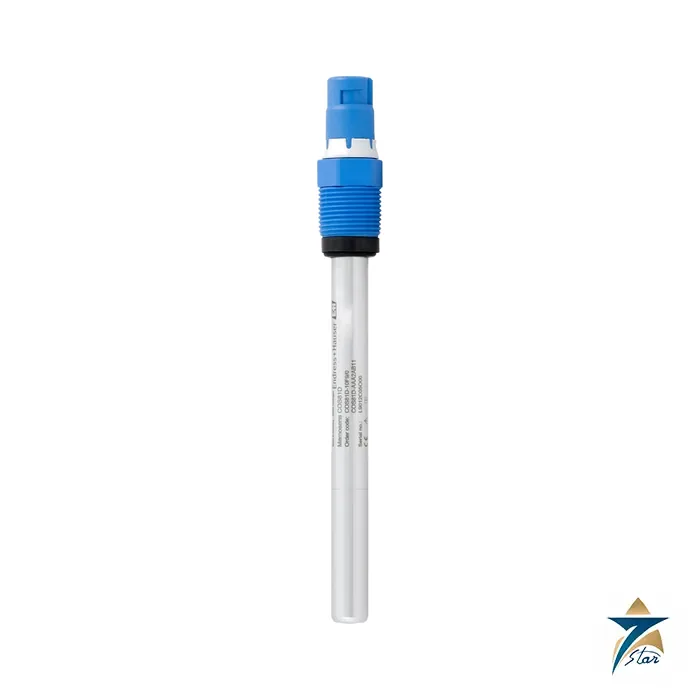
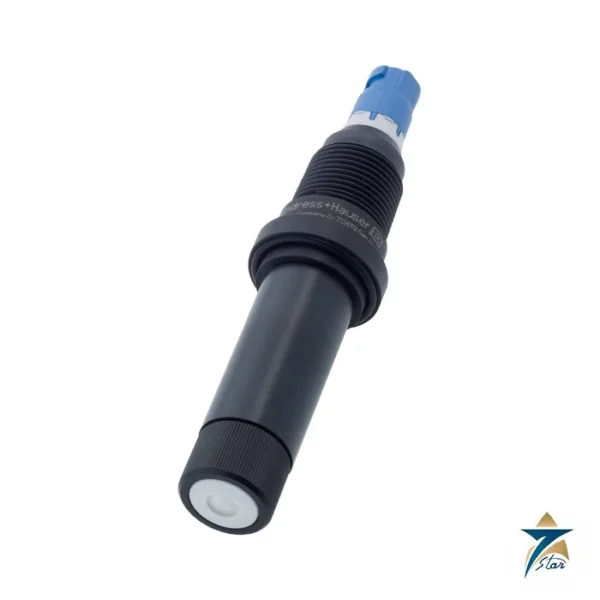
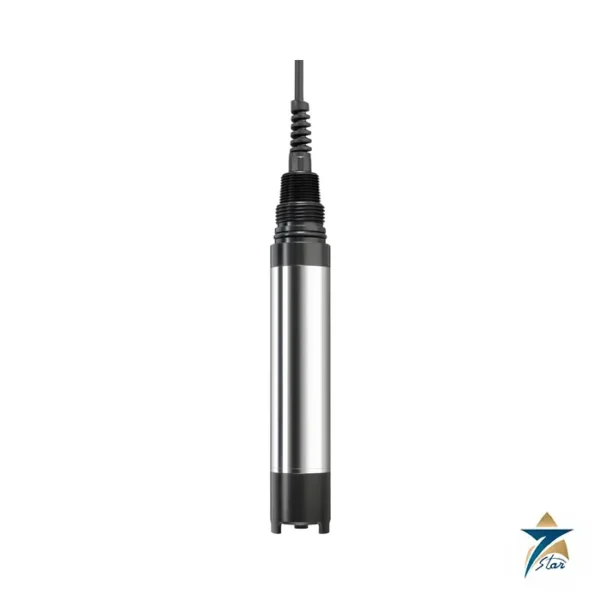
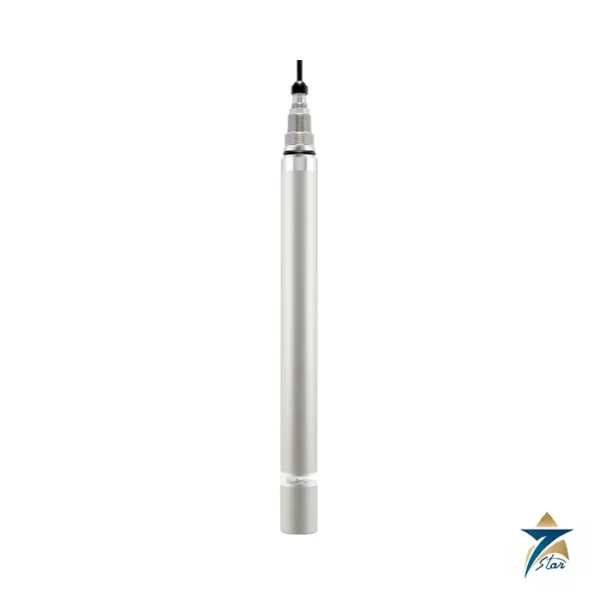
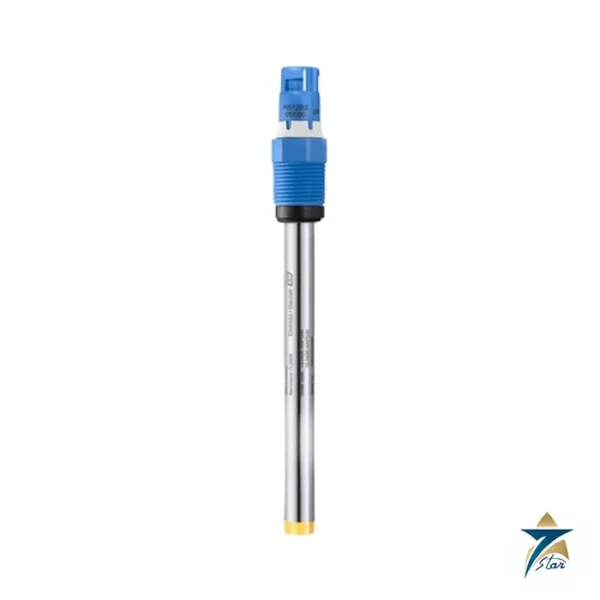
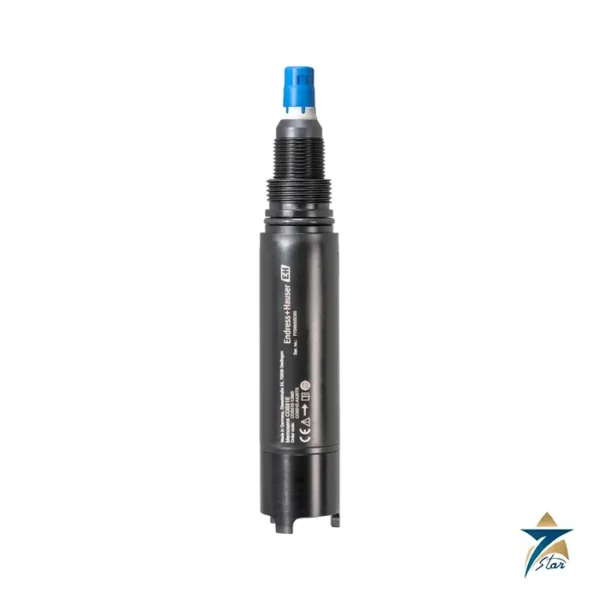
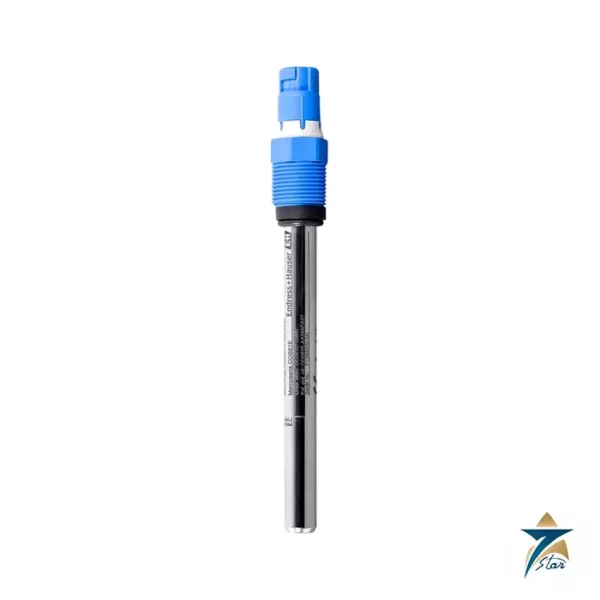
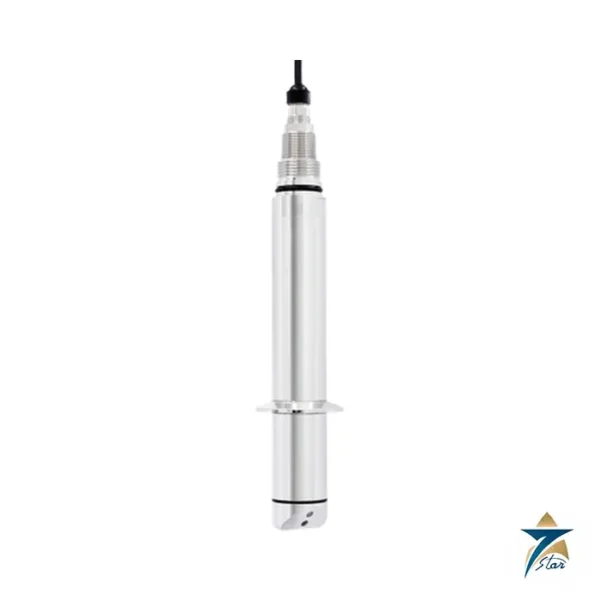
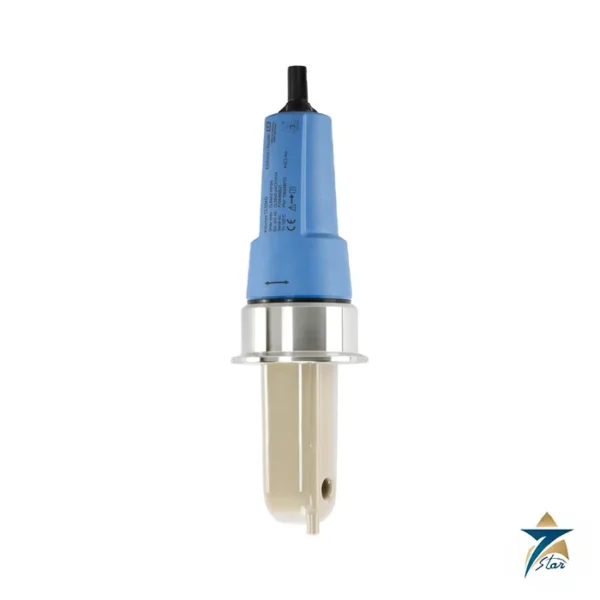
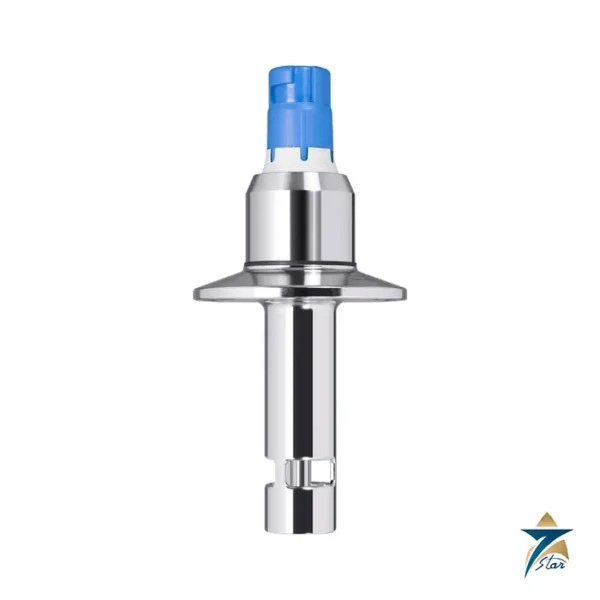
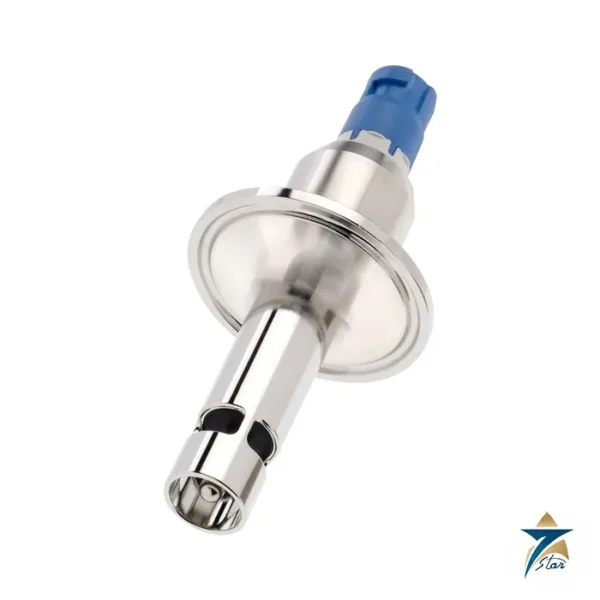
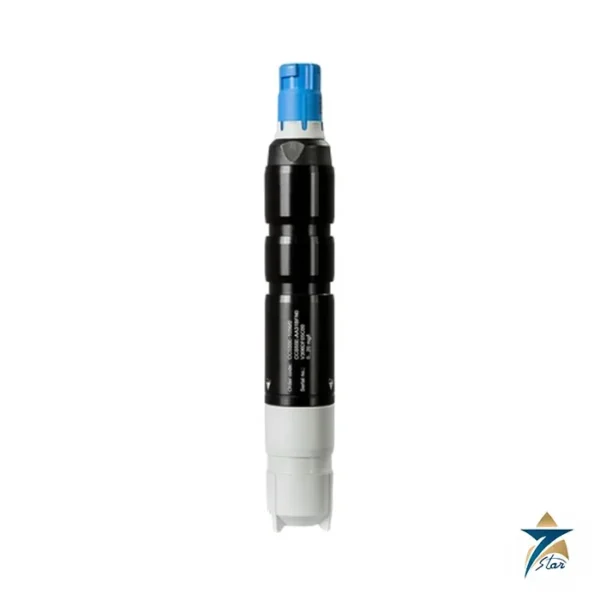
Endress+Hauser COS81D Memosens Hygienic Optical Oxygen Sensor
Description
Endress+Hauser COS81D Memosens: optical oxygen for sterile process lines
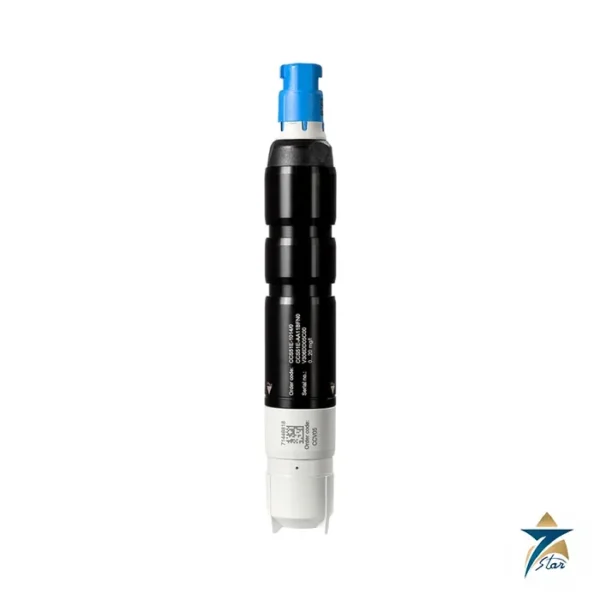
Endress+Hauser COS81D measures oxygen by luminescence quenching in a hygienic stainless steel 1.4435 (AISI 316L) body. It reads dissolved oxygen in mg/l, ug/l, ppm, ppb and percent saturation, gaseous oxygen in hPa or Vol percent, and temperature. The two cap shapes, c-shaped and u-shaped, set slightly different ranges, and the datasheet describes the luminescence layer, optical insulating layer and cover layer on a carrier that is read from the rear.
Applications: oxygen control in pharmaceutical and biotech fermenters, monitoring of explosive atmospheres up to 2 percent oxygen, and food-industry quality control. Materials meet FDA and USP class VI specifications, and certificates of conformity for pharmaceutical requirements and EN 10204-3.1 inspection are available. Seven Star LLC is an independent supplier serving Oman and the GCC and is not affiliated with the manufacturer.
COS81D technical specifications
| Parameter | Value |
|---|---|
| Range, c-shaped cap | 0.004 to 26 mg/l; 0.05 to 285 % SAT; 0.1 to 600 hPa |
| Range, u-shaped cap | 0.004 to 30 mg/l; 0.05 to 330 % SAT; 0.1 to 700 hPa |
| Reference conditions | 25 C, 1013 hPa |
| Response | t90 under 10 s; t98 under 20 s |
| Process temperature, EPDM | minus 10 to 140 C |
| Process temperature, FFKM | 0 to 140 C |
| Ambient temperature | minus 5 to 100 C |
| Storage temperature | minus 25 to 50 C at 95 % humidity, non-condensing |
| Ingress protection | IP68 (10 m, 25 C, 28 days); IP69K |
| Shaft | Stainless steel 1.4435 (AISI 316L) |
| Certificates | EHEDG; ASME-BPE relevant sections; FDA / USP class VI materials |
How COS81D differs from COS22E and COS61D
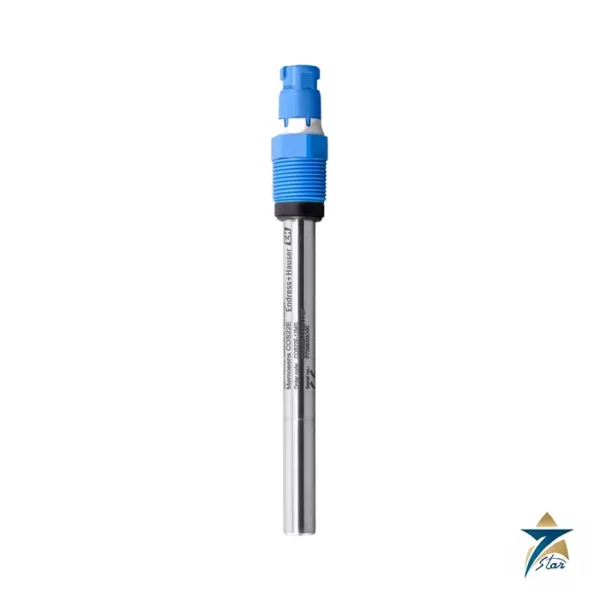
Compared with amperometric COS22E, the optical COS81D reacts faster (t90 under 10 s against under 30 s), needs no electrolyte and no minimum flow, and reaches 0.004 mg/l, but it does not match the 1 ppb limit of the COS22E trace sensor. Compared with the wastewater COS61D, rated to 60 C and 10 bar, COS81D is hygienic and sterilizable to 140 C. IP69K and IP68 protection exceed the IP68 of COS61D.
Typical COS81D use in Oman and the GCC
Fermenters at pharmaceutical and biotech facilities, beverage and dairy lines, and inerting checks in tanks, where explosive atmosphere monitoring matters, are the places to look. With oxygen as low as 2 percent, the gaseous-phase reading in hPa or Vol percent is used to confirm nitrogen blanketing.
Installing COS81D
Mount it in a suitable assembly and never hang it from its cable, which risks cable breakage or sensor loss. The c-shaped cap can be installed at any angle from 0 to 360 degrees; the u-shaped cap should not be upside down, and the recommended angle is 0 to 45 or 135 to 180 degrees to prevent air bubbles, which would otherwise raise the readings.
How luminescence quenching is evaluated in COS81D
The sensor optics send orange light pulses to the luminescence layer and the markers answer with dark-red pulses. Decay time and intensity depend directly on oxygen content and partial pressure: free of oxygen, decay time is long and the signal intense; with oxygen present the markers are masked, decay shortens and the signal weakens. The sensor calculates its result from intensity and decay time using the Stern-Volmer equation and delivers temperature, partial pressure and a raw value. For COS81D the datasheet notes that equilibrium between the medium and the layer builds very quickly, which explains the t90 under 10 seconds.
For best results, enter the current air pressure at the transmitter during calibration, enter humidity if the calibration is not in 100 percent humid air, and enter salinity for saline media. For units of Vol percent or percent saturation, enter the pressure of the medium as well. Calibration data are stored in the Memosens head, so the sensor can be calibrated in the lab and swapped without a pause in production.
Quick answers about COS81D
Why choose c-shaped versus u-shaped? The u-shaped spot cap has a slightly larger range, but must not be installed upside down to avoid buildup and condensation on the spot; the c-shaped cap installs at any angle. What is stability like? The headline claim is maximum measurement stability over multiple sterilization cycles. Is the body hygienic? 316L with EHEDG certification and ASME-BPE conformity, and materials compliant with FDA and USP Class VI. What is the ambient range? Minus 5 to 100 C, with storage at minus 25 to 50 C. How is the cable connected? Through Memosens cable CYK10.
Selection and maintenance notes for COS81D
Select cap shape (C or U), seal (EPDM or FFKM) and certificates. Connect through Memosens cable CYK10. Replace the spot cap by the load data stored in the head, and use CIP and SIP freely within 140 C. When you send an RFQ for COS81D, include the cap shape (C or U), the seal material (EPDM or FFKM) and any certificate you need, such as the pharmaceutical certificate of conformity or the EN 10204-3.1 inspection certificate, because these are part of the order code. Related sensors COS22E (amperometric, trace capable) and COS61D (optical, wastewater) are listed separately, and we can quote them with COS81D when a plant runs oxygen measurement in both sterile and effluent areas. Replacement spot caps follow the sensor code, so keep the nameplate data of the installed unit. During commissioning, remember that the sensor is calibrated in air or air-saturated water at the pressure entered in the transmitter, and that the stored calibration history can be reviewed afterwards to show when and by which transmitter each adjustment was made, which is useful for audit trails in regulated plants.
Documents and quotation
The Technical Information datasheet for COS81D is attached to this page as a PDF. To request a quotation, send your RFQ with the exact COS81D order code and the quantity you need, and we will reply with availability and lead time.
Other Models in the Memosens Oxygen Range
Seven Star LLC supplies models from the Memosens Oxygen range in Oman and the GCC. Compare the related models below and request a quote for the one that matches your application.
| Model | Category | |
|---|---|---|
| Endress+Hauser COS61D Oxymax Optical Oxygen Sensor | Liquid Analysis Sensors | View details |
| Endress+Hauser COS22E Memosens Amperometric Oxygen Sensor | Liquid Analysis Sensors | View details |
| Endress+Hauser COS81D Memosens Hygienic Optical Oxygen Sensor | Liquid Analysis Sensors | You are viewing this model |
Datasheets & Documents
- Datasheet Endress+Hauser COS81D Memosens Hygienic Optical Oxygen Sensor Datasheet Download
Reviews (0)
How would you rate this product? Cancel reply
About brand
Endress+Hauser makes process measurement instruments for flow, level, pressure, temperature and liquid analysis. Georg H. Endress and Ludwig Hauser started the business in Lörrach, Germany, on 1 February 1953, first selling level meters, and the Endress+Hauser name has been used since 1957. The group is headquartered in Reinach, Switzerland, and has been wholly owned by the Endress family since 1975.
Seven Star LLC is an independent supplier listing Endress+Hauser flowmeters, level and pressure transmitters, temperature assemblies and liquid analysis products for buyers in Oman and the GCC. Instruments are matched from the full order code on the nameplate.
Endress+Hauser company profile
| Origin | Founded in Lörrach, Germany, on 1 February 1953 by the Swiss engineer Georg H. Endress and Ludwig Hauser |
|---|---|
| Headquarters | Endress+Hauser AG, Reinach (Basel-Landschaft), Switzerland |
| Ownership | Family owned; the Endress family has been the sole shareholder since 1975, and a family charter commits the company to stay family owned |
| Size | About 16,500 employees and sales of about EUR 3.7 billion (2023, as reported by the company) |
| Product families | Proline flowmeters, Micropilot and Levelflex radar, Liquiphant switches, Cerabar and Deltabar pressure, iTEMP and iTHERM temperature, Liquiline and Memosens liquid analysis |
Milestones
- 1953: Georg H. Endress and Ludwig Hauser start the business in Lörrach on 1 February, first selling level meters.
- 1957: The Endress+Hauser name comes into use.
- 1975: The Endress family becomes sole shareholder.
- 2023: About 16,500 employees and sales of about EUR 3.7 billion, as reported by the company.
Endress+Hauser product lines
| Line | Measuring principle | Typical use |
|---|---|---|
| Promass F 300, Promass 80F, 83F/84F | Coriolis mass flow | Direct mass flow and density of liquids and gases, hydrocarbon transfer and chemical dosing |
| Promag P 300, P 500, H 300, W 400, W 10, 50P | Electromagnetic flow | Water, wastewater, slurries and other conductive liquids |
| Prowirl F 200, 72F | Vortex flow | Steam, gas and low-viscosity liquids |
| Prosonic Flow 92F, t-mass 65F | Ultrasonic and thermal mass flow | Water lines; compressed air and industrial gases |
| Micropilot FMR62, FMR67, FMR60, FMR10B, FMR20, FMR50, FMR52 | Free-space radar level, 80 GHz and 26 GHz | Tanks, process vessels, silos and open water channels |
| Levelflex FMP51, FMP50, FMP54, FMP55 | Guided wave radar level | Level and interface in vessels, separators and bypass chambers |
| Liquiphant FTL51, Prosonic S FMU90 | Vibronic point level; ultrasonic level | High and low level alarms, pump protection, open channel flow |
| Cerabar PMC71B, PMP51B, PMP71, Deltabar PMD78B, PMD75 | Pressure and differential pressure | Process pressure, hydrostatic level and DP flow |
| iTEMP TMT82, TMT162, iTHERM TM101, TR66, TR10 | Temperature transmitters and thermometers | RTD and thermocouple points with thermowells |
| Liquiline CM444, CM442, Memosens CPS11E, Stamolys reagents | Liquid analysis | pH, ORP, conductivity, dissolved oxygen and nutrient analysis in water treatment and process |
Where Endress+Hauser instruments are used
In Oman and the GCC, Endress+Hauser instruments are common in oil and gas production and processing, refineries and petrochemicals, desalination and water networks, wastewater treatment, power plants and food and beverage plants. Coriolis meters measure hydrocarbon and chemical flows, electromagnetic meters cover water and wastewater, radar transmitters handle tank and silo level, and Liquiline analysers monitor water quality. Proline 300 and 500 flowmeters include Heartbeat Technology for in-situ verification, which reduces the need to remove a meter for checks.
Ordering Endress+Hauser instruments: what we need
The order code on the nameplate (for example PMP71-1QA1S11RDADU) defines every option: measuring range, process connection, materials, output, approvals and display. Send it with the serial number; Endress+Hauser can retrieve the original configuration from the serial number. For a new instrument add the medium, operating and design pressure and temperature, range, line size or tank geometry, process connection, wetted materials, output or protocol (4-20 mA HART, PROFIBUS, FOUNDATION Fieldbus, Modbus) and the hazardous-area approval required. Older models such as Promass 80/83 or Micropilot M are replaced by current Proline or 80 GHz Micropilot devices.
Facts checked against Endress+Hauser company history and product information, October 2026.
Browse Endress+Hauser products by category: Flowmeters, Level Transmitter, Pressure Instrumentation, Temperature, Liquid Analysis Sensors, Liquid Analytical Systems.
FAQ
Questions about the Endress+Hauser COS81D Memosens Hygienic Optical
Answers from our engineering team on installation, compatibility and integration.
01What is special about Endress+Hauser COS81D?
It is a hygienic optical oxygen sensor with maximum stability over multiple sterilization cycles, certified to EHEDG and meeting relevant ASME-BPE sections.
02What measuring ranges apply to COS81D?
C-shaped cap: 0.004 to 26 mg/l, 0.05 to 285 % SAT, 0.1 to 600 hPa. U-shaped cap: 0.004 to 30 mg/l, 0.05 to 330 % SAT, 0.1 to 700 hPa.
03How fast is COS81D?
From air to nitrogen t90 is under 10 seconds and t98 under 20 seconds.
04Can COS81D be used in explosive atmospheres?
The datasheet lists monitoring of explosive atmospheres with an oxygen concentration of up to 2 percent as an application, besides fermenters and food quality control.
05Which seal options does COS81D have?
EPDM, rated minus 10 to 140 C, and FFKM, rated 0 to 140 C; the sensor is sterilizable up to 140 C and autoclavable.


Reviews
There are no reviews yet.