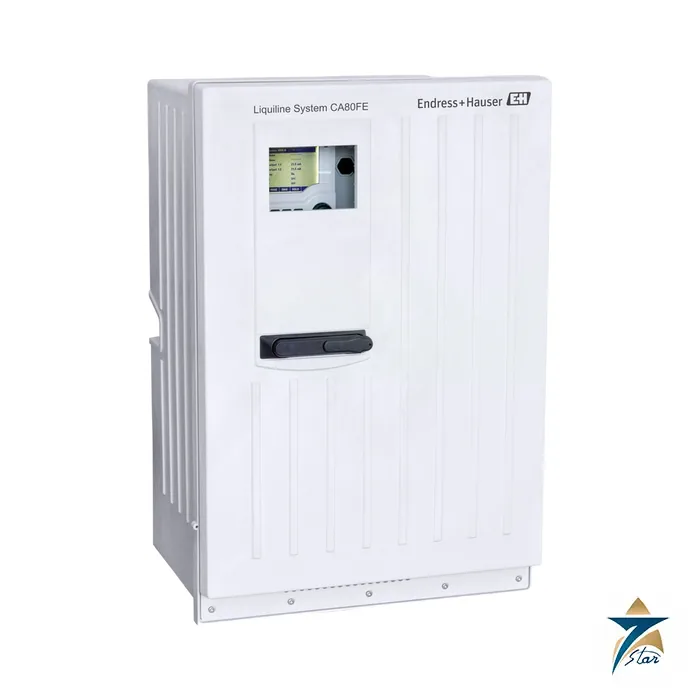
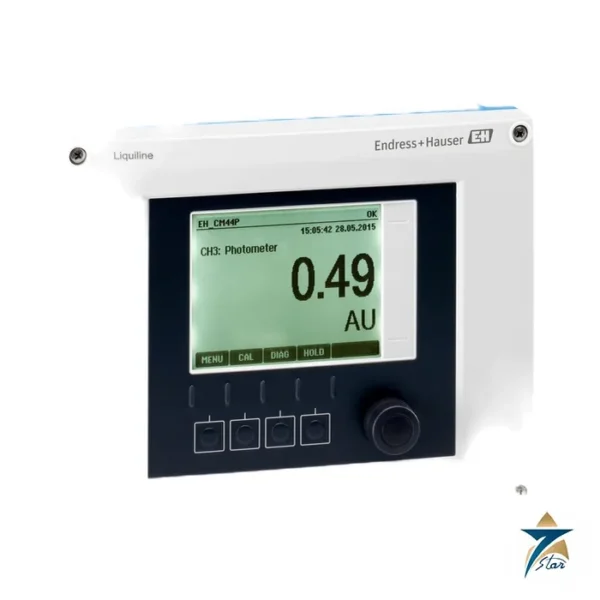
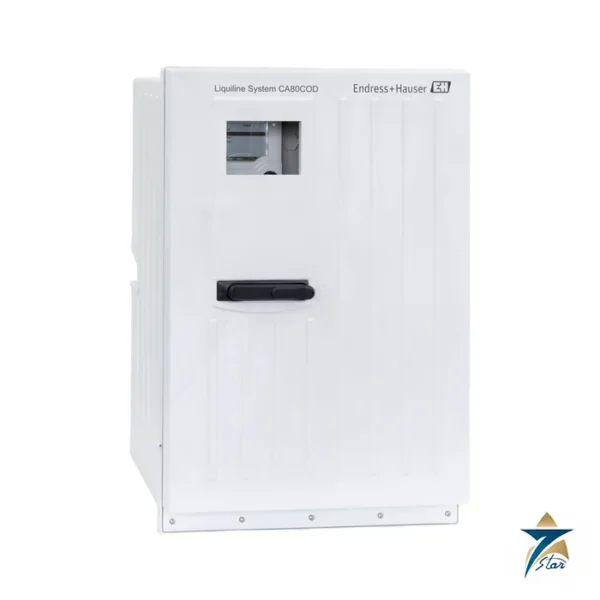
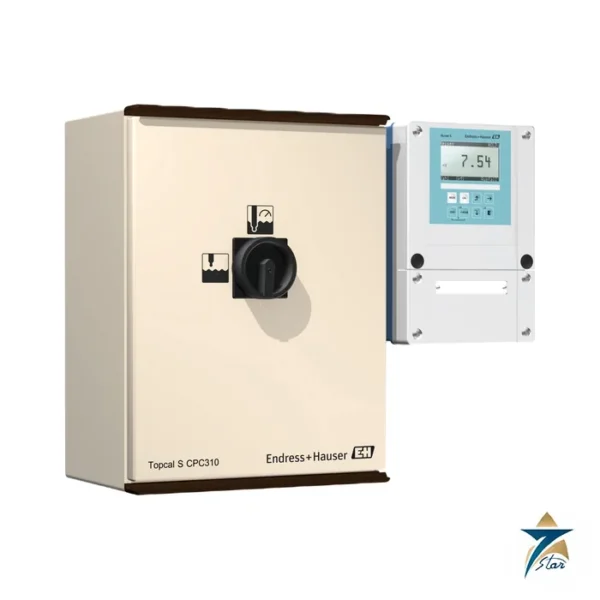
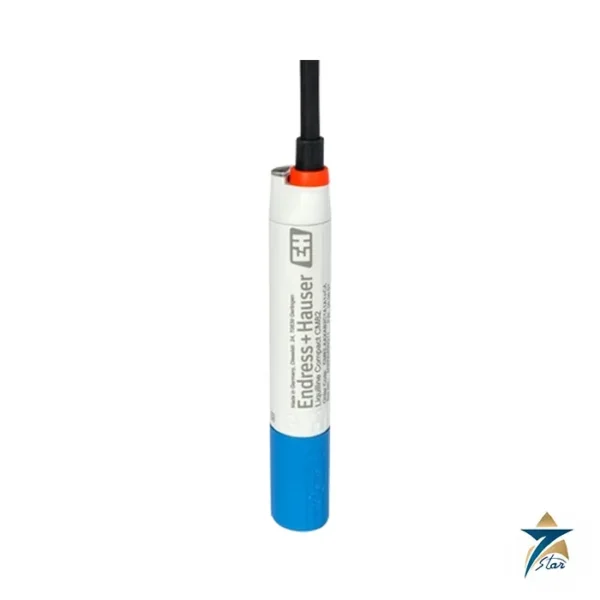
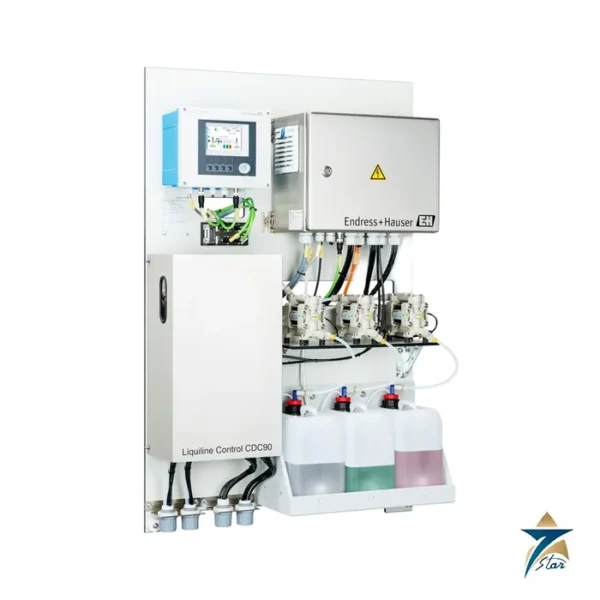
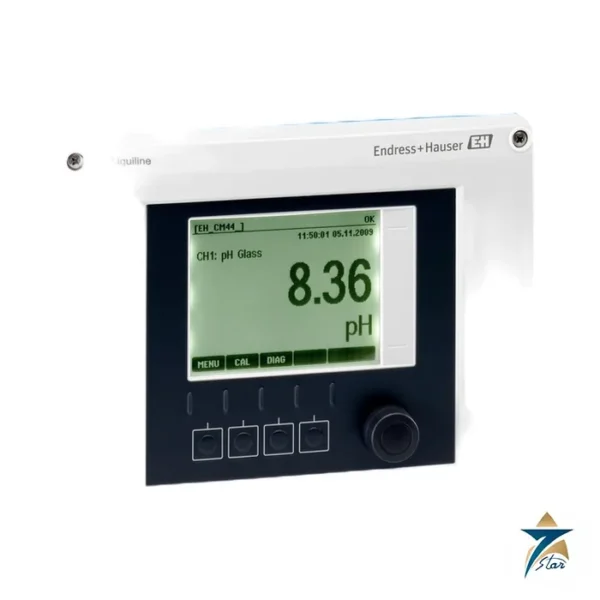
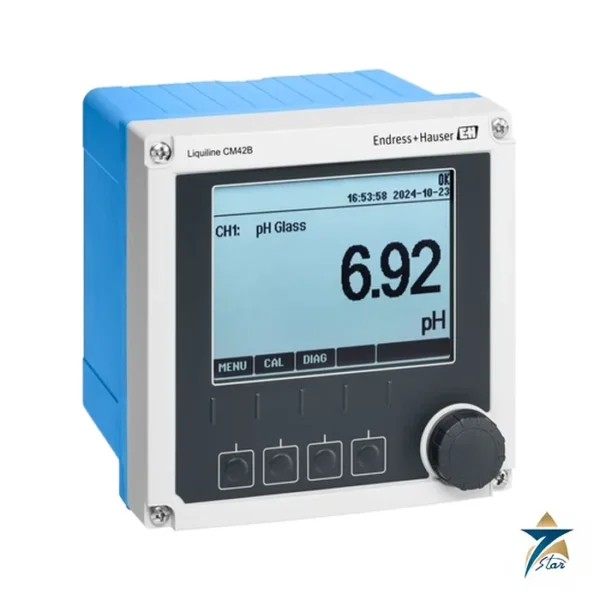
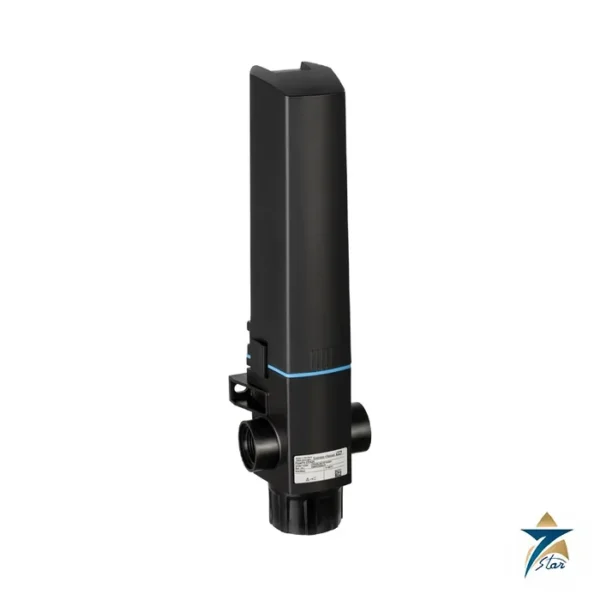
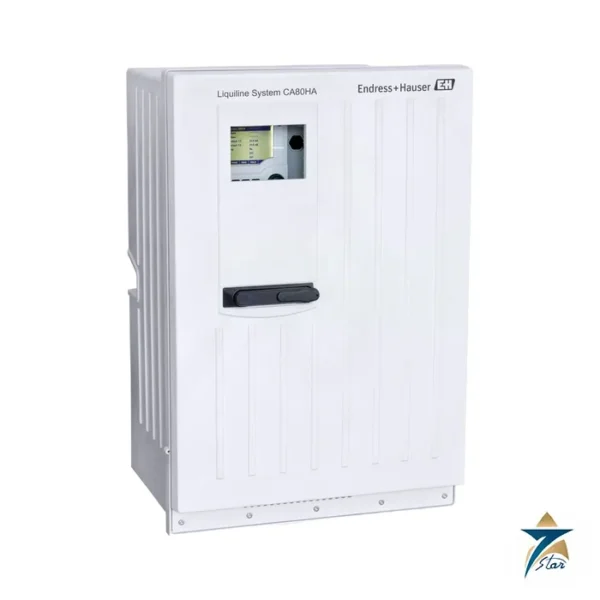
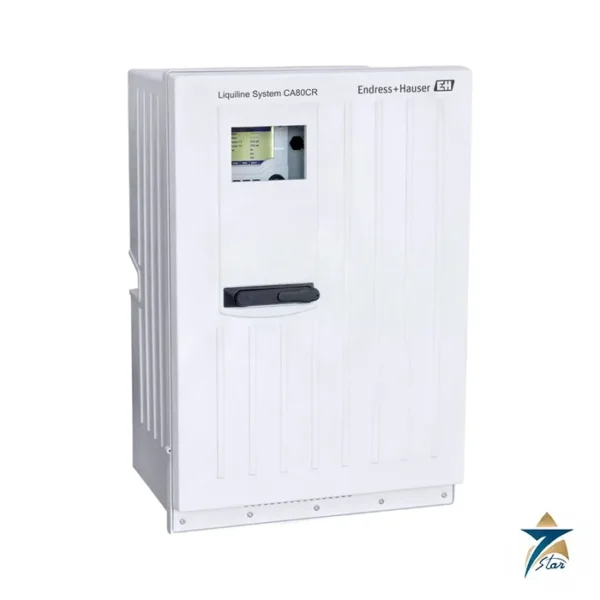
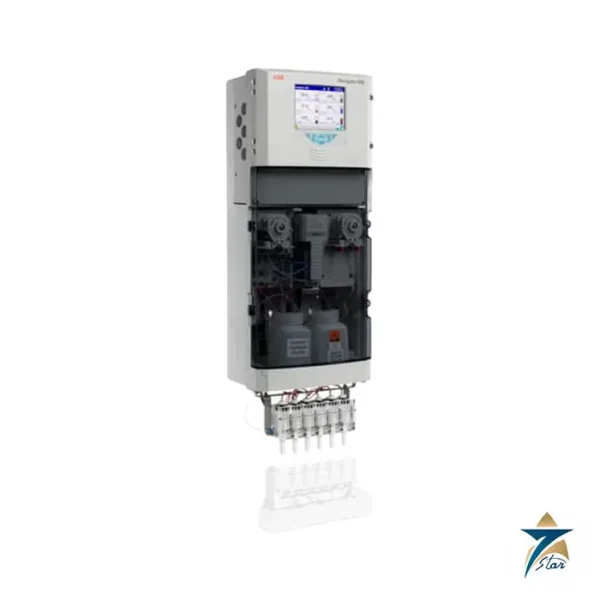
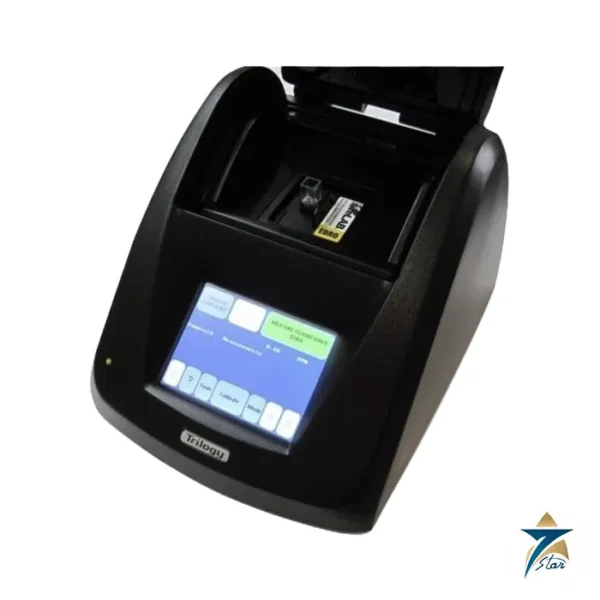
Endress+Hauser CA80FE Liquiline Dissolved Iron Analyzer

Description

CA80FE watches residual dissolved iron

Dissolved iron is a nuisance in drinking water, a poison for membranes and a sign of incomplete treatment after flocculation. Endress+Hauser CA80FE gives a near-continuous reading by the ferrozine method with a cycle of only about 5 minutes. The listed uses are residual iron after precipitation, flocculation and filtration, iron-rich process waters and raw water quality control for the food industry.

Seven Star LLC is an independent supplier serving Oman and the GCC and is not affiliated with the manufacturer. The reference is datasheet TI01291C, edition 06.24-00.

CA80FE at a glance

Parameter Value
Variable Dissolved iron Fe in ug/l, mg/l, ppb or ppm
Range M2 / M3 0.05 to 2.5 / 0.1 to 5 mg/l
Dilution Factors 5, 10 and 20 give 0.5 to 25, 1 to 50 and 2 to 100 mg/l on the M3 range
Repeatability Plus or minus 0.02 mg/l below 0.25; 0.03 from 0.25 to 0.5; 0.06 above 0.5; extra 1 percent of range with dilution 5
Interval About 5 min; adjustable 10 min to 24 h
Sample volume 22 ml per measurement; 11 to 15 ml with dilution plus 17 to 21 ml dilution water
Reagent About 65 ul per measurement, 280 ml per month, about 3.5 months at 10 min
Standard About 310 ml per month at 48 h calibration
Sample 4 to 40 degrees C, under 50 NTU, unpressurised
Weight Cabinet 39.5 kg; open 31.5 kg
Ambient 5 to 40 degrees C; outdoor version minus 20 to 40 degrees C

What the ferrozine reaction needs

The ferrozine reagent, a 3-(2-pyridyl)-5,6-bis(4-phenylsulfonic acid)-1,2,4-triazine, binds iron(II) in a pH 4.25 buffer to form a magenta complex. Because the reagent also contains a reducing agent, iron(III) is converted so the result is total dissolved iron. The photometer takes a reference measurement and the cuvette is kept at constant temperature so that the reaction is reproducible within a short time. Particulate iron is not measured unless it has been dissolved, which is why the sample should be filtered or free of solids.

Differences from CA80AL and CA80HA

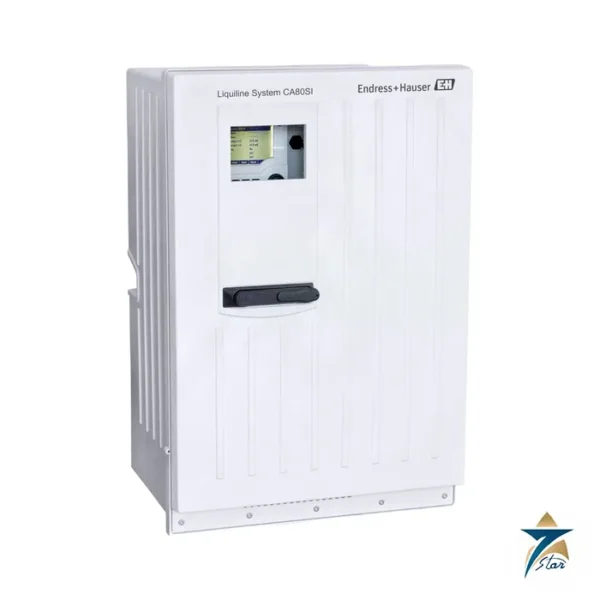
CA80FE is the fastest of the group at about 5 minutes and has the lowest range start, 0.05 mg/l. Its interferences tolerance is unusually broad for chloride and sodium, which makes brackish or salty process water acceptable up to the limits listed. CA80AL reads in ug/l, CA80HA reads hardness as CaCO3 up to 80 mg/l, and CA80SI is for ultrapure water. CA80FE also offers the outdoor cabinet option, and it has no sample pressure requirement because the sample supply is unpressurised.

Reagents, standards and sample conditioning for CA80FE

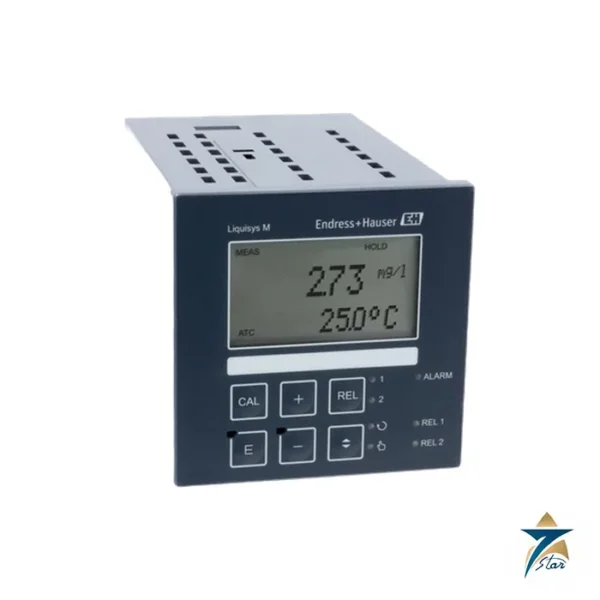
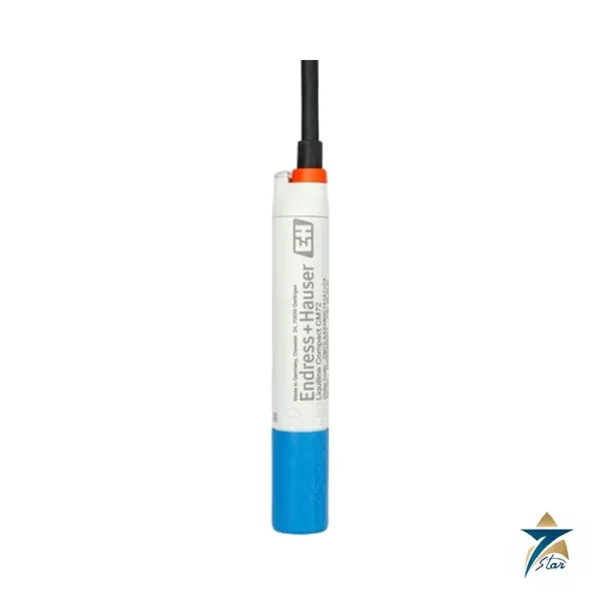
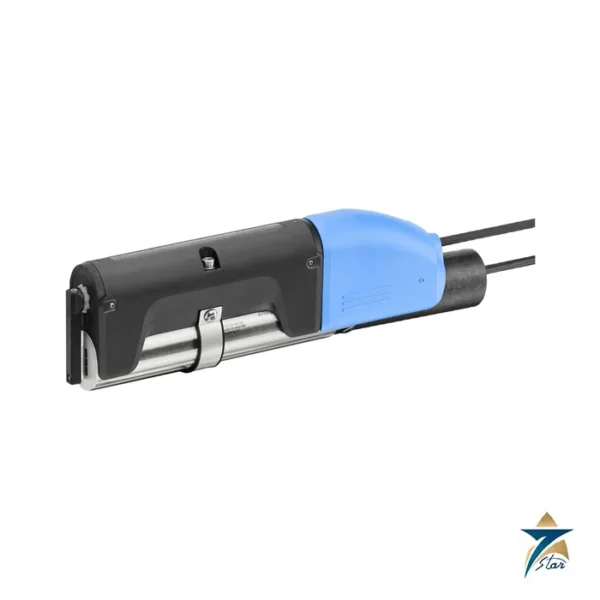
A reagent set lasts about 3.5 months at a 10 minute interval, using about 65 ul per measurement or roughly 280 ml per month. The standard solution use is about 310 ml per month with a 48 hour calibration interval, and the calibration interval can be set from 1 hour to 90 days. The sample must be aqueous, homogenised and under 50 NTU, so turbid raw water needs CAT810 microfiltration or a CAT820 or CAT860 membrane unit. Memosens sensors can be added to the same controller, and tool-free maintenance shortens the reagent changeover. The reported value is total dissolved iron, which is the control value for residual-iron monitoring after filtration.

Application hints for Oman and the GCC

  • Groundwater wells with high iron feeding RO plants or food factories can be monitored upstream of the filters.
  • After aeration and filtration, check residual iron to confirm that oxidation and filtration work.
  • Use dilution for iron-rich process water that exceeds 5 mg/l.
  • Fit sample conditioning (CAT810, CAT820 or CAT860) if turbidity exceeds 50 NTU.
  • Choose the outdoor cabinet for shaded outdoor pads, within minus 20 to 40 degrees C.
  • Set the calibration interval between 1 hour and 90 days to suit how stable the process is, using the 48 hour figure as the planning basis for standard consumption.
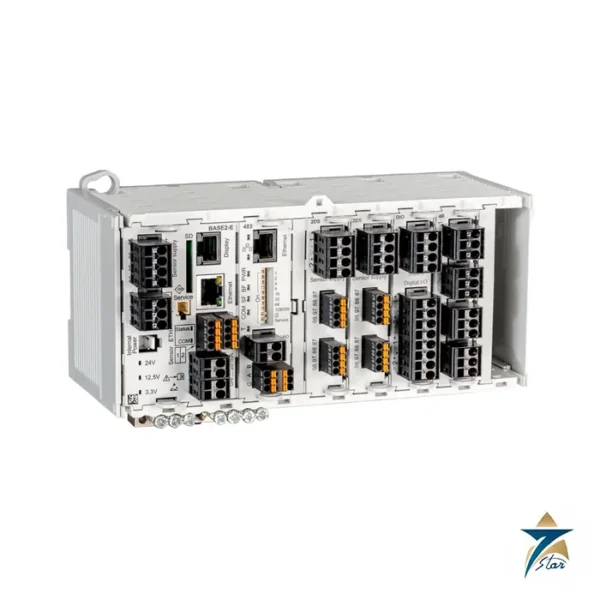
  • Remember that the analyzer main parameter can occupy one or two measuring channels, so two sample streams can be compared in one cabinet, and that outdoor mounting needs the dedicated outdoor cabinet version of the analyzer.

CA80FE questions answered briefly

What is the Endress+Hauser CA80FE method for iron? The ferrozine method: the reagent forms a magenta complex with Fe(II) at pH 4.25, a reducing agent converts Fe(III), and absorbance is read at 568 nm for total dissolved iron.

What ranges does CA80FE have? M2 version 0.05 to 2.5 mg/l Fe and M3 version 0.1 to 5 mg/l Fe, with an optional dilution on the 0.1 to 5.0 range reaching up to 100 mg/l.

How fast is CA80FE? About 5 minutes per measurement, adjustable from 10 minutes to 24 hours, calibration interval 1 hour to 90 days.

Can CA80FE be used with seawater-like chloride? The datasheet lists no cross-sensitivity up to 30000 mg/l chloride and 20000 mg/l sodium, though a combined effect was not studied.

What water should be used for dilution? Demineralised water is recommended where the expected sample concentration is under 50 mg/l.

Documents and quotation

The datasheet for CA80FE is attached to this page for checking every range, sample requirement and consumption figure before ordering. Send an RFQ with CA80FE, range (M2 or M3), dilution, channel count and quantity, and we will respond with a quotation. Mention whether the water is raw groundwater, filter outlet or process water and the expected iron level, because the 0.05 to 2.5 mg/l and 0.1 to 5 mg/l ranges serve different duties. We can also quote the ferrozine reagent set, standard solution, cleaner and optional filtration unit together with the analyzer, and confirm voltage, housing and fieldbus before the order is placed so that the analyzer fits your control cabinet and network.

Typical Questions From Maintenance Teams

Maintenance engineers replacing a Endress+Hauser CA80FE usually ask whether the new unit is a direct fit, whether settings can be copied from the old one, and whether any accessories must be ordered separately. The answer depends on the exact order code and the generation of the installed liquid analytical systems, so the nameplate details are the best starting point. Send them with your request and we will check the match, point out any differences in connections or options, and list the parts needed so that the job can be finished in one visit.

Other Models in the Liquiline Ca80 Range

Seven Star LLC supplies models from the Liquiline Ca80 range in Oman and the GCC. Compare the related models below and request a quote for the one that matches your application.

ModelCategory
Endress+Hauser CA80FE Liquiline Dissolved Iron AnalyzerLiquid Analytical SystemsYou are viewing this model
Endress+Hauser CA80SI Liquiline Silica Analyzer for Boiler WaterLiquid Analytical SystemsView details
Endress+Hauser CA80HA Liquiline Water Hardness AnalyzerLiquid Analytical SystemsView details
Datasheets & Documents
  • PDF Datasheet Endress+Hauser CA80FE Liquiline Dissolved Iron Analyzer Datasheet Download
Reviews (0)

Reviews

There are no reviews yet.

How would you rate this product?

It takes about 10 seconds — just tap a star. Your email is never published.

About brand

Endress+Hauser makes process measurement instruments for flow, level, pressure, temperature and liquid analysis. Georg H. Endress and Ludwig Hauser started the business in Lörrach, Germany, on 1 February 1953, first selling level meters, and the Endress+Hauser name has been used since 1957. The group is headquartered in Reinach, Switzerland, and has been wholly owned by the Endress family since 1975.

Seven Star LLC is an independent supplier listing Endress+Hauser flowmeters, level and pressure transmitters, temperature assemblies and liquid analysis products for buyers in Oman and the GCC. Instruments are matched from the full order code on the nameplate.

Endress+Hauser company profile

Origin Founded in Lörrach, Germany, on 1 February 1953 by the Swiss engineer Georg H. Endress and Ludwig Hauser
Headquarters Endress+Hauser AG, Reinach (Basel-Landschaft), Switzerland
Ownership Family owned; the Endress family has been the sole shareholder since 1975, and a family charter commits the company to stay family owned
Size About 16,500 employees and sales of about EUR 3.7 billion (2023, as reported by the company)
Product families Proline flowmeters, Micropilot and Levelflex radar, Liquiphant switches, Cerabar and Deltabar pressure, iTEMP and iTHERM temperature, Liquiline and Memosens liquid analysis

Milestones

  • 1953: Georg H. Endress and Ludwig Hauser start the business in Lörrach on 1 February, first selling level meters.
  • 1957: The Endress+Hauser name comes into use.
  • 1975: The Endress family becomes sole shareholder.
  • 2023: About 16,500 employees and sales of about EUR 3.7 billion, as reported by the company.

Endress+Hauser product lines

Line Measuring principle Typical use
Promass F 300, Promass 80F, 83F/84F Coriolis mass flow Direct mass flow and density of liquids and gases, hydrocarbon transfer and chemical dosing
Promag P 300, P 500, H 300, W 400, W 10, 50P Electromagnetic flow Water, wastewater, slurries and other conductive liquids
Prowirl F 200, 72F Vortex flow Steam, gas and low-viscosity liquids
Prosonic Flow 92F, t-mass 65F Ultrasonic and thermal mass flow Water lines; compressed air and industrial gases
Micropilot FMR62, FMR67, FMR60, FMR10B, FMR20, FMR50, FMR52 Free-space radar level, 80 GHz and 26 GHz Tanks, process vessels, silos and open water channels
Levelflex FMP51, FMP50, FMP54, FMP55 Guided wave radar level Level and interface in vessels, separators and bypass chambers
Liquiphant FTL51, Prosonic S FMU90 Vibronic point level; ultrasonic level High and low level alarms, pump protection, open channel flow
Cerabar PMC71B, PMP51B, PMP71, Deltabar PMD78B, PMD75 Pressure and differential pressure Process pressure, hydrostatic level and DP flow
iTEMP TMT82, TMT162, iTHERM TM101, TR66, TR10 Temperature transmitters and thermometers RTD and thermocouple points with thermowells
Liquiline CM444, CM442, Memosens CPS11E, Stamolys reagents Liquid analysis pH, ORP, conductivity, dissolved oxygen and nutrient analysis in water treatment and process

Where Endress+Hauser instruments are used

In Oman and the GCC, Endress+Hauser instruments are common in oil and gas production and processing, refineries and petrochemicals, desalination and water networks, wastewater treatment, power plants and food and beverage plants. Coriolis meters measure hydrocarbon and chemical flows, electromagnetic meters cover water and wastewater, radar transmitters handle tank and silo level, and Liquiline analysers monitor water quality. Proline 300 and 500 flowmeters include Heartbeat Technology for in-situ verification, which reduces the need to remove a meter for checks.

Ordering Endress+Hauser instruments: what we need

The order code on the nameplate (for example PMP71-1QA1S11RDADU) defines every option: measuring range, process connection, materials, output, approvals and display. Send it with the serial number; Endress+Hauser can retrieve the original configuration from the serial number. For a new instrument add the medium, operating and design pressure and temperature, range, line size or tank geometry, process connection, wetted materials, output or protocol (4-20 mA HART, PROFIBUS, FOUNDATION Fieldbus, Modbus) and the hazardous-area approval required. Older models such as Promass 80/83 or Micropilot M are replaced by current Proline or 80 GHz Micropilot devices.

Facts checked against Endress+Hauser company history and product information, October 2026.

FAQ

Questions about the Endress+Hauser CA80FE Liquiline Dissolved Iron

Answers from our engineering team on installation, compatibility and integration.

01What is the Endress+Hauser CA80FE method for iron?
The ferrozine method: the reagent forms a magenta complex with Fe(II) at pH 4.25, a reducing agent converts Fe(III), and absorbance is read at 568 nm for total dissolved iron.
02What ranges does CA80FE have?
M2 version 0.05 to 2.5 mg/l Fe and M3 version 0.1 to 5 mg/l Fe, with an optional dilution on the 0.1 to 5.0 range reaching up to 100 mg/l.
03How fast is CA80FE?
About 5 minutes per measurement, adjustable from 10 minutes to 24 hours, calibration interval 1 hour to 90 days.
04Can CA80FE be used with seawater-like chloride?
The datasheet lists no cross-sensitivity up to 30000 mg/l chloride and 20000 mg/l sodium, though a combined effect was not studied.
05What water should be used for dilution?
Demineralised water is recommended where the expected sample concentration is under 50 mg/l.