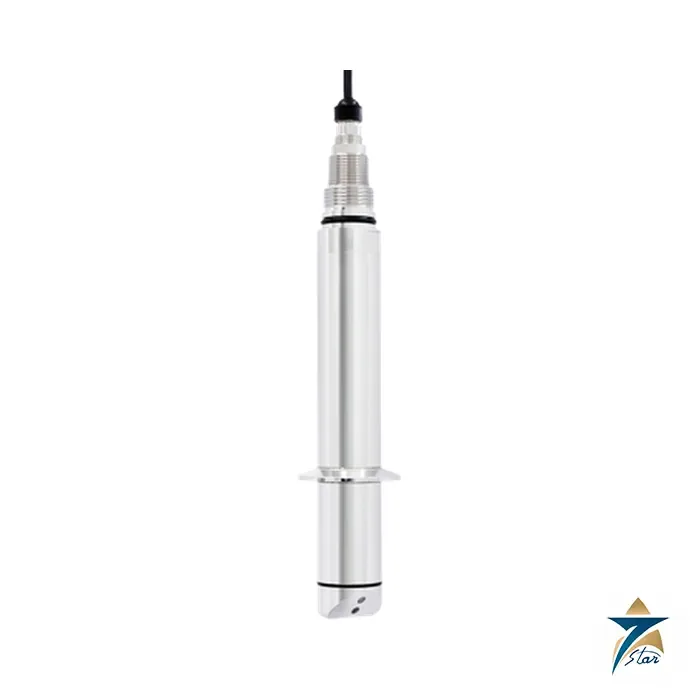
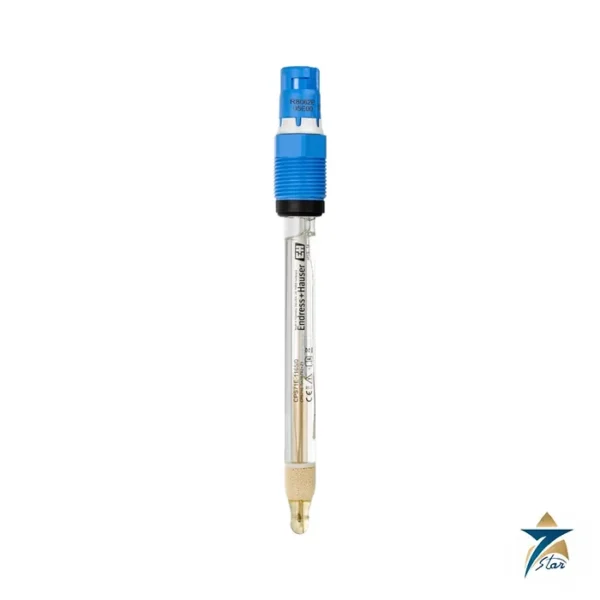
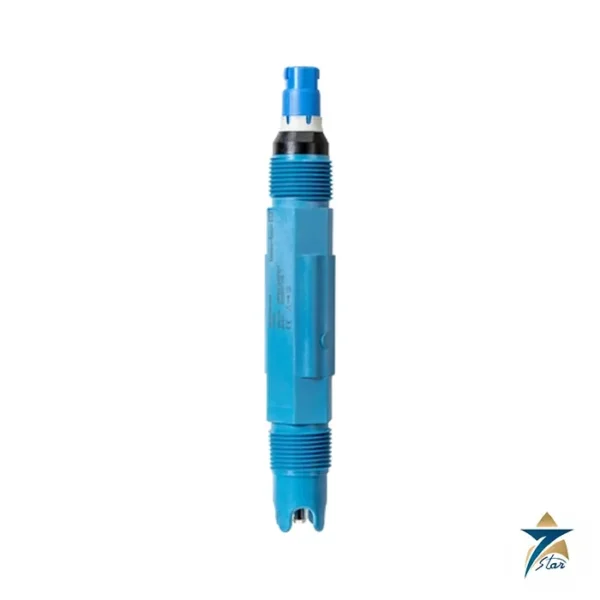
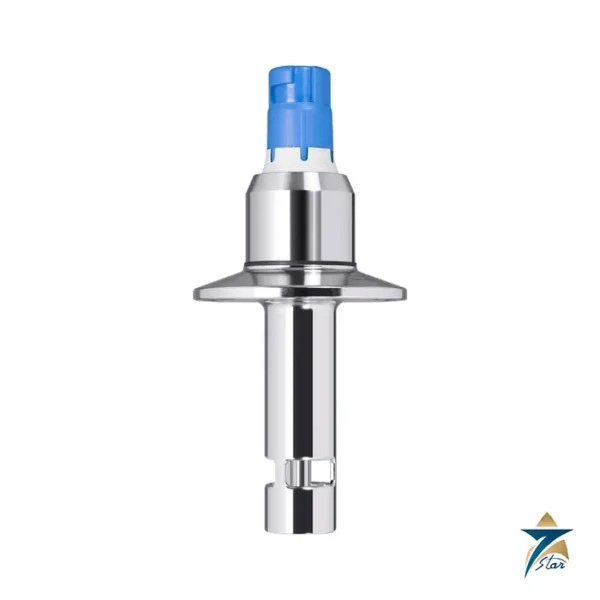
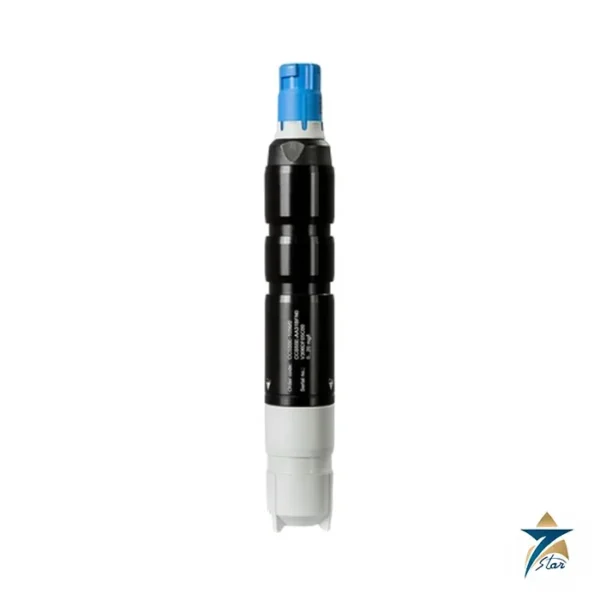
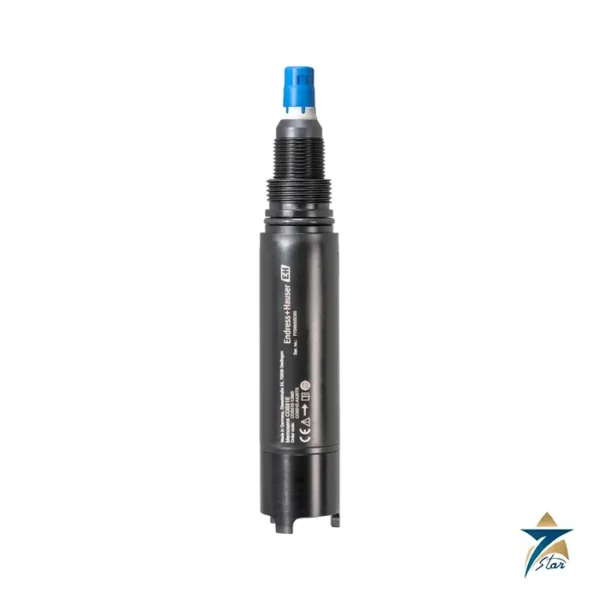
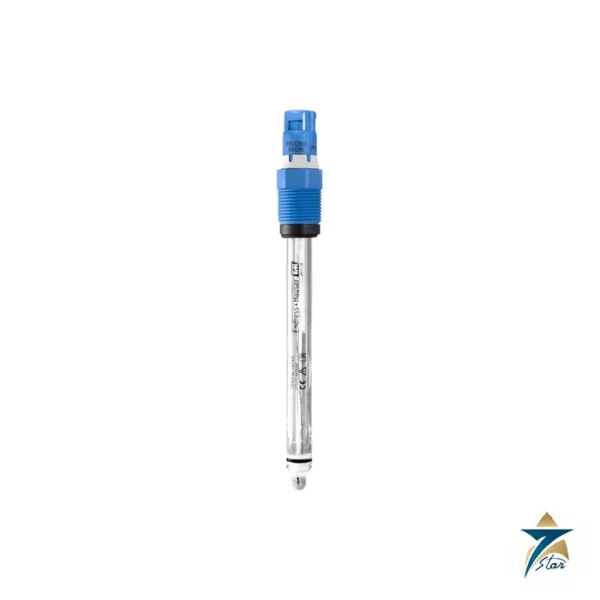
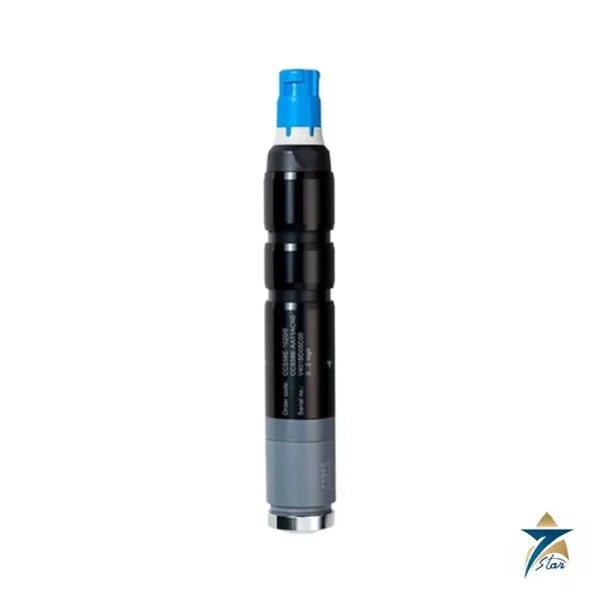
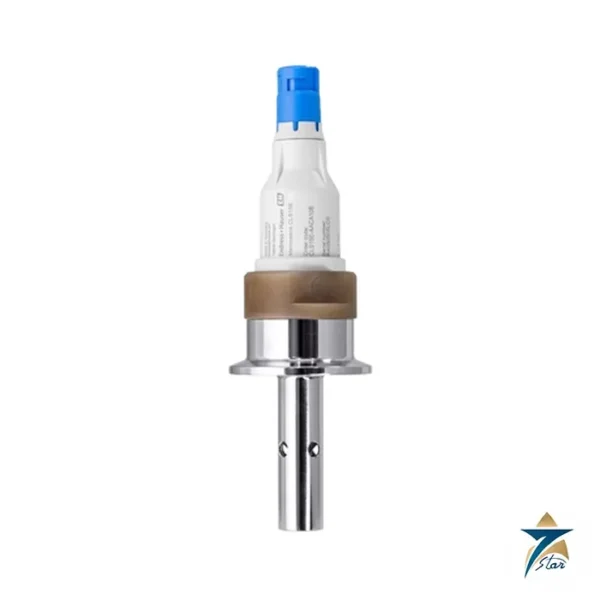
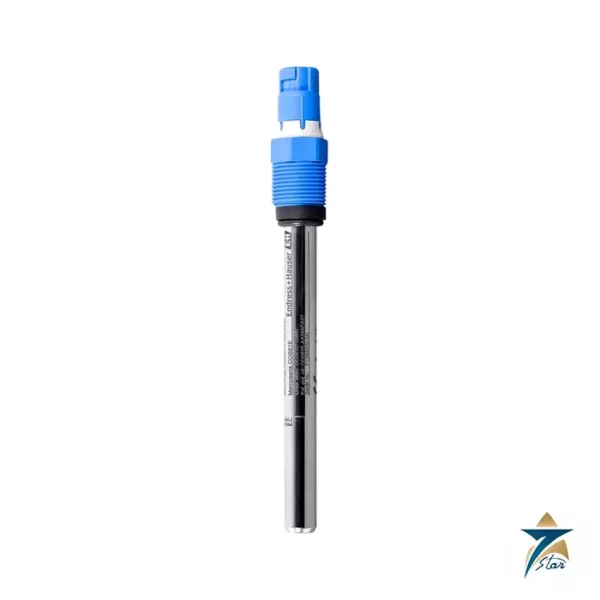
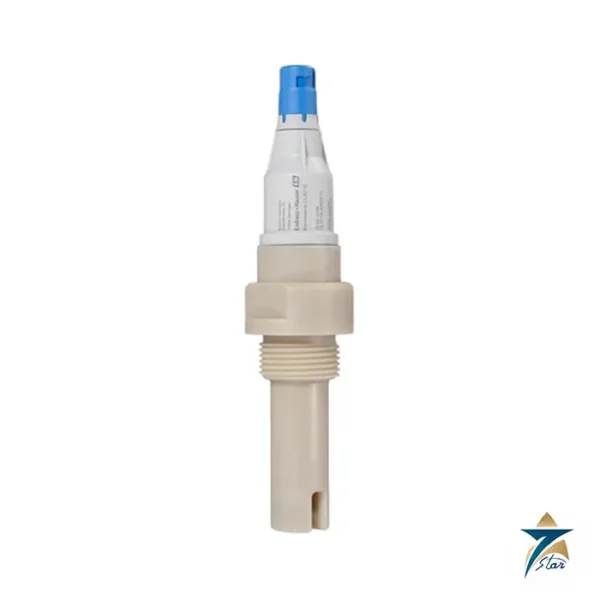
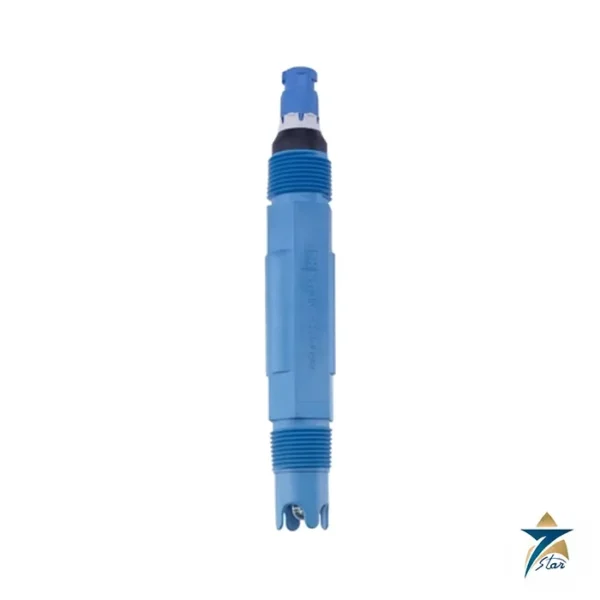
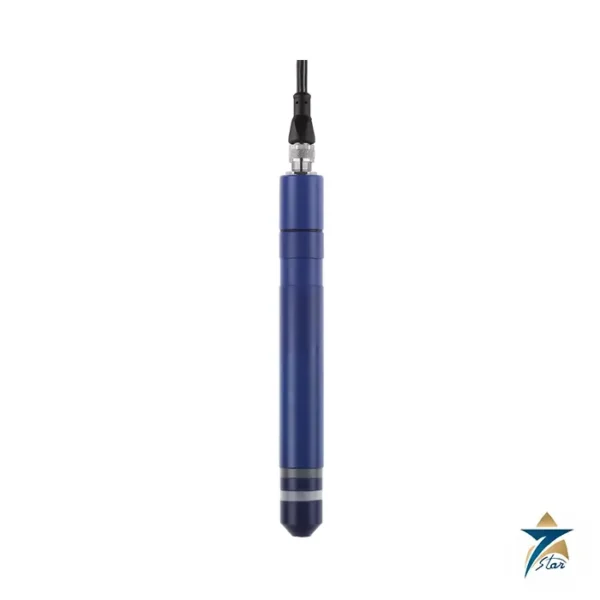
Endress+Hauser CUS52D Turbimax Drinking Water Turbidity Sensor

Description

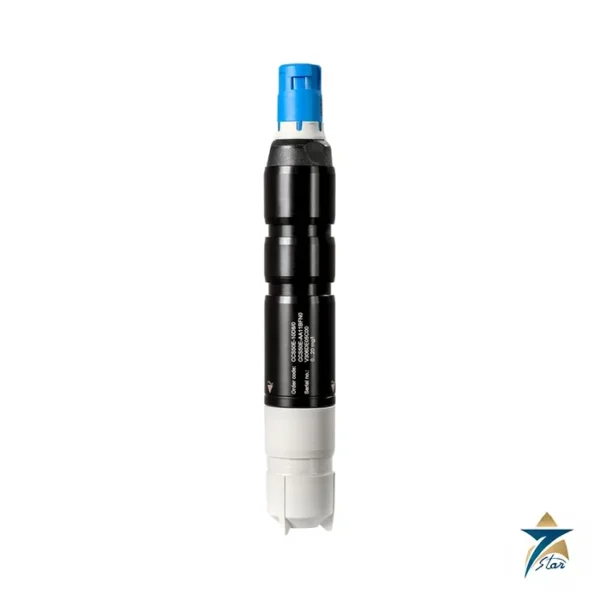
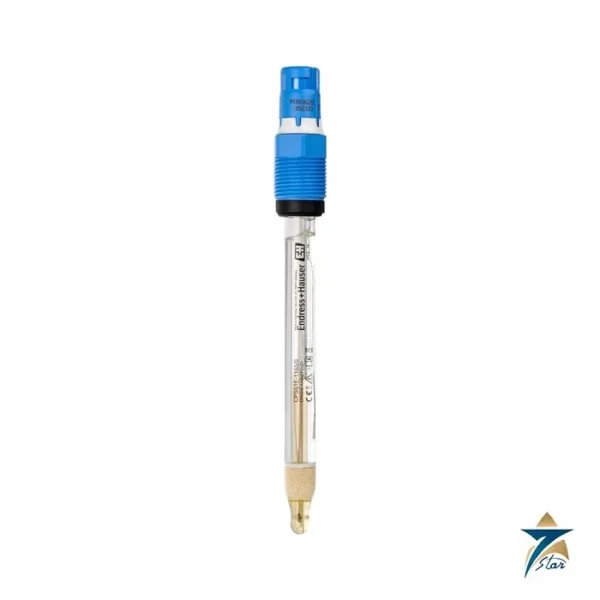
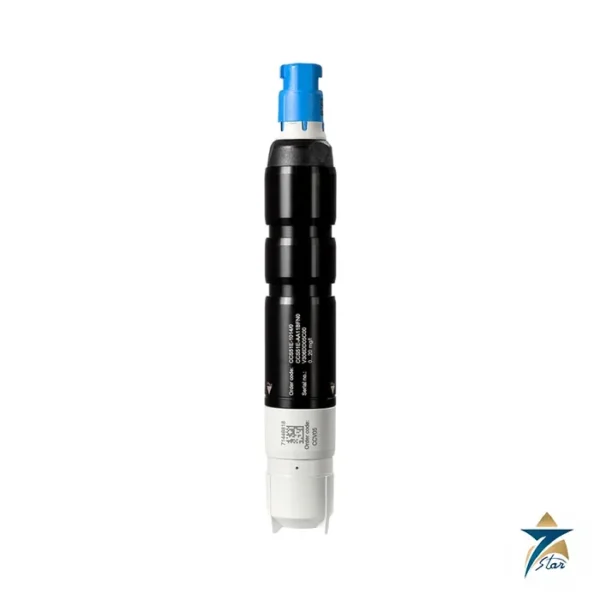
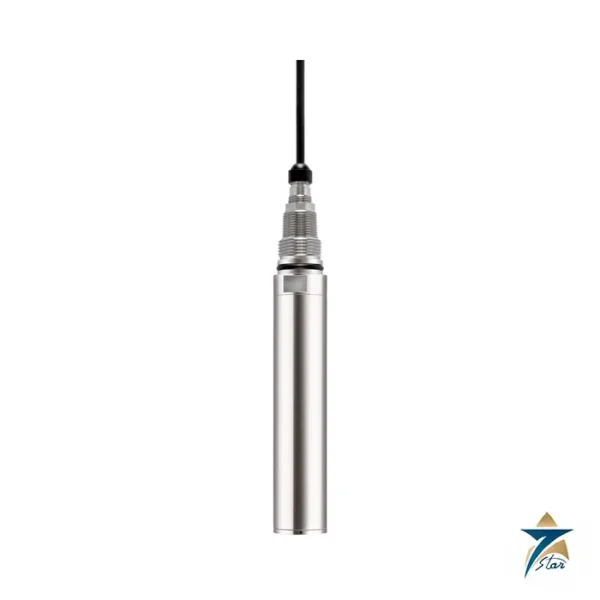
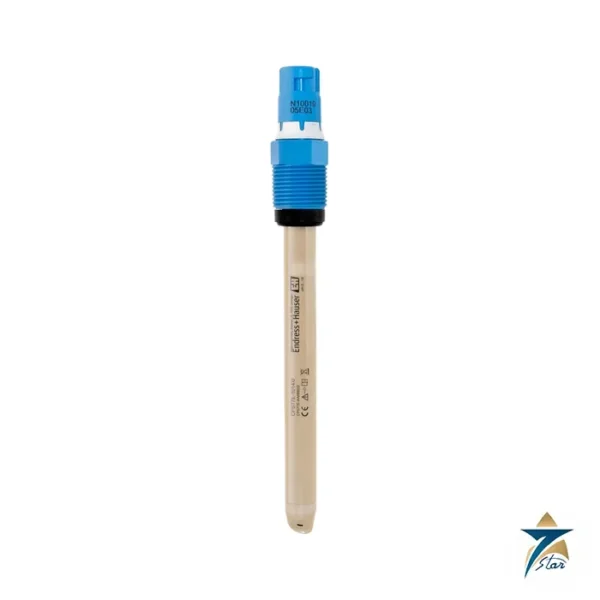
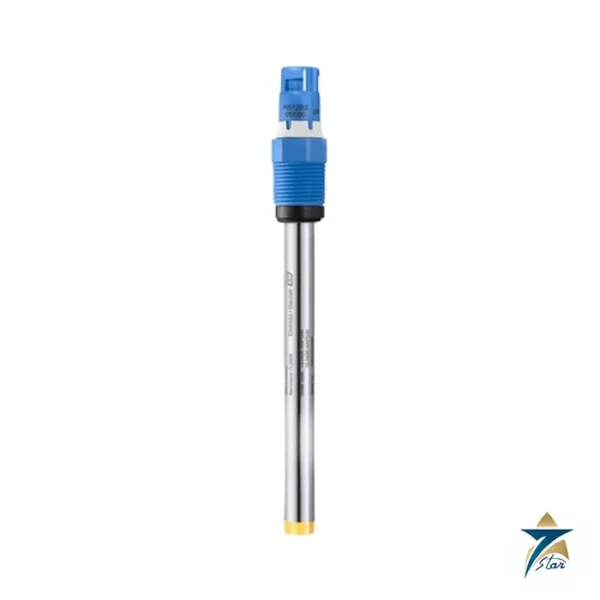
Endress+Hauser CUS52D Turbimax turbidity sensor for drinking water

The Endress+Hauser CUS52D is a Memosens turbidity sensor built to the ISO 7027 90 degree scattered-light method and intended for drinking water and process water. Typical points include the inlet and the final outlet of a waterworks, filter monitoring and backwash control, drinking-water networks, and (with the plastic body) saline media.

Desalination and water treatment utilities in Oman and the GCC are the natural users of the CUS52D, since regulations for finished water are written in NTU or FNU units and require reliable low-level detection.

Why choose the CUS52D

  • Measurement in accordance with ISO 7027
  • Detection limit 0.0015 FNU (ISO 15839, ultrapure water)
  • 2 inch clamp fits CUA252 (PE 100) and CUA262 (stainless steel) flow assemblies; an immersion version suits open channels and basins
  • Stainless steel and plastic body options
  • 1 to 6 point customer calibration
  • Low optical power makes the source completely safe

CUS52D technical data

Parameter Value
Principle 90 degree scattered light per ISO 7027
Turbidity range 0.000 to 4000 FNU, display to 9999 FNU
Solids (kaolin) 0 to 1500 mg/l, display to 3 g/l
Solids (diatomite) 0 to 2200 mg/l, display to 10 g/l
Detection limit 0.0015 FNU, 0 to 10 FNU range
Repeatability Below 0.5 percent of reading
Temperature, stainless steel Minus 20 to 85 °C
Temperature, plastic Minus 20 to 60 °C
Pressure Stainless 0.5 to 10 bar abs.; plastic 0.5 to 6 bar abs.
Weight Plastic 0.72 kg; stainless 1.48 to 1.84 kg
Protection IP 68 (1.83 m, 24 h), IP 66, Type 6P
Ambient / storage Minus 20 to 60 °C / minus 20 to 70 °C

Where CUS52D differs from CUS51D

The CUS51D handles sludge with solids up to 300 g/l and uses a 316L and 316Ti body with sapphire windows, with a 0.7 kg weight and a process limit of 50 degrees. The CUS52D is a clean-water instrument with a far lower detection limit, a temperature limit of 85 degrees for stainless and a plastic body option for salt-containing water, which the CUS51D datasheet does not offer.

Typical measuring points

The CUS52D is installed at the filter outlet to detect breakthrough, in the clearwell to document finished water quality and at network points to follow distribution quality.

Installation and orientation

Follow the orientation drawing in the datasheet for pipe mounting, so bubbles cannot collect at the optical windows. The 2 inch clamp mounts straight in the CUA252 or CUA262 flow assembly. No minimum flow is needed, though sufficient mixing helps if solids settle.

Maintenance

Check the CUS52D against the CUY52 solid-state reference or formazine standards at set intervals. Sensors with Memosens store the calibration so a spare can be swapped quickly.

ISO 7027 measurement and calibration choices

The CUS52D works on the 90 degree scattered-light principle in line with ISO 7027, the standard method for turbidity in drinking water. The formazine range is 0.000 to 4000 FNU with a display range up to 9999 FNU, and solids can be shown as kaolin from 0 to 1500 mg/l or diatomite from 0 to 2200 mg/l. The unit list for formazine includes FNU, FTU, NTU, TE/F, EBC and ASBC, which makes it easy to match older regulatory reports. A customer calibration with one to six points can be done in the lab or on site, and the CUY52 solid-state reference of about 4.0 FNU can check function.

Detection limit in ultrapure water, determined per ISO 15839, is 0.0015 FNU for the 0 to 10 FNU range, and repeatability is below 0.5 percent of the measured value. The response time is adjustable and longer than 1 second.

Materials, weights and cleaning options

Two bodies are offered: stainless steel for temperatures from minus 20 to 85 degrees Celsius and pressures of 0.5 to 10 bar absolute, and plastic for minus 20 to 60 degrees Celsius and a lower pressure rating of 0.5 to 6 bar absolute. The plastic sensor is the one for saline media and weighs 0.72 kg with a 7 m cable; stainless versions weigh 1.48 to 1.84 kg depending on clamp or Varivent fitting. Cleaning can be by compressed air, ultrasonic or mechanical means, according to the datasheet. For CIP, the datasheet advises using a retractable assembly so that the sensor is out of the process during aggressive cleaning.

Typical regulatory context for drinking-water turbidity

Water suppliers measure turbidity because it is a visible indicator of filter performance and a surrogate for particles that can shelter microorganisms from disinfection. Instruments built on ISO 7027 use a near-infrared light source and a 90 degree detector, which gives comparable readings between suppliers and avoids color interference. The CUS52D follows that method, so its FNU and NTU readings can be placed beside laboratory turbidimeter values when you validate the point. Using FNU, FTU, NTU, TE/F, EBC or ASBC units makes the same hardware suit brewing and beverage customers as well as municipal operators.

Because the detection limit of 0.0015 FNU is far below any limit set for finished water, the sensor can follow small filter breakthrough events that would be invisible to a coarser instrument.

Planning the installation

Choose the stainless body for hot or pressurized lines and for sanitary Varivent connections, and the plastic body when the water has high chloride content. In a flow assembly, keep the sensor oriented as shown in the datasheet so that air bubbles rise away from the windows. In an open channel, use the immersion version and keep it away from walls and the bottom, where reflections and sediment can disturb the reading. For CIP service, install in a retractable assembly so the sensor can be withdrawn during cleaning, since high temperatures combined with extreme pH reduce its long-term stability.

Documents and quotation

The datasheet for the CUS52D is attached. Seven Star LLC is an independent supplier serving Oman and the GCC and is not affiliated with the manufacturer. Send an RFQ with CUS52D, body material (stainless steel or plastic), mounting option and quantity.

Datasheets & Documents
  • PDF Datasheet Endress+Hauser CUS52D Turbimax Drinking Water Turbidity Sensor Datasheet Download
Reviews (0)

Reviews

There are no reviews yet.

How would you rate this product?

It takes about 10 seconds — just tap a star. Your email is never published.

About brand

Endress+Hauser makes process measurement instruments for flow, level, pressure, temperature and liquid analysis. Georg H. Endress and Ludwig Hauser started the business in Lörrach, Germany, on 1 February 1953, first selling level meters, and the Endress+Hauser name has been used since 1957. The group is headquartered in Reinach, Switzerland, and has been wholly owned by the Endress family since 1975.

Seven Star LLC is an independent supplier listing Endress+Hauser flowmeters, level and pressure transmitters, temperature assemblies and liquid analysis products for buyers in Oman and the GCC. Instruments are matched from the full order code on the nameplate.

Endress+Hauser company profile

Origin Founded in Lörrach, Germany, on 1 February 1953 by the Swiss engineer Georg H. Endress and Ludwig Hauser
Headquarters Endress+Hauser AG, Reinach (Basel-Landschaft), Switzerland
Ownership Family owned; the Endress family has been the sole shareholder since 1975, and a family charter commits the company to stay family owned
Size About 16,500 employees and sales of about EUR 3.7 billion (2023, as reported by the company)
Product families Proline flowmeters, Micropilot and Levelflex radar, Liquiphant switches, Cerabar and Deltabar pressure, iTEMP and iTHERM temperature, Liquiline and Memosens liquid analysis

Milestones

  • 1953: Georg H. Endress and Ludwig Hauser start the business in Lörrach on 1 February, first selling level meters.
  • 1957: The Endress+Hauser name comes into use.
  • 1975: The Endress family becomes sole shareholder.
  • 2023: About 16,500 employees and sales of about EUR 3.7 billion, as reported by the company.

Endress+Hauser product lines

Line Measuring principle Typical use
Promass F 300, Promass 80F, 83F/84F Coriolis mass flow Direct mass flow and density of liquids and gases, hydrocarbon transfer and chemical dosing
Promag P 300, P 500, H 300, W 400, W 10, 50P Electromagnetic flow Water, wastewater, slurries and other conductive liquids
Prowirl F 200, 72F Vortex flow Steam, gas and low-viscosity liquids
Prosonic Flow 92F, t-mass 65F Ultrasonic and thermal mass flow Water lines; compressed air and industrial gases
Micropilot FMR62, FMR67, FMR60, FMR10B, FMR20, FMR50, FMR52 Free-space radar level, 80 GHz and 26 GHz Tanks, process vessels, silos and open water channels
Levelflex FMP51, FMP50, FMP54, FMP55 Guided wave radar level Level and interface in vessels, separators and bypass chambers
Liquiphant FTL51, Prosonic S FMU90 Vibronic point level; ultrasonic level High and low level alarms, pump protection, open channel flow
Cerabar PMC71B, PMP51B, PMP71, Deltabar PMD78B, PMD75 Pressure and differential pressure Process pressure, hydrostatic level and DP flow
iTEMP TMT82, TMT162, iTHERM TM101, TR66, TR10 Temperature transmitters and thermometers RTD and thermocouple points with thermowells
Liquiline CM444, CM442, Memosens CPS11E, Stamolys reagents Liquid analysis pH, ORP, conductivity, dissolved oxygen and nutrient analysis in water treatment and process

Where Endress+Hauser instruments are used

In Oman and the GCC, Endress+Hauser instruments are common in oil and gas production and processing, refineries and petrochemicals, desalination and water networks, wastewater treatment, power plants and food and beverage plants. Coriolis meters measure hydrocarbon and chemical flows, electromagnetic meters cover water and wastewater, radar transmitters handle tank and silo level, and Liquiline analysers monitor water quality. Proline 300 and 500 flowmeters include Heartbeat Technology for in-situ verification, which reduces the need to remove a meter for checks.

Ordering Endress+Hauser instruments: what we need

The order code on the nameplate (for example PMP71-1QA1S11RDADU) defines every option: measuring range, process connection, materials, output, approvals and display. Send it with the serial number; Endress+Hauser can retrieve the original configuration from the serial number. For a new instrument add the medium, operating and design pressure and temperature, range, line size or tank geometry, process connection, wetted materials, output or protocol (4-20 mA HART, PROFIBUS, FOUNDATION Fieldbus, Modbus) and the hazardous-area approval required. Older models such as Promass 80/83 or Micropilot M are replaced by current Proline or 80 GHz Micropilot devices.

Facts checked against Endress+Hauser company history and product information, October 2026.

FAQ

Questions about the Endress+Hauser CUS52D Turbimax Drinking Water

Answers from our engineering team on installation, compatibility and integration.

01Which standard does the CUS52D follow?
It measures by 90 degree light scattering in accordance with ISO 7027, the standard method for drinking-water turbidity.
02What is the detection limit of the CUS52D?
The limit of detection in ultrapure water is 0.0015 FNU for the 0 to 10 FNU range, determined per ISO 15839.
03Does the CUS52D come in plastic?
Yes, a plastic sensor is offered, usable in saline media with 60 °C and 6 bar absolute limits; the stainless version reaches 85 °C and 10 bar.
04How many calibration points can I use on the CUS52D?
Customer calibrations with 1 to 6 points can be done in the laboratory or at the point of installation.
05Which assemblies fit the CUS52D?
The 2 inch clamp fits CUA252 (PE 100) and CUA262 (stainless steel) flow assemblies, and an immersion version suits open channels and basins.