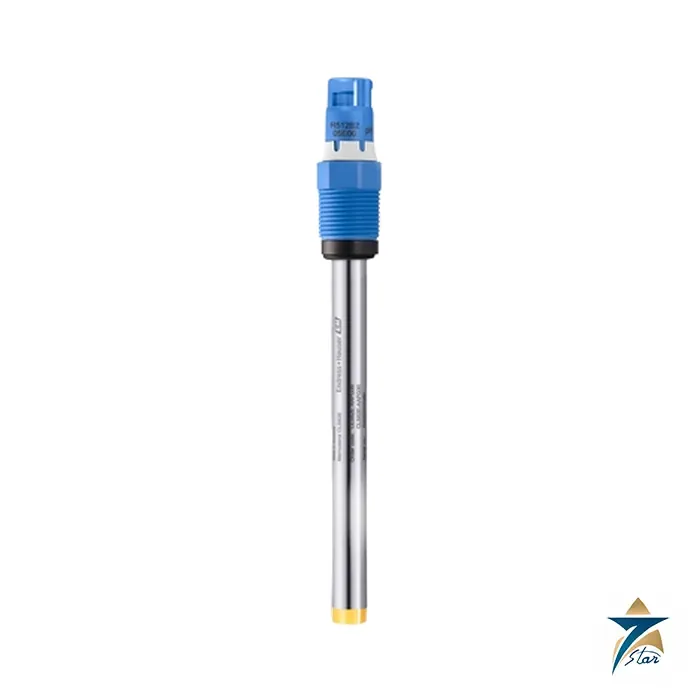
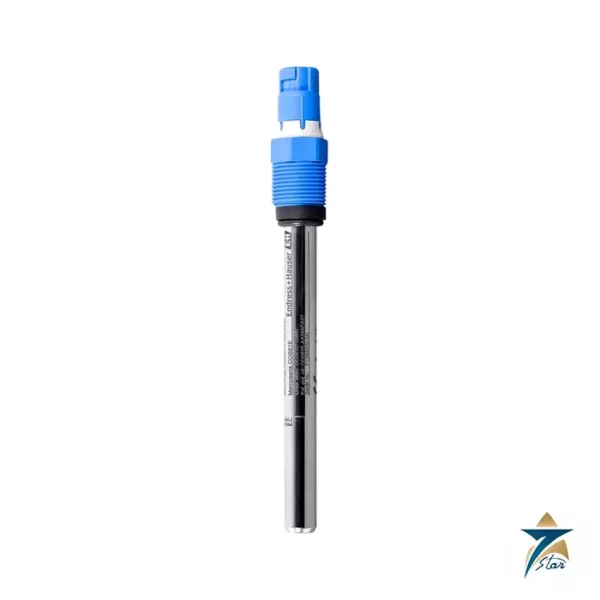
Endress+Hauser CLS82E: one conductivity sensor for a very wide range
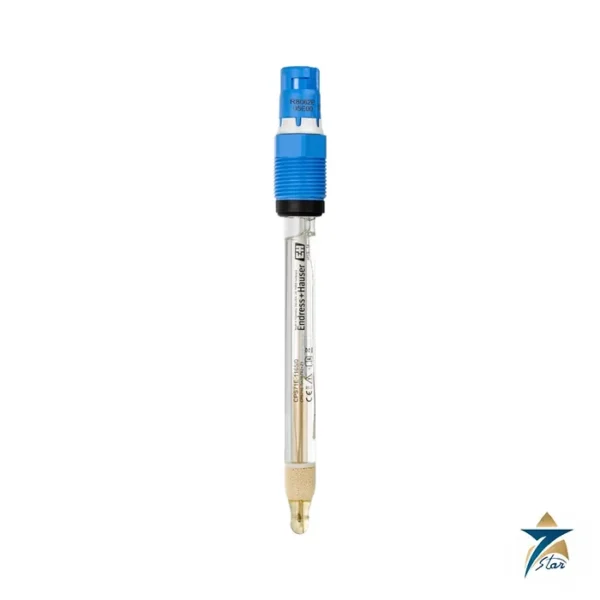
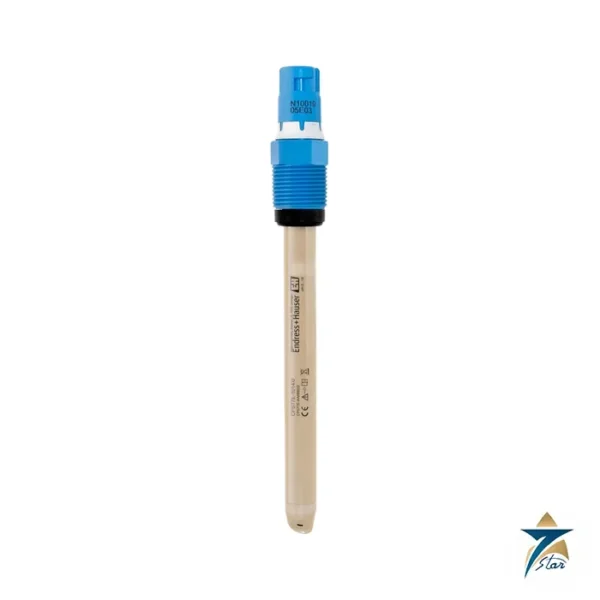
Hygienic processes often swing between nearly pure water and strong salt or caustic solutions. The Endress+Hauser CLS82E is a Memosens conductivity sensor with a cell constant of 0.57 per cm and a measuring range from 1 microsiemens per cm to 500 mS per cm, so one sensor can follow a whole sequence of liquids. The datasheet lists phase separations, chromatography, fermentations, CIP monitoring in small pipes, ultrafiltration, ballast-water cleaning and ship-wake water cleaning.
For plants in the Gulf this is a hygienic stainless option where CIP return lines see everything from rinse water to concentrated cleaning agents, and where the CLS82E avoids the need for two cells.
CLS82E advantages
- Range 1 microsiemens per cm to 500 mS per cm with one cell
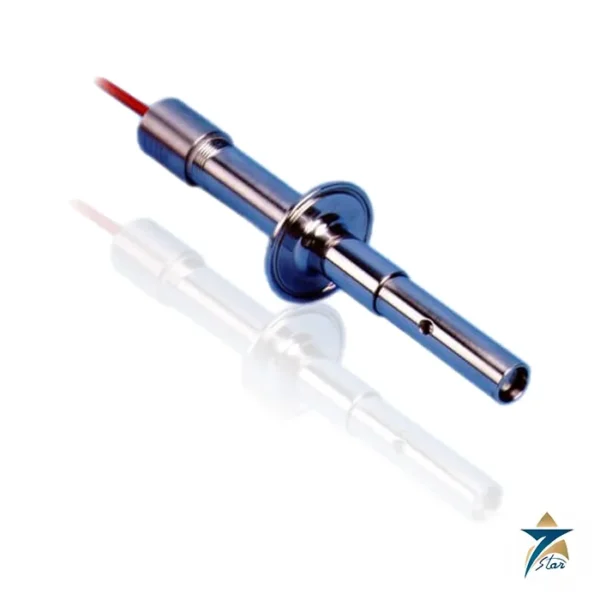
- Platinum and ceramic sensor element in 316L stainless steel
- Hygienic surface roughness below 0.38 micrometre
- Process pressure up to 17 bar at 20 °C
- Normal temperature minus 5 to 120 °C, sterilizable to 140 °C
- Pg 13.5 version weighing only 0.06 to 0.09 kg, plus G1, NPT and DN25 options
CLS82E data
| Parameter |
Value |
| Cell constant |
0.57 per cm |
| Conductivity range |
1 microsiemens per cm to 500 mS per cm |
| Temperature range |
Minus 5 to 140 °C |
| Normal operation |
Minus 5 to 120 °C |
| Sterilization |
140 °C at 6 bar, maximum 45 minutes |
| Pressure |
17 bar at 20 °C; 9 bar at 120 °C |
| Accuracy |
2 percent of reading (1 microsiemens to 1 mS/cm); 4 percent (1 to 500 mS/cm) |
| Sensor element |
Platinum and ceramic (zirconium oxide) |
| Body |
316L stainless steel 1.4435 |
| Weight |
0.06 to 0.09 kg (Pg 13.5); about 0.9 kg (G1 or NPT) |
| Protection |
IP 68 / NEMA 6P, 1.9 m water column, 20 °C, 24 h |
How CLS82E differs from CLS16E and CLS21E
Where the CLS16E covers 40 nS/cm to 500 microsiemens per cm with k = 0.1 and the CLS21E covers 10 microsiemens to 20 mS per cm with graphite, the CLS82E covers both bands and goes up to 500 mS per cm. Its accuracy statement is looser at high conductivity (4 percent) than at low, and the pressure rating of 17 bar at 20 °C matches that of the CLS21E.
Use in Oman and the GCC
Think of ultrafiltration skids, CIP return lines, and bioprocess or food plants with chromatography steps. The CLS82E also finds use in ballast-water and marine cleaning systems named in the datasheet.
Installation
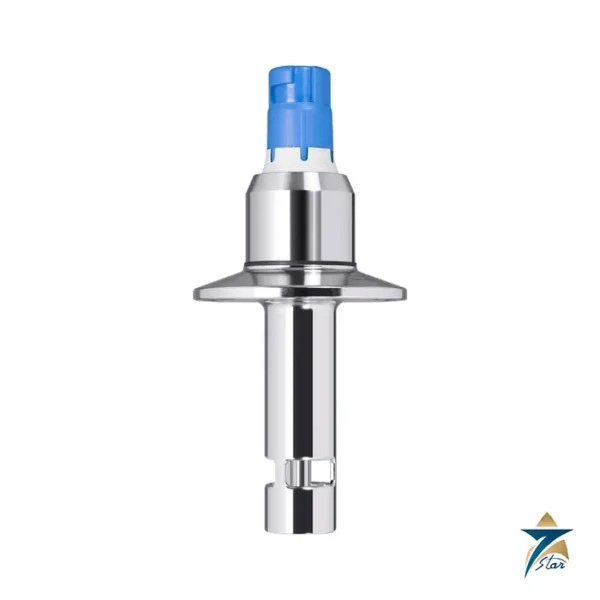
Choose the connection that fits the vessel: Pg 13.5 for small ports, G1 or NPT for pipework, DN25 for sanitary lines. Place the CLS82E where the cell is always flooded, enter the factory cell constant in the transmitter and verify against a standard.
Maintenance
Rinse the platinum and ceramic element regularly during CIP, and check the stored sensor load. The CLS82E keeps its calibration inside the sensor, so a spare unit can be exchanged and recognized automatically.
Compatible equipment
The datasheet names Liquiline CM442, CM444, CM448 and CM42 for temperature-compensated conductivity with the CLS82E, connected by cable CYK10.
Measuring element and accuracy
The CLS82E has a sensor element of platinum and ceramic (zirconium oxide) in a 316L (1.4435) stainless steel body, with EPDM seals on the DN25 versions. Its cell constant is 0.57 per cm, each sensor being factory-measured in a solution of about 50 microsiemens per cm against a reference system. The datasheet gives a measurement error of 2 percent of reading or less between 1 microsiemens and 1 mS per cm, and 4 percent of reading or less between 1 and 500 mS per cm. The surface roughness is below 0.38 micrometre.
Weight, connections and temperature behaviour
The weight depends on the connection: the Pg 13.5 version weighs 0.06 to 0.09 kg, and the G1 or NPT versions weigh about 0.9 kg. DN25 standard and DN25 B. Braun connections are also offered. Normal operation runs from minus 5 to 120 degrees Celsius, with sterilization up to 140 degrees Celsius at 6 bar for 45 minutes. The pressure rating is 17 bar at 20 degrees Celsius and 9 bar at 120 degrees Celsius.
Why the 0.57 cell constant helps in swinging processes
A single cell has to compromise between low-end sensitivity and high-end linearity. A cell constant of 0.57 per cm positions the CLS82E in the middle of that trade, which is why the datasheet quotes a continuous range from 1 microsiemens per cm to 500 mS per cm. In a CIP sequence the sensor first sees rinse water, then caustic or acid at tens of millisiemens, then fresh rinse water again, and the same cell can verify each step, including the final rinse that proves the line is clean.
Chromatography is another example. Buffer gradients move conductivity over several decades, and operators want one trace for the whole run. The CLS82E gives that trace, with the platinum and ceramic element resisting the repeated chemical exposure.
Mounting choices and what they mean
The Pg 13.5 version, at 0.06 to 0.09 kg, is for compact installations and small assemblies; the G1 and NPT versions at about 0.9 kg are for threaded pipe connections; the DN25 standard and DN25 B. Braun connections target sanitary skid builders. Check the B. Braun interface only if your pipework matches it, since it is a specific connection style, and confirm EPDM compatibility with your cleaning chemicals, because only the DN25 versions are listed with an EPDM seal in the datasheet.
Keep the cell fully submerged, avoid positions where air collects, and place the sensor away from strong electrical interference. Enter the factory-measured cell constant into the transmitter before commissioning, and confirm with a standard solution near your normal operating reading.
Documents and quotation
The datasheet for the CLS82E is attached. Seven Star LLC is an independent supplier serving Oman and the GCC and is not affiliated with the manufacturer. Send an RFQ with CLS82E, connection type and quantity.























Reviews
There are no reviews yet.