Endress+Hauser TMS11 iTHERM MultiSens Linear multipoint thermometer
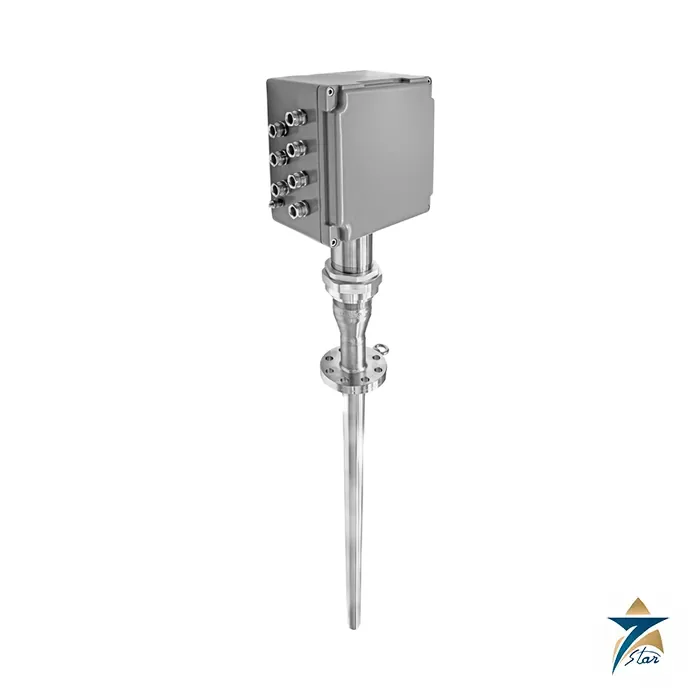
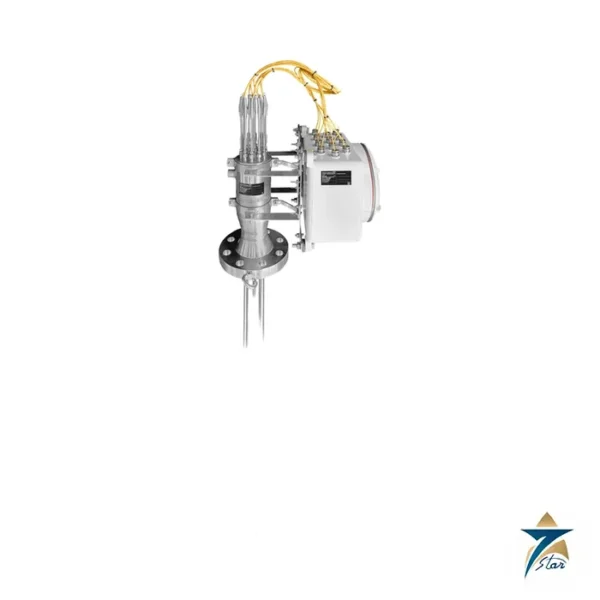
The TMS11 is the iTHERM MultiSens Linear: a flanged multipoint thermometer that puts several RTD or thermocouple sensors inside one primary thermowell to measure a straight temperature profile along a vessel, reactor or column. The thick-walled primary thermowell is the point of the design. It carries the pressure and the flow load, so the sensors inside see the temperature but not the mechanical stress, and a sensor can be protected from the process fluid.
Seven Star LLC, an independent supplier in Muscat, quotes the TMS11 for refinery, petrochemical and fertiliser units in Oman and the GCC. Because the thermowell, flange and sensors are engineered together, every TMS11 is configured to a nozzle and a process condition rather than picked from a catalogue list.
TMS11 technical specifications
| Parameter |
Specification |
| Manufacturer / part number |
Endress+Hauser / TMS11 (iTHERM MultiSens Linear) |
| Product type |
RTD/TC multipoint thermometer for linear profiling with primary thermowell |
| RTD ranges |
Wire-wound –200 to +600 °C; thin-film 3 mm –50 to +250 °C |
| Thermocouple ranges |
Type J –40 to +720 °C; type K –40 to +1 150 °C; type N –40 to +1 100 °C |
| Process temperature |
Up to +816 °C (+1 501 °F), based on standard process-connection materials |
| Process pressure |
0 to 240 bar (3 481 psi) |
| Response time example |
With a 3.6 mm thermowell wall and bent-conduit design: RTD t90 108 s, thermocouple t90 52 s |
| Vibration |
RTD 3 g at 10 to 500 Hz; thermocouple 4 g at 2 to 150 Hz |
| Flanges, ASME |
1 1/2, 2, 3 in; 150# to 900#; AISI 316/316L, 304/304L, 310L, 321 |
| Flanges, EN |
DN40, DN50, DN80; PN10 to PN150; 1.4401, 1.4404, 1.4541, 1.4845, 1.4301, 1.4307 |
| Maximum immersion length |
Up to 15 000 mm on request |
| Junction box |
Directly mounted or remote, 316/316L or aluminium, ambient –50 to +60 °C |
| Typical weight |
About 30 kg for 12 inserts, 3 in main body, medium junction box |
The temperature limit of 816 °C is tied to standard connection materials; the sensor range alone can be higher, so the lower of the two governs.
How the TMS11 primary thermowell protects the sensors
The primary thermowell is a tube whose wall thickness is calculated to international standards, with materials such as 316/316L, 321, 304/304L or 310L. It is welded to the flange and extends into the process. Sensors sit in either closed-end thermowells or open-end conduits inside it.
With the closed-end design the tip carries welded thermal-block discs or individual blocks pressed against the inner wall to improve heat transfer, and the inserts can be replaced. With open-end conduits, bimetallic strips push the sensor against the inner wall for a shorter response, but those inserts are not replaceable. A compression fitting at the thermowell head gives a seal between the upper thermowell and the outside air. The manufacturer lists continuous thermowell leak monitoring among the safety benefits of this design.
Fitting the TMS11 into a system: related parts
The flexible-sensor siblings are the TMS01 and TMS02, which fan sensors out into a 3D pattern, while the TMS11 holds them in a straight line. More than one TMS11 can be installed horizontally, vertically or at an angle to approach a three-dimensional picture, the datasheet notes. Replaceable single-point inserts are ordered as separate roots such as TSC310 or TST310 or as special inserts. For the electrical side, transmitters for 4 to 20 mA, HART, PROFIBUS PA or FOUNDATION Fieldbus can be mounted in the junction box, with RN-series active barriers and HAW surge arresters in the wider loop.
Selection and ordering checklist for the TMS11
- Nozzle flange: ASME or EN standard, size, rating and material.
- Total immersion length and the elevation of each measuring point along the line.
- Sensor technology for each point: Pt100 or thermocouple J, K or N, grounded or ungrounded.
- Thermowell tip type: welded thermal blocks, individual blocks, straight tip, or open conduits with bent tip.
- Required replaceability: sensors that can be swapped in service or fixed sensors with a faster response.
- Primary thermowell material and wall thickness based on pressure, temperature and flow load.
- Junction-box position (direct or remote), support frame (rod frame for explosion-proof, three-part joint for intrinsically safe), and cable type (shielded PVC, shielded FEP or flying leads).
- Optional pressure port, extension cable cover and cable conduit for remote heads.
Installation and maintenance of a TMS11
Lift the device only by the eyebolt on the flange. A typical 12-sensor unit with a 3 in body weighs about 30 kg. Do not open any threaded joint at the process connection while the process runs unless the pressure inside the primary thermowell is known, since the thermowell itself may be holding pressure.
For maintenance, plan the work around replaceable inserts. Where conduit versions are installed, a sensor fault means a shutdown job, so critical zones are often fitted with backup elements. Calibration can be done per sensor at fixed points, such as the ice point, or against a reference thermometer, and the manufacturer service team should be involved for work after installation.
Typical TMS11 uses in Oman and Gulf plants
The datasheet lists atmospheric and vacuum distillation, catalytic cracking, hydrocracking, catalytic reforming, hydrodesulphurisation, ammonia, urea, nitrogen-based inorganics, NGL production and hydrogenation. In Oman these map onto refinery columns, fertiliser synthesis loops and gas-processing trains. The thick primary thermowell is appropriate for long vertical beds and for wet, saline or dusty coastal sites where outdoor exposure punishes thin sheaths. Extension cables run in shielded PVC or FEP, and the polyamide cable conduit and stainless cover are chosen against sun and abrasion.
Sensor tip arrangements on the TMS11
| Arrangement |
Sensor |
Replaceable |
Response |
| Closed thermowell, welded thermal blocks |
Insert in thermowell |
Yes |
Good heat transfer |
| Closed thermowell, individual thermal blocks |
Insert pressed on the wall |
Yes |
Good heat transfer |
| Open conduit with bimetallic strips |
Sensor on the inner wall |
No |
Shorter response |
| Straight or bent tip |
Depends on layout |
Depends |
See ordering table |
Information to send with a TMS11 RFQ
- Vessel tag, nozzle details and the process length to be profiled.
- Elevation of each point, sensor type and number of elements.
- Design pressure, maximum temperature, fluid and any corrosion or hydrogen service data.
- Replaceable or fixed sensors, and tip arrangement.
- Junction-box material, frame type and hazardous-area classification.
- Transmitter protocol or terminal wiring, plus required certificates.
- Quantity and delivery location in Oman or the GCC.
Documents and quotation
The official Endress+Hauser technical information for the TMS11 is attached on this page as a PDF. The ordering table in it explains the tip and sensor options. It is the reference for ranges, dimensions, materials and process-connection limits, so check your own configuration against it before you commit to a purchase.
Seven Star LLC is an independent supplier based in Muscat and supplies industrial instrumentation in Oman and the GCC. Send us the TMS11 configuration you need, the tag or datasheet line it must match and the delivery location, and we will reply with availability and a quotation.
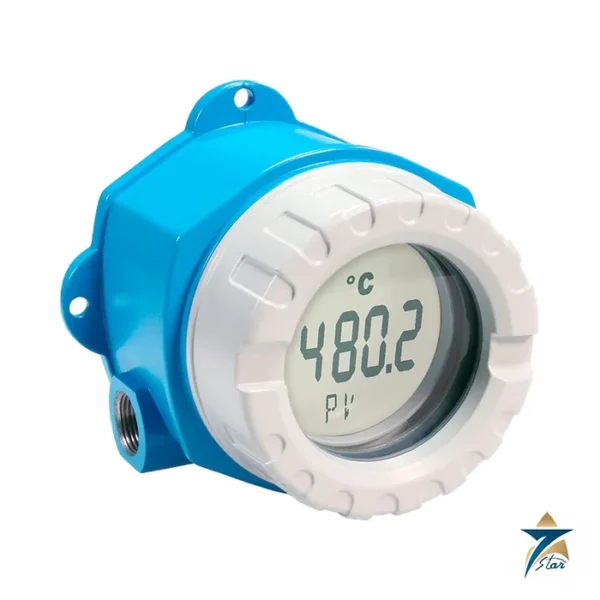
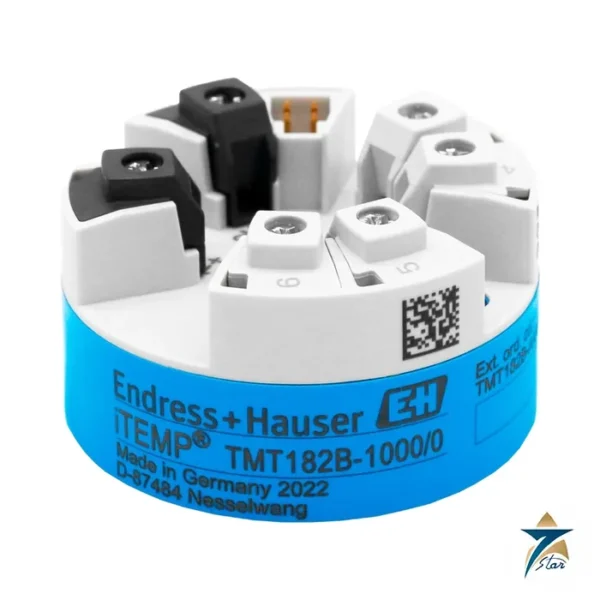
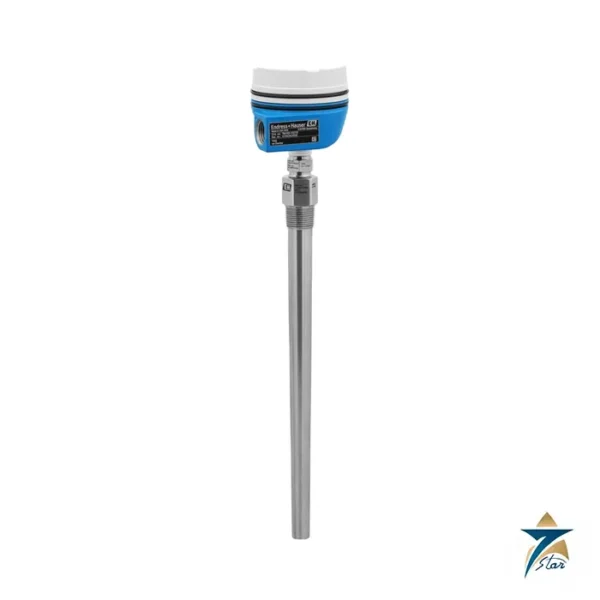
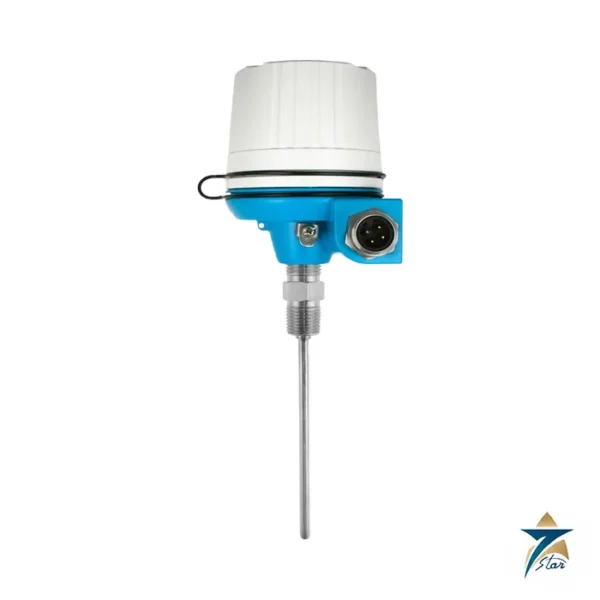
Other Models in the Eh Itherm Multisens Range
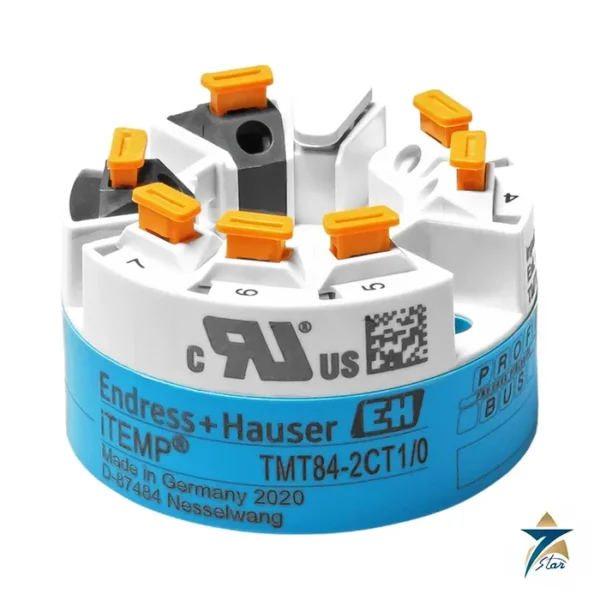
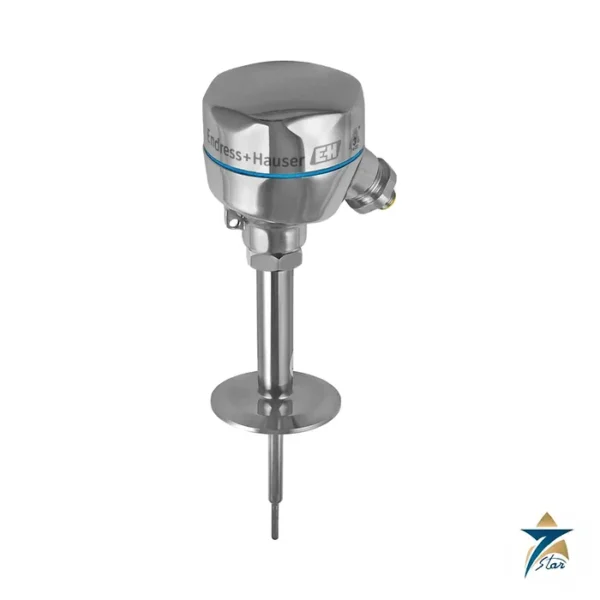
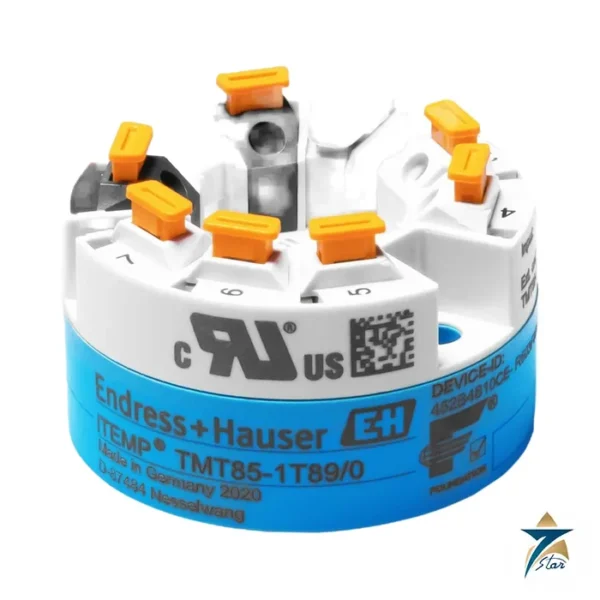
Seven Star LLC supplies models from the Eh Itherm Multisens range in Oman and the GCC. Compare the related models below and request a quote for the one that matches your application.


















Reviews
There are no reviews yet.