TMT31 iTEMP PC-programmable 4–20 mA temperature transmitter
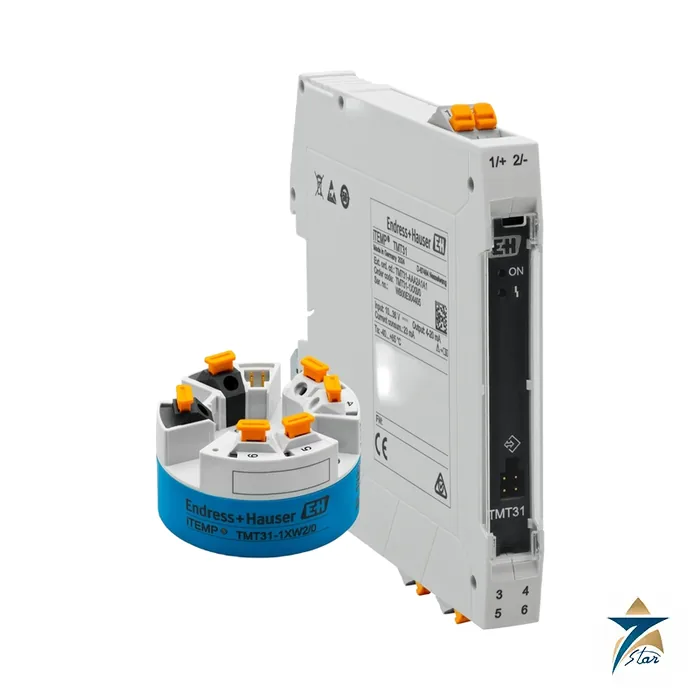
The Endress+Hauser TMT31 is a compact two-wire temperature transmitter with one sensor input and one 4–20 mA output. It is offered in two forms: a head transmitter for terminal head form B to DIN EN 50446, and a slim DIN rail version for a control cabinet. The input is either a Pt100/Pt1000 resistance thermometer or a thermocouple, depending on the version, and the unit is configured from a PC or delivered pre-programmed. Seven Star LLC supplies the TMT31 in Oman and the GCC as an independent supplier in Muscat.
Where the TMT85 is a two-input fieldbus device and the TMT182B adds HART communication, the TMT31 is the straightforward analog member of the iTEMP family. It suits plants that want better accuracy and diagnostics than a directly wired sensor gives, without the cost or commissioning effort of a digital protocol. The technical information describes it as suitable for use in Zone 2 (Ex ec) and Division 2 areas; the exact approval is tied to the ordered version, so check the certificate for the variant you need.
TMT31 technical specifications
| Parameter |
Specification |
| Manufacturer / part number |
Endress+Hauser iTEMP TMT31 |
| Type |
Two-wire transmitter: head transmitter (form B) or DIN rail transmitter (TH35) |
| Input |
1 x RTD (Pt100, Pt1000) or 1 x thermocouple; wire resistance compensation for 2-wire RTD up to 30 Ω |
| Output |
4 to 20 mA or 20 to 4 mA (invertible); failure signals per NAMUR NE 43 |
| Supply voltage |
10 to 36 V DC, protected against polarity reversal (non-hazardous area) |
| Current consumption |
3.5 to 22.5 mA |
| Typical accuracy |
RTD: 0.1 °C or 0.07 % of span in the limited range –50 to 250 °C; 0.15 °C or 0.07 % over the full range (whichever is greater) |
| Response time / update |
0.5 s for RTD and TC, 2 s for cold junction / approx. 500 ms update |
| Galvanic isolation |
1.5 kV AC for 1 minute on thermocouple input, input/output |
| Ambient temperature |
–40 to 85 °C; storage –50 to 100 °C |
| Degree of protection |
Head transmitter: IP 20 (screw) or IP 30 (push-in); DIN rail version IP 20 |
| Vibration |
Head transmitter 10 to 150 Hz at 4 g; DIN rail version 13.2 to 100 Hz at 0.7 g |
| Weight |
Head transmitter 40 to 50 g; DIN rail version approx. 100 g |
| MTTF |
RTD input 418 years; TC input 350 years (theoretical) |
The figures are taken from the manufacturer technical information. For the Ex versions, the supply and ambient limits are given in the separate Ex documentation.
How the TMT31 measures and signals
An RTD input works with 2-, 3- or 4-wire sensors at a sensor current of 0.3 mA or less; 3- and 4-wire connection tolerates up to 50 Ω per wire. A thermocouple input uses an internal Pt1000 cold junction, or an external 2-wire Pt1000 mounted at the terminals for better compensation, or a fixed preset value between –40 and 85 °C. The signal is linearised in the device, filtered with an adjustable first-order filter of 0 to 120 s and a fixed 50/60 Hz line filter, and then driven out as a current.
Fault information follows NAMUR NE 43. The output decreases linearly from 4.0 to 3.8 mA on underrange and rises from 20.0 to 20.5 mA on overrange. A sensor failure drives the current to 3.6 mA or lower (low alarm) or 21 mA or higher (high alarm), which the user can select. Diagnostics include open circuit, short circuit, wiring error, internal faults, range violations, device temperature limits and low supply voltage, and the 4–20 mA output can be simulated for loop checks.
TMT31 measuring ranges by sensor
| Sensor |
Measuring range limits |
Minimum span |
| Pt100 (IEC 60751) |
–200 to 850 °C |
10 K |
| Pt1000 (IEC 60751) |
–200 to 500 °C |
10 K |
| Pt100 (JIS C1604) |
–200 to 510 °C |
10 K |
| Thermocouple type K |
–270 to 1,372 °C |
50 K |
| Thermocouple type J |
–210 to 1,200 °C |
50 K |
| Thermocouple type N |
–270 to 1,300 °C |
50 K |
| Thermocouple type S / R |
–50 to 1,768 °C |
50 K |
| Thermocouple type T |
–200 to 400 °C |
50 K |
The device also supports Callendar-Van Dusen coefficients for a Pt100 so that the transmitter and a calibrated sensor can be matched, and a one-point offset adjustment of the sensor value plus a correction of the 4 and 20 mA points.
Head or DIN rail: choosing the TMT31 form
The head version sits on the insert in a thermometer head, close to the sensor, which keeps the sensor wiring short and lets the long run to the control room carry a robust current signal. The DIN rail version is for cases where the sensor is wired a longer distance to a cabinet. For the DIN rail version with an RTD, shielded cables must be used, and with a thermocouple a shielded cable is needed from 30 m of sensor cable.
Thermocouple measurement with the DIN rail device is sensitive to the installation: mounted alone on a rail it can show deviations of about ±1.3 °C, and more when it sits between other warm modules, so leave space or use an external cold junction. The head transmitter must not be used with a rail clip and remote sensors as a substitute for the DIN rail device.
The two forms also differ in humidity tolerance. Condensation is permitted for the head transmitter but not for the DIN rail transmitter, which is a reason to keep the rail version inside a ventilated, conditioned panel.
Related iTEMP models and spares for TMT31
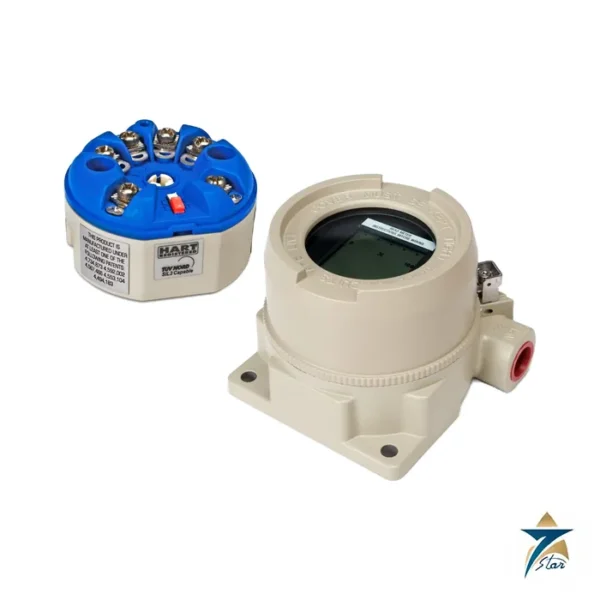
If the loop needs HART, the TMT182B is the nearest single-input alternative and the TMT142B is the field-mounted HART transmitter with a display. The TMT85 is the choice for FOUNDATION Fieldbus. Accessories for the TMT31 include a DIN rail clip adapter (TH35), a DIN mounting set, the US M4 mounting set, and the TXU10 configuration kit with USB interface cable for FieldCare or DeviceCare. A shared stock of head transmitters and a handful of kits lets a maintenance team re-program and swap units quickly.
TMT31 selection and ordering checklist
- Choose RTD input or thermocouple input; the device is built for one or the other.
- State the head or DIN rail version and the terminal design (screw or push-in).
- Give the sensor type and measuring range for pre-programming, or order unprogrammed and configure on site.
- State the required alarm direction (low 3.6 mA or high 21 mA) and any filter or damping setting.
- Define the hazardous-area approval, if any, and whether Zone 2 or Division 2 applies.
- Check the loop supply: 10 to 36 V DC with enough compliance for the load.
- Plan configuration: the TXU10 kit and a PC with the free configuration software are required for changes.
Installation and commissioning of the TMT31
Fit the head transmitter on the thermometer insert with the spring-loaded screws, making sure the head has enough free depth. Terminal cross-sections are up to 1.5 mm² for screw terminals and 0.2 to 1.5 mm² for push-in terminals, with ferrules for flexible conductors of 0.3 mm² or less. Connect the sensor, then the loop supply, and read the loop current at the first power-up: the output stays at 3.8 mA or below for up to 5 s while the device starts.
Use the output simulation to check the DCS scaling at 4, 12 and 20 mA, then confirm the alarm behaviour by disconnecting the sensor on a test basis. On the DIN rail version a green LED shows correct supply, and a red LED shows a diagnostic category message. Record the configuration with the loop documents so that a replacement can be programmed identically.
TMT31 in Oman and GCC plants
Analog 4–20 mA transmitters remain the workhorse for utility and balance-of-plant temperature points. The TMT31 is typically used on cooling-water and chilled-water loops, lube-oil and seal-oil systems, boiler feedwater and desalination plant heat-recovery stages, HVAC and process skids. The DIN rail version works well in marshalling cabinets for packaged units, where sensors are wired in from several metres away.
In Gulf conditions it is worth remembering that the head transmitter is rated for 85 °C ambient while a metal terminal head in direct sun can run hotter than the air. Use a shaded location or a thermowell with enough lagging distance, and keep cable glands sealed against dust and moisture.
What to send with your TMT31 RFQ
- Complete order code or nameplate photo of the unit being replaced.
- Head transmitter or DIN rail version, and screw or push-in terminals.
- Sensor type, connection and the required range.
- Hazardous-area details and approval.
- Quantity, delivery location and urgency.
- Whether the TXU10 configuration kit or mounting accessories are needed.
Documents and quotation
A datasheet (Technical Information) for the TMT31 is attached on this page, covering the input ranges, accuracy tables, drift data and installation notes.
To request a quotation, send the order code or your requirement from the checklist above, and Seven Star LLC will confirm availability and lead time for Oman and the GCC.
Other Models in the Itemp Transmitter Range
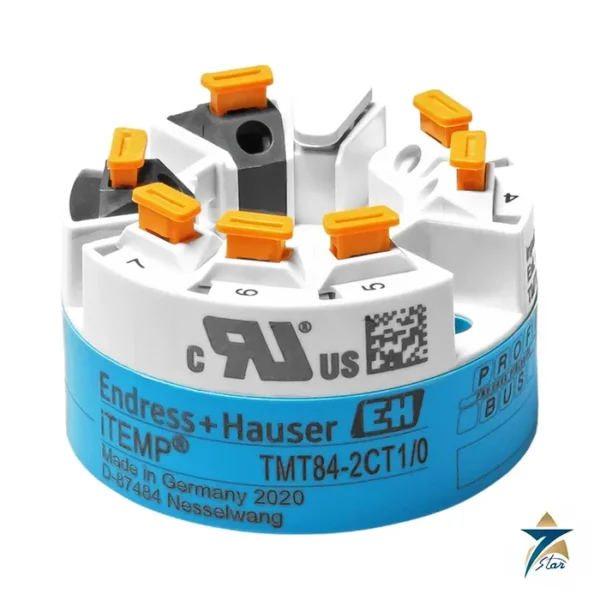
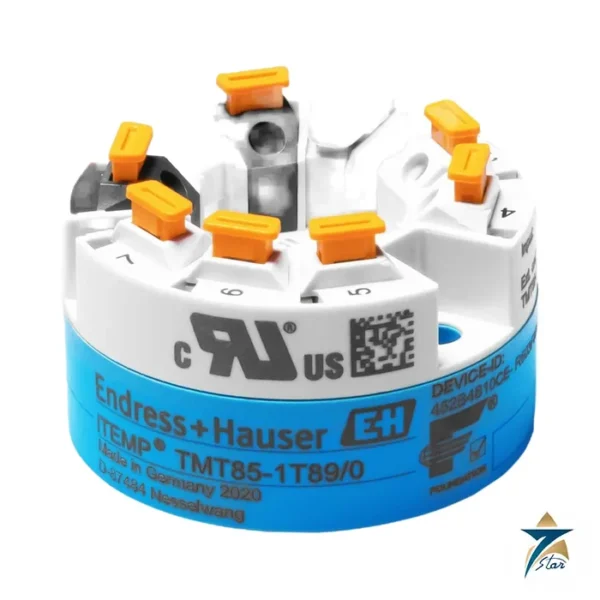
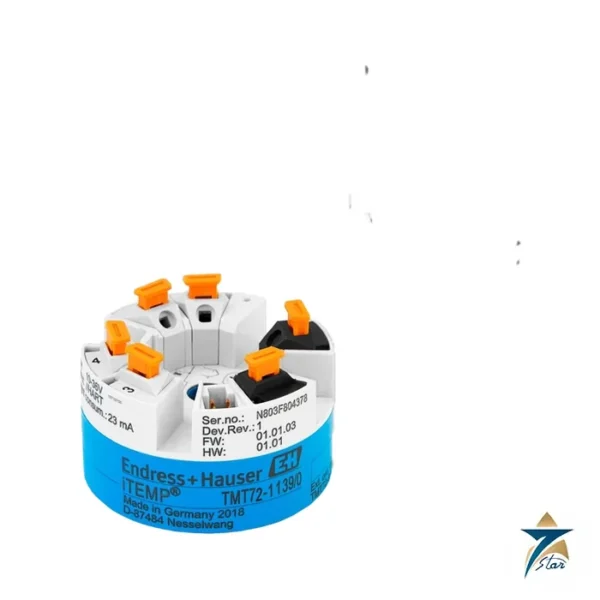
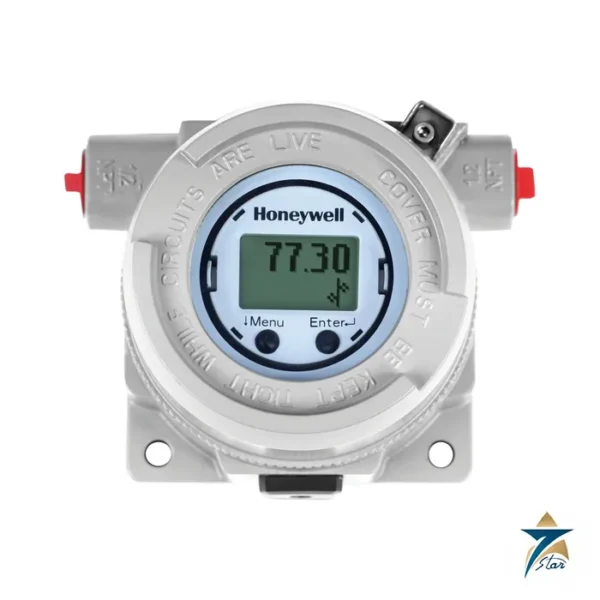
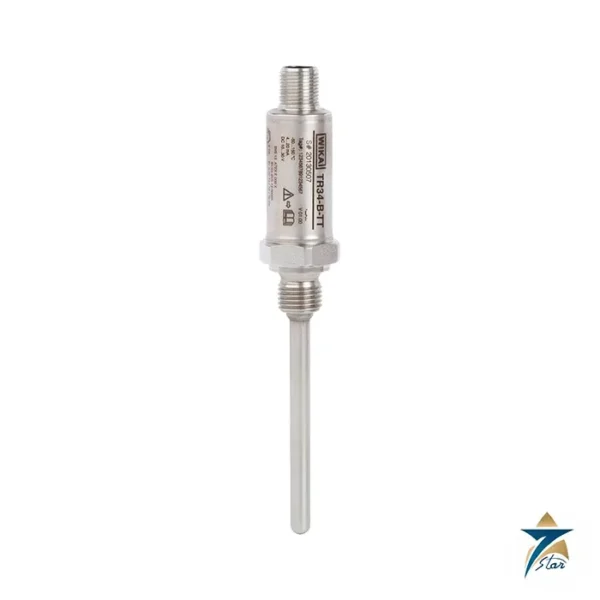
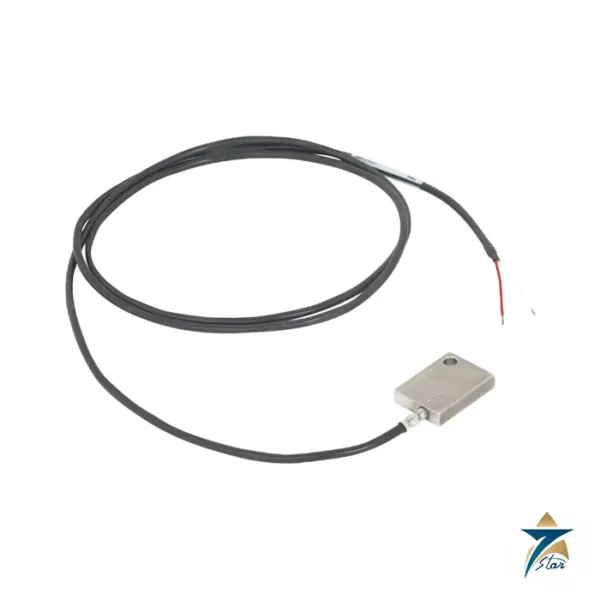
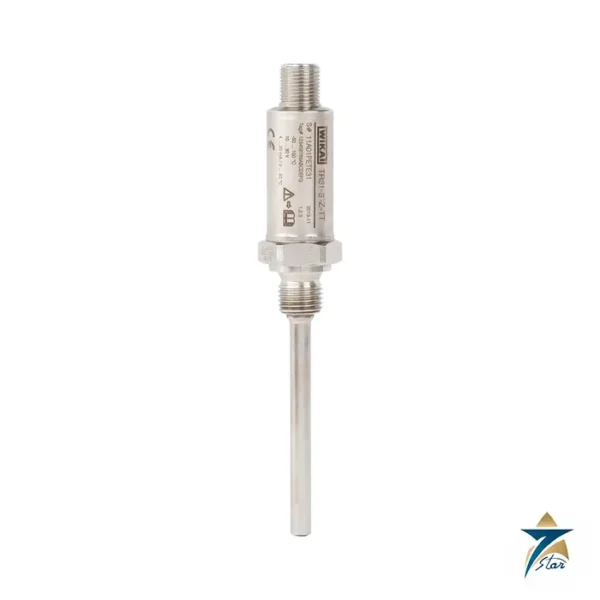
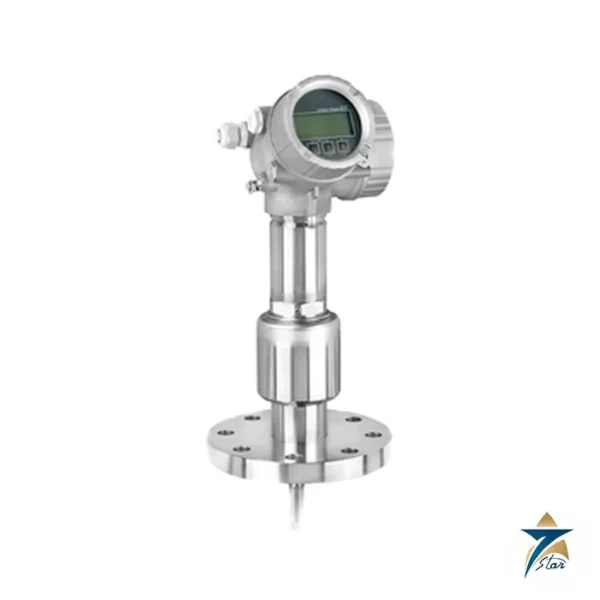
Seven Star LLC supplies models from the Itemp Transmitter range in Oman and the GCC. Compare the related models below and request a quote for the one that matches your application.
























Reviews
There are no reviews yet.