TH12 RTD cable probe: what it is and how it differs from the TH11
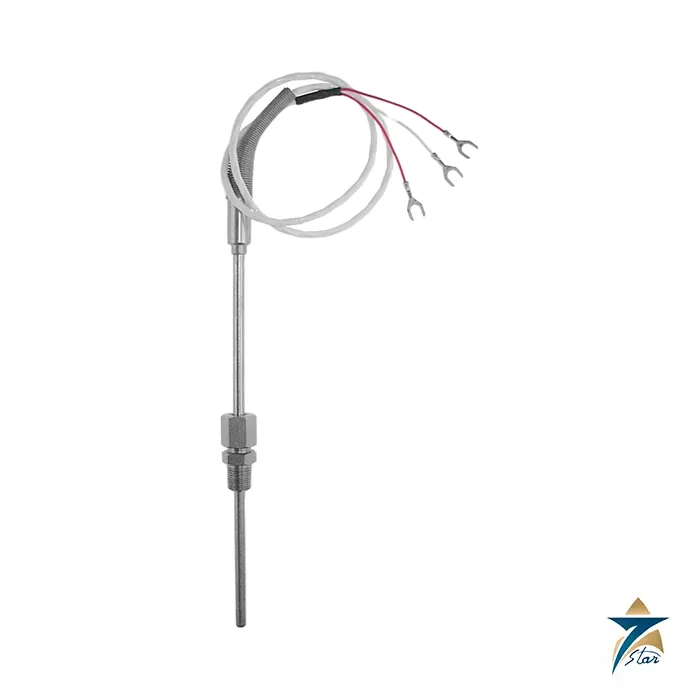
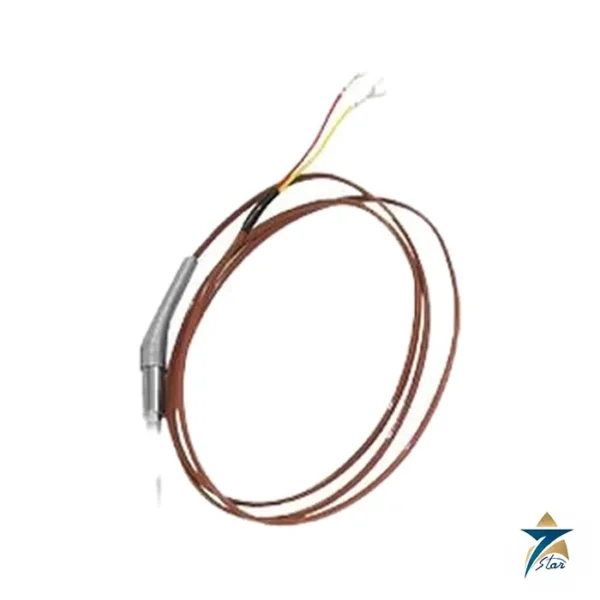
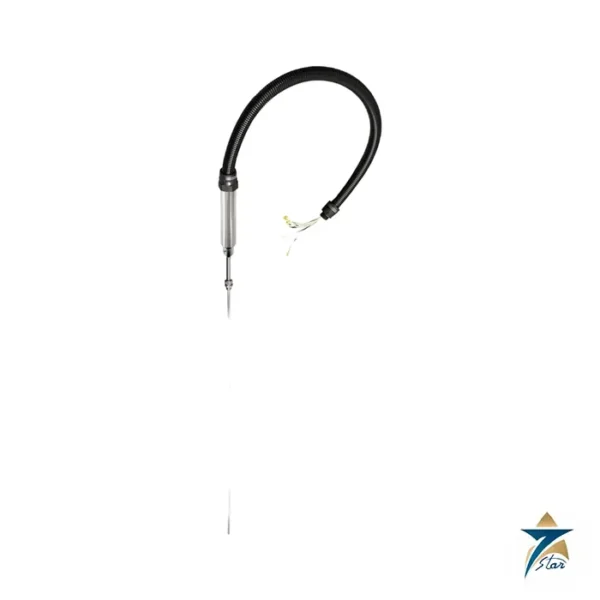
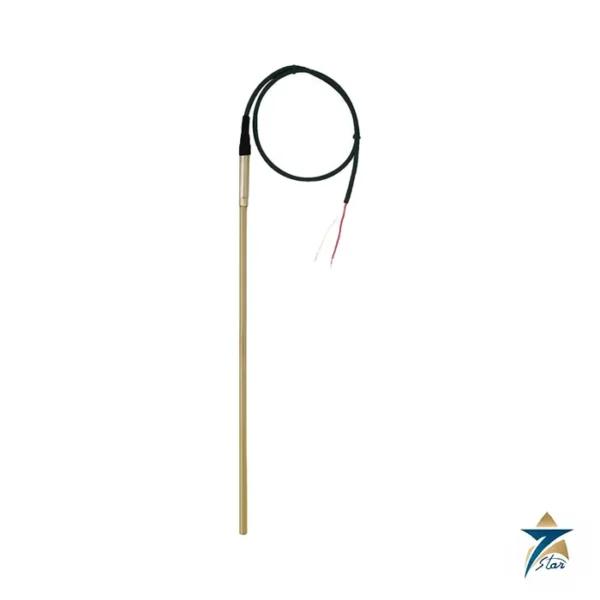
The Endress+Hauser TH12 is a general-purpose Pt100 resistance thermometer in the iTHERM range, built as a cable probe: a stainless sheathed sensor tube with flexible extension lead wires instead of a terminal head. It shares a technical datasheet with its sibling, the TH11. The TH11 ends in a threaded or plain stem with a terminal head, while the TH12 ends in a spring-relief transition and a length of insulated wire with stripped ends or spade lugs, and an optional compression fitting on the stem.
That makes the TH12 the choice for places where a head would be in the way or exposed: tight machinery spaces, bearing and winding temperature points, ducts and ovens, and laboratory or skid work where the wires run straight to a junction box or a transmitter. It is not designed to be inserted into a thermowell; the datasheet states that it is not intended for use with one, and is fitted directly into the process, usually through the compression fitting. Seven Star LLC supplies the TH12 in Oman and the GCC as an independent supplier in Muscat.
TH12 technical specifications
| Parameter |
Specification |
| Manufacturer / part number |
Endress+Hauser / TH12 (iTHERM RTD cable probe, US style) |
| Sensor |
Pt100 RTD per IEC 60751, α = 0.003851 °C-1, single or duplex element |
| Low range (thin film, TF) |
–50 to +200 °C (–58 to +392 °F) |
| High range (wire wound, WW) |
–200 to +600 °C (–328 to +1 112 °F) |
| Accuracy classes |
Class A and class B per IEC 60751 (see class limits below) |
| Response time (63 %) |
2 s for the high-range 1/8 in sensor; see response table |
| Sheath diameters |
1/8, 3/16, 1/4 in, and 3/8 in reduced to 3/16 in at the tip |
| Immersion length X |
Standard 6, 12, 18 and 24 in; specified 2 to 96 in in 1/2 in steps |
| Lead wire length B |
Standard 48, 72 and 120 in; specified 12 to 300 in in 12 in steps |
| Process connection |
None, or re-adjustable or one-time adjustable compression fitting |
| Static pressure |
40 bar (580 psi) at 20 °C, depending on configuration |
| Vibration |
4 g, 2 to 150 Hz per IEC 60068-2-6 |
Measuring principle of the TH12 and the two sensor constructions
A Pt100 element is a platinum resistor of 100 Ω at 0 °C, whose resistance rises predictably with temperature. The TH12 uses two kinds of element. The wire-wound (WW) sensor has a fine platinum coil in a ceramic support and is the accurate, long-term-stable type for the full –200 to +600 °C range; it is larger and less tolerant of vibration. The thin-film (TF) sensor is a platinum layer on a ceramic substrate, a smaller and more vibration-resistant element for the –50 to +200 °C range. TF elements follow the tight class A limits of IEC 60751 only up to a lower temperature than WW, a point to remember when your range is wide.
The construction inside the sheath follows the range. Low-range probes use silver-plated copper internal leads with PTFE insulation and moisture-resistant potting. High-range probes use nickel internal leads inside swaged magnesium-oxide insulated cable. Class limits shown in the datasheet are: wire-wound class AA from –50 to +250 °C and class A from –100 to +450 °C; thin-film class AA from 0 to +150 °C and class A from –30 to +300 °C.
Response time and sheath size on the TH12
Response is quoted as the 63 % value according to ASTM E644, for the sensor assembly without a transmitter. A smaller sheath reacts faster, while a larger one is stiffer and more robust:
| Construction |
1/8 in |
3/16 in |
1/4 in |
3/8 in reduced to 3/16 in |
| High temperature range (WW) |
2 s |
2 s |
3 s |
not available |
| Low temperature range (TF) |
3 s |
7 s |
9 s |
6 s |
The wall thickness increases with sheath size from 0.014 in (1/8 in) through 0.022 and 0.029 in to 0.045 in (3/8 in). The datasheet recommends an immersion of at least ten times the nominal sheath diameter to limit heat-conduction error.
Electrical connection and the TH12 wire
The extension wire is 24 AWG, seven-strand silver-plated copper with PTFE insulation and an additional FEP outer jacket; the 1/8 in sensors use 28 AWG. A flexible armour jacket of 304 stainless steel with square-lock profile is shown in the datasheet, and the extension cable is rated to +200 °C. The wire ends are stripped, or stripped with spade lugs, and a spring relief protects the transition where the sheath meets the wire. Connect two-, three- or four-wire according to the instrument; three- or four-wire connections remove lead-resistance error on long runs, which is relevant when the cable is 10 m or more.
The TH12 can be wired straight to a DCS input card, or to an iTEMP head or field transmitter for a 4–20 mA, HART, PROFIBUS PA, FOUNDATION Fieldbus or other digital signal. Self-heating is negligible with a transmitter because the measuring current is very small.
Related parts and where the TH12 fits
Within the same modular range, the TH11 is the headed RTD, the TH52 is the matching thermocouple cable probe, and the TH51 and TH56 are the other thermocouple styles. Choose the TH12 over the TH52 when you want an RTD with higher accuracy and stability below 600 °C, and the TH52 when you need higher temperature or faster response. The compression fittings and accessories listed in the datasheet include a threaded fitting, a mounting bracket for tube diameters between 1.5 and 3 in, a cable gland and a cable-entry adapter.
How to select a TH12
- Range: pick WW for –200 to +600 °C or for the best accuracy, TF for –50 to +200 °C or for higher vibration.
- Class: class A or B, mindful that class A for TF is limited in temperature span.
- Elements: single or duplex; duplex gives a spare or a separate input for safety or monitoring.
- Sheath size: faster response in 1/8 in; stiffness and longer lengths in 1/4 in or 3/8 in reduced.
- Length: immersion X and wire length B, remembering that the lead wire must remain below +200 °C.
- Fitting: none, re-adjustable (FEP ferrule) or one-time (stainless ferrule), with 1/8, 1/4 or 1/2 NPT thread.
- Termination: stripped leads or spade lugs, and wire count matched to the receiving instrument.
Installation, commissioning and maintenance
Install with the sensor tip in the medium and at least ten sheath diameters immersed. Do not bend the sheath near the tip or at the compression fitting; for a high-range sensor, keep a gentle radius. A compression fitting with an FEP ferrule can be adjusted and reused, while a stainless ferrule sets permanently on the sheath. Route the wire away from power cables and fix it so that vibration is not transferred to the transition.
At commissioning, check insulation resistance of the sensor to the sheath and confirm the resistance at ambient temperature against the Pt100 table. Calibration points from –20 to +300 °C are offered by the manufacturer according to ITS-90, and a certificate refers to the serial number of the assembly. Because the probe is a sealed unit, repair means replacement; stocking one spare of each sheath and length makes this simple.
TH12 applications in Oman and the GCC
The TH12 is frequently used for compact measurement tasks such as heat exchangers, power and heat-recovery areas, carbon regeneration furnaces and dryers, flue-gas ducts, compressor stations and process reactors, all named in the datasheet. In Oman that typically means compressor skids and package units in oil and gas, utility equipment in desalination and power plants, and process dryers in industrial zones. In outdoor heat and dust, the cable and the junction box matter as much as the sensor, so choose PTFE and FEP jacketed wire with a suitable gland and keep connections away from direct sun and hot surfaces.
Information to send with a TH12 RFQ
- TH12 and the order code of the unit being replaced, if any
- Temperature range and required accuracy class
- Single or duplex element and the wire count
- Sheath diameter, immersion length X and wire length B
- Compression fitting size and type, if required
- Lead termination (stripped or spade lugs)
- Transmitter or instrument the probe will connect to
- Quantity and delivery site
Documents and quotation
A datasheet for the TH12 and TH11 is attached on this page, covering performance, dimensions and wire details.
To get a quotation, send the TH12 part number and the information above to Seven Star LLC, and we will confirm the configuration, lead time and available documents.
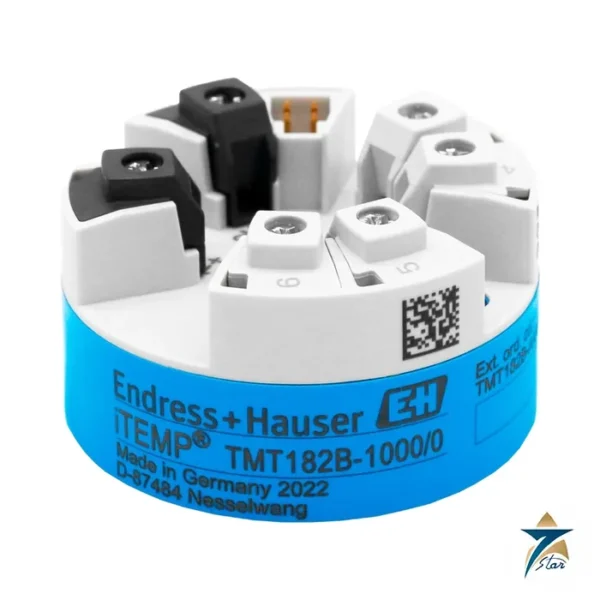
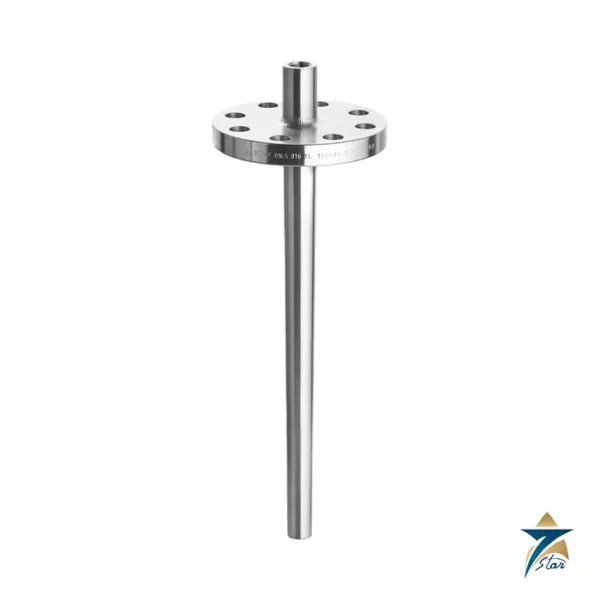
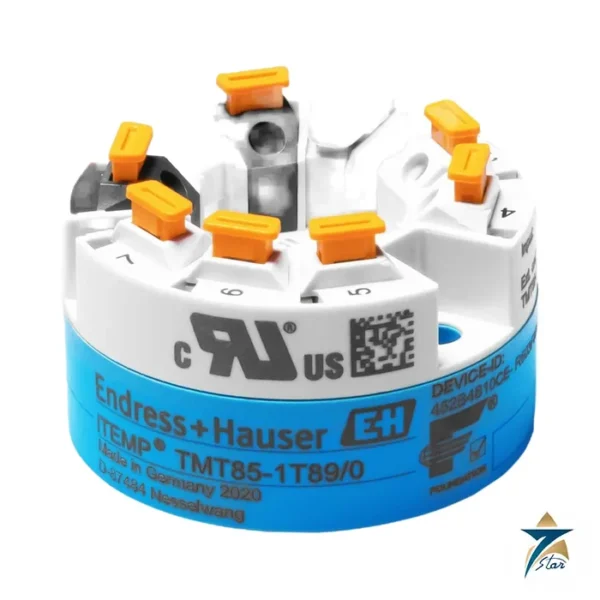
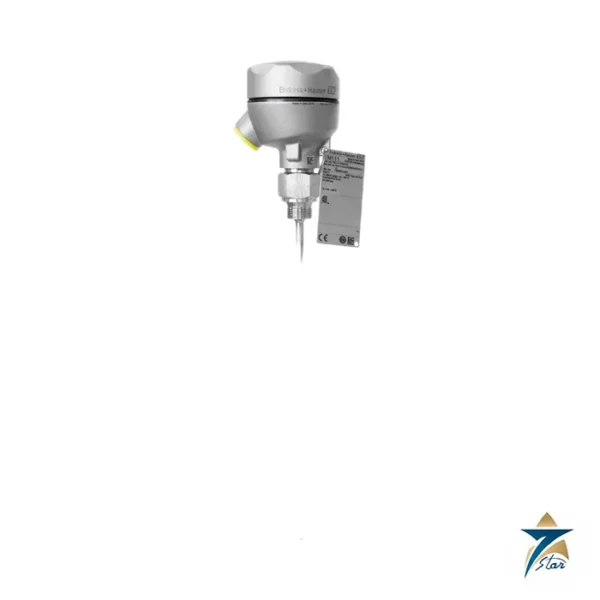
Other Models in the Itherm Th Cable Probe Range
Seven Star LLC supplies models from the Itherm Th Cable Probe range in Oman and the GCC. Compare the related models below and request a quote for the one that matches your application.



















Reviews
There are no reviews yet.