TT151 barstock thermowell and what its design options mean
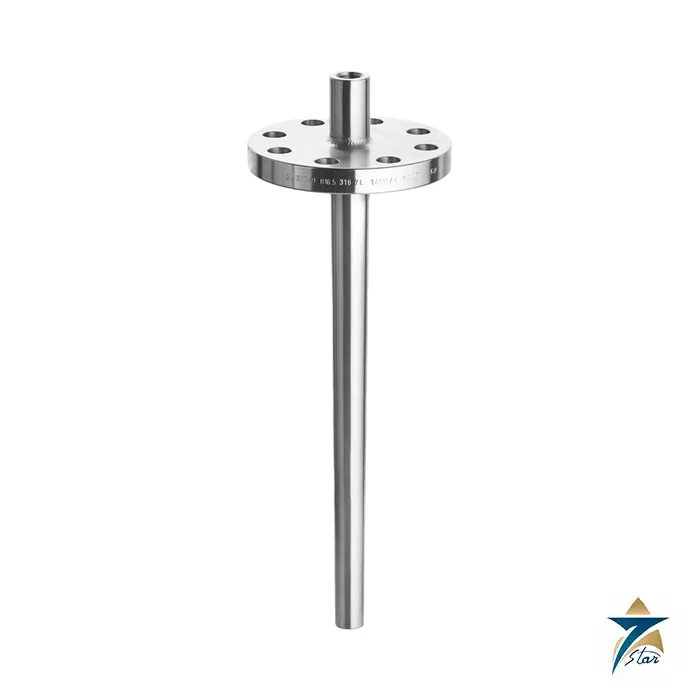
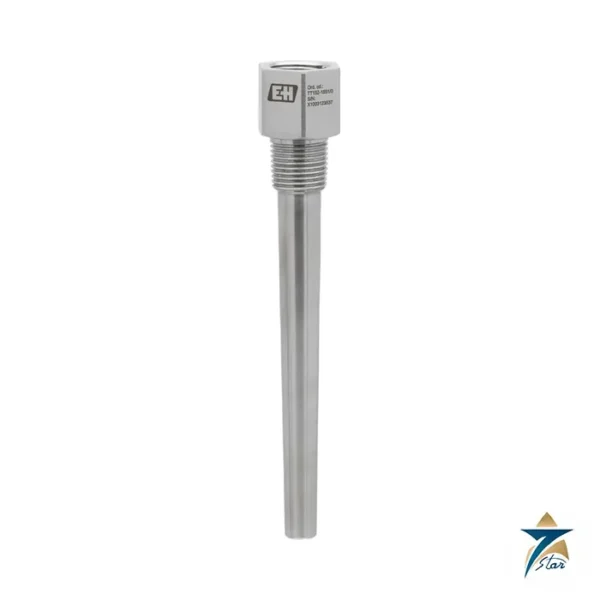
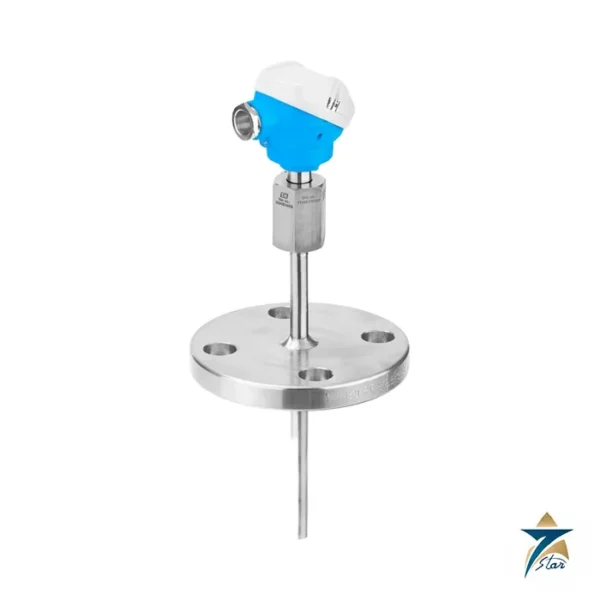
The Endress+Hauser TT151 is a metric barstock thermowell from the iTHERM ModuLine range. Each unit is machined from a solid round bar, with the bore drilled along the axis, so there is no longitudinal weld in the pressure-bearing wall. That is the reason it is chosen for hard duty: the datasheet quotes a pressure range up to 500 bar (7 252 psi), a process temperature range of –200 to +1 100 °C depending on type and material, and a root diameter from 9 to 50 mm.
What distinguishes the TT151 inside its own family is the modular approach to standards. It can be configured as a DIN 43772 style thermowell, as an ASME B40.9 based design, as a NAMUR NE170 form, or as a universal version that mixes dimensions freely. Seven Star LLC supplies the TT151 in Oman and the GCC as an independent supplier in Muscat; because the range is built to order, we work from your process data to define the exact variant.
TT151 specifications at a glance
| Parameter |
Specification |
| Manufacturer / part number |
Endress+Hauser / TT151 (iTHERM ModuLine barstock thermowell) |
| Construction |
Machined from solid round bar; flanged, threaded, weld-in or socket-weld process connection |
| Design standards |
DIN 43772, ASME B40.9 based, NAMUR NE170 or flexible universal version |
| Process temperature |
–200 to +1 100 °C (–328 to +2 012 °F), depending on type and material |
| Process pressure |
Up to 500 bar (7 252 psi); threads 400 bar at 400 °C; flange per its pressure class |
| Root diameter |
9 to 50 mm |
| Tip shapes |
Straight, tapered or stepped; iTHERM TwistWell helical shaft as an option |
| Surface finish |
Standard Ra ≤ 1.6 µm; honed and buffed option Ra ≤ 0.76 µm |
| Thermometer connection |
Female M14x1.5, M18x1.5, M20x1.5, M27x2, G 1/2, G 3/4, 1/2 NPT, 1/2 NPSC or 1/2 NPSM |
| Weight |
0.5 to 37 kg for standard options |
How a TT151 handles pressure, flow and vibration
Pressure rating is not one number. A weld-in or socket-weld TT151 can reach 500 bar, but a flanged one is limited by the flange class (the datasheet lists EN 1092-1 and ISO 7005-1 PN ratings and ASME B16.5 classes from 150 up to 2500, plus JIS 10K), and a threaded one is limited at the thread, with 400 bar at 400 °C quoted. Always take the lowest of the connection, the stem and the temperature derating.
In flowing media the stem sheds vortices. When the shedding frequency approaches the natural frequency of the thermowell, the stem can fatigue and fail. A tapered or stepped shank raises the natural frequency, and the iTHERM TwistWell option, with helical coils on the shaft, is designed to reduce vortex-induced vibration in high-velocity service. The datasheet also shows how forged flanged versions avoid welded flange seams, which suits extreme fatigue duty. The manufacturer offers a thermowell calculation tool to check mechanical loading against your installation and process conditions, and you should run it for every steam, gas or high-velocity liquid point.
TT151 dimensions, forms and compatibility with inserts
Dimensional ranges depend on the design standard chosen. For ASME based designs, the datasheet gives the following ranges for straight and tapered shanks, and a narrower set for stepped shanks:
| Dimension |
Straight and tapered |
Stepped |
| Immersion length U |
64 to 609 mm |
127 to 609 mm |
| Lagging length T |
70 to 300 mm |
75 to 300 mm |
| Lagging diameter |
18 to 50 mm |
18 to 50 mm |
| Root diameter D1 |
16 to 46.5 mm |
16 to 38 mm, tied to tip size |
| Tip diameter D2 |
9.2 to 46.5 mm or equal to root |
12.7 or 22.2 mm |
| Standard tip thickness |
6 mm (5 to 12 mm optional) |
6 mm (5 to 12 mm optional) |
For NAMUR NE170 the forms NF1, NF2 and NF3 have immersion lengths of 165, 225 and 285 mm, designed for inserts of 315, 375 and 435 mm. The DIN 43772 forms 3F1 to 3F3 use 225, 285 and 345 mm. Check these pairings when you order a replacement insert for an existing point, since the insert length and thermowell length must match.
Choosing TT151 materials and process connections
The datasheet lists a broad material pool: 316, 316L, 316Ti, 347, 310, Alloy 600, Alloy C276, low-alloy chrome-moly grades 10CrMo9-10 and 13CrMo4-5, carbon steels such as A105, C22.8 and 16Mo3, duplex, titanium Grade 2 and dual-rated 316/316L, with availability depending on connection type. Nickel alloys on flanged connections may come as a raised face of the alloy welded onto a 316L flange, shown in the order code with the > sign.
Match the material to temperature first, then corrosion. The chrome-moly steels are the traditional match for hot steam piping because they carry the same alloy as the pipe, while 316L and 316Ti are general-purpose choices. The final material list for a specific diameter and connection must be taken from the configuration, as not every combination is offered.
TT151 selection and ordering checklist
- Standard: DIN, ASME, NAMUR or universal, so that flange, thread and insert length all agree with the existing point.
- Mounting style: flanged, threaded, weld-in or socket weld, with the nozzle or piping class it must match.
- Shank geometry: straight, tapered or stepped, and whether a TwistWell helical shaft is needed.
- Immersion and lagging length: immersion U from the process, lagging T from insulation thickness and flange height.
- Bore: bore diameter (3.5 to 10 mm in the ASME range) sized for the insert.
- Surface and tip thickness: default or honed finish, standard or thicker tip where erosion is a risk.
- Head thread: the female thread must suit the neck, extension or terminal head already in stock.
Installation and maintenance of a TT151
The TT151 can be mounted in any orientation, provided self-draining is possible where the medium could pool. Weld-in and socket-weld versions are fitted into a prepared nozzle by a qualified welder, with procedure and inspection set by the piping class, so agree the weld preparation and any post-weld checks before delivery. Flanged units need the correct gasket and bolts for the class, and threaded ones need the thread sealing method specified for the service.
After commissioning, schedule a visual or dimensional inspection of high-velocity points at turnarounds and examine the tip and root for erosion or cracking. Keep the insert and thermowell lengths documented, and retain the manufacturer drawing, because replacing a worn stem is much easier when the original geometry and material are known.
TT151 applications in Oman and the GCC
Barstock thermowells like the TT151 are used where pressure, temperature or flow are demanding: main steam and boiler-feed lines in power and cogeneration plants, high-pressure separators and gas headers in oil and gas, reactor and furnace outlets in petrochemical units, and flashing or high-velocity lines in desalination plants. In the Gulf these points are typically hot and outdoors, so the combination of a thicker wall, a flange or weld-in connection and a well-sealed head is what makes them workable.
For heat-resistant steam duty, a chrome-moly stem matching the pipe is the usual choice, while for sour or chloride-rich media the nickel alloys and duplex options are discussed with the process engineer. We can help you compare these on a specification basis once the process data are known.
TT151 versus the neighbouring thermowells
The TT131 is the welded, lower-pressure option in the same iTHERM family, with a pressure range up to 100 bar. The TT152 is the barstock design in imperial dimensions based on ASME B40.9, with root diameters from 5/8 to 1 1/2 in. The TT151 is the metric barstock choice and the one with the widest set of standards, from 9 to 50 mm root diameter. If your existing points are in inches, the TT152 may fit your spares better; if they are metric or DIN based, the TT151 is the natural fit.
Information to send with a TT151 RFQ
- TT151 with the existing tag or full order code if you are replacing a unit
- Medium, design temperature, design pressure and flow velocity
- Design standard (DIN, ASME, NAMUR or universal) and form number if applicable
- Process connection with size and rating, or weld-in dimensions
- Immersion length U, lagging length T, root and tip diameter, bore
- Material for stem and connection, with certificate requirements
- Head-side thread and the insert it must accept
- Quantity and delivery site
Documents and quotation
A datasheet for the TT151 is attached on this page. It contains the dimension tables and the connection data that you will need to check against your piping specification.
To request a quotation, send the TT151 part number and the data listed above to Seven Star LLC. We will confirm the configuration, lead time and the documents that can be provided for your order.
Other Models in the Itherm Modluine Thermowell Range
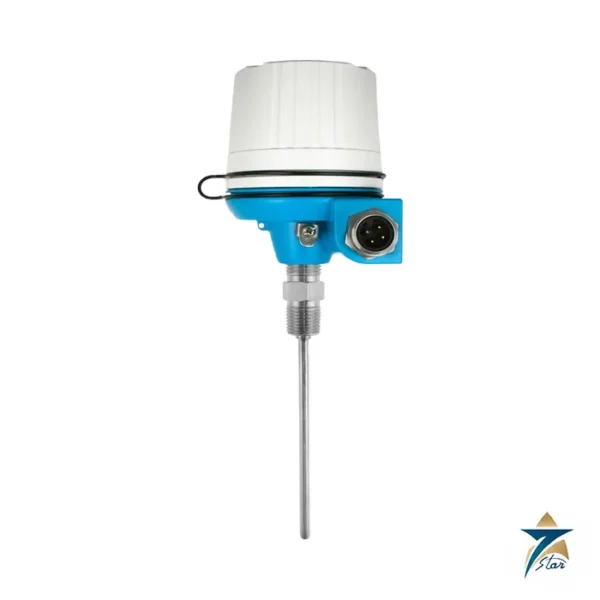
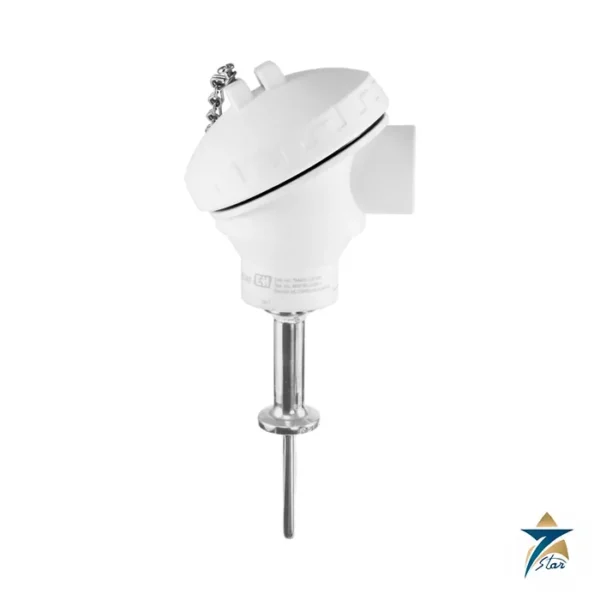
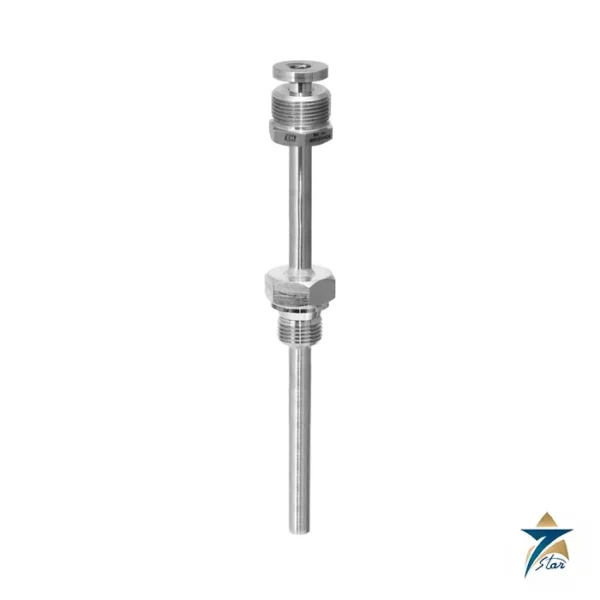
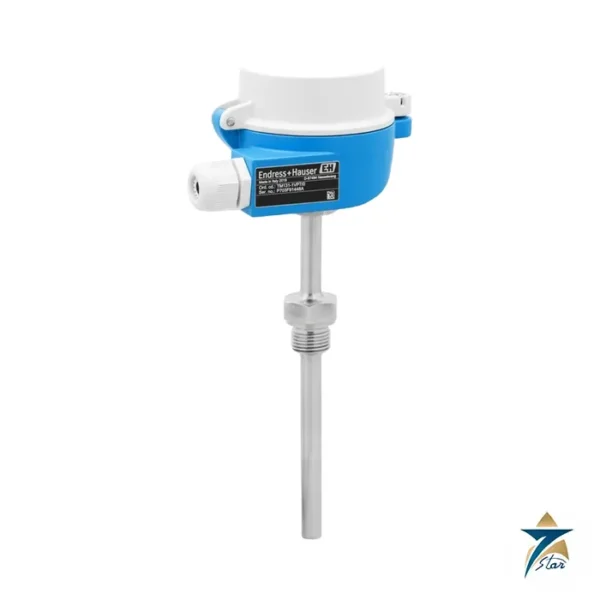
Seven Star LLC supplies models from the Itherm Modluine Thermowell range in Oman and the GCC. Compare the related models below and request a quote for the one that matches your application.


















Reviews
There are no reviews yet.