Endress+Hauser FTL62 coated Liquiphant level switch for aggressive liquids
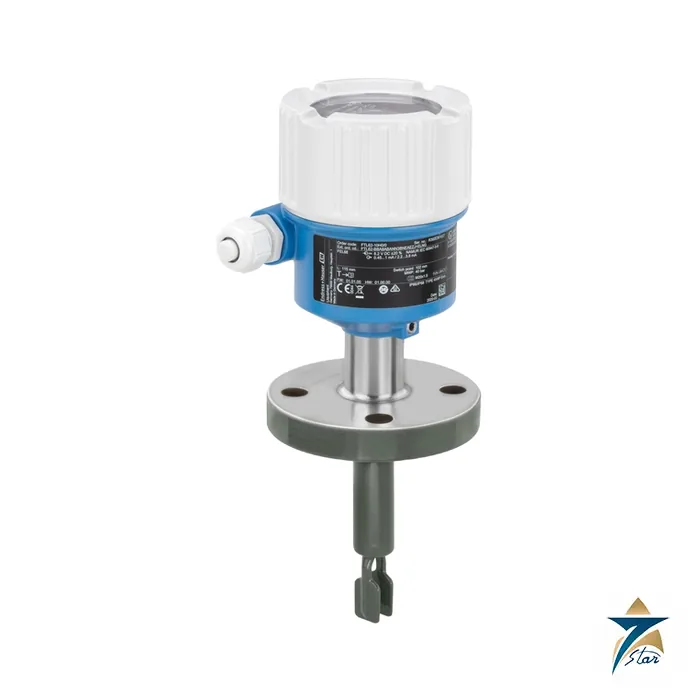
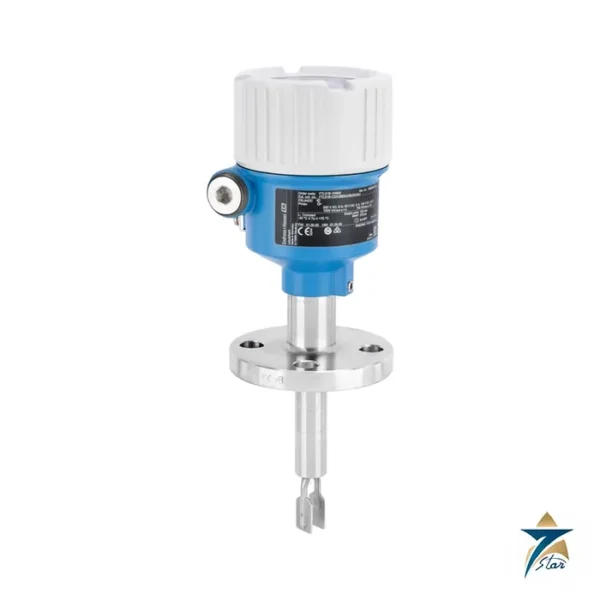
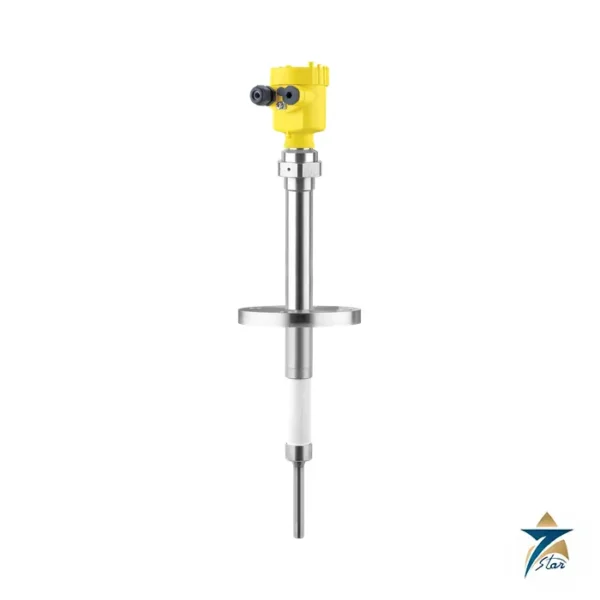
The Endress+Hauser FTL62 is a vibronic point level switch whose fork and pipe extension carry a protective coating, so it can be used where bare stainless steel would corrode. The coating is either a plastic (ECTFE or PFA) or glass enamel. The FTL62 detects minimum or maximum level in tanks, vessels and pipes, and versions are available for hazardous areas. Seven Star LLC supplies the FTL62 in Oman and the GCC as an independent supplier in Muscat.
Within the Liquiphant range the FTL62 is the coated sibling of the FTL51B. The current datasheet for the FTL62 describes the HART (4–20 mA with SIO mode) and PROFINET over Ethernet-APL versions, with a process temperature of –50 to +150 °C and a pressure of up to 40 bar. The manufacturer’s product page for the series also lists AC, DC-PNP, relay, NAMUR and PFM outputs, so the output type must be confirmed from the order code.
FTL62 technical specifications
| Parameter |
Specification |
| Manufacturer / part number |
Endress+Hauser / FTL62 (coated Liquiphant vibronic level switch) |
| Measuring principle |
Vibronic tuning fork, point level for liquids |
| Coating options |
ECTFE (HALAR), PFA (Edlon, RubyRed or conductive), or enamel |
| Process temperature |
ECTFE –50 to +120 °C; PFA and enamel –50 to +150 °C |
| Process pressure |
ECTFE and PFA –1 to 40 bar; enamel –1 to 25 bar (flange rating may be lower) |
| Sensor length |
Plastic coating up to 3 m (9.8 ft); enamel up to 1.2 m (3.9 ft) |
| Coating thickness |
ECTFE 0.5 to 1.6 mm; PFA 0.45 to 1.6 mm; enamel 0.4 to 0.8 mm |
| Carrier materials |
316L (plastic coating) or Alloy C4 (enamel); flanges 316L or A516 Gr.60 for enamel |
| Medium density |
Above 0.7 g/cm³ as delivered; 0.5 and 0.4 g/cm³ as preset or configurable |
| Viscosity / solids |
Up to 10,000 mPa·s; particles up to 5 mm |
| Accuracy |
Plastic: –0.2 to –1.2 mm; enamel: 0 to 0.9 mm at reference; non-repeatability 0.5 mm |
| Hysteresis |
2.5 mm for plastic coating; 3.5 mm for enamel |
| Outputs described |
4–20 mA HART with 8/16 mA SIO mode; PROFINET over Ethernet-APL (10BASE-T1L) |
| Supply |
HART 10.5 to 35 V DC (10.5 to 30 V Ex i); APL power class A, 9.6 to 15 V, 540 mW |
| Ambient temperature |
–40 to +70 °C; optional –50 or –60 °C with HART |
| Functional safety |
Up to SIL 2 / SIL 3 per IEC 61508 with HART version |
Principle of the FTL62 and the effect of the coating
As on every Liquiphant, a fork oscillates at its natural frequency and the frequency falls when liquid covers it. The FTL62 electronics watch that frequency, switch the output and, in the HART version, also report sensor frequency, fork state and sensor temperature as device variables. Coating adds thickness to the fork, so the switch point sits slightly lower than on an uncoated fork: roughly 6 mm from the fork tip for plastic and 5 mm for enamel when mounted from above in water.
The coating material determines the use. ECTFE is a thermoplastic fluoropolymer with good chemical resistance and abrasion performance, common in chemical plants. PFA has similar chemistry with a higher temperature capability, and the conductive PFA version is developed for explosive atmospheres. The Edlon grade is described as FDA compliant under 21 CFR 177.1550/2600. Enamel is glass-like, acid-resistant and tolerates high temperature, but it has low resistance to impact and should be handled and installed with care.
FTL62 electronics, communication and diagnostics
- HART version: 4–20 mA proportional to oscillation frequency, or 8/16 mA SIO mode; NAMUR NE 43 range 3.8 to 20.5 mA by default; alarm current below 3.6 mA or adjustable to 21.5–23 mA.
- HART dead time 100 ms on the current output and damping adjustable from 0 to 999 s; minimum loop load 250 Ω for communication.
- Ethernet-APL version: 10 Mbit/s two-wire connection, dead time up to 32 ms, integrated web server and a device master file for the PROFINET controller.
- Switching delay: 0.5 s covered and 1.0 s uncovered by default, other presets orderable, and user settable from 1 to 60 s.
- Optional local graphic display, Bluetooth wireless access with the SmartBlue app, and Heartbeat verification and monitoring without interrupting the process.
Related models and what separates them from the FTL62
The FTL51B is the uncoated 316L general-purpose switch and is the better choice when the liquid does not attack stainless steel. The FTL64 covers pressures to 100 bar and temperatures to 280 °C and offers a conductive PFA coating for very aggressive media at up to 230 °C. The FailSafe FTL85 uses the same ECTFE, PFA or enamel coatings as the FTL62 but adds a 4–20 mA live-signal loop for SIL 3 overfill protection. Select the FTL62 when you need coating, standard HART or Ethernet-APL communication, and an output that follows your DCS or PLC standard.
FTL62 selection and ordering checklist
- Medium and concentration, to choose between ECTFE, PFA and enamel; for acids or chlorides give exact composition.
- Maximum process temperature, as ECTFE stops at 120 °C while PFA and enamel reach 150 °C.
- Operating pressure, bearing in mind the 25 bar enamel limit and the lower flange rating.
- Probe length: 3 m maximum for plastic, 1.2 m for enamel, plus nozzle length.
- Process connection: coated flanges from DN 25, 1 in or JIS 10K 50A.
- Communication: HART, Ethernet-APL or the relay, NAMUR or PFM variants from the series page.
- Housing (plastic, aluminum or 316L), display, Bluetooth, cable entry or M12 plug.
- Ex approval and gas group, noting that the coating affects the approved IIB or IIC group; SIL and WHG options.
Installing and maintaining the FTL62
Treat the coated fork as a delicate part: do not strike it, and avoid dropping tools near the nozzle. Keep at least 10 mm between the fork and the vessel wall and align the fork with the marking so that liquid drains from its narrow side. Where long probes need lateral support, use a support only with ECTFE or PFA coating, and observe the maximum lateral load of 75 Nm. Rotate the housing for cable entry up to 350 degrees and form a drip loop on the cable.
At commissioning, check MIN or MAX mode with the DIP switch or software, set the density and the switching delay, and run the proof test key. Inspect the coating at turnarounds for blisters or abrasion. Because the electronic insert stores data in a HistoROM, a replacement insert can adopt the previous configuration. Stock a spare insert for the output type used on your plant.
FTL62 use in Oman and the GCC
Coated Liquiphant switches suit sulphuric and hydrochloric acid tanks in water treatment, sodium hypochlorite and caustic dosing, brine and desalination chemical cleaning skids, and aggressive process drains in refineries and petrochemical units. In regions with high ambient temperature and sun load, shaded housing and a stainless or coated aluminum housing help; for acid storage near the coast, check the cable gland material as well as the wetted parts.
Information to send with an RFQ for the FTL62
- Nameplate photo or order code of any existing FTL62, or the tag list for new points.
- Medium, concentration, temperature and pressure, with MIN or MAX duty.
- Coating choice if known, probe length and flange standard, size and rating.
- Output type (HART or Ethernet-APL), supply, display and Bluetooth needs.
- Hazardous area zone, gas group and SIL or WHG requirement.
- Quantity and delivery location in Oman or the GCC.
Documents and quotation
A datasheet (Technical Information) for the Endress+Hauser FTL62 is attached on this page. Coating choice, flange rating and approvals depend on the configured device, so check them against your order code before purchase.
Send us the FTL62 order code or the checklist details above, and Seven Star LLC will reply with availability and lead time for Oman and the GCC.
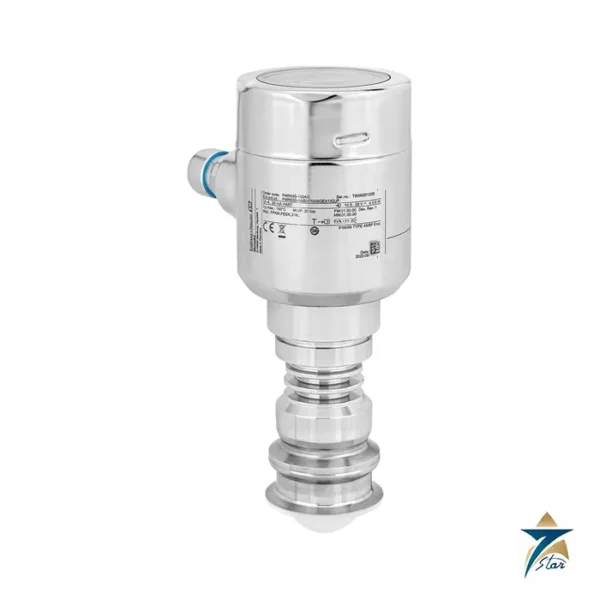
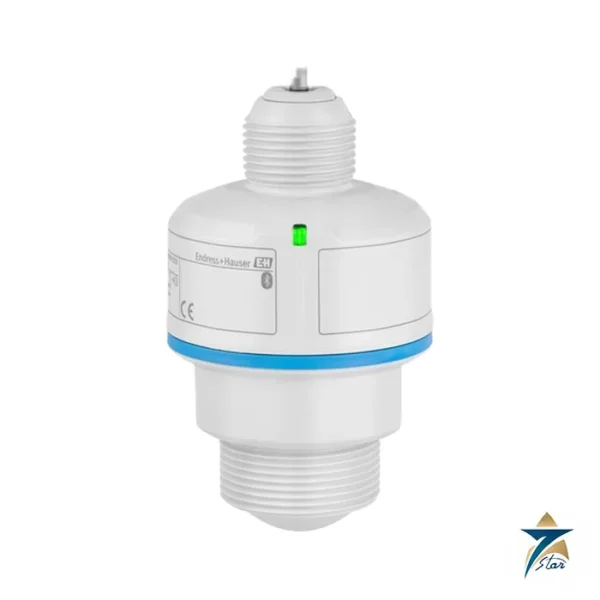
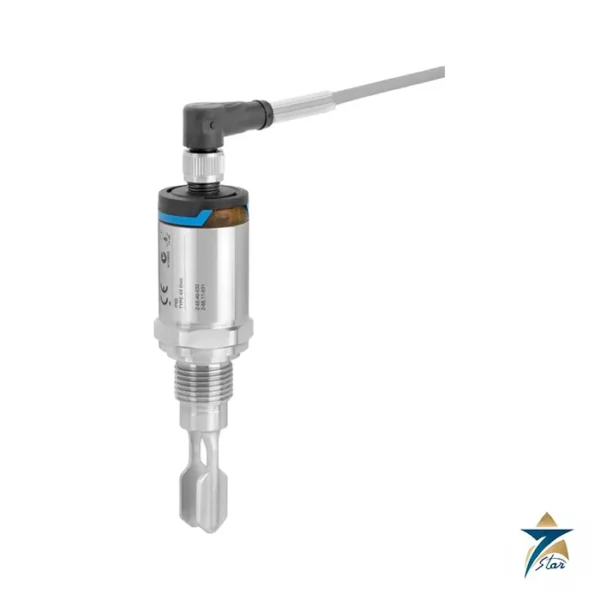
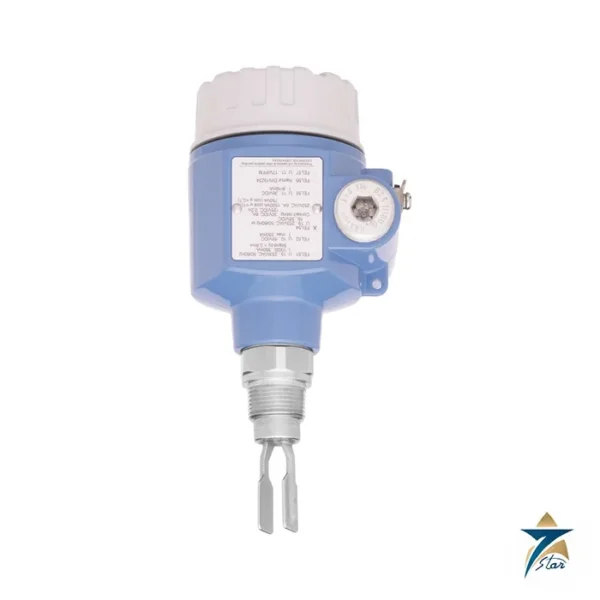
Other Models in the Eh Liquiphant Vibronic Ftl Range
Seven Star LLC supplies models from the Eh Liquiphant Vibronic Ftl range in Oman and the GCC. Compare the related models below and request a quote for the one that matches your application.





















Reviews
There are no reviews yet.