A fully insulated rod for viscous and adhesive conductive liquids
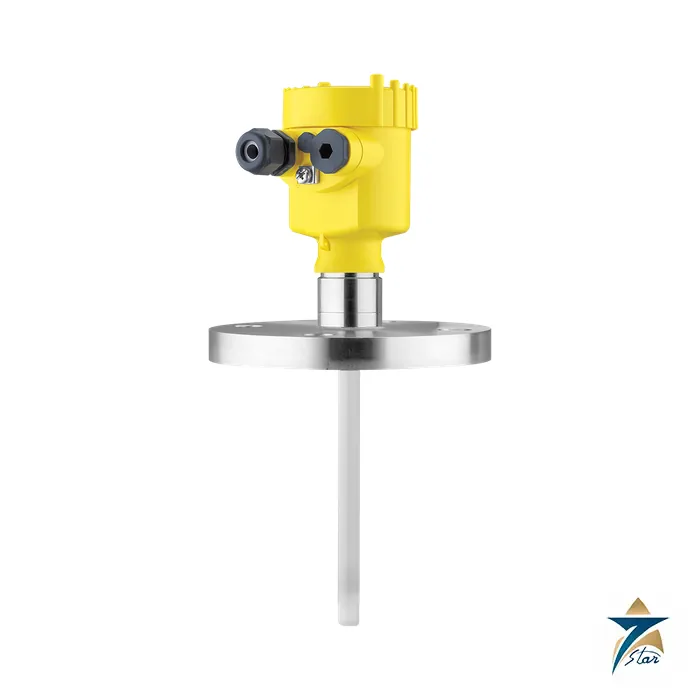
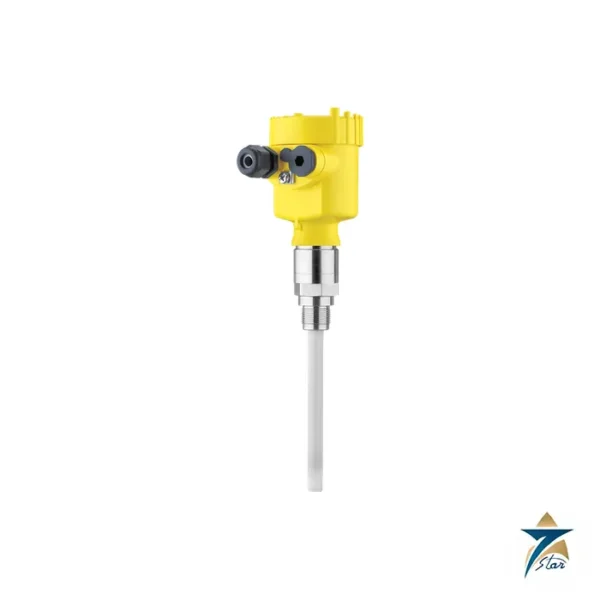
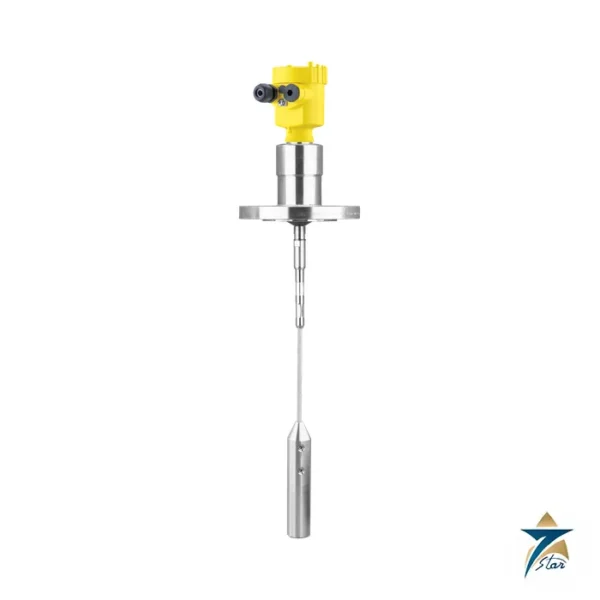
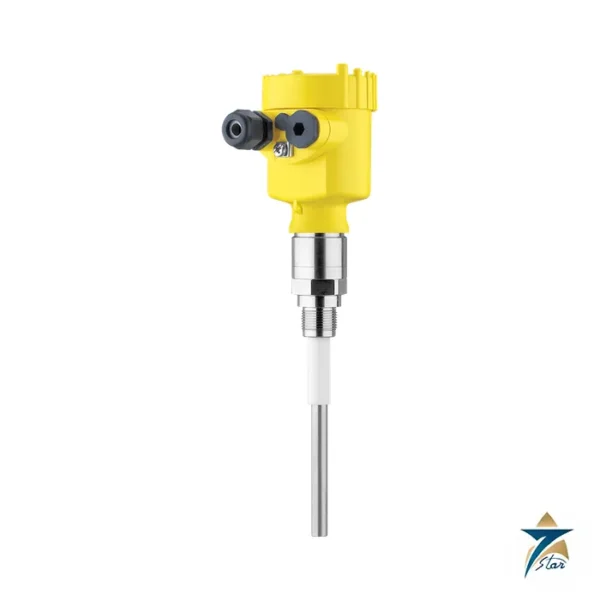
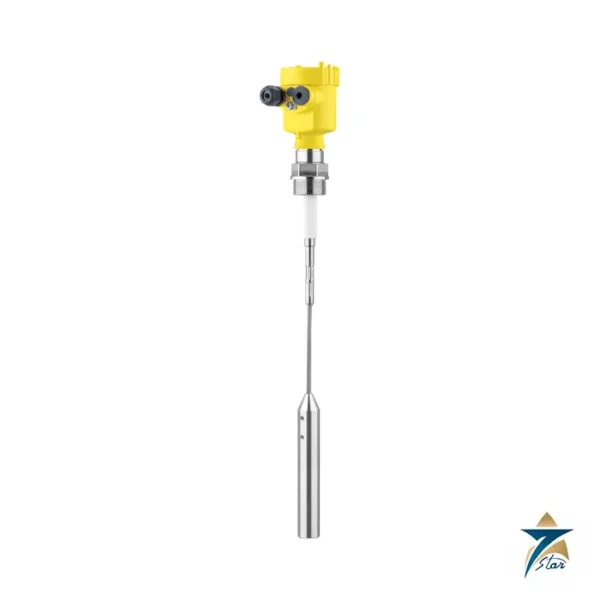
The VEGACAL 64 is a fully FEP-insulated capacitive rod electrode for conductive and non-conductive liquids, and VEGA specifically recommends it for viscous and adhesive products. Buildup on the probe has little effect on the signal, which VEGA quantifies as fewer cleaning cycles, and measurement covers the entire probe length without a blocking distance. In the type overview it is listed for conductive liquids with a rod of 0.2 to 4 m and an FEP insulation, set against the VEGACAL 62 (partly insulated) and 63 (PE/PTFE insulated) siblings.
Technical specifications
| Parameter |
Specification |
| Type |
VEGACAL 64, capacitive rod electrode, fully FEP insulated |
| Measuring range |
Up to 4 m (13.12 ft); length 0.2 to 4 m |
| Process fitting |
Thread from G½/½ NPT (sheet) and flanges; PI lists G1 |
| Process pressure |
-1…+64 bar (-100…+6400 kPa) |
| Process temperature |
-50…+150 °C (-58…+302 °F) |
| Ambient, storage, transport |
-40…+80 °C (-40…+176 °F) |
| Operating voltage (two-wire sheet) |
12…36 V DC |
| SIL qualification |
Optionally up to SIL2 |
| Wetted parts |
Fully FEP-insulated probe |
| Electronics |
4…20 mA/HART two-wire, Profibus PA, Foundation Fieldbus, or version for a signal conditioning instrument |
| Housing |
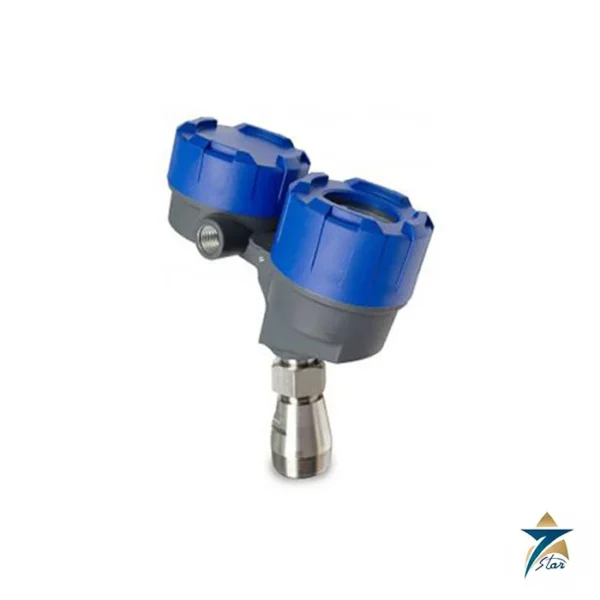
Single- or double-chamber housing in plastic, stainless steel or aluminium, up to IP68 (1 bar) |
| Approvals |
ATEX and IEC hazardous-area; ship approvals GL, LRS, ABS (as printed) |
Where a fully insulated rod is the better choice
An insulated probe works with conductive liquids because the dielectric is the insulation layer, not the medium, and the FEP coating resists most chemicals and does not wet easily. VEGA’s mounting guidance for adhesive products is to let the probe protrude into the vessel horizontally and to avoid sockets for flanges and threaded fittings, which collect buildup. Pressure rating is the highest in the rod series at 64 bar, but the FEP coating lowers the temperature limit to 150 °C against 200 °C for the partly insulated 62.
Selection and ordering notes
Because the sheet states an optional SIL2 qualification, the VEGACAL 64 can be used in a safety loop when the version with the safety manual is ordered; check the functional-safety documentation on the VEGA download centre. Vessels with only a plastic wall need a counter-electrode (a reference tube) because the measurement relies on the vessel as second electrode. Please tell us the product, conductivity and probe length when you request a quotation. Gravity weights, probe length tolerances, flange class and the Ex marking of the housing all belong in the order code, so a short process data sheet from your instrument engineer is the quickest way to get a correct offer.
Installing the probe in the vessel
A capacitive probe measures the capacitance between the rod and a reference, normally the metal vessel wall, so the mounting position directly influences the reading. Keep the rod clear of internal structures such as agitator blades, heating coils, ladders and inlet pipes, and make sure the filling stream does not hit the probe. Leave enough distance from the vessel wall so that the rod cannot touch it if it moves, and allow for any swinging caused by agitation or surges in the product.
Handle the rod carefully before and during installation. The FEP insulation is what makes the measurement work in conductive liquids, and a scratch, cut or crushed area can let the product reach the metal core. Keep the protective packaging in place until the probe is ready to be fitted, do not drag the rod across the nozzle edge, and never use tools on the insulated part.
Electrical connection and earthing
Connect the housing to the vessel earth with a short, low-resistance connection, because the vessel acts as the second electrode. Follow the wiring plan for the selected electronics, keep signal cables away from power cables, and use the cable glands specified for the housing so that its protection rating is kept. In hazardous areas, the installation has to follow the Ex documentation that belongs to the specific version supplied.
Adjustment and commissioning
Capacitive probes need an empty and a full adjustment that reflect the real vessel and product. The most reliable method is to adjust with the vessel actually at a low level and then at a high level, using a known reference such as a sight glass or a manual dip. Where this is not possible, follow the adjustment procedure in the operating instructions and check the result as soon as real filling levels are available.
After adjustment, compare the output with independent level readings at several points during normal operation. Note the values reported by the instrument, the control system reading and the reference level in the commissioning record. If a safety function uses the probe, carry out the proof tests required by the safety manual and keep the results with the loop documents.
Service in Omani process plants
The VEGACAL 64 is often chosen for products that leave deposits, such as resins, syrups, detergents and treatment chemicals found in industrial and water plants across Oman. Although buildup has little effect on the signal, inspect the probe during planned vessel shutdowns and remove heavy deposits with a method that will not damage the FEP layer, such as warm water or a soft cloth.
Outdoor tanks in Oman can reach high surface temperatures in direct sunlight. Fit a sun shield where the housing is exposed, check that cable glands and covers are tight after maintenance, and inspect the housing seals periodically, especially in coastal areas where salt-laden air can attack exposed metal parts.
Documents and quotation
The official VEGA VEGACAL 64 (4…20 mA/HART two-wire) specification sheet (34610-EN, version 160112) is attached to this page for download and covers the technical data, dimensions and wiring summarised above.
For a quotation, tell us the medium, tank or channel dimensions, output signal, hazardous-area requirement and quantity. Seven Star LLC, an independent supplier in Muscat, will respond with availability and a commercial offer; other level instrumentation is on our site. Always verify the complete order code against VEGA’s configurator before you place an order.








Reviews
There are no reviews yet.